


Table of Contents:
Is it normal for your stomach to hurt after drinking water?
Common reasons your stomach hurts after drinking water
Symptoms that may indicate an underlying condition
Can water quality affect digestion?
How to prevent stomach pain after drinking water?
What type of water is essential for the stomach?
When should you see a doctor?
FAQs
Final thoughts
Drinking water should help you feel refreshed — not cause stomach pain. If your stomach hurts after drinking water, the discomfort is often linked to common factors such as drinking too quickly, consuming ice-cold water, drinking large amounts at once, or underlying digestive conditions like acid reflux, gastritis, or IBS.
Some people also report bloating, nausea, or cramping after drinking certain types of water, particularly heavily chlorinated or mineral-rich water. According to the National Institute of Diabetes and Digestive and Kidney Diseases (NIDDK), digestive sensitivity and abdominal discomfort are common symptoms in conditions such as IBS and gastritis.
In this guide, we’ll explain the most common causes of stomach pain after drinking water, symptoms to watch for, when to see a doctor, and practical ways to make hydration easier on your digestive system.
Is it normal for your stomach to hurt after drinking water?

Occasional mild discomfort after drinking water is usually not a medical emergency. Many people experience temporary bloating or cramping after drinking too quickly, consuming ice-cold water, or drinking large amounts at once.
However, frequent stomach pain should not be ignored. Pain after drinking water may be worth investigating if it occurs alongside:
- nausea
- acid reflux
- burning sensations
- bloating
- diarrhea
- chest discomfort
- ongoing abdominal pain
Many people describe the sensation by saying:
- “water makes my stomach hurt”
- “water sits heavily in my stomach”
- “my stomach cramps after drinking water”
- “cold water hurts my stomach”
These descriptions can provide useful clues about what may be triggering the discomfort.
The frequency, timing, and type of pain matter. For example:
- pain only after cold water may suggest temperature sensitivity
- pain on an empty stomach may point toward gastritis or acid irritation
- bloating after drinking water may be related to swallowed air or IBS
Common reasons your stomach hurts after drinking water
Several factors may explain why your stomach hurts after drinking water. Common causes include drinking too quickly, consuming very cold water, digestive conditions like acid reflux or IBS, and sensitivity to certain types of tap water.
Drinking water too quickly
Drinking large amounts of water too quickly may temporarily stretch the stomach and increase swallowed air, leading to bloating, cramps, or stomach pressure. According to Johns Hopkins Medicine, swallowing excess air while eating or drinking can contribute to abdominal discomfort and bloating.
If your stomach hurts when you drink water fast, slowing down and taking smaller sips throughout the day may help reduce discomfort.
Cold water sensitivity
Cold water may temporarily trigger stomach discomfort in sensitive individuals, especially those with IBS or digestive sensitivity. Some people report cramping or stomach tightness after drinking ice-cold water because cold temperatures can briefly affect stomach muscle activity and digestion.
According to the National Institute of Diabetes and Digestive and Kidney Diseases (NIDDK), IBS commonly involves abdominal pain and digestive sensitivity, which may make cold beverages harder to tolerate for some people.
Drinking water on an empty stomach
If your stomach hurts after drinking water on an empty stomach, acid irritation or gastritis may be contributing factors. Water may temporarily irritate an already sensitive stomach lining, especially in people with acid reflux, gastritis, or stomach ulcers. Symptoms may include:
· burning pain
· nausea
· upper stomach discomfort
· bloating
Acid reflux (GERD)
Acid reflux may also explain stomach discomfort after drinking water. Drinking large amounts too quickly can temporarily increase stomach pressure, which may worsen reflux symptoms such as chest burning, nausea, or upper abdominal pain.
According to the National Institutes of Health (NIH), GERD affects approximately 20% of adults in the United States. Carbonated water may also worsen symptoms in some individuals because gas buildup increases abdominal pressure.
Irritable bowel syndrome (IBS)
IBS is a digestive disorder associated with abdominal pain, bloating, constipation, and diarrhea. Some people with IBS report that even small amounts of water — especially cold or sparkling water — can trigger bloating or discomfort.
The American College of Gastroenterology estimates that IBS affects 10–15% of adults worldwide. Increased digestive sensitivity may make the stomach react more strongly to normal stretching or temperature changes.
Gastritis or stomach ulcers
Gastritis and stomach ulcers can make the stomach lining more sensitive to normal digestive activity, including drinking water. People with these conditions may experience burning pain, bloating, nausea, or stomach tenderness after eating or drinking. According to Johns Hopkins Medicine, gastritis symptoms often include upper abdominal pain, nausea, and fullness.
Hard water or mineral sensitivity
Water quality may also affect drinking comfort. Hard water contains higher levels of minerals such as calcium and magnesium. While these minerals are generally safe, some individuals report bloating, stomach heaviness, or unpleasant taste reactions after drinking heavily mineralized water. Strong chlorine taste or sulfur-like odors in tap water may also contribute to nausea or stomach discomfort in sensitive individuals.
Drinking too much water at once
Drinking excessive amounts of water in a short period may temporarily overwhelm the stomach and cause bloating, nausea, or cramps after drinking water.
Researchers from Harvard T.H. Chan School of Public Health recommend consistent hydration throughout the day rather than consuming large amounts at once.
Symptoms that may indicate an underlying condition
The type of pain you experience can sometimes help identify the cause. Persistent symptoms deserve medical attention.
|
Symptom |
Possible Cause |
|---|---|
|
Burning pain after water |
Acid reflux or gastritis |
|
Stomach cramps after drinking water |
Rapid stomach expansion or spasms |
|
Bloating after drinking water |
Swallowed air or IBS |
|
Chest discomfort |
GERD |
|
Nausea after drinking water |
Reflux or sensitivity |
|
Pain after cold water |
Temperature sensitivity |
|
Pain on an empty stomach |
Gastritis or ulcers |
Can water quality affect digestion?

Water quality may influence digestive comfort, taste perception, and hydration habits.
Chlorine taste and digestive sensitivity
Municipal water systems commonly use chlorine or chloramine for disinfection. While regulated levels are considered safe, some individuals find a strong chlorine taste unpleasant or nausea-inducing.
Hard water minerals
Hard water contains dissolved calcium and magnesium. In moderate amounts, these minerals are not harmful and may contribute beneficial minerals to the diet.
However, extremely mineral-heavy water may feel harder to tolerate for some people.
Contaminants and gastrointestinalsymptoms
Contaminated water — particularly from poorly maintained systems or unsafe sources — may contribute to gastrointestinal symptoms such as:
- diarrhea
- nausea
- stomach cramps
The Centers for Disease Control and Prevention notes that contaminated drinking water can contribute to waterborne illness and digestive symptoms.
Why some people prefer filtered water
Filtered water may improve:
- taste
- odor
- chlorine reduction
- drinking experience
For individuals sensitive to strong odors or unpleasant-tasting water, cleaner-tasting filtered water may encourage more consistent hydration habits.
How to prevent stomach pain after drinking water?
Several simple adjustments may help reduce stomach discomfort.
- Drink more slowly — Avoid gulping large amounts of water quickly.
- Avoid extremely cold water — Room-temperature water may feel easier on digestion for sensitive individuals.
- Stay hydrated throughout the day — Consistent hydration reduces the urge to rapidly drink large quantities at once.
- Avoid overhydration — Excessive water intake may contribute to bloating and stomach discomfort.
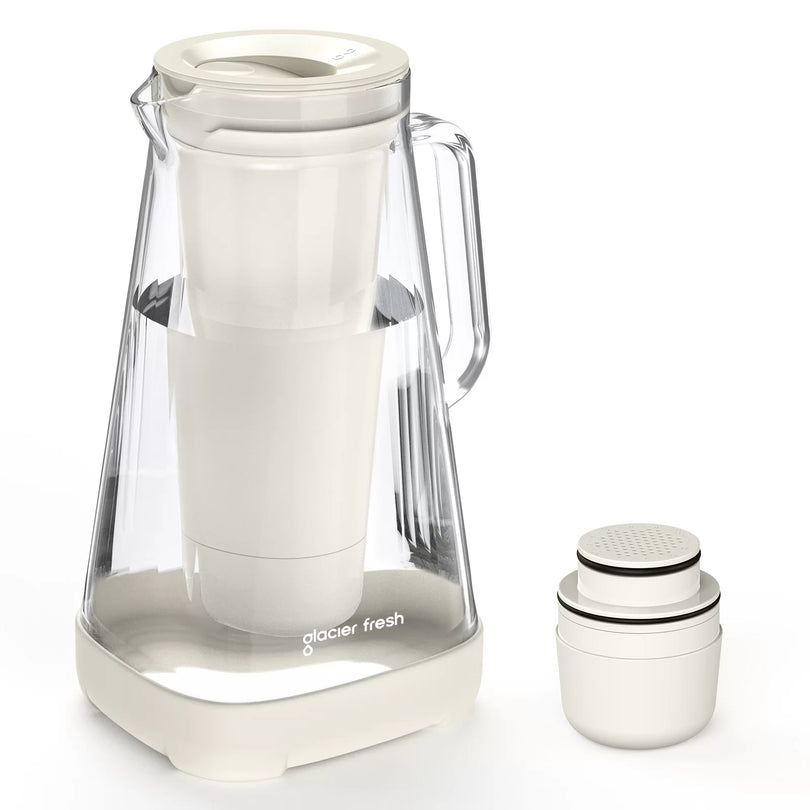
- Try filtered water — If chlorine taste or odor seems to trigger discomfort, filtered water may improve drinking comfort.
- Monitor your trigger patterns — Pay attention to whether symptoms occur after cold water, exercise, an empty stomach, tap water or only when drinking quickly.
What type of water is essential for the stomach?

Although individual preferences vary, many people with digestive sensitivity tolerate:
- room-temperature water
- filtered water
- non-carbonated water
- lower-chlorine-tasting water
better than extremely cold or heavily carbonated beverages.
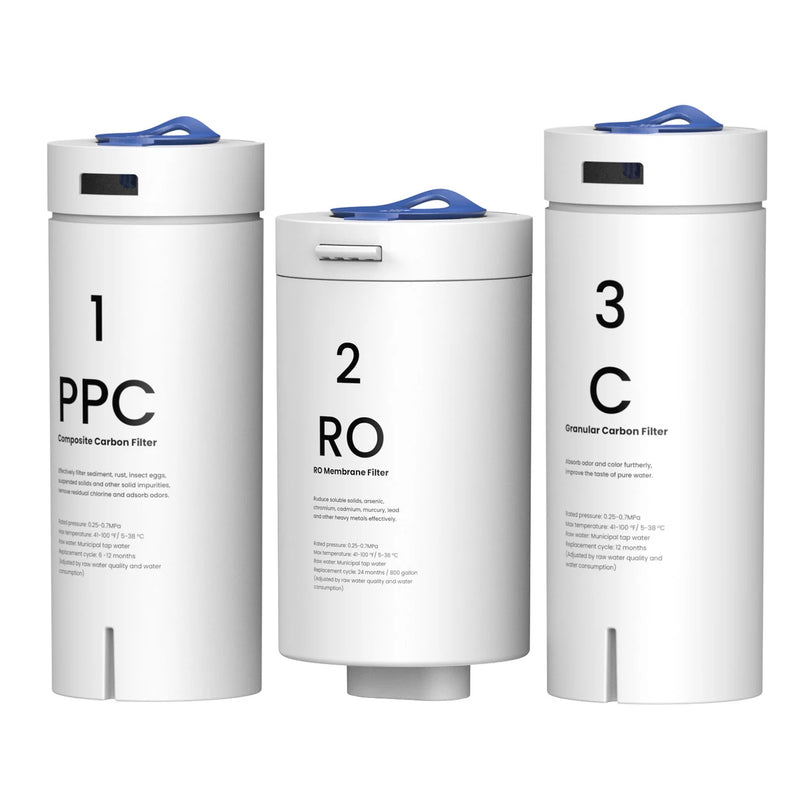
Activated carbon filtration and under sink reverse osmosis systems are commonly used to improve taste and reduce certain unwanted substances in drinking water. For some people, cleaner-tasting water simply feels more comfortable to drink consistently.
When should you see a doctor?
Occasional mild discomfort is usually harmless. However, recurring or severe symptoms should not be ignored. Seek medical attention if you experience:
- severe abdominal pain
- vomiting
- blood in stool
- unexplained weight loss
- fever
- dehydration
- ongoing nausea
- trouble swallowing
Persistent digestive symptoms may indicate conditions requiring professional evaluation.
FAQs
Why does cold water hurt my stomach?
Cold water may temporarily trigger stomach muscle spasms or worsen digestive sensitivity in some individuals, especially those with IBS or acid reflux.
Can hard water upset your stomach?
Some individuals report bloating or digestive discomfort with heavily mineralized hard water, although hard water is generally considered safe.
Can drinking water too fast cause stomach pain?
Yes. Drinking water too quickly may stretch the stomach suddenly and increase swallowed air, contributing to cramps and bloating.
Why do I feel bloated after drinking water?
Bloating after drinking water may occur due to swallowed air, rapid drinking, IBS, or temporary stomach expansion.
What kind of water is easiest on digestion?
Many people find room-temperature filtered water easier to tolerate than heavily chlorinated or ice-cold water.
Final thoughts
For most people, mild stomach discomfort after drinking water is temporary and manageable. Common triggers include drinking too quickly, consuming ice-cold water, drinking large amounts at once, or drinking water on an empty stomach.
However, recurring symptoms may sometimes be linked to conditions such as acid reflux, gastritis, IBS, or digestive sensitivity. Paying attention to hydration habits, water temperature, and water quality may help identify patterns and improve comfort.
Many people also find that clean-tasting filtered water encourages more comfortable and consistent hydration habits overall.
Medical Disclaimer
This article is for informational purposes only and does not constitute medical advice. Always consult a qualified healthcare professional regarding persistent digestive symptoms or medical concerns.
References
- Mayo Clinic – Gastritis: Symptoms and Causes
- Cleveland Clinic – GERD (Chronic Acid Reflux) Overview
- NIDDK – Symptoms & Causes of Irritable Bowel Syndrome
- NIH – Gastroesophageal Reflux Disease Overview
- Harvard T.H. Chan School of Public Health – Water and Hydration
- Johns Hopkins Medicine – Gastritis Information
- EPA – Basic Information About Chloramines in Drinking Water
- CDC – Waterborne Diseases and Contaminants in Public Water Systems