


Lead (Pb) is a heavy metal and potent neurotoxin with no safe level of exposure. It accumulates in soft tissue and bone, causing irreversible damage to the brain and nervous system—with children and pregnant women at the highest risk.
The Invisible Threat in Your Tap Water
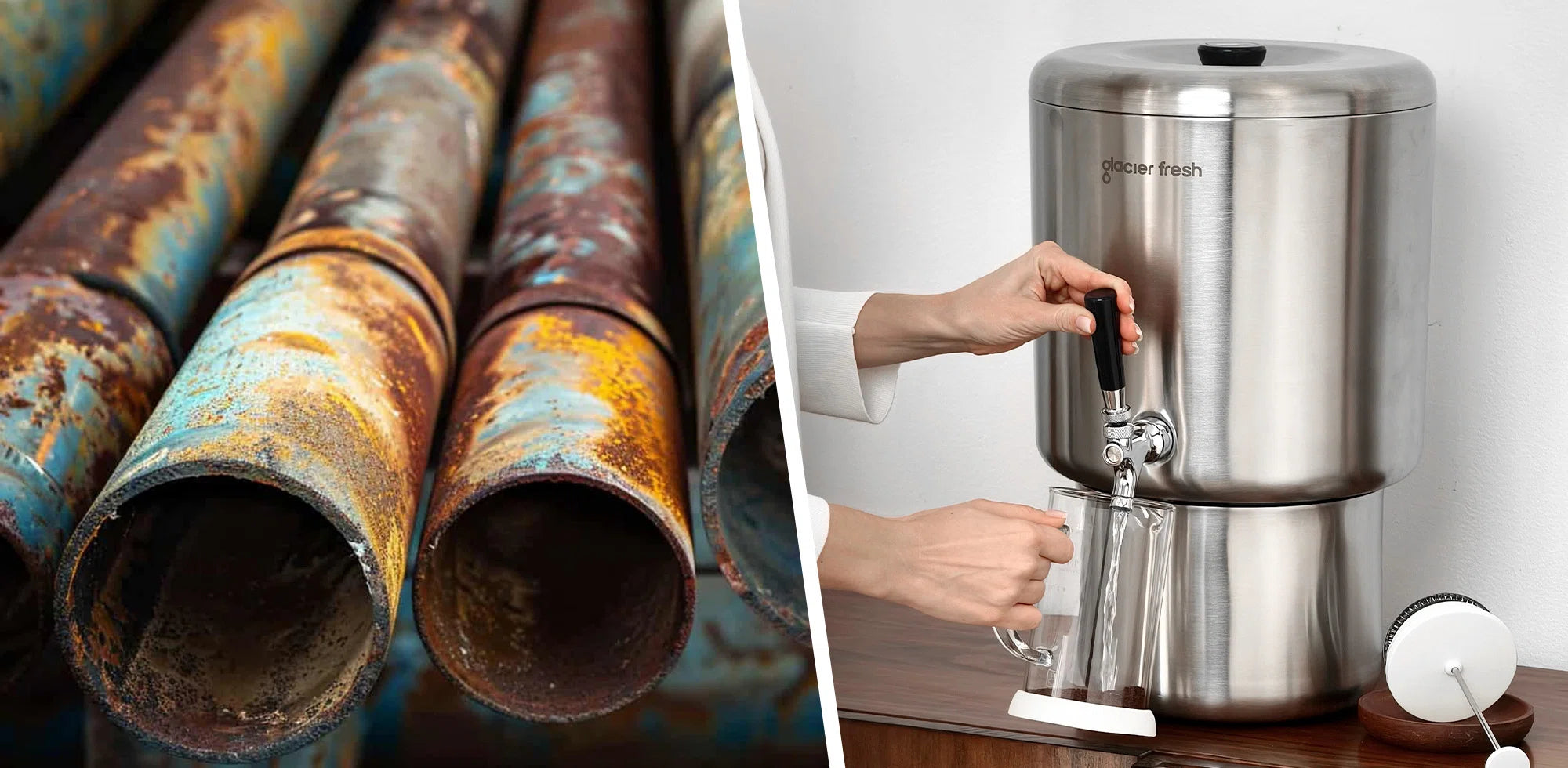
The most common source of lead exposure is contaminated drinking water. Homes and buildings constructed before 1986 frequently used lead pipes, fittings, and solder. Over time, water—especially acidic or low-mineral water—corrodes these aging pipes, allowing lead to leach silently into your supply.
Key Facts
| Fact | Detail |
|---|---|
| Lead is | Colorless, odorless, tasteless |
| Detection method | Only through specialized laboratory testing |
| Primary risk factor | Homes built before 1986 (EPA estimate: ~75% of U.S. homes contain some lead plumbing components) |
| Best defense | Certified point-of-use water filtration |
Official Health Guidelines
| Agency | Position |
|---|---|
| U.S. Environmental Protection Agency (EPA) | Maximum Contaminant Level Goal (MCLG) for lead = zero. Recommends using certified filters specifically designed for lead reduction. |
| Centers for Disease Control and Prevention (CDC) | Advises proactive measures to reduce lead exposure at the tap, especially in households with children or pregnant residents. |
| World Health Organization (WHO) | Guideline value for lead in drinking water = 10 µg/L (micrograms per liter), though no threshold is considered completely safe. |
"There is no safe blood lead level in children." — CDC
At-Risk Populations
| Group | Vulnerability |
|---|---|
| Children under 6 | Developing brains are 5× more susceptible to neurotoxic effects than adult brains |
| Pregnant women | Lead crosses the placenta and can impair fetal neurological development |
| Immunocompromised individuals | Reduced ability to excrete heavy metals; cumulative risk increases |
| Residents of pre-1986 housing | Estimated 15–22 million U.S. homes still served by lead service lines (EPA, 2023) |
The Boiling Myth – What Doesn't Work
❌ Boiling water does NOT remove lead – it can actually increase lead concentration by evaporating water volume while leaving the metal behind.
✅ Only certified filtration – using activated carbon with ion exchange, reverse osmosis, or distillation – can effectively reduce lead at the tap.
How GlacierFresh® Removes Lead
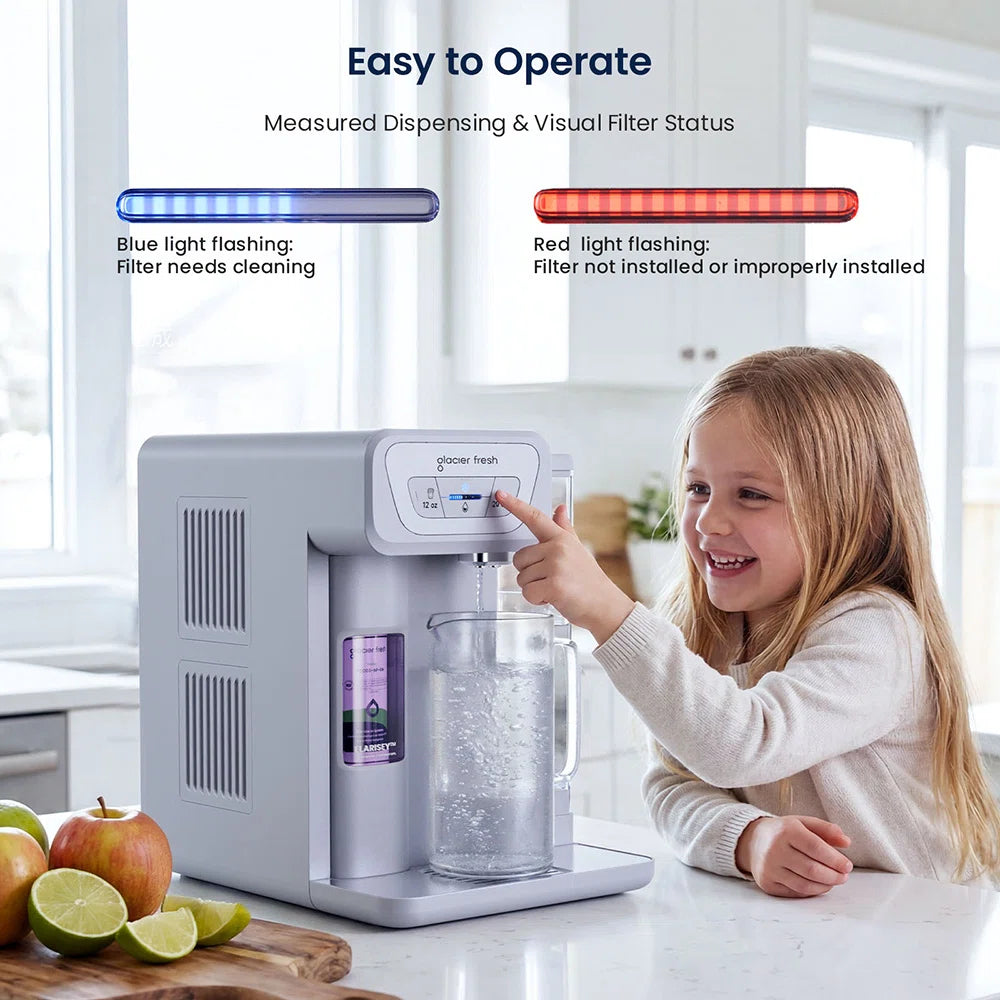
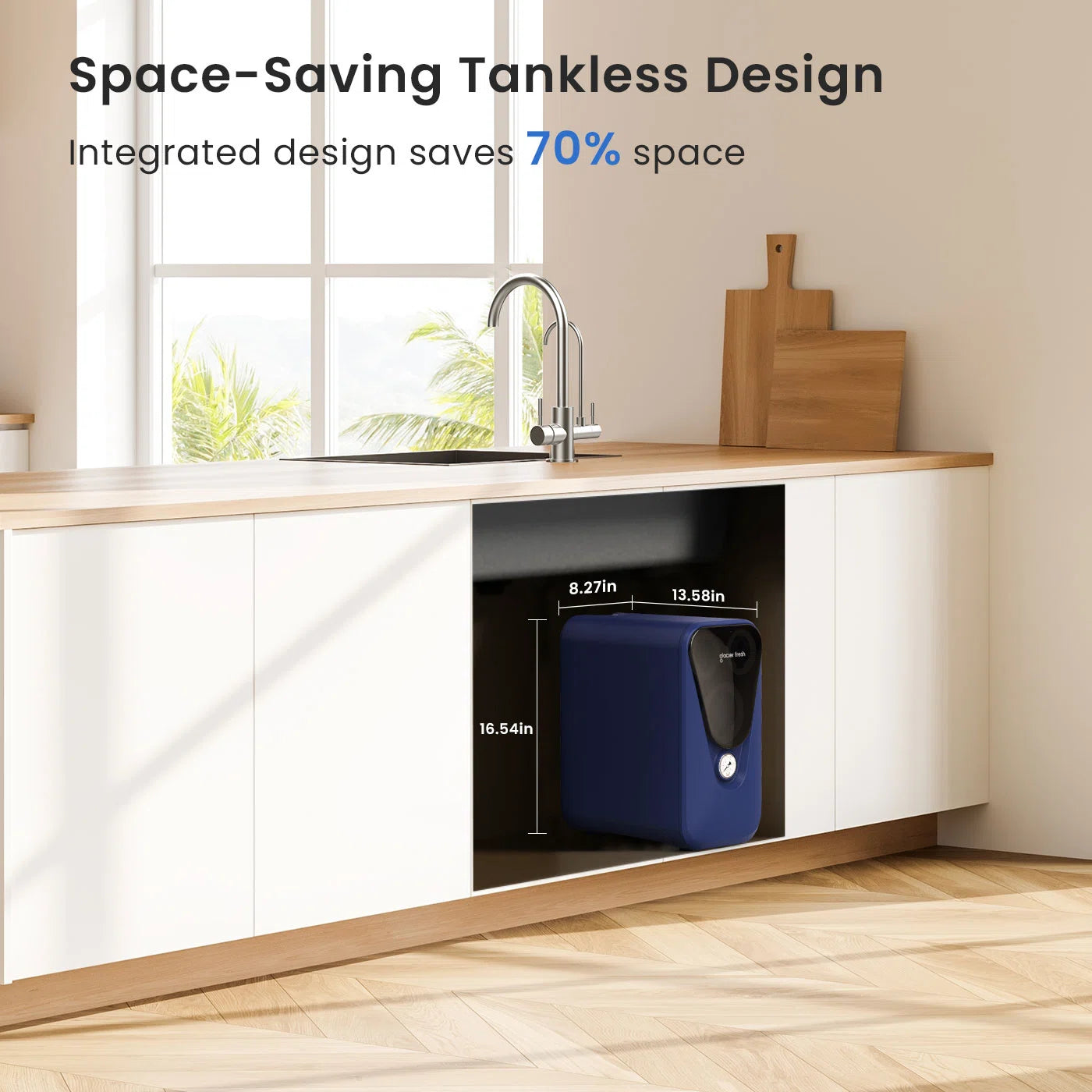
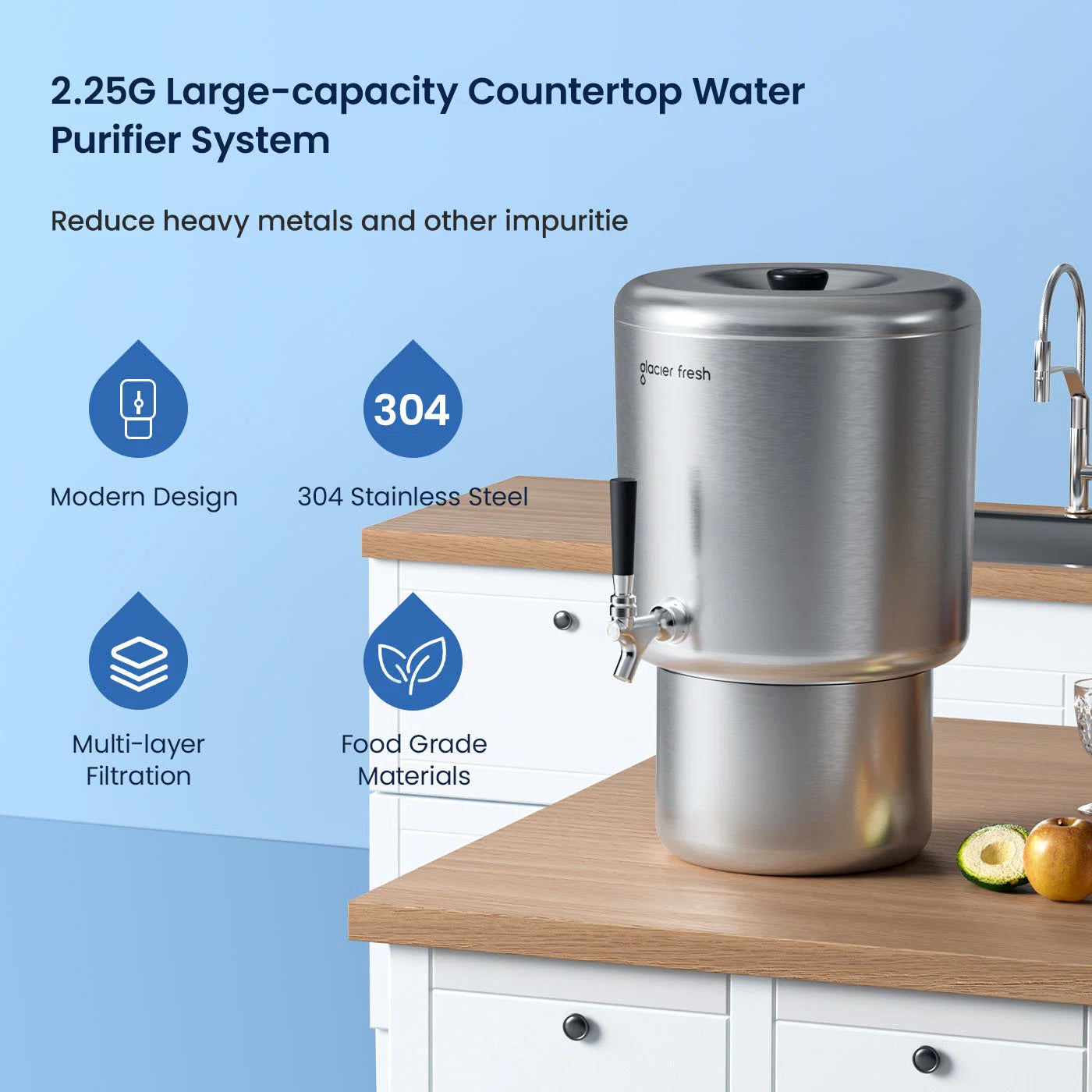
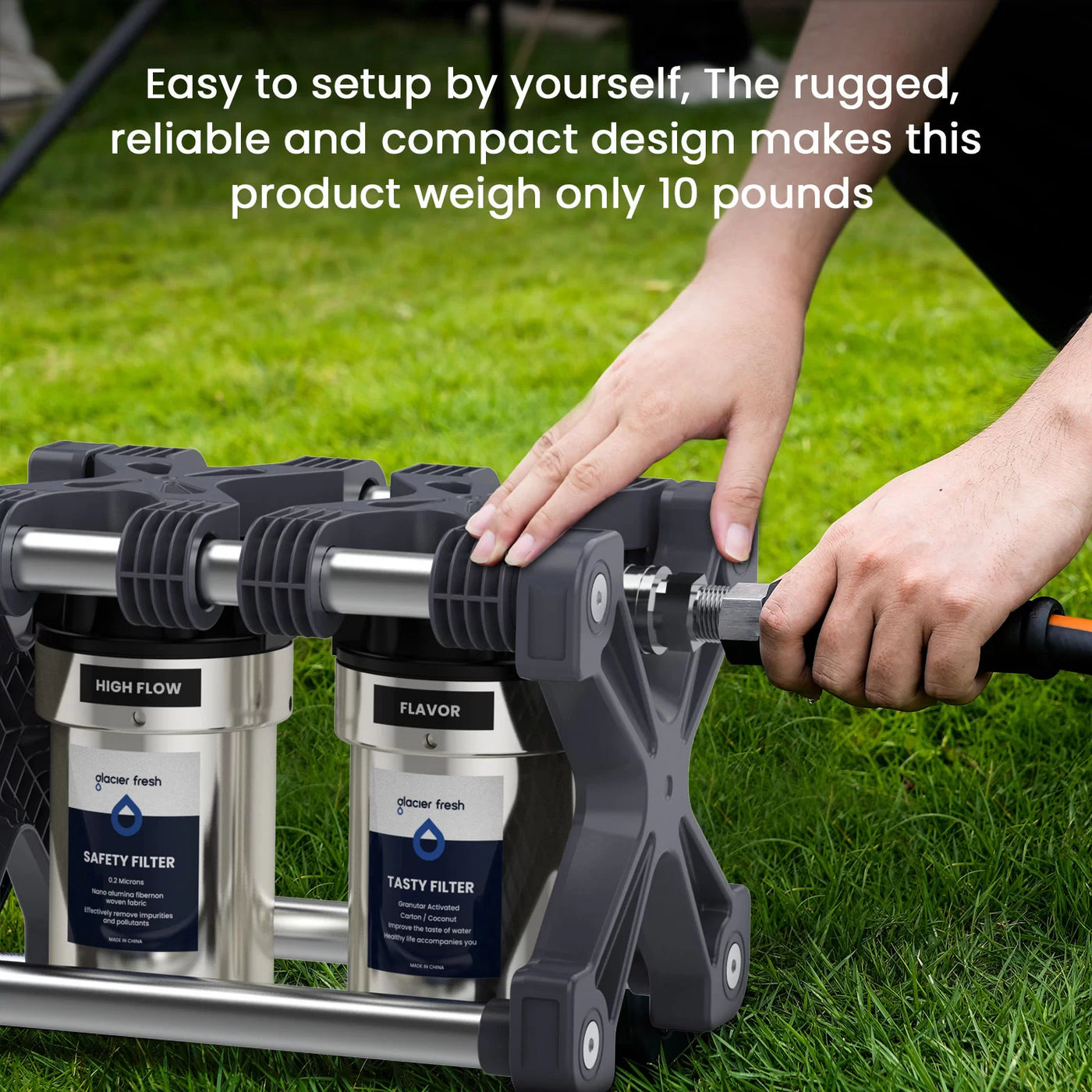
GlacierFresh® countertop and under-sink filtration systems use advanced multi-stage filtration technology to reduce lead and other heavy metals, chlorine, sediment, and common contaminants—delivering cleaner, safer water straight from your tap.
Technical Specifications
| Parameter | Detail |
|---|---|
| Filtration stages | 3–5 stages depending on model (sediment pre-filter + activated carbon block + ion exchange + optional RO membrane) |
| Lead reduction rate | Up to 99% (certified to NSF/ANSI Standard 53 and 58 where applicable) |
| Other contaminants reduced | Chlorine (taste & odor), sediment, VOCs, mercury, cadmium, copper |
| Materials | Food-grade 304 stainless steel, BPA-free plastics |
| Installation | Tool-free; connects to standard faucet (countertop models) or quick-connect under-sink fittings |
Why GlacierFresh Stands Out
- Point-of-use protection – filters water exactly where you drink and cook
- Consistent performance – flow rate and contaminant reduction maintained throughout filter lifespan
- No permanent installation – renter-friendly; moves with you
- Third-party validated – tested to industry standards for heavy metal reduction
The Bottom Line
Lead in drinking water is a preventable health risk. GlacierFresh offers certified multi-stage filtration that reduces lead, chlorine, sediment, and heavy metals—directly from your tap, with no plumbing modifications. Safe water starts here.