
Table of Contents:
Carbon Water Filter Systems Explained
Reverse Osmosis (RO) Water Filters Explained
What Is Alkaline Water and How Do Alkaline Water Filters Work
Comparing RO vs Carbon vs Alkaline Water Filters
Water Filter Under Sink vs Other Filtration Options
FAQs
Conclusion
There’s a common misconception that water filters are all the same. It’s far from true because different systems target different contaminants and thus, produce different results. In this guide, we’ll help differentiate water filters like RO, alkaline, and carbon water filter to help you choose the right solution for your household.
Carbon Water Filter Systems Explained

Carbon water filters are one of the most commonly used filtration systems, because it’s simple to use and effective. The way it works is through a process called adsorption, where contaminants stick to the surface of activated carbon rather than being absorbed. This activated carbon is typically made from carbon-rich materials like wood, coal, and coconut shells, whcih increase surface areas and trap impurities.
According to the US Environmental Protection Agency, carbon filtration is effective in removing chlorine commonly used in municipal water systems. It also reduces VOCs that usually come from industrial pollution or even household chemicals. Aside from that, it also eliminates odors and taste compounds as well as select pesticides.
Advantages of Using a Carbon Water Filter
There are several benefits to using a carbon water filter system at home, which include:
Example of Carbon Water Filter System for Home Use
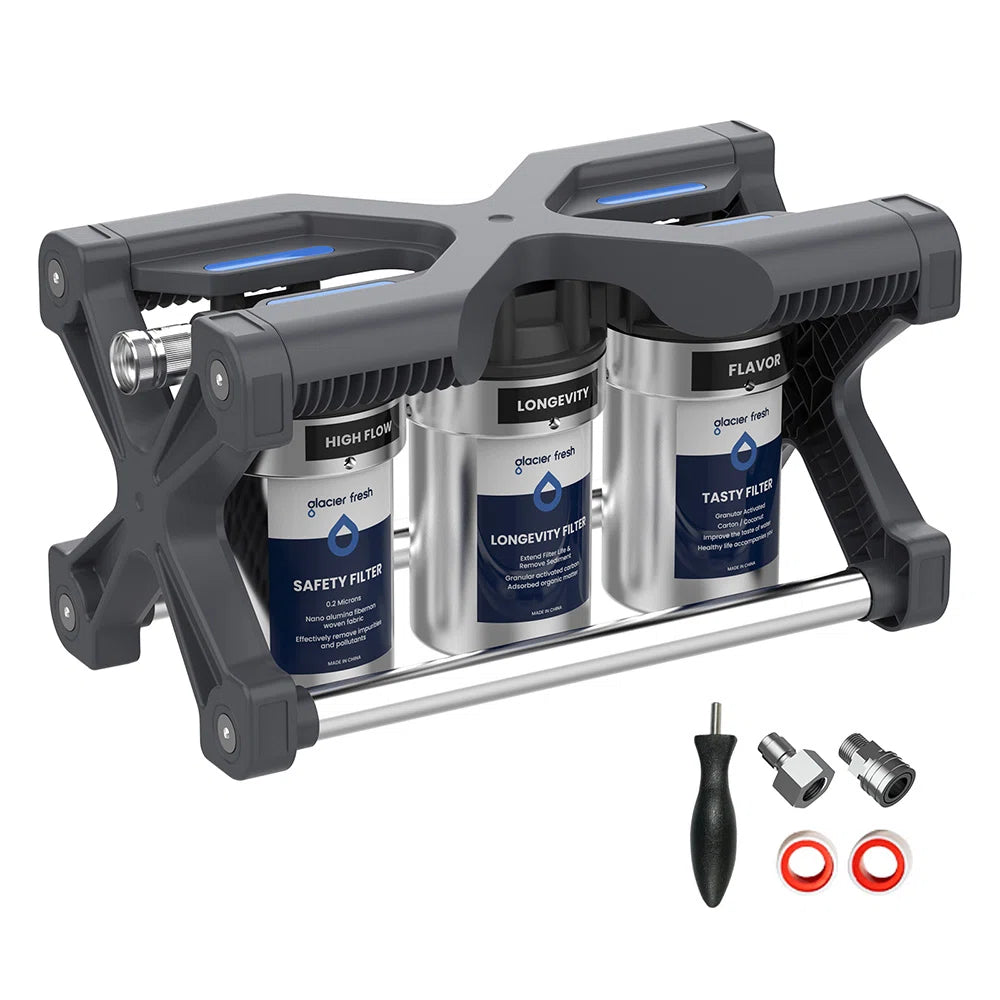
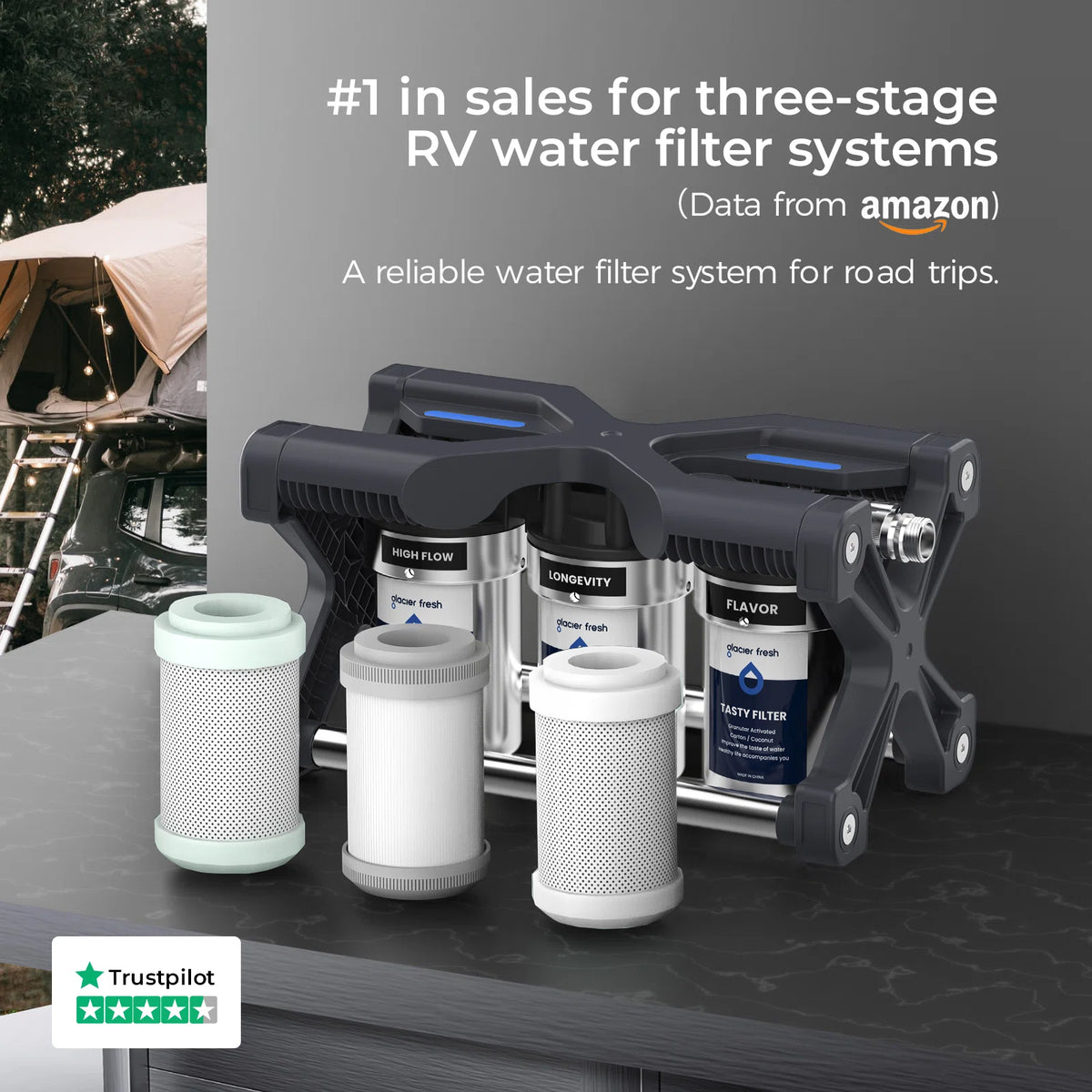
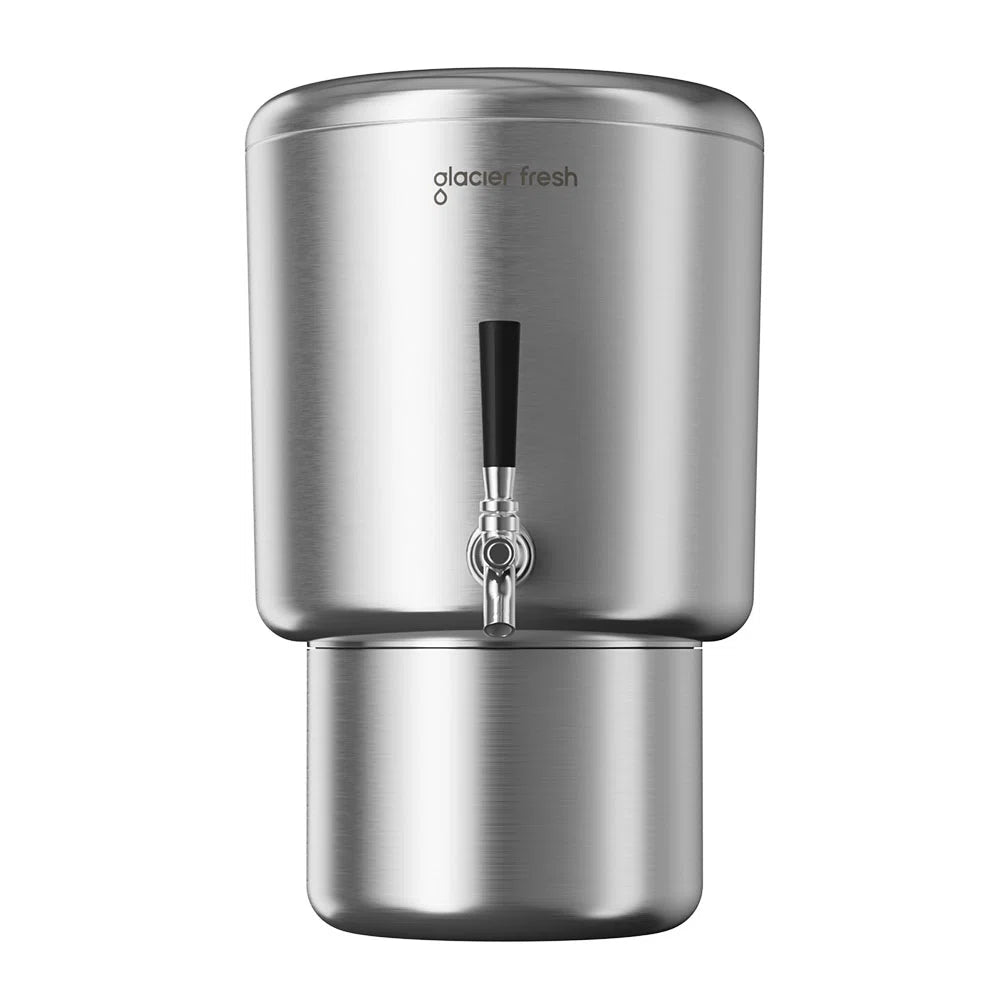
An ideal example of this is the GlacierFresh Gravity-Fed Water Filter System, which uses natural coconut activated carbon. This water filter system reduces chlorine, fluoride, odors, and sediments, all while maintaining essential minerals.
It’s made of stainless steel with a 3-gallon capacity, making it ideal for indoor use, outdoor activities, and off-grid situations.
Meanwhile, for everyday convenience, the Purela P02 Glass Water Filter Pitcher is your choice if you’re looking for portable and easy-to-use pitcher-style carbon filtration for small households.
Reverse Osmosis (RO) Water Filters Explained
Another water filter to know is Reverse Osmosis, which is known for its advanced filtration capabilities for homes that need higher water purity. This water filter system uses a semi-permeable membrane, which separate contaminants from the water.
It has a pore size of around 0.0001 micron, with a membrane that can block even the smallest impurities, while allowing clean water to pass through. The US EPA states that RO is effective in removing contaminants like heavy metals, PFAS, microplastics, dissolved salts, and bacterias and viruses.
Why RO Systems Are Considered Top Rated Home Water Filtration Systems
RO systems are considered one of the most comprehensive home water treatment for the following reasons:
-
Extremely high filtration performance as compared to standard filters
-
Provides consistent and reliable quality for drinking water
-
Effective for municipal water contamination concerns
Example: GlacierFresh Undersink RO System
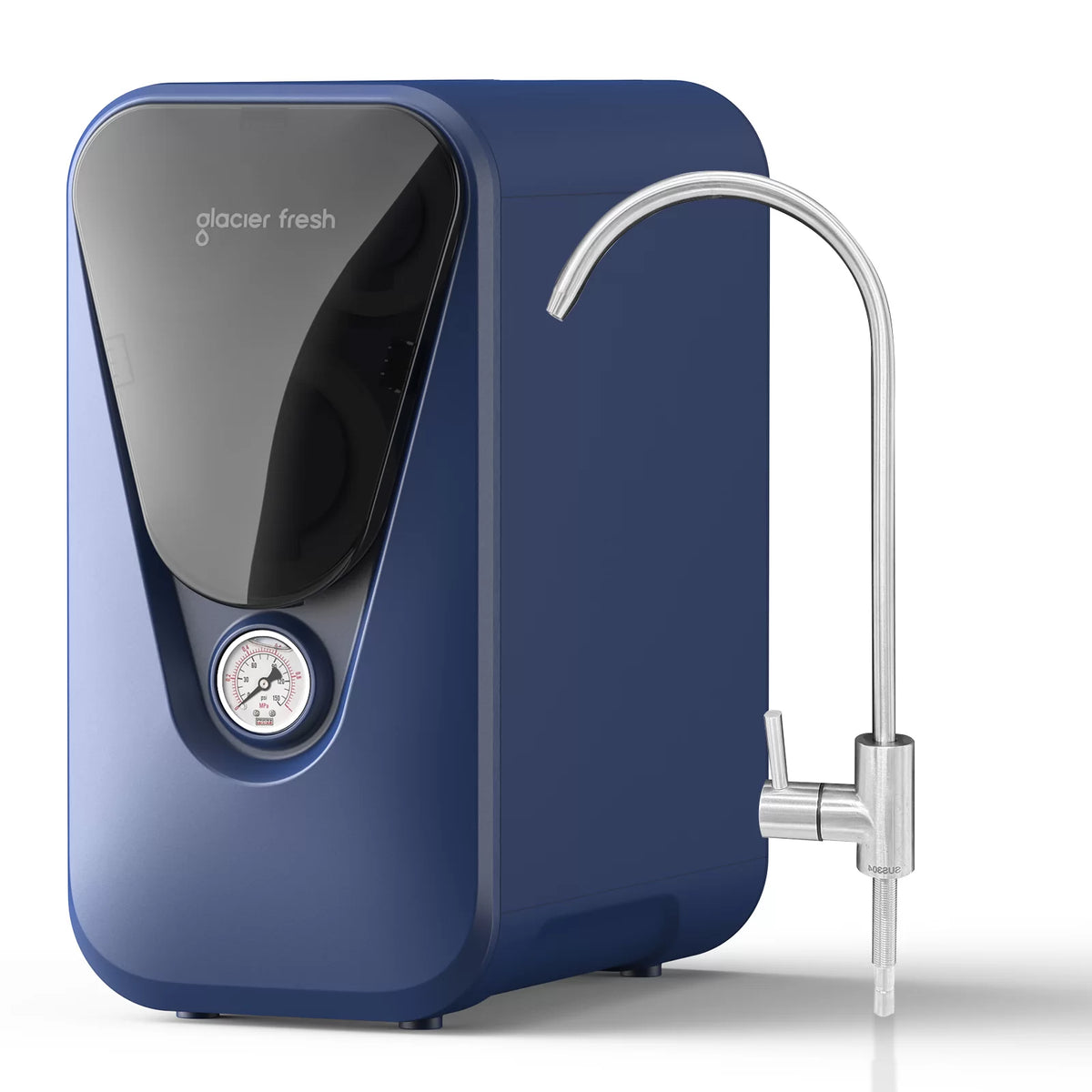
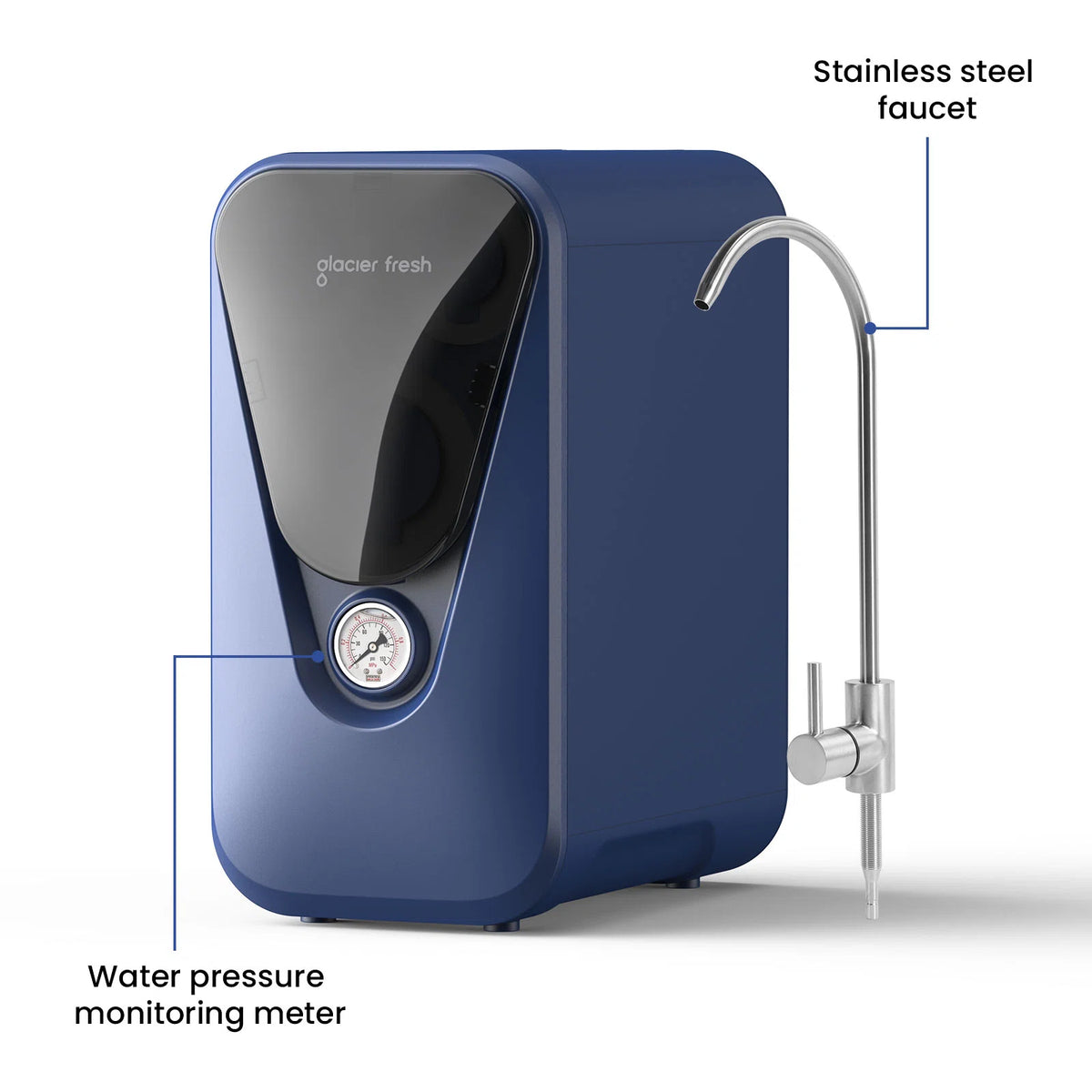
A modern example of RO systems is the GlacierFresh Undersink RO System. This features a 5-stage filtration system, removing 99.9% of contaminants delivering safe drinking water. Aside from that, it’s certified to NSF/ANFI 58 standards, ensuring material safety, structural integrity, and efficiency.
GlacierFresh Undersink RO System has a high flow rate of 800 gallons per day, and it can fill a cop in just around 5 seconds. What makes it ideal for homeowners is that it’s compact enough for under-sink installation, but still offers high-capacity filtration without sacrificing kitchen space.
What Is Alkaline Water and How Do Alkaline Water Filters Work
Alkaline water has gained popularity for the additional benefits you can get compared to regular drinking water. It’s known to have a higher pH level, which influences the flavor and composition of water.
What pH Is Alkaline Water
A pH scale measures how acidic or alkaline a substance is. Having a pH of 7 means that it’s neutral, which is typical. An alkaline water has a pH level between 8 to 9.5, meaning that it’s less acidic than regular drinking water.
According to the World Health Organization, pH levels in drinking water vary naturally, and safe consumption depends on overall quality compared to just pH alone.
How an RO Alkaline Water Filter Works
The way an RO alkaline water filter works starts with reverse osmosis filtration and re-mineralization process. In RO filtration, contaminants like heavy metals, chemicals, and dissolved solids are removed. Then, water passes through a mineral cartridge that raises pH and adds back important minerals like calcium and magnesium. This re-mineralization process raises the pH level and taste, providing a cleaner and more balanced drinking water.
Why Is Alkaline Water Good?
Alkaline water is appreciated because of its smoother, added minerals, and less acidic taste. Also, it has potential hydration benefits. In a study published in Biology of Sport, drinking highly alkaline water is an effective fluid hydration for athletes who undergo high-intensity interval trainings.
However, health organizations note that scientfic research is still ongoing, and benefits of drinking alkaline water can still vary.
What Does Alkaline Water Do for You?
Drinking alkaline water contributes to hydration and mineral intake particularly electrolytes and mineral balance. Some people also use it for digestive comfort. That said, current studies show mixed evidence, so experts recommend that people be more concerned on overall water quality than pH levels alone.
Comparing RO vs Carbon vs Alkaline Water Filters
Choosing the right water filter depends on your priorities, and to help you decide, here’s a comparison table per filter.
| Carbon Filter | Reverse Osmosis | Alkaline Filter | |
|---|---|---|---|
| Removes chlorine | Yes | Yes | Sometimes |
| Removes heavy metals | Limited | Yes | Limited |
| Removes PFAS | Limited | Yes | No |
| Improves taste | Yes | Yes | Yes |
| Changes water pH | No | No | Yes |
| Typical installation | Pitcher / gravity | Under sink | Add-on stage |
In general, RO water filter is good for deep purification, alkaline filter for mineral enhancement, and carbon filter for taste.
Water Filter Under Sink vs Other Filtration Options

Choosing the right filtration setup depends on your priority, whether it’s convenience, capacity, or the level of filtration needed.
Advantages of Under Sink Water Filtration Systems
Under-sink systems offer continuously supply of filtered water from a dedicated faucet. It can be installed out of sight, keeping your kitchen space free from clutter. Also, under-sink water filter systems have higher filtration capacity, ideal for households with high water consumption.
Pitcher and Countertop Filters
Pitcher and countertop filters are usually easy to use and require minimal setup. This is advantageous for small homes and apartment renters. However, they have lower filtration capacity compared to others.
Gravity Water Filter Systems
Gravity water filter systems are ideal for off-grid use. It’s also great for emergencies as it doesn’t require electricity yet can still filter larger volumes of water.
Refrigerator Water Filters
Refrigrator water filters are known to improve taste and reduce chlorine especially in chilled drinking water. Options like GlacierFresh refrigerator filters are compatible with popular refrigerator brands, providing you easy access to cleaner and better-tasting water straight from the fridge.
FAQs
What are the benefits of alkaline water for women?
Alkaline water is known to offer benefits like better hydration, added minerals, and smoother taste. Some women say that drinking alkaline water helps reduce acidity, however there’s still no scientific evidence to support the claims.
What does alkaline water do for you?
Alkaline water has improved mineral content like calcium and magnesium. It’s also known to contain electrolytes, which can support fluid balance.
Which water filter removes the most?
Among water filters available, RO systems can remove the most contaminants such as PFAS, heavy metals, microplastics, and dissolved salts.
Does RO systems remove bacteria?
Yes, RO systems can remove both bacteria and viruses through its fine membrane. Some people also add additional filters for extra protection.
What is the healthiest way to filter water at home?
This largely depends on your water source, but having a multi-stage filter systems can help give you a pure, balanced, safe, and better-tasting drinking water.
Conclusion
Not all water filters serve the same purpose. Carbon improves taste, RO systems are meant for deep purification, and alkaline systems enhance mineral balance. With a wide range of GlacierFresh water filter options, you can easily find the right water filter that fits your lifestyle and space.