
Table of Contents:
Understanding the Contaminants in Your Drinking Water
Do Water Filters Really Remove PFAS, Lead, and TDS?
Common Types of Home Water Filtration Systems
Best Water Treatment Systems for Modern Homes (Comparison)
What Should I Consider When Choosing a Reverse Osmosis Water Treatment System?
FAQs
Conclusion
Most people assume the water coming out of the tap is already safe. In many cases it is, but not always to the level you might expect at home, especially when it comes to PFAS water filtration.
About 1 in 44 people in the U.S. get sick each year from waterborne diseases. On top of that, researchers have identified more than 500 microbial pathogens that can exist in water supplies. That’s before you even consider chemical contaminants like PFAS or lead.
Understanding the Contaminants in Your Drinking Water

Different contaminants behave differently in water, which is why no single filter works for everything.
What Are PFAS and Why Are They Called ‘Forever Chemicals’?
PFAS stands for per- and polyfluoroalkyl substances. These are synthetic chemicals used in products like non-stick cookware, stain-resistant fabrics, and firefighting foam.
They usually enter water through industrial discharge, landfills, or firefighting training areas.
PFAS stick around for a very long time. They don’t break down easily, which is why people call them “forever chemicals.” Once they’re in water, they tend to stay there.
Long-term exposure has been linked to immune system effects, hormone disruption, and certain cancers. That’s why PFAS water filtration has become a real concern for many households, especially in urban areas.
What Is Lead in Drinking Water?
Lead doesn’t usually come from the water source itself. It comes from the pipes the water travels through.
You’ll typically find it in:
-
Older plumbing systems
-
Lead pipes or fixtures
-
Solder used in pipe joints
Even small amounts can be harmful, especially for children. There’s no known safe level of lead exposure for young kids.
Many cities have upgraded infrastructure, but older homes still carry some risk. That’s why choosing a reliable water filter for lead is still something many families look into.
What Does TDS in Water Mean?
TDS means Total Dissolved Solids. It’s a measurement of everything dissolved in your water, including minerals, salts, and trace metals.
Common examples include calcium, magnesium, sodium, and small amounts of metals.
General guidelines look like this:
-
Below 300 ppm feels clean and crisp
-
300 to 600 ppm is usually fine
-
Above 1,000 ppm often tastes off
High TDS in water doesn’t always mean it’s unsafe, but you’ll probably notice it in taste. It can also lead to scale buildup in appliances over time.
Reverse osmosis systems are often used here because they can remove very small dissolved particles that other filters miss.
Do Water Filters Really Remove PFAS, Lead, and TDS?
Short answer, yes, but only if you’re using the right type of system.
PFAS Water Filtration: Which Technologies Work Best?
According to the U.S. EPA, a few technologies consistently perform well for PFAS removal:
-
Activated carbon works well for certain PFAS types
-
Ion exchange is often used at the municipal level
-
Reverse osmosis can remove up to 99% of many PFAS compounds
For home use, reverse osmosis tends to be the most reliable option across different contaminants. If you’re specifically looking into PFAS water filtration, this is usually where people land.
How Effective Is a Water Filter for Lead Removal?
Lead requires filtration that can capture very fine particles or dissolved metals.
The most effective options include:
-
Reverse osmosis systems
-
Certified activated carbon filters
-
Point-of-use systems tested to NSF/ANSI 53 or 58
If you’re choosing a water filter for lead removal, certifications matter just as much as the technology.
How Filtration Systems Reduce TDS
Reverse osmosis systems use a membrane that filters water at a molecular level.
Here’s how they compare:
-
Carbon filters improve taste but don’t lower TDS much
-
Distillation removes TDS but takes time and energy
-
RO systems strike a balance between speed and effectiveness
Lowering TDS in water usually improves taste right away. Some systems also leave behind a small amount of minerals so the water doesn’t taste flat.
Common Types of Home Water Filtration Systems

Each system fits a different kind of home setup or need.
Under Sink Water Filtration Systems
These sit under your kitchen sink and connect to a dedicated faucet.
They’re commonly used for:
-
PFAS reduction
-
Lead removal
-
Better tasting drinking water
Best Undersink Water Filter System: Reverse Osmosis
Reverse osmosis systems combine several filtration steps into one unit, which is why they’re so widely used.
A typical setup includes:
-
PP cotton filter for sediment and rust
-
Carbon layer for chlorine and odors
-
RO membrane for PFAS and heavy metals
-
Carbon polishing filter for taste
-
Post-carbon stage to help control bacteria
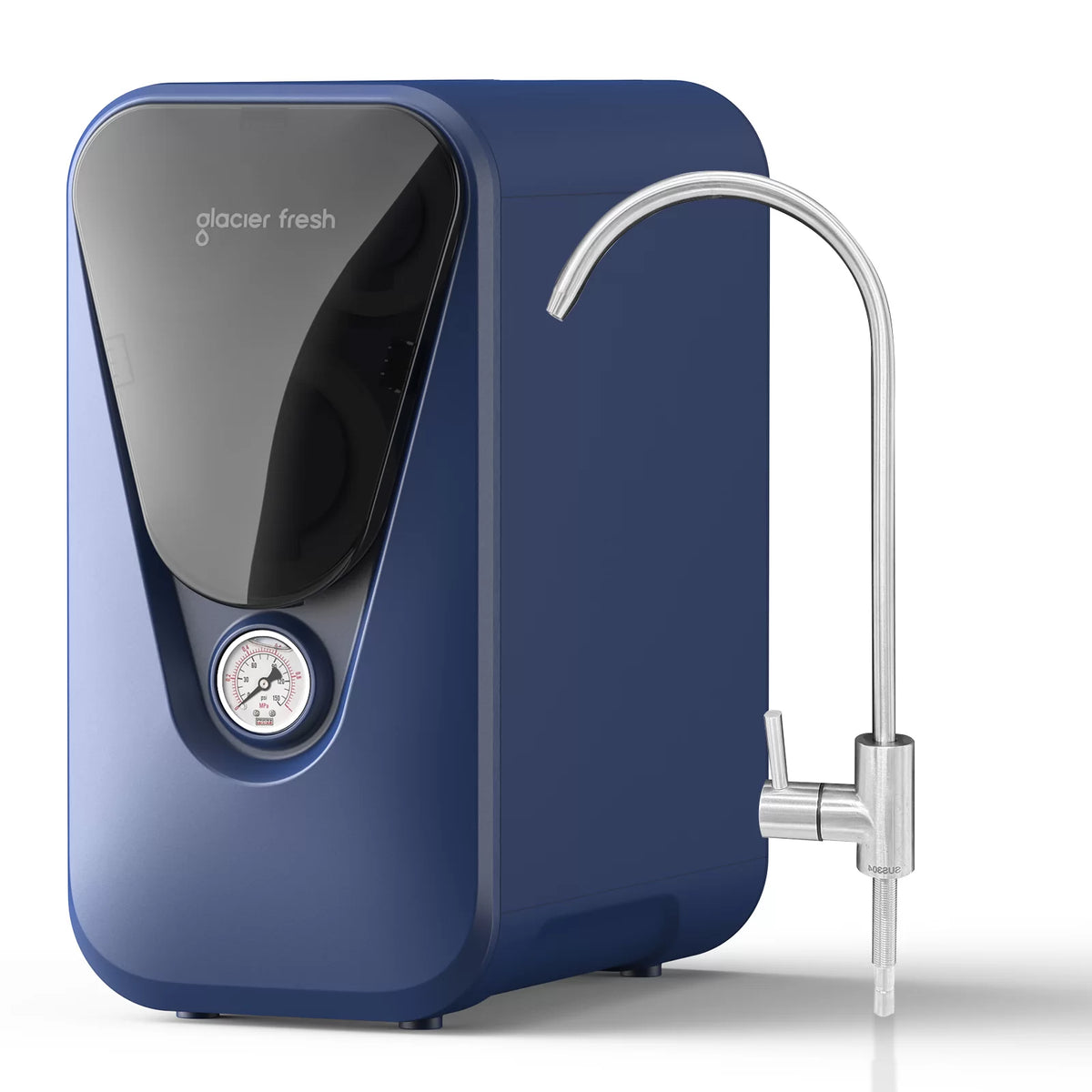
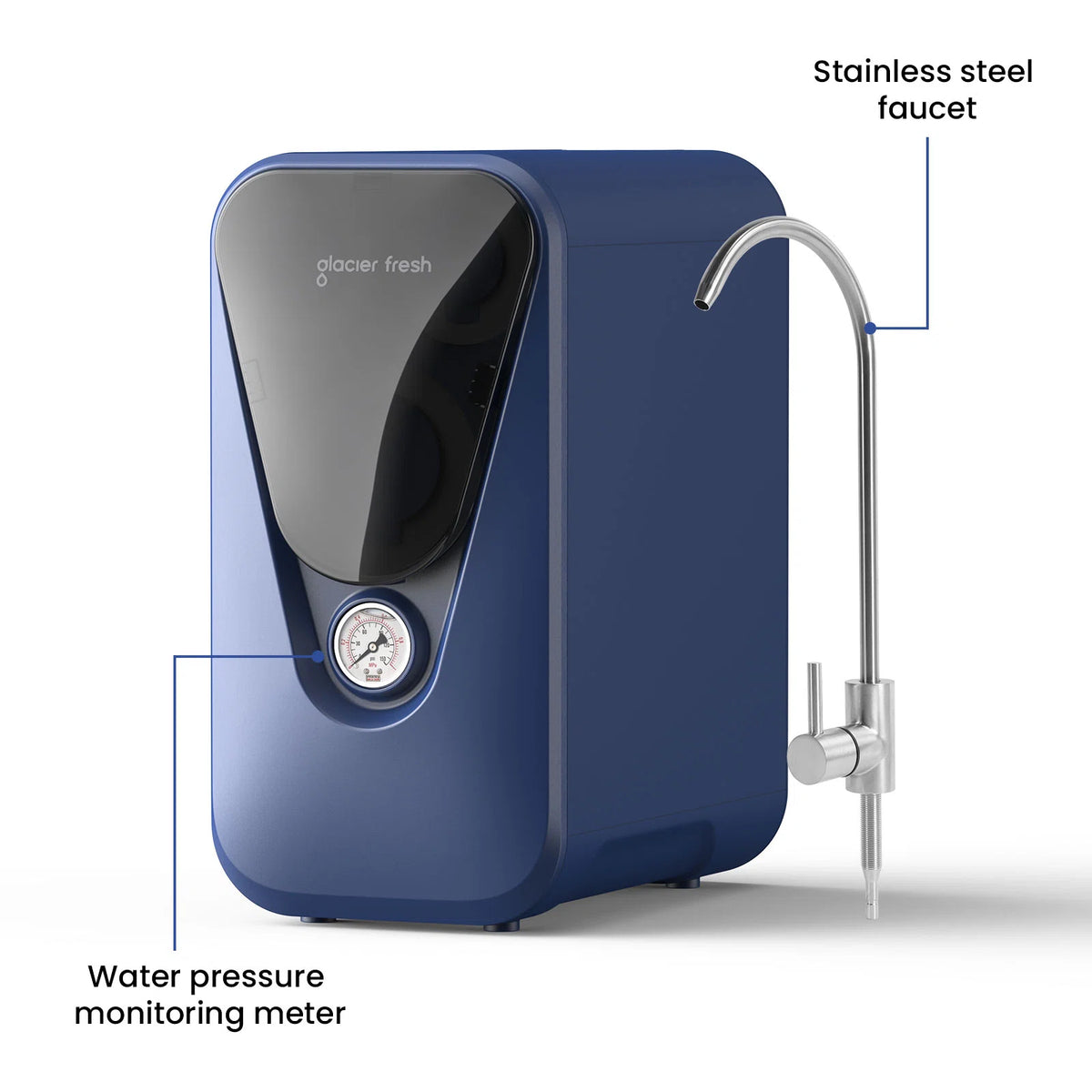
Take the GlacierFresh U03 Undersink Reverse Osmosis System as an example. It uses a 5-stage filtration process and a 0.0001 micron membrane to reduce contaminants like PFAS, lead, and microplastics.
It doesn’t rely on electricity, so it keeps working during power outages and avoids extra energy use. With a flow rate of 800 gallons per day, you can fill a glass in about 5 seconds, which is pretty convenient during busy mornings.
It’s certified to NSF/ANSI 58 standards and designed for easier installation than many traditional systems. Most users are able to set it up in under 30 minutes.
Another detail people notice is that it keeps a small portion of minerals like calcium and magnesium. That helps the water taste more natural instead of overly stripped down.
Whole House Water Filtration Systems
These systems are installed where water enters your home, so they treat everything, not just drinking water.
They’re useful for sediment, chlorine, and hard water.
They improve overall water quality, but they don’t always remove PFAS or lead as effectively as a point-of-use RO system unless you add more advanced stages.
Best Whole House Filter for Well Water
If you’re using well water, the “best” whole house filter is a combination of stages that match what’s actually in your water.
The most effective setups include:
-
Sediment filtration to catch sand, dirt, and rust
-
Carbon filtration to reduce odors and organic compounds
-
Iron and sulfur filters if you notice staining or a rotten egg smell
-
UV purification if bacteria is a concern
In real homes, these stages are usually installed together as a system rather than one standalone unit.
It’s also worth knowing that whole house systems focus on general water quality. They don’t always handle contaminants like PFAS or lead as effectively as a point-of-use system, which is why many households pair them with an under-sink reverse osmosis filter for drinking water.
Countertop and Gravity Water Filters

These are simple and portable. No plumbing, no electricity.
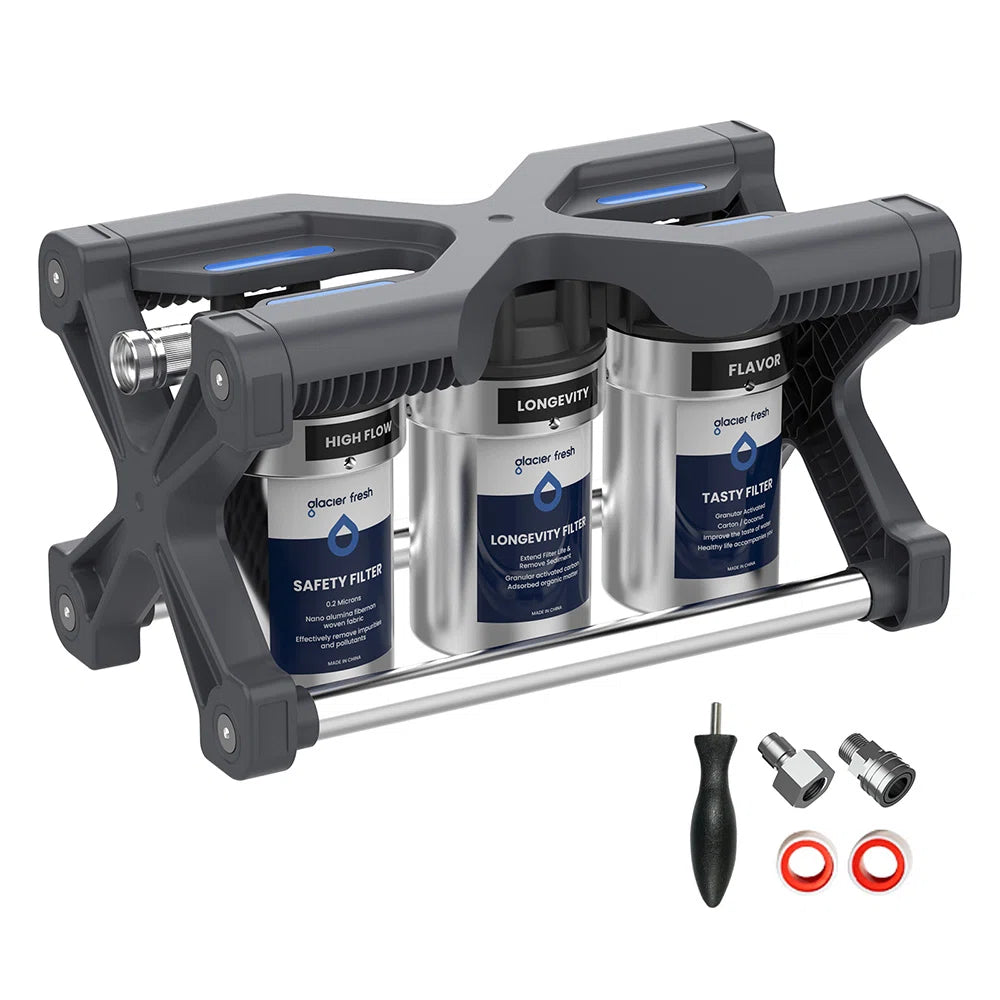
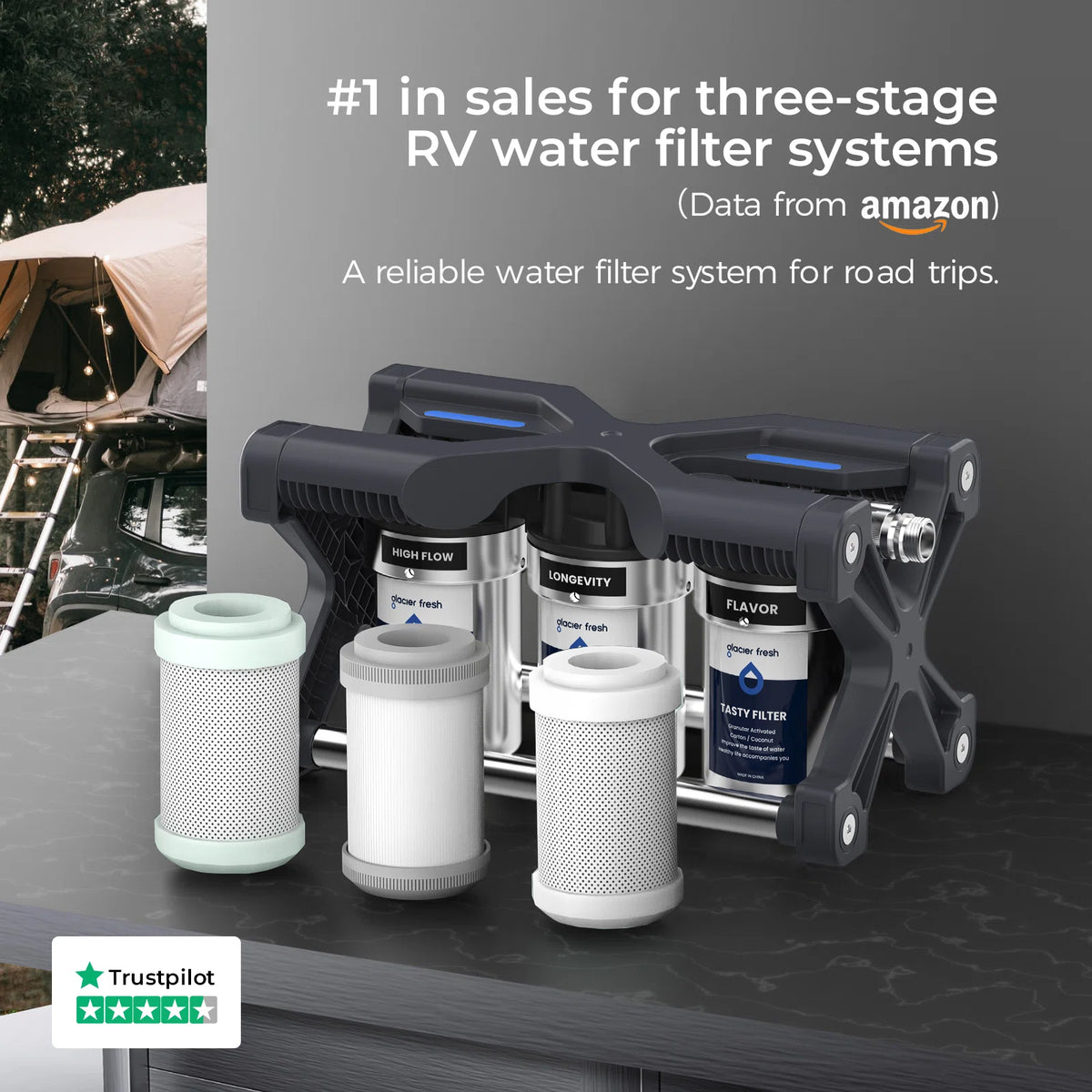
They’re a good fit for apartments, rentals, RVs, and as backup use during outages.
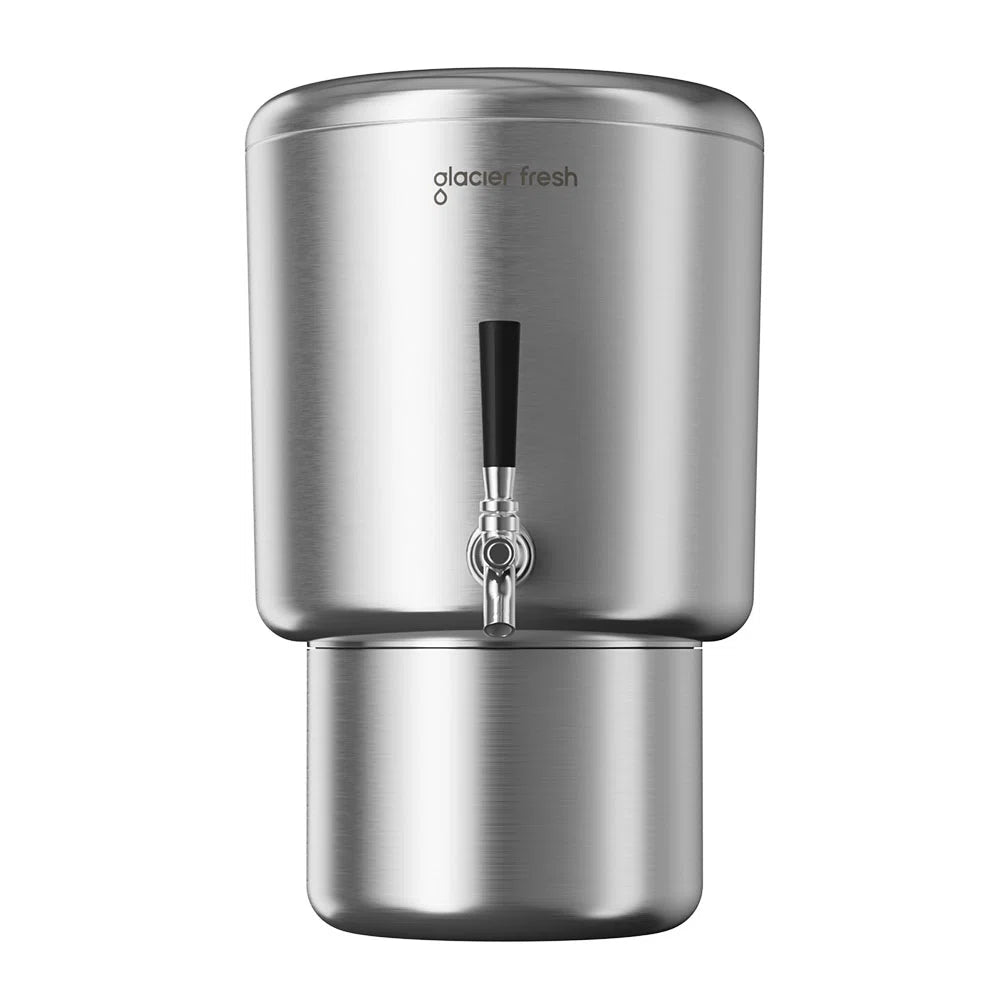
The GlacierFresh 2.25 Gallon Countertop Gravity Water Filter uses a nanofiber membrane to trap contaminants like lead, PFAS, and microplastics.
Independent testing shows about 99.87% reduction for lead and over 99% for PFAS under lab conditions. It can filter up to 3 gallons per hour, so you’re not constantly waiting or refilling.
Best Water Treatment Systems for Modern Homes (Comparison)
Choosing a system usually comes down to what you want to remove.
| System Type | Best For | Typical Installation |
|---|---|---|
| Reverse Osmosis | PFAS, lead, TDS | Under sink |
| Carbon Filters | Chlorine, taste | Pitcher or faucet |
| Whole House Systems | Sediment, chlorine | Main water line |
| Gravity Filters | Portable filtration | Countertop |
What Should I Consider When Choosing a Reverse Osmosis Water Treatment System?
Filtration Certifications
Look for NSF/ANSI 58 certification. Third-party testing gives you a clearer idea of what the system actually removes.
Flow Rate and Capacity
This is measured in gallons per day. Higher capacity means less waiting when multiple people need water.
Installation Requirements
Some systems need a separate faucet, while others connect directly. Tankless designs save space, which helps in smaller kitchens.
Wastewater Ratio
More efficient systems reduce water waste. Many modern RO systems aim for about a 3:1 ratio of purified water to wastewater.
Maintenance and Filter Replacement
Filters need to be replaced regularly. Systems with easy-access cartridges make this less of a chore.
FAQs
Do water filters actually remove PFAS?
Yes. Technologies like reverse osmosis and activated carbon can reduce PFAS significantly. RO systems are among the most effective when properly maintained.
Should my water filter remove TDS?
It depends. Lower TDS improves taste and reduces scale, but some minerals are beneficial. Many RO systems balance both.
How effective are water filters for lead?
Certified systems can remove a high percentage of lead. Look for NSF/ANSI 53 or 58 certifications for reliable performance.
How much TDS is ok in drinking water?
Below 300 ppm is considered excellent. Up to 600 ppm is generally acceptable, though taste may change.
Will reverse osmosis remove PFAS?
Yes. Reverse osmosis is one of the most effective methods for reducing PFAS when the system is installed and maintained correctly.
Conclusion
Water quality isn’t just about one contaminant. PFAS, lead, and dissolved solids all behave differently, so the filtration approach needs to match.
GlacierFresh systems bring these approaches together in practical formats, whether you want a permanent under-sink setup or something portable. For many households, it’s simply about having more control over the water you use every day.