
Table of Contents:
Replacement Water Filter Plans Explained: How They Work
The Real Cost of Filter Replacements Over Time
Convenience vs Control: What Matters More
The Role of a Proper Water Filter Replacement Schedule
What Factors Affect Water Filter Purchase Decisions?
What Should I Consider When Choosing Water Filtration Systems and Solutions?
How Do Online and Offline Water Filter Purchases Compare?
Subscription vs Manual Replacement: Side-by-Side Comparison
Who Should Choose a Subscription Plan?
FAQs
Final Verdict: Is It Worth It?
You don’t usually think about your water filter. It’s just there, doing its job, until something feels a bit off. The taste changes slightly, or the flow slows down, and then you realize it’s probably overdue.
That’s where the decision shows up. Do you keep track of your own replacement water filter purchases, or let a subscription handle it? It sounds simple, but it affects cost, water quality, and how well your system actually keeps up over time.
Replacement Water Filter Plans Explained: How They Work

A subscription plan for replacement water filter products is built to take the task off your plate.
Instead of remembering to reorder, you sign up once, and filters show up on a set schedule. Most plans deliver monthly, quarterly, or every six months, depending on the system you use.
Compared to one-time purchases, the difference is mostly about timing and effort. You don’t need to track anything. Pricing is sometimes a bit lower, and shipping is often included.
You’ll usually see these plans offered directly by brands or through platforms like Amazon Subscribe & Save. If you tend to forget routine things, this setup can feel like a relief.
The Real Cost of Filter Replacements Over Time
The cost of filter replacements looks manageable when you buy one at a time. It feels like a small purchase. But over a year or two, the total adds up more than you expect.
A typical refrigerator filter might cost $40 to $60 and needs replacing every six months. That’s already close to $100 a year. Other systems follow different cycles, but the pattern is similar.
Where it gets tricky is the hidden cost.
-
When you delay a replacement, filtration performance drops
-
Last-minute purchases usually cost more
-
Inconsistent timing can wear down your system faster than expected
Health guidance from the CDC makes it clear that filters need regular replacement to keep working properly. If you stretch them too long, they don’t just slow down. They stop filtering as effectively.
The risk is real. Millions of Americans get sick each year from contaminants in drinking water. That makes timing less of a detail and more of a habit you can’t ignore.
When Subscriptions Save You Money
Subscriptions can help if your usage is steady and predictable.
-
You often get a lower price per filter
-
Pricing stays consistent over time
-
Shipping costs are usually reduced or removed
If you already follow a consistent water filter replacement schedule, a subscription just makes it easier to stick to it.
When They Don’t
Subscriptions don’t always line up with real life.
If your water use changes, or you skip a replacement, filters can start piling up. You paid for them, but you’re not using them yet. It happens more than people expect.
There’s also the flexibility issue. If you want to switch brands or try a different system, you have to manage the subscription first. Some people forget, and the deliveries keep coming.
Convenience vs Control: What Matters More
This decision usually comes down to how you handle routines at home.
Subscriptions are simple. Filters arrive when they’re supposed to, and you don’t have to think about it much. That works well if your schedule is already packed or if you just don’t want another thing to track.
Manual buying gives you control. You decide when to buy, how many filters to keep, and whether to switch brands. It’s a bit more effort, but you stay in charge of timing and cost.
Neither option is better for everyone. It really depends on how you like to manage things day to day.
The Role of a Proper Water Filter Replacement Schedule

A consistent water filter replacement schedule is what keeps your system working the way it should.
Each type of filter has its own timeline.
-
Refrigerator filters usually last about 6 months
-
Pitcher filters often need replacing every 2 months
-
Countertop systems can range from 3 to 12 months depending on use
A lot of households don’t follow these timelines closely. You might think the filter is still fine because the water looks clear. That’s pretty common.
The problem is that filters don’t fail all at once. They wear down gradually. So you don’t always notice when performance drops.
At the same time, studies show that a large portion of U.S. households are exposed to contaminants like PFAS or heavy metals in tap water. That makes staying on schedule more important than it seems at first.
What Factors Affect Water Filter Purchase Decisions?
When you choose filter replacements, a few practical things usually matter more than anything else.
-
Budget: whether you’re focused on upfront price or long-term cost
-
Household size: more people means more water use
-
Local water quality: some areas need stronger filtration
-
Certifications: standards like NSF help confirm performance
-
Compatibility: filters need to match your system exactly
These factors often shape whether a subscription works for you or if manual buying feels more practical.
What Should I Consider When Choosing Water Filtration Systems and Solutions?
The type of system you use directly affects how often you deal with replacement water filter tasks.
Pitchers, countertop units, refrigerator filters, and under-sink systems all work a bit differently. Some are simple and portable. Others are more permanent but require less frequent changes.
When you’re comparing options, it helps to focus on everyday use.
-
What contaminants the system can reduce
-
How often filters need replacing
-
How easy it is to install and maintain
-
Whether replacement filters are easy to find
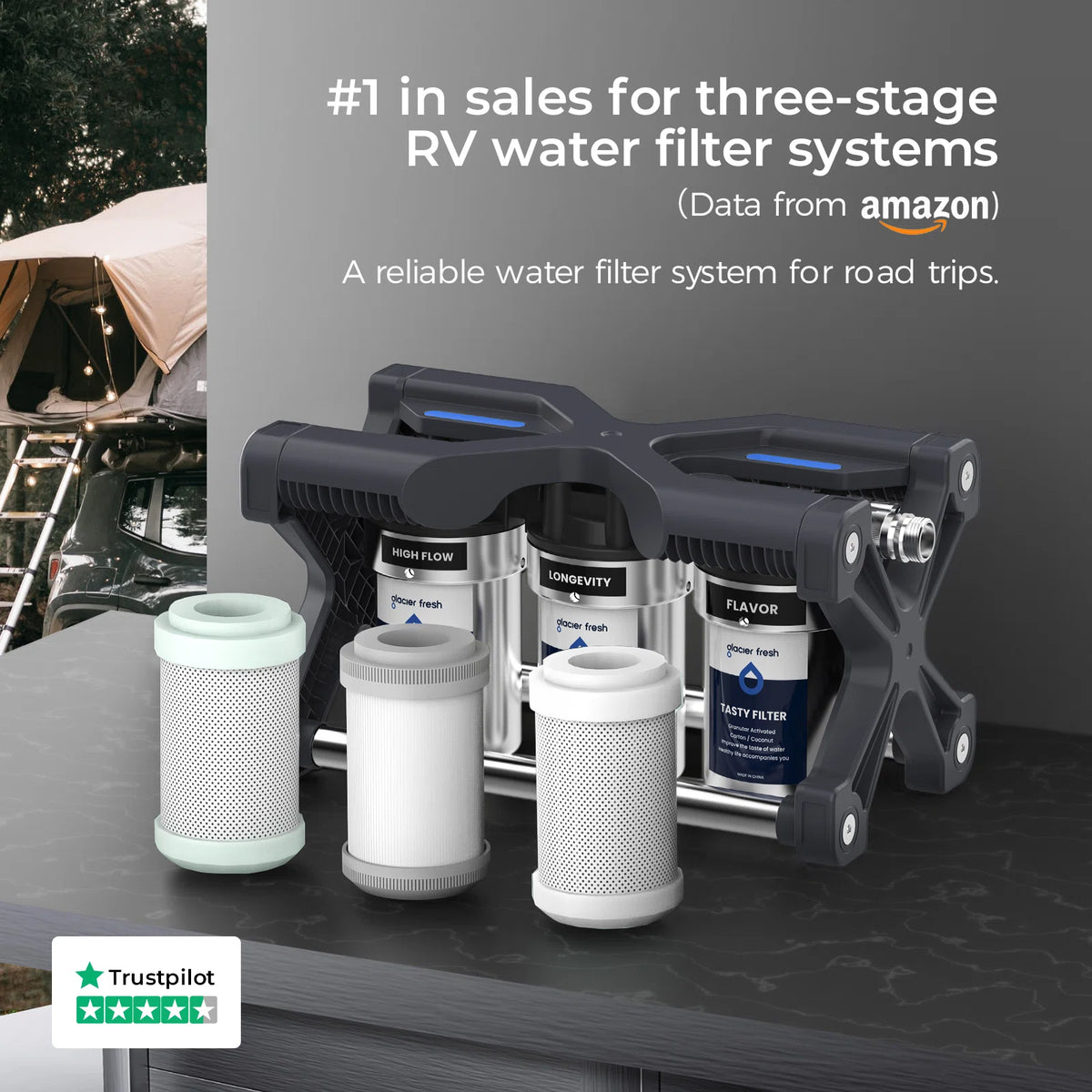
For example, gravity-fed countertop systems run without electricity or plumbing. You just fill them and let gravity do the work. That makes them useful in rentals, RVs, or during outages.
Some systems also target a wide range of contaminants, including heavy metals and microplastics. That matters more now, since research shows many U.S. homes deal with these issues to some degree.
How Do Online and Offline Water Filter Purchases Compare?
|
Buying Online |
Buying In-Store |
|
|
Convenience |
Order anytime, delivered to your door |
Requires travel and store hours |
|
Price |
Often lower with discounts and bundles |
Typically higher with fewer promotions |
|
Product Variety |
Wide selection across brands and models |
Limited to available stock |
|
Availability |
May require shipping time |
Immediate if in stock |
|
Replacement Management |
Easier with subscriptions or bulk buying |
Manual tracking required |
|
Pros |
Cost savings, convenience, easy reordering |
Instant purchase, in-person help |
|
Cons |
Shipping delays, risk of wrong item |
Higher cost, limited selection |
Subscription vs Manual Replacement: Side-by-Side Comparison
|
Factor |
Subscription Plan |
Manual Purchase |
|
Convenience |
High |
Low |
|
Cost Control |
Medium |
High |
|
Risk of Forgetting |
Low |
High |
|
Flexibility |
Low |
High |
|
Long-term Savings |
Medium–High |
Depends |
A Cost-Effective Alternative: GlacierFresh Filter Replacements

If you want a balance between cost and convenience, bulk buying can work surprisingly well.
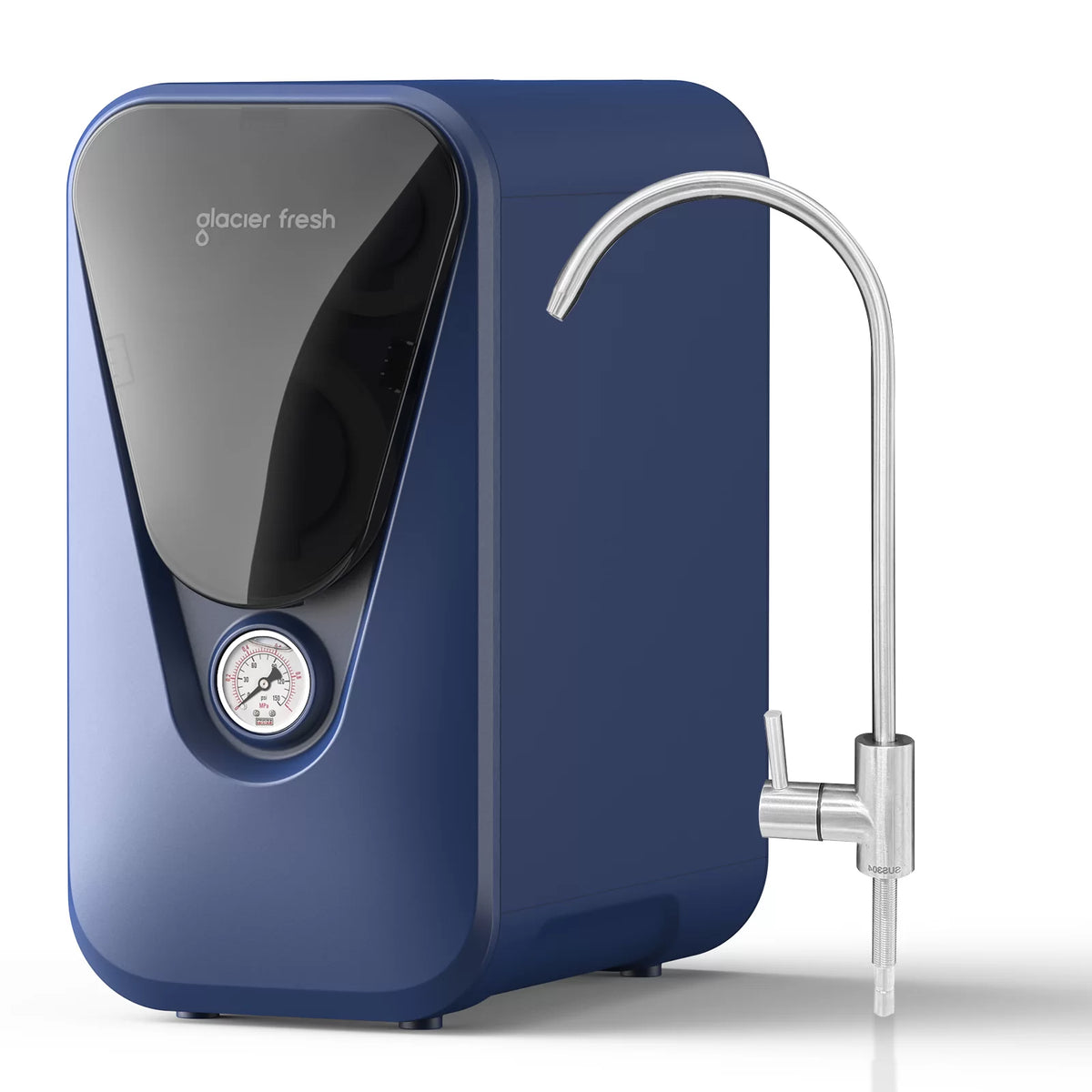
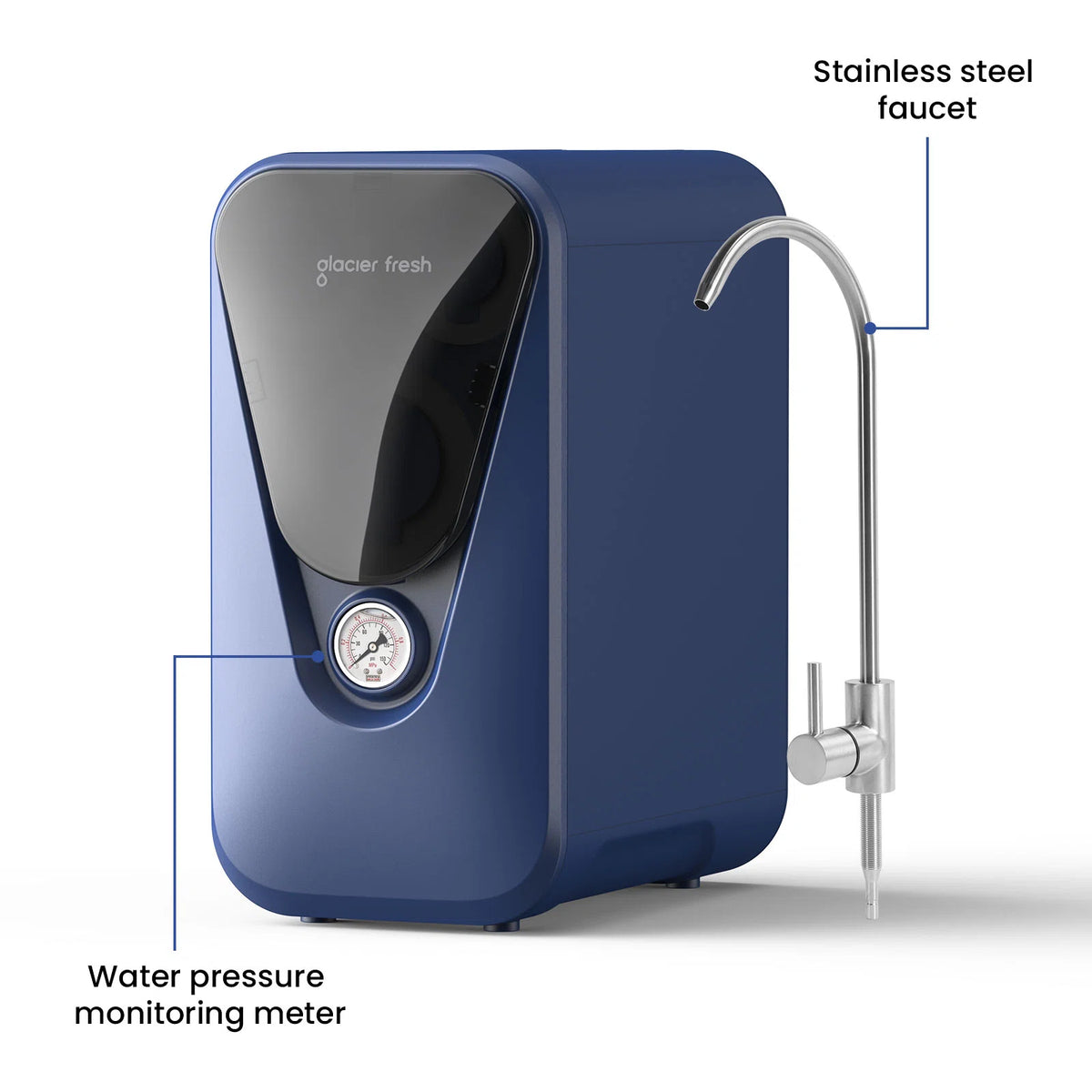
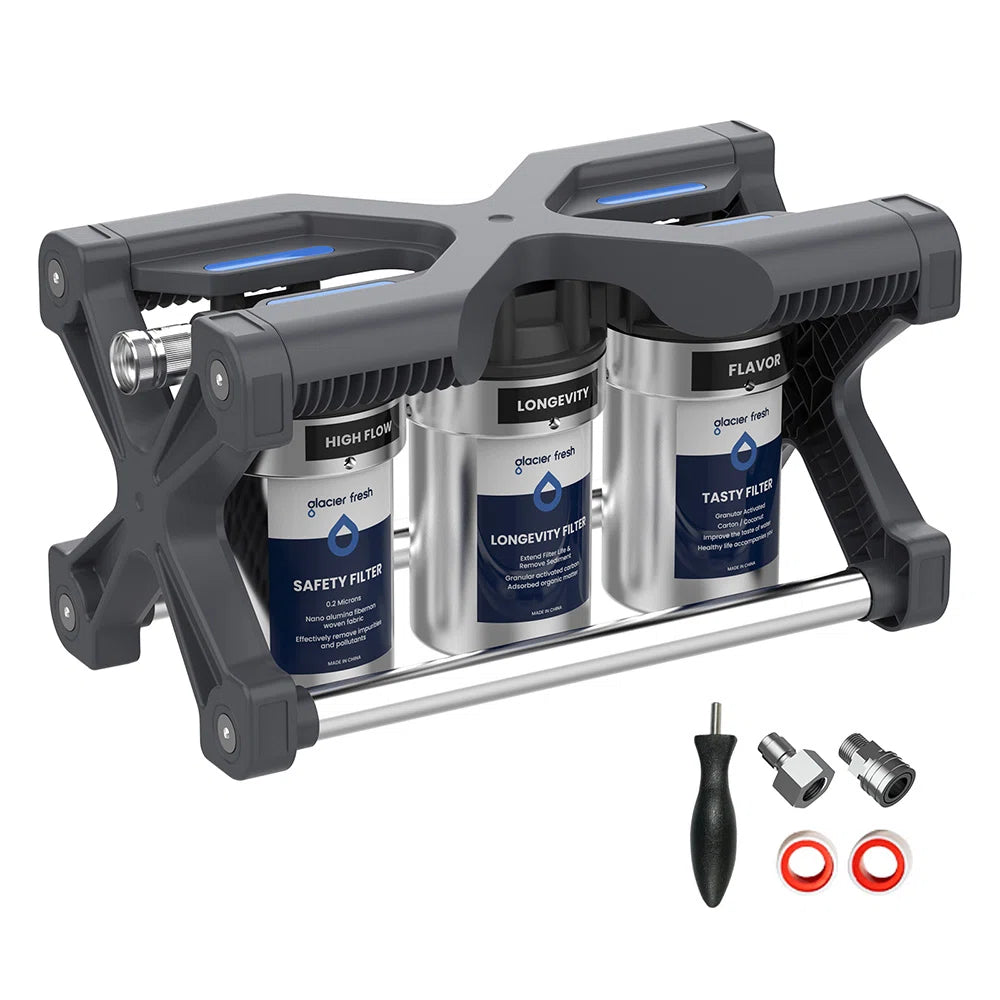
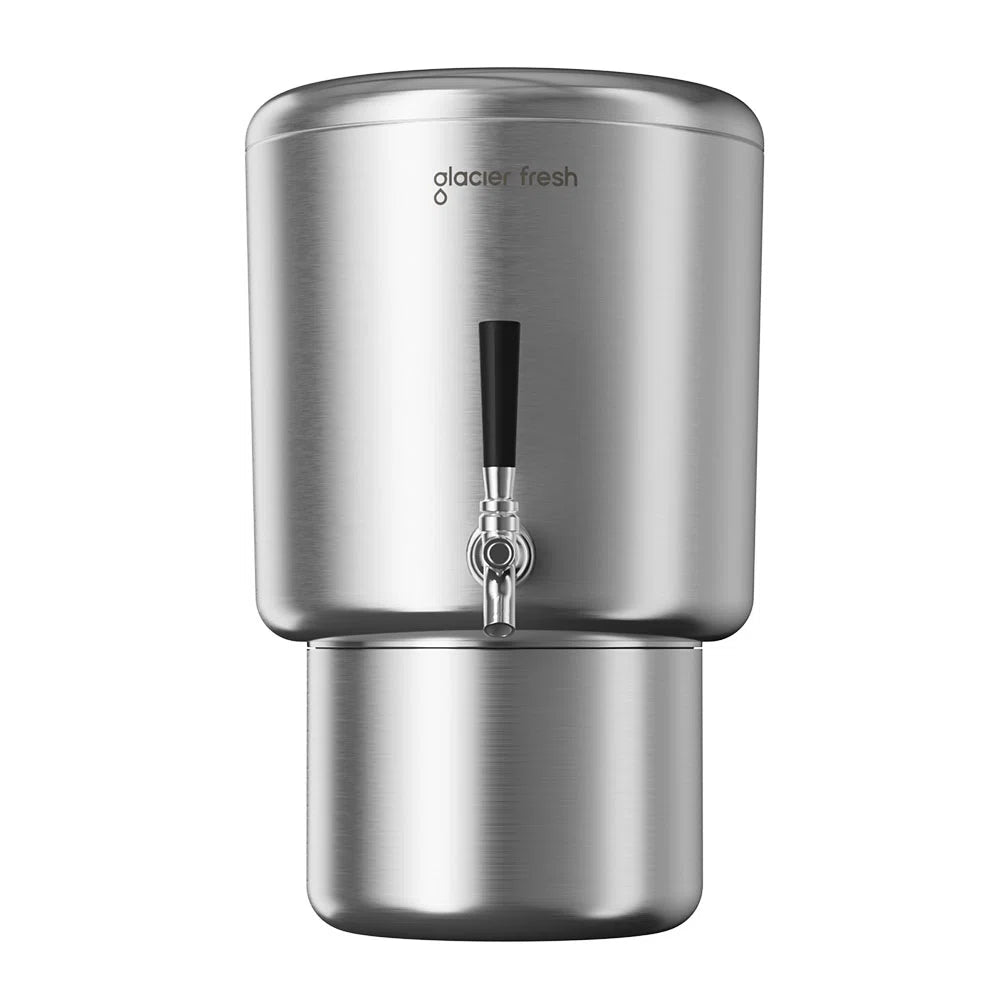
GlacierFresh replacement water filter options are designed with that in mind. You get reliable filtration without having to commit to a subscription.
Multi-filter packs, like 6 or 9 filter configurations, help lower the cost per filter over time. Instead of buying one at a time, you stock up and use them as needed. It’s a bit like a subscription, just without the automatic deliveries.
This setup works well if you’re willing to follow your own water filter replacement schedule. You stay flexible, but you’re still prepared.
Another practical benefit is ease of use. Many GlacierFresh systems don’t require electricity or plumbing, so you can set them up almost anywhere. That makes a difference if you’re in a rental or just want something simple.
Who Should Choose a Subscription Plan?
Your daily habits usually make the decision clearer.
Subscriptions tend to work best for:
-
Busy households that don’t want to track replacement dates
-
Larger families with steady water use
-
People who often forget routine maintenance
Manual or bulk buying tends to work better for:
-
Budget-conscious users who like tracking their usage
-
Smaller households with lower demand
-
Anyone who prefers flexibility in timing and brand choice
FAQs
How do I know my filter is no longer working effectively?
You might notice slower flow, changes in taste, or odor. Even if those signs aren’t obvious, most filters have a recommended lifespan you should follow.
Do subscription plans adjust if my usage changes?
Some do, but many don’t automatically adapt. You usually need to log in and adjust the schedule yourself.
Is it safe to extend filter use slightly past the recommended time?
Short delays happen, but regularly extending usage reduces filtration performance and can affect water quality.
What’s the biggest mistake people make with filter replacements?
Waiting too long. It’s easy to forget, and the decline in performance isn’t always obvious right away.
Can I switch between subscription and manual buying easily?
Yes. Most people try one approach, then adjust over time based on what actually fits their routine better.
Final Verdict: Is It Worth It?
Subscription plans are built around convenience. They reduce the chance you’ll forget a replacement and keep things running in the background.
Manual buying gives you more control. When you combine it with bulk purchases, it can also lower your long-term cost.
For a lot of households, a mix of both works best. You buy filters in bulk, follow a simple water filter replacement schedule, and avoid both overpaying and running out.
References
-
Forbes. Amazon Shifts to Prime Pantry Subscription. https://www.forbes.com/sites/kirimasters/2018/03/13/amazon-shifts-to-prime-pantry-subscription/
-
Centers for Disease Control and Prevention. About Choosing Home Water Filters. https://www.cdc.gov/drinking-water/prevention/about-choosing-home-water-filters.html
-
Centers for Disease Control and Prevention. Drinking Water Facts and Stats. https://www.cdc.gov/drinking-water/data-research/facts-stats/index.html
-
United States Geological Survey. Tap Water Study Detects PFAS ‘Forever Chemicals’ Across the US. https://www.usgs.gov/news/national-news-release/tap-water-study-detects-pfas-forever-chemicals-across-us
-
Natural Resources Defense Council. Causes and Effects of Lead in Water. https://www.nrdc.org/stories/causes-and-effects-lead-water
-
World Health Organization. Guidelines for Drinking-water Quality: Fourth Edition Incorporating the First Addendum. https://www.who.int/publications/i/item/9789241516198