6 products
Sort by
Sort by

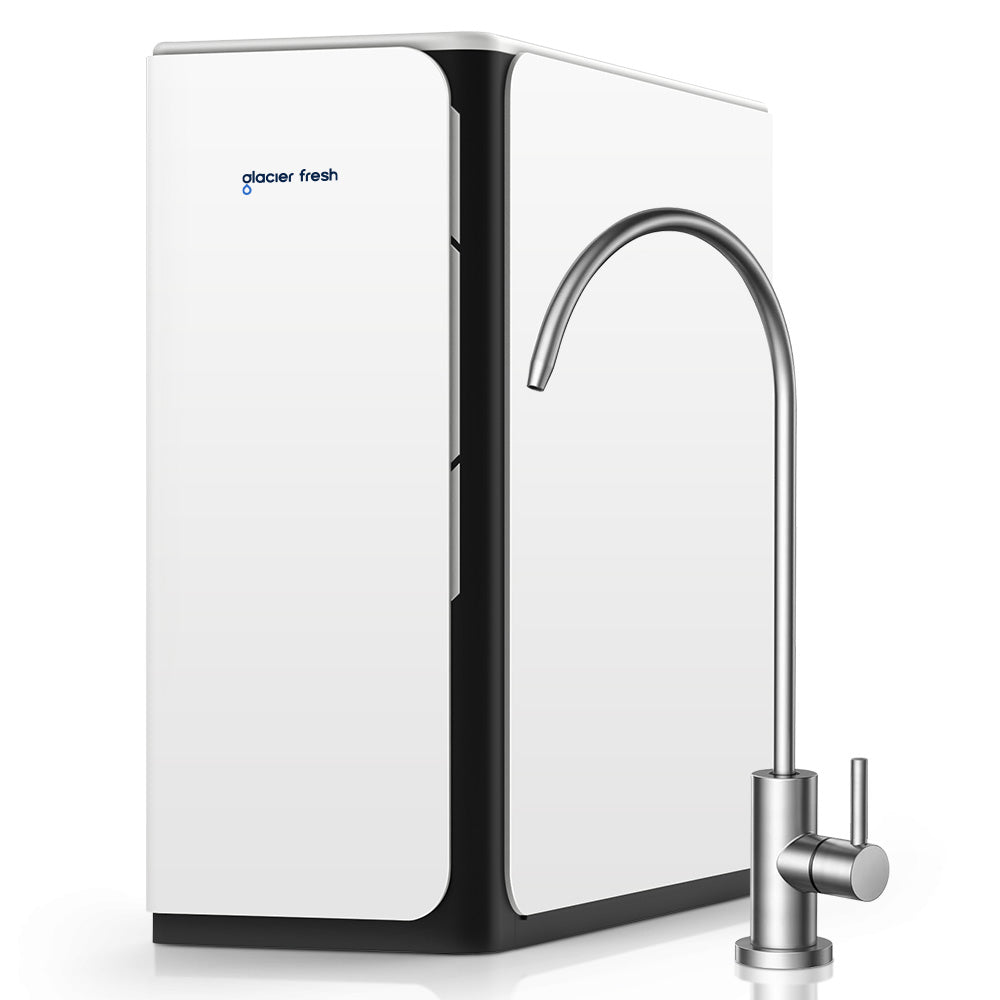
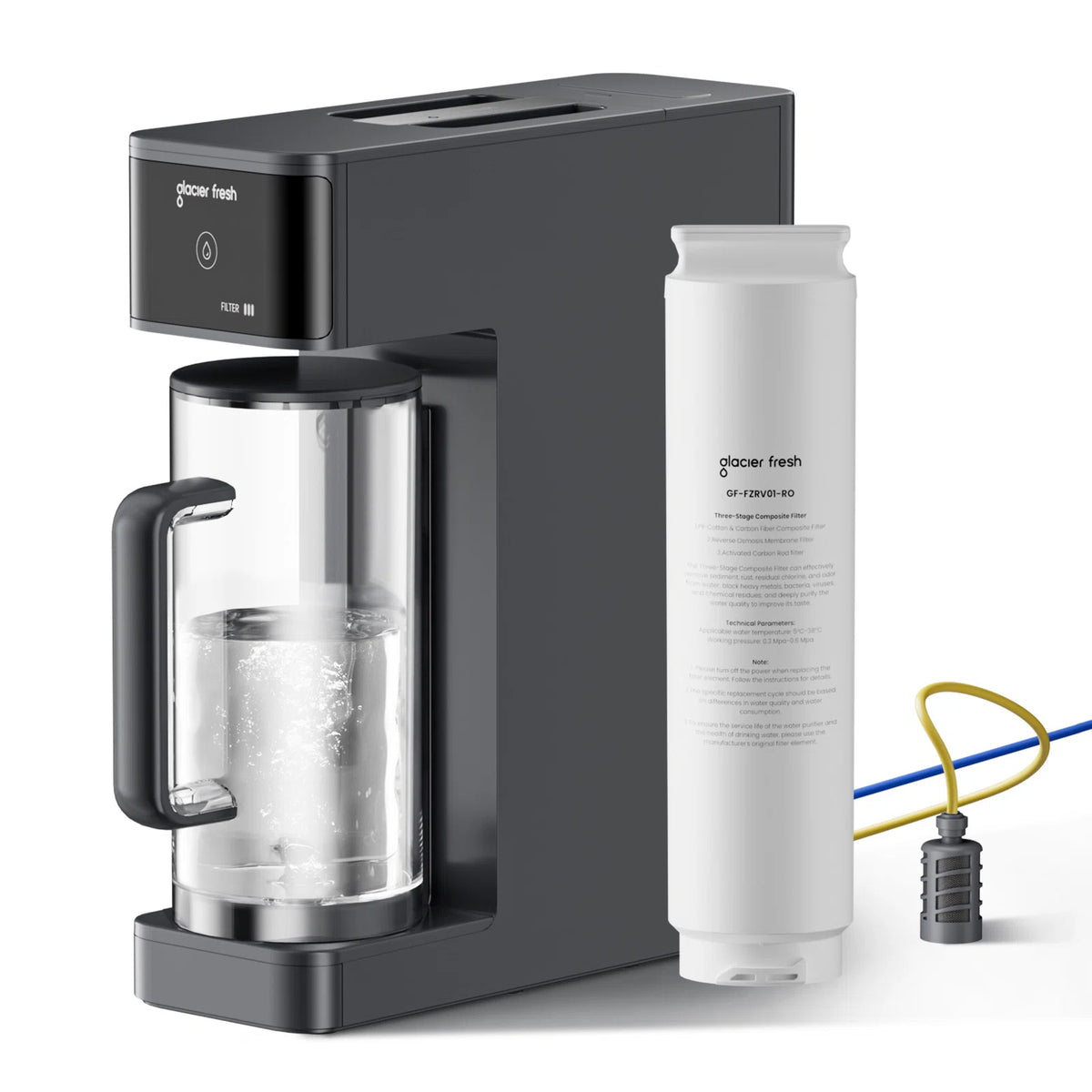
Premium Reverse Osmosis Replacement Filters

Keep your RO system performing at peak efficiency with Glacier Fresh replacement filters. Our high-quality filter cartridges are designed to maintain optimal water quality, ensuring your reverse osmosis system continues to deliver pure, great-tasting water for years to come.

Complete RO Filter Replacement Kits

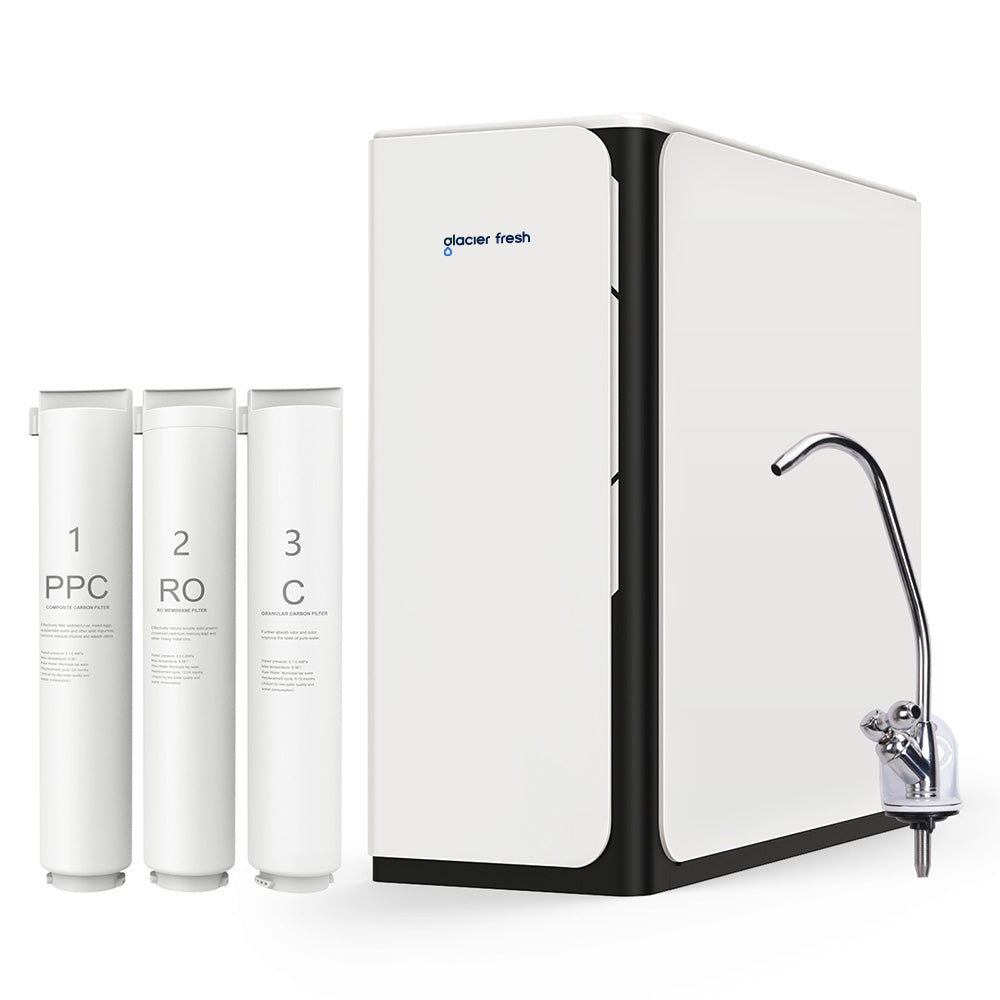
  • Multi-Stage Filter Sets - Complete replacement kits including sediment, carbon, and post-carbon filters
  • RO Membrane Replacements - High-performance membranes that remove up to 99% of contaminants
  • Individual Filter Cartridges - Sediment pre-filters, carbon block filters, and inline post-filters available separately
  • Universal Compatibility - Fits most standard reverse osmosis systems

Why Replace Your RO Filters Regularly?

  • Maintain Water Quality - Fresh filters ensure consistent removal of chlorine, lead, fluoride, and other contaminants
  • Protect Your RO Membrane - Pre-filters prevent sediment buildup and extend membrane life
  • Improve Taste & Odor - Carbon filters eliminate chlorine taste and odor for refreshing water
  • Extend System Life - Regular filter changes prevent damage and maintain system efficiency
  • Cost-Effective - Premium quality filters at affordable prices

Recommended Replacement Schedule

For optimal performance, we recommend replacing sediment and carbon pre-filters every 6-12 months, RO membranes every 2-3 years, and post-carbon filters every 12 months. Regular filter replacement ensures your family continues to enjoy the purest, safest water possible.
FAQ

See if this answers some of your questions.

Contact Us

Sediment and carbon pre-filters are typically replaced every 6–12 months, while the polishing post-carbon filter should also be changed annually to maintain water taste and purity. Many Glacierfresh RO systems follow the same schedule for reverse osmosis replacement filters to ensure stable filtration performance.

Use a TDS meter to measure filtration efficiency. If the rejection rate drops below about 90 percent, for example tap water at 200 ppm producing RO water above 20 ppm, the membrane may be worn out. Glacierfresh RO systems use similar monitoring methods to track membrane performance.

Exhausted carbon filters can allow chlorine to pass through, which may permanently damage the RO membrane. Clogged pre-filters also reduce pressure and strain the system pump. Following the replacement schedule recommended for Glacierfresh RO filtration systems helps prevent these issues.

Yes. When post-carbon filters become saturated, they can allow organic compounds and tank odors to affect the final taste of the water. Replacing Glacierfresh RO filters on time ensures clean, crisp-tasting drinking water.

Typically 2 to 3 years. Its lifespan depends heavily on pre-filtration quality and the hardness of the source water. Softened water can extend a high-quality membrane's life to up to 5 years.

Yes. Blocked sediment filters reduce pressure reaching the membrane. Since RO systems typically require 40–60 PSI to operate effectively, reduced pressure can significantly slow or stop water production.