
Table of Contents:
What is the water cycle?
Does the water cycle make water safe to drink?
How water becomes drinking water?
How pollution enters the water cycle?
How rainfall affects drinking water quality?
Why some contaminants survive water treatment?
Common signs that your drinking water may be affected
How home water filtration improves drinking water quality?
FAQs
Conclusion
Every glass of water you drink today has likely traveled through the Earth’s water cycle many times. While this natural system is essential for sustaining life, it also acts as a transport pathway for contaminants from the environment into drinking water sources.
Many people assume that water is “cleaned” as it moves through the water cycle. However, modern environmental conditions—industrial pollution, urban runoff, agricultural chemicals, and plastic waste—have fundamentally changed the quality of water circulating through this system.
Understanding how the water cycle affects drinking water is essential for evaluating water safety, treatment limitations, and the role of home filtration systems.
What is the water cycle?

The water cycle (hydrologic cycle) describes how water continuously moves through four main stages:
Evaporation
Water from oceans, rivers, and lakes turns into vapor when heated.
Condensation
Water vapor cools and forms clouds in the atmosphere.
Precipitation
Water falls back to Earth as rain, snow, or hail.
Collection & runoff
Water flows into rivers, lakes, soil, and underground aquifers.
According to the U.S. Geological Survey (USGS), this cycle is powered by solar energy and gravity and has no starting or ending point. However, while the cycle naturally circulates water, it does not eliminate all modern contaminants.
Does the water cycle make water safe to drink?
No. The water cycle moves and redistributes water—it does not fully purify it. While evaporation removes some impurities, many substances remain or re-enter the cycle, including:
- Industrial chemicals
- Heavy metals
- PFAS (“forever chemicals”)
- Microplastics
- Agricultural pesticides
These contaminants can persist through multiple stages of the cycle and eventually reach drinking water sources.
How water becomes drinking water?

Before reaching your tap, water typically goes through several stages:
1. Source water collection
Water is drawn from:
- Rivers and lakes (surface water)
- Underground aquifers (groundwater)
2. Municipal treatment
Water treatment plants generally include:
- Coagulation and sedimentation
- Filtration
- Disinfection (chlorine or chloramine)
3. Distribution system
Treated water travels through pipelines to homes and businesses.
The U.S. Environmental Protection Agency (EPA) regulates drinking water under the Safe Drinking Water Act. However, regulations are based on acceptable risk levels—not absolute removal of all contaminants.
How pollution enters the water cycle?
Human activity has significantly increased contamination within the natural water cycle.
Agricultural runoff — Rainwater carries fertilizers (nitrates, phosphates), pesticides, and animal waste residues, these often flow into rivers and groundwater systems.
Industrial pollution — Industrial discharge introduces PFAS chemicals, heavy metals(lead, mercury, arsenic), and chemical solvents. Many of these compounds persist in the environment for decades.
Urban stormwater runoff — Rainwater in cities collects oil and fuel residues, tire particles, microplastics, and road pollutants. This runoff often enters bodies without full treatment.
Groundwater contamination — Although filtered naturally through soil, groundwater can still be affected by agricultural chemicals, landfill leakage, and industrial seepage. Once contaminated, aquifers can take decades to recover.
How rainfall affects drinking water quality?

Rainfall can indirectly influence tap water quality, especially during extreme weather events. Heavy rain may:
- Increase sediment in reservoirs
- Overload treatment systems
- Wash pollutants into surface water sources
- Trigger sewer overflow events in older infrastructure
As climate patterns shift, these events are becoming more frequent in certain regions. Surface water and groundwater are connected within the water cycle and can influence each other over time.
|
Water Source |
Vulnerability |
Contamination Speed |
Recovery Time |
|---|---|---|---|
|
Surface Water |
High |
Fast |
Fast |
|
Groundwater |
Moderate |
Slow |
Very Slow |
Why some contaminants survive water treatment?
According to the U.S. Environmental Protection Agency, municipal water treatment is effective for many traditional contaminants, but not all substances are fully removed. Common persistent contaminants include:
- PFAS (highly stable synthetic chemicals)
- Microplastics
- Disinfection byproducts (DBPs)
- Trace heavy metals (depending on plumbing systems)
These contaminants are part of why water quality concerns continue even in developed regions.
Common signs that your drinking water may be affected
Changes in water quality are not always visible, but some indicators include:
- Chemical or chlorine taste in drinking water
- Metallic or bitter flavor
- Cloudy or discolored water
- Sediment in the glass or sink
- Unusual odor after rainfall
These signs may indicate changes in source water quality or distribution system conditions.
How home water filtration improves drinking water quality?

Because municipal systems cannot remove every contaminant, many households use additional filtration at home.
Activated carbon filtration
Effective for:
- Chlorine taste and odor
- Some organic compounds
- Certain pesticides
Reverse osmosis (RO) systems
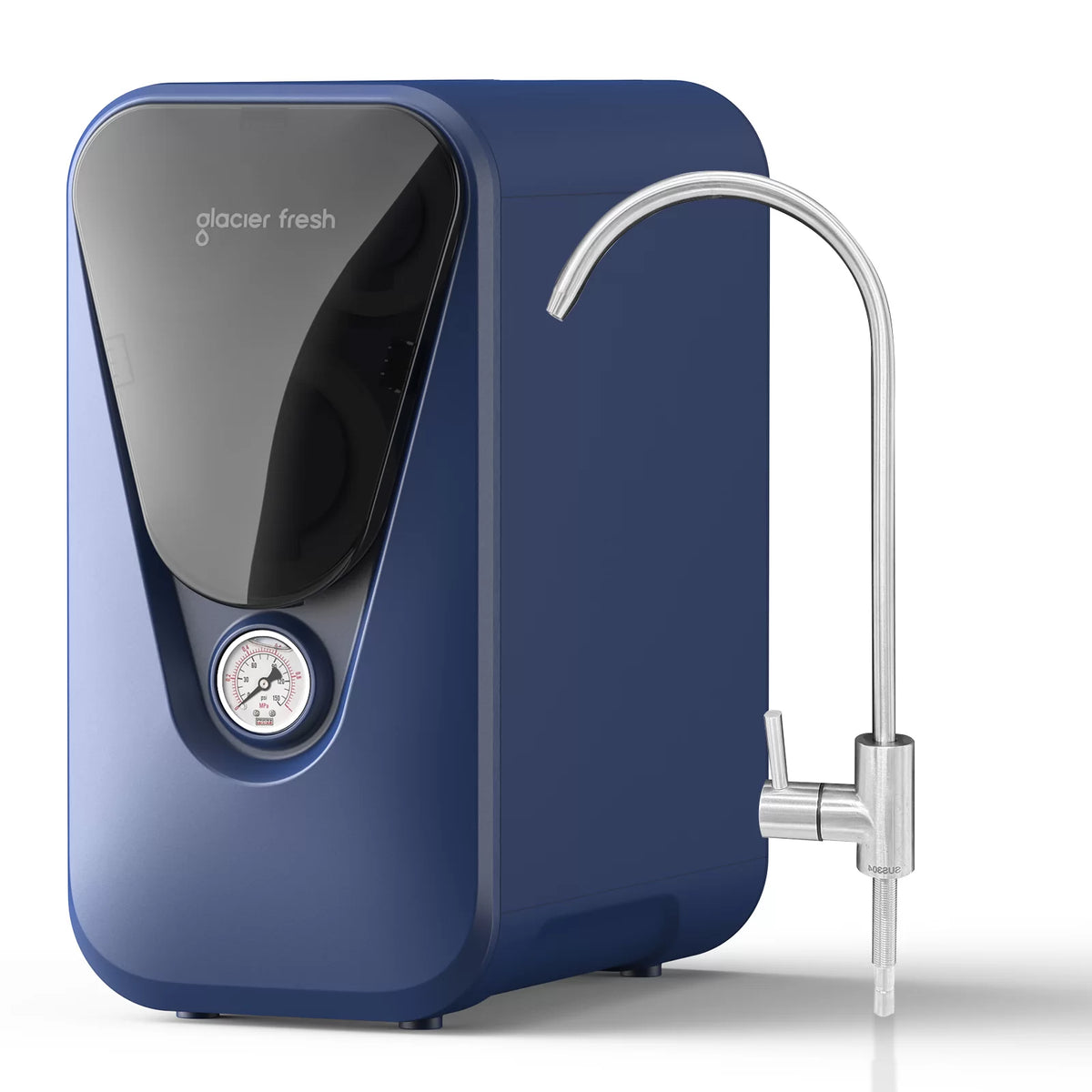
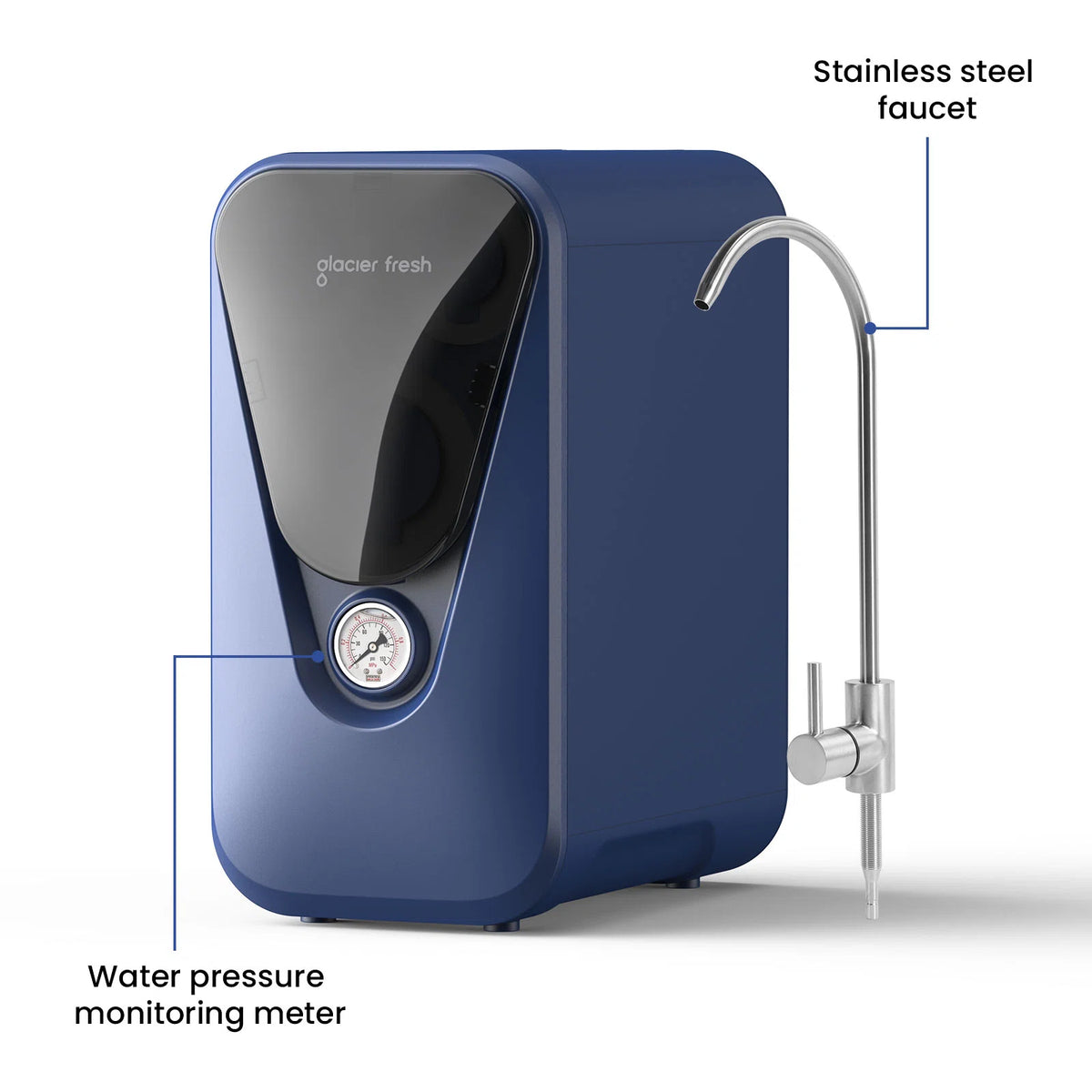
Reverse osmosis system under sink use a semi-permeable membrane to remove:
- PFAS (significantly reduced in many studies)
- Heavy metals like lead and arsenic
- Nitrates and dissolved solids
- Microplastics
RO is widely considered one of the most comprehensive home filtration methods.
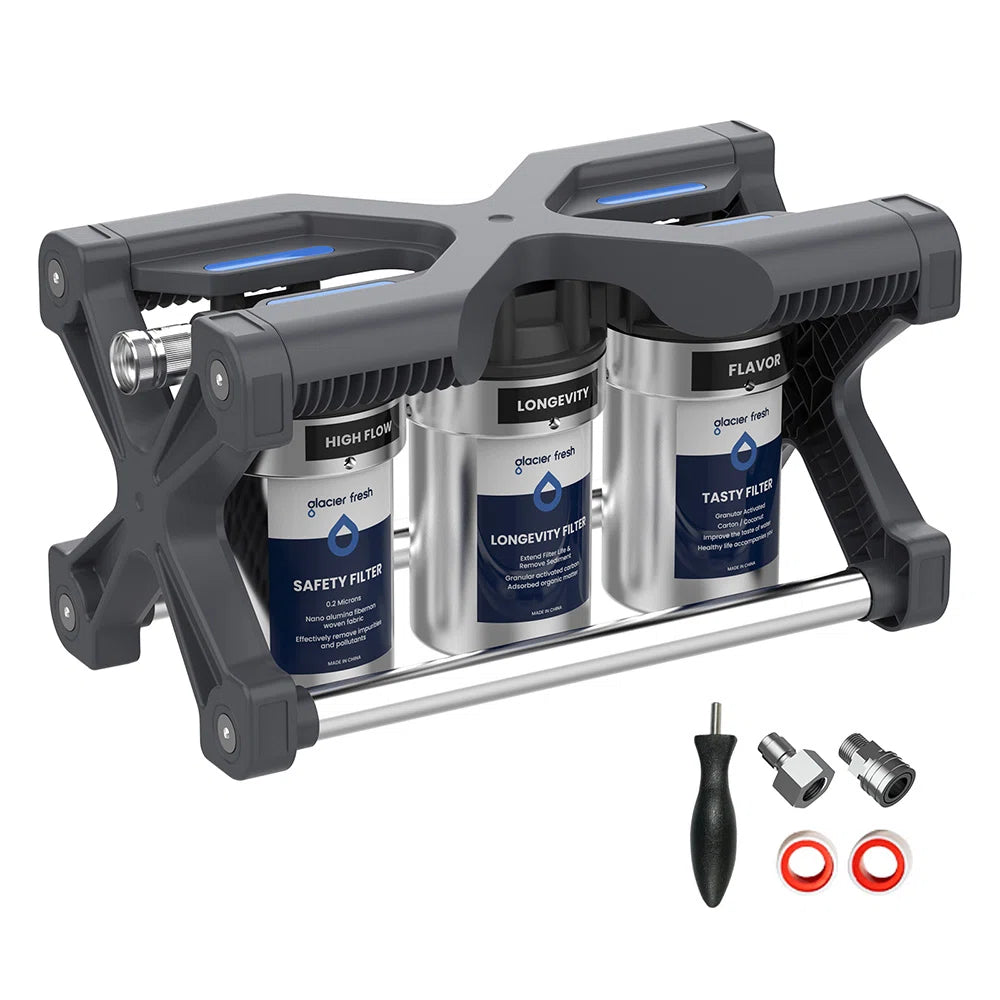
Refrigerator water filters
Common in households, they help reduce:
- Chlorine
- Sediment
- Some heavy metals (depending on certification level)
While no filter is perfect, multi-stage systems significantly improve water quality compared to unfiltered tap water.
FAQs
Can rain contaminate tap water?
Rain itself is not harmful, but it can carry pollutants from air, soil, and urban surfaces into rivers and reservoirs that supply drinking water.
How does pollution enter groundwater?
Pollutants can seep through soil from agricultural runoff, industrial waste, and landfill leakage over time.
Does the water cycle clean water naturally?
No. The water cycle moves water but does not remove modern synthetic contaminants like PFAS or microplastics.
Can PFAS enter drinking water sources?
Yes. PFAS can enter water supplies through industrial discharge, firefighting foam, and contaminated runoff.
Is tap water safer after filtration?
Yes. Home filtration systems, such as reverse osmosis or activated carbon filters, can significantly reduce contaminants and improve taste and odor.
Conclusion
The water cycle is essential for sustaining life, but it is not a purification system. As water moves through the environment, it collects and transports both natural and human-made contaminants that can ultimately reach drinking water supplies.
While municipal treatment systems provide a strong baseline of safety, they are not designed to remove every modern contaminant. This is why many households choose additional filtration to improve water quality and reduce exposure to emerging pollutants.
Understanding how the water cycle affects the water you drink helps you make more informed decisions about water safety, treatment, and long-term health protection.
References
- U.S. Geological Survey (USGS). The Water Cycle. https://www.usgs.gov/water-science-school/water-cycle
- U.S. Environmental Protection Agency (EPA). Safe Drinking Water Act (SDWA). https://www.epa.gov/sdwa
- U.S. Environmental Protection Agency (EPA). PFAS Explained. https://www.epa.gov/pfas/pfas-explained
- U.S. Environmental Protection Agency (EPA). Climate Impacts on Water Resources. https://www.epa.gov/watershedacademy/understanding-climate-change-impacts-water-resources
- U.S. Geological Survey (USGS). Groundwater Contamination. https://www.usgs.gov/water-science-school/science/contamination-groundwater
- National Oceanic and Atmospheric Administration (NOAA). Heavy Rainfall and Water Quality. https://www.noaa.gov/education/resource-collections/freshwater/watersheds-flooding-and-pollution