
Table of Contents:
What is the Lululemon PFAS Controversy?
What are PFAS and why are they called "forever chemicals"?
Should you actually be worried about PFAS in clothing?
PFAS in drinking water: the risk many families overlook
Can water filters remove PFAS?
How to reduce PFAS exposure in everyday life?
FAQs
Final thoughts
Consumers are paying closer attention to “forever chemicals” after reports linked Lululemon to an investigation involving PFAS — synthetic chemicals commonly used in water-resistant and stain-resistant materials.
The controversy has sparked broader conversations about:
- PFAS in clothing
- long-term health risks
- hidden chemical exposure in everyday life
But while workout apparel has become the headline, environmental researchers and public health agencies have long viewed drinking water as one of the most significant PFAS exposure pathways for many households.
Here’s what the Lululemon PFAS controversy really means, whether consumers should be concerned, and what experts say about reducing PFAS exposure in practical, evidence-based ways.
What is the Lululemon PFAS Controversy?

The controversy surrounding Lululemon began after reports that Texas regulators had launched an investigation into whether certain products may have contained PFAS chemicals, amid growing consumer expectations around transparency and sustainability.
The investigation reportedly focuses on:
- Whether PFAS were used in some apparel products
- Whether consumers may have been misled regarding environmental or safety-related marketing claims
At the time of writing, no final legal conclusions have been announced.
Lululemon has stated that it phased out PFAS from its products by 2023 and that any prior use was limited to select water-resistant materials. The company has also said it is cooperating with regulators.
The story gained widespread attention because it intersects with several major consumer concerns:
- personal wellness
- product transparency
- hidden chemical exposure in everyday life
As more consumers prioritize “clean living” and healthier lifestyles, scrutiny around chemicals in consumer products has intensified across industries ranging from cosmetics and cookware to food packaging and apparel.
What are PFAS and why are they called "forever chemicals"?
PFAS, short for per- and polyfluoroalkyl substances, are a large group of synthetic chemicals used in industrial and consumer products since the 1940s.
According to the U.S. Environmental Protection Agency (EPA), PFAS are often referred to as “forever chemicals” because they break down extremely slowly and can persist in the environment for decades.
PFAS became widely used because they resist water, grease, heat, and stains. As a result, PFAS have historically been used in products such as waterproof apparel, stain-resistant fabrics, nonstick cookware, and fast-food packaging.
Researchers continue studying the long-term health effects of PFAS exposure. According to the Centers for Disease Control and Prevention, exposure to certain PFAS compounds may be associated with:
- elevated cholesterol levels
- immune system effects
- developmental concerns
- hormone disruption
- increased risk of certain cancers
Not all PFAS compounds behave the same way, and health impacts may depend on exposure level, duration, and individual risk factors.
However, growing scientific concern has led regulators to tighten standards surrounding PFAS contamination in recent years.
In 2024, the EPA introduced the first nationwide drinking water standards for several PFAS compounds, including PFOA and PFOS, reflecting increasing concern over long-term exposure through water supplies.
Should you actually be worried about PFAS in clothing?

Despite alarming headlines, many experts say clothing itself is unlikely to be the largest source of PFAS exposure for most people.
Research on skin absorption from PFAS-treated textiles is still evolving, but environmental scientists generally view food and drinking water as more significant exposure pathways. That means wearing apparel that may contain PFAS does not automatically represent a major health threat.
However, the controversy does highlight a broader reality: PFAS are deeply embedded in modern life. Potential exposure sources may include: workout apparel, nonstick cookware, drinking water, etc.
According to environmental researchers, long-term, low-level exposure through drinking water remains one of the most important public health concerns because water is consumed daily and exposure may accumulate over time.
That distinction is one reason PFAS contamination in drinking water has become a growing national issue across the United States.
PFAS in drinking water: the risk many families overlook

PFAS can enter water systems through:
- industrial manufacturing runoff
- landfill leakage
- wastewater discharge
- firefighting foam is used near airports and military facilities
Over time, these chemicals may contaminate groundwater, lakes, rivers, and municipal water systems. According to the EPA, PFAS contamination has been detected in water systems across multiple U.S. states, prompting expanded monitoring and tighter drinking water regulations.
Compared with occasional exposure from consumer goods, water exposure may be more concerning because it is continuous and cumulative. People drink water daily, cook with it, and use it throughout the home.
For this reason, many public health experts recommend paying closer attention to drinking water quality — particularly in areas near industrial activity or regions with known contamination concerns.
Can water filters remove PFAS?

The good news is that certain filtration technologies can significantly reduce many PFAS compounds in drinking water. However, effectiveness depends heavily on the filtration method and product quality.
Reverse osmosis (RO)
Reverse osmosis systems are widely considered one of the most effective household filtration methods for reducing PFAS.
RO systems use a semi-permeable membrane capable of removing extremely small contaminants from water, including many PFAS compounds. In addition to PFAS reduction, reverse osmosis systems may also help reduce:
- lead
- chlorine
- heavy metals
- certain dissolved solids
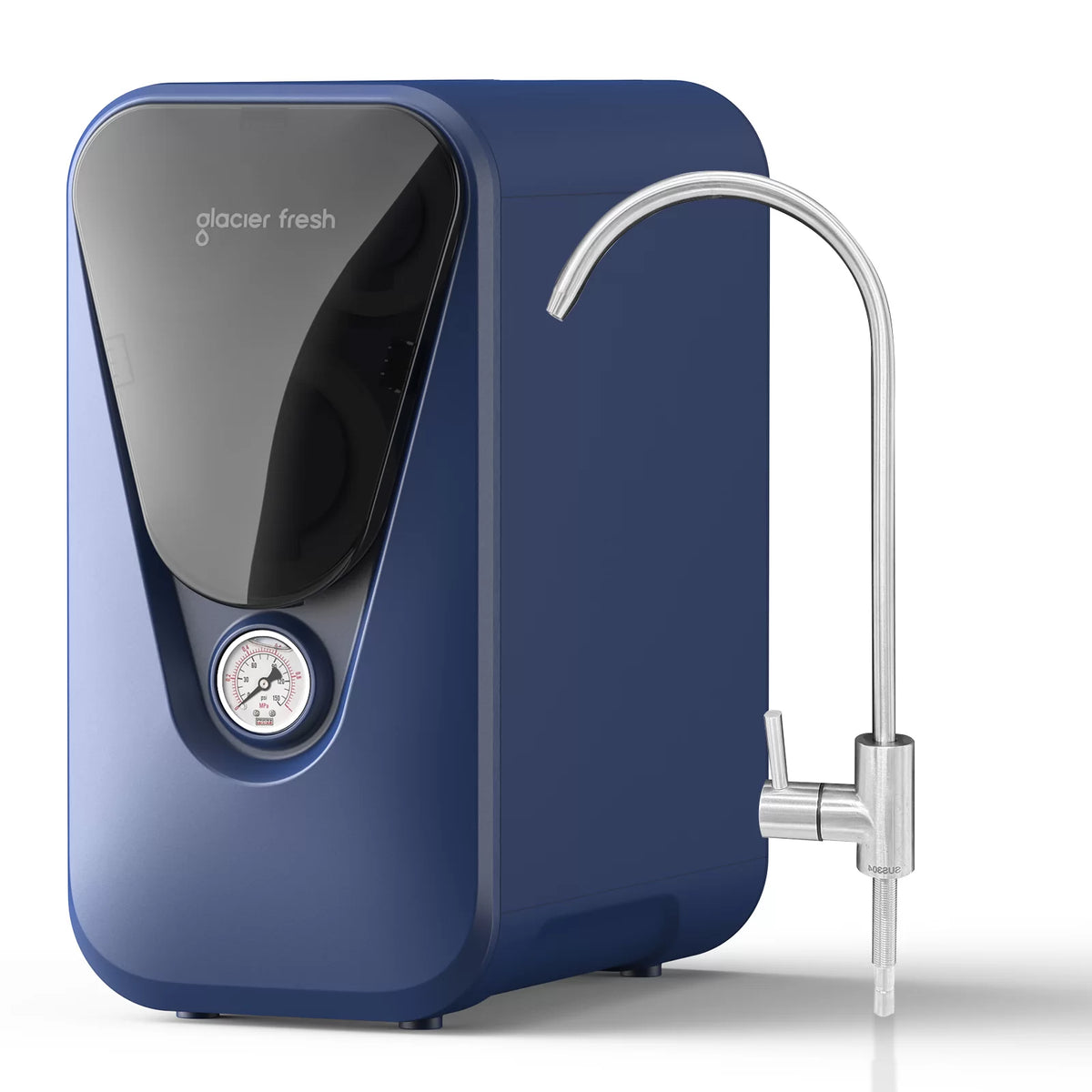
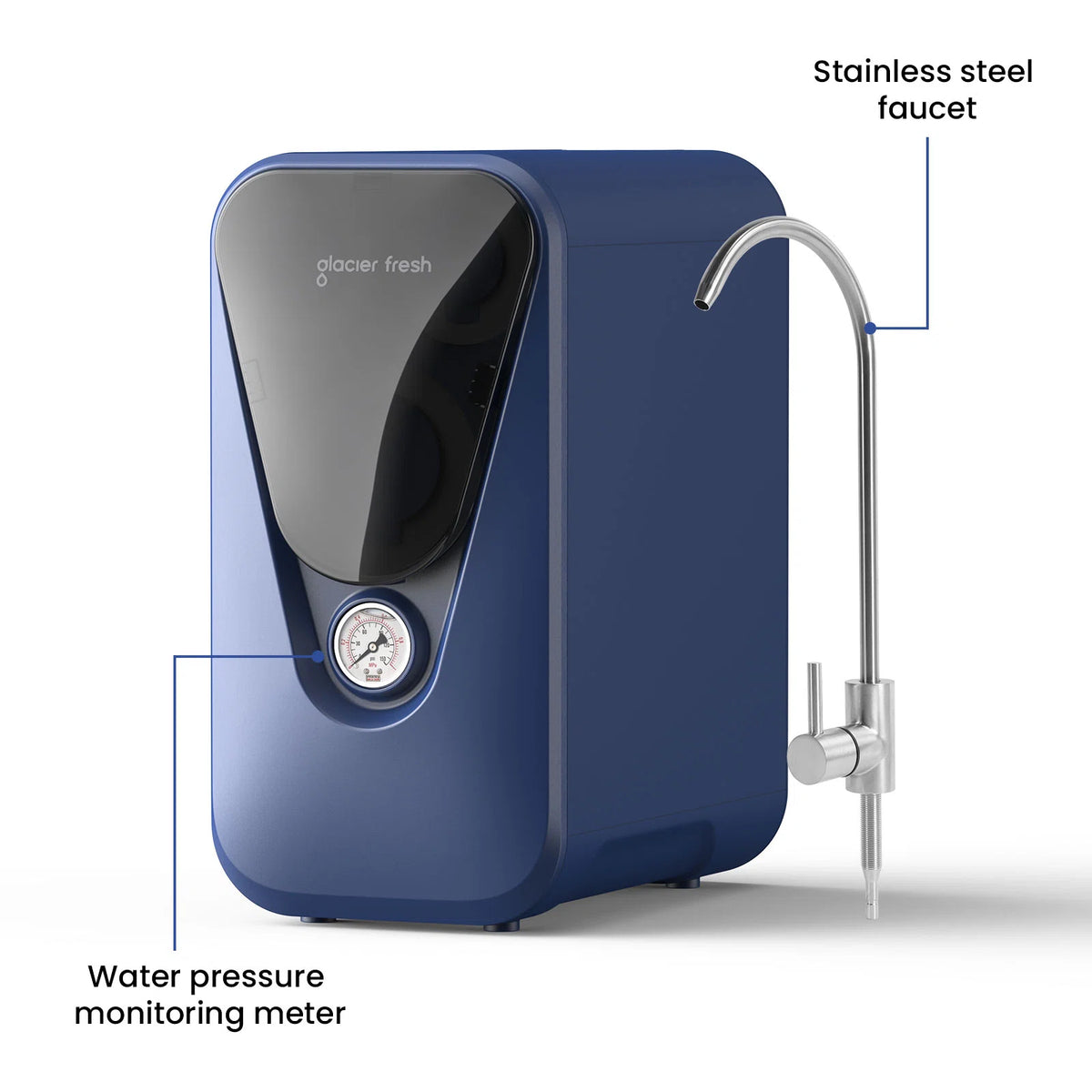
Because of their high filtration performance, undersink reverse osmosis water filter are often recommended for households seeking broader contaminant reduction.
Activated carbon filters
Activated carbon filters may also reduce some PFAS compounds, although performance can vary depending on:
- filter design
- contact time
- the specific PFAS compounds present
Many refrigerator filters and pitcher filters rely on activated carbon technology. While some may help reduce PFAS, not all filters are specifically certified for PFAS reduction.
According to NSF International, consumers should look for:
- NSF/ANSI 53 certification
- NSF/ANSI 58 certification
- third-party testing data
- transparent contaminant reduction claims
These certifications can help verify filtration performance and improve consumer confidence when comparing systems.
Do refrigerator water filters remove PFAS?
Some refrigerator water filters may reduce certain PFAS compounds, especially models using advanced activated carbon filtration.
However, effectiveness varies significantly between brands and filter designs.
Because PFAS are chemically complex, standard refrigerator filters are not always designed specifically for PFAS reduction.
Consumers concerned about PFAS exposure often consider:
- certified refrigerator filters
- advanced carbon filtration systems
- reverse osmosis systems for broader contaminant reduction
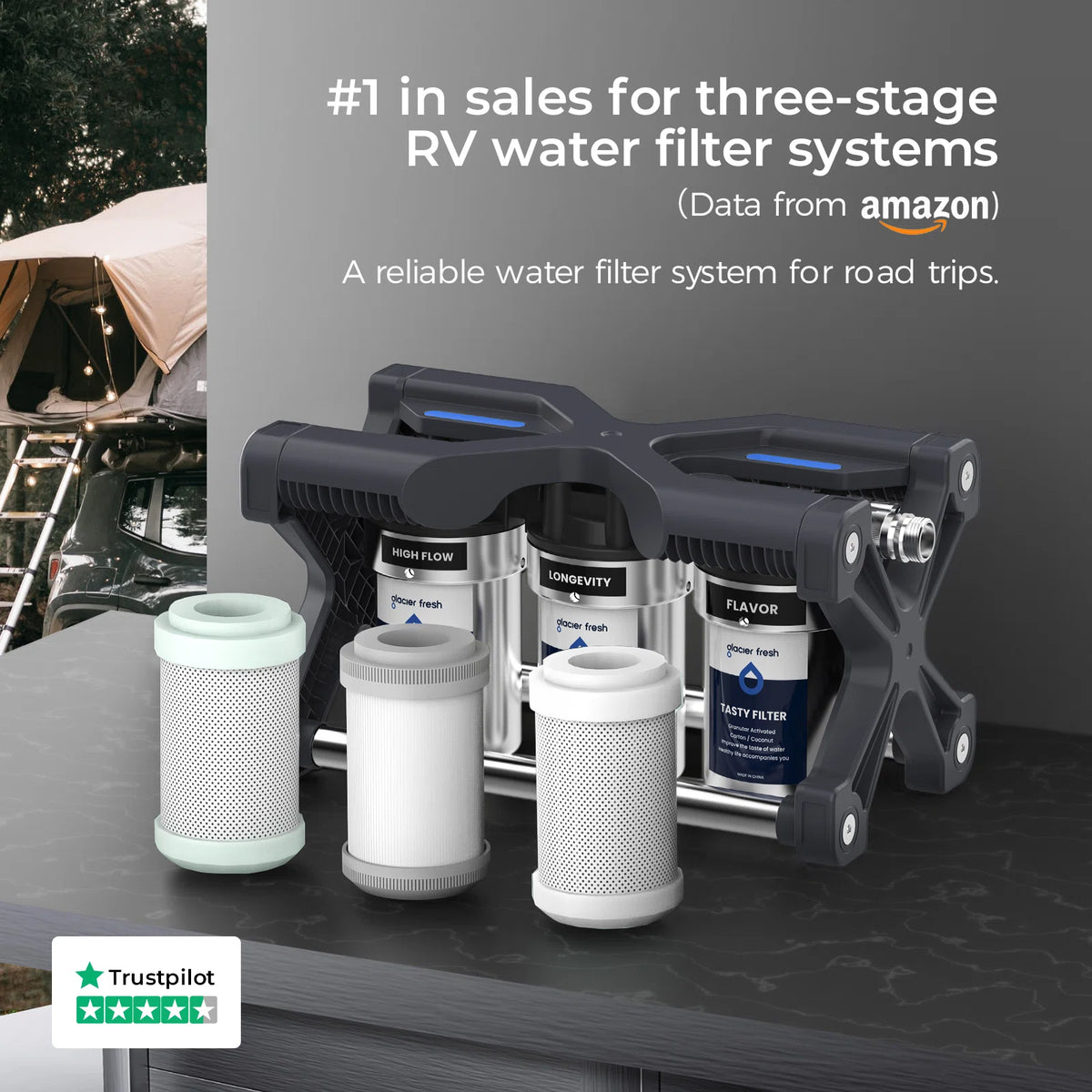
At Glacier Fresh, the focus is on helping families access cleaner, better-tasting water through multi-stage filtration solutions designed to support healthier hydration habits at home.
How to reduce PFAS exposure in everyday life?
Completely avoiding PFAS exposure may not be realistic in today’s environment, but there are practical ways to reduce unnecessary exposure over time.
Choose PFAS-Free products when possible
Many brands now offer products labeled:
- PFAS-free
- fluorine-free
- non-toxic
This may apply to:
- cookware
- food packaging
- outdoor apparel
- household products
Consumers increasingly reward brands that prioritize safer materials and greater transparency.
Filter your drinking water
Because drinking water may represent one of the most consistent exposure pathways, improving water quality is often one of the most effective practical steps households can take. Options may include:
- reverse osmosis systems
- certified activated carbon filters
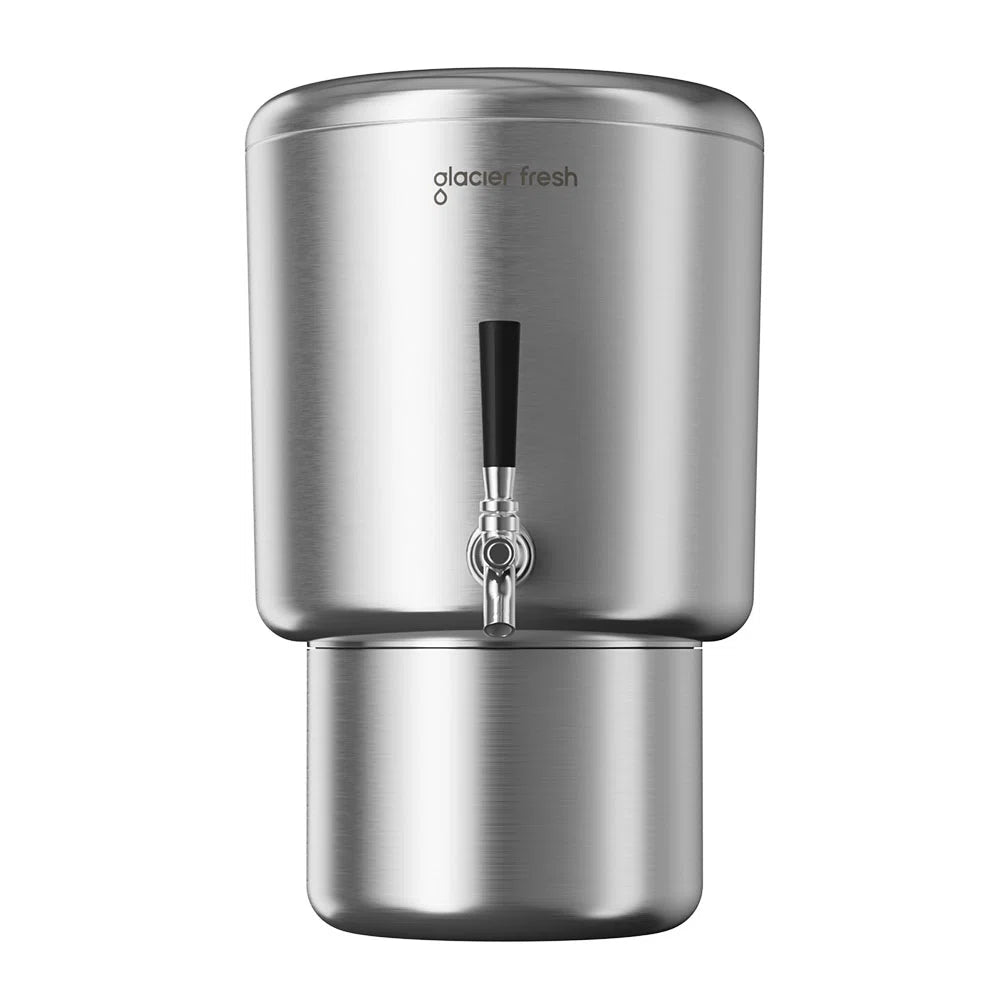
- advanced countertop filtration systems
Filtering water may help reduce not only PFAS but also other common contaminants that affect taste and overall water quality.
Stay informed without panicking
The growing conversation around PFAS can feel overwhelming, but awareness is more helpful than fear. Reducing exposure is less about achieving perfection and more about making informed, practical decisions where possible. Small changes made consistently over time can contribute to a healthier home environment.
FAQs
Is Lululemon confirmed to use PFAS?
At the time of writing, regulators are investigating whether certain products may have contained PFAS. No final legal conclusion has been announced. Lululemon has stated that it phased out PFAS from its products by 2023.
Are PFAS in clothing dangerous?
Current research suggests clothing is likely not the largest PFAS exposure source for most people. Drinking water and food are generally considered more significant exposure pathways.
Is drinking water a major source of PFAS exposure?
Yes. Environmental scientists and public health agencies often consider drinking water one of the most important long-term PFAS exposure pathways because water is consumed daily.
Can reverse osmosis remove PFAS?
Reverse osmosis systems are considered one of the most effective household filtration methods for reducing many PFAS compounds.
What products commonly contain PFAS?
PFAS may be found in: waterproof apparel, stain-resistant fabrics, nonstick cookware, food packaging, cosmetics, some water supplies, etc.
Final thoughts
The Lululemon PFAS controversy reflects a broader shift in how consumers think about health, transparency, and everyday chemical exposure.
As awareness grows, many households are realizing that reducing PFAS exposure is less about panic and more about making informed, practical choices — especially when it comes to drinking water, one of the most consistent daily exposure sources.
Understanding where PFAS may exist is the first step. Taking small, evidence-based actions to reduce unnecessary exposure is what matters most.
References
-
U.S. Environmental Protection Agency (EPA) — PFAS Explained
-
EPA National Primary Drinking Water Regulation for PFAS
-
Centers for Disease Control and Prevention (CDC) — PFAS and Your Health
- National Institute of Environmental Health Sciences (NIEHS) — PFAS Overview
- NSF International — Water Filter Certification Standards
- Environmental Working Group (EWG) — PFAS Contamination Map