
Table of Contents:
What Is a 5-Stage Reverse Osmosis System for Home?
Key Components of 5-Stage Home Reverse Osmosis Systems
Whole House Reverse Osmosis System vs Under-Sink Systems
Reverse Osmosis System Diagrams and Installation Guides
Reverse Osmosis System Installation
FAQs
Conclusion
Many American households rely on municipal water that meets legal standards yet still contains contaminants that concern health-focused families. Environmental research estimates that more than 97 million U.S. residents are exposed to unregulated contaminants, which explains why many families turn to reverse osmosis (RO) for added protection.
A reverse osmosis system for home addresses these concerns by using multiple filtration stages designed to reduce particles, chemicals, and microbes before water reaches your glass.
What Is a 5-Stage Reverse Osmosis System for Home?

A 5-stage reverse osmosis system for home use is built around five distinct filtration or treatment steps arranged in a fixed sequence. Each stage improves water quality incrementally, so the final output is cleaner and more consistent than single or dual filter systems.
The stages typically begin with mechanical filtration, move through chemical adsorption, then rely on a semipermeable membrane for deep purification. Final polishing filters refine taste and help maintain water freshness at the point of use.
The U.S. Environmental Protection Agency has identified more than 500 microbial pathogens of concern in U.S. water, including bacteria, viruses, and protozoa. This is why filtration that relies on extremely fine physical barriers like RO membranes is widely used for microbial risk reduction.
Key Components of 5-Stage Home Reverse Osmosis Systems
Stage 1: Sediment Filter
The sediment filter is the first contact point for incoming water. It removes visible particles such as rust, sand, and suspended solids commonly found in municipal supply lines.
By stopping these materials early, the sediment filter prevents clogging in later stages. This helps carbon filters and the RO membrane operate more efficiently and last longer.
Stage 2: Compound Carbon Layer
The compound carbon layer targets chlorine, chloramine, and odor-causing compounds. Chlorine removal is particularly relevant because chlorine can damage RO membranes over time.
Carbon adsorption also improves taste early in the filtration process, which is ideal for households that use RO water for cooking as well as drinking.
Stage 3: Reverse Osmosis Membrane Layer
The RO membrane is the core purification component in any reverse osmosis system for home use. Its extremely small pore size allows water molecules through while rejecting dissolved solids.
According to the Centers for Disease Control and Prevention (CDC), reverse osmosis is among the technologies capable of reducing bacteria and viruses due to its fine filtration. The CDC also notes that RO systems remove chemicals such as lead, copper, chromium, and sodium, while reducing substances like arsenic and fluoride.
This membrane largely defines how well reverse osmosis systems perform overall.
Stage 4: Particle Carbon Layer
After water passes through the membrane, a secondary carbon filter refines the output. This stage improves taste and mouthfeel by removing residual odors or trace organic compounds.
Many users notice this stage most when comparing RO water to distilled water. The result feels less flat and more natural for daily use.
Stage 5: Post Carbon Layer
The final post-carbon stage acts as a polishing filter just before dispensing. It helps limit bacterial regrowth within the system during periods of low use and supports consistent taste between uses.
This stage helps maintain water freshness, especially in households with variable daily consumption.
Other Components of RO Systems You Should Know
Beyond the filters themselves, a complete RO setup includes several supporting parts:
-
A storage tank that holds purified water until needed
-
A dedicated RO faucet for dispensing filtered water
-
Tubing and fittings that connect each stage and maintain pressure
-
Shut-off and check valves that control flow and protect the membrane
Whole House Reverse Osmosis System vs Under-Sink Systems


A whole house reverse osmosis system treats all water entering the home, including showers, laundry, and outdoor use. These systems require more space, higher water throughput, and professional installation in most cases.
Under-sink RO systems focus on drinking and cooking water at a single point of use. Installation is simpler, maintenance costs are lower, and water efficiency is easier to manage.
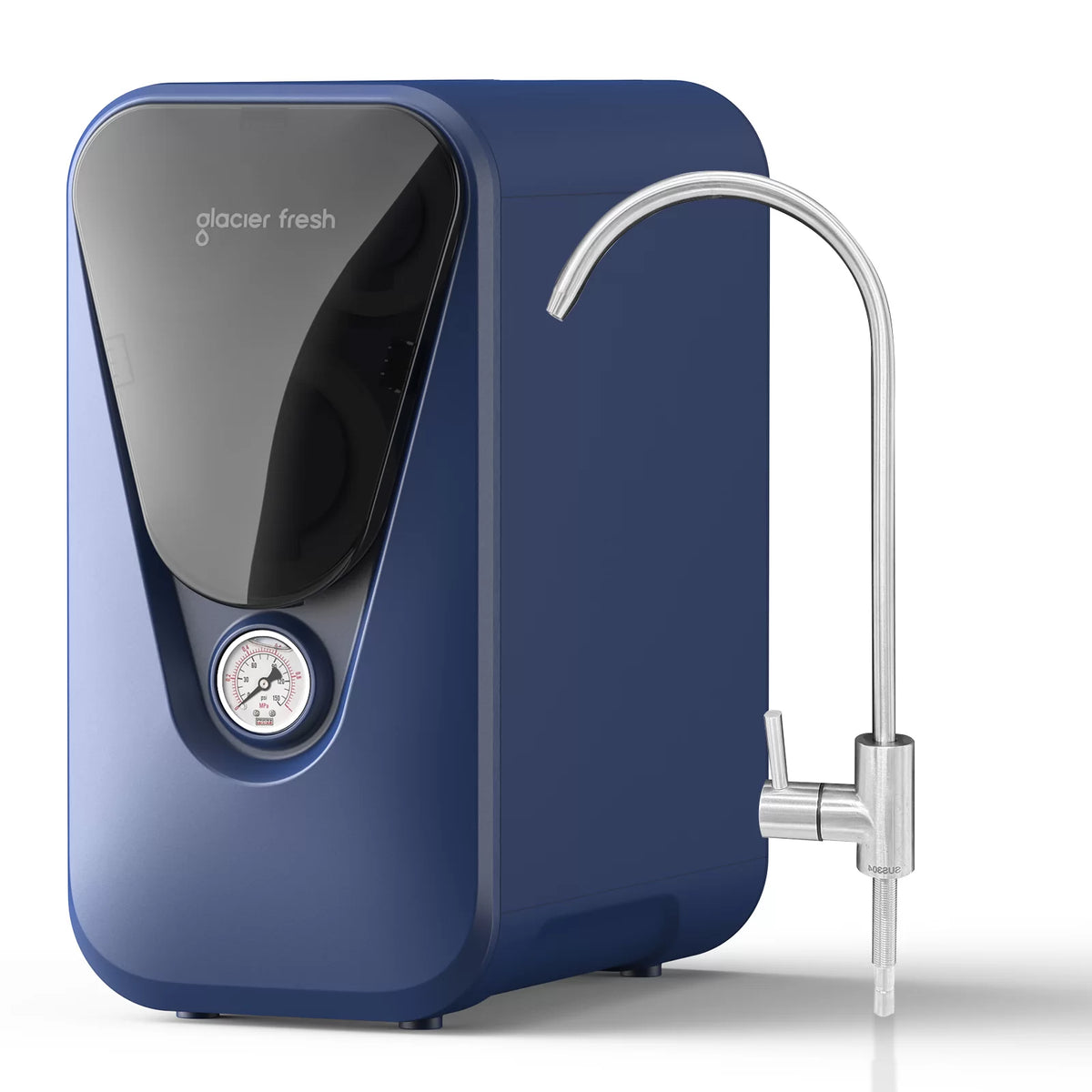
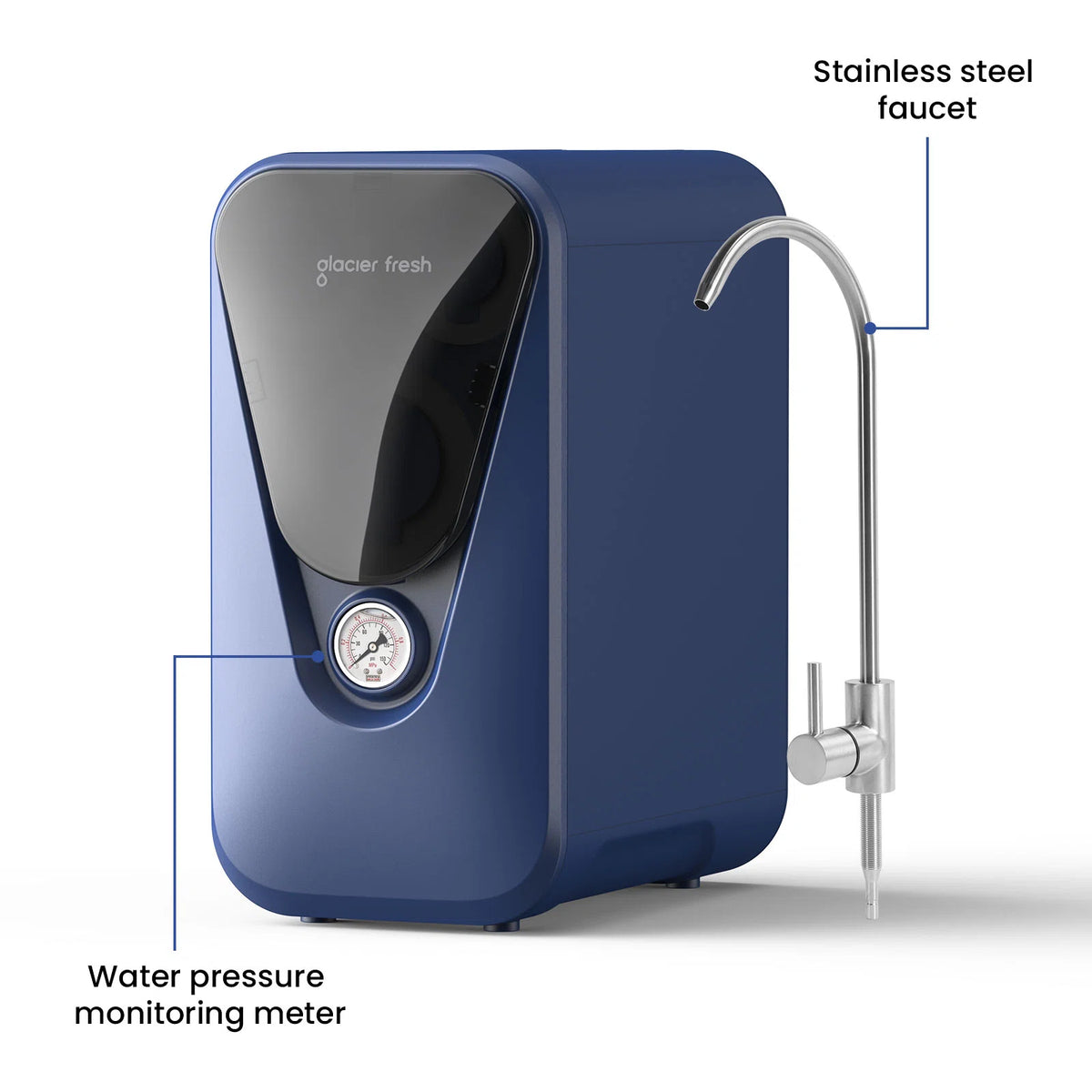
For many urban and suburban households, an under-sink system such as GlacierFresh 800GPD Undersink Reverse Osmosis System offers a balanced option that improves water quality where it matters most without major plumbing changes.
Reverse Osmosis System Diagrams and Installation Guides
Most home reverse osmosis systems follow a similar layout, even though housings and fittings vary by brand. Diagrams typically show water entering through the sediment and carbon stages, passing through the membrane, then moving to post-filtration and storage.
When reviewing a diagram, focus on flow direction and component order rather than exact dimensions or part numbers.
How Do I Interpret a Reverse Osmosis System Diagram?
Start by identifying the feed line from the cold water supply. From there, follow the path through each filter housing in order.
The membrane housing is usually larger and placed horizontally or vertically near the center of the system. Storage tanks and faucets are shown downstream, with arrows indicating flow direction and check valves.
Reverse Osmosis System Installation
Under-sink RO installation usually involves mounting the system cabinet, connecting a feed valve to the cold water line, routing a drain saddle, and installing the faucet.
Whole-house systems differ significantly in size and complexity and often require a licensed plumber. Always follow the manufacturer’s instructions for model-specific steps.
Can You Guide Me Through Installing a Reverse Osmosis Water Filter System?
A high-level installation process includes:
-
Shutting off the water supply and preparing fittings
-
Mounting pre-filters and the membrane housing
-
Connecting the storage tank and faucet
-
Flushing the system and checking for leaks
Manufacturer guides should always take priority for exact installation details.
FAQs
What maintenance is required for a reverse osmosis system?
Routine maintenance focuses on timely filter replacement and basic system checks. Sediment and carbon filters are usually changed every 6 to 12 months to protect the RO membrane. The membrane itself often lasts 2 to 3 years when upstream filters are maintained correctly.
How often do you change a 5 stage RO filter?
In a 5 stage system, the first stage sediment filter and carbon stages are commonly replaced once or twice per year. These early stages protect the membrane from clogging and chemical damage.
What are the disadvantages of reverse osmosis water systems?
The disadvantages of RO systems include generating wastewater as part of the purification process. Some systems also reduce naturally occurring minerals along with contaminants. Modern designs often address this through improved efficiency ratios and partial mineral retention to balance taste and usability.
Can you put a reverse osmosis system in your house?
Yes, reverse osmosis systems are widely installed in residential settings. Under-sink units are common in houses, condos, and apartments because they require limited space and plumbing changes. Whole-house systems can also be installed but typically need professional plumbing and a higher upfront investment.
What is a major problem with reverse osmosis?
The most common issue is poor upkeep. Skipping scheduled filter changes can lower water flow, reduce contaminant removal, and shorten membrane life. Inconsistent maintenance may also allow sediment or chemicals to reach sensitive components.
Conclusion
Regular filter replacement and periodic system checks help maintain long-term performance and water quality. Research has shown that treatment gaps and aging infrastructure leave millions exposed to substances not fully regulated.
GlacierFresh offers thoughtfully designed home reverse osmosis system options that focus on efficiency, compact installation, and consistent filtration for everyday household use.