
Table of Contents:
How does reverse osmosis work?
Top disadvantages of reverse osmosis systems
Who might not benefit from the RO system?
Tips for overcoming common reverse osmosis challenges
FAQs
Conclusion
Reverse osmosis (RO) systems have become popular for households seeking high-quality, purified water. These systems effectively remove contaminants such as chlorine, lead, and fluoride, ensuring water that tastes and smells cleaner.
However, reverse osmosis isn't the perfect solution for everyone despite these benefits. The disadvantages are obvious: reverse osmosis removes contaminants — but it often wastes 3–5 gallons of water for each gallon filtered, strips beneficial minerals like calcium and magnesium, and requires regular maintenance. To mitigate: use a permeate pump, add a remineralization cartridge, or choose a tankless/high-flow system.
In this blog, we’ll explore the key disadvantages of reverse osmosis systems further and provide tips to help you overcome these challenges.
How does reverse osmosis work?

Reverse osmosis is a water purification process that pushes water through a semi-permeable membrane to remove contaminants. The system often consists of several filtration stages, including pre-filters, the RO membrane, and post-filters. RO effectively eliminates impurities such as heavy metals, pesticides, and bacteria. However, this thorough purification has some trade-offs, which we’ll explore below.
Top disadvantages of reverse osmosis systems
1: High water waste

An RO system wastes 3-5 gallons of purified water for every gallon of water(based on the researches of the Environmental Protection Agency of US), which can significantly increase your water bill. This inefficiency makes RO systems less eco-friendly than other filtration methods.
Solution: Installing a permeate pump can improve efficiency by reducing water waste during filtration.
2: Strips water of essential minerals
While RO systems remove harmful contaminants, they also eliminate beneficial minerals like calcium and magnesium. Prolonged consumption of mineral-free water may lead to a deficiency in these essential nutrients.
Solution: Adding a remineralization filter restores essential minerals, ensuring the water tastes better and supports health.
3: Slow filtration process
RO systems produce water slowly due to the time-intensive filtration process. This can be frustrating for larger households with higher water demands.
Solution: Consider installing a larger storage tank or opt for a tankless RO system, which provides water more efficiently.
4: Initial cost and maintenance requirements

Installing an RO system can be more expensive than other filtration systems. Additionally, filters and membranes need regular replacement—typically every 6 to 12 months—which adds to the maintenance cost.
Solution: While the initial expense may be high, scheduling regular maintenance can prolong the system's life and reduce future repair costs.
5: Require space and installation expertise
Traditional RO systems with storage tanks take up much space, which may be inconvenient in smaller kitchens. Installation can also be challenging and might require a plumber.
Solution: If space is a concern, consider a compact or tankless RO system, which takes up less room and is easier to install.
6: Potential impact on taste and pH level

Because RO systems remove minerals, the resulting water may taste flat or "lifeless." Additionally, it can have a lower pH, making it slightly more acidic.
Solution: A remineralization filter can enhance the taste and balance the water's pH, making drinking more enjoyable.
7: Not ideal for well water without pre-treatment
If you rely on well water, more than installing an RO system may be required. RO membranes are sensitive to iron, sediment, and bacteria, which can clog the system and reduce efficiency.
Solution: Pre-treatment with sediment filters, water softeners, or UV filters ensures that well water doesn’t damage the RO system.
Who might not benefit from the RO system?
- Small households with minimal water consumption needs might not find the investment worthwhile.
- Individuals who prefer mineral-rich water may be disappointed by the taste of RO water.
- Eco-conscious households might avoid RO systems due to their high water waste.
Tips for overcoming common reverse osmosis challenges

- Choose the right system size: Ensure the undersink reverse osmosis system can meet your household's water consumption needs.
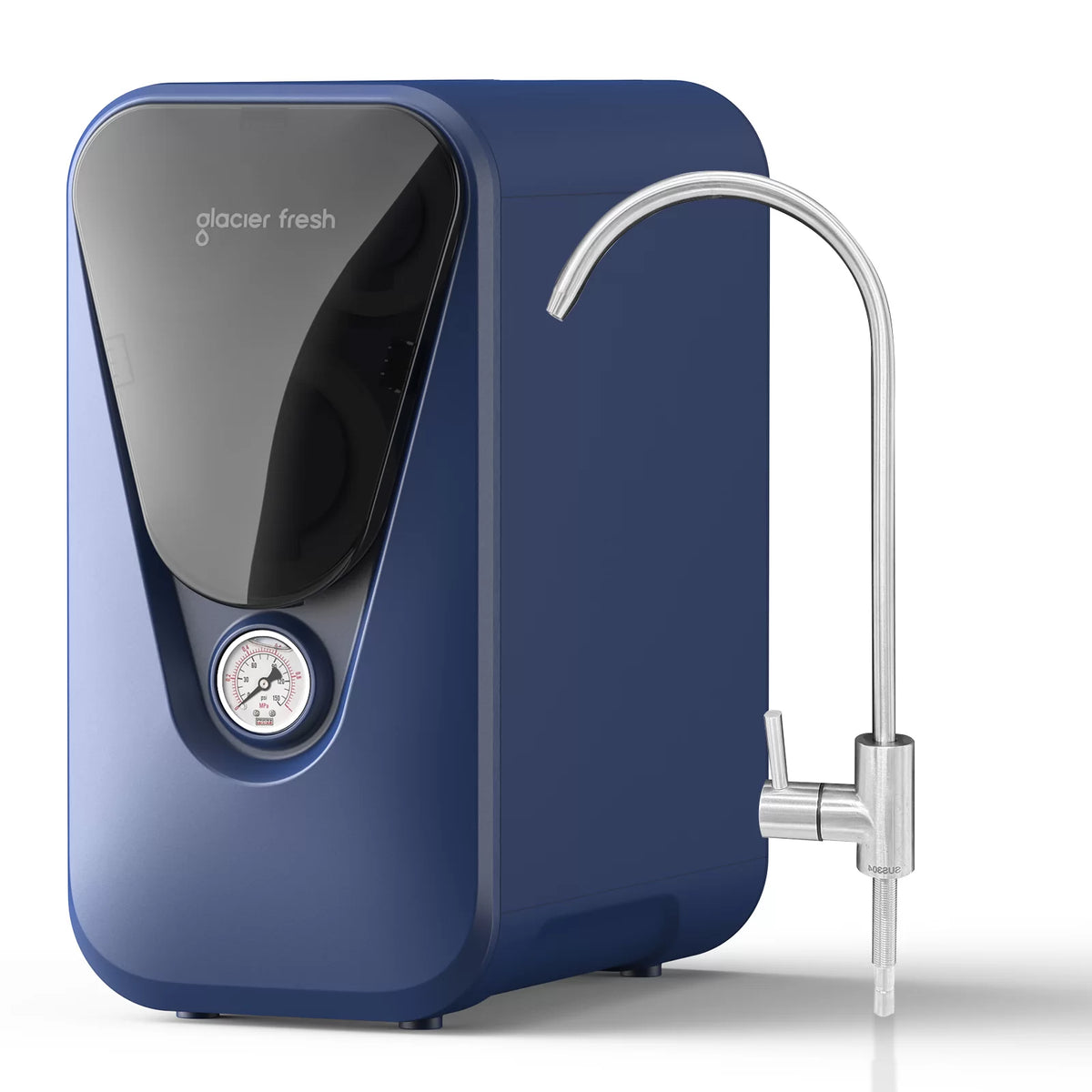
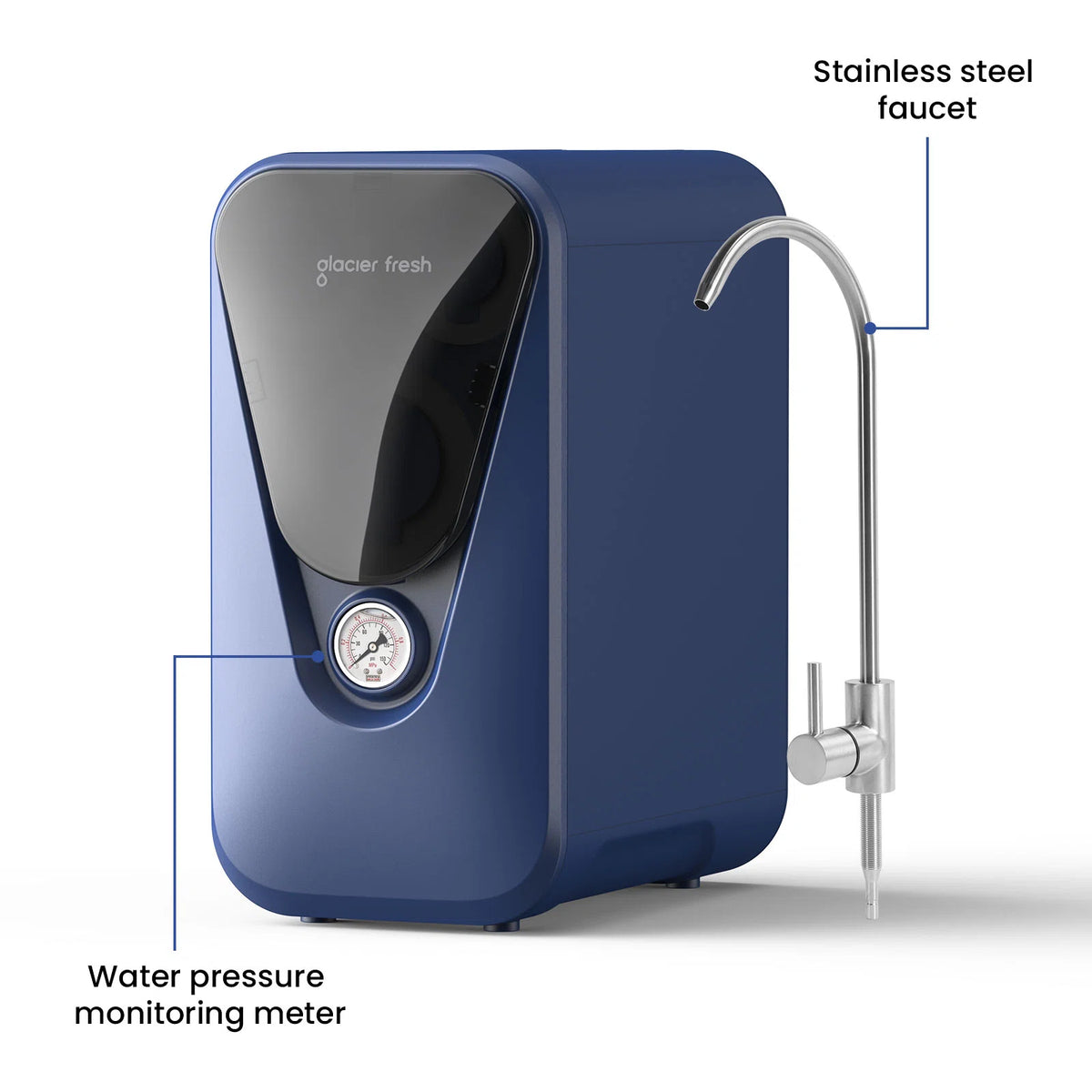
- Consider a tankless RO system: Save space and enjoy faster water flow.
- Install a permeate pump: Reduce water waste and make your system more efficient.
- Add a remineralization filter: This improves your water's taste and nutritional value.
- Enhancing water taster: Some people taste reverse osmosis water a tad flat. Add mineral drops to your purified water or use a remineralization filter to improve the taste.
FAQs
What are the main disadvantages of a reverse osmosis (RO) system?
The main disadvantages include high water waste (often 3-5 gallon wasted per gallon produced), removal of beneficial minerals, slower water output, and ongoing maintenance filter replacement needs.
Are there ways to reduce the disadvantages of RO systems?
Absolutely --- you can add a permeate pump to reduce water waste, use a remineralizing cartridge or post-silter to restore minerals and taste, or choose modern tankless / high-flow RO systems for better efficiency and convenience.
What is the average lifespan of a reverse osmosis system?
Generally, it lasts 10-15 years, which depends on its components, water quality, and filtration efficiency.
Is there a significant difference in taste between RO and tap water?
Yes, there's a noticeable taste difference. Due to its lower mineral content, RO water can taste flat compared to tap water. Your flavor preferences and water quality can influence your preferred purification method.
Will remineralizing the water after RO affect its purity or quality?
Proper remineralizing filters are designed to add only beneficial minerals without reintroducing contaminants. When maintained and replaced properly, remineralized RO water remains safe and often tastes better.
Conclusion
Reverse osmosis systems provide excellent water quality by removing contaminants, but they also have a few disadvantages, including water waste, high costs, and maintenance requirements. Before investing in an RO system, it’s important to carefully evaluate whether these drawbacks align with your needs.
If you’re looking for a compact and efficient option, consider a tankless RO system or one with a remineralization filter. Weigh the pros and cons, and consult an expert if you need help choosing the right system for your home. Follow Glacier Fresh to find more water filtration solutions.