


Table of Contents:
Why Are Whole House Water Filtration Systems for Home Becoming Popular?
What Is a Whole House Water Filtration System?
Whole House Filtration vs Under-Sink Systems
3-Stage Whole House Water Filtration Systems
How Do I Choose the Right Water Filter for My Entire House?
What Are the Different Sizes Available for Whole House Water Filters?
How Do I Choose the Best Whole House Water Filter for My Needs?
FAQs
Conclusion
Many American families are paying closer attention to water quality throughout the home, not just at the kitchen sink. Concerns about PFAS, chlorine, aging pipes, and sediment buildup have pushed more homeowners toward whole house water filtration systems for home use as a practical upgrade for cleaner water and better appliance protection.
Why Are Whole House Water Filtration Systems for Home Becoming Popular?

Water quality concerns are now affecting everyday household routines beyond drinking water.
The Environmental Protection Agency (EPA) continues to monitor PFAS contamination across public water systems, while lead exposure remains a concern in older housing and aging infrastructure.
The CDC also estimates that millions of illnesses each year are linked to germs in drinking water. These concerns have pushed more homeowners toward filtration systems that treat water at the point it enters the home rather than filtering a single faucet.
A water filter for the entire house affects showers, laundry, dishwashers, water heaters, and other appliances. Many homeowners notice less chlorine odor, reduced mineral buildup around fixtures, and better appliance efficiency after installing filtration.
Hard water scaling is another major reason families upgrade. Mineral buildup inside water heaters can reduce efficiency and shorten appliance lifespan over time.
What Is a Whole House Water Filtration System?
A whole house system filters water where it first enters the property.
Unlike countertop or faucet filters, whole house water filtration systems for home use are installed at the main water line. This is often called point-of-entry filtration because the water is treated before it reaches showers, sinks, appliances, or washing machines.
Most systems combine sediment filtration, activated carbon filtration, and specialty media that target contaminants such as chlorine, rust, odors, heavy metals, and sediment.
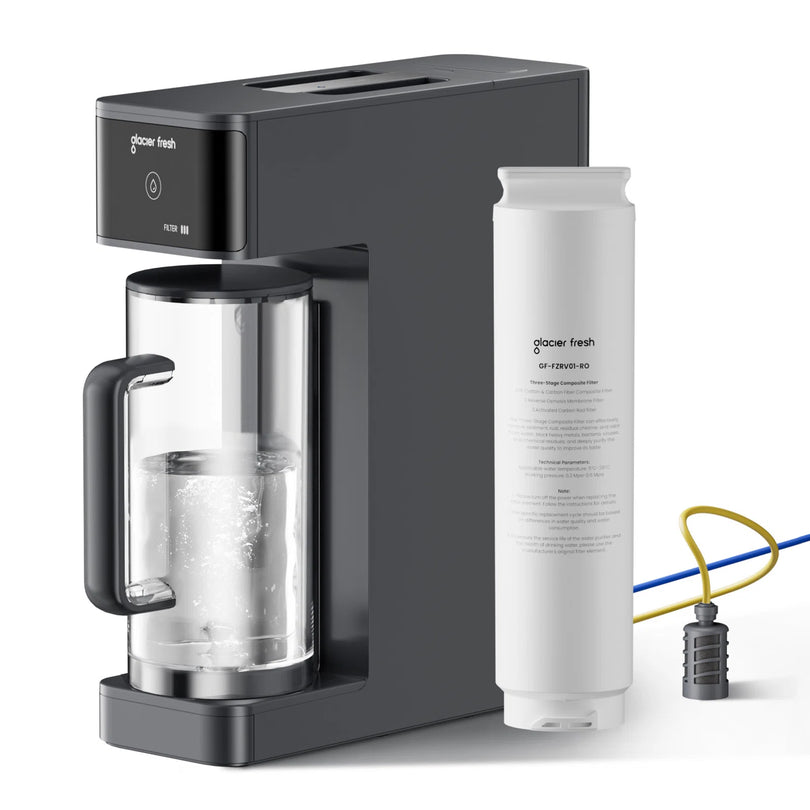
Some homeowners also add reverse osmosis systems for drinking water purification. Reverse osmosis membranes can reduce contaminants such as PFAS, lead, fluoride, and dissolved solids.
Many systems target contaminants commonly found in municipal or well water, including:
-
chlorine
-
sediment
-
rust
-
PFAS
-
heavy metals
-
unpleasant odors
Whole House Filtration vs Under-Sink Systems

Different filtration systems solve different household problems.
A water filter for entire house setup focuses on broad household protection. It improves water quality across showers, laundry, dishwashing, and appliance use. Under-sink systems, meanwhile, focus specifically on drinking and cooking water.
Whole-house systems are better for reducing chlorine, protecting appliances, and improving shower and laundry water. Under-sink reverse osmosis systems focus on drinking water purification, PFAS reduction, and better taste for cooking and beverages.
Consumer Reports explains that many households combine both systems to balance convenience and contaminant reduction.
This is where a dedicated drinking water purification system for home use can complement a whole-house setup. Some homeowners install a whole-home carbon filtration system while using an under-sink reverse osmosis unit for drinking water at the kitchen faucet.
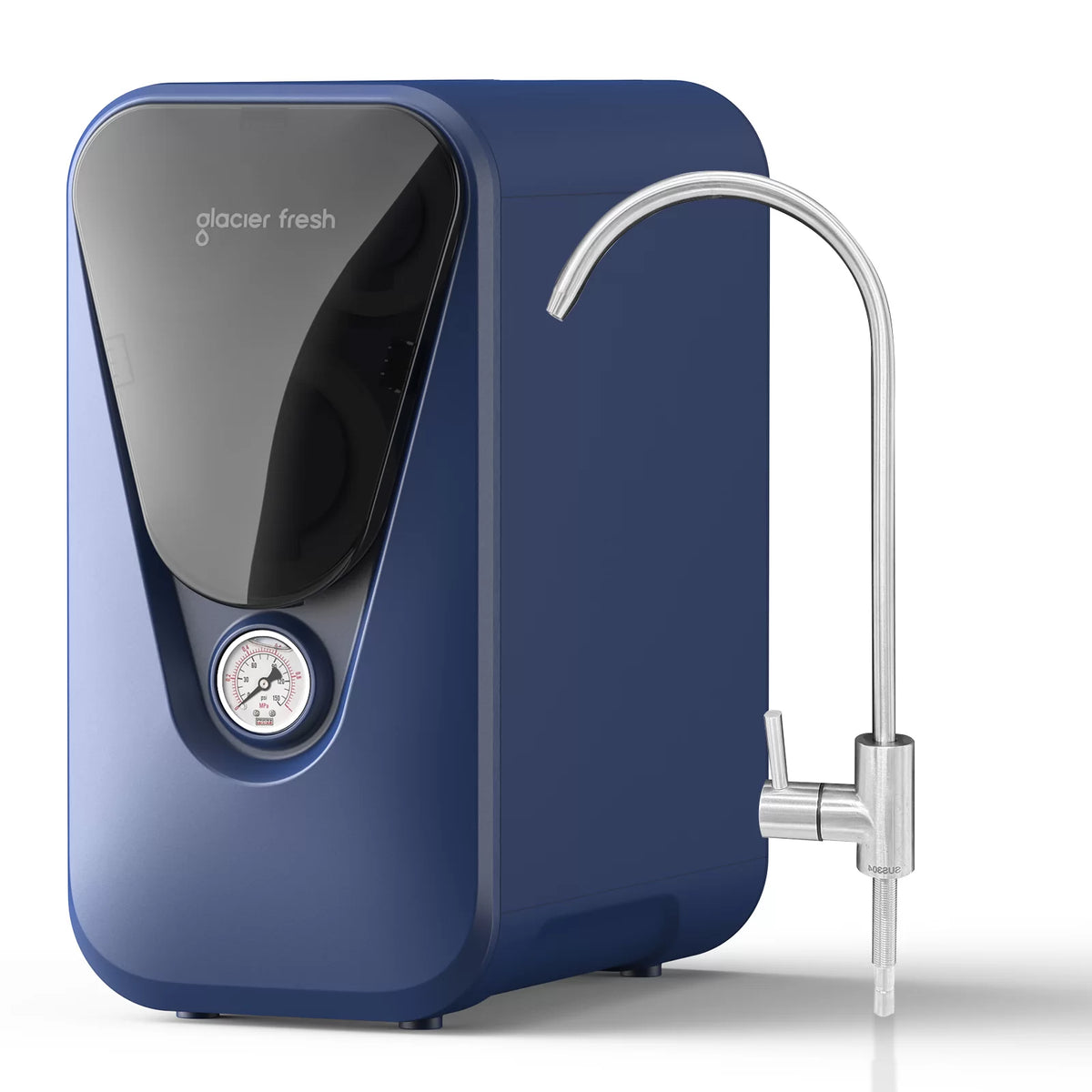
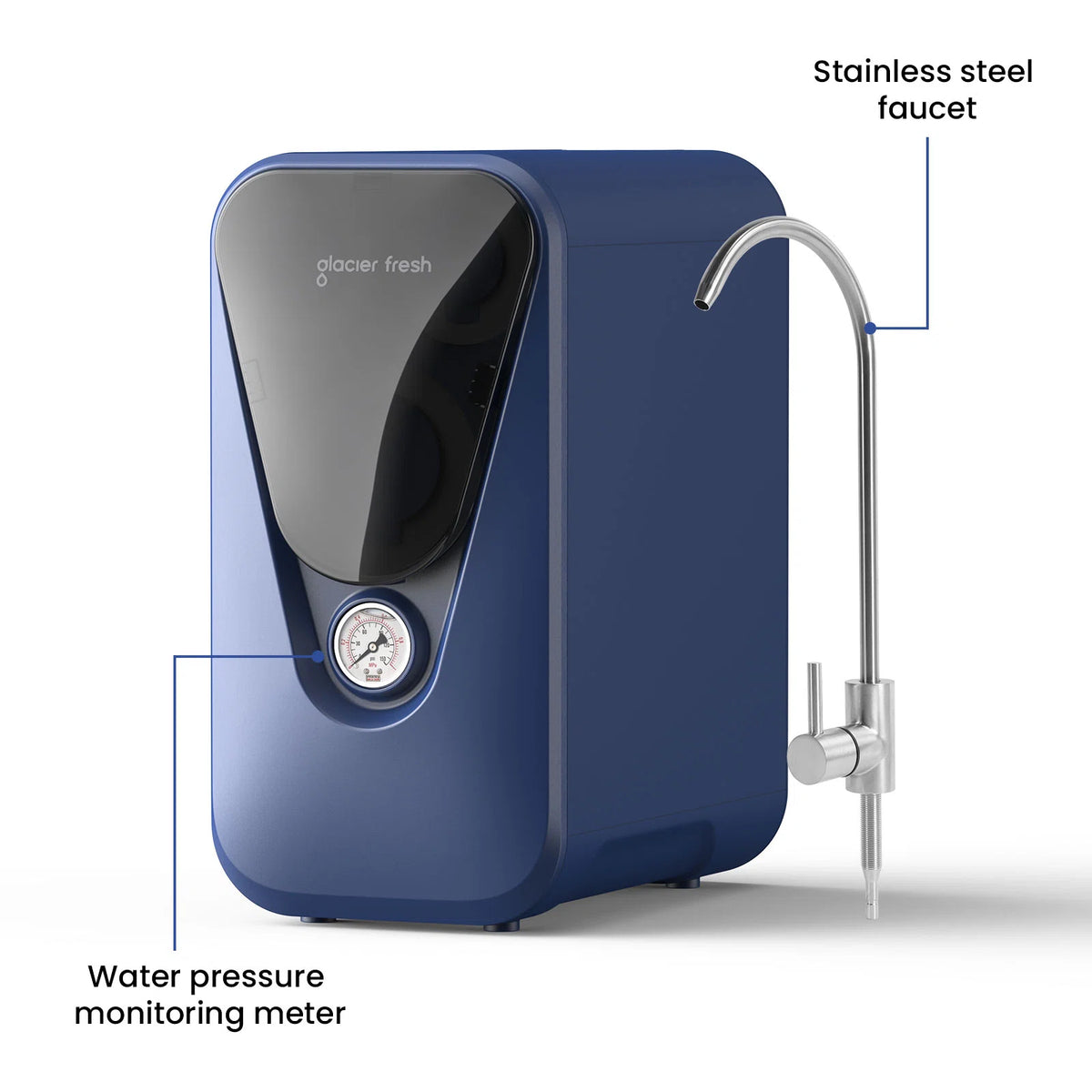
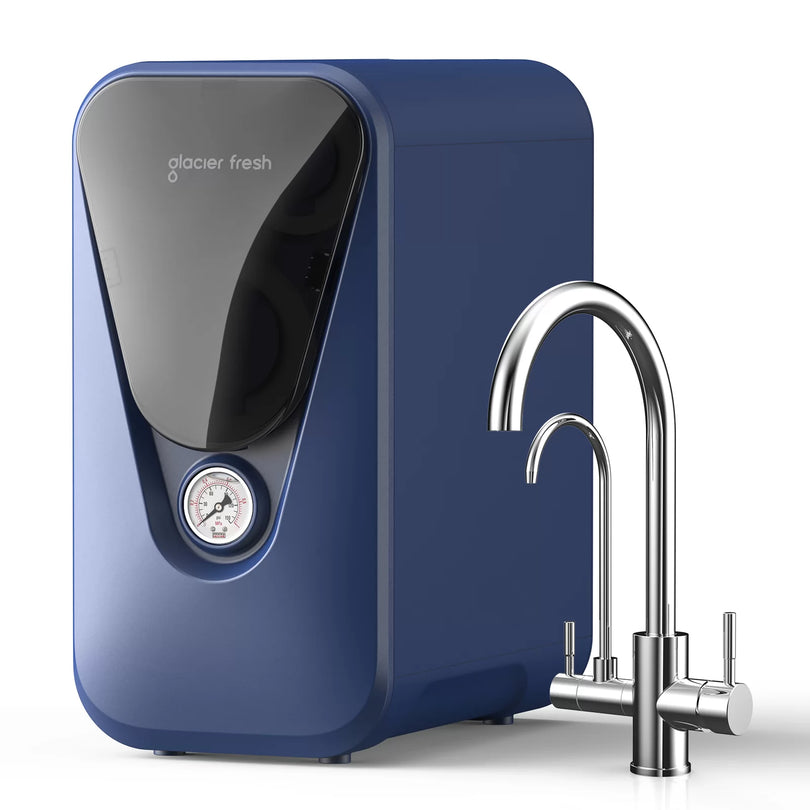
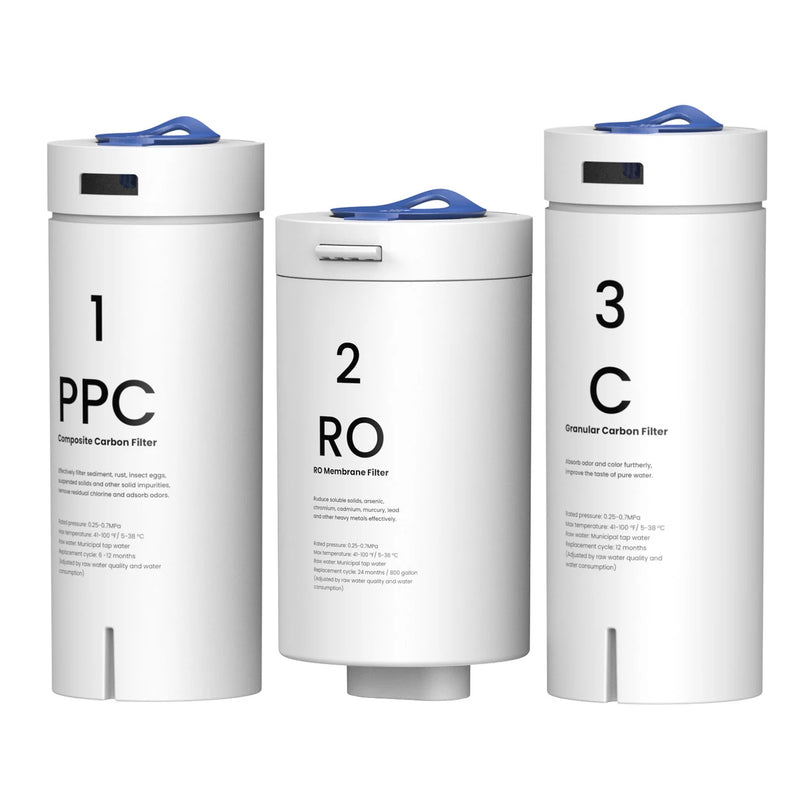
GlacierFresh supports this approach with the U03 non-electric reverse osmosis system. It uses 5-stage filtration for contaminants such as PFAS, chlorine, and heavy metals while remaining compact and DIY-friendly for apartment kitchens or smaller utility spaces.
3-Stage Whole House Water Filtration Systems
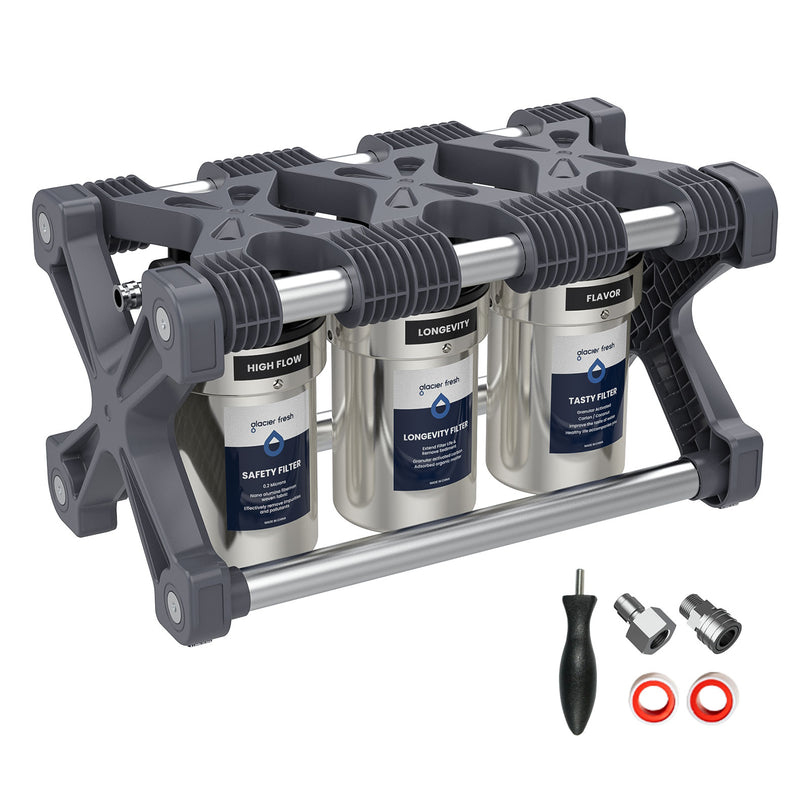
Many modern systems rely on a three-stage approach because it balances filtration performance, maintenance, and water flow.
What Happens in Each Filtration Stage
The first stage usually handles sediment filtration.
This stage removes larger particles such as sand, rust, dirt, and pipe debris. It protects the later filtration stages from clogging too quickly.
The second stage typically uses activated carbon filtration.
Carbon filters reduce chlorine, odors, and many organic compounds that affect taste and smell. Carbon filtration is especially common in municipal water systems where chlorine disinfection is heavily used.
The third stage often includes specialty filtration media or fine filtration.
Depending on the system, this stage may target:
-
heavy metals
-
scale reduction
-
finer sediment
-
VOC reduction
-
additional chemical filtration
Some systems also add UV treatment or reverse osmosis for specialized water concerns.
When a 3-Stage Setup Makes the Most Sense
A 3-stage setup works well for municipal water systems with chlorine taste, moderate sediment issues, and homes wanting better appliance protection without highly specialized treatment equipment.
How Do I Choose the Right Water Filter for My Entire House?
The best filtration system depends heavily on the actual contaminants in your water.
Start With a Water Test
Water testing should always come first.
Municipal water reports provide a useful baseline, but home testing kits can reveal additional issues inside household plumbing systems. This is especially important in older homes where corrosion inside pipes may not appear in city-wide reports.
Filtration systems work best when matched to specific contaminants. A household dealing mostly with chlorine and odor needs a different setup than a home with iron-heavy well water or elevated PFAS concerns.
The EPA recommends looking for certified filters that specifically match the contaminants you want to reduce.
Consider Household Size and Water Usage
Larger families with multiple bathrooms, laundry cycles, and dishwashers need higher flow rates than smaller homes or condos.
When evaluating a water filter for entire house setup, consider bathroom count, simultaneous water use, and peak-hour demand. Systems with insufficient flow rates may create pressure drops during showers or appliance use.
Think About Maintenance and Filter Replacement
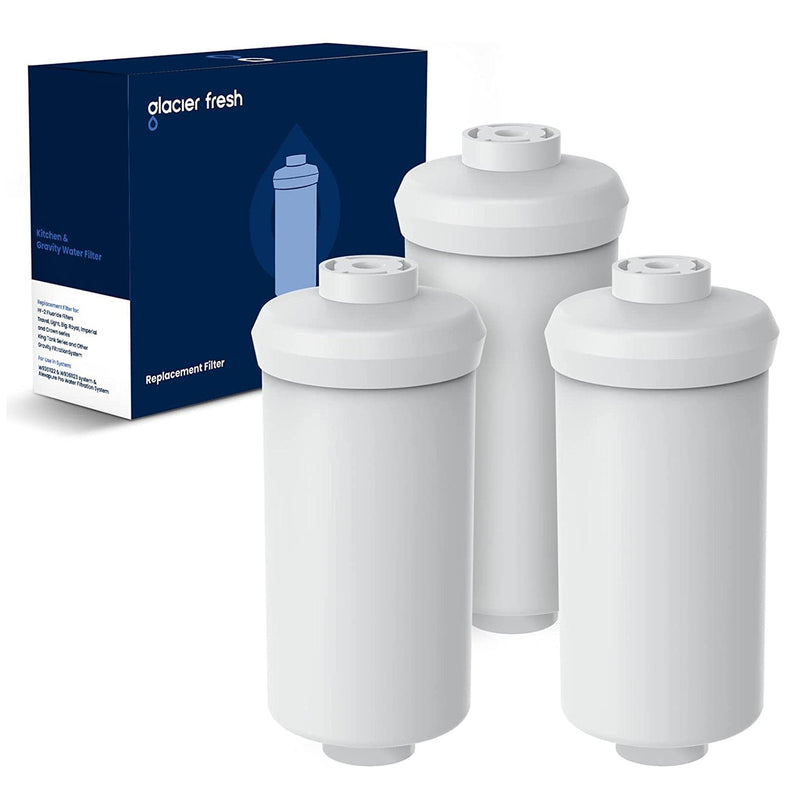
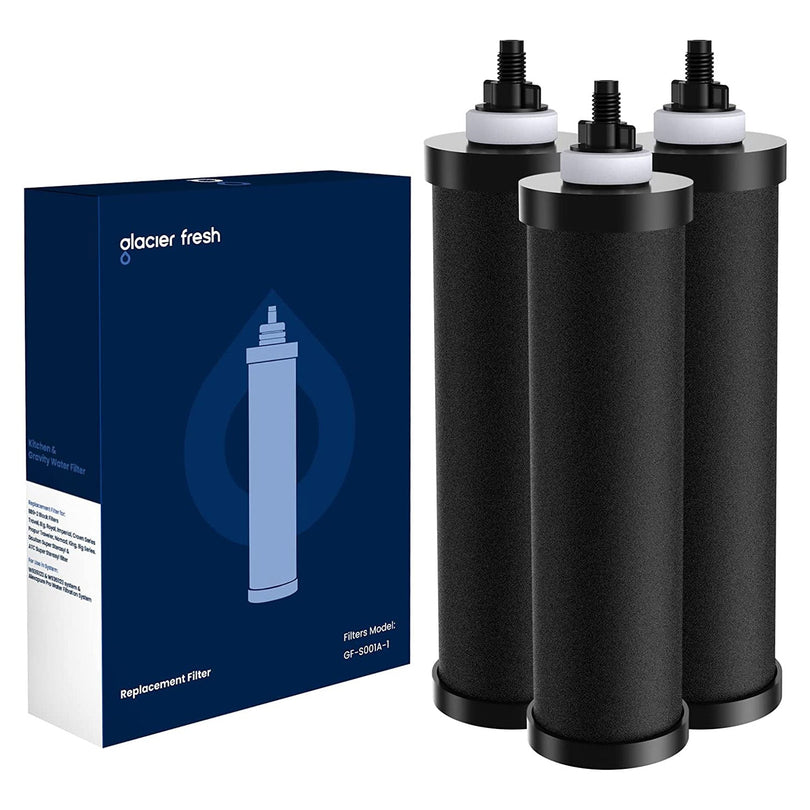
Sediment and carbon filters typically need replacement every 6 to 12 months depending on usage and water quality. Reverse osmosis membranes last longer but still require maintenance.
The CDC recommends replacing filters regularly to maintain performance.
What Are the Different Sizes Available for Whole House Water Filters?
System size affects both filtration capacity and water pressure.
Small Homes and Apartments
Smaller homes and apartments often use compact lower-GPM systems designed for one bathroom, smaller kitchens, and limited installation space.
Medium-Sized Family Homes
Most suburban family homes use medium-sized systems that support 3 to 4 bathrooms, moderate appliance use, and standard municipal water demand.
Large Homes With High Water Demand
Larger homes need higher-capacity systems.
Large homes with several bathrooms running simultaneously may require larger media tanks and higher flow rates to avoid pressure loss.
Why Flow Rate Matters
Flow rate directly affects daily comfort. If a system is undersized, homeowners may notice weaker shower pressure, slower appliance fill times, and inconsistent faucet flow.
How Do I Choose the Best Whole House Water Filter for My Needs?

Different water sources require different filtration priorities.
For City Water
Municipal water users usually focus on chlorine reduction and odor improvement.
Carbon-focused filtration systems work well for many city water supplies because they reduce chlorine taste, odor, and some chemical compounds while maintaining strong household flow rates.
Some homeowners also install refrigerator filtration accessories such as an LG refrigerator fresh air filter to improve appliance freshness and odor control inside refrigerated compartments. While these filters are separate from water treatment systems, they are often part of a broader household air and water quality routine.
For Well Water
Well water systems often require more specialized filtration.
Common well-water concerns include:
-
sediment
-
iron
-
sulfur odors
-
bacteria
-
mineral buildup
Homes using private wells may require additional UV treatment or sediment-heavy prefiltration depending on regional groundwater conditions.
For PFAS and Drinking Water Concerns
PFAS concerns have increased demand for reverse osmosis drinking water systems.
Many homeowners now combine whole house water filtration systems with a dedicated drinking water purification system for home use under the sink.
GlacierFresh offers several filtration formats that fit different living situations:
-
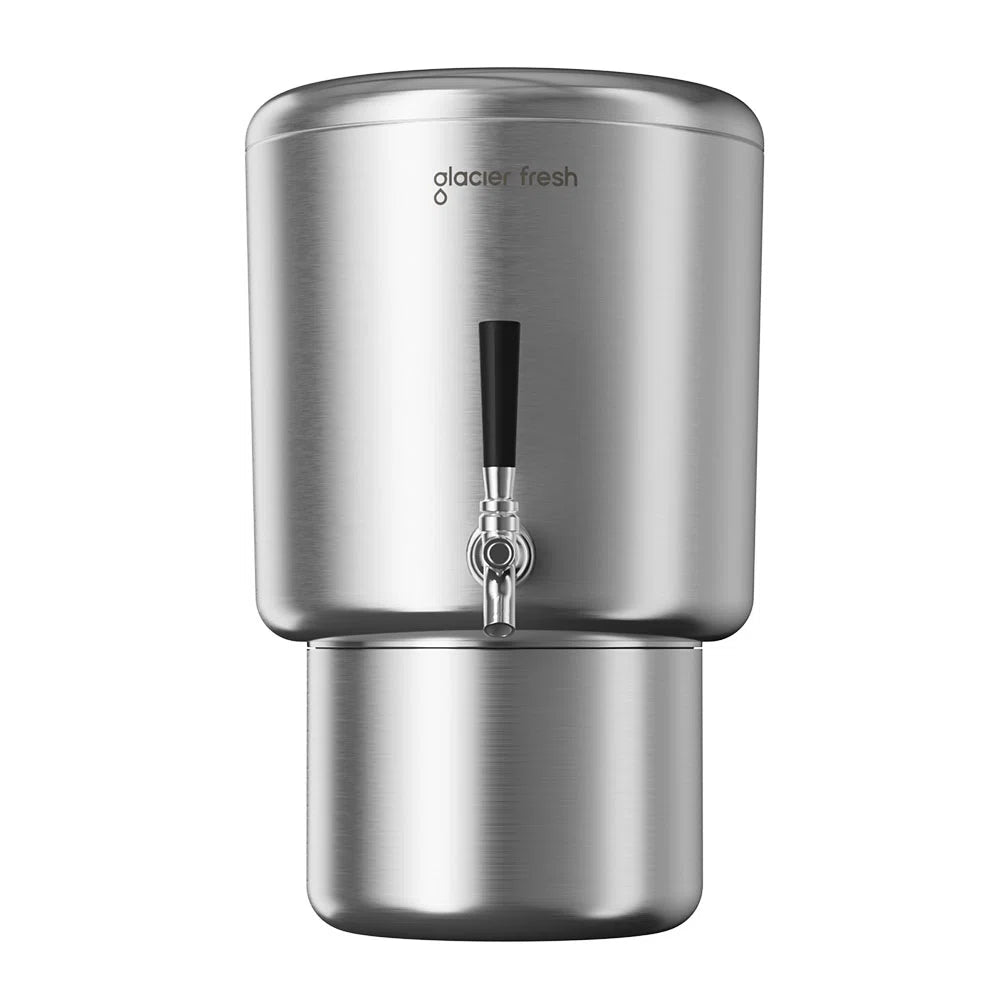
GlacierFresh U03 non-electric RO system for dedicated drinking water purification
-
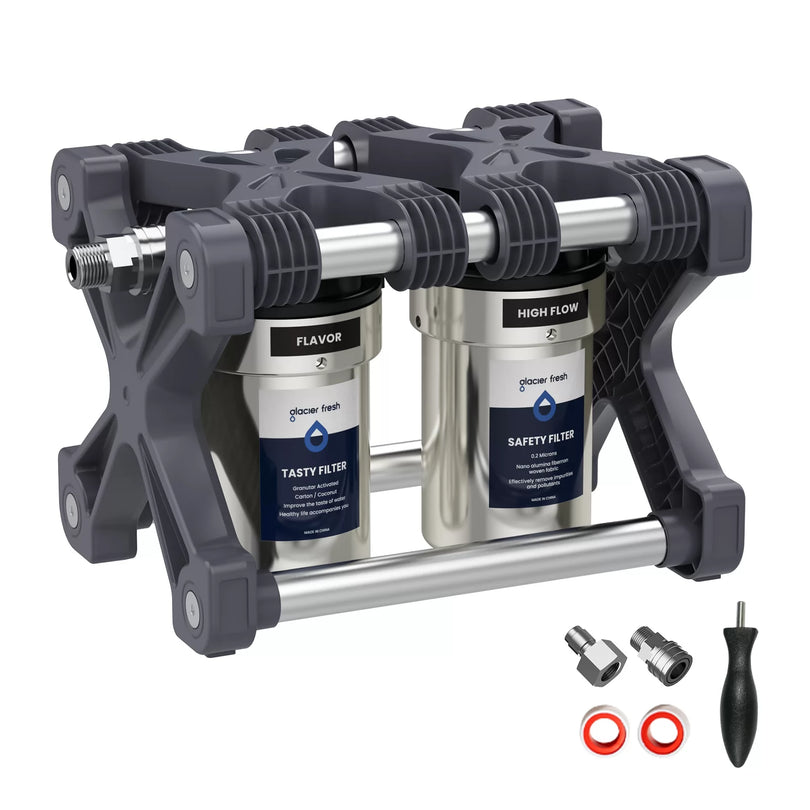
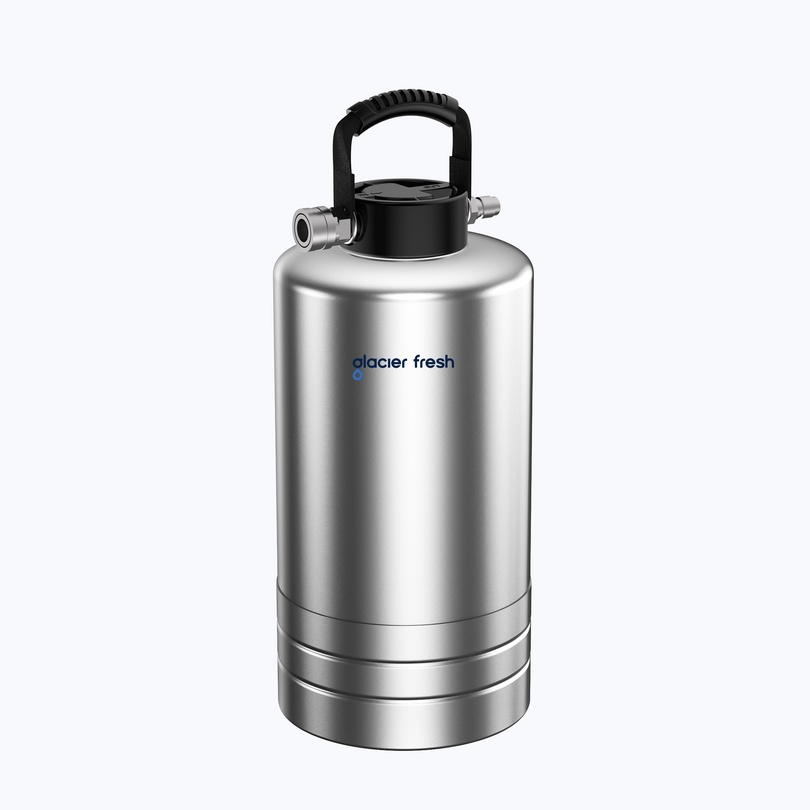
Gravity-fed countertop systems for rentals, RVs, cabins, and backup filtration
-
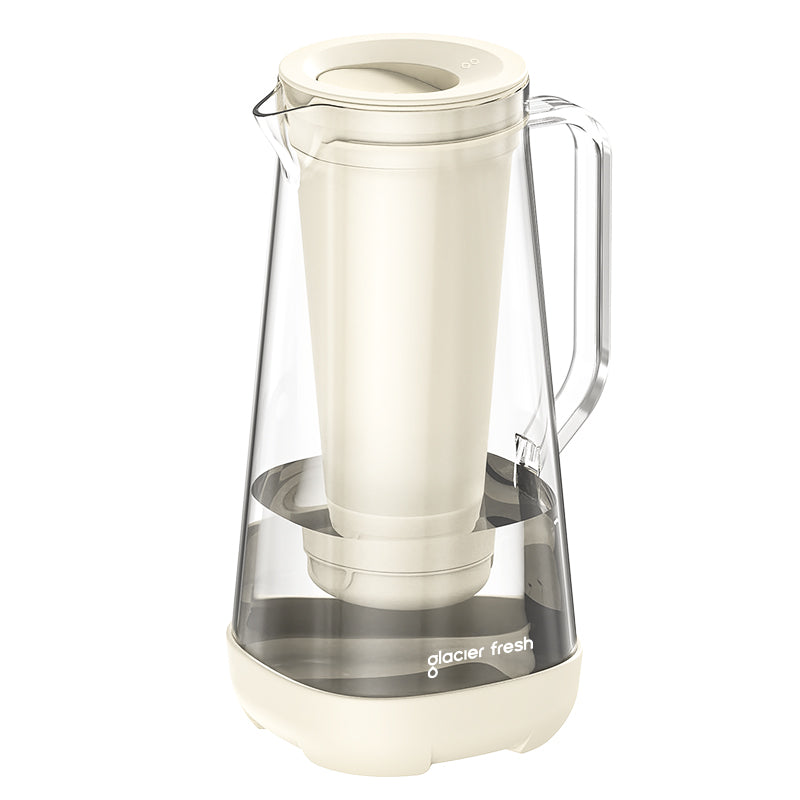
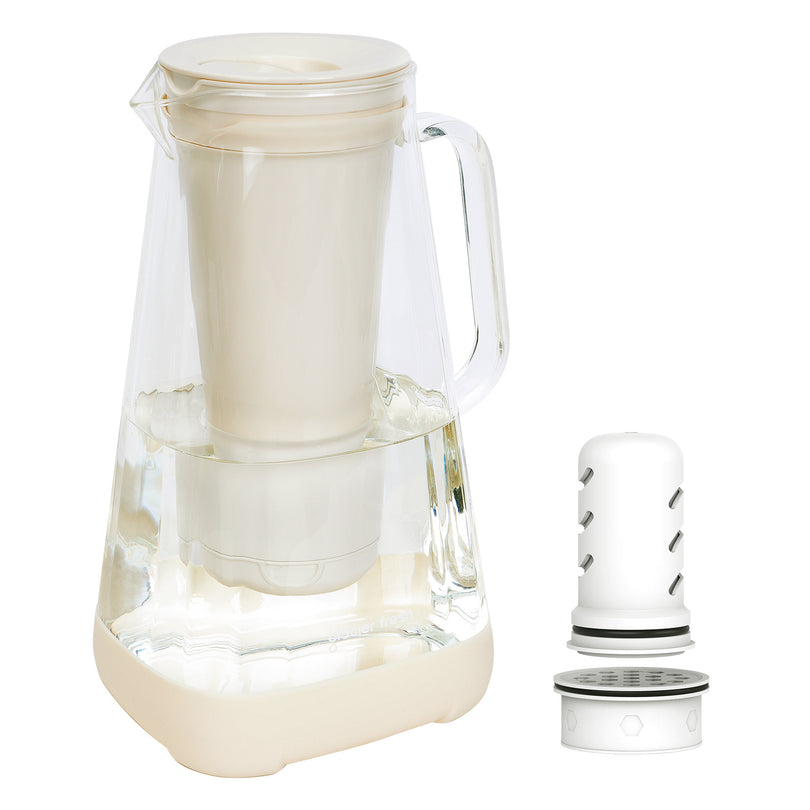
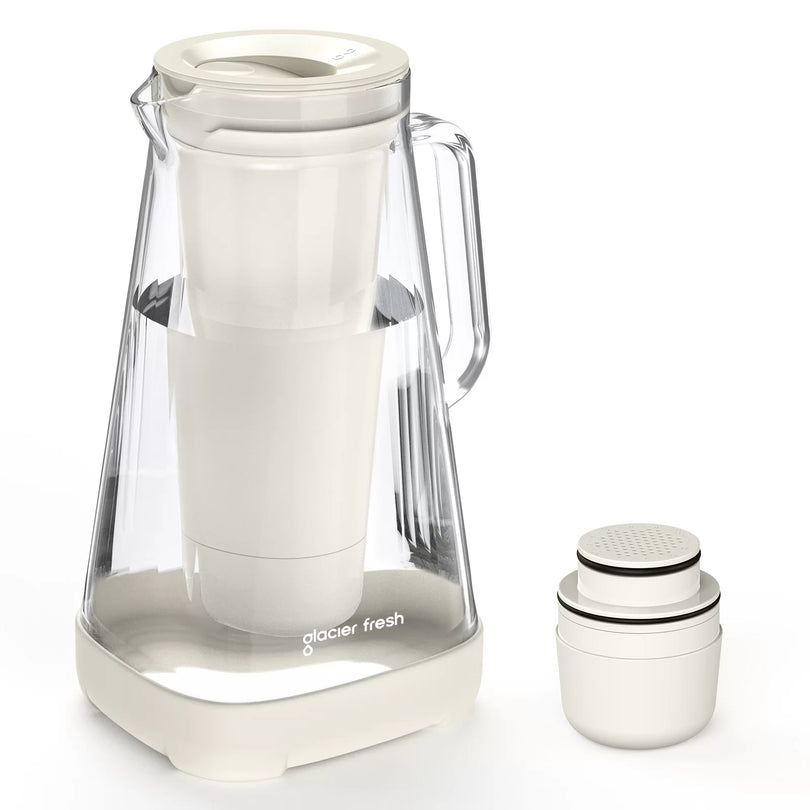
Glass water filter pitchers for apartments and smaller kitchens
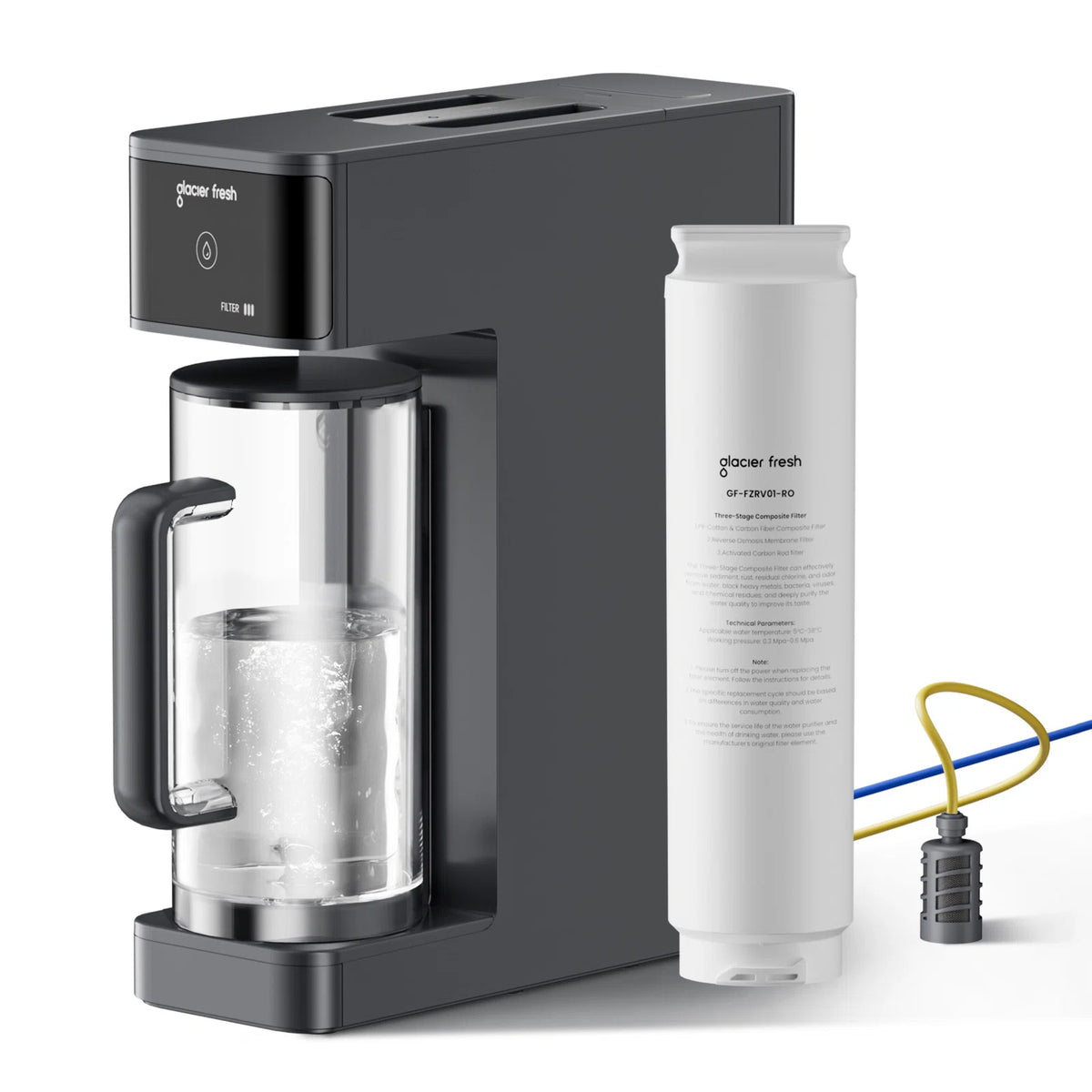
The countertop gravity systems are useful during power outages or in rentals where plumbing modifications are not practical. GlacierFresh glass pitchers also help smaller households reduce bottled water use while improving tap water taste.
FAQs
Do whole house water filtration systems remove PFAS?
Some whole-house systems can reduce PFAS depending on the filtration media used. Many households also pair whole-house filtration with reverse osmosis systems because RO membranes are highly effective at reducing PFAS compounds.
How long do whole house water filters last?
Most sediment and carbon filters last between 6 and 12 months depending on water quality and household usage. Larger systems may have longer service intervals.
Is a whole house system enough for drinking water?
It depends on your water quality goals. Many homeowners use whole-house filtration for general water treatment while adding reverse osmosis under the sink for drinking and cooking water.
Will a whole house filter reduce water pressure?
A properly sized system should maintain good water pressure. Problems usually happen when systems are undersized for household demand.
Are whole house water filtration systems difficult to maintain?
Most modern systems are relatively simple to maintain. Many newer systems are designed for DIY filter replacement without professional service calls.
Conclusion
For many families, installing whole house water filtration systems for home use is now part of protecting appliance lifespan, improving water quality, and reducing everyday exposure to contaminants such as chlorine and sediment.
Many homeowners also pair whole-home filtration with a dedicated drinking water purification system under the sink. GlacierFresh offers several practical filtration options for different household sizes, living situations, and water concerns.
Explore additional water filtration solutions at GlacierFresh.
References
-
Environmental Protection Agency (EPA). Drinking Water. https://www.epa.gov/report-environment/drinking-water
-
Centers for Disease Control and Prevention (CDC). Drinking Water Facts and Stats.
https://www.cdc.gov/drinking-water/data-research/facts-stats/index.html -
Consumer Reports. What's Best: A Whole-House or Under-Sink Water Filter?
https://www.consumerreports.org/home-garden/water-filters/whole-house-water-filter-vs-undersink-water-filter-a8037894665/ -
EPA PFAS Filter Guidance. Identifying Drinking Water Filters Certified to Reduce PFAS.
https://www.epa.gov/water-research/identifying-drinking-water-filters-certified-reduce-pfas -
CDC Home Water Filters Guidance. About Choosing Home Water Filters.
https://www.cdc.gov/drinking-water/prevention/about-choosing-home-water-filters.html