
Table of Contents:
Mistake #1: Choosing a filter before testing your water
Mistake #2: Assuming every household water filter removes the same contaminants
Mistake #3: Buying a house water purification system that doesn’t match your lifestyle
Mistake #4: Ignoring long-term filter replacement costs
Mistake #5: Overlooking installation requirements
Mistake #6: Choosing the wrong system for well water
Mistake #7: Prioritizing convenience stores and grocery branding over actual filtration performance
How to choose the best household water purification system for your home
FAQs
Conclusion
Many homeowners start searching for the best home drinking water filtration system after noticing chlorine taste, hard water stains, or reports about PFAS and lead contamination. The problem is that a lot of filters look almost identical, even though they solve completely different water quality issues.
Mistake #1: Choosing a filter before testing your water

City water and well water come with very different risks. Municipal water is usually disinfected before reaching homes, but aging pipes can still introduce lead, sediment, or rust. Well water may contain bacteria, sulfur, iron, arsenic, or hard minerals, depending on local geology.
Groundwater can naturally pick up arsenic and heavy metals as water moves through soil and rock. This is where many homeowners get stuck. It's pretty common to buy a filter based on reviews or popularity before figuring out what's actually in your water.
Hard water, chlorine, PFAS, lead, sediment, and bacteria all need different treatment approaches. A basic activated carbon pitcher may improve taste and odor, but it usually won't handle bacteria or dissolved contaminants very well.
Water reports from your city utility can provide a starting point. Home water testing kits can also help identify issues before investing in a house water purification system. Even a relatively inexpensive test can prevent buying the wrong type of filtration.
Mistake #2: Assuming every household water filter system removes the same contaminants
Carbon Filters vs Reverse Osmosis vs Nanofiltration
Activated carbon filters are commonly used in pitchers, refrigerator filters, and countertop systems. They are also widely used to reduce chemicals and improve drinking water taste.
They are effective at reducing chlorine taste, odors, and some volatile organic compounds. Carbon filtration can also help reduce certain heavy metals, depending on filter design.
Ultrafiltration systems use extremely small pores to block sediment, bacteria, and microplastics while typically retaining beneficial minerals. These systems are often found in portable and countertop filtration products.
Reverse osmosis systems push water through a semipermeable membrane capable of reducing dissolved solids, PFAS, fluoride, and heavy metals. The CDC notes that reverse osmosis can reduce lead, arsenic, fluoride, and certain microorganisms.
Nanofiber membrane filtration sits between standard carbon filtration and reverse osmosis. It can help reduce contaminants like heavy metals, PFAS, bacteria, and microplastics while maintaining better flow rates and lower water waste than traditional RO systems.
Why PFAS and Lead Require Specialized Filtration
PFAS contamination has become a major concern across North America. A U.S. Geological Survey study found that at least 45% of tap water samples tested positive for one or more PFAS compounds.
Not all filtration systems remove PFAS or lead effectively. Some pitcher filters focus mainly on taste improvement, while others are specifically certified for contaminant reduction.
RO systems generally provide broader contaminant reduction because the membrane removes dissolved particles at a much smaller scale. The EPA recommends choosing filters specifically certified for PFAS reduction.
If your household is concerned about heavy metals or forever chemicals, relying on a basic filter without certification can leave gaps in protection.
Mistake #3: Buying a house water purification system that doesn’t match your lifestyle

The right filtration system for a large suburban household may not work well in an apartment kitchen or RV.
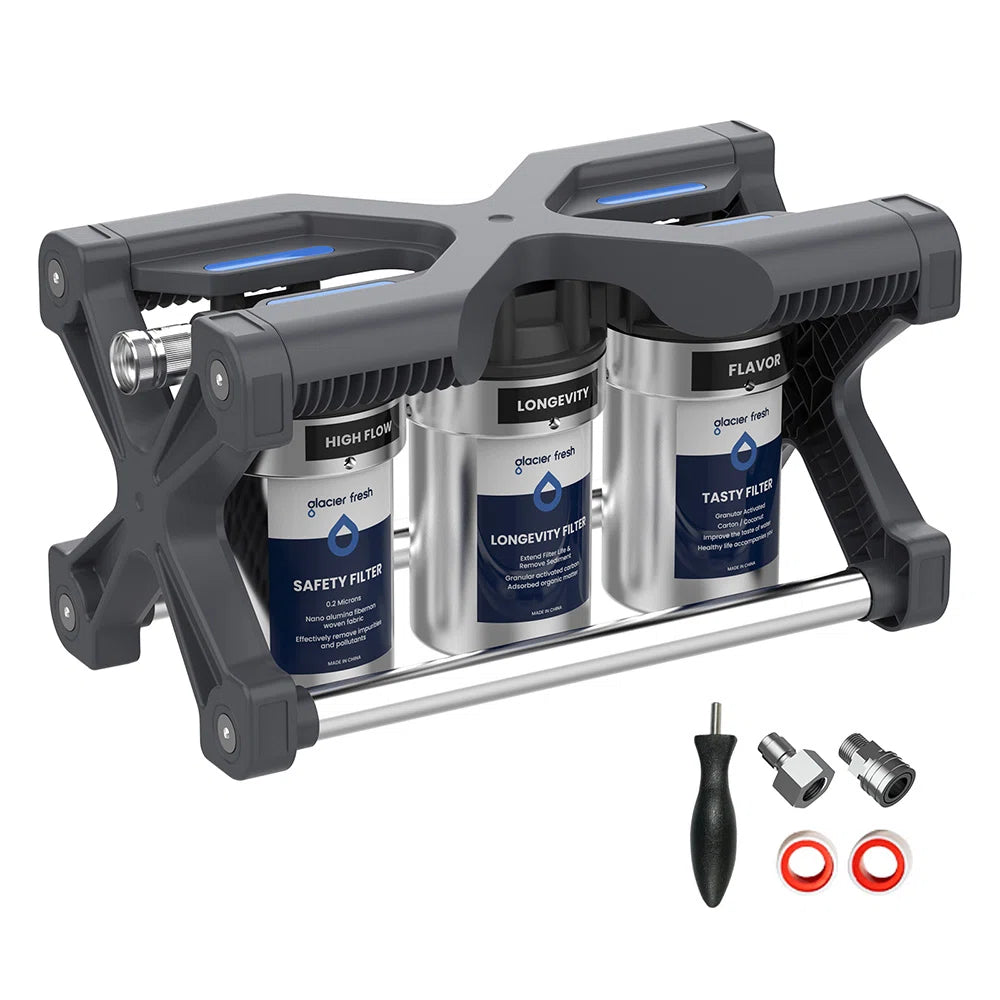
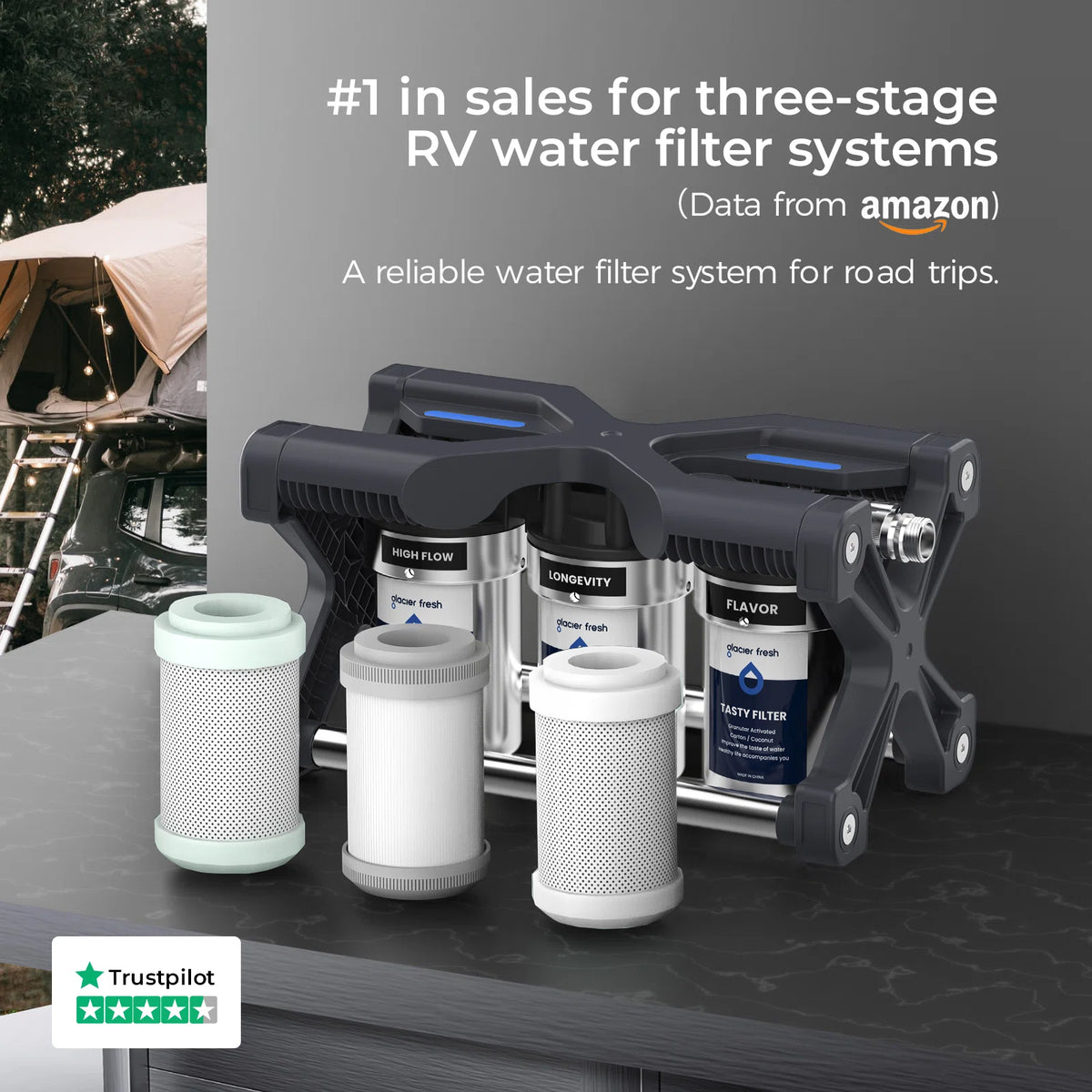
Renters often need systems that require no plumbing changes. Large families usually need faster flow rates and larger capacities. RV owners may prioritize portability and off-grid use. Homes with limited under-sink space may struggle with bulky filtration tanks.
What should I consider when choosing the best water filter for my home?
Several factors should guide your decision before purchasing a household water filtration system:
-
Contaminants common in your region
-
Municipal or well water source
-
Household size and daily water use
-
Available installation space
-
Replacement filter costs
-
NSF/ANSI certifications
For apartments or smaller households, the GlacierFresh Purela glass pitcher works well for improving taste and reducing common contaminants without requiring installation. The glass design also reduces reliance on disposable plastic bottles.
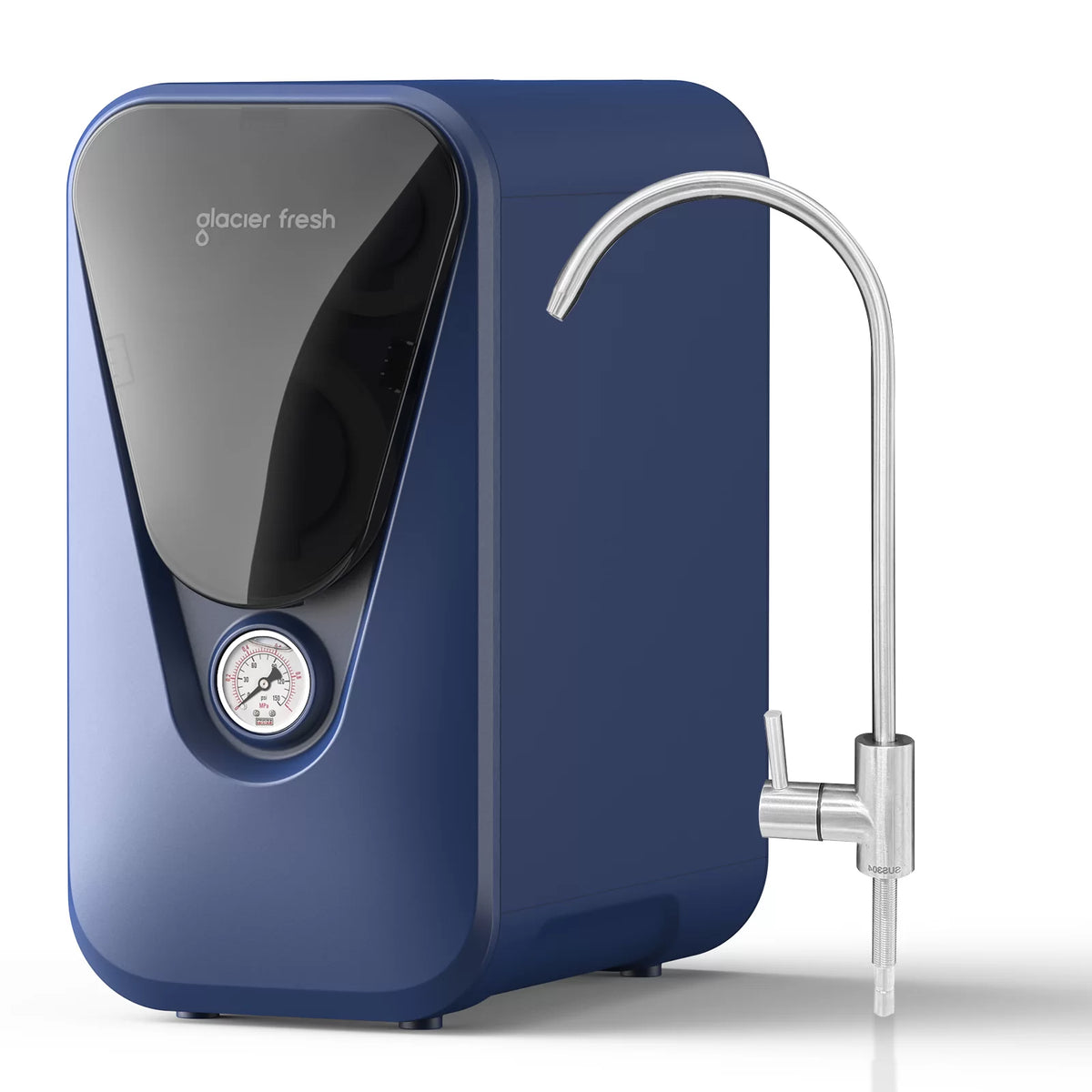
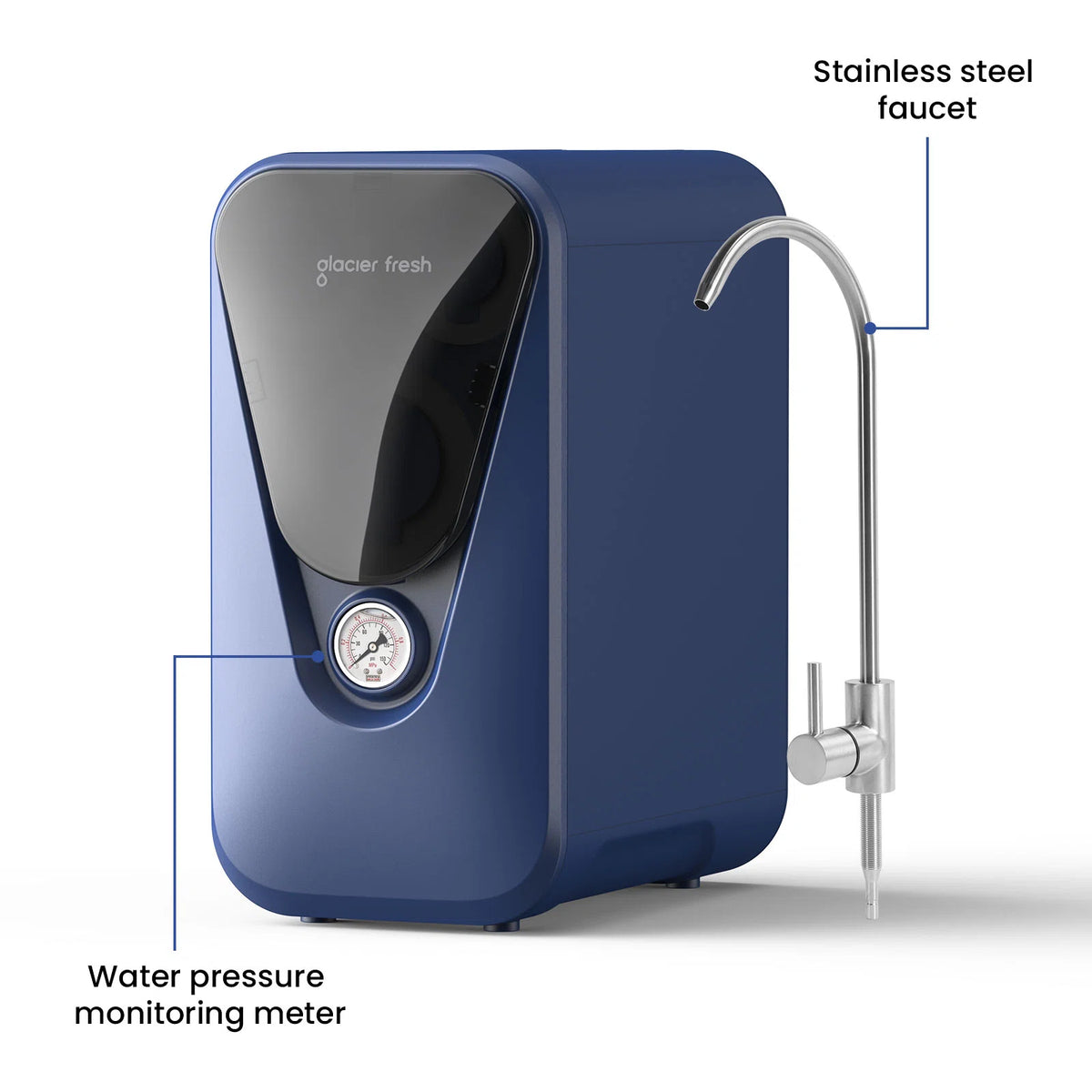
For households needing broader contaminant reduction, the GlacierFresh U03 reverse osmosis system is designed to reduce PFAS, chlorine, heavy metals, and microplastics while retaining a compact under-sink footprint. The system is NSF/ANSI 58 certified and operates without electricity, which is useful during outages or in homes trying to reduce energy use.
Mistake #4: Ignoring long-term filter replacement costs
Many homeowners compare only the upfront price of a filtration system. Long-term maintenance often becomes the bigger expense.
Replacement schedules vary significantly between systems. Pitcher filters may need replacement every two months, while RO membranes can last one to three years depending on water quality and usage.
Maintenance costs can include:
-
Filter cartridge replacements
-
RO membrane replacement
-
Water usage from wastewater systems
-
Service reminders or maintenance tools
-
Shipping availability for replacement filters
The CDC recommends replacing filters regularly to maintain filtration performance.
Cost per gallon matters more than initial pricing. Some lower-cost systems end up costing more over time because filters need frequent replacement.
Mistake #5: Overlooking installation requirements

DIY-Friendly Systems vs Professional Installation
Pitcher filters are usually the easiest option because they require no plumbing or tools. Countertop gravity systems also avoid plumbing changes and can work during outages.
Under-sink reverse osmosis systems typically require dedicated faucet installation and more space beneath the sink. Whole-home systems often need professional installation near the main water line.
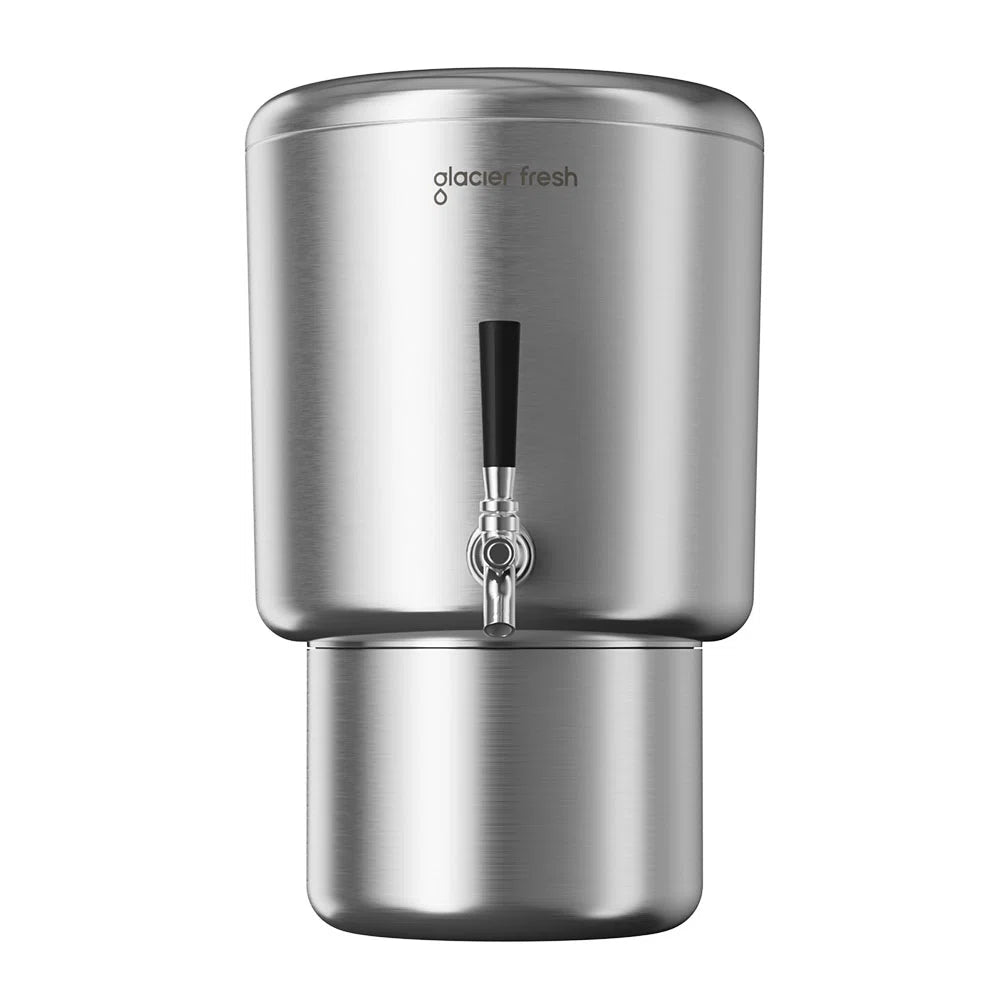
Gravity-fed systems like the GlacierFresh PC04 Gallon Countertop Water Filter require no plumbing or electricity. That makes them practical for apartments, rentals, cabins, and emergency backup filtration.
The GlacierFresh PC04 uses nanofiber membrane filtration designed to reduce lead, chlorine, PFAS, microplastics, and bacteria while keeping setup simple.
What should I consider when choosing a progressive water treatment system?
A progressive filtration setup allows homeowners to expand or modify treatment later instead of replacing the entire system.
This can include:
-
Adding sediment pre-filters later
-
Upgrading to RO after initial carbon filtration
-
Installing UV purification for well water
-
Expanding from point-of-use to whole-home treatment
Scalability matters because water quality can change over time.
Mistake #6: Choosing the wrong system for well water
Well water often requires multiple treatment stages because contamination risks are different from municipal systems.
A single filter is rarely enough for untreated well water.
Depending on the water source, homeowners may need:
-
Sediment pre-filters
-
Water softeners
-
Reverse osmosis systems
-
UV purification systems
How do I choose the right water softener for well water?
Well water commonly contains sediment, iron, sulfur, bacteria, and hard minerals that can damage plumbing and affect taste.
Sediment pre-filters help protect downstream filtration systems from clogging. Water softeners reduce calcium and magnesium that cause scaling on appliances and fixtures.
Reverse osmosis systems can then target dissolved contaminants and improve drinking water quality.
UV purification may also be necessary for households dealing with bacterial contamination.
For households using untreated well water, layering multiple filtration technologies together usually produces better results than relying on one standalone filter.
Mistake #7: Prioritizing convenience stores and grocery branding over actual filtration performance
Many consumers choose water filters based on packaging, brand familiarity, or shelf placement at grocery stores.
That approach can overlook one of the most important details: verified contaminant reduction.
Certifications Matter More Than Marketing Claims
NSF/ANSI standards help verify whether a filtration system has actually been tested for specific contaminant reduction claims.
Independent certification is especially important for:
-
PFAS reduction
-
Lead removal
-
Reverse osmosis performance
-
Structural durability
-
Bacteria reduction
NSF/ANSI certification testing evaluates drinking water treatment systems for safety and performance.
For households researching household water purification systems, certification labels and third-party lab testing often provide more useful information than packaging claims alone.
How to choose the best household water purification system for your home

Choosing the best home drinking water filtration system depends on your living situation.
Renters and apartment households often benefit from countertop or pitcher filters. Larger homes may need under-sink RO combined with whole-house sediment filtration. Well water homes usually require sediment filtration, softening, and reverse osmosis together. For outages or off-grid use, gravity-fed systems remain one of the most dependable options.
FAQs
What should I consider when choosing water filtration options at Whole Foods?
Focus on contaminant certifications rather than branding alone. Look for NSF/ANSI standards, contaminant reduction claims, replacement filter availability, and filtration technology type before buying.
Does reverse osmosis remove PFAS from drinking water?
Reverse osmosis systems are among the most effective household filtration methods for reducing PFAS. The EPA recommends looking for systems specifically certified for PFAS reduction.
How often should household water filters be replaced?
Replacement schedules vary by filter type and water quality. Pitcher filters may require replacement every 2 months, while RO membranes can last 1 to 3 years.
Is a whole-house system better than an under-sink filter?
Whole-house systems protect plumbing, showers, and appliances, while under-sink systems focus mainly on drinking and cooking water. Some households combine both.
What certifications should I look for in a water filter?
NSF/ANSI certifications are among the most recognized standards for drinking water filtration performance, including lead reduction, RO systems, and PFAS reduction testing.
Conclusion
Choosing the best home drinking water filtration system starts with understanding your water source, contaminant concerns, and daily household needs.
GlacierFresh offers filtration options for apartments, family homes, RVs, and off-grid situations, including glass pitchers, gravity-fed filters, and non-electric reverse osmosis systems.
References
-
Centers for Disease Control and Prevention (CDC). About Choosing Home Water Filters. https://www.cdc.gov/drinking-water/prevention/about-choosing-home-water-filters.html
-
Centers for Disease Control and Prevention (CDC). About Home Water Treatment Systems. https://www.cdc.gov/drinking-water/about/about-home-water-treatment-systems.html
-
Environmental Protection Agency (EPA). Identifying Drinking Water Filters Certified to Reduce PFAS. https://www.epa.gov/water-research/identifying-drinking-water-filters-certified-reduce-pfas
-
U.S. Geological Survey (USGS). Tap Water Study Detects PFAS “Forever Chemicals” Across U.S. https://www.usgs.gov/news/national-news-release/tap-water-study-detects-pfas-forever-chemicals-across-us
-
Environmental Protection Agency (EPA). Drinking Water. https://www.epa.gov/report-environment/drinking-water
-
ANSI Blog. NSF/ANSI Drinking Water Treatment Standards. https://blog.ansi.org/ansi/nsf-ansi-drinking-water-treatment-standards/