


Table of Contents:
What is a urinary tract infection?
How the urinary system works?
Does drinking water help cure a UTI?
How drinking more water helps during a UTI?
How much water should you drink for UTI support?
Best types of water to drink when you have a UTI?
FAQs
Conclusion
What is a urinary tract infection?

A urinary tract infection is a bacterial infection that can affect the urethra, bladder, ureters, or kidneys. Clinically, the location matters because lower UTIs are usually less severe than kidney infections, and symptoms such as fever, flank pain, pregnancy-related symptoms, or blood in urine should prompt professional medical advice.
Types of UTIs
UTIs are commonly grouped by the part of the urinary tract involved. This distinction helps readers understand why hydration may support comfort and urine flow, while medical treatment may still be required to clear bacteria.
- Lower UTIs: cystitis, or infection of the bladder, and urethritis, or infection of the urethra.
- Upper UTIs: pyelonephritis, or infection of the kidneys, which is more serious and may require urgent care.
Common UTI symptoms
Typical symptoms are often concentrated around urination and bladder irritation. Symptoms can vary by age, sex, pregnancy status, and whether the infection is limited to the bladder or has moved toward the kidneys.
- Burning or pain during urination.
- Frequent or urgent need to urinate, often with small amounts of urine.
- Cloudy, strong-smelling, pink, or bloody urine.
- Lower abdominal or pelvic discomfort.
- Fever, chills, nausea, or flank pain, which may indicate possible kidney involvement.
What causes UTIs?
Most UTIs are caused by Escherichia coli (E. coli), a bacterium normally found in the gut that can enter the urinary tract through the urethra. Risk factors include low fluid intake, holding urine for long periods, sexual activity, catheter use, certain birth-control methods, and hygiene-related exposure.
How the urinary system works?
The urinary system removes waste and excess fluid from the blood. Kidneys make urine, urine travels through the ureters to the bladder, and the bladder empties through the urethra. Adequate urine flow matters because frequent bladder emptying helps reduce how long bacteria remain in the urinary tract.
Hydration supports this process in a simple chain: more water can increase urine production, and more regular urination can help flush bacteria from the lower urinary tract. When someone is dehydrated, urine becomes more concentrated, which may intensify burning and discomfort.
Does drinking water help cure a UTI?
Drinking water alone does not cure an active bacterial UTI. However, hydration for uti support is useful because it helps dilute urine, encourages urination, and may reduce irritation while a person follows medical advice. This is why water is best described as a supportive measure, not a standalone treatment.
Research has linked higher fluid intake with fewer recurrent UTIs in some groups, but bacterial infections still need proper evaluation. In practical terms, the best approach to water and uti care is to increase clean fluid intake while watching symptoms closely and seeking treatment when signs are moderate, severe, recurrent, or persistent.
- Helps flush bacteria from the urinary tract through more frequent urination.
- Helps dilute urine so it may feel less irritating during urination.
- Supports the body during treatment, especially when antibiotics are prescribed.
That said, bacterial UTIs usually may require antibiotics to fully resolve, especially when symptoms are moderate to severe, symptoms continue beyond 24-48 hours, or there are signs of kidney involvement.
How drinking more water helps during a UTI?

Although water is not a cure, drinking clean water can improve comfort and urinary flow during a UTI episode. The key is consistency: small, regular amounts are often easier to tolerate than suddenly forcing large volumes of water.
Flushes bacteria from the urinary tract
Frequent urination helps physically move bacteria out of the lower urinary tract before they can multiply further. This is the main reason hydration remains a standard supportive step during urinary discomfort.
Reduces pain and burning sensation
Concentrated urine can irritate inflamed bladder tissue and intensify burning. Drinking water dilutes urine, which may make urination feel less sharp or acidic while symptoms are being monitored or treated.
Helps prevent the infection from worsening
Regular urine flow may help lower bacterial concentration in the bladder. It should not be used to delay care if symptoms are severe, but it can support a safer routine while you arrange professional guidance.
Supports antibiotic effectiveness
Proper hydration ensures regular urine flow and may help the urinary tract clear bacteria and inflammatory byproducts during treatment. Keep taking medication exactly as directed if a clinician prescribes it.
How much water should you drink for UTI support?
A practical uti water intake plan should be individualized, especially for people with kidney disease, heart conditions, pregnancy, or fluid restrictions. For many healthy adults, a general baseline is about 6-8 cups, or 1.5-2 liters, of fluids per day, adjusted for heat, exercise, and body size.
General hydration guidelines
Most adults can start with steady hydration across the day rather than drinking a large amount at once. Pale yellow urine is often a useful sign of adequate hydration, while very dark urine may suggest dehydration.
During a UTI episode
During symptoms, increase water gradually and aim for regular urination without overhydrating. If symptoms include fever, back pain, nausea, pregnancy, blood in urine, or worsening pain, contact a healthcare professional promptly.
The table below gives a concise, reader-friendly hydration framework. It is not a medical prescription; it helps structure safe choices and clear escalation points.
|
Situation |
Practical hydration approach |
When to seek care |
|
Mild urinary discomfort |
Sip water regularly and monitor symptoms for change. |
If symptoms persist beyond 24-48 hours. |
|
Typical adult baseline |
About 6-8 cups daily for many adults, adjusted for climate and activity. |
If you have medical fluid limits or kidney/heart disease. |
|
Active UTI symptoms |
Increase fluids gradually to support urination and comfort. |
If fever, flank pain, vomiting, blood in urine, or pregnancy is involved. |
|
Recurrent UTIs |
Discuss fluid goals and prevention habits with a clinician. |
If infections repeat or antibiotics are frequently needed. |
Signs you may be dehydrated
- Dark yellow urine or very low urine output.
- Urinating fewer than 4-5 times per day.
- Dry mouth, fatigue, dizziness, or headaches.
- Symptoms that feel worse after caffeine, alcohol, or sugary drinks.
Best types of water to drink when you have a UTI?
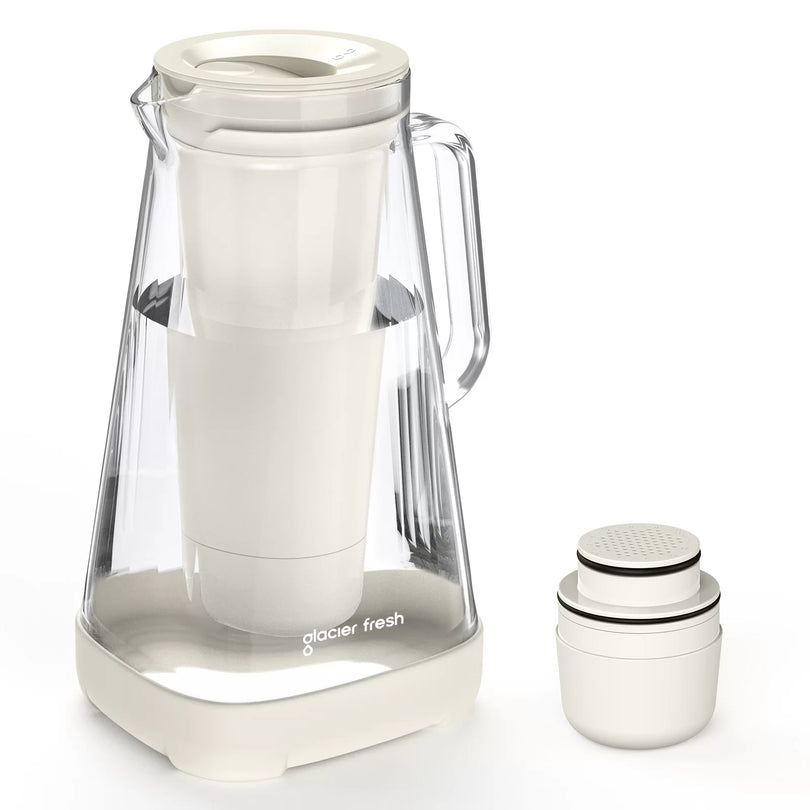
Plain, clean water is the most reliable choice because it hydrates without adding sugar, caffeine, alcohol, or acidity that may irritate the bladder. Filtered water can be helpful when taste, odor, chlorine, or local tap-water concerns reduce how consistently someone drinks enough water.

Plain water is best
Plain water supports urine flow without bladder irritants. If you dislike plain water, try chilled filtered water, a slice of cucumber, or a small amount of low-acid fruit for flavor, while avoiding excess sugar.
Filtered water vs. tap water
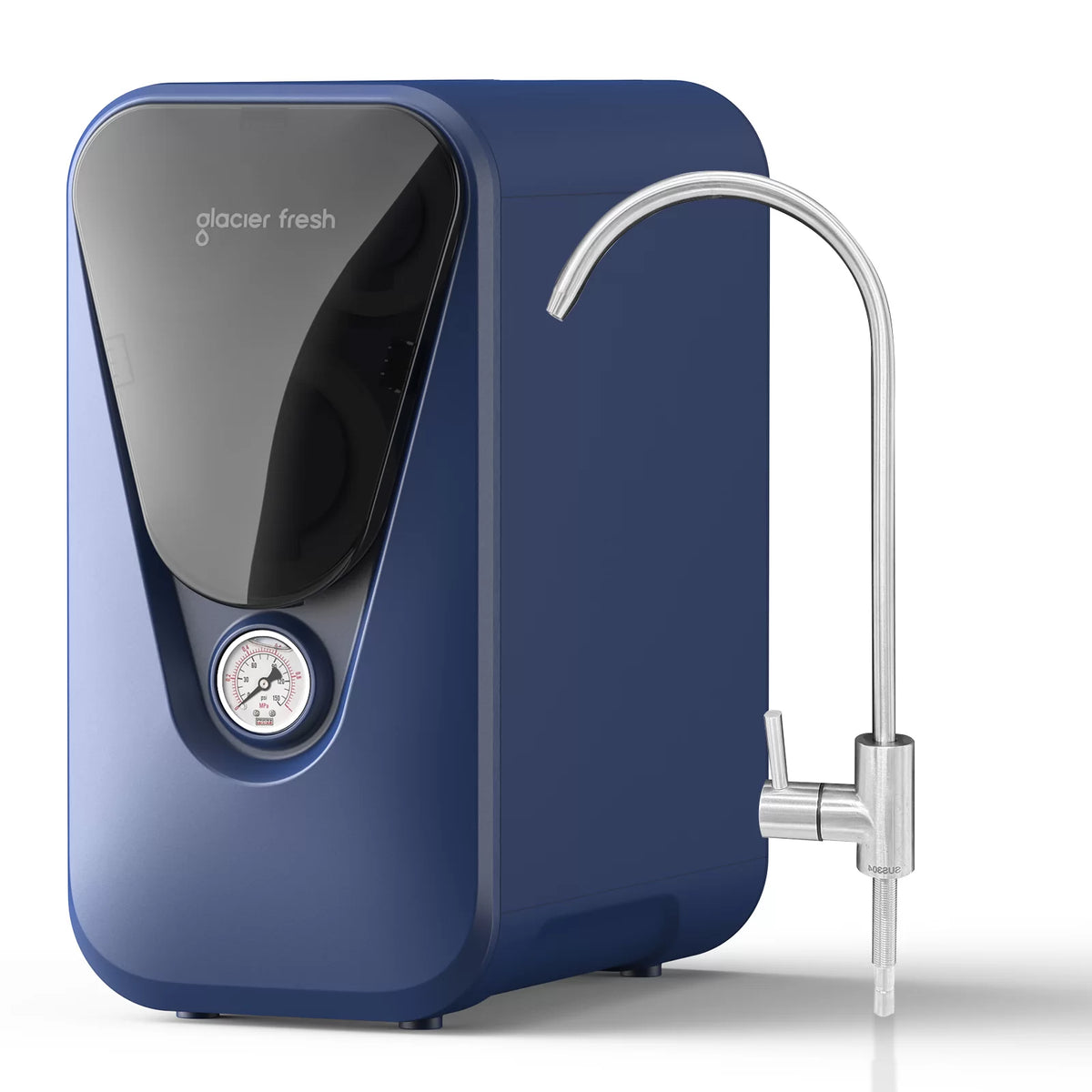
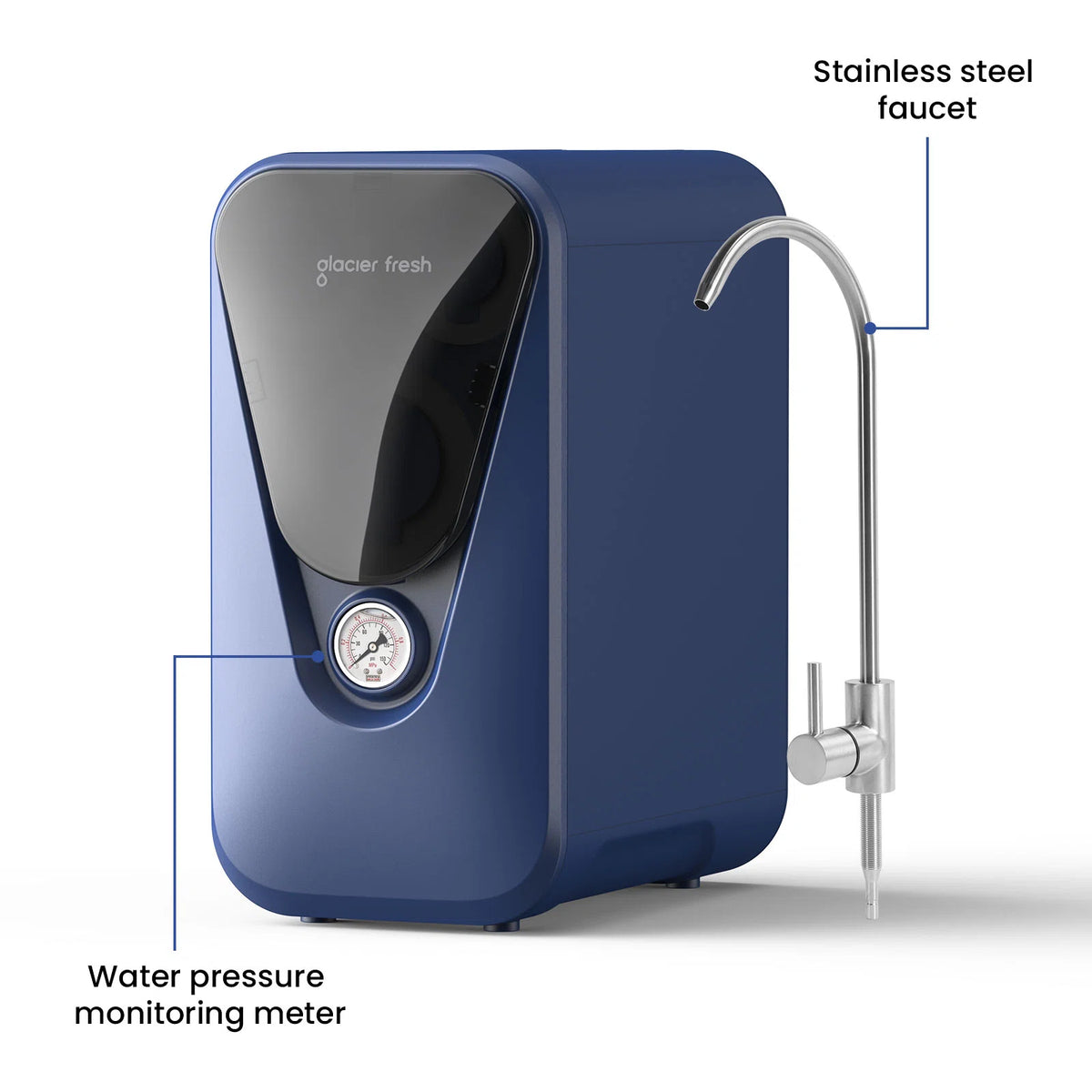
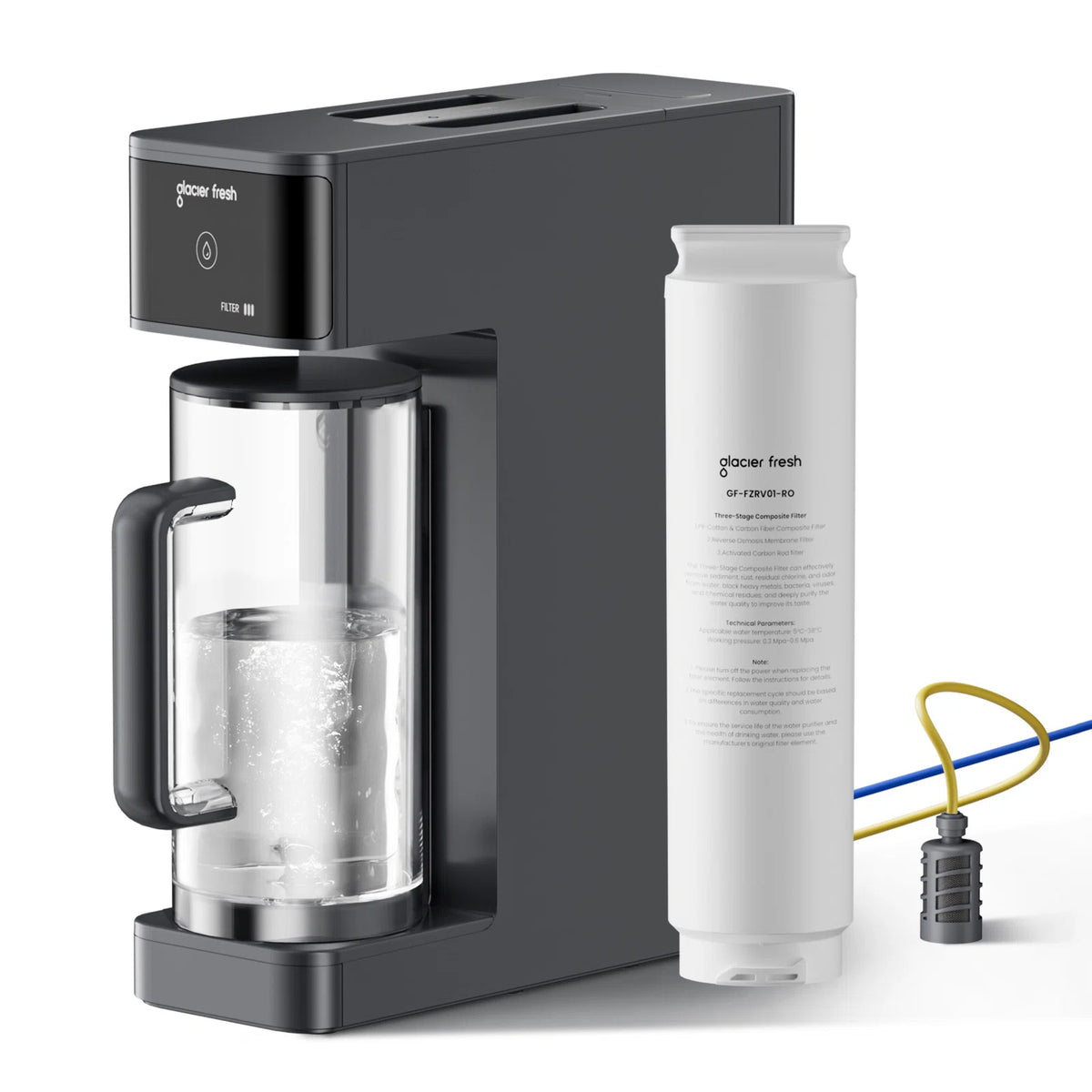
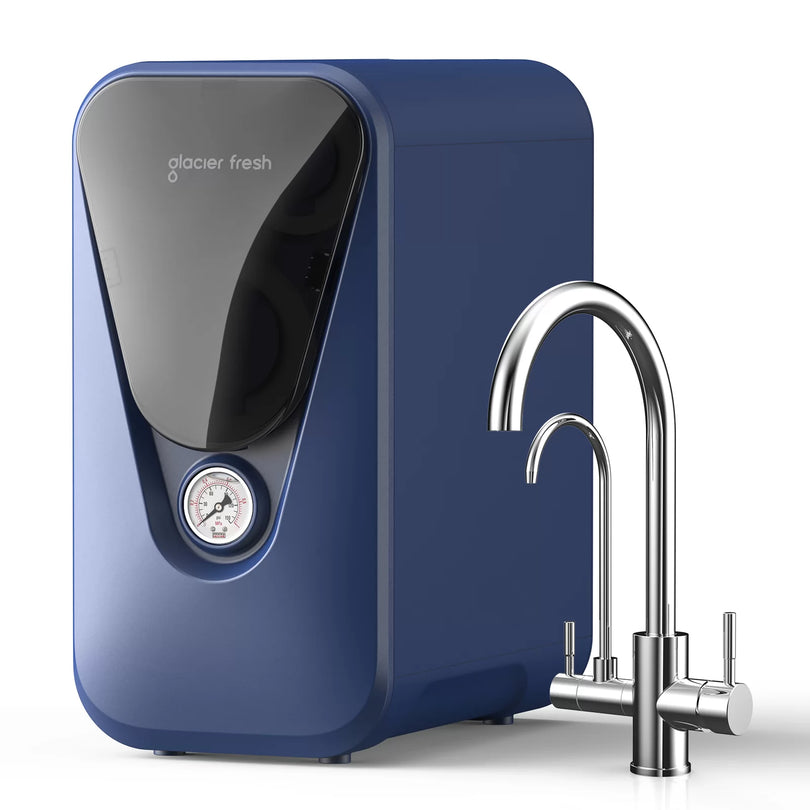
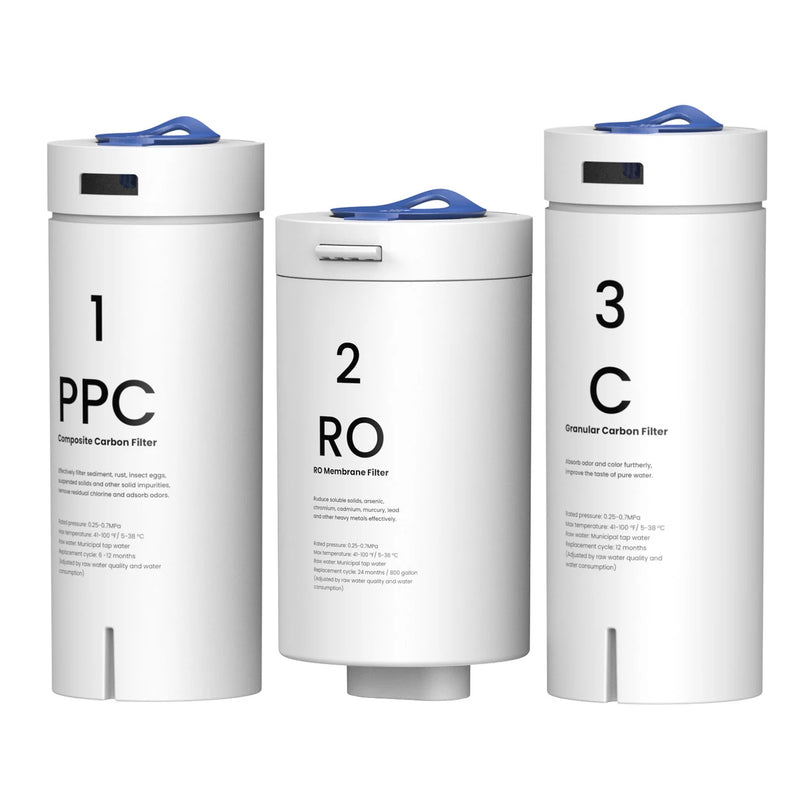
Filtered water produced by an under sink reverse osmosis system may be preferable for some households because it can reduce chlorine taste, certain heavy metals, unpleasant odors, and other tap-water concerns. Better taste can make consistent intake easier during recovery.
Top beverages during a UTI flare-up
For readers comparing the top beverages to drink during a UTI flare-up, prioritize hydration, bladder comfort, and low sugar. The best choices are usually widely available in US stores and easy to use at home or while traveling.
|
Rank |
Beverage option |
Why it may help |
Caution |
|
1 |
Plain filtered water |
Best first choice for steady hydration and urine dilution. |
Do not overdrink beyond medical advice. |
|
2 |
Low-sugar electrolyte water |
Useful if sweating, fever, or low appetite makes hydration harder. |
Choose low sugar and avoid caffeine. |
|
3 |
Unsweetened cranberry drink |
May support prevention habits for some people, but evidence varies. |
Avoid if it irritates the bladder or conflicts with medication. |
|
4 |
Caffeine-free herbal tea |
Warm fluids may feel soothing and help total fluid intake. |
Avoid acidic or highly sweetened blends. |
|
5 |
Diluted low-sugar hydration mix |
Can help people who dislike plain water drink more consistently. |
Pick low-sugar options; avoid artificial sweeteners if they worsen symptoms. |
What to avoid
Certain drinks can irritate the bladder or worsen urgency. During symptoms, it is usually wise to limit alcohol, coffee, energy drinks, sugary sodas, citrus-heavy beverages, and artificially sweetened drinks if they trigger discomfort.
FAQs
Can drinking water cure a UTI by itself?
No. Drinking water can support flushing and symptom comfort, but it does not kill the bacteria causing an active UTI. The search phrase drinking water helps uti is best understood as supportive guidance, not a cure claim.
How much water should you drink for UTI support?
For many adults, 6-8 cups per day is a common starting point, but your safe uti water intake depends on body size, activity, climate, pregnancy status, and medical conditions. Increase gradually and use pale yellow urine as a rough hydration cue.
What are the top 5 beverages to drink during a UTI flare-up, and why are they recommended?
The best options are plain filtered water, low-sugar electrolyte water, unsweetened cranberry drink, caffeine-free herbal tea, and diluted low-sugar hydration mixes. These choices are recommended because they support fluid intake, are commonly available in US stores, and are less likely to irritate the bladder than alcohol, coffee, or soda.
What are the top drinks to stay hydrated and help with UTI symptoms?
Plain water ranks first because it is simple and non-irritating. Low-sugar electrolyte water can be useful when appetite is low or sweating is high. Filtered chilled water may help people drink more consistently, which makes hydration for uti habits easier to maintain.
Is filtered water better than tap water for UTI hydration?
Filtered water is not a UTI treatment, but it can improve taste and reduce certain impurities or odors that make people avoid drinking enough. For many households, improving water and uti hydration habits starts with choosing water that is clean, pleasant, and easy to drink throughout the day.
Conclusion
Drinking water plays a meaningful role in urinary tract health. It can help dilute urine, encourage urination, and support comfort during recovery, but it cannot cure a urinary tract infection on its own. The safest takeaway is to use hydration as a supportive habit alongside timely medical care when symptoms suggest a bacterial infection.
If you suspect a UTI, increasing clean water intake is a smart first step, but it should never replace professional advice. For prevention, consistent hydration, healthy bathroom habits, and good water taste can make daily fluid intake easier to sustain.
Recommended Related Reading
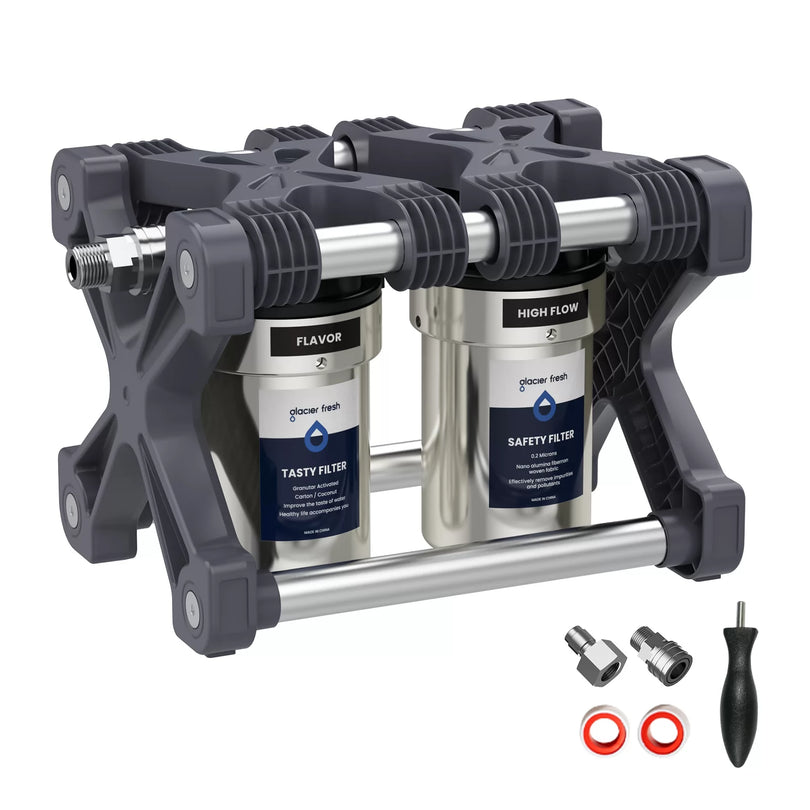
- To continue learning about cleaner everyday drinking water, explore Glacier Fresh U06 Under Sink Ultra Filtration Water Filter System for a practical under-sink filtration option.
- For choosing the right home filtration technology, read Reverse Osmosis, Nanofiber & Ultrafiltration: Which One Is Right for You.
- For contaminant-focused education, see The Truth About PFAS in Your Tap Water: How to Remove It.