
Table of Contents:
Why hydration is important for an energetic day?
Benefits of drinking enough water
The impacts of water intake on your daily productivity
Factors affecting your daily water intake
Tips for staying hydrated throughout the day
FAQs
Conclusion
Do you want a more productive day? Hydration plays a practical role in how you feel, focus, and move through your daily routine. When you drink enough water, you support energy, alertness, digestion, and physical comfort. When you fall behind, dehydration can quietly reduce stamina and make ordinary tasks feel harder. The goal is not to force a rigid rule, but to build a healthy lifestyle water routine that keeps clean water close, easy to enjoy, and simple to repeat.
Why hydration is important for an energetic day?

Hydration is a foundation for physical and mental performance because water helps regulate temperature, transport nutrients, cushion joints, and support normal brain function. For productivity, hydration is key because small changes in fluid balance can affect how quickly you notice fatigue, how clearly you think, and how consistently you maintain attention.
One of the key benefits of staying hydrated is improved cognitive function. Dehydration can negatively affect your brain’s ability to concentrate and think clearly, decreasing alertness and productivity. Drinking enough water can support mental stamina and help you stay focused for longer periods.
In addition to mental sharpness, staying hydrated can also support physical endurance. Water helps lubricate your joints and muscles, helps regulate body temperature, and supports digestion and nutrient absorption. These everyday functions matter because energy is not only about sleep or food; it is also about whether your body has enough fluid to work efficiently.
Benefits of drinking enough water
Improved cognitive function

When you stay properly hydrated, it can enhance cognitive comfort throughout the day. Drinking enough water is important for both physical health and mental well-being. Research has shown that staying hydrated can positively impact various aspects of cognitive function, including alertness, memory, and focus. For busy professionals, students, and parents, hydration for health often shows up as fewer energy dips and better task consistency.
Improved concentration and reaction time
Proper hydration is closely tied to concentration and reaction time. When you drink enough water, your brain is better supported for clear thinking, memory, alertness, and steady focus. This can help you stay on task, process information more efficiently, and respond more quickly when your routine changes.
Here is how it works:
-
Enhanced focus: Staying hydrated helps you stay on task and avoid distractions, allowing you to concentrate better on work or study.
-
Increased alertness: Dehydration can lead to fatigue and drowsiness, while steady hydration helps you stay more awake.
-
Boosted mental performance: Water supports normal brain function, including memory, learning, creativity, and problem-solving.
-
Sharper reflexes: Hydration helps maintain normal nervous-system function, which supports quicker reactions.
Healthier skin, hair and nails

Proper hydration supports the moisture balance that affects the appearance of your skin, hair, and nails. While beauty products and supplements may help in specific cases, daily water intake remains one of the simplest ways to support a well-functioning body from the inside out.
Lifestyle factors such as smoking, excessive alcohol intake, harsh weather, and indoor heating or air conditioning can all contribute to dryness. A consistent habit of drinking water, paired with a balanced diet, helps your body maintain normal moisture and comfort throughout the day.
Regulation of body temperature
Body temperature regulation, also known as thermoregulation, is essential for normal daily performance. Water helps support sweat production, one of the body’s natural cooling mechanisms. As sweat evaporates from the skin, heat dissipates and the body cools down.
- Enhances sweat production: Enough fluid supports normal sweating, which helps cool the body.
- Facilitates heat dissipation: Water supports heat release through sweat evaporation, helping reduce overheating risk.
- Maintains cooling mechanisms: Sufficient fluid intake supports your body’s natural cooling systems.
- Prevents dehydration: Staying hydrated helps avoid discomfort and inefficient temperature regulation.
The impacts of water intake on your daily productivity
Staying adequately hydrated can significantly impact daily productivity. Water supports circulation, temperature regulation, digestion, and brain function, all of which influence how much energy you have for work, study, exercise, and household routines. Mild dehydration may make concentration harder and can reduce alertness during tasks that require attention.
Hydration is directly linked to productivity because the body works harder when it lacks enough fluid. When you are well hydrated, it is easier to maintain mental clarity and physical stamina. This is why many people benefit from pairing work blocks with simple hydration cues: a glass of water after waking, a refill before meetings, and a drink with each meal.
Daily hydration strategies for focus and energy
The best approach depends on your routine, environment, and taste preferences. The table below keeps the choice simple without turning hydration into another complicated task.
| Strategy | Best for | Productivity benefit | Watch-outs | Simple tip |
|---|---|---|---|---|
| Plain water | Most daily routines | No calories; easy to sip often | Some people drink less if taste is flat | Keep a bottle visible on your desk |
| Filtered water | Home, office, sensitive taste preferences | Cleaner taste may encourage steady intake | Filter must be replaced on schedule | Use when tap taste or odor lowers intake |
| Herbal tea | Cold offices, evening routines | Adds warmth and variety | Avoid high-sugar add-ins | Choose caffeine-free options late in the day |
| Electrolyte drink | Heavy sweating, heat, long workouts | Helps replace sodium and fluid losses | Often unnecessary for light activity | Use selectively, not as a default drink |
| Sparkling water | People who dislike still water | Can make water more enjoyable | Acidity may bother sensitive stomachs | Choose unsweetened versions |
Effects of dehydration on energy levels

Dehydration can have a direct impact on energy levels. When your body does not have enough water, you may notice decreased physical stamina, mental fatigue, headaches, or slower thinking. These changes can reduce productivity and make routine work feel more demanding.
- Decreased physical stamina: Dehydration can contribute to muscle cramps, lower endurance, and reduced strength.
- Mental fatigue: Lack of water can affect concentration, memory, and overall mental sharpness.
- Reduced productivity: Dehydration can impair your ability to focus and think clearly at work or school.
- Better performance support: Staying hydrated can support mental clarity and physical stamina during the day.
To reduce the negative effects of dehydration, drink regularly and listen to your body’s thirst signals. Dark urine, dry mouth, dizziness, and unusual fatigue are signs that your fluid intake may need attention. At the same time, avoid forcing excessive water intake; people with kidney, heart, or sodium-balance concerns should follow professional guidance.
Factors affecting your daily water intake

Your ideal water intake depends on body size, diet, activity level, temperature, humidity, health status, and how much water you get from foods. A practical target should be flexible enough to change on hot days, during exercise, or when you are ill.
- Daily water intake: Needs vary by age, weight, sex, diet, and health status. The “eight cups” idea can be useful for some people, but it should be adjusted to real conditions.
- Hydration habits: If you exercise, sweat heavily, or spend time in hot weather, you may need more fluid to replace fluids lost. Caffeine and alcohol may also influence your fluid routine.
- Water quality: If tap water tastes strongly chlorinated, metallic, or unpleasant, you may drink less. A suitable filter can help make water more appealing and easier to drink consistently.
- Body’s thirst signals: Thirst is a useful signal, but do not rely on it alone during heat, exercise, long travel, or very busy workdays.
Simple hydration calculator for daily routines
Use this guideline as a starting point, then adjust for thirst, urine color, climate, activity, and medical advice:
Baseline water target = body weight in pounds x 0.5 to 0.67 ounces per day. Add 12-16 ounces for every 30 minutes of moderate sweating. Add more on hot, dry, or high-altitude days. Reduce aggressive intake if you have kidney disease, heart failure, low sodium, or a fluid-restricted plan from a clinician.
Example: A 150-pound adult may start around 75-100 ounces per day from beverages and water-rich foods, then adjust for workouts, weather, and symptoms. This is a guideline, not a medical prescription.
Choosing filtered water for a productive routine
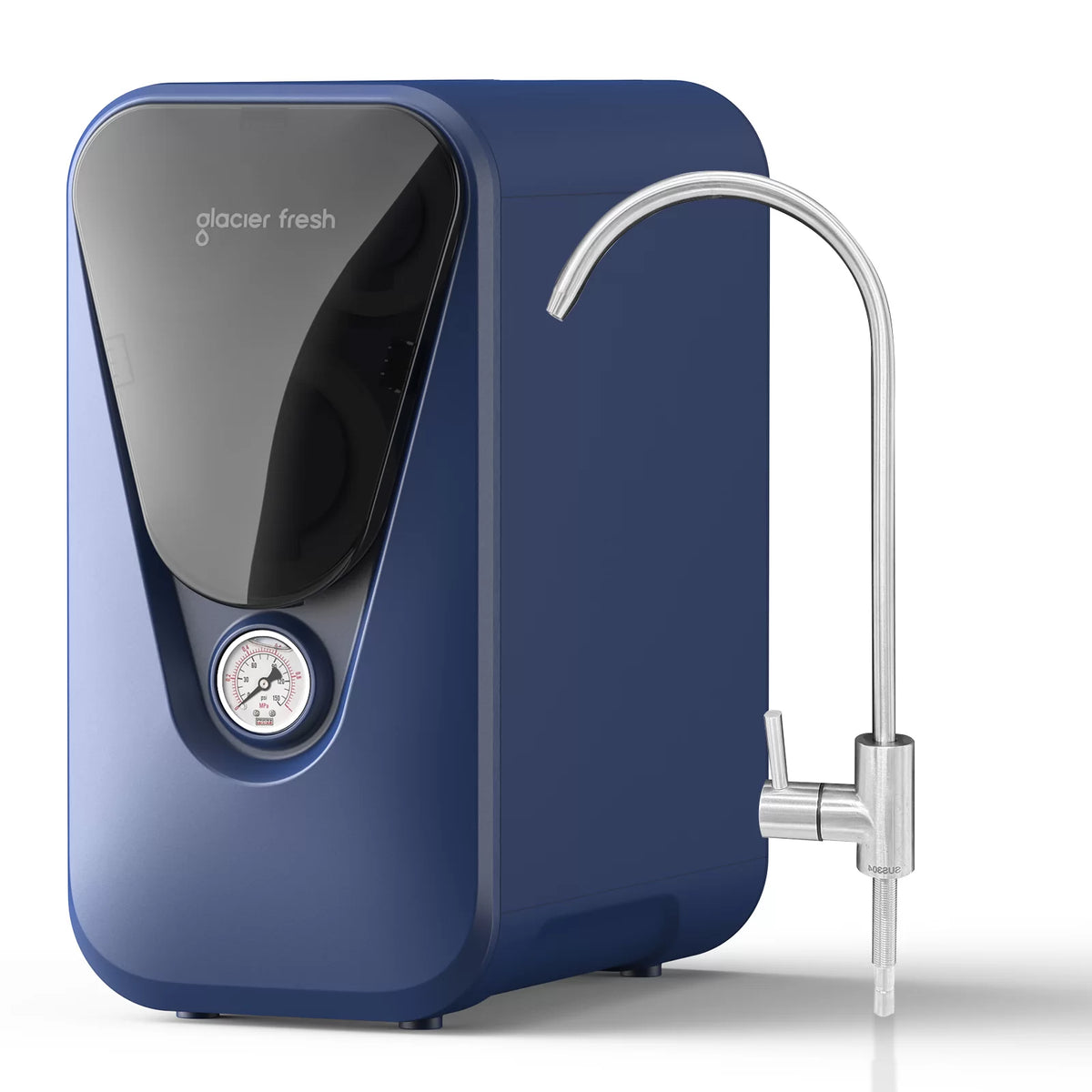
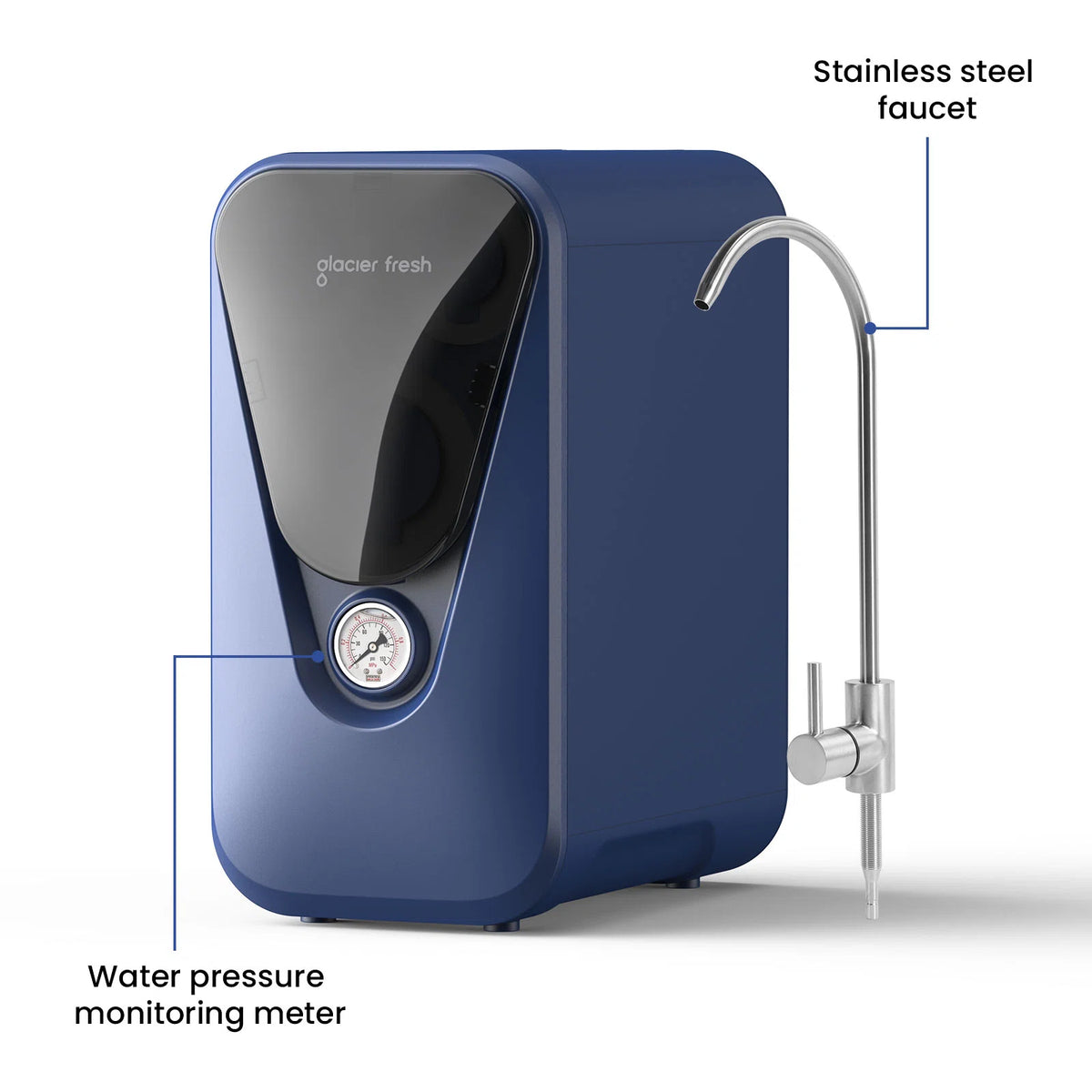
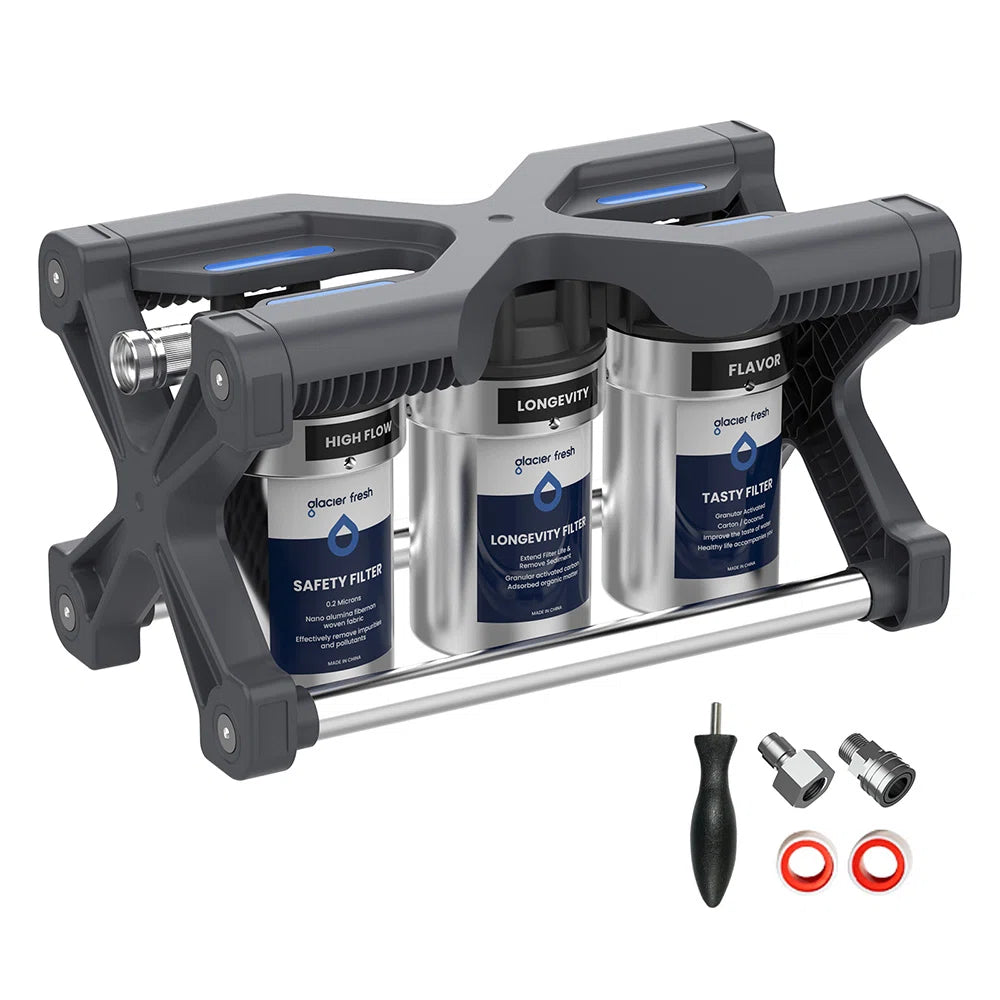
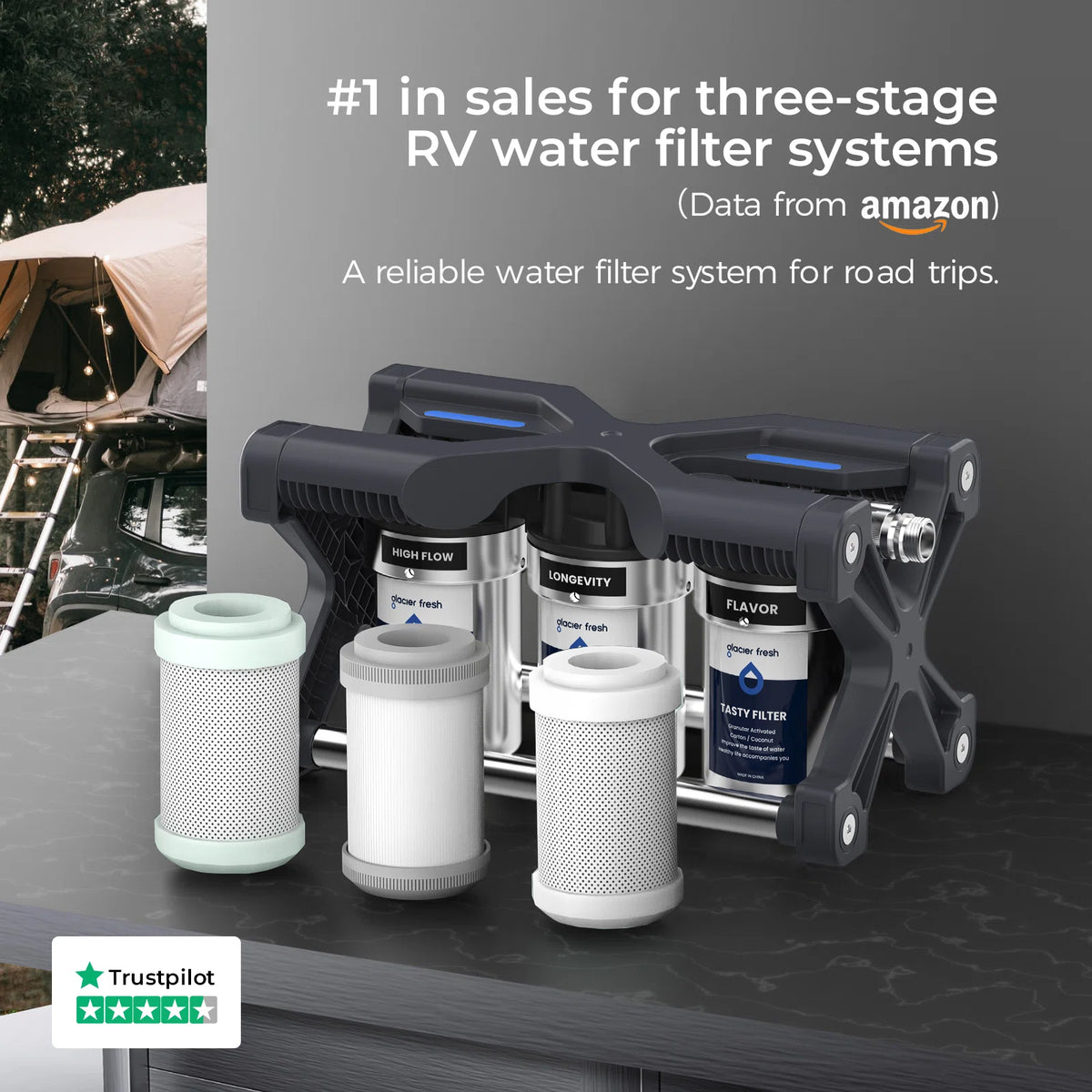
If poor taste, odor, or uncertainty about tap water makes you drink less, choosing the right filtration setup can support a steadier routine. For renters or small kitchens, countertop or no-install options are easier to place near a work area. For families or people who cook often, under-sink systems can provide a stronger daily supply. For travel, camping, or RV use, portable systems should be selected based on storage space, water source quality, and maintenance comfort.
|
Filter option |
Best use case |
Helps with |
Maintenance level |
Productivity fit |
|
Simple inline/carbon |
Basic taste and odor concerns |
Chlorine taste, some sediment |
Low |
Good for quick setup and better-tasting water |
|
Multi-stage filtration |
Home or apartment routine |
Sediment, odor, selected metals or chemicals depending on media |
Medium |
Good for families and steady daily use |
|
Reverse osmosis |
High-TDS water or broader contaminant concerns |
Dissolved solids and many contaminants depending on system design |
Medium to high |
Best when water quality strongly affects trust or taste |
|
Portable/RV filtration |
Camping, travel, changing sources |
Sediment, taste, and source-specific issues depending on setup |
Medium |
Useful when travel disrupts normal hydration habits |
Tips for staying hydrated throughout the day
To maintain optimal hydration levels throughout the day, build water into moments that already exist in your routine rather than relying on willpower alone.
- Track water intake: Use a bottle, notebook, or app to see whether you are meeting your daily goal.
- Use hydration reminders: A phone, smartwatch, or calendar reminder can help during busy work blocks.
- Set realistic goals: Break your target into morning, afternoon, and evening portions instead of trying to catch up at night.
- Make water easier to enjoy: Add fruit, herbs, or ice, or choose filtered water if taste is the reason you drink less.
- Pair water with daily anchors: Drink after waking, before coffee, with meals, after workouts, and before long meetings or errands.
FAQs
What are the best ways to boost hydration naturally?
Keep water visible, drink with meals, eat water-rich foods such as fruit and vegetables, and use reminders during busy work periods. If plain tap water tastes unpleasant, filtered water may make regular drinking easier.
How does hydration impact overall health and energy levels?
Water supports temperature control, circulation, digestion, joint comfort, and waste removal. When fluid intake is too low, fatigue, headaches, poor focus, and lower physical stamina can appear.
What are the best ways to track water intake and hydration levels?
Use a marked bottle, app, phone reminder, or simple notebook. Also watch practical signs such as thirst, urine color, dry mouth, and fatigue, especially in heat or after exercise. Keeping Glacier Fresh filtered water nearby can make the tracking habit easier to follow because the water is more convenient to drink.
Are there any popular products or diets that focus on water intake?
Reusable bottles, countertop dispensers, under-sink filters, sparkling-water makers, and hydration apps are common tools. Diets rich in fruit, vegetables, soups, and low-sugar beverages also contribute fluid.
Are there any recommended products or services for speedy hydration and wellness?
For daily wellness, the most useful option is usually convenient access to good-tasting water. A home or workplace filtration setup, chilled dispenser, or portable bottle can support consistent drinking better than occasional large amounts. Glacier Fresh can fit this kind of steady hydration routine when filtered water is easier to keep within reach.
Conclusion
Staying hydrated is essential for maintaining energy, focus, and productivity throughout the day. Drinking enough water supports alertness, body-temperature regulation, digestion, and overall well-being. Do not let dehydration quietly slow your routine. Make clean, good-tasting water easy to reach, build small drinking cues into your schedule, and adjust your intake when activity, weather, or health needs change.
Related Reading
- The Health Benefits of Drinking Chilled Filtered Water
- Water Filters for Apartments & Renters
- Multi-Stage Water Filters