
Table of Contents:
Why babies and kids need extra-safe drinking water?
Common water contaminants that affect children
What is nanofiber filtration?
Is nanofiber filtration safe for babies and kids?
How effective is nanofiber filtration for family use?
Nanofiber vs other filtration methods for kids
How to choose a nanofiber water filter for babies and kids?
FAQs
Conclusion
When it comes to babies and young children, few things matter more than what goes into their bodies—and water is at the top of that list. From mixing infant formula to filling a toddler’s sippy cup, parents rely on clean, safe water every single day. As concerns about tap water contaminants continue to grow, many families are looking beyond traditional filters and discovering the benefits of nanofiber filtration.
But is nanofiber filtration truly safe for babies and kids? And does it actually work? This article takes a deep, parent-focused look at how nanofiber filtration works, what it removes, and whether it’s a smart choice for your family.
Why babies and kids need extra-safe drinking water?

Babies and children are not just “small adults.” Their bodies process water and contaminants very differently.
- Developing immune systems are less capable of fighting harmful microbes.
- Higher water intake per body weight means greater exposure to contaminants.
- Rapid brain and organ development increases sensitivity to toxins like lead.
Water for children isn’t only for drinking. It’s also used for:
- Mixing baby formula.
- Preparing purees and solid foods.
- Filling bottles, cups, and hydration containers.
Even small amounts of contaminants that are harmless to adults may pose risks to infants and young children—making filtration an essential consideration for families.
Common water contaminants that affect children
Not all tap water is created equal. Even treated municipal water can still contain substances parents may want to avoid.
Chlorine and chloramines
Used to disinfect public water supplies, chlorine can:
- Irritate sensitive digestive systems.
- Affect taste and smell, discouraging kids from drinking enough water.
Lead
Lead can leach from old pipes and plumbing fixtures and is especially dangerous for children, potentially impacting:
- Cognitive development.
- Learning ability.
- Behavior.
Microplastics
An emerging concern is found in both tap and bottled water. While research is ongoing, long-term exposure is increasingly questioned—especially for children.
Sediment and rust
Particles from aging pipes may not be toxic, but can carry other contaminants and negatively affect taste.
Bacteria and cysts
Giardia and Cryptosporidium, which can cause gastrointestinal illness and are particularly dangerous for infants.
What is nanofiber filtration?

Nanofiber filtration uses ultra-fine fibers, often thousands of times thinner than a human hair, to physically block contaminants from passing through water.
How it works
- Water flows through a tightly woven nanofiber membrane.
- Contaminants larger than the pore size are trapped.
- Clean water passes through without chemical alteration.
Unlike some filtration methods that rely solely on chemical reactions or absorption, nanofiber filtration primarily uses physical size exclusion, making it both effective and predictable.
Is nanofiber filtration safe for babies and kids?
Material safety
High-quality nanofiber filters are typically made from:
- Food-grade materials.
- BPA-free plastics.
- Non-leaching membranes.
This means no harmful chemicals are released into the water—an essential consideration for infant use.
No stripping of essential minerals
Unlike reverse osmosis systems under sink, nanofiber filtration:
- Retains calcium, magnesium, and potassium.
- Preserves natural mineral balance.
- Produces water closer to what pediatric experts consider suitable for children.
This is particularly important for hydration and growth.
No added chemicals
Nanofiber systems do not:
- Add disinfectants.
- Use ion-exchange salts.
- Alter water chemistry.
The result is clean, neutral water that’s gentle on young digestive systems.
How effective is nanofiber filtration for family use?
Contaminant nanofiber filters can remove
Depending on design and supporting layers (such as activated carbon), nanofiber filtration can reduce:
- Bacteria and protozoan cysts.
- Sediment and rust.
- Microplastics.
- Chlorine and taste-causing compounds.
What nanofiber filters do not remove
Nanofiber filtration alone is not designed to remove:
- Dissolved salts.
- Some heavy metals at molecular the scale.
- High levels of total dissolved solids (TDS).
For most municipal water supplies, this limitation is acceptable—especially when the goal is daily drinking water for children, not industrial purification.
Nanofiber vs other filtration methods for kids
Nanofiber vs reverse osmosis (RO)

RO systems can over-purify water, making it less ideal for infants unless minerals are added back.
Nanofiber vs activated carbon
Activated carbon is excellent for improving taste, but:
- Has larger pore sizes.
- Cannot block bacteria or microplastics on its own.
Nanofiber offers more precise filtration when paired with carbon.
Nanofiber vs UV Purification
UV kills microorganisms, but:
- Does not remove particles.
- Does not improve taste.
- Leaves dead microbes in water.
Nanofiber physically removes them instead.
How to choose a nanofiber water filter for babies and kids?

When selecting a water filter, look for:
✅ NSF/ANSI or equivalent certifications.
✅ FDA-compliant materials.
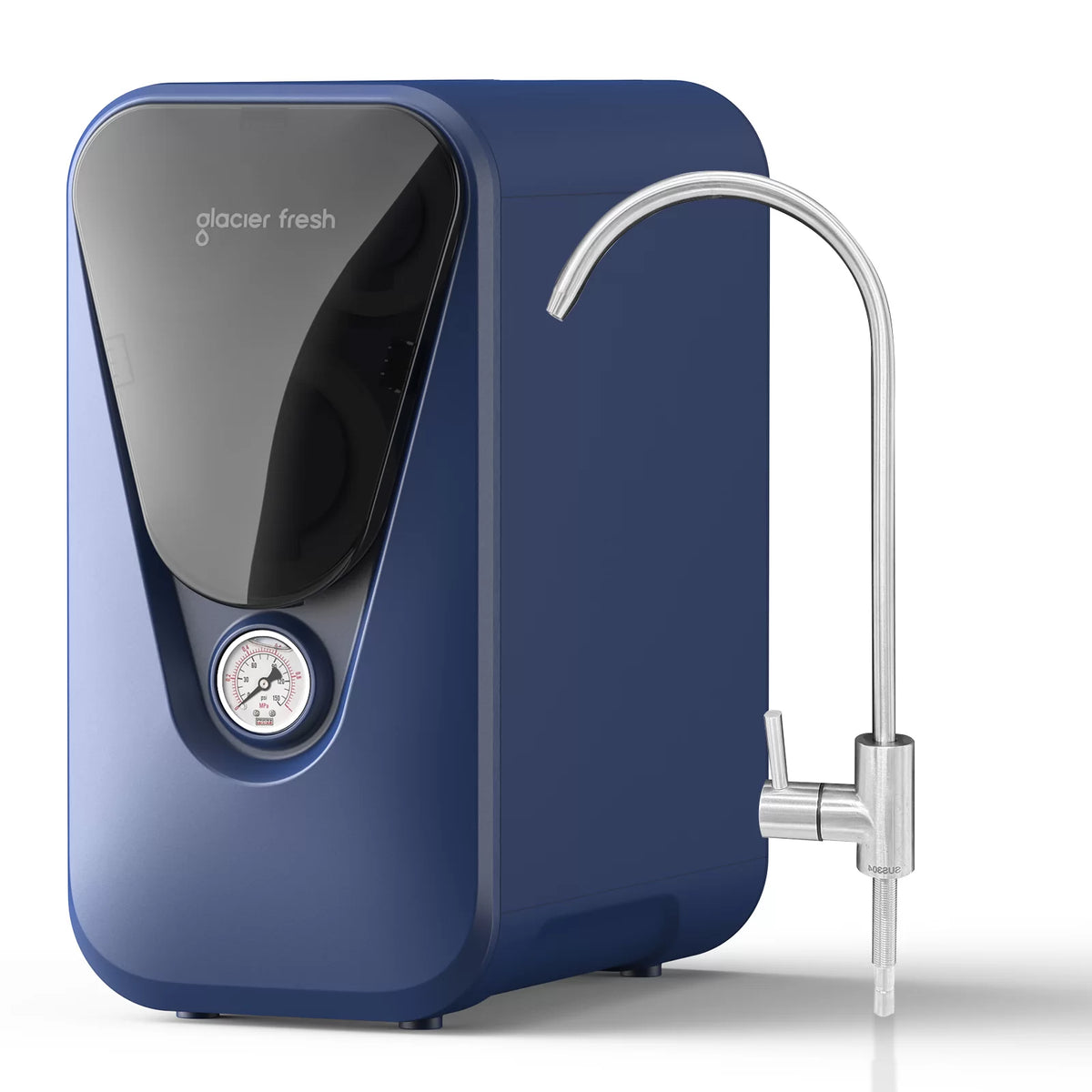
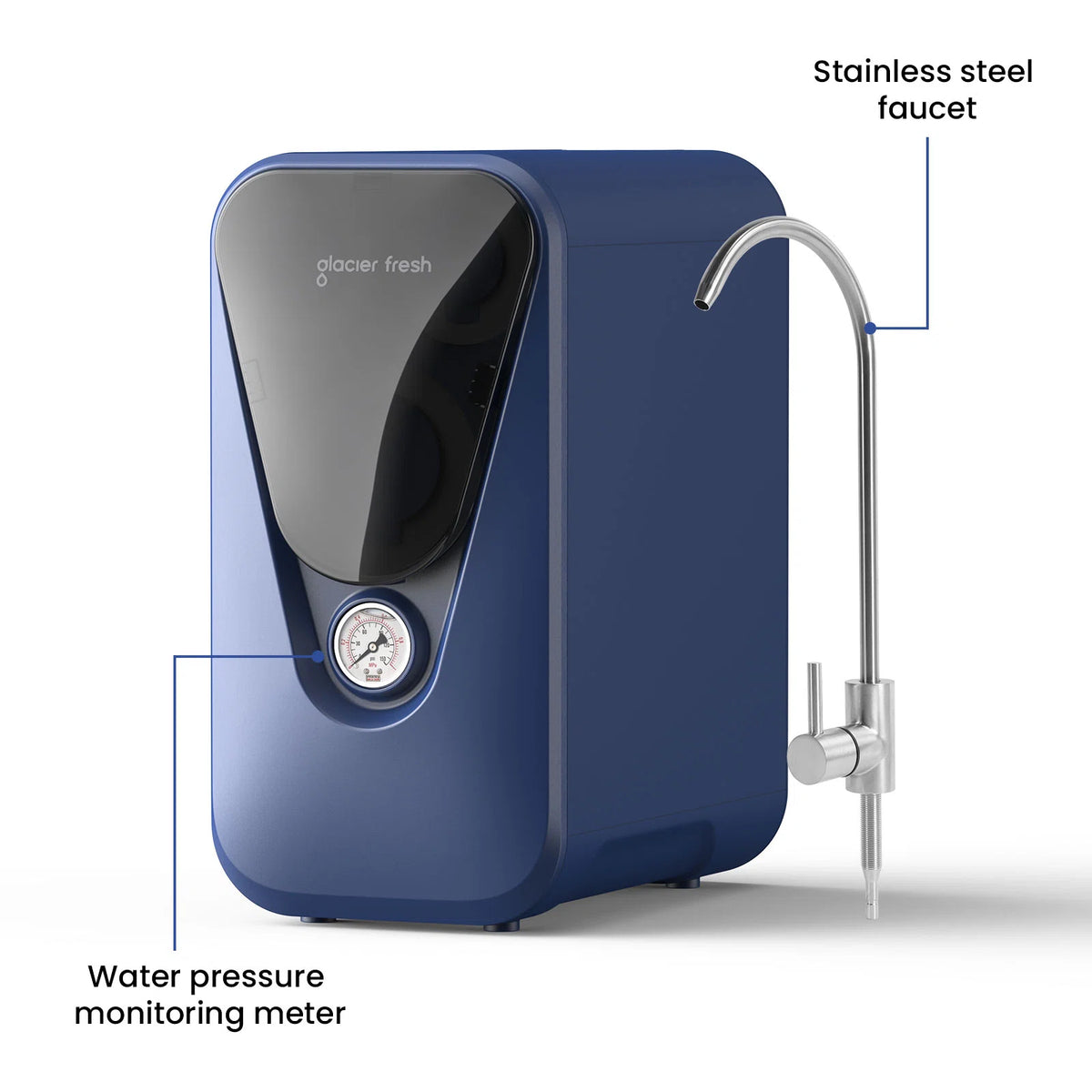
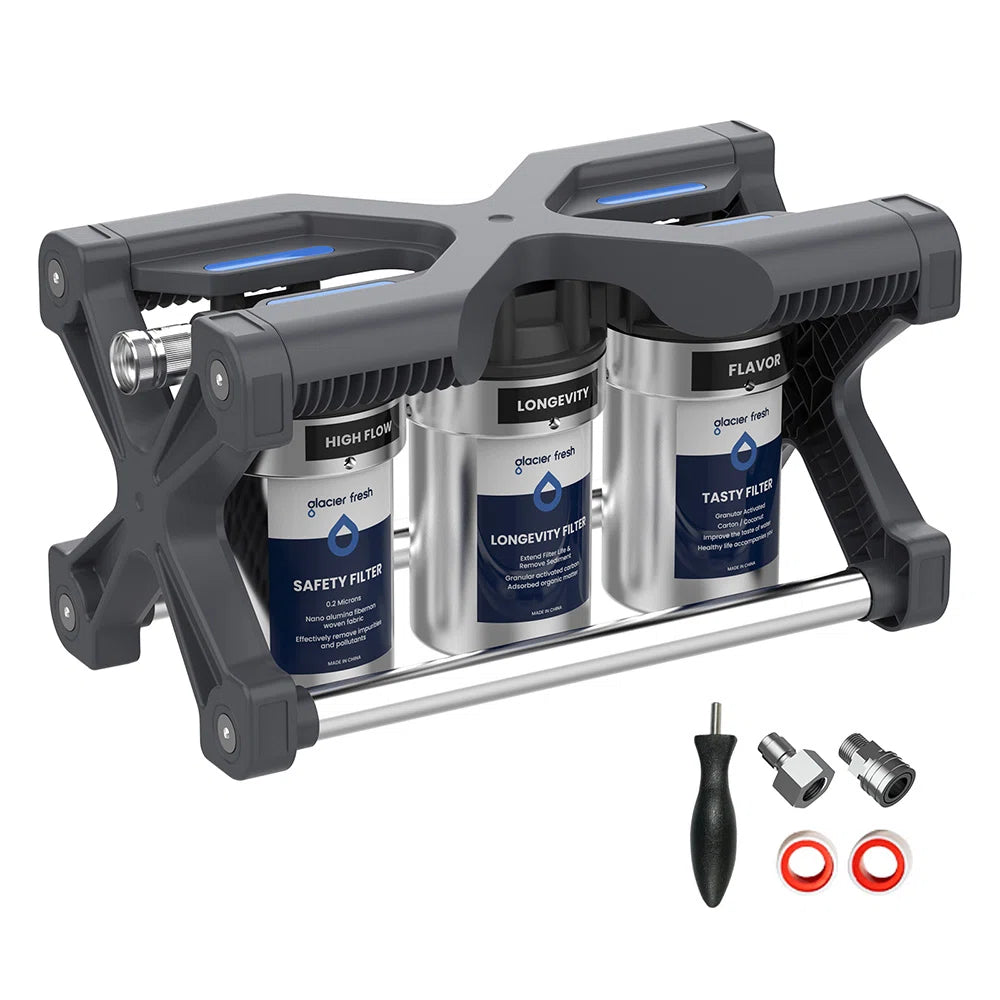
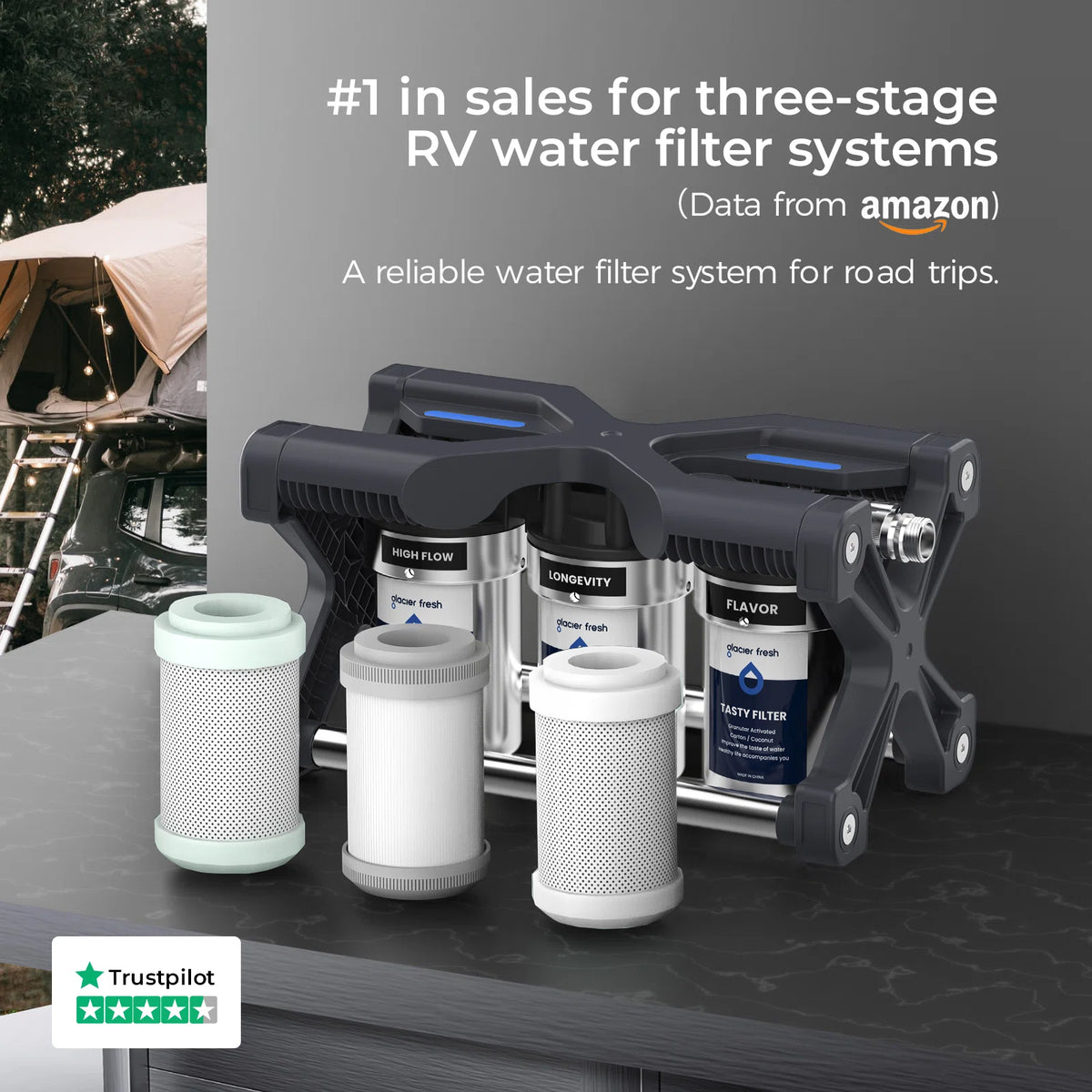
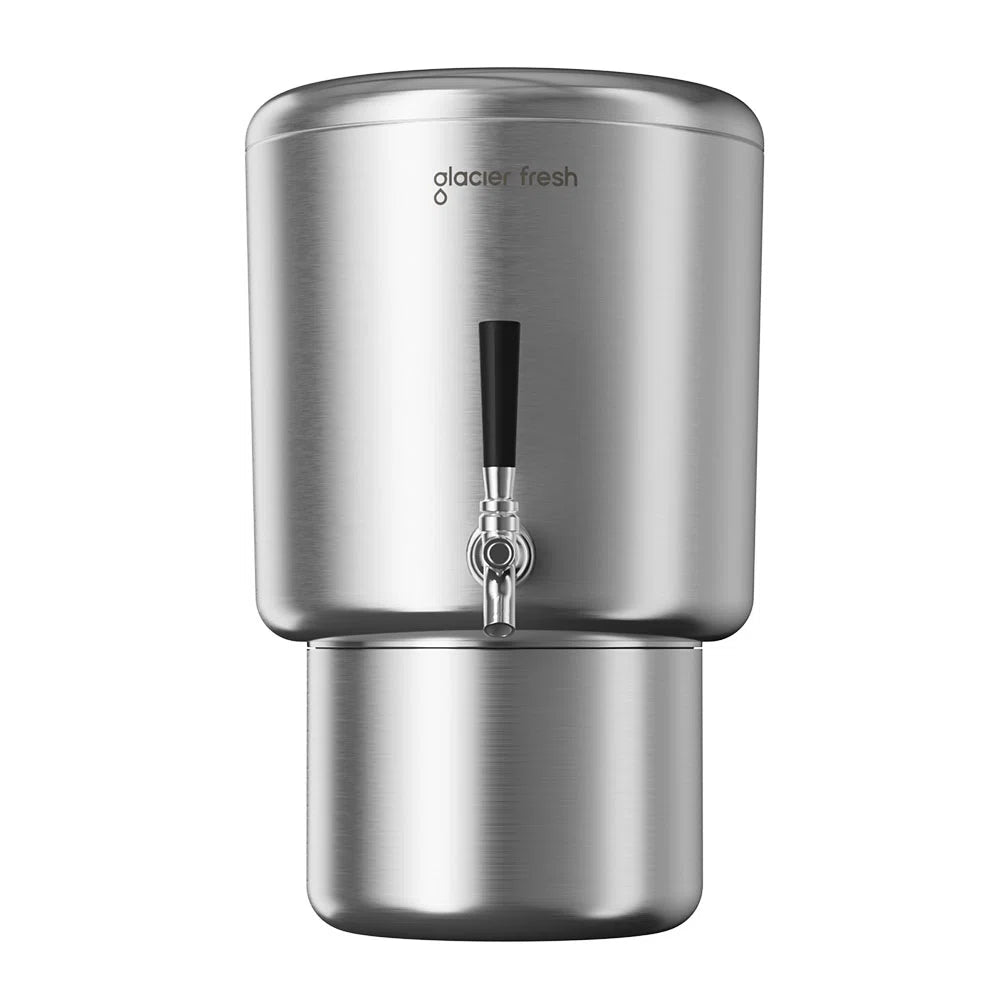
✅ Countertop water filter systems that combine nanofiber with activated carbon or other stages for comprehensive protection.
Pediatric health data clearly show that water contaminants, such as lead and microbes, disproportionately affect children’s health outcomes, and effective filtration is one tool families can use to reduce risk.
FAQs
Does nanofiber remove fluoride?
Typically, no, unless combined with specialized media.
Is nanofiber better than bottled baby water?
Often yes—fresher, more sustainable, and mineral-balanced.
Conclusion
Nanofiber filtration offers an effective, safe, and practical solution for improving everyday drinking water quality for babies and children. By physically removing many contaminants while preserving essential minerals, it strikes a balance between safety and hydration support for growing bodies.
If you prioritize daily protection, improved taste, and family-friendly hydration, nanofiber filtration is certainly worth considering as part of your home water strategy—especially when paired with proper certification and supplemental filtration stages.