
Table of Contents:
Understanding water filtration technologies
What is nanofiber water filtration?
What is reverse osmosis (RO) water filtration?
Nanofiber vs reverse osmosis: side-by-side comparison
Which water filter is better for different needs?
Can nanofiber and RO be used together?
How to choose the right water filter for your home?
FAQs
Conclusion
Clean, safe drinking water is no longer something most households take for granted. With increasing concerns about aging infrastructure, emerging contaminants such as PFAS, and growing awareness of microplastics in tap water, choosing the right water filtration system has become an important health decision.
Among the many filtration technologies available today, nanofiber filtration and reverse osmosis (RO) stand out as two popular—but very different—options. While both aim to improve water quality, they work in fundamentally different ways and serve different household needs.
So which one is better for you? This guide breaks down how nanofiber and reverse osmosis filters work, what they remove, their pros and cons, and how to choose the best system for your home, water quality, and lifestyle.
Understanding water filtration technologies

Water filters are often marketed as if they all deliver the same result: “clean water.” In reality, different filtration technologies target different types of contaminants.
Some filters focus on improving taste and removing visible particles, while others are designed to remove dissolved chemicals, heavy metals, or microorganisms. Using the wrong type of filter can lead to:
- Overpaying for unnecessary filtration.
- Under-filtering harmful contaminants.
- Increased maintenance costs.
- Poor taste or low water pressure.
Understanding how a filter works is just as important as knowing what it claims to remove.
What is nanofiber water filtration?
How nanofiber technology works?
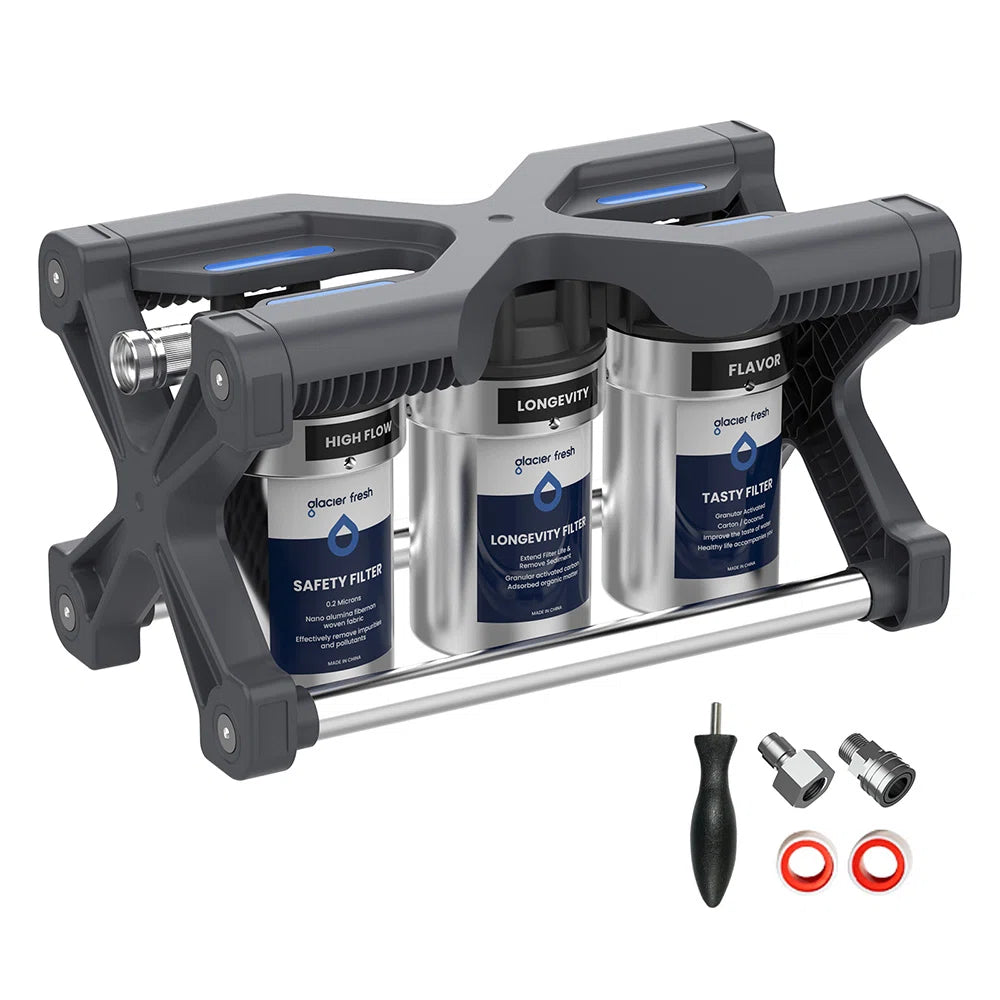
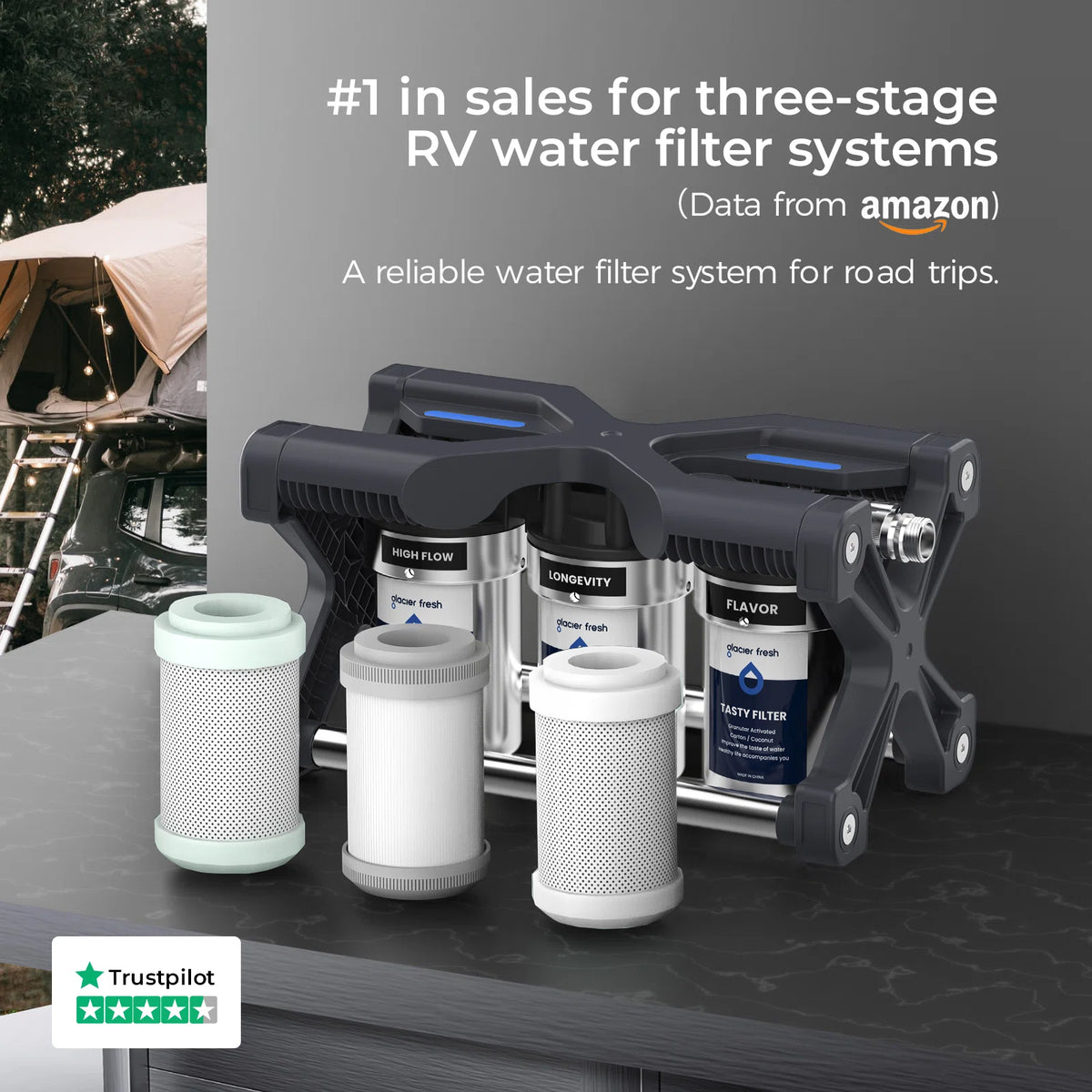
Nanofiber filtration uses ultra-fine synthetic fibers, typically produced through electrospinning, to create a highly porous membrane. These fibers are thousands of times thinner than a human hair and form a dense physical barrier that traps contaminants as water passes through.
Unlike chemical filtration, nanofiber membranes primarily rely on mechanical filtration, physically blocking particles larger than the membrane’s pore size.
Typical nanofiber membranes have pore sizes in the sub-micron range (around 0.1–0.5 microns), allowing water to flow quickly while capturing unwanted particles.
What contaminants can nanofiber filters remove?
Nanofiber filtration is particularly effective at removing:
- Sediment, sand, and rust.
- Dirt and debris from aging pipes.
- Microplastics.
- Suspended particles.
- Some bacteria and cysts (depending on design).
- Chlorine taste and odor (when combined with activated carbon).
Because nanofiber filters focus on physical filtration, they do not effectively remove dissolved substances such as salts, fluoride, or most heavy metals unless paired with additional filter media.
Advantages of nanofiber filtration
Nanofiber filters offer several practical benefits:
- High flow rate with minimal pressure drop.
- No wastewater during filtration.
- No electricity required.
- Compact, space-saving designs.
- Easy installation or no installation at all.
- Retains naturally occurring minerals.
These features make nanofiber systems especially appealing for apartments, rental homes, and households looking for low-maintenance filtration.
Limitations of nanofiber filtration
Despite their advantages, nanofiber filters have limitations:
- Limited ability to remove dissolved contaminants.
- Not suitable for high-TDS or heavily contaminated water.
- Performance varies depending on membrane quality and system design.
Nanofiber filtration works best when the source water is already relatively safe but needs refinement.
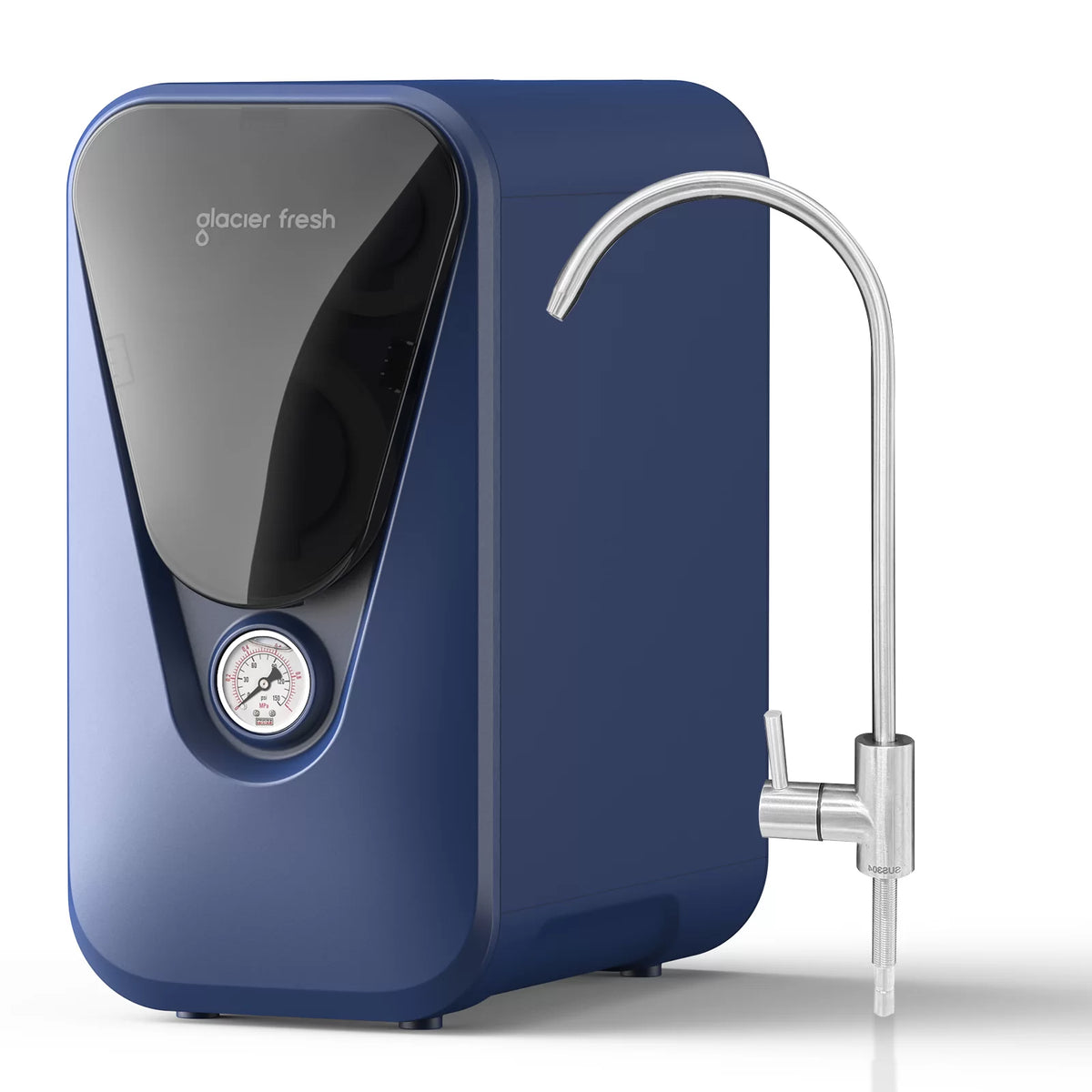
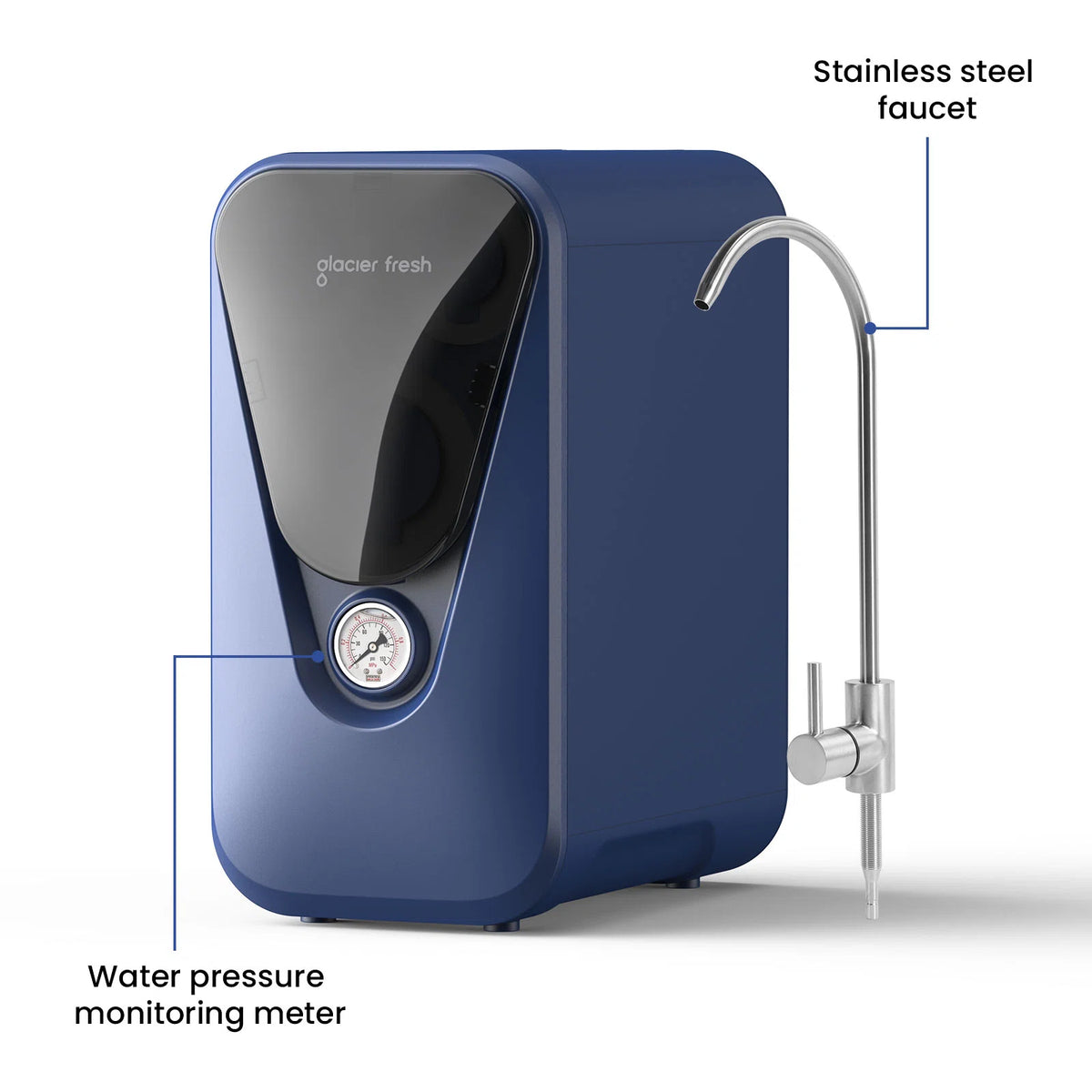
What is reverse osmosis (RO) water filtration?
How reverse osmosis works?
Reverse osmosis uses a semi-permeable membrane with extremely small pores (around 0.0001 microns) to separate pure water from dissolved contaminants.
Water is forced through the membrane under pressure, leaving impurities behind and flushing them into wastewater. Most under sink reverse osmosis systems use multiple stages:
- Sediment pre-filter.
- Carbon filter.
- RO membrane.
- Post-carbon or remineralization filter (optional).
What contaminants can RO systems remove?
Reverse osmosis is one of the most comprehensive filtration methods available. It can remove:
- Heavy metals (lead, arsenic, mercury).
- Fluoride.
- Nitrates and sulfates.
- PFAS and other “forever chemicals”.
- Bacteria and viruses.
- Dissolved salts and total dissolved solids (TDS).
This makes RO systems suitable for water with known contamination issues.
Advantages of reverse osmosis
Key benefits of RO systems include:
- Extremely high purification level.
- Consistent and reliable contaminant removal.
- Effective for poor-quality or well water.
- Widely tested and certified technology.
When maximum purity is the goal, reverse osmosis is difficult to beat.
Limitations of reverse osmosis
However, RO systems also come with trade-offs:
- Produce wastewater during filtration.
- Slower water output.
- Higher upfront and maintenance costs.
- Require under-sink space and installation.
- Remove beneficial minerals along with contaminants.
Many users add remineralization stages to improve taste, which adds cost and complexity.
Nanofiber vs reverse osmosis: side-by-side comparison


Which water filter is better for different needs?
Best for city tap water
If your municipal water meets safety standards but suffers from:
- Chlorine taste.
- Sediment.
- Aging pipes.
- Microplastics.
A nanofiber-based system is often sufficient and more practical.
Best for well water or high-TDS areas
For private wells or areas with high levels of:
- Heavy metals.
- Nitrates.
- Fluoride.
- Dissolved solids.
Reverse osmosis is usually the safer choice, often paired with pre-filtration.
Best for apartments and renters
Nanofiber filters excel in rental situations due to:
- No permanent installation.
- Compact design.
- Easy maintenance.
Best for Families with Health Concerns
Households with infants, pregnant women, or immunocompromised individuals may benefit from deeper RO purification, especially in areas with known contamination risks.
Best for eco-conscious households
Nanofiber filtration aligns better with sustainability goals by:
- Conserving water.
- Reducing waste.
- Lowering energy use.
Can nanofiber and RO be used together?
Yes. Some advanced systems use nanofiber or sediment filters as pre-filtration for RO membranes. This:
- Extends RO membrane life.
- Improves efficiency.
- Enhances overall system performance.
Hybrid approaches are ideal for homes needing high purification without sacrificing longevity.
How to choose the right water filter for your home?

Before buying any system, ask:
- What contaminants are present in my water?
- Do I want mineral retention or maximum purity?
- How much space do I have?
- Is water waste a concern?
- What level of maintenance am I comfortable with?
Testing your water or reviewing your local water quality report is the best place to start.
FAQs
Is RO water harmful in the long term?
Scientific consensus suggests RO water is safe, but mineral balance should be considered as part of a healthy diet.
Is nanofiber filtration safe for drinking water?
Yes, when properly designed and certified, nanofiber filters are safe and effective for everyday drinking water.
Does reverse osmosis remove healthy reminerals?
Yes. RO removes most dissolved minerals, which is why some systems include remineralization stages.
Conclusion
There is no universal “best” water filter—only the one that best matches your water quality, health priorities, and daily habits.
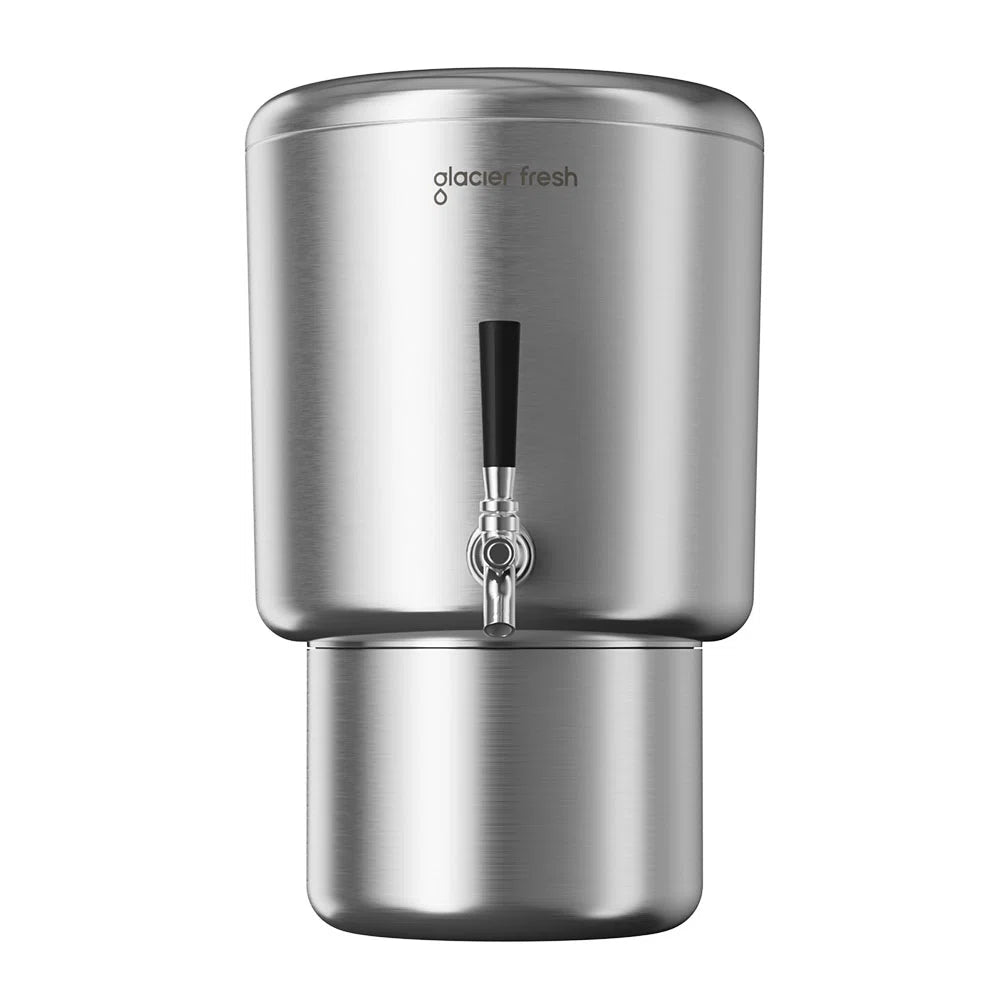
- Nanofiber filtration like countertop water filter system is ideal for clean municipal water, convenience, and sustainability.
- Reverse osmosis is best for high-risk water and households that need maximum contaminant removal.
Understanding the strengths and limitations of each technology empowers you to make a smarter, healthier choice—one that supports clean water not just today, but for years to come.