
Table of Contents:
What does PPM mean in drinking water?
What is considered high PPM water?
Is high PPM water actually unsafe to drink?
Health effects of drinking high PPM water
High PPM vs low PPM water – which is better?
How to test your water`s PPM accurately?
How to reduce high PPM in drinking water?
FAQs
Conclusion
Cleaning drinking water is something most of us take for granted—until a number on a water tester sparks concern. If you’ve ever dipped a TDS meter into your tap water and seen a high PPM reading, you may have wondered: Is this water actually safe to drink?
High PPM water is a common topic of confusion. Some people associate high numbers with contamination, while others believe mineral-rich water is healthier. The truth lies somewhere in between. In this article, we’ll break down what PPM really means, when high PPM water is safe, when it’s not, and how you can protect your household with informed choices.
What does PPM mean in drinking water?

PPM stands for parts per million. In the context of drinking water, it refers to the concentration of dissolved substances.
PPM vs. TDS: Are they the same?
While PPM and TDS (Total Dissolved Solids) are often used interchangeably, they are not exactly the same.
- TDS represents the total amount of inorganic and organic substances dissolved in water.
- PPM is the unit used to express that concentration.
Most handheld TDS meters estimate PPM by measuring electrical conductivity rather than identifying individual contaminants. This means a high PPM number tells you how much is dissolved in your water—but not what those substances are.
What contributes to PPM levels?
Several substances can increase PPM values, including:
- Beneficial minerals (calcium, magnesium, potassium).
- Salts (sodium, chlorides, sulfates).
- Heavy metals (lead, arsenic, mercury in trace amounts).
- Nitrates and fluorides.
- Industrial or agricultural runoff.
Some of these are harmless—or even beneficial—while others pose real health risks.
What is considered high PPM water?
Understanding PPM ranges helps put your water quality into perspective.
Common PPM ranges explained
- 0–50 PPM: Very low mineral content (often RO or distilled water).
- 50–150 PPM: Ideal range for drinking.
- 150–300 PPM: Acceptable, with noticeable taste.
- 300–500 PPM: High PPM; may affect taste and scaling.
- 500+ PPM: Generally not recommended for long-term consumption.
EPA and WHO guidelines
The U.S. Environmental Protection Agency (EPA) sets a secondary drinking water standard of 500 PPM TDS. This guideline is based on taste, odor, and appearance, not toxicity.
Importantly, there is no universal “toxic PPM number.” Water with low PPM can still be unsafe if it contains harmful contaminants, while water with higher PPM may be perfectly safe if those dissolved solids are primarily minerals.
Is high PPM water actually unsafe to drink?

The safety of high PPM water depends entirely on what’s dissolved in it.
When high PPM water may be safe
High PPM water can be safe when:
- The dissolved solids are mostly naturally occurring minerals.
- The source is clean groundwater or spring water.
- Independent testing confirms low levels of heavy metals and nitrates.
In many regions, hard water has a higher PPM due to calcium and magnesium. While it may leave scale on appliances, it’s not necessarily harmful to drink.
When high PPM water can be harmful
High PPM water may pose risks if it contains:
- Heavy metals like lead or arsenic.
- Excess sodium can impact blood pressure.
- High nitrate levels, especially dangerous for infants.
- Industrial contaminants from nearby pollution sources.
In these cases, the PPM number is a warning sign that further testing is needed.
Health effects of drinking high PPM water
Potential short-term effects
Some people notice immediate effects when switching to high PPM water, such as:
- Bitter or metallic taste.
- Digestive discomfort.
- Mild diarrhea or bloating in sensitive individuals.
These effects often occur when water chemistry changes suddenly.
Possible long-term health risks
Long-term exposure to problematic high PPM water may contribute to:
- Kidney strain from excessive mineral intake.
- Cardiovascular concerns are associated with a high sodium intake.
- Heavy metal accumulation may affect neurological and organ health.
It’s important to note that these risks are associated with specific contaminants, not high PPM alone.
Who should be most cautious?
Certain groups should be extra careful with high PPM water:
- Infants and young children.
- Pregnant women.
- People with kidney disease.
- Individuals with high blood pressure.
- Elderly adults.
For these populations, water testing and filtration are especially important.
High PPM vs low PPM water – which is better?

Benefits and drawbacks of high PPM water
Pros:
- Contains essential minerals.
- Preferred taste for some people.
- Often sourced naturally.
Cons:
- Can stress the kidneys if minerals are excessive.
- May contain unwanted contaminants.
- Causes scaling in pipes and appliances.
Benefits and drawbacks of low PPM water
Low PPM water—often produced by reverse osmosis system or distillation—offers:
Pros:
- Clean, neutral taste.
- Reduced exposure to contaminants.
- Ideal for sensitive individuals.
Cons:
- Lower mineral content.
- May require remineralization for taste and balance.
Many households choose low-PPM water for drinking and cooking, while obtaining minerals from food.
How to test your water`s PPM accurately?
Using a TDS meter at home
A digital TDS meter is a quick way to estimate PPM levels. For best results:
- Let water run for 30 seconds.
- Use room-temperature water.
- Clean the meter between tests.
- Test both tap and filtered water for comparison.
Remember: a TDS meter does not identify specific contaminants.
When to get a professional water test
You should consider lab testing if:
- Your PPM is consistently above 300.
- You use well water.
- Your water tastes metallic or salty.
- There are vulnerable individuals in your household.
Lab tests reveal exactly what’s in your water—and whether it’s safe.
How to reduce high PPM in drinking water?

Effective water filtration methods
Different filtration methods address high PPM in different ways:
- Reverse osmosis: Removes up to 95–99% of dissolved solids.
- Distillation: Produces extremely low-PPM water.
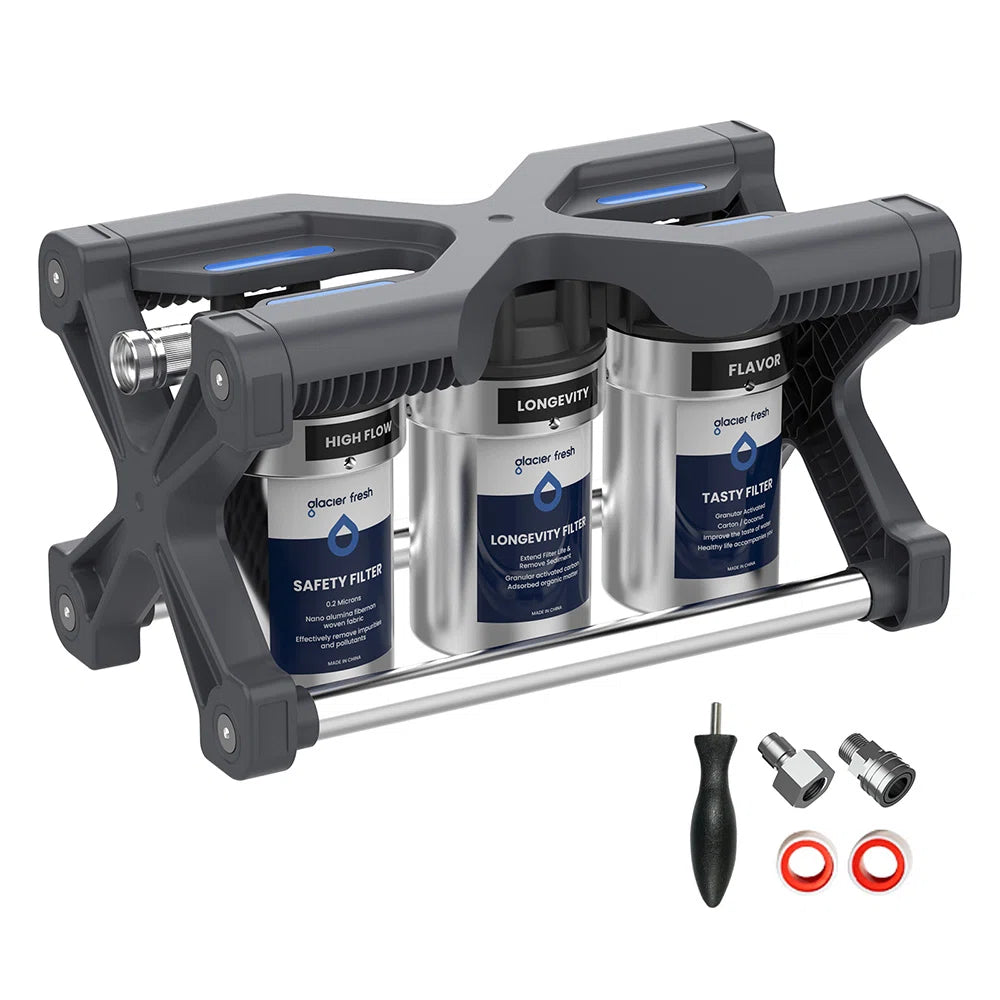
- Multi-stage filtration: Targets specific contaminants.
Among these, reverse osmosis systems are widely regarded as the most effective for reducing high TDS levels.
Choosing the right filter for high PPM water
When selecting a filtration system, consider:
- Your current PPM level.
- Specific contaminants present.
- Household water usage.
- Maintenance and filter replacement costs.
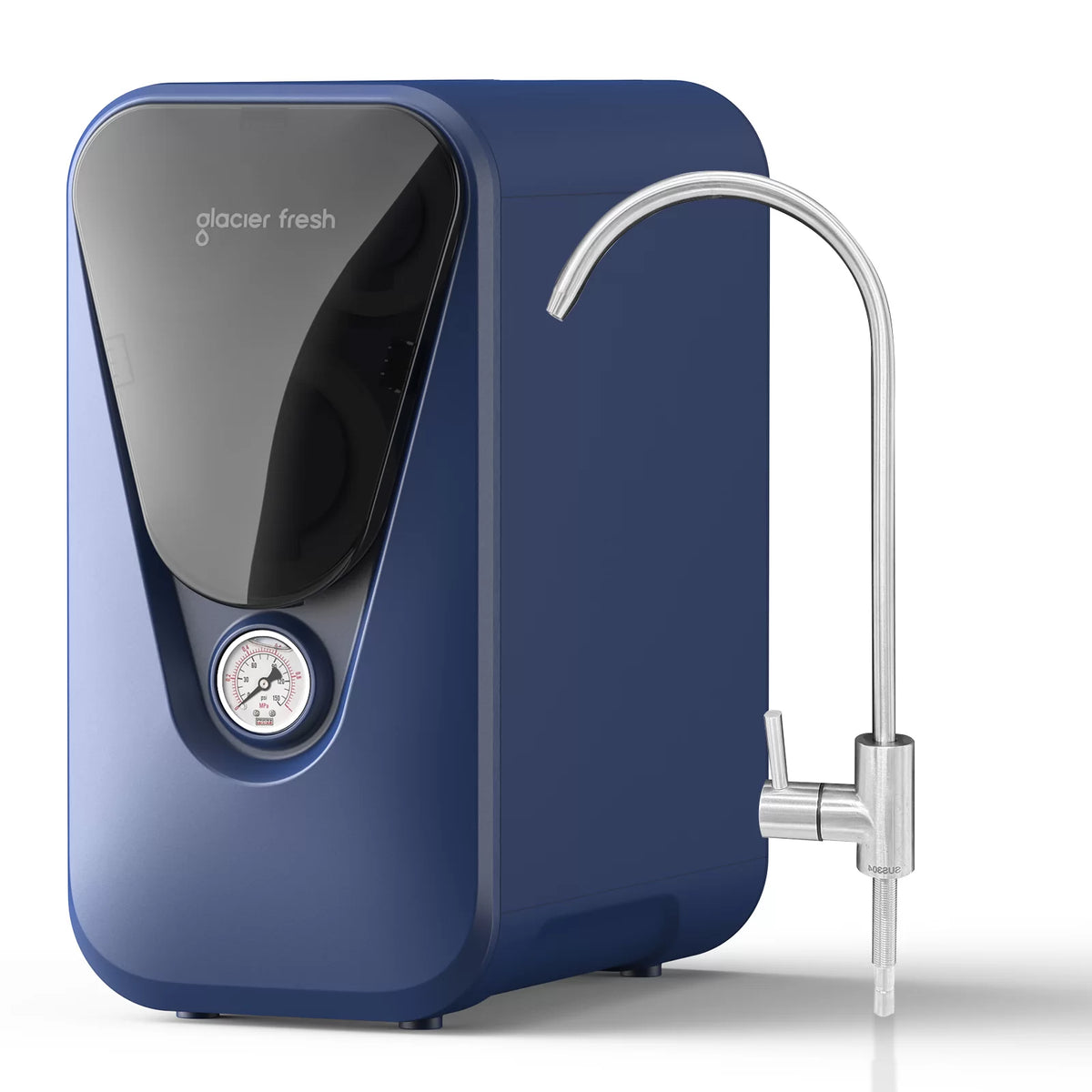
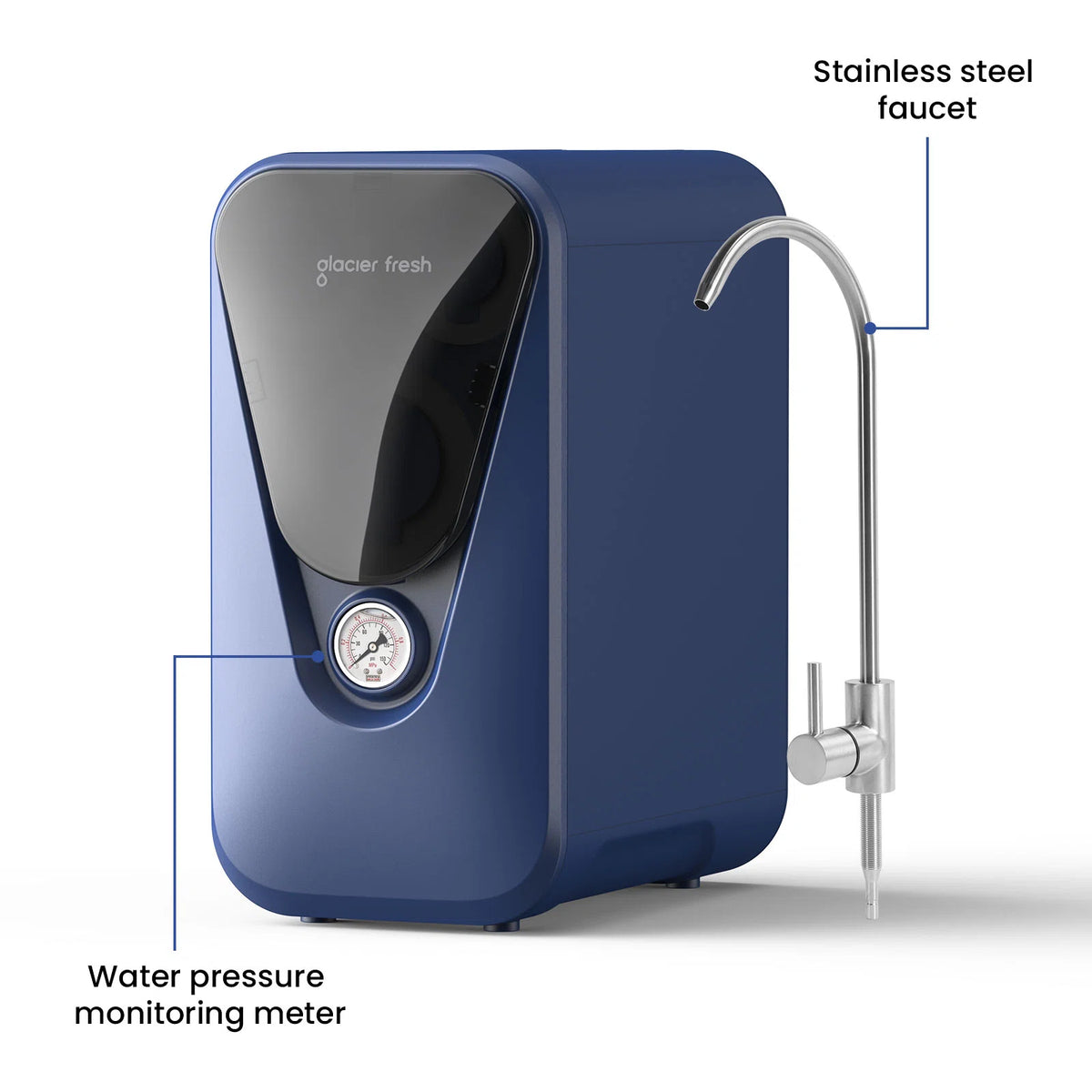
High-quality reverse osmosis systems—such as modern under-sink solutions designed for home use—can significantly reduce PPM while improving taste and safety. Brands like Glacier Fresh focus on multi-stage purification that addresses both dissolved solids and harmful contaminants, offering peace of mind without over-processing your water.
FAQs
Can boiling water reduce PPM?
No. Boiling removes bacteria but actually increases PPM by evaporating water.
Is high PPM water bad for the kidneys?
It can be if the dissolved solids include excessive minerals or sodium, especially for people with kidney conditions.
Is 300 PPM safe for daily drinking?
Generally, yes—if the dissolved solids are not harmful. Testing is key.
Conclusion
High PPM water isn’t automatically dangerous. The real concern isn’t the number—it’s what the number represents.
If your water’s high PPM comes from beneficial minerals, it may be perfectly safe. If it’s caused by contaminants like heavy metals or excess sodium, action should be taken. Testing your water, understanding its composition, and using appropriate filtration can help you strike the right balance between purity and health.
Ultimately, safe drinking water is about knowledge and control. When you understand your water, you can make confident decisions that support long-term health—for you and your family.