


Table of Contents:
What is a urinary tract infection?
How the urinary system works?
Does drinking water help cure a UTI?
How drinking more water helps during a UTI?
How much water should you drink for UTI support?
Best types of water to drink when you have a UTI?
FAQs
Conclusion
Urinary tract infections (UTIs) are among the most common bacterial infections globally, affecting millions of people—especially women—every year. The idea that “drinking more water” can help with UTIs is widespread, but does hydration truly cure a UTI, or does it just help?
In this article, you’ll learn the science behind UTIs, how water affects urinary health, what research says about fluid intake, and when hydration alone isn’t enough.
What is a urinary tract infection?

A urinary tract infection occurs when bacteria enter the urinary system and begin to multiply. This system includes the kidneys, ureters, bladder, and urethra.
Types of UTIs
· Lower UTIs
· Cystitis (infection of the bladder).
· Urethritis (infection of the urethra).
· Upper UTIs
· Pyelonephritis (infection of the kidneys) — more serious and may require urgent care.
Common UTI symptoms
Typical signs include:
- Burning during urination.
- Frequent or urgent need to urinate.
- Cloudy or strong-smelling urine.
- Lower abdominal discomfort.
- Fever or flank pain (indicating possible kidney involvement).
What causes UTIs?
Most UTIs are caused by Escherichia coli (E. coli), a bacterium normally found in the gut that can enter the urinary tract through the urethra. Factors that increase UTI risk include:
- Inadequate fluid intake.
- Holding urine for long periods.
- Sexual activity.
- Use of catheters.
- Poor hygiene.
How the urinary system works?
The urinary system filters waste and excess fluid from the blood. Kidneys produce urine, which travels via the ureters to the bladder and eventually exits through the urethra. Frequent and adequate urine flow helps flush bacteria out of the system before they can cause infection.
Hydration supports this process:
- More water → More urine production
- More urination → Greater flushing of bacteria
When someone is dehydrated, urine becomes more concentrated, and bacteria may have a greater opportunity to adhere to the urinary tract lining.
Does drinking water help cure a UTI?
Drinking water alone does not cure an active bacterial UTI. However, hydration plays an important supportive role in symptom relief, recurrence prevention, and overall urinary health.
Research consistently shows that increased water intake can help reduce UTI severity and recurrence. One well-known study published in JAMA Internal Medicine found that women with a history of recurrent UTIs who increased their daily water intake experienced a significant reduction in infection recurrences—about 50% fewer episodes over 12 months compared to those who did not increase fluids.
Drinking water helps:
- Flush bacteria from the urinary tract
- Reduce irritation during urination
- Support the effectiveness of antibiotic treatment
That said, bacterial UTIs usually may require antibiotics to fully resolve, especially if symptoms are moderate to severe.
How drinking more water helps during a UTI?

Although water isn’t a cure, it offers several important benefits when dealing with a UTI.
Flushes bacteria from the urinary tract
Frequent urination helps physically remove bacteria before they can adhere to the urinary tract lining and multiply. Increased water intake leads to more frequent bladder emptying, which limits bacterial growth.
Reduces pain and burning sensation
Concentrated urine can irritate inflamed bladder tissues, intensifying pain and burning during urination. Drinking water dilutes urine, making it less acidic and less painful to pass.
Helps prevent the infection from worsening
By lowering bacterial concentration, hydration may reduce the risk of infection spreading upward to the kidneys—a serious complication.
Supports antibiotic effectiveness
Proper hydration ensures regular urine flow, which can help antibiotics reach the urinary tract more effectively and flush out dead bacteria.
How much water should you drink for UTI support?
General hydration guidelines
While individual needs vary, common recommendations include:
- About 6–8 cups (1.5–2 liters) per day for most adults.
- More if you’re physically active, pregnant, or living in a hot climate.
During a UTI episode
During an active UTI, many healthcare professionals recommend increasing water intake gradually to encourage frequent urination. A helpful hydration indicator is urine color—pale yellow usually signals adequate hydration.
Signs you may be dehydrated
- Dark yellow urine.
- Urinating fewer than 4–5 times per day.
- Dry mouth or fatigue.
- Headaches.
Best types of water to drink when you have a UTI?

Plain water is best
Plain, clean water is the safest and most effective option during for UTIs. It hydrates without irritating the bladder.
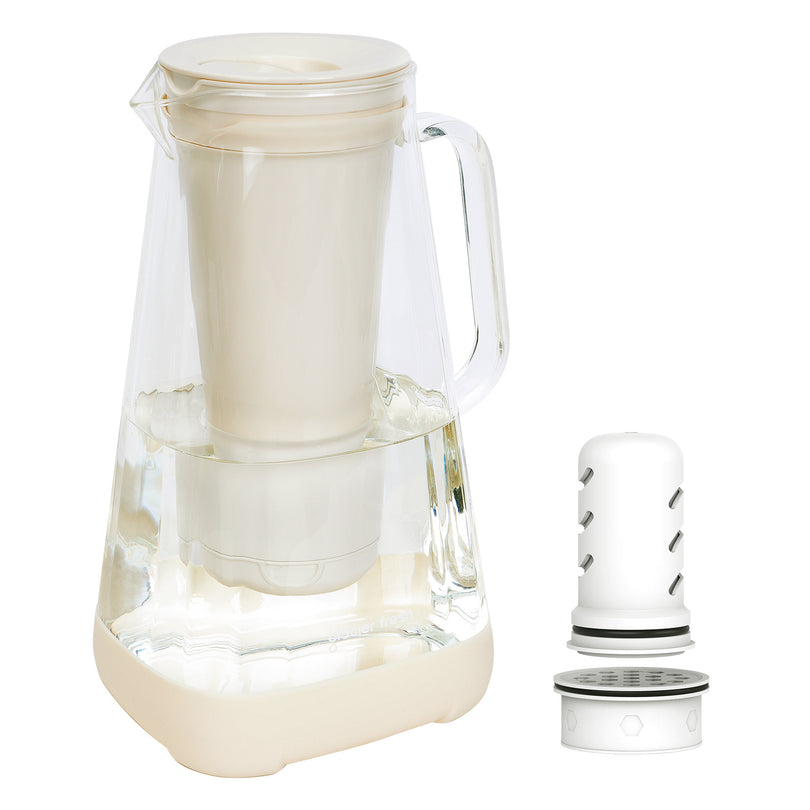
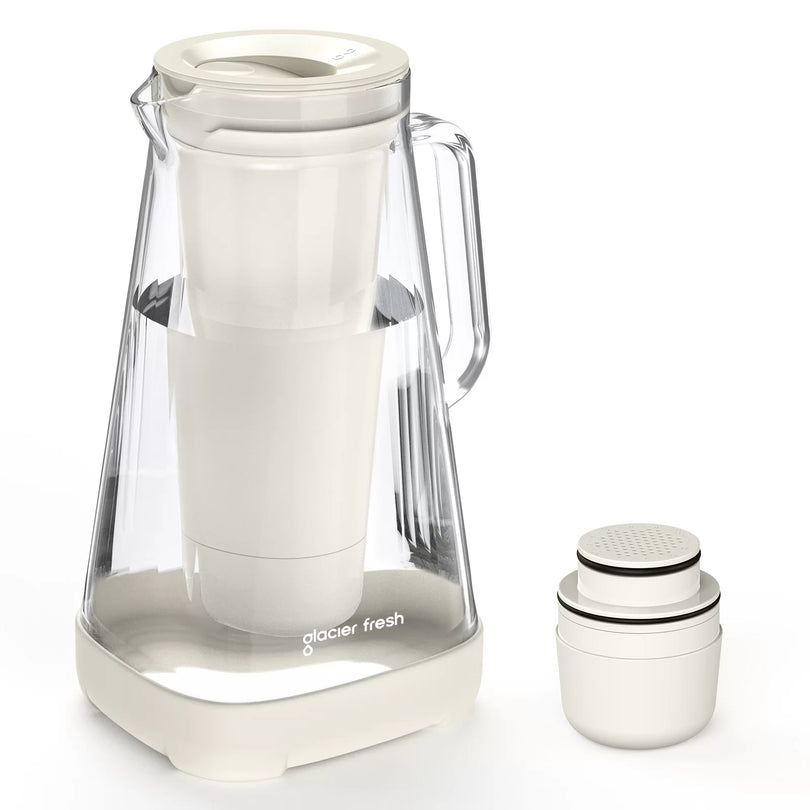
Filtered water vs. tap water
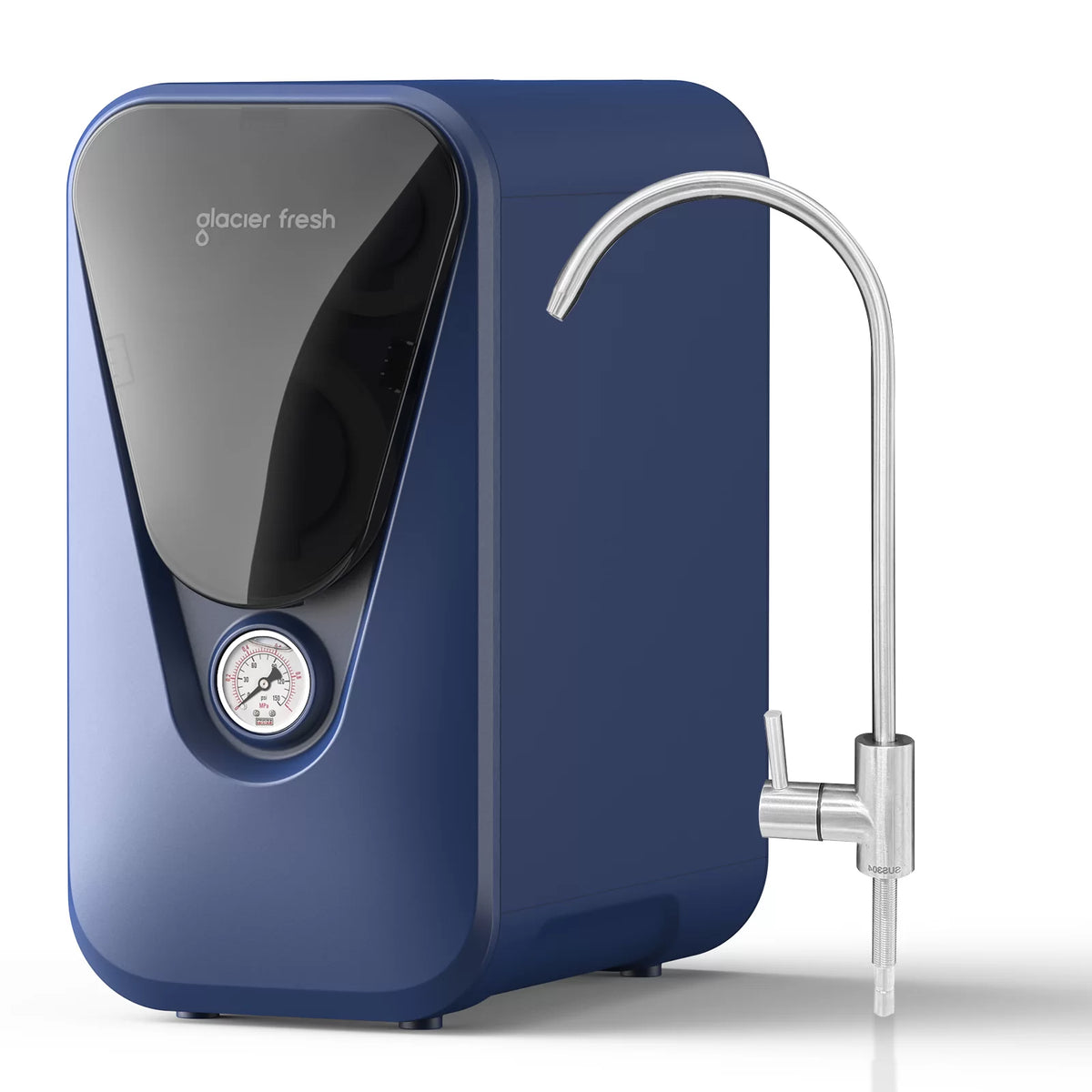
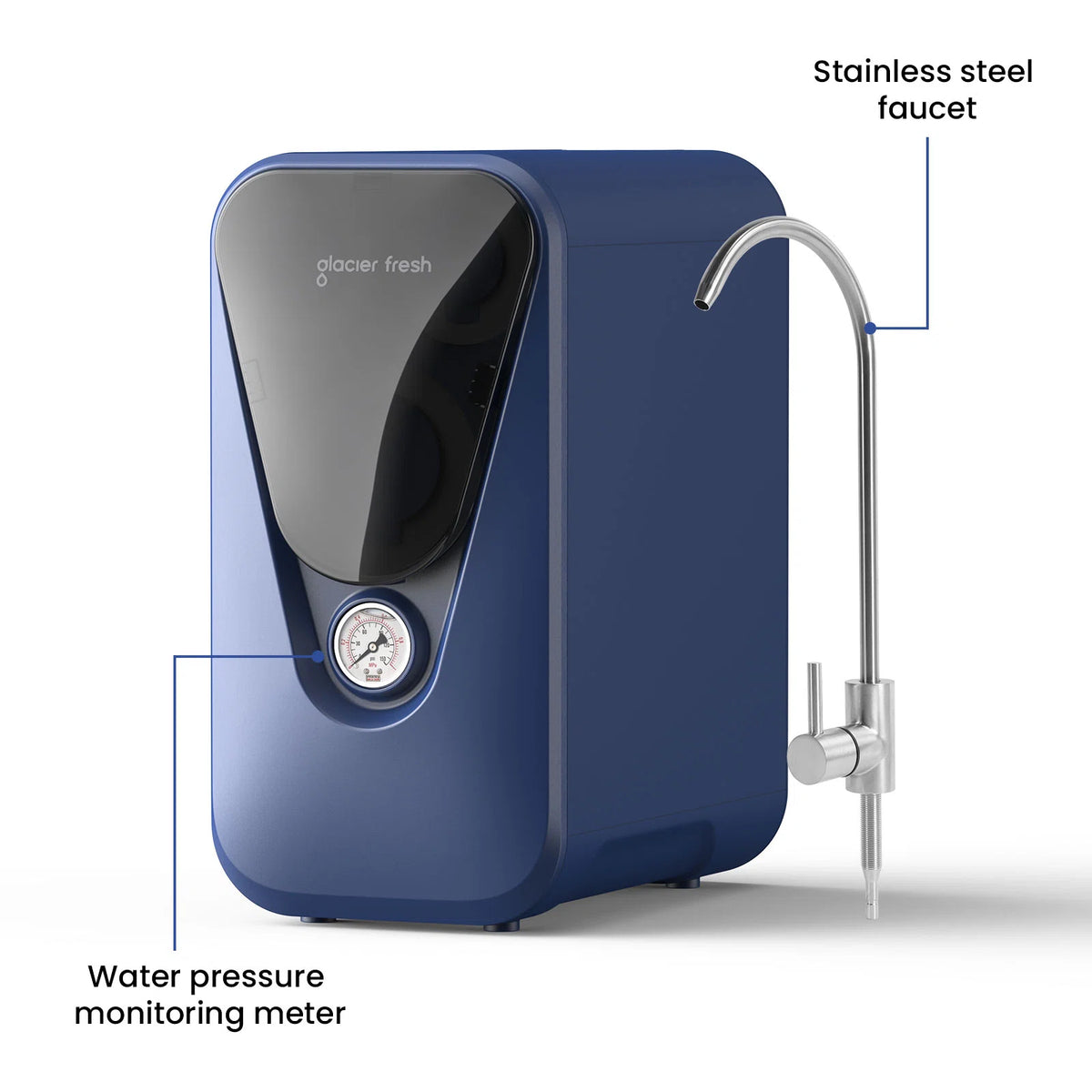
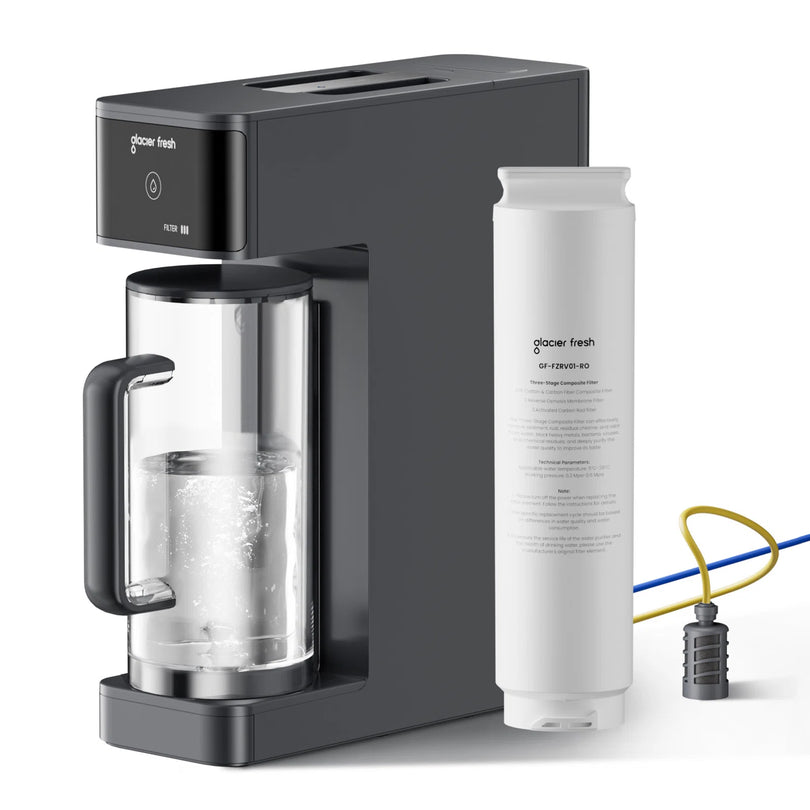
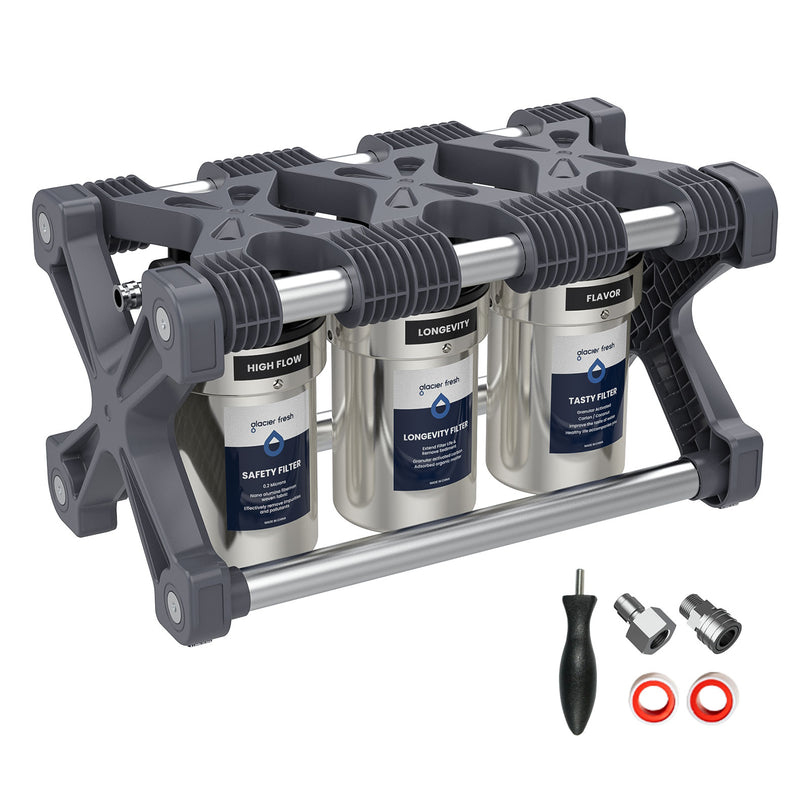
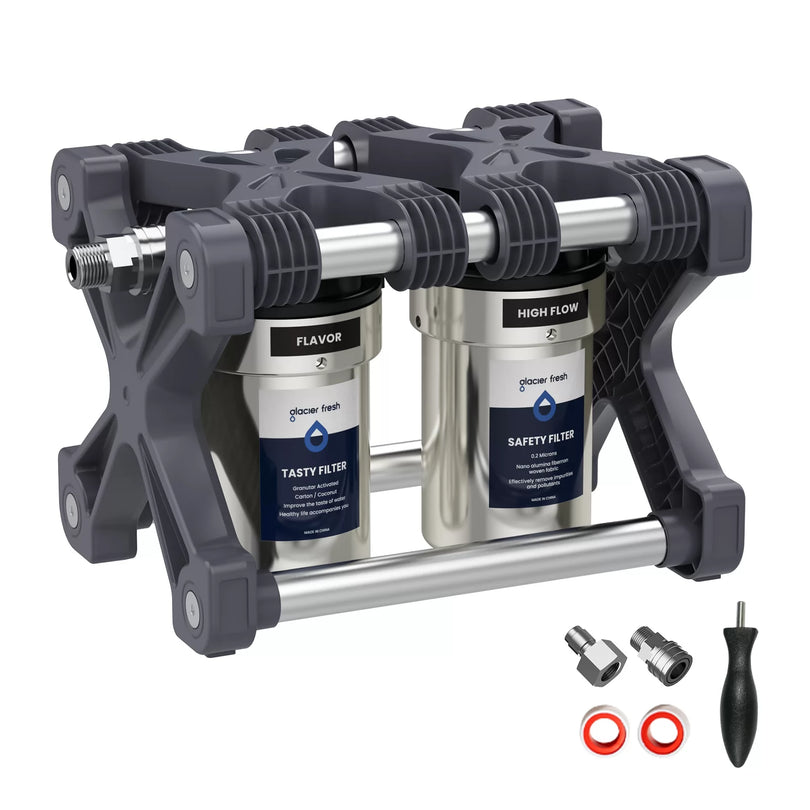
Filtered water produced by a under sink reverse osmosis system may be preferable for some people because it removes:
- Chlorine.
- Heavy metals.
- Unpleasant tastes or odors.
Better-tasting water encourages higher intake, which is crucial during UTI recovery.
What to avoid
Certain drinks may irritate the bladder and worsen symptoms:
- Alcohol.
- Coffee and caffeinated beverages.
- Sugary sodas.
- Artificially sweetened drinks.
FAQs
Is warm water better than cold water for UTIs?
Temperature doesn’t affect infection, but warm water may feel more soothing for some individuals.
Can mineral or alkaline water help UTIs?
There’s limited evidence supporting the use of mineral or alkaline water for UTIs. Plain water remains the best choice.
Conclusion
Drinking water plays a vital role in urinary tract health. While it cannot cure a urinary tract infection on its own, it helps flush bacteria, ease discomfort, and support recovery when used in combination with proper medical treatment.
If you suspect a UTI, increasing water intake is a smart first step—but it should never replace professional care. Hydration works best as part of a comprehensive approach that includes timely diagnosis, appropriate treatment, and long-term prevention habits.