


Table of Contents:
What Is a Reverse Osmosis Water Filter?
What Is a Whole House Water Filter?
Reverse Osmosis vs Whole House Water Filter: What’s the Difference?
When to Choose Whole House Filter vs Reverse Osmosis System
Choosing the Top Whole House Water Filter
Portable Reverse Osmosis as a Flexible Solution
FAQs
Conclusion
Clean water at home sounds simple, but what’s actually coming out of your tap can vary more than most people expect. Some systems focus only on what you drink, while others treat every drop that runs through your home.
When you’re choosing between reverse osmosis and a whole house water filter, it really comes down to what you want to fix and where that matters most in your daily routine.
What Is a Reverse Osmosis Water Filter?

Reverse osmosis (RO) is a filtration method built to remove very small contaminants from water, which makes it especially useful for drinking and cooking.
How Reverse Osmosis Filtration Works
An RO system pushes water through a semi-permeable membrane with pores as small as 0.0001 microns. That’s small enough to block many contaminants while still letting clean water pass through.
This process can remove heavy metals, PFAS, fluoride, nitrates, and even microplastics. The National Academies notes that reverse osmosis can remove nearly all fluoride from water, which is relevant if you live in an area with elevated levels.
Most systems are installed under your sink, so you get purified water right where you cook and drink. It’s a targeted solution rather than a whole-home one.
Contaminants Reverse Osmosis Can Remove
RO systems are designed for contaminants that are harder to catch with standard filters. You’ll typically see them used for:
-
Lead and arsenic, which can show up in groundwater as it moves through rock and soil, according to the EPA
-
Chlorine byproducts that affect taste and smell
-
PFAS and microplastics, which are being detected more often in modern water systems
-
Nitrates and fluoride when levels are higher than recommended
The CDC also includes reverse osmosis among technologies that can remove bacteria like E. coli and viruses, thanks to the extremely small pore size.
Example: Under-Sink RO System for Clean Drinking Water

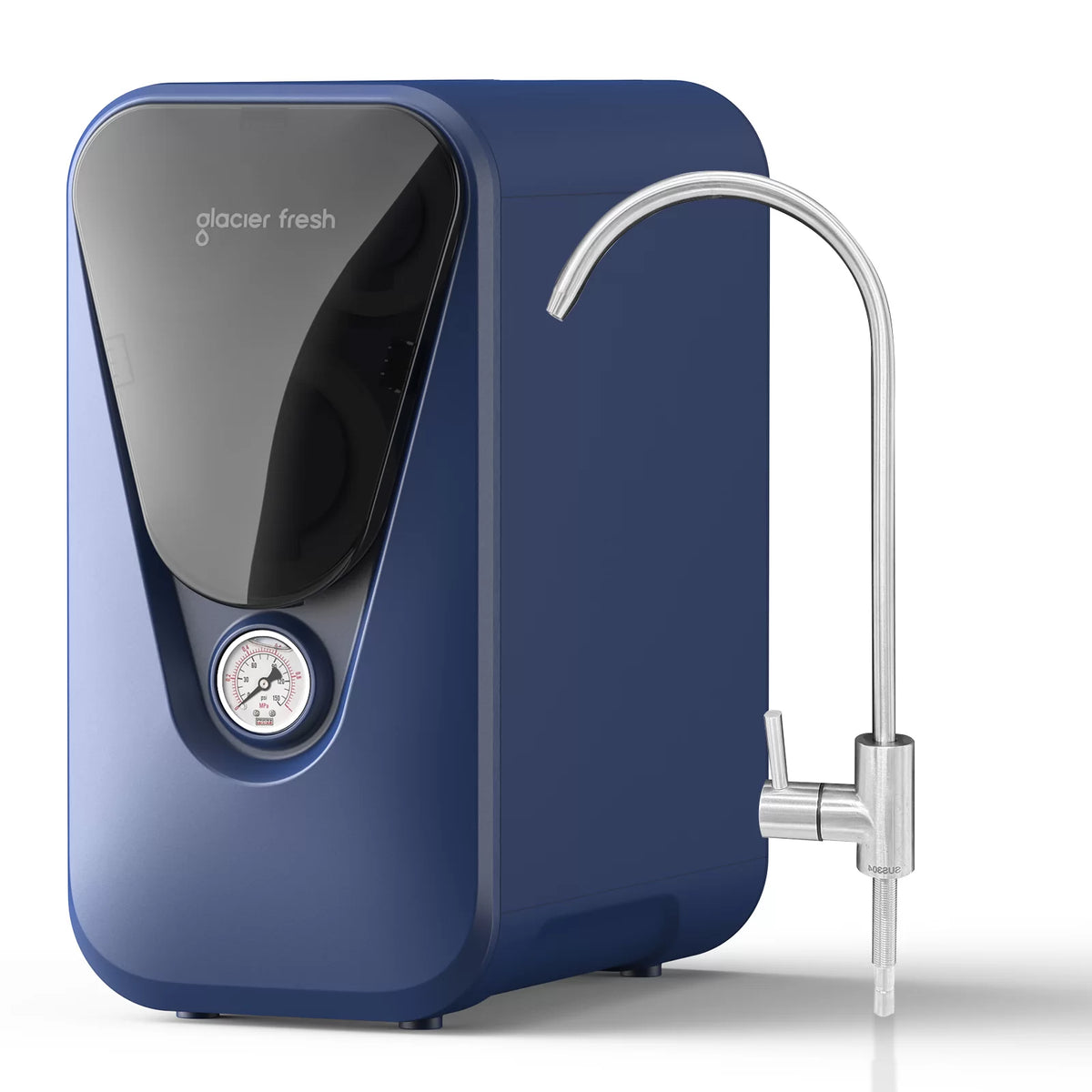
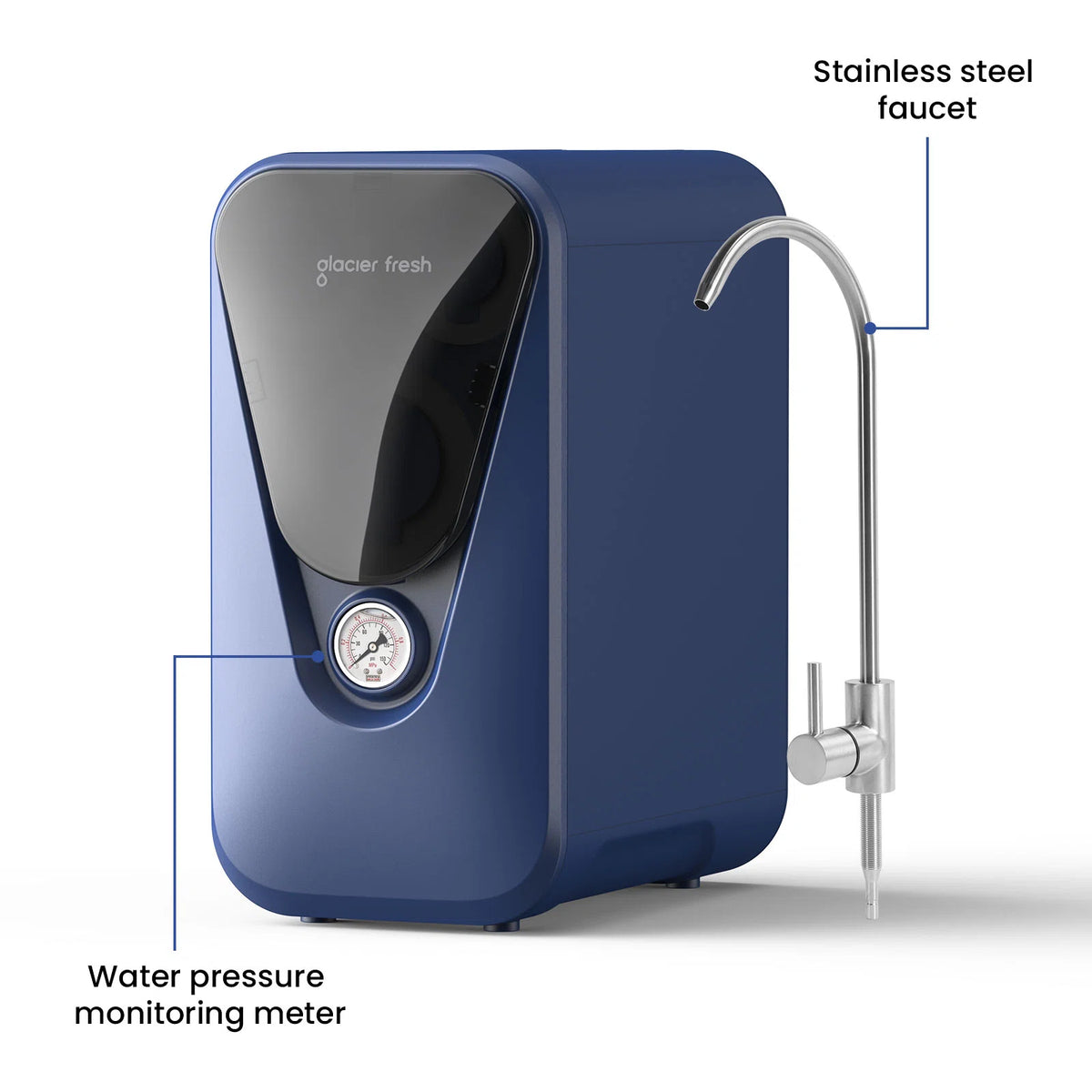
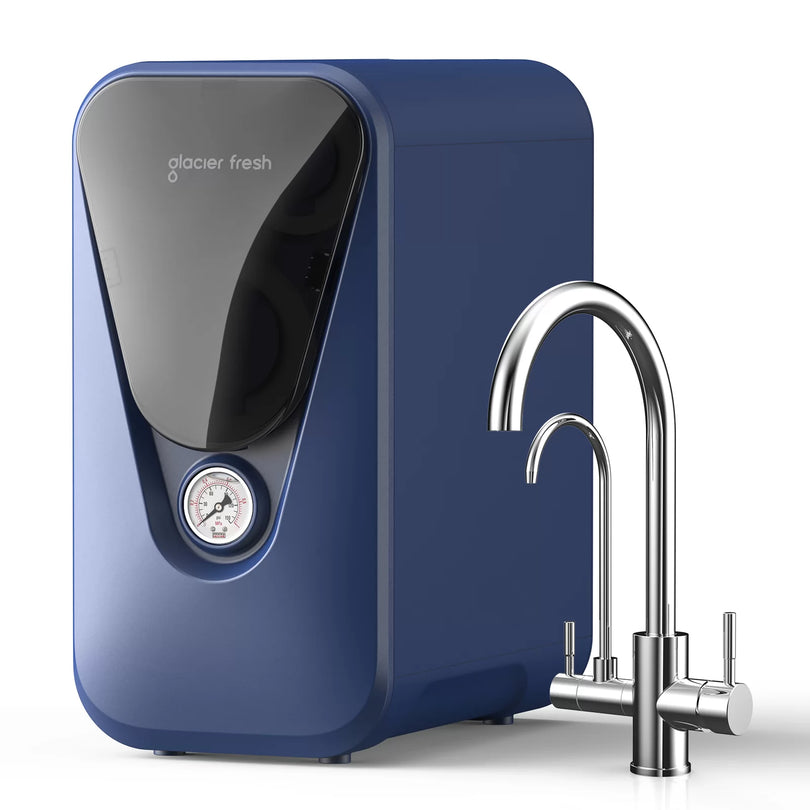
A good example of how this works in real life is the GlacierFresh U03 reverse osmosis system.
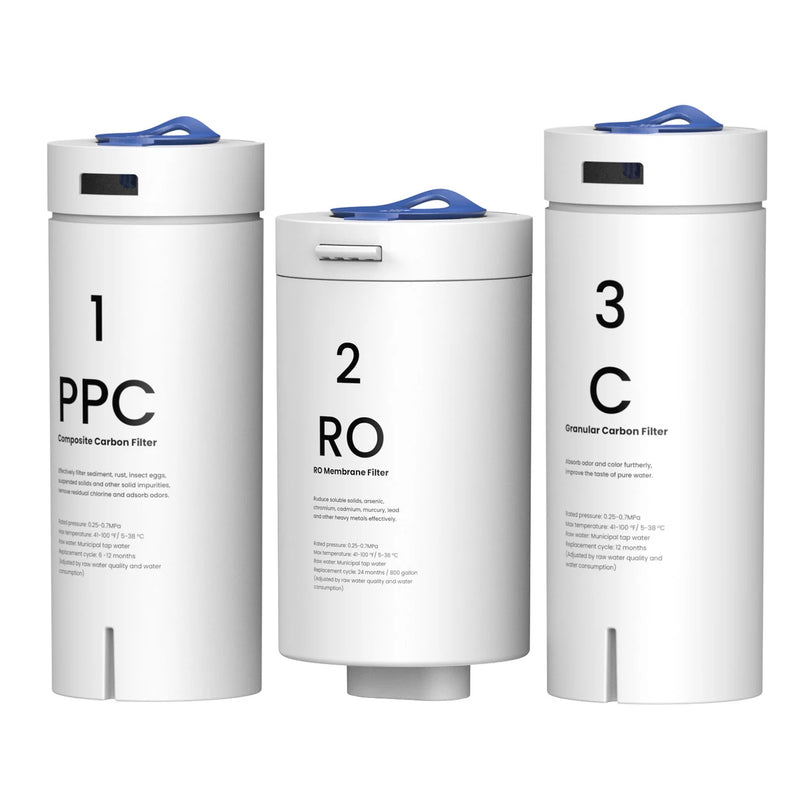
It uses a 5-stage filtration process that includes PP cotton, activated carbon, an RO membrane, and post-carbon polishing. The 0.0001-micron membrane can remove up to 99.99% of contaminants.
The system delivers an 800 GPD flow rate, which means a cup of water fills in about five seconds. It operates without electricity, which keeps energy use low and simplifies installation.
It is NSF/ANSI 58 certified for drinking water safety and features a compact, tankless design that fits easily under most sinks. Installation is straightforward, and more than 95% of users complete setup within 30 minutes.
What Is a Whole House Water Filter?
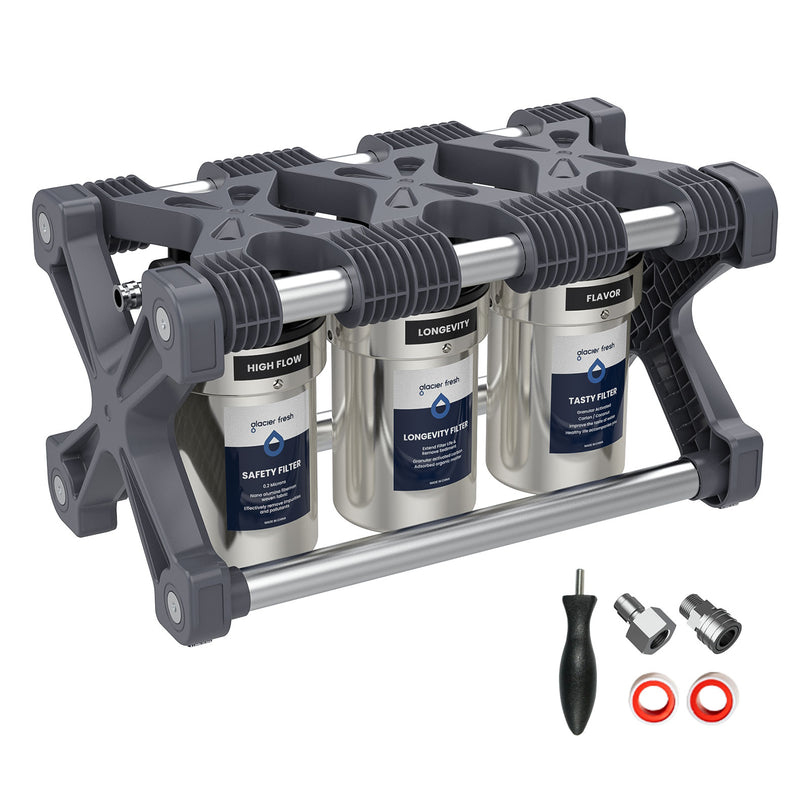
A whole house water filtration system is installed at the point where water enters your home, treating all water before it reaches taps, showers, and appliances.
What Do Whole House Water Filters Remove?
These systems are designed to handle larger volumes of water and target common household contaminants. Typical removals include:
-
Sediment and rust that can damage plumbing
-
Chlorine and unpleasant odors
-
Iron and manganese that cause staining
-
Some organic chemicals depending on the filter type
While a whole house filter improves water quality throughout the home, it usually does not remove contaminants at the same microscopic level as reverse osmosis.
Types of Whole House Water Filtration Systems
Different homes require different filtration approaches. Common system types include:
-
Carbon filtration systems for chlorine and odor removal
-
Sediment filters for dirt, sand, and rust
-
UV systems for microbial control
-
Iron and sulfur filters for well water conditions
Understanding 20-inch Whole House Water Filters
Many whole house water filters use 20-inch cartridges, especially in high-demand households. This size refers to the physical length of the filter housing and cartridge, not the pipe size.
A 20-inch filter has more surface area inside, which allows it to hold more filtration media and process a higher volume of water at once. That is why these systems are commonly used in point-of-entry setups where water needs to flow to multiple bathrooms, appliances, and fixtures at the same time.
They are well-suited for families with multiple bathrooms or higher daily water use, where smaller filters may clog faster or reduce flow.
Reverse Osmosis vs Whole House Water Filter: What’s the Difference?
Reverse osmosis focuses on deep purification, while whole house water filtration provides broad coverage across all water uses.
| Reverse Osmosis | Whole House Water Filter | |
|---|---|---|
| Installation | Typically under sink | At the main water entry point |
| Coverage | Drinking and cooking water | Entire home |
| Contaminant removal | Very high (removes heavy metals, PFAS) | Moderate (sediment, chlorine) |
| Flow rate | Slower | High |
| Cost | Lower upfront cost | Higher installation cost |
When to Choose Whole House Filter vs Rverse Osmosis System
The right system depends on your water source, health priorities, and how you use water at home.
Best Use Cases of RO Systems
Reverse osmosis is often the better option when you need high-level purification for drinking water.
-
Concern about heavy metals, PFAS, or nitrates
-
Municipal water supply with chemical treatment
-
Preparing baby formula or cooking
-
Reducing exposure to microplastics, especially since bottled water consumption can lead to significantly higher microplastic intake compared to filtered tap water
Whole House Water Filtration Best Uses
A whole house water filter is better suited for improving water quality throughout the home.
-
Improving taste and smell across all taps
-
Protecting appliances from scale and sediment
-
Reducing chlorine exposure during showers
-
Filtering sediment from well water
Why Many Homes Use Both Systems
A typical setup includes a whole house filter at the entry point and a reverse osmosis system under the kitchen sink.
This layered approach provides cleaner water for bathing and cleaning, while also ensuring that drinking water meets a higher purification standard.
Choosing the Top Whole House Water Filter

Selecting the right whole house water filters depends on your home’s water conditions and usage patterns.
What to Look for in Top Rated Whole House Water Filter Systems
When evaluating systems, focus on practical performance factors:
-
Filtration capacity and flow rate
-
Filter size such as 20-inch systems
-
Contaminant removal range
-
Compatibility with municipal or well water
-
Maintenance requirements and replacement costs
Best Whole House Filter for Well Water
Well water often contains naturally occurring contaminants picked up as groundwater moves through soil and rock. Arsenic and other heavy metals can be present in some regions.
Recommended systems typically include iron filtration, sulfur oxidation filters, or combined sediment and carbon systems. These are designed to address both visible and dissolved contaminants.
What Are the Best Sulfur Water Filters for Well Water?
Sulfur in water often causes a noticeable rotten egg smell. This is usually due to hydrogen sulfide gas.
Common solutions include:
-
Air injection filters that oxidize sulfur
-
Oxidation filtration systems that convert sulfur into removable particles
-
Catalytic carbon filters that improve taste and odor
These systems are designed to remove sulfur compounds and improve overall water usability.
Portable Reverse Osmosis as a Flexible Solution
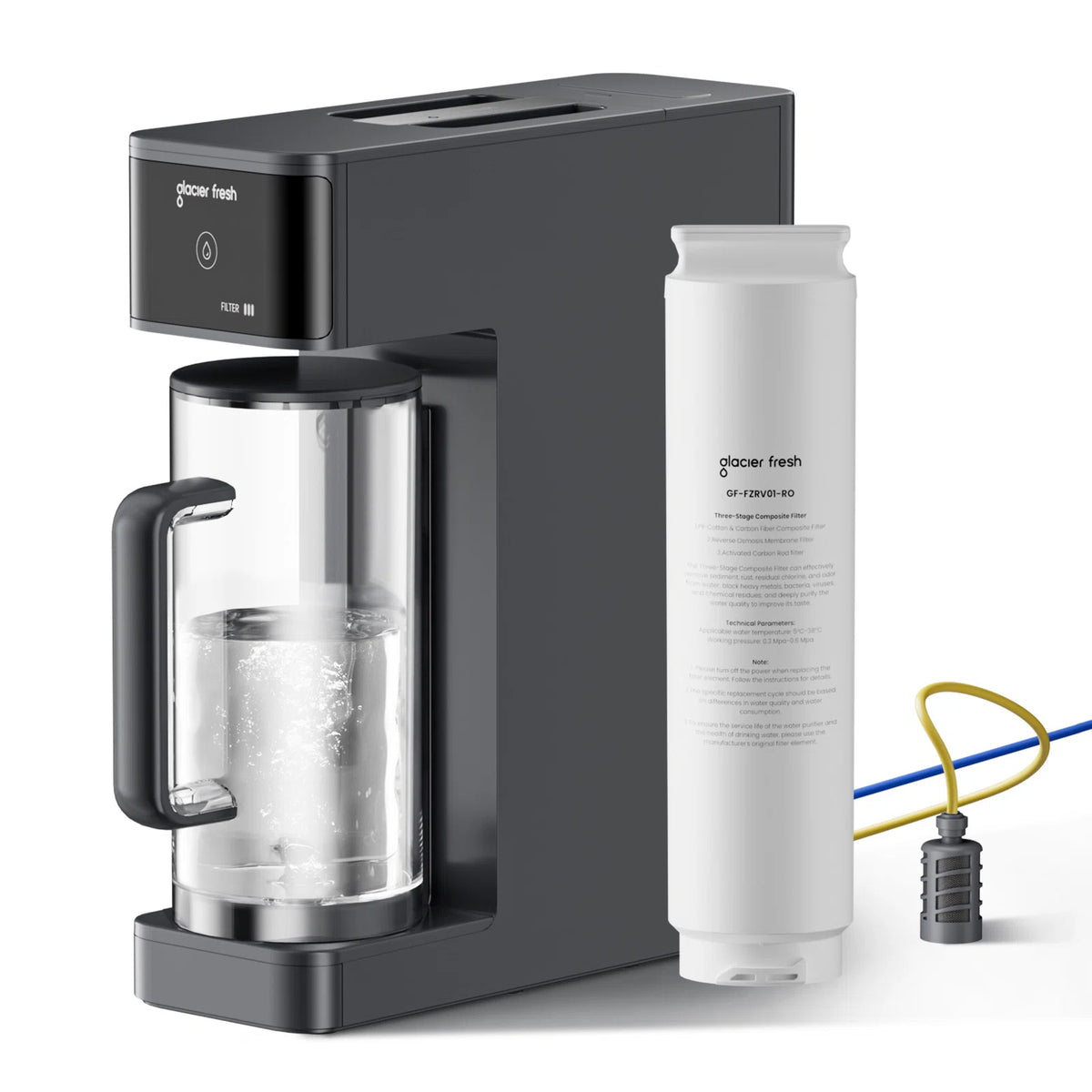
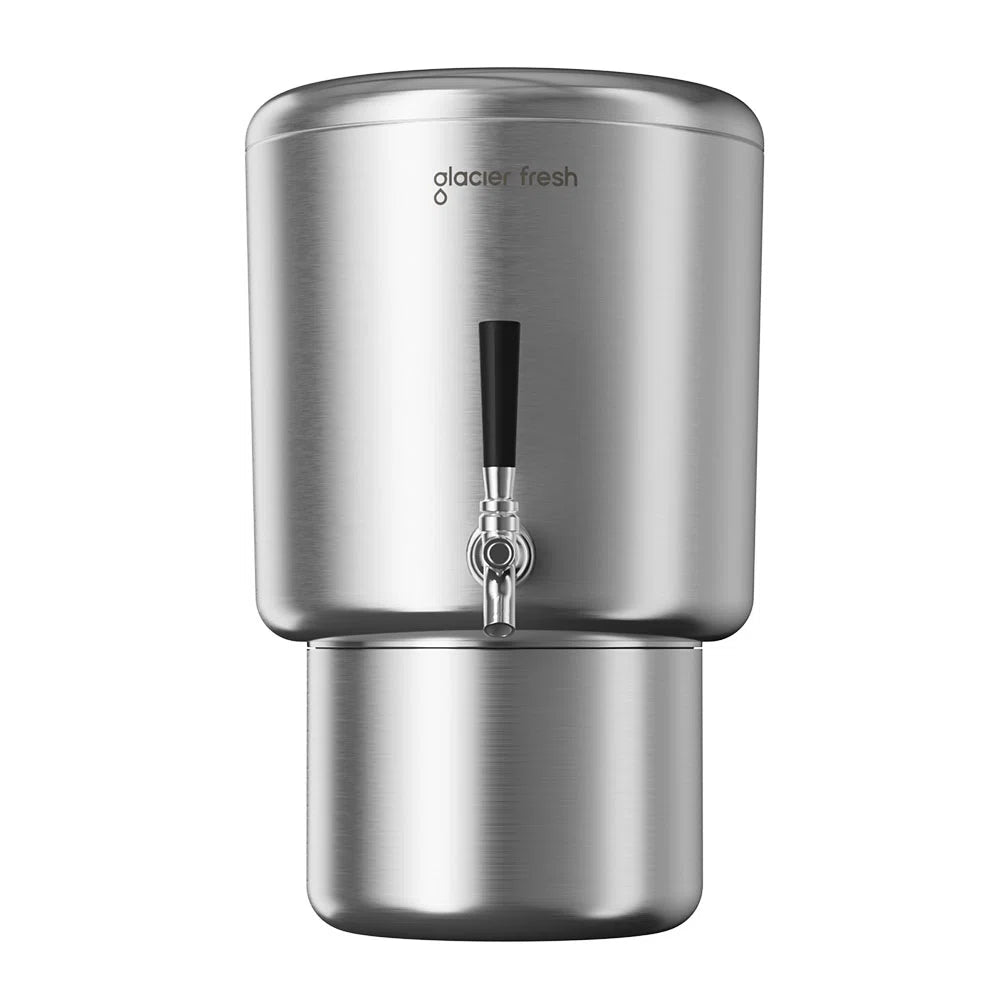
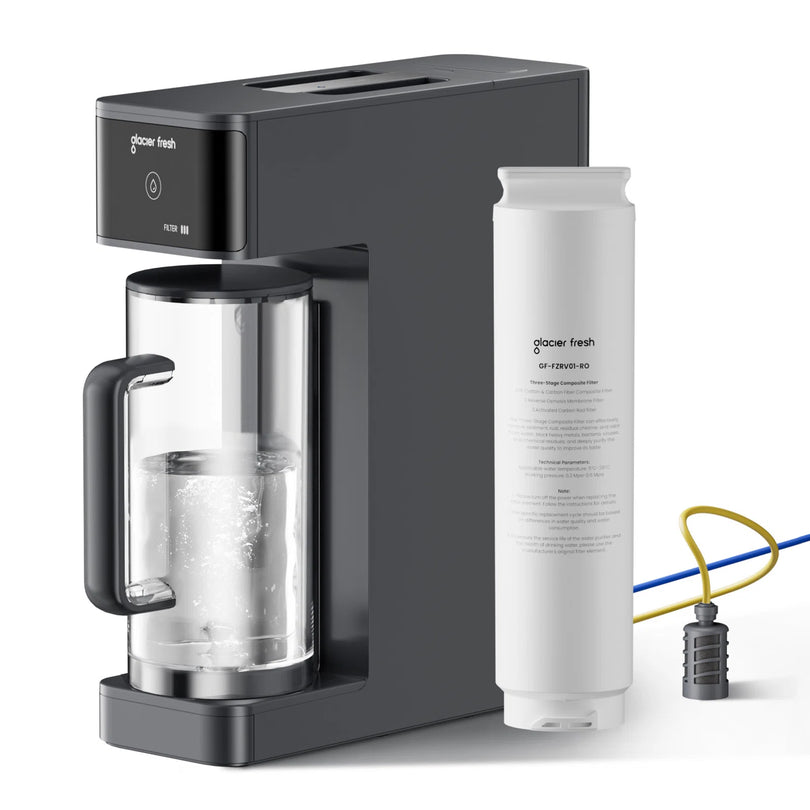
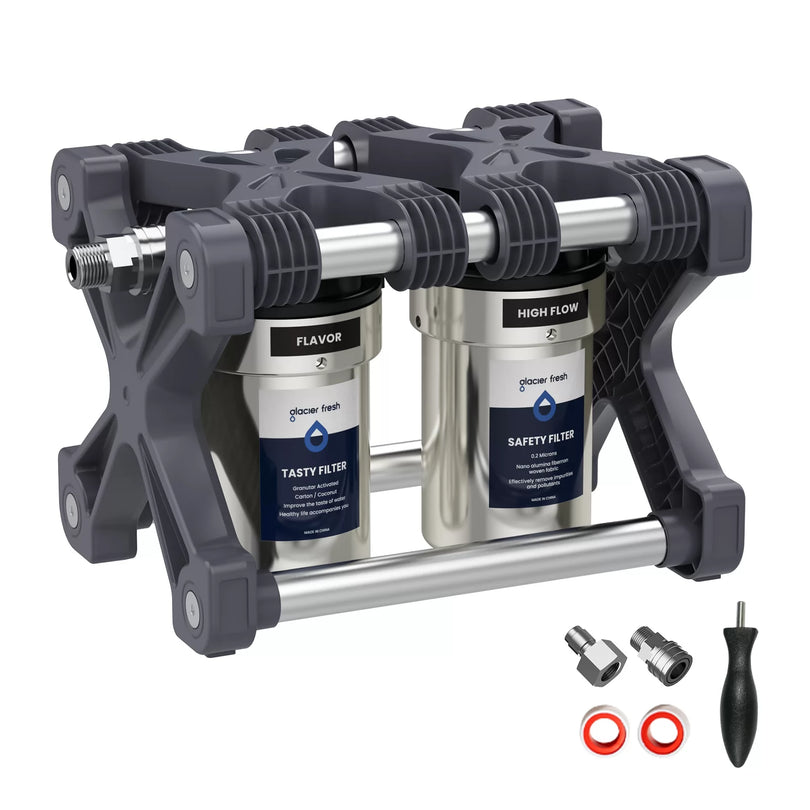
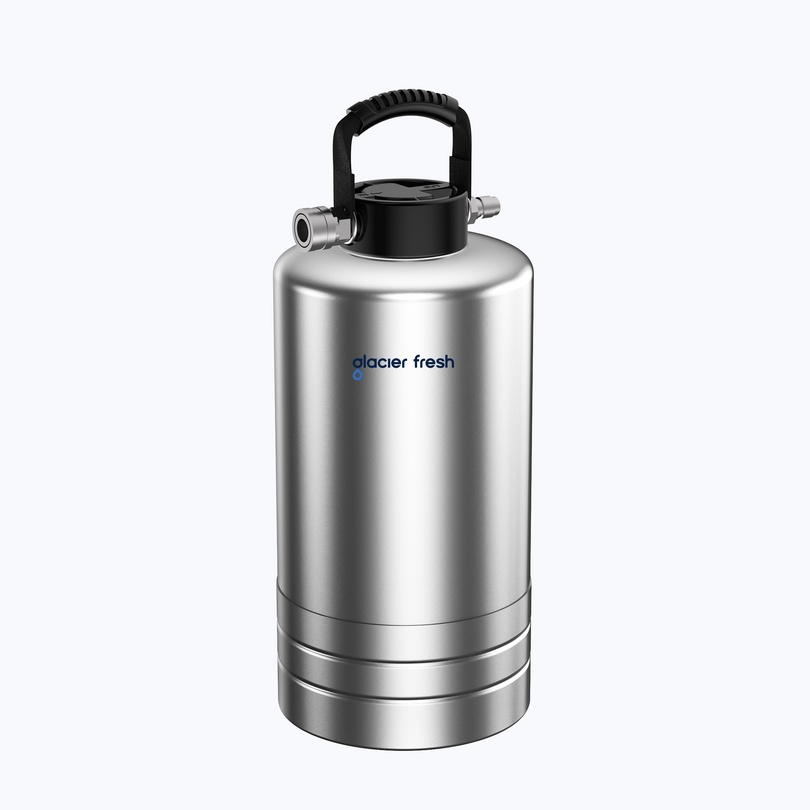
Portable filtration is useful when you are not connected to a fixed water system. The GlacierFresh RV Reverse Osmosis System is designed for travel, off-grid living, and temporary setups.
It uses a 4-stage filtration process to remove bacteria, viruses, heavy metals, and PFAS. This aligns with CDC guidance that reverse osmosis can remove microorganisms due to its fine membrane structure.
The system features a plug-and-play setup and does not require permanent installation. It can filter the equivalent of 25,000 bottles of water, which also reduces reliance on bottled water and the associated microplastic exposure.
This makes it a practical option for RV travel, camping, and remote cabins where water quality may vary.
FAQs
What is the healthiest type of filter water?
Reverse osmosis is often considered one of the healthiest options because it removes a wide range of contaminants, including heavy metals, bacteria, and fluoride, resulting in highly purified drinking water.
What are the disadvantages of a whole house water filter?
A whole house system may not remove very small contaminants like PFAS or nitrates. It also requires higher upfront installation costs and ongoing maintenance for large filter replacements.
Is RO better than filter?
RO is better for drinking water because it removes more contaminants. Whole house filters are better for overall home use, as they treat larger volumes of water at higher flow rates.
Does reverse osmosis remove potassium?
Reverse osmosis can remove some potassium, along with other dissolved minerals, because of its fine membrane filtration. However, removal levels depend on the specific system and water chemistry.
Will RO remove E. coli?
Yes, reverse osmosis can remove E. coli and similar bacteria. The CDC includes RO as an effective method for reducing microbial contamination in drinking water due to its very small pore size.
Conclusion
Choosing between reverse osmosis and a whole house water filter depends on how you use water in your home.
If your main concern is drinking water quality, reverse osmosis offers a higher level of purification. If you want consistent water quality across showers, appliances, and taps, a whole house water filtration system is more appropriate.
Many households find that combining both systems gives them better overall results. GlacierFresh offers options for both point-of-use and whole-home filtration, making it easier to build a setup that matches your needs.