
Table of Contents:
What Does NSF/ANSI 58 Certification Mean for Reverse Osmosis Systems?
Best NSF Certified Reverse Osmosis Systems in 2026
How Reverse Osmosis Systems Work
Key Reverse Osmosis Components That Affect System Performance
Choosing the Right NSF Certified Reverse Osmosis System
Which RO Tank Valves Are Most Reliable and Easy to Install?
Maintenance Tips for NSF-Certified RO Systems
FAQs
Conclusion
Recent EPA data shows about 165 million Americans may be exposed to PFAS in their water, which puts filtration into a very practical, everyday context.
That’s where NSF-certified reverse osmosis systems come in. When a system carries proper certification, you’re not just relying on brand claims. The performance has been tested, and the materials have been checked for safety.
What Does NSF/ANSI 58 Certification Mean for Reverse Osmosis Systems?

This standard defines how reverse osmosis systems are tested before they reach your home.
What Is NSF/ANSI 58?
NSF/ANSI 58 is the primary standard for point-of-use reverse osmosis drinking water systems. It looks at three things that actually affect your day-to-day use:
-
How well the system reduces contaminants
-
Whether the materials are safe for drinking water
-
How the system performs under normal operating conditions
Certification bodies test these systems independently. They also check that what’s printed on the box or product page matches real performance, which helps you avoid guesswork.
What Contaminants Can NSF/ANSI 58 Systems Reduce?
Certified systems are tested to reduce a range of harmful contaminants commonly found in tap water:
Lead, arsenic, nitrates, fluoride, chromium, and cadmium are among the most common contaminants tested under this standard, as they are frequently found in municipal and groundwater sources and can pose long-term health risks when present above safe levels.
NSF 372 Water Filter Certification Explained
Most certified systems are tested against contaminants that often show up in tap water. Lead, arsenic, nitrates, fluoride, chromium, and cadmium are included because they can build up over time and affect long-term health.
EPA research has found that reverse osmosis systems can significantly reduce PFAS levels. That matters because PFAS doesn’t break down easily and can stay in water supplies for years.
Why NSF Certification Matters for US Homeowners
Certification ties directly to what you’ll experience after installation.
-
It aligns with EPA guidance on reducing contaminants such as PFAS
-
It confirms that contaminant reduction claims have been independently validated
-
It ensures materials meet strict safety requirements for long-term use
So instead of wondering if a system works, you’re starting with something that’s already been verified.
Best NSF Certified Reverse Osmosis Systems in 2026
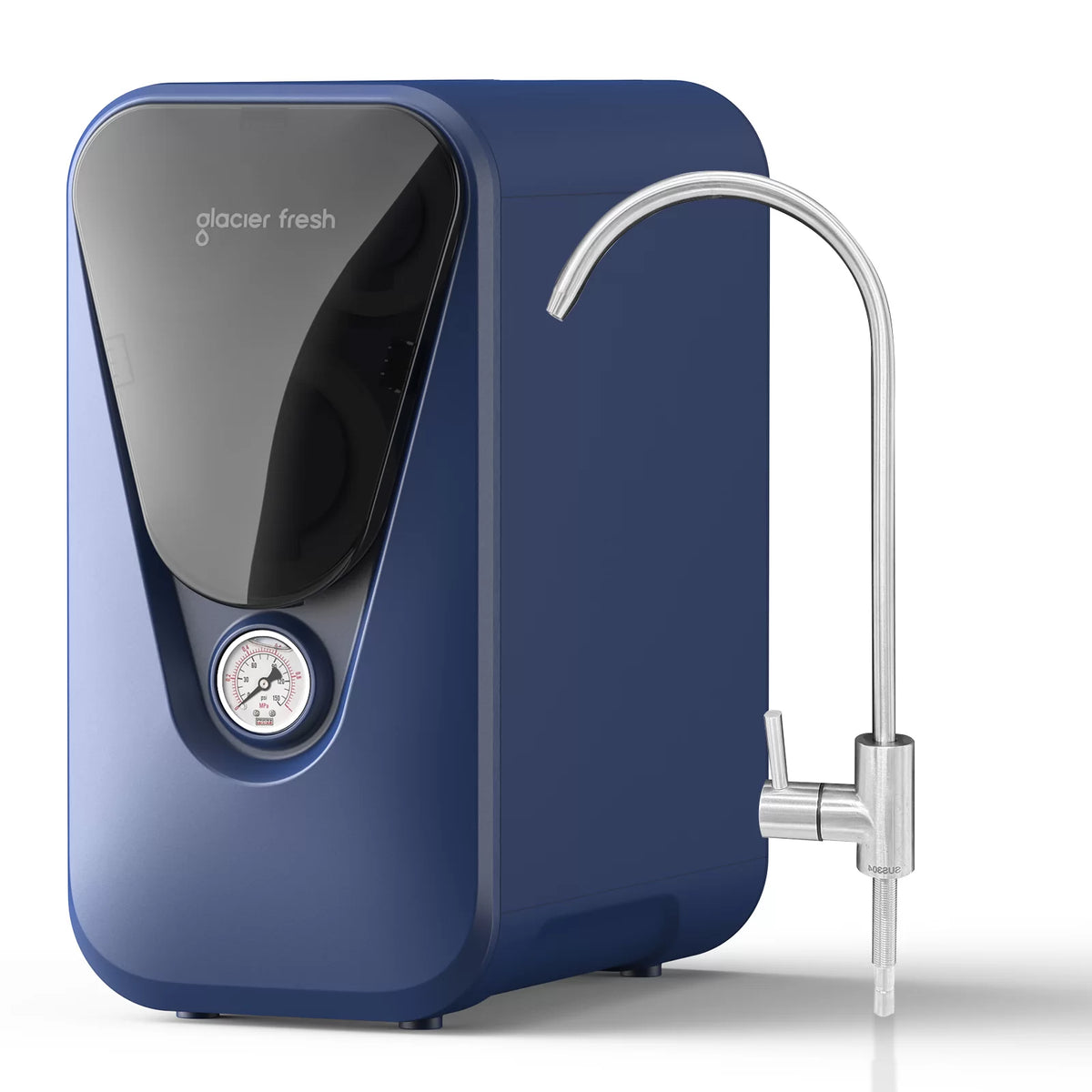
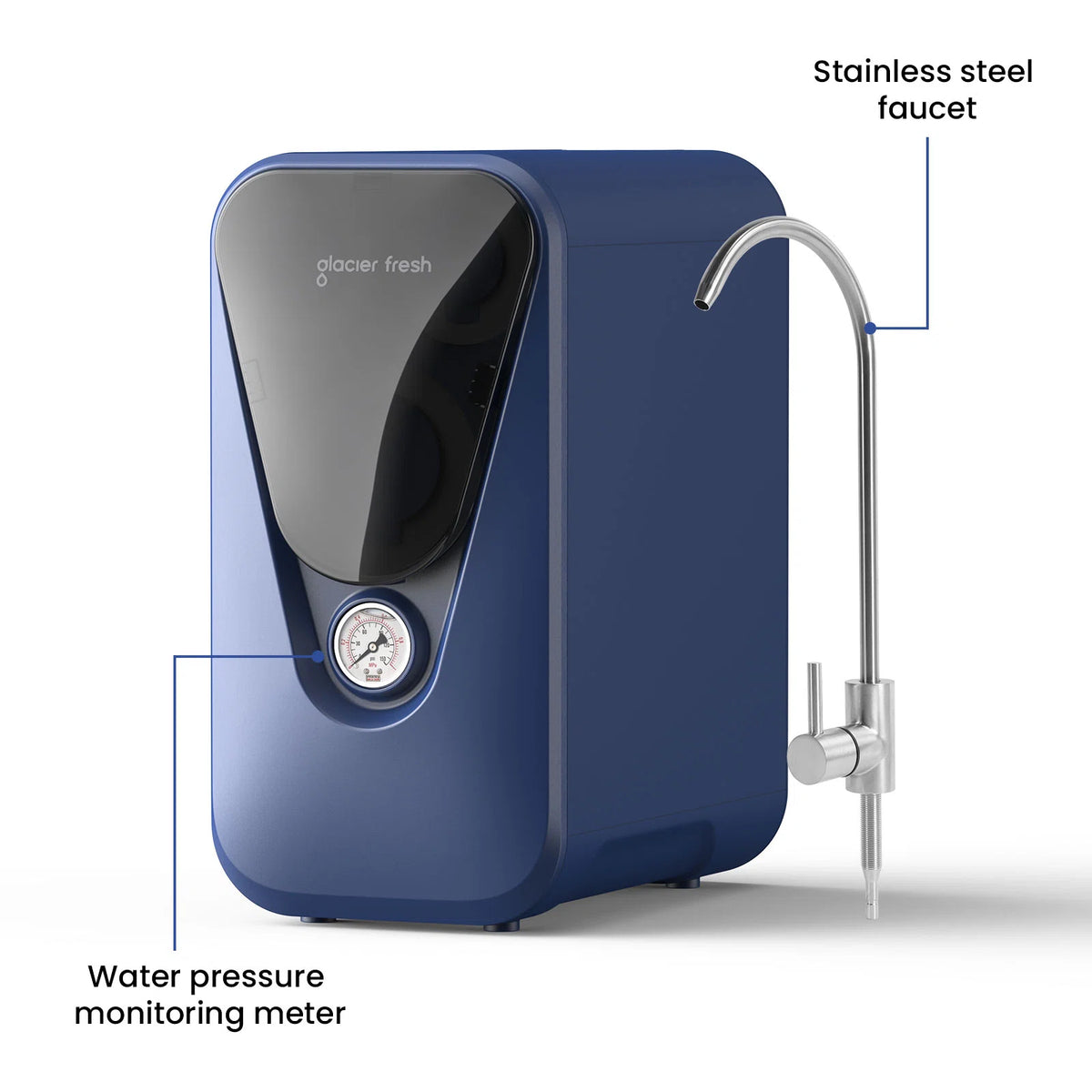
GlacierFresh U03 800GPD Undersink Reverse Osmosis System (Top Pick)

The GlacierFresh U03 is a high-capacity, tankless system built for modern kitchens that require fast access to filtered water.
Here’s how its key features translate into actual use:
-
NSF/ANSI 58 SGS certified, which means the contaminant reduction claims have been independently tested and verified, rather than relying on brand claims
-
800 GPD capacity, so you can run multiple taps or fill pots quickly without waiting for water to filter
-
Tankless design, which avoids stored water sitting in a tank where bacteria can build up over time
-
0.0001-micron filtration, small enough to remove dissolved contaminants like heavy metals and PFAS that basic filters miss
-
Up to 99.99% contaminant reduction, supporting safer drinking water when local supply quality is uncertain
-
3:1 wastewater ratio, which uses less water compared to older systems that waste significantly more
-
Non-electric operation, useful in kitchens where you want fewer components or during power outages
In daily use, this means you get filtered water in about six seconds without planning ahead. It fits well in busy kitchens where people are cooking, filling bottles, and using water throughout the day without delays.
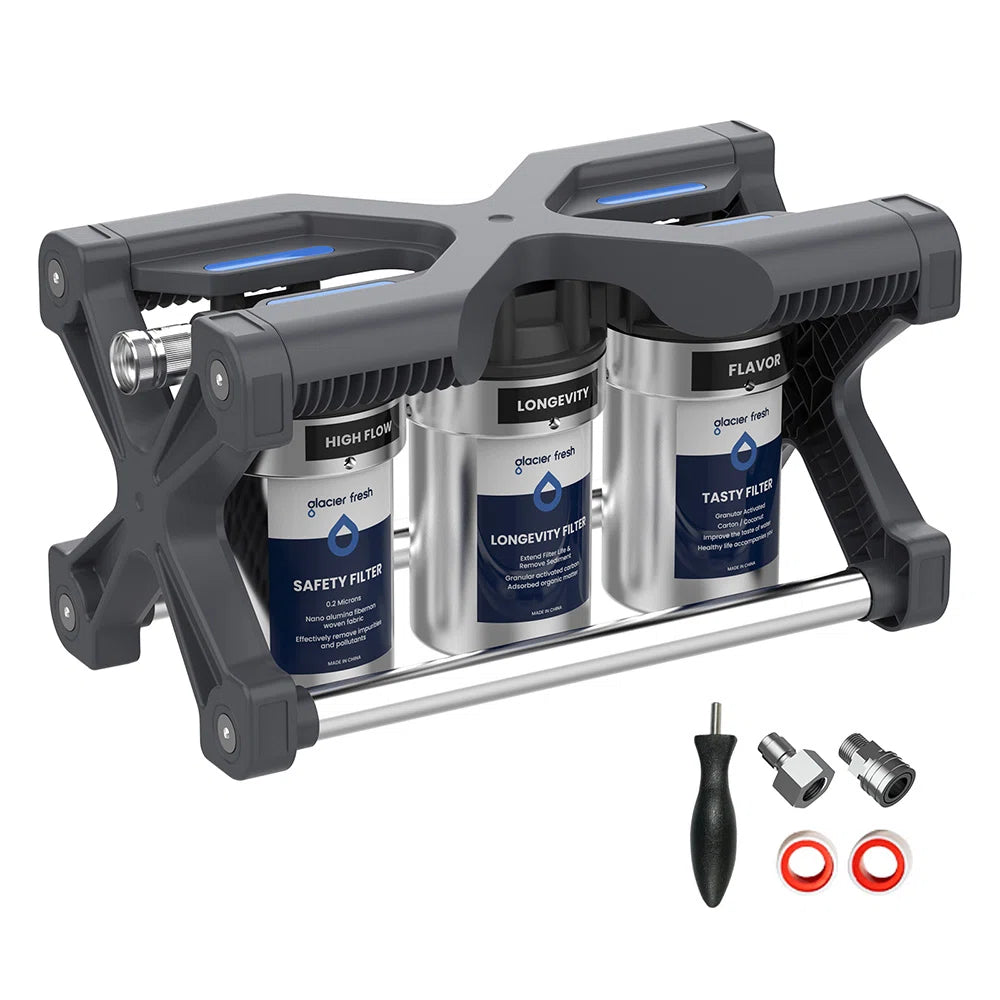
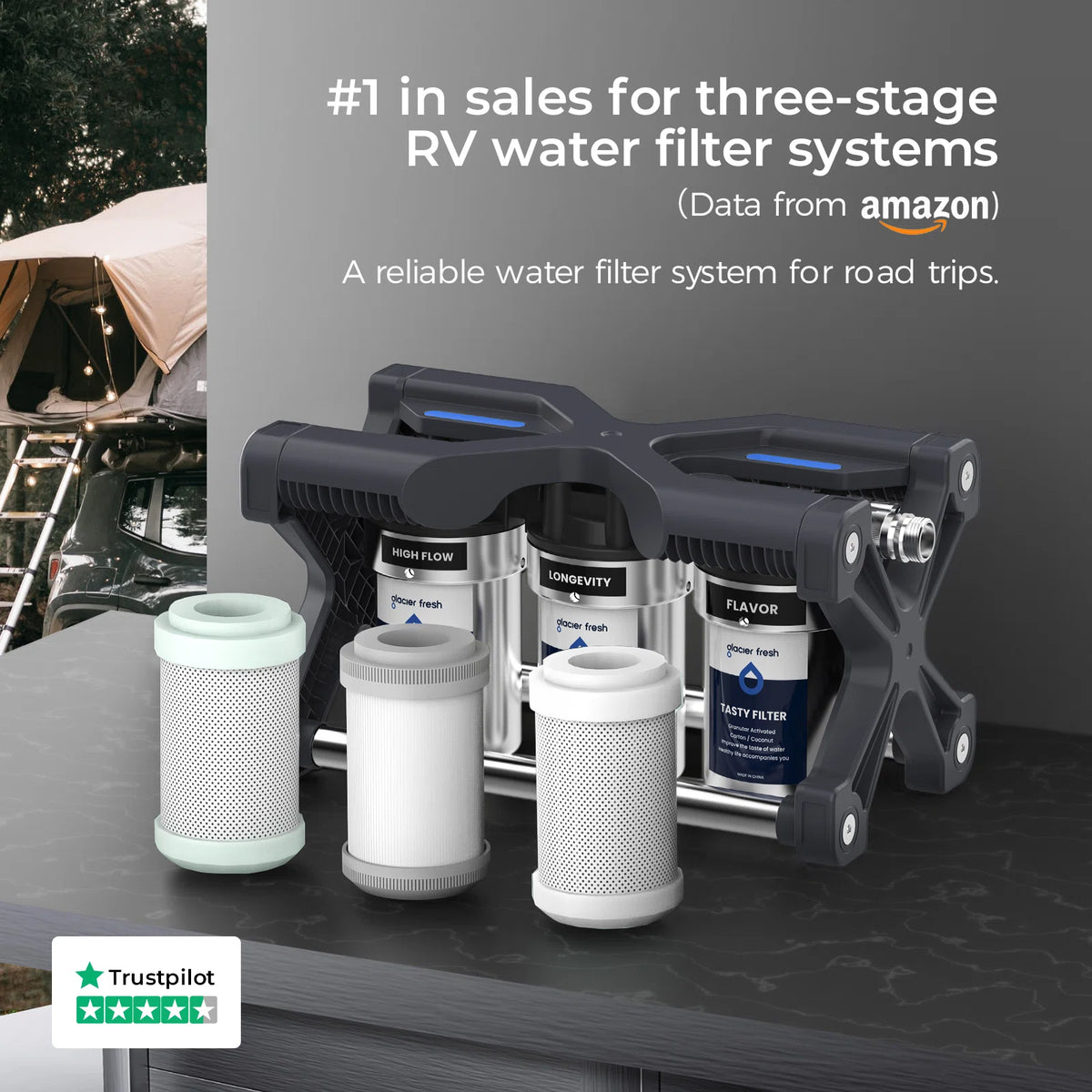
GlacierFresh RV Reverse Osmosis System (Best Portable RO System)

This portable system is designed for mobility and flexible installation scenarios.
What this means when you’re on the road or setting it up in a small space:
-
NSF/ANSI 58 certified, confirming that filtration performance and material safety have been independently verified
-
3-in-1 filtration cartridge, which simplifies maintenance since you replace a single unit instead of multiple filters
-
Removes bacteria, viruses, PFAS, and heavy metals, making it suitable for uncertain water sources often found during travel
-
Compact, portable design, so it can be moved easily between RVs, cabins, or boats without permanent installation
It works well for RVs, boats, cabins, and off-grid setups. If you travel frequently or need a system that can be moved easily, this type of unit provides consistent filtration without permanent installation.
How Reverse Osmosis Systems Work
Reverse osmosis systems use a semi-permeable membrane with pores as small as 0.0001 microns. This allows water molecules to pass through while blocking most dissolved contaminants.
A typical system includes several stages:
-
Sediment filter to capture larger particles
-
Carbon filter to remove chlorine and organic compounds
-
RO membrane for dissolved solids and contaminants
-
Post-carbon filter for final taste adjustment
These systems can remove between 95% and 99% of many dissolved substances, depending on water conditions and system design.
Key Reverse Osmosis Components That Affect System Performance
Certain components directly influence efficiency, water pressure, and waste levels.
Reverse Osmosis Permeate Pump Systems
A permeate pump is used in tank-based systems to improve overall performance.
Benefits include:
-
Improved water pressure at the faucet
-
Reduced wastewater during operation
-
Faster tank refill rates
They are particularly useful in homes with lower water pressure or when using larger capacity systems.
Reverse Osmosis System Flow Restrictors
Flow restrictors help maintain proper pressure across the RO membrane. As for what are the best types of flow restrictors for RO systems, common options include capillary flow restrictors, inline flow restrictors, and automatic flush restrictors.
These components influence the water recovery ratio, membrane lifespan, and overall wastewater output. Choosing the correct type helps maintain consistent system performance over time.
Choosing the Right NSF Certified Reverse Osmosis System
Selecting the right system depends on your household needs, space, and water usage.
Tank vs Tankless RO Systems
Tank systems store filtered water for later use, while tankless systems filter water on demand.
Tank systems are generally lower in upfront cost but may take up more space and require periodic sanitation. Tankless systems provide faster flow and reduce storage-related contamination risks, though they may cost more initially.
Capacity (GPD Rating)
Capacity is measured in gallons per day (GPD).
-
50 to 100 GPD works for basic household use
-
400 to 800 GPD suits larger households or high water demand
Higher capacity systems are common in newer tankless designs.
Wastewater Ratio
Older systems often produce three gallons of wastewater for every gallon of filtered water. Newer systems improve this ratio significantly, which reduces overall water waste.
Installation Type
Installation varies depending on available space and intended use.
-
Under-sink systems for permanent home installation
-
Countertop systems for easy setup
-
Portable systems for travel or temporary use
Which RO Tank Valves Are Most Reliable and Easy to Install?
Different valve types affect both usability and long-term reliability.
Common options include:
-
Standard RO tank shutoff valves
-
Ball valve tank connectors
-
Quick-connect valves
When selecting a valve, check compatibility with tubing size, ensure proper sealing to prevent leaks, and consider how easy it is to install or replace without specialized tools.
Maintenance Tips for NSF-Certified RO Systems
Routine maintenance helps maintain filtration performance and system lifespan.
-
Replace filters according to manufacturer schedules
-
Flush the RO membrane periodically
-
Monitor water pressure for consistency
-
Inspect valves and flow restrictors for wear
FAQs
What is the best certified reverse osmosis system?
The best system depends on your needs. High-capacity tankless models work well for families, while portable units suit travel. Look for NSF-certified reverse osmosis systems with verified performance and capacity that matches daily use.
Can I trust NSF-certified water filters?
Yes. NSF certification involves independent testing to verify contaminant reduction, material safety, and product claims. It ensures the filter performs as stated and meets strict safety requirements for drinking water use.
What is the healthiest filter for tap water?
Reverse osmosis systems are among the most effective options. They remove a wide range of contaminants, including heavy metals and PFAS, while improving taste and overall water quality for daily consumption.
Which is better, RO or UV?
RO systems remove dissolved contaminants, while UV systems disinfect by killing microorganisms. They serve different purposes. Many households choose RO when chemical contaminants are the primary concern.
What is the most reliable water purifier brand?
Reliable brands typically provide certified systems, clear specifications, and consistent filter performance. Look for NSF-certified products with transparent testing data and support for replacement filters.
Conclusion
Water quality concerns such as PFAS contamination have made certified filtration systems more relevant for many households. Reverse osmosis systems that meet NSF standards provide verified performance, material safety, and clear labeling.
GlacierFresh offers systems that fit both fixed kitchen installations and portable use cases, which makes it easier to match a system to your specific living setup.