


Table of Contents:
The importance of water filtration in daily life
Exploring ancient practices for water purification
Methods of choosing between ancient and modern water purification
DIY low-cost filtration inspired by ancient methods
Ancient vs. modern filtration: efficiency, cost, scalability, and safety
Modern applications of ancient water filtration techniques
Harnessing water wisdom for today`s needs
FAQs
Conclusion
The importance of water filtration in daily life
 Safe water is not only about clarity or taste; it is a daily health decision shaped by source quality, household habits, and the contaminants that may be present. A reliable water filtration system can reduce exposure to sediment, chlorine taste, certain metals, and microorganisms when the technology is matched to the actual water problem. One of the practical advantages of water filters is that they make safer drinking water easier to access at home, while also reducing reliance on single-use plastic bottles.
People often ask, is water filter good for health when tap water already looks clean. The answer depends on what is in the water. Filtration can support better taste and odor control, and the right system may reduce specific contaminants linked to waterborne diseases. Still, no single filter solves every issue. Households should check local water reports, test private wells, and choose systems based on certified reduction claims rather than appearance alone.
Portable filtration systems are also useful for travel, RV use, and emergency storage. For daily drinking, the most reliable filter benefits come from matching the filter media to the source water: activated carbon for taste and many organic compounds, ultrafiltration for fine particles and some microbes, reverse osmosis for dissolved solids and many metals, and UV for microbial inactivation when water is otherwise clear.
Exploring ancient practices for water purification
Ancient purification methods developed from direct observation, local materials, and repeated community experience. They remain valuable because they are low-cost, repairable, and culturally familiar, but they should be used with a realistic understanding of what they can and cannot remove. In modern water safety planning, these techniques are best viewed as first-line or supportive treatment steps, not guaranteed protection against every contaminant.
Hydromancy: The ancient practice of divining water`s purity

Ancient civilizations practiced hydromancy, a method of observing water to judge whether it appeared suitable for drinking, bathing, or irrigation. In practice, people assessed clarity, taste, smell, sediment, bubbles, and changes in surface movement. These observations helped communities avoid visibly polluted sources, but they could not detect invisible pathogens, dissolved metals, nitrates, or industrial chemicals.
The modern lesson is useful: source selection still matters. Clear, cold, moving water is often safer than stagnant water, but visual inspection should be paired with boiling, filtration, disinfection, or laboratory testing before drinking. This is one of the most important filtered water facts for households relying on wells, rivers, rainwater, or stored water.
Sun water: Harnessing the power of the sun for purification

Sun-based purification can refer to solar distillation or solar disinfection. Solar distillation evaporates water and condenses the vapor, leaving many salts, sediments, and metals behind, but it is slow and produces limited volume. Solar disinfection, often called SODIS, uses sunlight in clear containers to reduce microbial risk when water is low in turbidity and receives enough direct sunlight.
This method, known as sun purification, is most practical in sunny climates and emergency settings. It is less suitable for cloudy regions, highly turbid water, chemical contamination, or large household volumes. Pre-filtering through cloth or sand before solar exposure can improve performance, but water should still be tested or treated further when the source may contain heavy metals, pesticides, PFAS, or sewage contamination.
The role of chemical processes in ancient water purification
Chemical processes also shaped ancient water treatment. People used settling, mineral contact, plant materials, charcoal, alum-like coagulants, and oxidation through aeration to improve water appearance and taste. These approaches can reduce suspended particles and some odor-causing compounds, but performance varies widely by material quality, contact time, water temperature, and maintenance.
Charcoal can adsorb some organic compounds and improve taste, but ordinary campfire charcoal is not the same as engineered activated carbon. Clay vessels can cool water and remove some particles through porous walls, yet cracks, biofilm growth, and poor cleaning can create new contamination risks. The benefits of drinking filtered water are strongest when the filter is clean, correctly sized, and used with safe storage practices.
Methods of choosing between ancient and modern water purification
The right method should be selected from the water source backward. River water usually needs sediment removal and disinfection; rainwater often needs first-flush control and safe storage; groundwater may require testing for arsenic, lead, nitrates, hardness, or dissolved minerals. Climate also matters: solar methods need strong sunlight, clay systems perform differently in humid areas, and sand filters can clog quickly when source water carries heavy silt.
| Decision factor | When ancient methods may fit | When modern filtration is safer |
| Local water quality | Low turbidity rainwater, visibly clear spring water, or emergency pre-treatment before disinfection. | Known chemical contamination, heavy metals, PFAS, high salinity, sewage risk, or private wells without recent testing. |
| Resources and maintenance | Sand, gravel, clay, charcoal, sunlight, and trained users are available; cleaning can be done regularly. | Users need consistent performance, certified contaminant reduction, fast flow, or low-maintenance daily use. |
| Cost constraints | Short-term emergency use, small homes, rural communities, or educational projects. | Long-term drinking water needs where health risks justify certified RO, ultrafiltration, activated carbon, or UV. |
| Intended use | Washing, irrigation, emergency non-potable use, or pre-filtering before boiling/disinfection. | Drinking, infant formula, cooking, medical needs, RV travel, apartments with unknown pipes, or high-risk users. |
DIY low-cost filtration inspired by ancient methods
A homemade system should be treated as a learning tool or pre-filter unless its output is tested. For drinking water, pair it with boiling, UV, or a certified filter when possible. A basic biosand-style setup can reduce turbidity and some microbes through physical trapping and a biological layer, while clay pot filtration can slow water through porous ceramic material. Neither should be trusted for lead, arsenic, PFAS, pesticides, or dissolved salts without additional treatment.
Step 1: Use a clean food-grade bucket or container with a covered outlet. Step 2: Add washed gravel at the bottom, then coarse sand, then fine washed sand; keep layers level and avoid dirty construction sand. Step 3: Pour water slowly and discard the first several batches until the filter runs clearer. Step 4: Let the biological layer mature for one to three weeks if building a biosand filter. Step 5: Clean only the top layer gently when flow slows, and keep the outlet, lid, and storage container sanitized. For a clay pot version, use a purpose-made porous ceramic pot, keep it covered, scrub the outside gently, and replace it if cracks appear.
Ancient vs. modern filtration: efficiency, cost, scalability, and safety
Comparison should be practical rather than nostalgic. Ancient methods can be affordable and resilient, but modern filtration technologies offer more predictable performance when contaminant reduction is verified. The table below summarizes typical trade-offs; actual results depend on source water, design quality, maintenance, and third-party testing.
| Method | Typical strength | Weakness / pitfall | Cost & scalability | Best mitigation |
| Boiling | Strong microbial reduction when done correctly. | Does not remove metals, salts, PFAS, or many chemicals; fuel demand can be high. | Low device cost; hard to scale where fuel is scarce. | Pre-filter turbid water; store boiled water in clean covered containers. |
| Slow sand / biosand | Reduces turbidity and many microbes after biological layer matures. | Poor chemical removal; clogging; performance drops if disturbed. | Low to moderate cost; good household/community potential. | Use washed media; protect from recontamination; test output periodically. |
| Clay pot filtration | Low-energy particle reduction and simple household use. | Breakage, slow flow, variable pore size, limited dissolved contaminant removal. | Low cost; scalable through local ceramic production. | Use tested ceramic filters; clean safely; replace cracked pots. |
| Solar disinfection / distillation | Useful in sunny regions; distillation can reduce salts and many metals. | Slow, weather-dependent, limited volume; weak for turbid water. | Very low cost; limited household throughput. | Pre-filter cloudy water; use clear containers; allow enough sun exposure. |
| Activated carbon | Improves taste/odor; reduces many organic compounds depending on design. | Not a stand-alone pathogen barrier; media exhaustion is invisible. | Moderate cost; easy household scaling. | Replace cartridges on schedule; pair with sediment or membrane filtration. |
| RO / ultrafiltration / UV | More predictable contaminant or microbial control when properly specified. | Higher upfront cost; membranes/lamps need maintenance; RO produces wastewater. | Moderate to high cost; strong for homes, RVs, and high-risk sources. | Match technology to test results; follow maintenance schedule. |
Modern applications of ancient water filtration techniques
 Modern engineers still borrow from traditional filtration: layered media, gravity flow, charcoal adsorption, ceramic pores, and sunlight-based disinfection. The difference is measurement. Today, successful systems are designed around particle size, contact time, flow rate, contaminant chemistry, and verified reduction claims. This is why ancient methods can inspire design, while modern testing determines health safety.
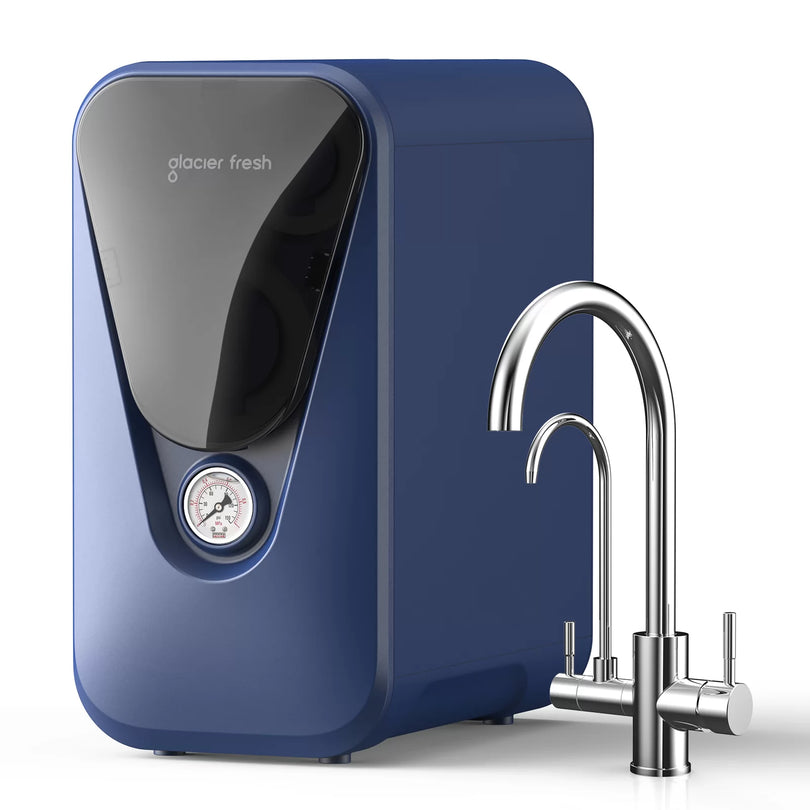
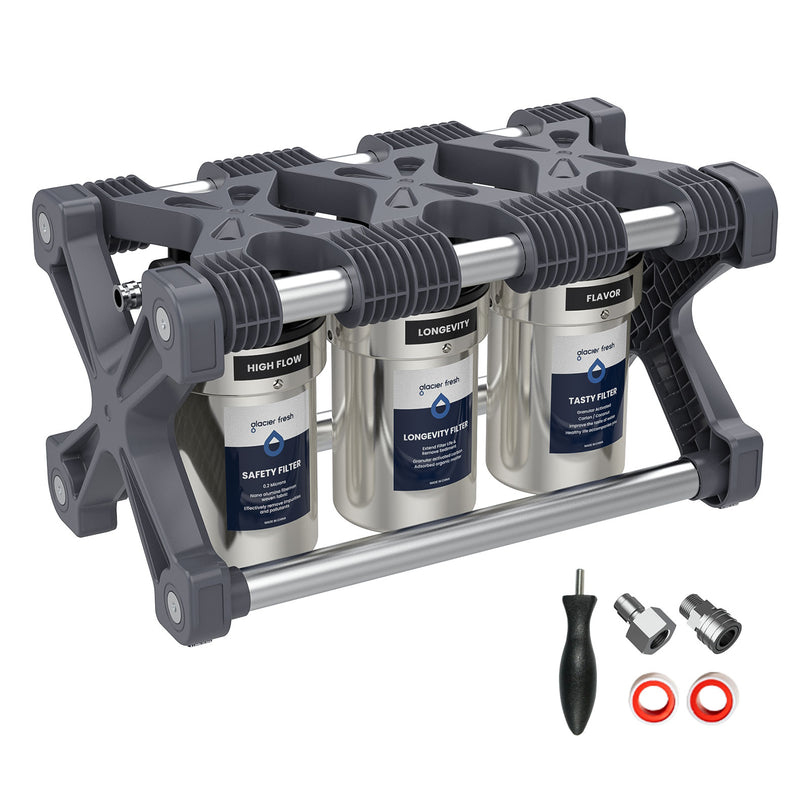
For households, blending old and new approaches often works best. A sediment pre-filter can protect a carbon block or membrane; a gravity system can serve as backup when power fails; an RV setup can combine sediment, carbon, RO, and safe storage for changing water sources. For users who want compact under-sink treatment, the Ultra Filtration Under Sink Filter System-U06 is one practical example of modern filtration built for everyday household use.
Harnessing water wisdom for today`s needs
 By adapting ancient water purification techniques with modern safeguards, communities can improve resilience without romanticizing risk. In areas facing water scarcity, traditional methods such as sand filtration, charcoal contact, and clay storage may support safer water access when materials and training are available. However, drinking-water systems should still be guided by source testing, sanitary handling, and clear maintenance responsibilities.
For apartments, homes, and travel, the strongest approach is usually layered protection: source awareness, pre-filtration, targeted contaminant reduction, and clean storage. A traveler or camper may need an RV Reverse Osmosis System when water sources change often, while households comparing technologies can review Multi-Stage Water Filters to understand how sediment, carbon, membrane, and polishing stages work together.
FAQs
What are the most effective natural filtration materials for water purification?
Washed sand, gravel, ceramic clay, charcoal, and certain plant-based media are common natural materials. Sand and gravel mainly remove suspended particles; ceramic clay can physically strain some microorganisms; charcoal can improve taste and adsorb some organic compounds. None of these should be assumed to remove dissolved heavy metals, PFAS, pesticides, nitrates, or salts unless tested.
What are the advantages of using slow sand filters over other filtration methods?
Slow sand filters are valued because they use local materials, operate without electricity, and can support a biological layer that improves microbial reduction. They are especially useful for communities with steady water demand and trained maintenance. Their disadvantages are slow flow, startup time, clogging, and limited chemical contaminant removal.
How does a biosand filter work to purify water, and what maintenance is required?
A biosand filter passes water through layers of fine sand, coarse sand, and gravel. Over time, a living biological layer forms near the top and helps reduce pathogens while the sand traps particles. Maintenance includes keeping the filter covered, using clean influent containers, avoiding disturbance of the sand bed, cleaning the top layer gently when flow slows, and testing water quality when the filter is used for drinking.
How do ancient filtration methods compare in removing heavy metals?
Most ancient methods are weak for heavy metals. Boiling does not remove lead or arsenic and can concentrate some dissolved contaminants as water evaporates. Sand and clay may reduce particle-bound metals but are unreliable for dissolved metals. For lead, arsenic, and similar risks, use lab testing and a certified technology such as RO or another verified reduction system.
Can I build my own biosand filter at home, and can it be combined with solar disinfection?
Yes, a home biosand-style filter can be built for education or emergency pre-treatment if clean materials and safe construction practices are used. It can be combined with solar disinfection after filtering, especially when water is clear enough for sunlight penetration. For regular drinking water, however, homemade systems should not replace certified treatment without water testing.
Conclusion
Ancient purification techniques remain relevant because they are practical, low-resource, and rooted in careful observation. Their value is strongest when they are used honestly: good for reducing particles, improving taste, supporting emergency treatment, and inspiring sustainable design, but not a universal solution for modern chemical or microbial risks. The safest path is to combine traditional wisdom with tested filtration, correct maintenance, and clean water storage.
Related Reading
- What Is Ultra Filtration and How It Works in the Glacier Fresh U06 System
- Reverse Osmosis, Nanofiber, Ultrafiltration: Which One Is Right for You?
- The Truth About PFAS in Your Tap Water: How to Remove It