
Table of Contents:
The current state: why bottled water became a problem
The impacts: bottled water vs filtered water
The solution: practical alternatives to bottled water
The checklist of reducing plastic use
Join the Glacier Fresh`s environmental-friendly movement
FAQs
Conclusion
The current state: why bottled water became a problem
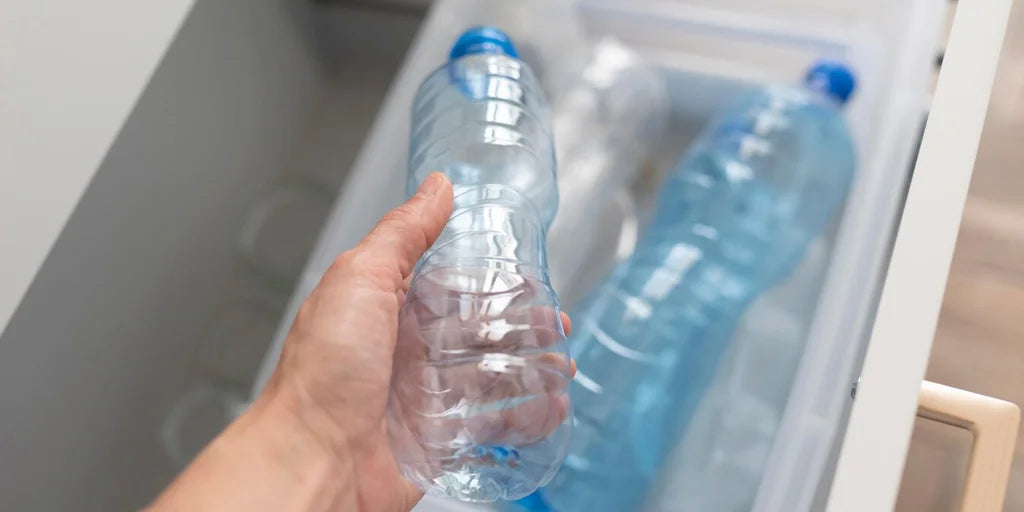
Bottled water is often marketed as pure, portable, and premium, but the convenience depends on single-use packaging, long supply chains, and repeated purchases. A clearer view of the issue starts with three areas: plastic waste, health-related exposure concerns, and the cumulative cost of replacing tap water with packaged water every day.
The environmental impact of bottled water
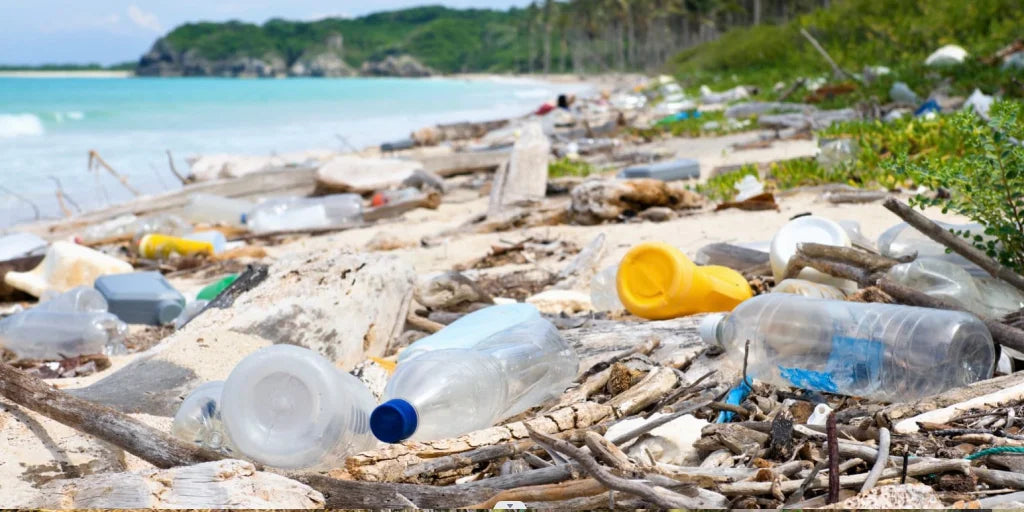
Bottled water consumption contributes to environmental degradation through production, shipping, and disposal. The volume of plastic waste generated from single-use water bottles can burden landfills, waterways, and marine ecosystems. Replacing disposable bottles with filtered tap water helps reduce packaging demand and makes daily hydration easier to align with sustainability goals.
Health risks associated with single-use plastic bottles
Microplastic contamination is one reason many households are rethinking bottled water. Over time, plastic materials may break down into small particles, and some bottles may also raise concerns about chemical exposure such as BPA, depending on material type and storage conditions. The practical response is not fear; it is source control: drink from safer containers, filter tap water when needed, and avoid exposing bottles to heat for long periods.
The high cost of bottled water

The cost of saying 'No' to bottled water becomes clearer when you compare one-time filtration equipment and reusable containers with daily or weekly purchases. A family that buys multipacks can spend far more over a year than it would on a basic filtration setup, especially when convenience purchases, delivery fees, and recycling limitations are included.
The impacts: bottled water vs filtered water
 Bottled water is convenient in emergencies or travel, but filtered water is usually the stronger daily option for cost control, plastic reduction, and reliable access at home or work.
|
Factor |
Bottled Water |
Filtered Water |
Best Use Case |
Takeaway |
|
Cost |
Recurring purchases, higher long-term cost |
Filter replacement cost, lower cost per gallon |
Daily home hydration |
Filtered water wins for routine use |
|
Environmental impact |
Disposable plastic water bottles increase packaging waste |
Lower packaging impact when paired with refillable containers |
Households and offices reducing waste |
Filtered water supports a reduce-plastic strategy |
|
Convenience |
Portable but requires storage and restocking |
Always available when a filter or dispenser is installed |
Homes, apartments, gyms, and offices |
Choose based on access and refill habits |
|
Water quality |
Depends on brand, source, storage, and bottling |
Depends on source water and filter technology |
Homes seeking better taste and odor control |
Match the filter to local water concerns |
The solution: practical alternatives to bottled water

The best bottled-water alternative is not one product; it is a repeatable routine. Use a filter suited to your water source, carry a durable reusable bottle, and make refill access easy at home, in the office, and during short trips.
Filtered water systems
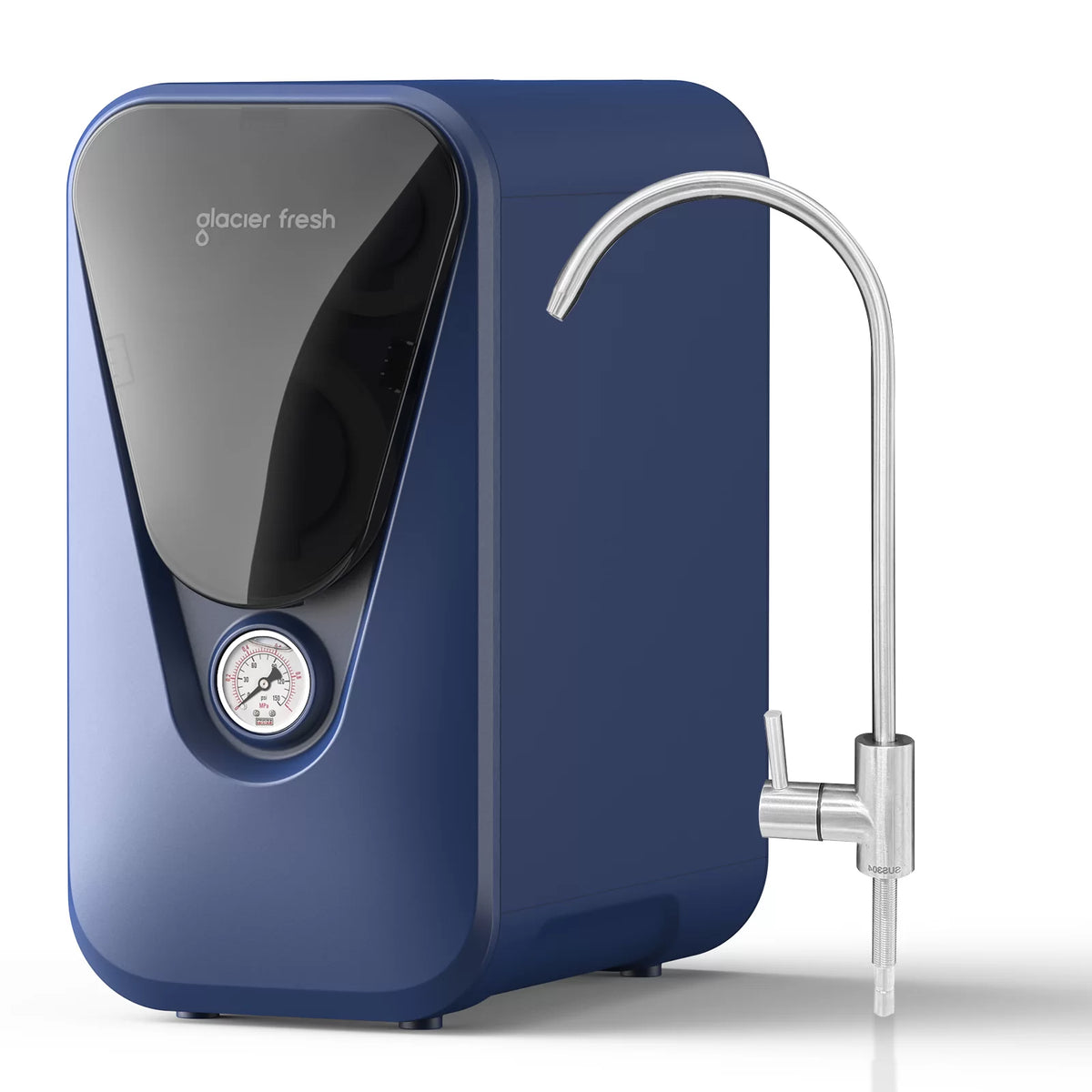
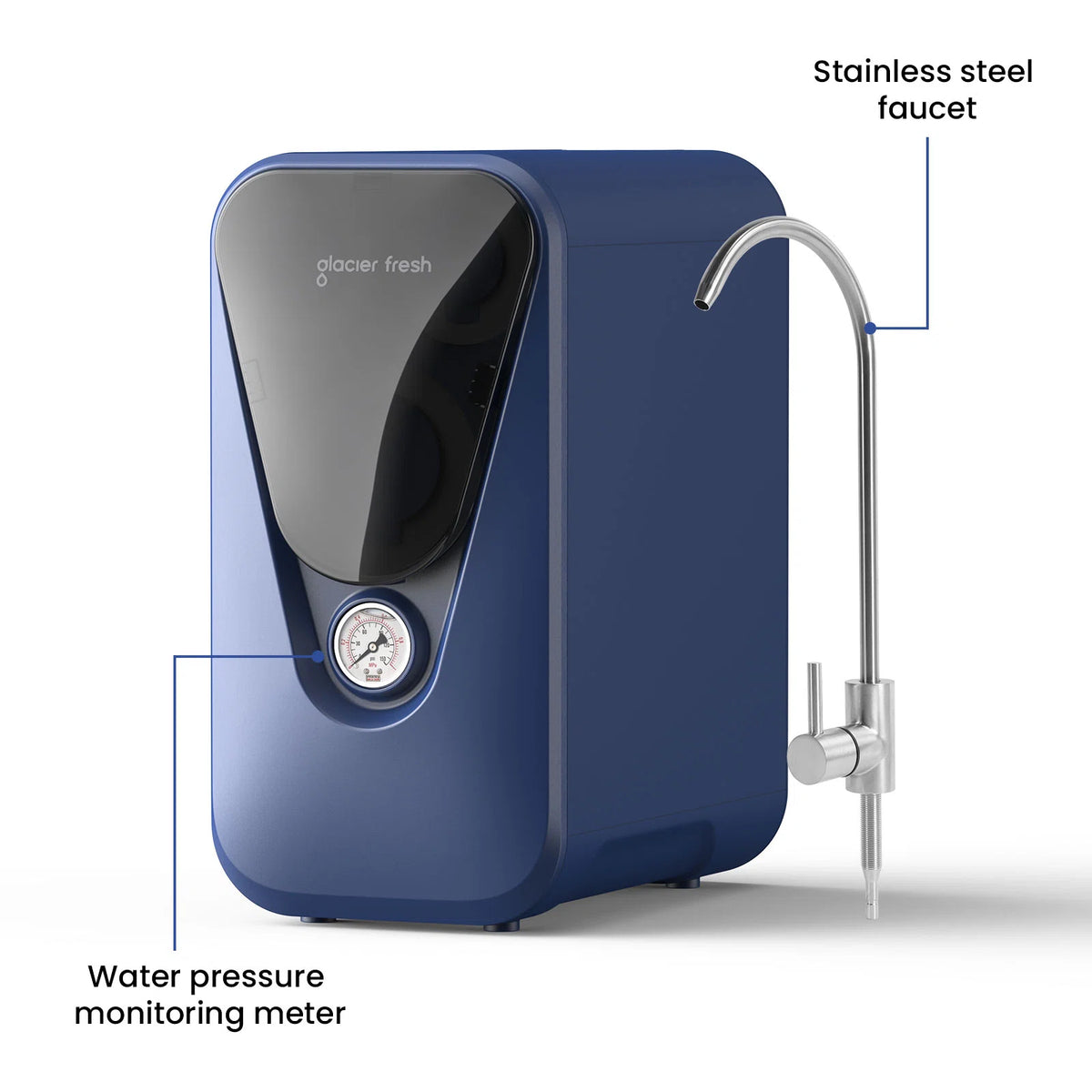
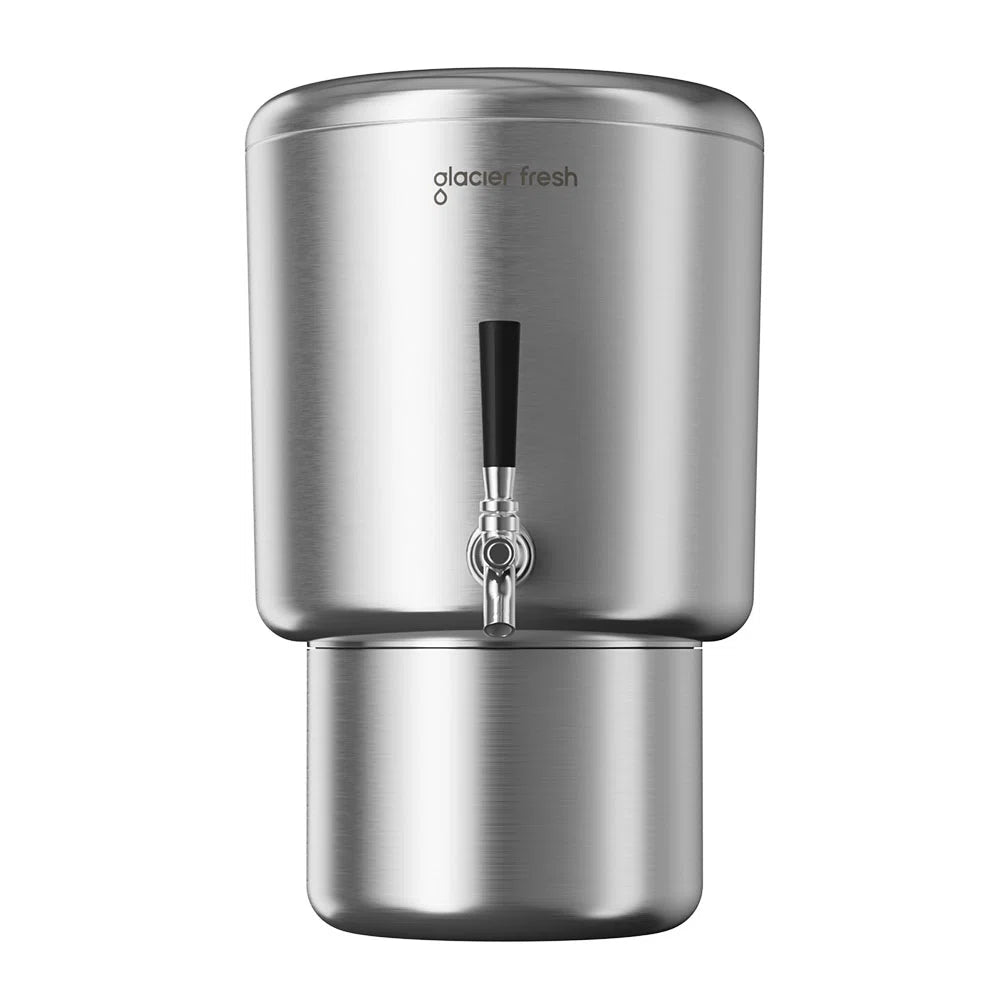
A home filtration system can turn tap water into a dependable bottled-water alternative. Options range from the Glacier Fresh water pitcher filters, countertop dispensers, and whole-home systems. The best choice depends on your water source, kitchen space, budget, and whether your top concern is taste, sediment, chlorine, heavy metals, or multi-stage contaminant reduction.
Reusable water bottles
A durable reusable bottle makes filtered water portable. Choose a glass water bottle if you prioritize taste neutrality and home or desk use; choose a stainless steel water bottle if you need insulation, impact resistance, and everyday commuting durability. For kids, lunch bags, or short errands, small water bottles can be practical as long as they are refilled rather than discarded.
Tap water with filtration
Filtered tap water is one of the simplest alternatives because it uses existing plumbing and reduces dependence on packaged water. Filters can target common taste and odor concerns such as chlorine taste, odor, while keeping water easy to access for cooking, coffee, tea, and daily drinking.
Infused water options
If plain water feels boring, infused water can help make filtered water more appealing without relying on sweetened drinks or packaged bottles. Citrus, cucumber, mint, berries, and ginger are easy add-ins that support flavor variety while keeping hydration simple.
Water dispensers and stations
For families and offices, a dispenser or refill station can make filtered water visible and convenient. This is especially useful in shared kitchens, gyms, schools, and workplaces where people are more likely to drink water when refilling is quick and nearby.
The checklist of reducing plastic use
Use this checklist as a practical action block for households, offices, and anyone trying to reduce bottled-water dependence:
- Replace multipack bottled water with a countertop, faucet, pitcher, or under-sink filtration option.
- Keep one reusable bottle at home, one at work, and one in your travel bag if needed.
- Use metal water bottles for commuting, hiking, gym use, or daily carry when durability matters.
- Refill before leaving home instead of buying single-use bottles during errands.
- Set up a filtered water dispenser in office kitchens or shared family areas.
- Choose minimal-packaging hydration products only when plain filtered water is not enough.
- Recycle filters and packaging where programs are available, and avoid unnecessary single-use purchases.
Join the Glacier Fresh`s environmental-friendly movement
The Glacier Fresh movement is about making lower-waste hydration easier to repeat. Instead of framing sustainability as one big lifestyle change, start with a small daily switch: drink filtered water, refill your bottle, and encourage your household or workplace to make refill access simple.
Replacing plastic water bottles with filtration and reusable containers is a practical way to reduce waste without sacrificing convenience. A visible refill routine also helps people build healthier hydration habits because clean water is always within reach.
FAQs
Are there any sustainable packaging options for bottled water?
Yes, but they should be considered a backup rather than the default. Refillable containers, larger returnable jugs, and recyclable packaging can reduce waste, yet filtered tap water in a reusable bottle usually creates less packaging demand for everyday drinking.
How can individuals reduce plastic consumption beyond just using reusable bottles?
Start with the places where single-use plastic appears most often: bottled drinks, shopping bags, takeout utensils, and overpackaged household products. A glass water bottle at home, a durable commuter bottle, reusable bags, and refill stations can reduce daily plastic use without making the routine difficult.
Which countertop water filters are recommended for improving bottled-water alternatives at home?
Countertop gravity systems, countertop cold-water dispensers, and faucet-mounted filters are practical options. The best choice depends on whether you need high capacity, cold drinking water, compact apartment-friendly setup, or targeted taste and odor improvement.
What are the best alternatives to bottled water for office kitchens?
For offices, compare a filtered dispenser, under-sink filtration, countertop filtration, and delivery service. Dispensers and filters usually win for lower packaging and easier refills, while delivery may work for temporary sites where plumbing access is limited.
How should I choose between glass, stainless steel, and other reusable bottles?
Choose glass for clean taste at home or at your desk, stainless steel for insulation and durability, and lightweight BPA-free options for kids or sports bags. Cute designs can help people carry bottles more often, but the most sustainable bottle is the one you will actually reuse.
Conclusion
Bottled water may be convenient, but its repeated cost, packaging waste, and potential exposure concerns make it a poor everyday default. A better routine is simple: filter the water you already have, refill a durable bottle, and make clean water easy to access at home, work, and on the go. When households and offices switch from disposable bottles to filtration, the environmental benefit becomes part of everyday hydration rather than a separate project.
Recommended related reading
For renters or compact kitchens, explore water filters for apartments and renters to find low-installation alternatives to bottled water.
For higher-capacity home or office hydration, review the Coolon cold water dispenser as a practical refill-station option.
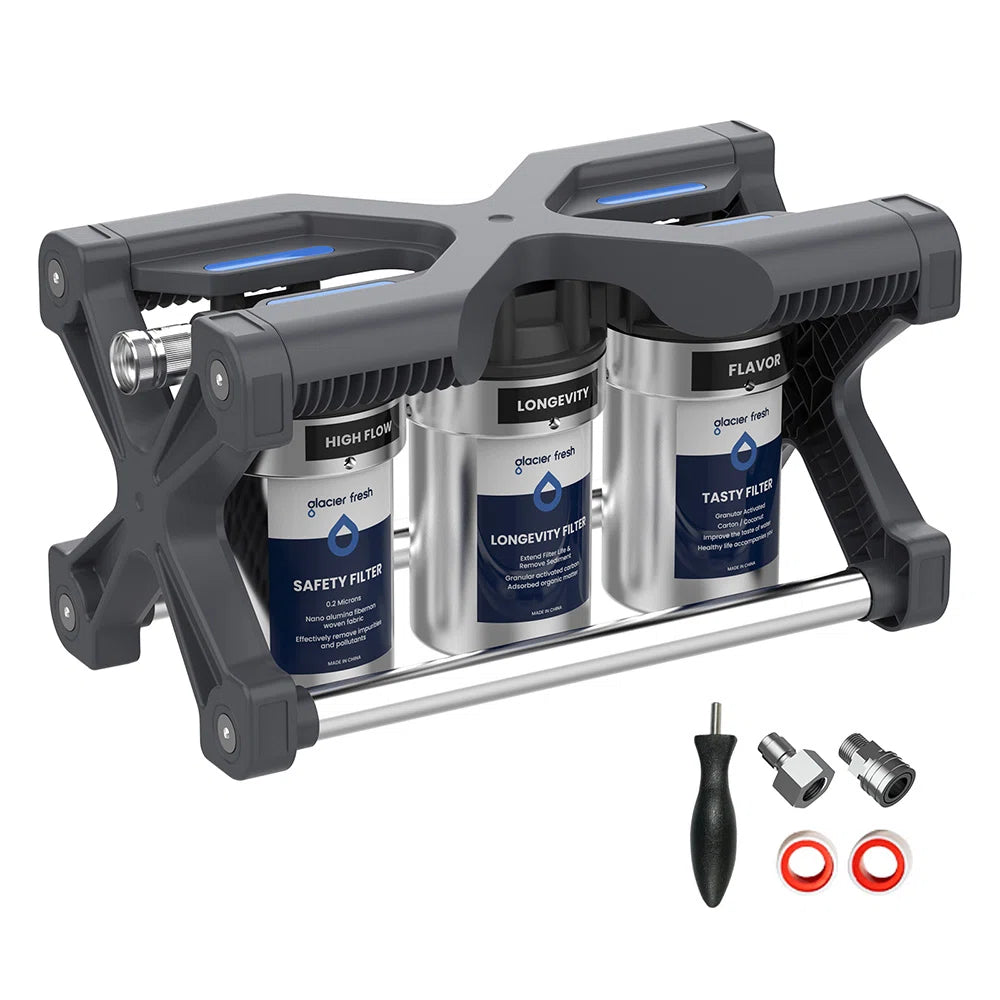
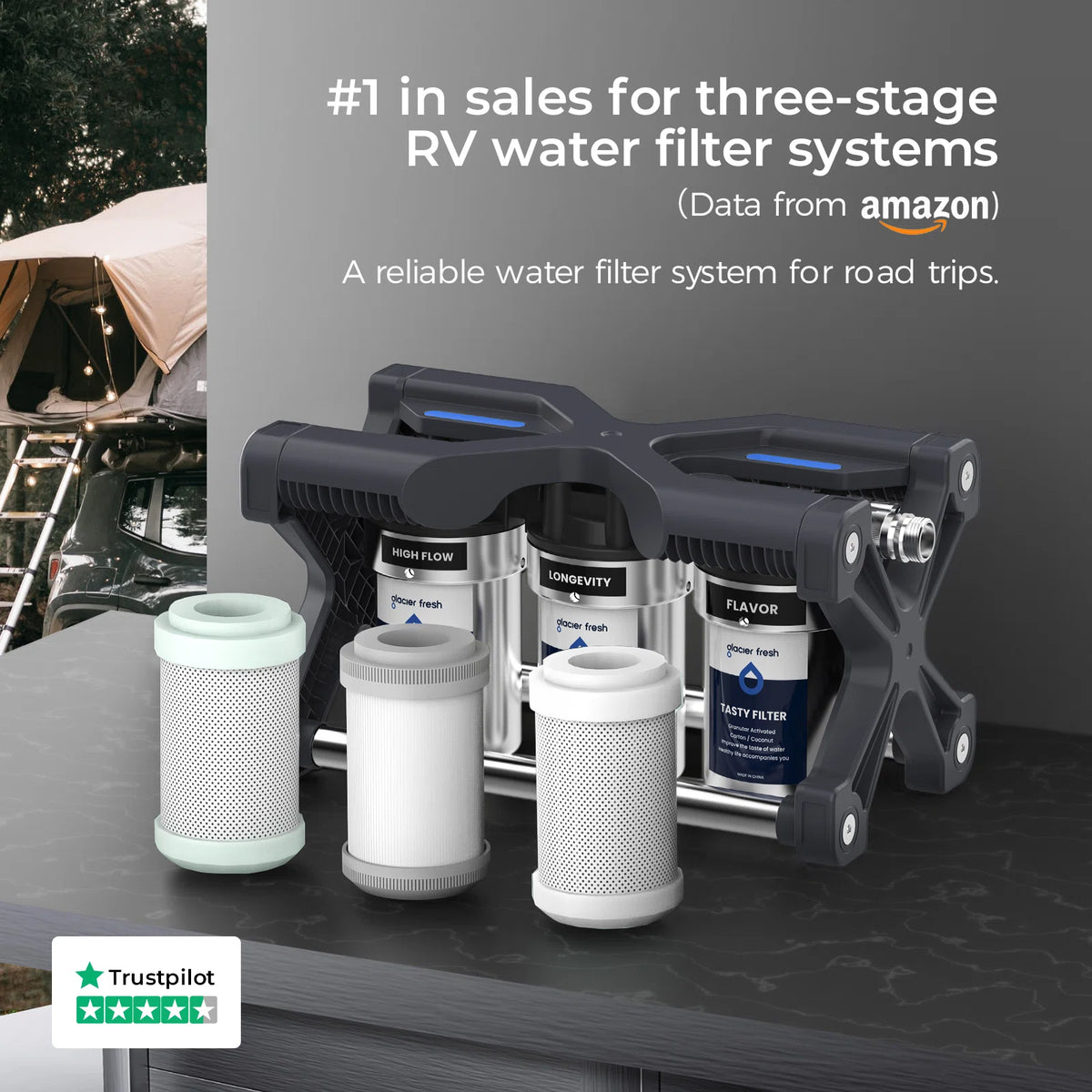
For households comparing filtration technologies, this guide to multi-stage water filters explains how layered filtration can support better-tasting daily water.