
Table of Contents:
What is greywater?
Different sources of greywater in the home
Differences between greywater and blackwater
Health risks associated with greywater
When DIY checks are enough and when lab testing is enough
Benefits of greywater recycling
Best practices for repurposing and reusing greywater at home
FAQs
Conclusion
What is greywater?
 Greywater is lightly used water from household activities such as bathing, handwashing, laundry, and some dishwashing. It usually contains soap residue, skin cells, lint, grease, and small amounts of organic matter, but it does not include toilet waste. Because it may still contain microbes or chemicals, greywater should be treated and reused only for non-potable purposes.
The safest approach is to separate greywater from drinking water lines, avoid long-term storage, and match the reuse method to the water source. For example, grey water from shower is often easier to reuse for landscape watering than greasy kitchen sink water because it generally carries fewer food particles and oils.
A basic home system may include a diverter valve, a lint or sediment screen, a mulch basin, and a clear overflow route. More advanced systems may add settling tanks, cartridge filtration, or disinfection depending on the use case and local rules.
Different sources of greywater in the home
Before designing a reuse plan, identify where greywater is produced and how “clean” each source is. Not every source is equally suitable: bathroom sink and shower water are usually lower risk, while kitchen and dishwasher water may contain fats, food waste, and harsh detergents.
| Source | Typical Contents | Best Reuse | Caution |
| Bathroom sinks | Soap, toothpaste residue, skin oils | Ornamental plants, toilet flushing (after treatment) | Avoid water with strong cleaners or disinfectants |
| Showers and tubs | Soap, shampoo, skin cells | Mulch basins, trees, shrubs, lawns | Use biodegradable soaps; avoid direct contact with edible leaves |
| Laundry | Detergent, lint, soil, fabric residues | Landscape irrigation | Do not reuse water from diapers, oily rags, or bleach-heavy loads |
| Kitchen sinks / dishwashers | Grease, food scraps, detergent | Usually avoid or require advanced treatment | Higher clogging and odor risk; local codes may restrict use |
If you are collecting grey water for the first time, start with one low-risk source such as a shower or laundry line, then expand only after you understand your local code, soil drainage, and maintenance needs.
Differences between greywater and blackwater
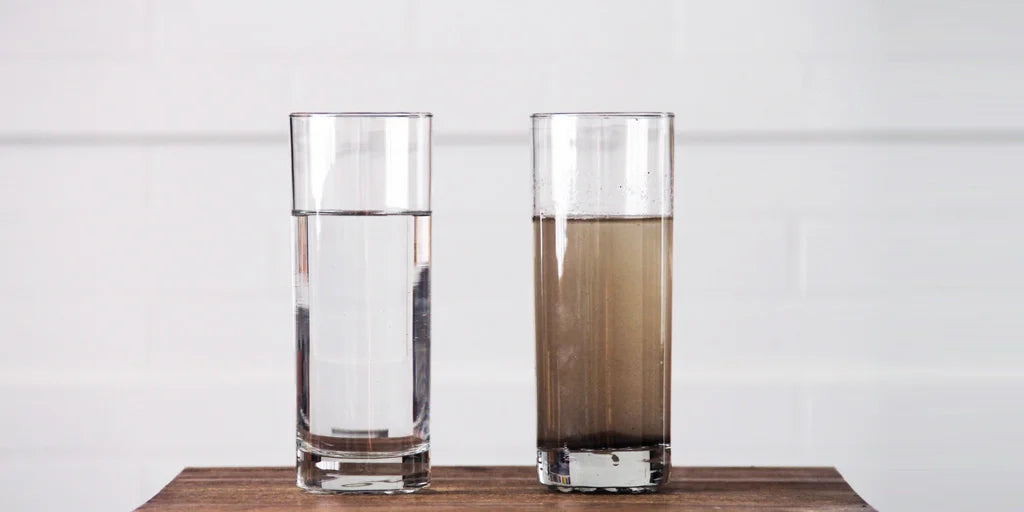
When considering repurposing and reusing water at home, it is essential to identify the various sources of greywater that can be utilized for sustainable practices. Greywater can be sourced from different areas within your home, providing opportunities for conservation and eco-friendly habits.
Here are some key differences between greywater and blackwater:
- Water Quality: Greywater is relatively clean and can be treated easily for reuse, while blackwater contains pathogens and requires advanced treatment processes.
- Environmental Impact: Greywater reuse reduces freshwater consumption and lessens the burden on sewage systems, promoting sustainability. Blackwater, if not treated properly, can pollute water sources and harm ecosystems.
- Treatment Methods: Greywater usually undergoes simple filtration and disinfection processes, whereas blackwater treatment involves complex systems to remove harmful substances.
- Irrigation Systems: Greywater is often used for irrigation in gardens or flushing toilets, while blackwater reuse for irrigation is less common due to health concerns.
- Regulatory Standards: Greywater regulations are generally less stringent compared to blackwater, reflecting the different levels of contaminants present in each type of wastewater.
Health risks associated with greywater
Greywater can look harmless, but it may carry bacteria, viruses, detergents, salts, oils, or residues from personal care products. The risk increases when greywater is stored too long, sprayed into the air, used on edible leaves, or allowed to pool where children and pets can contact it.
To reduce risk, use subsurface or mulch-basin irrigation rather than sprinklers, avoid runoff onto sidewalks or neighboring properties, and never connect greywater pipes to potable plumbing. Untreated greywater should generally be used the same day instead of being stored for long periods.
For homes using grey water disposal systems, the disposal route should include overflow protection to the sewer or septic system, a labeled shutoff valve, and a maintenance point where filters or screens can be cleaned without exposing users to stagnant water.
When DIY checks are enough and when lab testing is enough
Testing helps homeowners decide whether reused water is suitable for a planned application. A simple visual and odor check may be enough for low-risk landscape use, but lab testing is important when greywater will be used near edible gardens, when a private well is involved, or when results are inconsistent.
Greywater testing and next-step framework
| Situation | DIY Check | Lab Test | Typical Cost / Effort | Next Step |
| Shower or laundry water for ornamentals | Odor, turbidity, pH strip, detergent check | Usually not required unless required by code | Low | Use same day; filter lint and sediment |
| Edible garden nearby | pH and salt screening | Recommended for bacteria or nitrate concerns | Medium | Use subsurface irrigation only; avoid leaves and root crops |
| Private well or rural property | Basic pH, hardness, nitrate strips | Recommended for bacteria, nitrates, arsenic, PFAS if suspected | Medium to high | Test source water first; treat before reuse planning |
| Borderline or conflicting results | Repeat with clean container and fresh strips | Recommended if two tests disagree | Medium | Do not expand reuse until confirmed |
Borderline results should be treated conservatively. For example, if a nitrate strip appears close to the limit, repeat the test with a clean sample bottle and a fresh strip, then confirm through a certified lab if the water source is a well or if edible crops are involved. DIY kits are useful for screening pH, hardness, and some visible quality issues, but they are not dependable for viruses, many bacteria, PFAS, microplastics, or pharmaceuticals.
Regional risks matter. Older Northeast cities may have lead-service-line concerns, rural Midwest properties may face agricultural nitrate runoff, and wildfire-prone areas may experience ash or chemical runoff after storms. In these cases, a local water quality report, county extension office, or state-certified lab can help prioritize tests before a greywater reuse system is expanded.
Benefits of greywater recycling
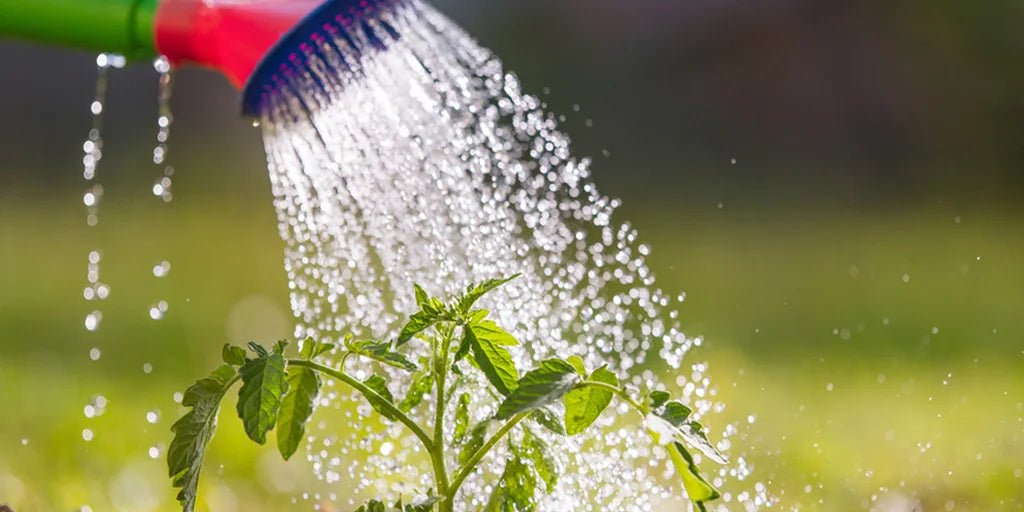
To maximize the efficiency of water usage at home, exploring the benefits of greywater recycling can lead to sustainable and cost-effective solutions. Greywater recycling offers various advantages for a more environmentally conscious and economically beneficial lifestyle. Here are some key benefits:
- Environmental impact: By reusing greywater for non-potable purposes such as toilet flushing or garden irrigation, you can significantly reduce the strain on freshwater resources and lessen the burden on wastewater treatment facilities.
- Cost savings: Utilizing greywater can lower water bills by decreasing the freshwater needed for activities like watering the garden or cleaning outdoor spaces.
- Water conservation: Recycling greywater helps conserve precious freshwater resources by repurposing water that would otherwise go to waste.
- Sustainable living: Embracing greywater recycling aligns with a sustainable lifestyle by reducing water wastage and promoting eco-friendly practices.
- Irrigation benefits: Greywater, when appropriately treated, provides a nutrient-rich water source for plants, promoting healthier growth and reducing the need for chemical fertilizers.
Best practices for repurposing and reusing greywater at home
A safe greywater system should be simple enough to maintain, clearly separated from drinking water, and designed around real household habits. The following steps help homeowners move from small-scale reuse to a more reliable system.
Greywater sources and collection
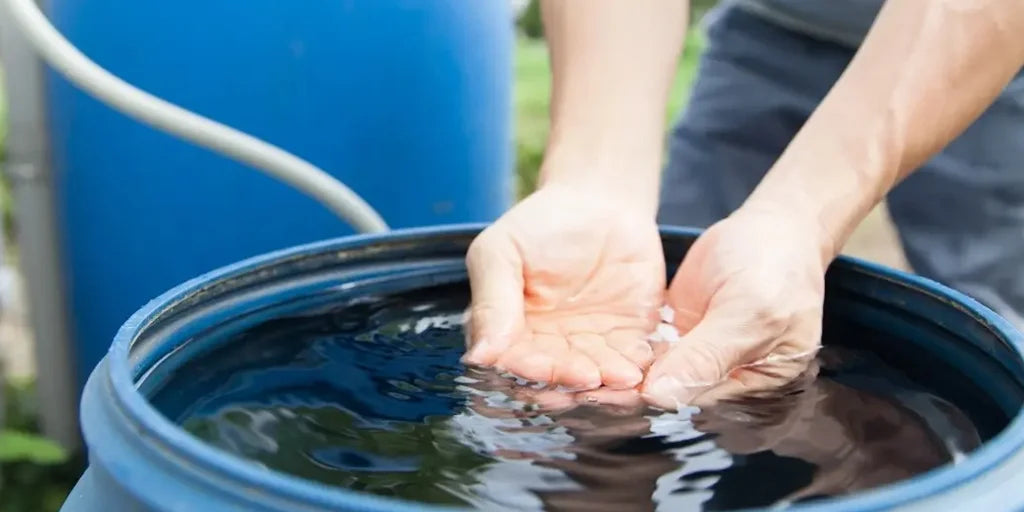
Start by choosing a source that is predictable and low risk. A laundry-to-landscape setup or shower diverter is usually more manageable than collecting kitchen water. Label valves clearly, keep an overflow route in place, and make sure anyone in the household knows when to switch the system back to sewer or septic discharge.
When collecting grey water, use covered containers only for temporary handling, never allow standing water to become stagnant, and avoid mixing in bleach, solvents, paint, drain cleaners, or water from washing contaminated materials.
Treatment methods for greywater
Treatment should match the intended use. A simple screen or sediment filter can remove lint and particles before irrigation. A sand or mulch filter can reduce suspended solids. More advanced systems may use cartridge filtration, constructed wetlands, or disinfection for higher-risk applications.
For microbial control, UV light or chlorine may be used in specialized systems, but disinfection should not create a false sense of safety. If bacteria, viruses, or unknown contaminants are a concern, professional lab testing and local code guidance are the better next step.
Are there eco-friendly and cost-effective greywater filtration options? Yes: mulch basins, washable sediment screens, and gravity-fed sand filters can work for outdoor reuse when paired with biodegradable soaps and routine cleaning. For higher-risk water, do not rely on a basic filter alone.
Safe storage and distribution systems
Greywater storage should be short-term. Use treated greywater quickly, keep tanks covered, and protect all openings from insects and debris. Distribution lines should be separate from potable water lines and clearly labeled to prevent cross-connection.
Well-designed grey water disposal systems include a bypass valve, a cleanout point, and an emergency overflow path. These details make it easier to handle system clogs, heavy rain, winter shutdowns, or times when household cleaning products make the water unsuitable for reuse.
Greywater reuse for outdoor landscaping
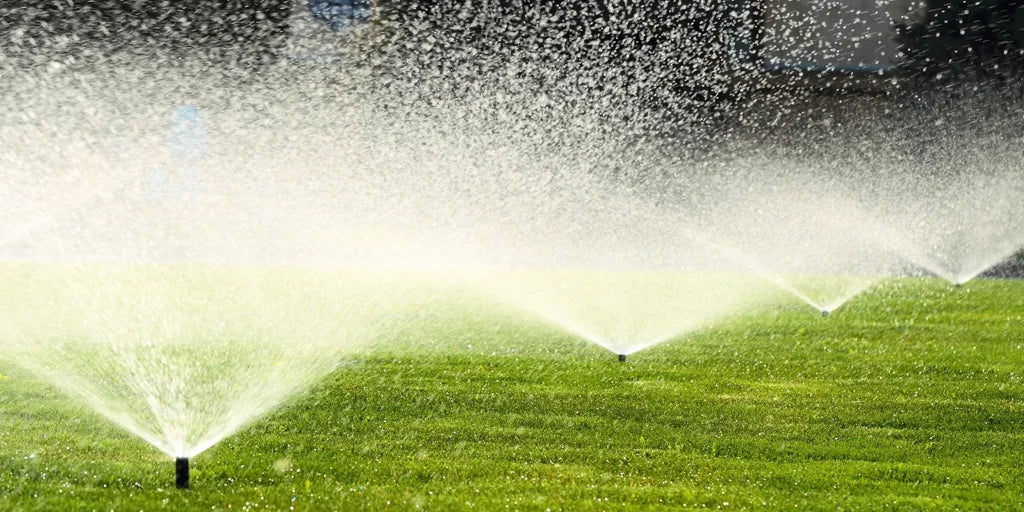
Outdoor reuse is one of the most practical applications for greywater. Direct water to trees, shrubs, and ornamental beds rather than leafy vegetables or root crops. Use drip-style subsurface delivery, mulch basins, or soil infiltration rather than overhead sprinklers.
How can I set up a DIY greywater filtration system for my garden? Begin with a diverter valve, a lint or sediment screen, a mulch basin around established plants, and a bypass to sewer or septic. Test soil drainage first, keep water away from building foundations, and confirm local rules before permanent installation.
If your main goal is grey water irrigation, choose salt-tolerant landscape plants and use plant-friendly, low-sodium, biodegradable soaps. Avoid using greywater on seedlings, acid-sensitive plants, or any area where runoff can enter storm drains.
Maintenance tips for greywater systems
Maintenance prevents clogs, odors, and unsafe reuse. Clean lint screens every one to two weeks during active use, inspect valves monthly, flush distribution lines seasonally, and check mulch basins after heavy rain or high laundry volume. In cold climates, drain exposed lines before freezing weather.
Monitor pH levels if greywater is used for irrigation, especially when soaps, detergents, or hard water vary by season. If plants show leaf burn, poor growth, or salt crusting on soil, pause reuse and switch to fresh water until the cause is identified.
If unusual odors, black slime, standing water, or repeated clogs appear, stop reuse immediately. Clean the system, check for trapped organic matter, confirm the water source, and consider professional help if problems return.
FAQs
How does greywater recycling help conserve water and reduce bills?
Greywater recycling reduces the amount of treated drinking water used for non-drinking tasks such as landscape watering and toilet flushing. Savings depend on local water rates, irrigation habits, and system cost, but even modest reuse can lower outdoor water demand during dry months.
Are there eco-friendly and cost-effective greywater filtration options?
Yes. Mulch basins, washable sediment screens, sand filters, and simple gravity-fed systems can be affordable options for outdoor reuse. The right choice depends on the source water, reuse location, soil drainage, and local code requirements.
How can I set up a DIY greywater filtration system for my garden?
Start small with a laundry or shower diverter, a lint screen, and mulch-basin irrigation for trees or ornamental plants. Use biodegradable soaps, avoid storage, keep a bypass to sewer or septic, and check local rules before making permanent plumbing changes.
What are the best filters for greywater systems to ensure clean water?
For basic landscape reuse, sediment screens and mulch or sand filtration are often enough to reduce solids and clogging. For bacteria, PFAS, microplastics, pharmaceuticals, or potable use, greywater should not be treated with a basic home filter; use professional testing and approved treatment systems.
What are the environmental impacts of black water versus grey water?
Greywater reuse can conserve freshwater and reduce wastewater load when managed safely. Blackwater carries higher pathogen risk and can pollute soil and water if mishandled, so it requires approved wastewater treatment rather than simple home reuse.
Conclusion
Repurposing greywater at home is practical when the system is simple, well-labeled, and matched to safe non-potable uses. Start with low-risk sources, avoid long storage, use plant-friendly products, and test when results are uncertain or the water source carries regional contamination risks.
The most successful systems are not necessarily the most complex. They are the ones homeowners can maintain consistently, shut off quickly when needed, and use in ways that protect people, pets, plants, and local waterways.
Related Reading
- Water Filters for RV & Camping: Portable Multi-Stage Filtration Systems
- Reverse Osmosis, Nanofiber, Ultrafiltration: Which One Is Right for You?
- The Truth About PFAS in Your Tap Water: How to Remove It