


Table of Contents:
Types of essential minerals in drinking water
Benefits of healthy minerals in drinking water
Health risks of essential mineral depletion
Mineral Retention Comparison: RO vs. UF vs. Tap vs. Spring Water
Choosing the right filtration system
Methods for preserving minerals in your filtered water
Which bottled waters are best for French press coffee based on mineral content?
FAQs
Conclusion
Types of essential minerals in drinking water

When it comes to the types of essential minerals in your drinking water, understanding their significance is critical. Water quality plays a vital role in determining the mineral content of your drinking water. The mineral absorption from water is an important source of essential minerals for the body. However, mineral deficiency can occur if the mineral content in the water is insufficient.
Essential minerals commonly found in quality drinking water include calcium, which supports bone strength and cardiovascular function; magnesium, which aids muscle relaxation and energy metabolism; potassium, which regulates blood pressure and fluid balance; sodium, which maintains nerve function; and bicarbonate, which helps buffer the body's pH levels. These minerals are not merely trace additions — they play foundational roles in daily physiological processes.
Benefits of healthy minerals in drinking water

Minerals in drinking water provide a range of health benefits that go beyond simple hydration. Calcium and magnesium in particular contribute to cardiovascular health, bone density, and muscle function. Research published in the European Journal of Epidemiology has found associations between hard water (naturally high in Ca and Mg) and reduced cardiovascular mortality rates. For those who frequently ask is remineralized water good for you, the evidence consistently suggests that yes — water with an adequate mineral profile supports overall health better than ultra-purified, mineral-stripped water.
Beyond cardiovascular benefits, magnesium-rich water may also support sleep quality and stress regulation. Potassium assists in maintaining electrolyte balance, especially important for physically active individuals. Even low concentrations of these minerals in water can supplement dietary intake meaningfully over time.
Health risks of essential mineral depletion

Consistently drinking low mineral water carries potential health implications that are often underappreciated. The World Health Organization (WHO) has raised concerns that long-term consumption of demineralized or low mineral content water may increase the risk of cardiovascular issues, muscle cramps, bone density loss, and electrolyte imbalances. When water lacks sufficient calcium and magnesium, the body may draw these minerals from bone and tissue reserves to compensate.
People who switch to reverse osmosis (RO) filtered water without remineralization are particularly at risk. For this reason, many health authorities recommend that drinking water should contain at least 25–50 mg/L of calcium and 10–30 mg/L of magnesium. The practice of drinking reverse osmosis water long term without mineral supplementation — through cartridges, drops, or a mineral-rich diet — warrants careful consideration.
Mineral Retention Comparison: RO vs. UF vs. Tap vs. Spring Water
The table below compares approximate mineral content across four common water types, helping you visualize the trade-offs between filtration thoroughness and mineral preservation.
|
Water Type |
Calcium (Ca) |
Magnesium (Mg) |
Potassium (K) |
Notes |
|
Tap Water |
20–80 mg/L |
5–30 mg/L |
1–10 mg/L |
Varies; may contain chlorine & impurities |
|
RO Water |
< 5 mg/L |
< 2 mg/L |
< 1 mg/L |
95%+ minerals removed; low mineral content water |
|
UF Water |
15–70 mg/L |
4–25 mg/L |
1–9 mg/L |
Preserves minerals; removes bacteria |
|
Mineral/Spring Water |
50–150 mg/L |
10–50 mg/L |
2–20 mg/L |
Naturally mineral-rich; bottled standard |
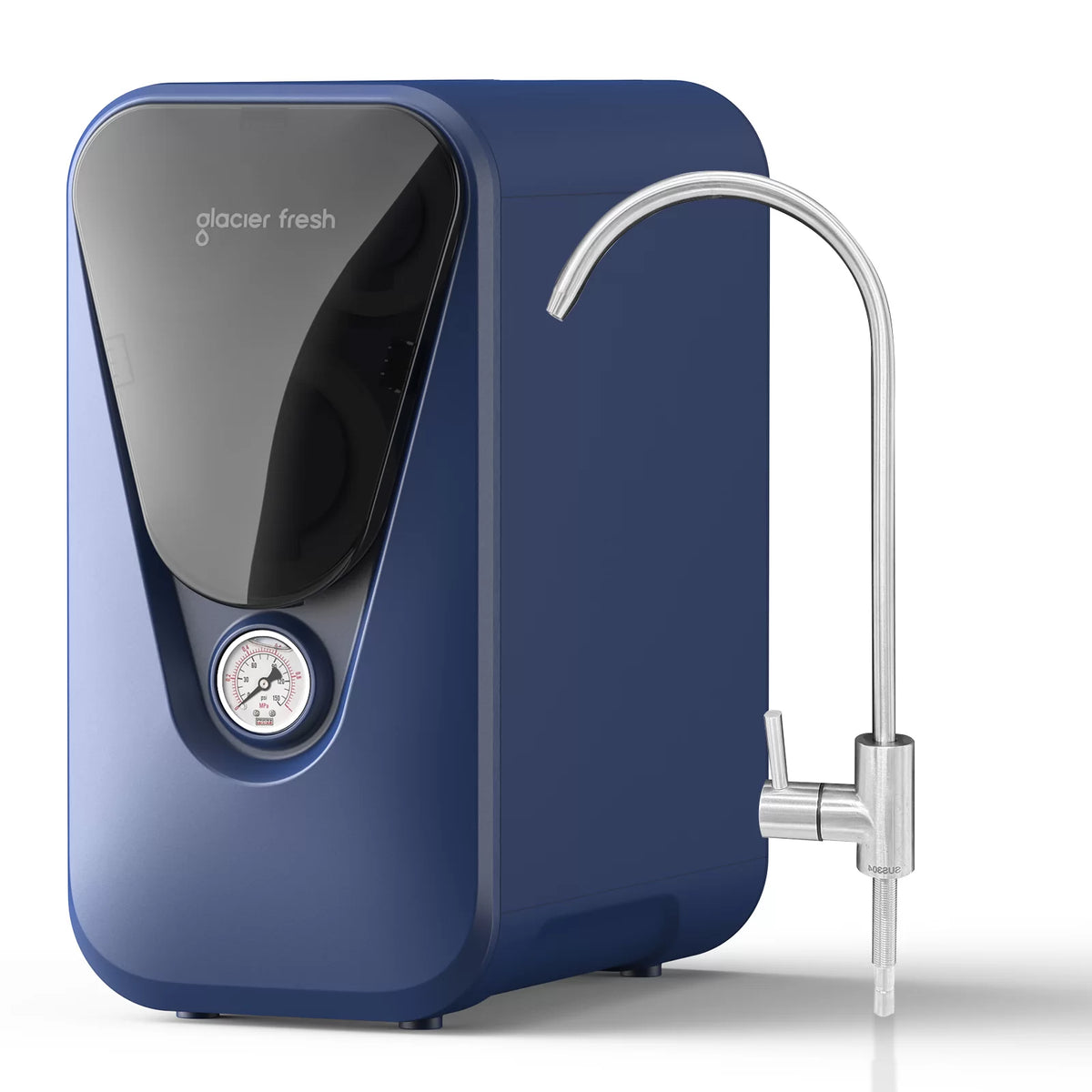
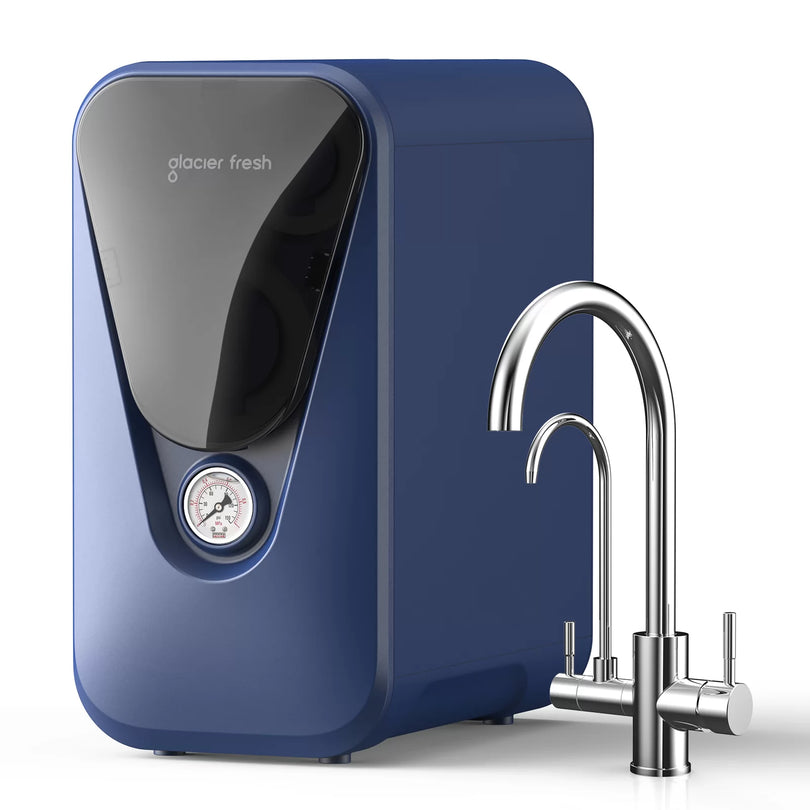
As the table demonstrates, RO systems excel at removing contaminants but sacrifice nearly all essential minerals in the process. UF systems, such as the Glacier Fresh U06 Under-Sink Ultra Filtration System, offer a compelling middle ground: removing bacteria, sediment, chlorine, and VOCs while preserving the Ca, Mg, and K your body needs. For those weighing their options, the comparison between RO, nanofiber, and ultrafiltration systems is an excellent starting point.
Choosing the right filtration system
Ensure optimal filtration by selecting the right system for preserving healthy minerals in your water. Choosing the right water filtration system is crucial in maintaining mineral retention and water quality. Here are three critical factors to consider when selecting a filtration system:
 1. Filtration methods
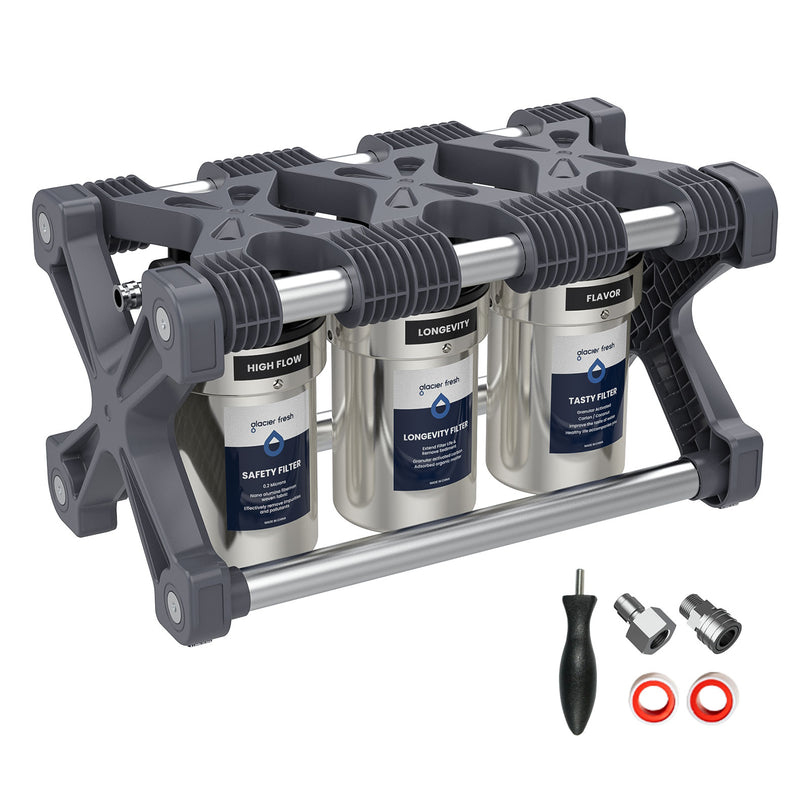
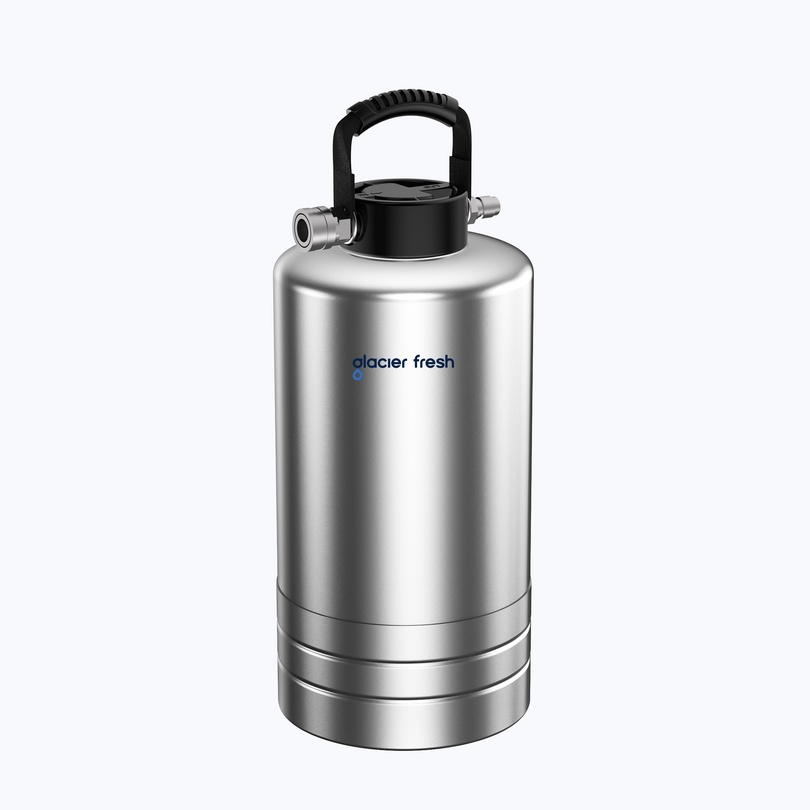
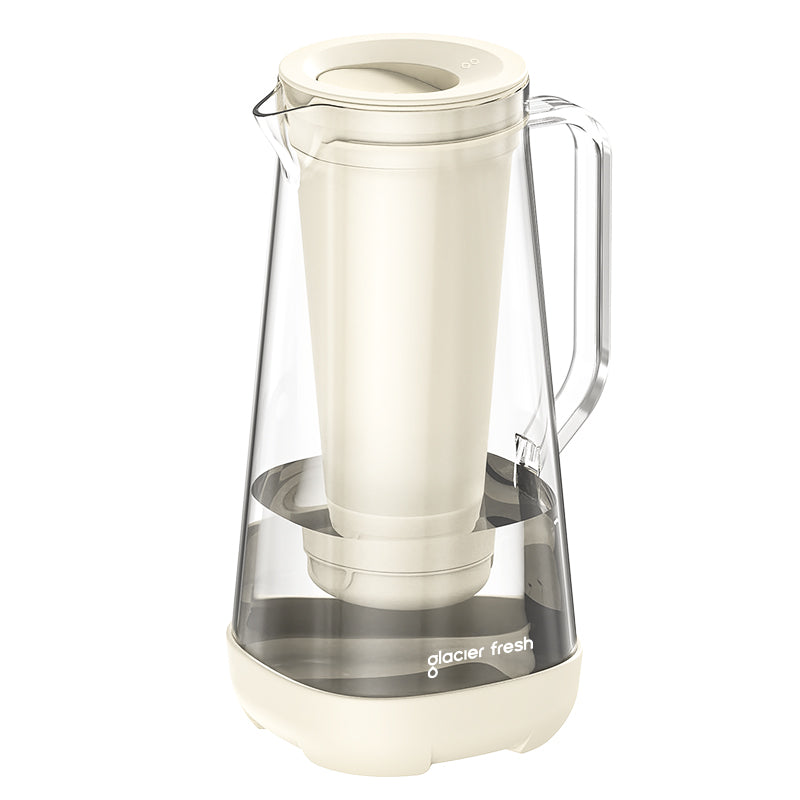
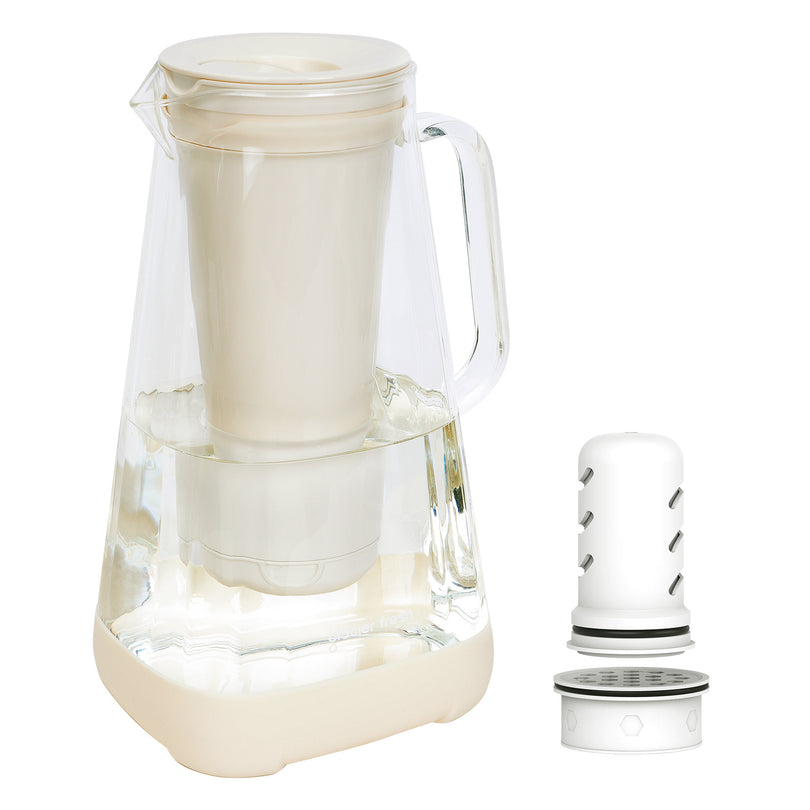
Different filtration systems use various methods to remove contaminants from water. Choosing a system that effectively removes harmful substances while preserving essential minerals is important. Look for systems that use advanced filtration technologies, such as gravity-fed or ultrafiltration systems, which can effectively remove impurities while maintaining mineral content. Understanding the difference between multi-stage water filters is also valuable — you can learn more through Glacier Fresh's guide on multi-stage water filters.
2. Mineral retention
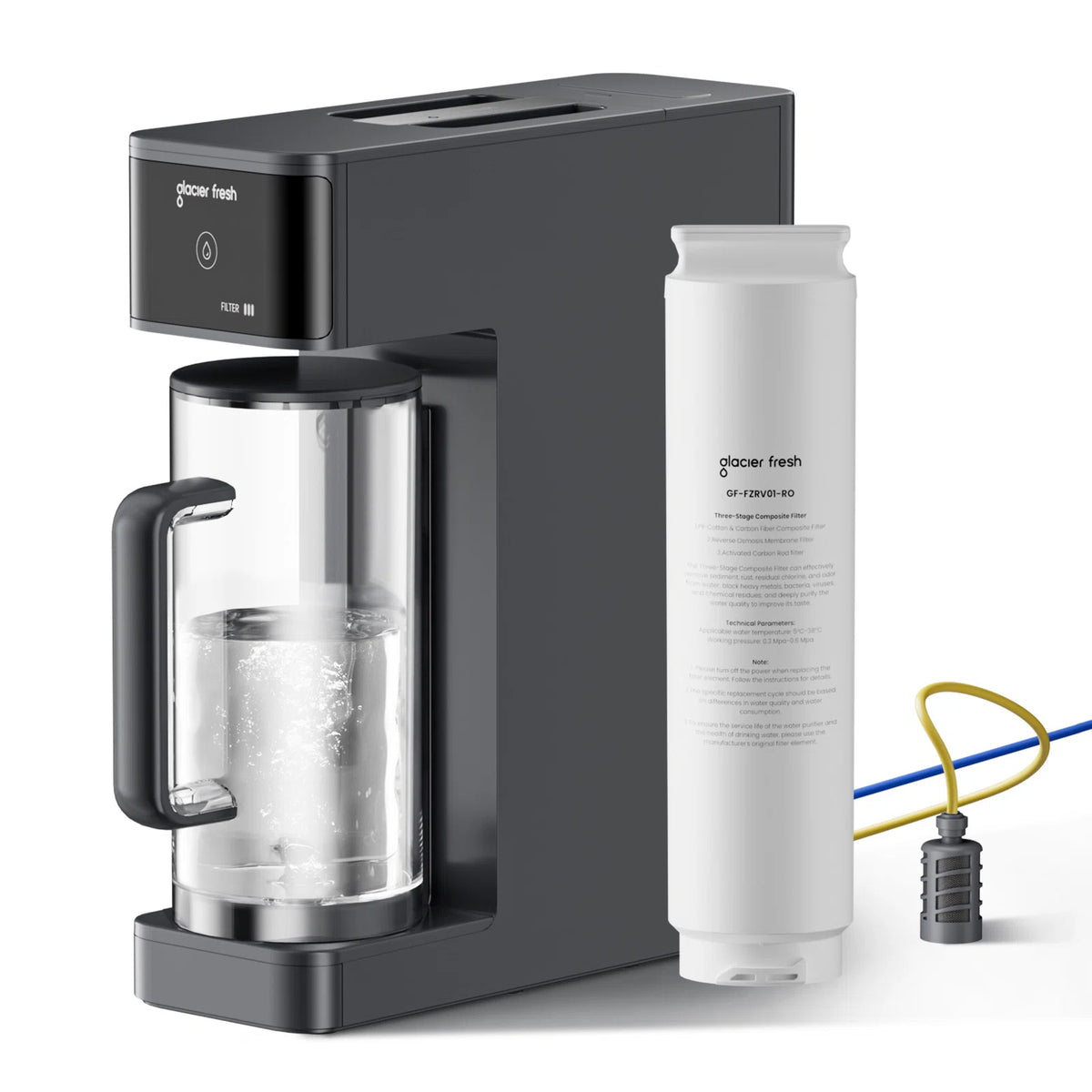
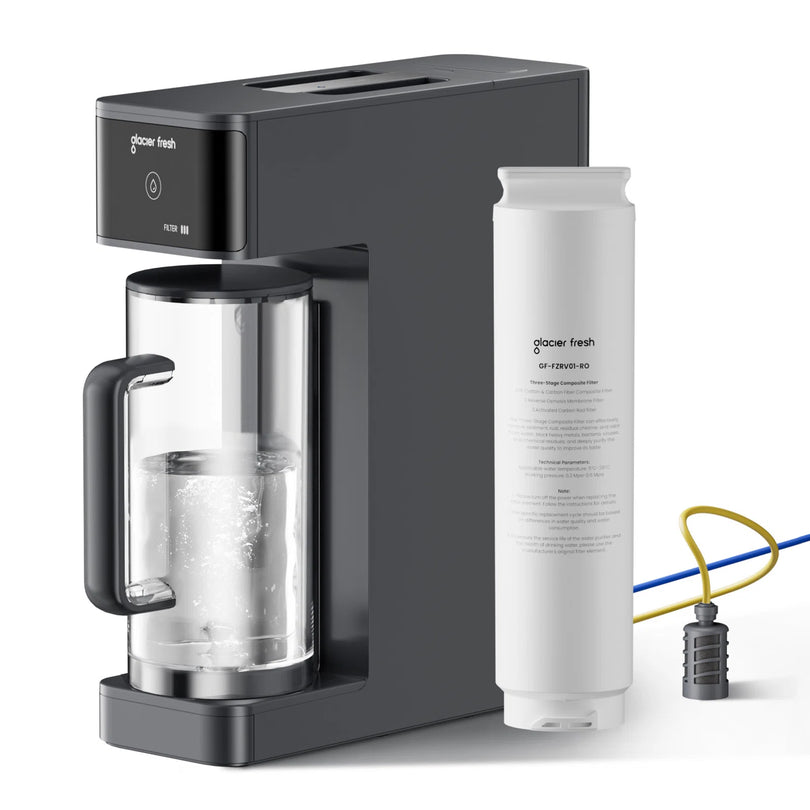
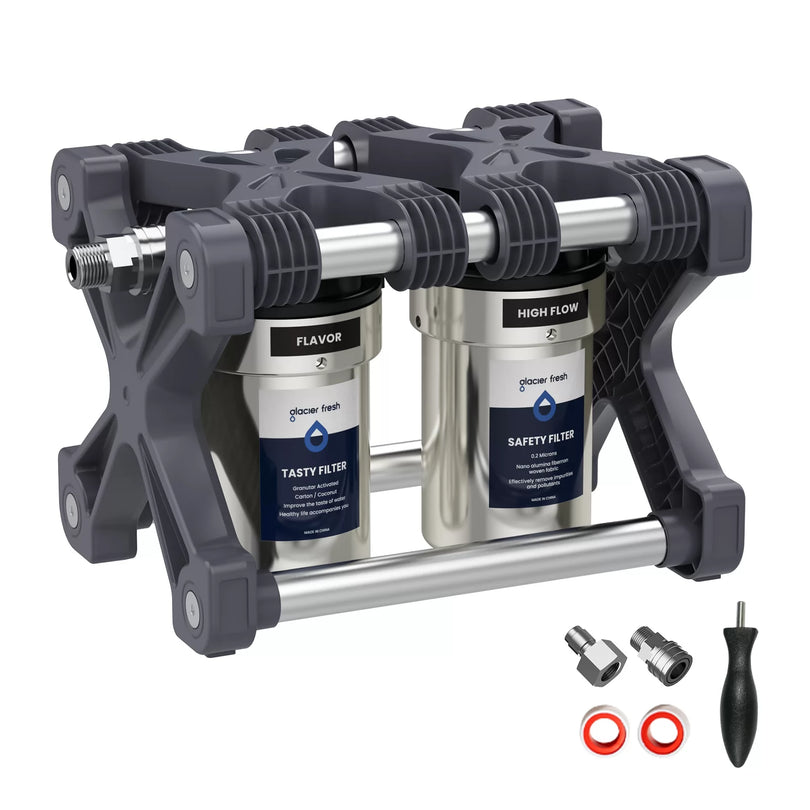
Some filtration systems, like reverse osmosis, can remove contaminants and minerals from water, resulting in demineralized water. However, certain minerals, such as calcium and magnesium, are essential for our health. If you prefer an RO system, consider units with built-in remineralization cartridges that add beneficial minerals back after purification — addressing common concerns around drinking reverse osmosis water long term. Alternatively, the GlacierFresh RV Reverse Osmosis System is an excellent portable option for RV users who need both purity and convenience on the road.
3. What are the best reverse osmosis systems for households wanting added mineral cartridges for taste?
For households seeking both purity and mineral balance, look for RO systems that include or are compatible with post-filtration mineral cartridges. These systems allow calcium and magnesium to be added back after the RO membrane stage, restoring both taste and nutritional value.
Glacier Fresh's RO systems are designed with this balance in mind — removing harmful contaminants while offering remineralization options. You can also explore the advantages and disadvantages of reverse osmosis systems before making your decision.
Filtration system comparison at a glance
|
System Type |
Mineral Profile |
Purity Level |
Best For |
|
RO + Mineral Cartridge |
Ultra-pure + remineralized |
High |
Best for taste + health balance |
|
UF System (e.g., U06) |
Mineral-preserving |
Medium-High |
Great for everyday use |
|
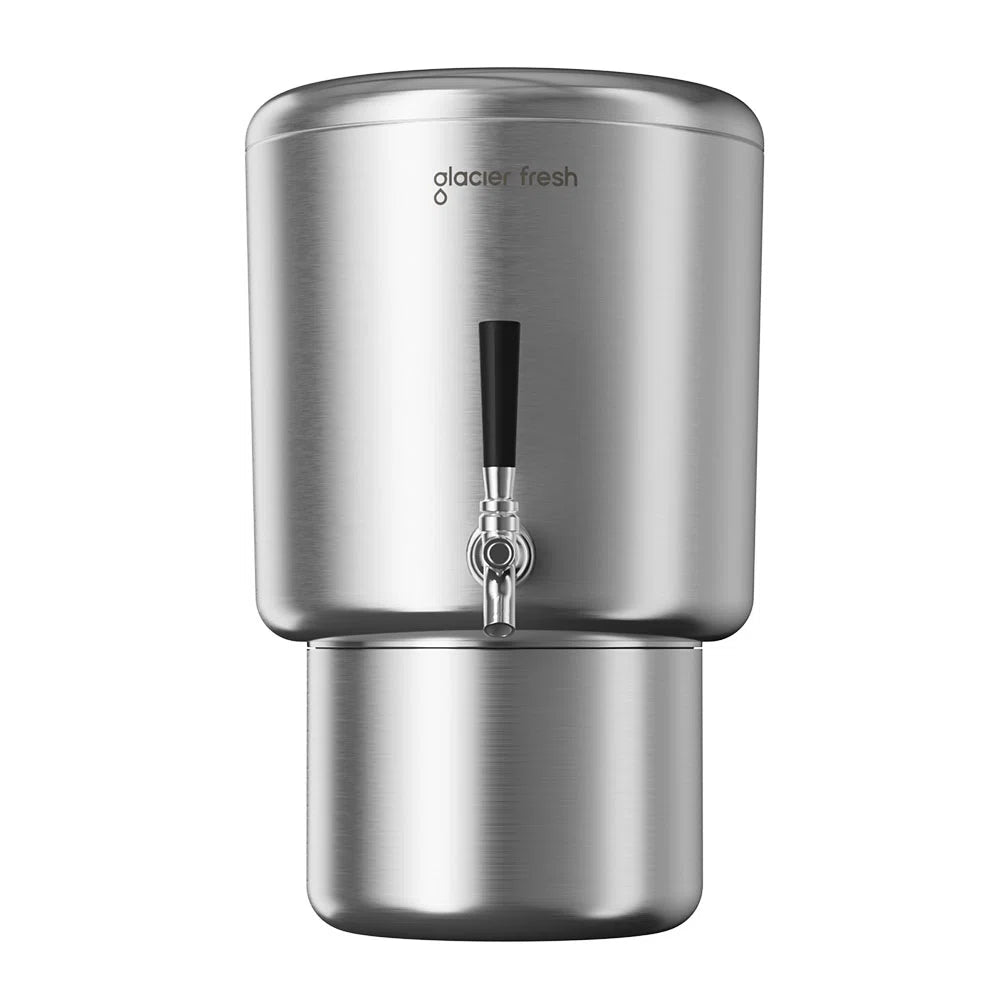
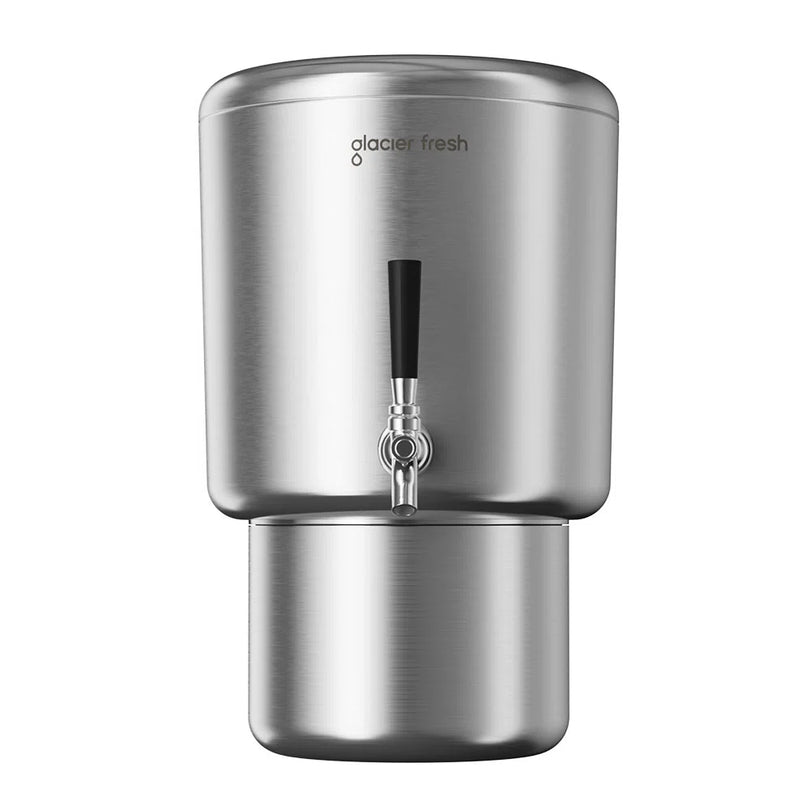
Gravity Filter |
Some mineral retention |
Medium |
No electricity; portable |
|
RO Only |
Low mineral water |
High purity |
Consider remineralization |
Methods for preserving minerals in your filtered water

Several effective methods can help preserve or restore minerals in your filtered water:
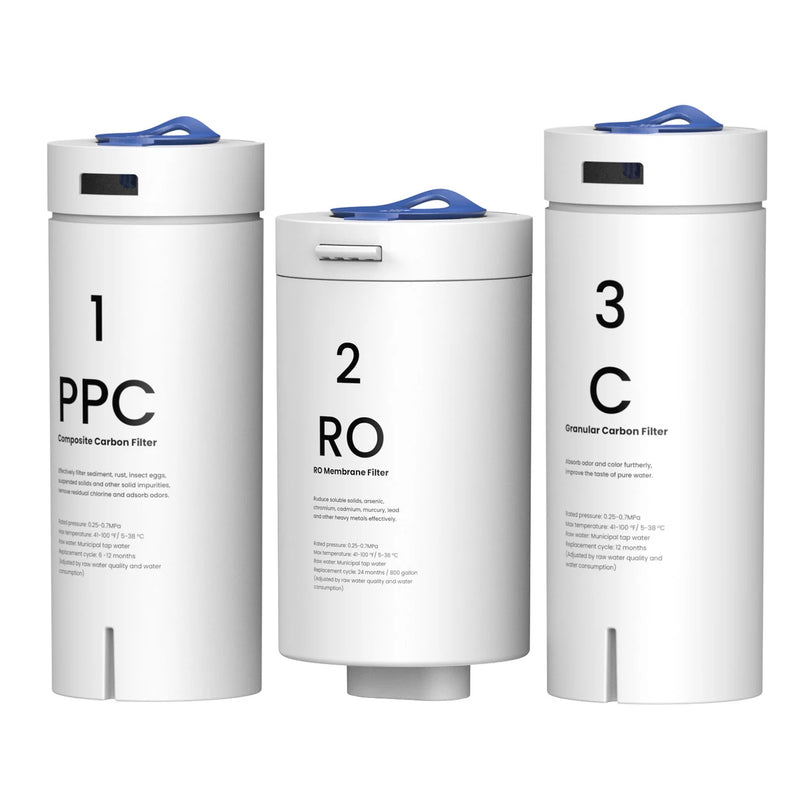
- Remineralization cartridges: Add-on filter stages that introduce controlled amounts of calcium, magnesium, and trace minerals back into RO-purified water.
- Mineral drops and packets: Convenient and portable options for adjusting the mineral profile of any water. Products like Concentrace Trace Minerals or similar electrolyte packets allow precise control over Ca, Mg, Mg ratios — particularly useful for specialty applications such as coffee brewing.
- Choose mineral-preserving filtration: Ultrafiltration systems retain naturally occurring minerals by design. The 0.01-micron UF membrane blocks pathogens without stripping beneficial ions.
- Diet supplementation: Certain nutrients such as vitamin D and vitamin C can enhance mineral absorption from food. Including citrus fruits and fatty fish in your diet supports mineral utilization even if water mineral levels are lower.
- Mineral supplementation: If you rely primarily on RO water and suspect mineral deficiency, consult a healthcare professional about dietary supplements.
Which bottled waters are best for French press coffee based on mineral content?
For specialty coffee brewing, particularly French press, water mineral content plays a measurable role in extraction quality and flavor. Ideal brewing water (per the Specialty Coffee Association) contains roughly 50–150 mg/L total dissolved solids, with magnesium levels of 10–30 mg/L being especially beneficial for flavor development. Bottled waters such as Volvic (low TDS, good balance) or Evian (moderate Mg and Ca) are frequently cited by coffee professionals for French press use.
Alternatively, low mineral water like distilled or RO-only water can result in flat, under-extracted coffee — a key argument for remineralized or UF-filtered water in the kitchen. Chefs and home cooks increasingly choose filtered water for cooking precision; see Glacier Fresh's article on reverse osmosis water for cooking for more insight.
FAQs
1. Can dehydration lead to specific mood disorders or mental health conditions?
Yes. Even mild dehydration — as little as 1–2% of body weight lost in fluids — has been linked to mood disturbances including irritability, anxiety, and reduced concentration.
2. Is remineralized water good for you?
Yes, remineralized water restores the calcium, magnesium, and potassium removed during reverse osmosis purification.
3. What are the health risks of drinking reverse osmosis water long term without remineralization?
The risks include potential deficiencies in calcium and magnesium, which may affect bone density, cardiovascular function, and muscle performance over time. The WHO recommends that drinking water should contain minimum levels of these essential minerals. Pairing an RO system with a remineralization cartridge largely mitigates these risks.
4. What mineral additions (packets or drops) are best for adjusting brewing water and how do they compare?
Magnesium-focused products (such as magnesium sulfate additions) enhance coffee flavor brightness, while calcium carbonate additions increase perceived body and sweetness. Ready-made mineral packets from brands like Third Wave Water are formulated specifically for espresso or filter coffee profiles.
5. How does ultrafiltration compare to reverse osmosis for preserving minerals?
Ultrafiltration (UF) uses a 0.01-micron membrane that removes bacteria, sediment, viruses, and particulates while allowing dissolved mineral ions (Ca²⁺, Mg²⁺, K⁺) to pass through, preserving up to 90% or more of naturally occurring minerals. Reverse osmosis, by contrast, forces water through a semi-permeable membrane at high pressure, removing 95%+ of all dissolved solids — including beneficial minerals — resulting in low mineral water. For those who want clean water without the trade-off of complete demineralization, a UF system such as the Glacier Fresh U06 represents an excellent alternative. You can also learn more about what ultrafiltration is and how it works in our dedicated guide.
Conclusion
Preserving healthy minerals is essential for maintaining water quality in filtered water. The presence of essential minerals in drinking water provides numerous benefits for our health, while their depletion can lead to potential health risks. Whether you are concerned about the effects of low mineral content water on long-term wellness, curious about which filtration system best protects mineral content, or simply want to make an informed decision for your household — the key principles are consistent: understand your filtration technology, opt for mineral-preserving systems where possible, and remineralize if you rely on RO water.
By following these tips, you can ensure you're getting the best quality filtered water that's safe and beneficial for your overall well-being. For RV users and campers, explore the GlacierFresh RV water filtration options — designed to deliver pure, great-tasting water wherever your adventures take you.