


Table of Contents:
What Are the Differences Between Glass and Non Plastic Water Filter Pitchers?
How Does Material Impact Water Filter Safety and Durability?
What Factors Affect Water Filter Pitcher Performance?
Are Non Plastic Water Filter Pitchers Better for Daily Use?
Plastic Free Water Filter Options: What to Look For
FAQs
Final Verdict: Glass vs Plastic?
Most kitchens still rely on plastic pitchers. But more households are moving toward a plastic-free water filter to cut down daily contact with synthetic materials. It sounds like a small switch, but you notice it every time you pour a glass.
Water quality hasn’t really become simpler either. In the U.S., at least 1.1 million people get sick each year from germs in drinking water, so having reliable filtered water at home is a must for many families.
What Are the Differences Between Glass and Non Plastic Water Filter Pitchers?

Material Composition and Safety
Glass is inert. It doesn’t react with water or release anything into it, even with long-term use. That’s why many people switch to a plastic-free water filter in the first place.
Non-plastic pitchers aren’t always fully plastic-free. Lids, seals, or filter housings often still include plastic. So it’s worth checking where water actually makes contact.
Taste and Quality of Filtered Water
Glass keeps things neutral. Your filtered water tastes the same over time.
Plastic can absorb odors. It’s subtle, but after a while the taste can shift, especially if cleaning slips.
Environmental Impact and Sustainability
Glass lasts longer and is easy to recycle. You replace it less often.
Plastic is lighter and cheaper, but it wears down. Scratches and clouding usually mean replacement.
Microplastics are also part of the conversation. Bottled water drinkers may ingest around 90,000 particles a year, compared to about 4,000 from tap water. That’s pushed more people toward a plastic-free water filter at home.
Durability and Everyday Practicality
Plastic is lighter and more forgiving if dropped.
Glass feels sturdier on the counter but needs more careful handling. You trade impact resistance for long-term stability.
Filtration System Compatibility
Both materials support similar filtration methods like carbon or membrane filters.
Most systems improve taste and remove some contaminants, but not everything. Some newer glass designs reduce plastic contact inside the filtration path, which helps limit exposure further.
Real-World Usage Differences
In daily use, it comes down to routine:
-
Glass is easier to clean and resists scratches
-
Plastic is easier to carry and move around
-
Glass suits countertop and hot drink use
-
Plastic works better for travel or busy households
Most people choose based on how they use it, not just the material itself.
How Does Material Impact Water Filter Safety and Durability?
Material isn’t just about looks. It affects how safe your water stays and how your pitcher holds up over time.
Chemical Safety and Microplastic Exposure
Microplastics are showing up in more water sources than people expect. The concern isn’t just bottled water. It’s also about repeated contact with plastic during storage and filtration.
Switching to a plastic-free water filter removes one of those daily contact points. It’s not a complete solution, but it’s a consistent reduction you can control.
There’s also broader contamination to consider. Around 97 million U.S. residents are exposed to unregulated contaminants in drinking water. Filtration helps, but material choice adds another layer.
Heat Resistance and Temperature Stability
Glass handles temperature changes well. You can use it for warm water, which makes things like tea or cooking prep easier.
Plastic pitchers aren’t built for heat. Over time, warm water can lead to warping or material breakdown.
It’s a small thing, but it changes how flexible your setup feels.
Longevity and Wear
Plastic surfaces scratch over time. Those scratches can hold onto residue or bacteria if you’re not cleaning carefully.
Glass resists that kind of wear. It stays smooth and is easier to clean. But yeah, it can break if you’re not careful.
So you’re trading durability in different ways. Plastic handles drops. Glass handles long-term wear.
What Factors Affect Water Filter Pitcher Performance?

Material matters, but filtration performance is what really determines whether your filtered water is safe to drink.
Filtration Technology
Different filters target different contaminants. The common ones are activated carbon, ion exchange, and membrane filtration.
Reverse osmosis goes further by removing a wide range of contaminants, including some bacteria and viruses, because of its very fine pore size.
So the filter itself matters more than the pitcher material. That part is easy to overlook.
Filter Quality and Certifications
If you’re trying to find the best drinking water filter, certifications matter. In the U.S., NSF and ANSI standards are the ones most people look for.
They show that a filter has actually been tested for contaminant reduction, not just advertised.
This becomes important when you’re dealing with things like PFAS, which are found in about 45% of U.S. tap water.
Flow Rate vs Filtration Effectiveness
Faster isn’t always better. Slower filtration usually means more contact time with the filter media.
That can improve contaminant removal, even if it means waiting a bit longer for a full pitcher.
Pitcher Capacity and Design
Capacity affects how often you refill. Smaller pitchers are easier to fit in the fridge, while larger ones work better if you’re filling bottles, cooking, or serving a family.
Design matters too. A good handle, a stable lid, and a smooth pour make a difference when you’re using it multiple times a day.
Filter Lifespan and Maintenance
Filters need regular replacement to keep working properly. The CDC notes that delaying replacement can reduce effectiveness and affect water safety.
And honestly, if changing the filter is annoying, people tend to put it off. That’s just how it goes.
Are Non Plastic Water Filter Pitchers Better for Daily Use?
It depends on how you use water at home and what you care about most.
When Glass Is the Better Choice
Glass tends to work better if you care about:
-
Lowering everyday plastic exposure
-
Keeping a consistent, clean taste for coffee or tea
-
Using something that lasts longer
It fits well in kitchens where the pitcher stays in one place and gets used throughout the day.
When Plastic Still Makes Sense
Plastic still works in a lot of situations:
-
Homes with kids where breakage is a concern
-
Situations where you need something portable
-
Lower upfront budgets
It’s not always about better or worse. It’s more about what fits your routine.
Plastic Free Water Filter Options: What to Look For
If you’re thinking about a plastic-free water filter, a few details are worth paying attention to.
Truly Plastic-Free vs Low-Plastic Designs
Some products labeled plastic-free still use plastic in certain parts. Lids and internal filter housings are the usual places.
So instead of looking for perfection, it’s more realistic to look for designs that reduce plastic where water actually flows.
Filtration Quality Still Comes First
Even with glass, filtration is still the main factor. You’ll want a system that can reduce chlorine, lead, PFAS, and other common contaminants.
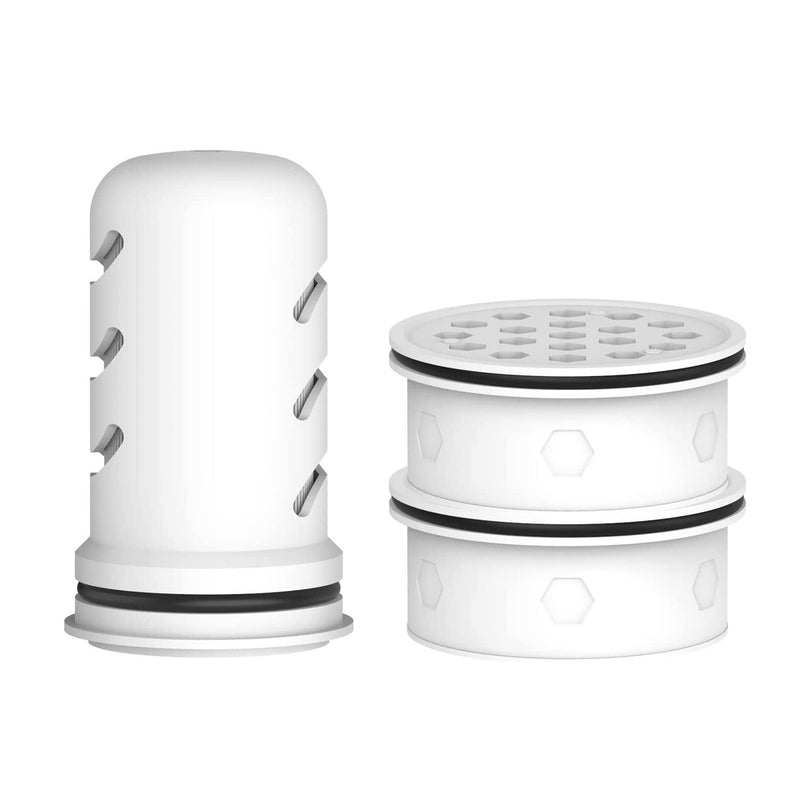
Some modern systems use multi-stage carbon or nanofiber membranes to improve both safety and taste without adding complexity.
Design for Daily Use
Daily usability matters more than it seems. Check the capacity, how easy it is to pour, and whether it fits in your fridge without rearranging everything.
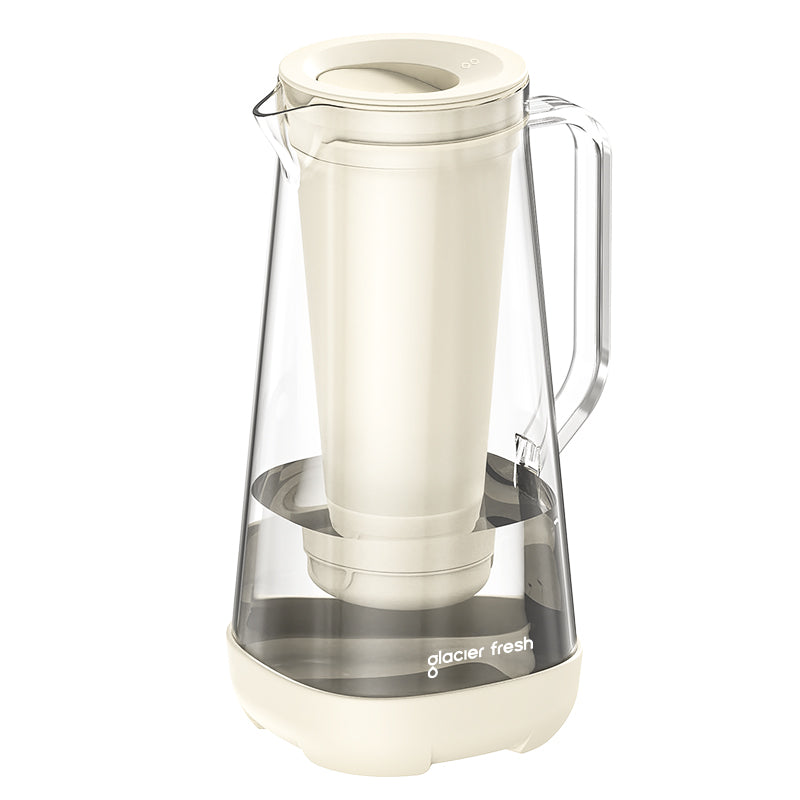
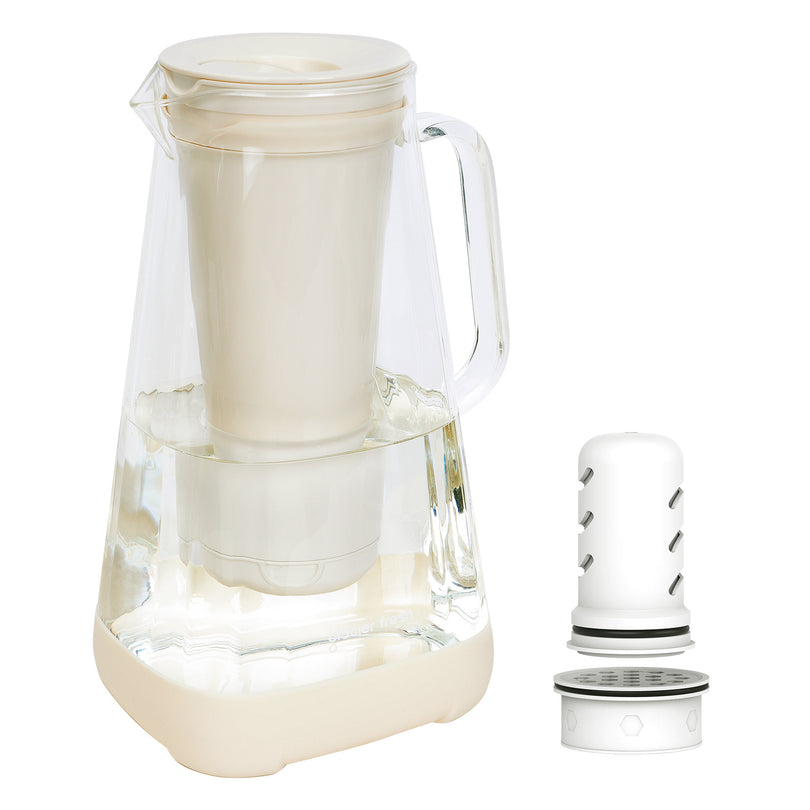
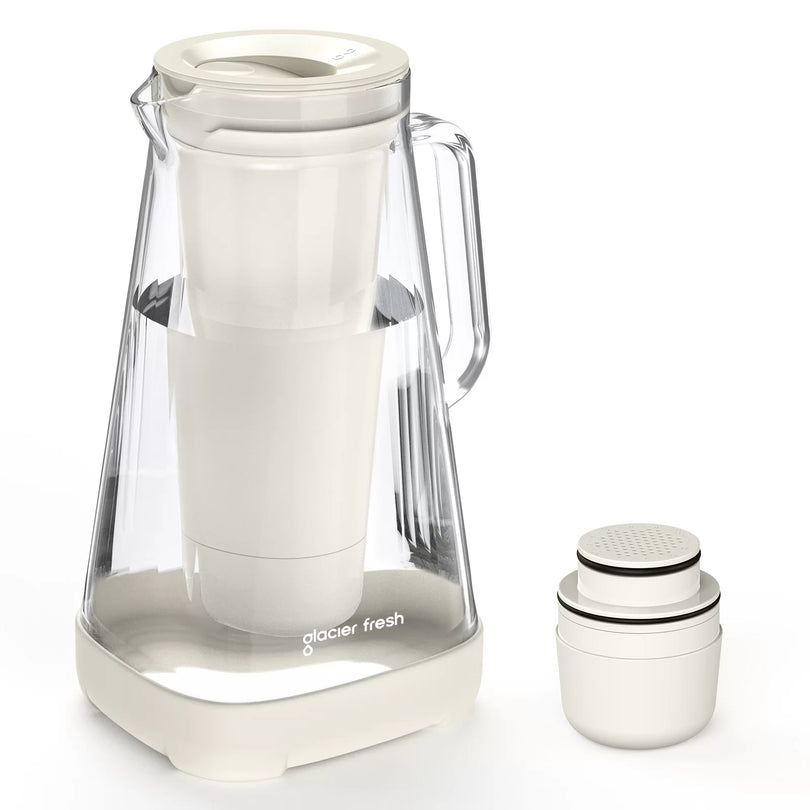
A 7-cup glass pitcher like the Purela 01 works fine for one or two people. The Purela P04 10-cup option makes more sense if you’re cooking or serving a family.
Filter Replacement and Long-Term Cost
Filters are part of the ongoing cost. Most need replacement every few months depending on usage.
Ease of replacement matters too. If it’s simple, you’ll actually keep up with it. If not, it tends to get delayed.
FAQs
What do water filter pitcher reviews say about different materials?
Most reviews point to taste and durability. Glass tends to keep water tasting cleaner, while plastic is often chosen for convenience and lower cost.
What should I consider when choosing a water filter pitcher material?
Think about how you use it daily. Where it sits, how often you refill it, and whether reducing plastic exposure matters to you.
Do glass water filter pitchers break easily?
They can break if dropped, but most are made with thicker glass than you’d expect. With normal use, they hold up fine.
Can a water filter remove all contaminants?
No. Different filters target different contaminants, so performance depends on the technology and certifications.
Is filtered tap water safer than bottled water?
In many cases, yes. Bottled water can expose you to more microplastics, while a properly maintained home system gives you more control over water quality.
Final Verdict: Glass vs Plastic?
Glass pitchers give you better long-term stability, cleaner taste, and less plastic exposure. Plastic pitchers are easier to handle and more forgiving in busy households.
If you’re focused on health and long-term use, glass usually makes more sense for consistent filtered water. If you need flexibility, plastic still has a place.
If you’re somewhere in between, looking into a well-designed plastic-free water filter from GlacierFresh can be a practical next step without overcomplicating things.
References
-
Centers for Disease Control and Prevention. Drinking Water Facts and Stats.
https://www.cdc.gov/drinking-water/data-research/facts-stats/index.html -
The Washington Post. Plastic Water Bottles and Microplastics.
https://www.washingtonpost.com/wellness/2026/01/26/plastic-water-bottles-microplastics/ -
Silent Spring Institute. Over 97 Million US Residents Exposed to Unregulated Contaminants in Their Drinking Water.
https://silentspring.org/news/over-97-million-us-residents-exposed-unregulated-contaminants-their-drinking-water -
ANSI Blog. NSF/ANSI Drinking Water Treatment Standards.
https://blog.ansi.org/ansi/nsf-ansi-drinking-water-treatment-standards/ -
United States Geological Survey. Tap Water Study Detects PFAS ‘Forever Chemicals’ Across the US.
https://www.usgs.gov/news/national-news-release/tap-water-study-detects-pfas-forever-chemicals-across-us -
Centers for Disease Control and Prevention. About Choosing Home Water Filters.
https://www.cdc.gov/drinking-water/prevention/about-choosing-home-water-filters.html