
Table of Contents:
Glass Water Filter Pitcher Buying Checklist
What Is a Glass Water Filter Pitcher?
Glass Water Filter Pitcher vs Plastic
Non Plastic Water Filter Pitcher: Who Is It Best For?
What to Look for in a Glass Water Filter Pitcher
How to Choose the Right Glass Water Filter Pitcher for Your Needs
Recommended Product Matchups: Card-Style Selection
Glass Water Filter Pitcher Reviews: What to Pay Attention To
FAQs
Conclusion
According to the Centers for Disease Control and Prevention (CDC), around 1.1 million people in the U.S. get sick each year from germs in drinking water. That is roughly one in 300 people. At the same time, concerns about plastic exposure are shaping buying habits. Recent reports show that people who rely only on bottled water may ingest tens of thousands of microplastic particles every year, far more than those who drink filtered tap water. This combination has pushed more families to compare glass pitchers, non-plastic materials, and the best glass water filter pitcher consumer reports style criteria before buying.
Glass Water Filter Pitcher Buying Checklist
- Filter function: confirm whether the pitcher targets sediment, chlorine taste, odor, lead, PFAS, microplastics, or a combination of concerns.
- Material contact: look for a glass reservoir or glass water-contact surface if limiting plastic exposure is a priority.
- Capacity and footprint: match cup capacity to household size and refrigerator shelf height.
- Filter replacement: compare filter lifespan, replacement availability, and annual maintenance cost.
- Flow rate: choose faster filtration for families and slower precision filtration for smaller daily use.
- Cleaning routine: prioritize wide openings and dishwasher-safe glass components when possible.
- Use case: compact pitcher, countertop dispenser, or under-sink filtration should match your kitchen layout and water habits.
What Is a Glass Water Filter Pitcher?

A glass water filter pitcher is a household filtration container made primarily from glass, designed to reduce common tap water contaminants before drinking. You fill the upper reservoir with tap water, let it pass through a built-in filter, and pour from the lower glass chamber.
Most pitchers rely on layered filtration rather than a single material. Common approaches include carbon-based filtration for taste and odor and fine membranes that reduce sediment and particles. Some brands describe these systems as “multi-stage” or “5 stage,” which usually refers to the number of layers inside one filter rather than five separate cartridges. Performance depends on materials, flow design, and filter maintenance, not just the stage count.
Glass Water Filter Pitcher vs Plastic
Material choice affects taste, handling, durability, price, and environmental preference. This comparison turns the original discussion into a direct decision table for readers comparing glass and plastic pitcher filters.
|
Comparison Factor |
Glass Pitcher |
Plastic Pitcher |
|
Material |
Glass reservoir with limited plastic contact in the main storage area. |
Plastic body, lid, and reservoir are typically in fuller contact with water. |
|
Safety |
Glass is chemically inert and does not easily absorb odors or flavors. |
Food-grade plastic can be safe, but buyers may worry about long-term plastic contact. |
|
Durability |
Thick modern glass pitchers feel premium but require gentler handling. |
Lightweight and less likely to shatter, but may scratch or retain odors over time. |
|
Price |
Usually mid-range to premium because glass is heavier and more expensive to ship. |
Often lower upfront cost and easier to find in budget models. |
|
Environmental Impact |
Reusable glass supports lower plastic reliance and a longer-lasting kitchen item. |
Reusable plastic is better than bottled water but less preferred by plastic-reduction households. |
Glass is chemically inert, so it does not absorb odors or flavors. Water stored in glass tastes cleaner than water stored in plastic, especially after time in the refrigerator. Modern glass pitchers are usually made from thick, shatter-resistant glass, though they still need more careful handling than plastic. Environmental impact is also a factor, and The World Health Organization continues to link reduced single-use plastic with lower waste and microplastic pollution.
What Glass Water Filter Pitcher No Plastic Really Means
In practice, most pitchers still use small plastic parts in lids, seals, or filter housings. To check these claims, read product descriptions carefully and look for phrases like “glass reservoir,” “glass water contact surface,” or “plastic-free storage chamber.”
Non Plastic Water Filter Pitcher: Who Is It Best For?
A non plastic water filter pitcher makes sense for households that want to limit plastic exposure without installing a full filtration system. It suits families who care about taste, material safety, and a cleaner look on the counter. There are trade-offs: glass pitchers weigh more and need gentler handling, but for many urban households focused on daily hydration and food preparation, those drawbacks are manageable.
What to Look for in a Glass Water Filter Pitcher?
The right pitcher should be selected by water concern, filter design, material contact, and maintenance cost.

Filtration Approach, Not Just the “Stages”
Pitcher filters usually focus on three functions: reducing sediment and visible particles, improving taste and odor through activated carbon, and polishing water for smoother mouthfeel. A “5 stage water filter pitcher” label often means multiple internal layers, not necessarily better results. What matters is material quality and flow design. The Purela P01 Glass Water Filter Pitcher, for example, uses an advanced dual-stage system combining a membrane micro filter and carbon-based media to address both particles and taste.
Materials and Build Quality
Pay attention to which parts touch your water. Many buyers specifically look for glass water filter pitcher no plastic designs, where the main reservoir is glass rather than plastic-lined. Also check lid fit, handle stability, spout control, and whether the glass body can be cleaned easily.
Capacity, Size, and Refrigerator Fit
Smaller pitchers work well for singles or couples and fit easily on refrigerator shelves. Families often prefer larger capacities to reduce refill frequency. If cold storage is essential, measure shelf height and door-bin width before buying, especially when comparing a compact glass pitcher with the best refrigerator water filter pitcher for chilled drinking water.
Filter Lifespan and Replacement
Most pitcher filters last between one and three months, depending on water quality and use. Longer-lasting membrane components can reduce waste, while shorter-life carbon filters are easy to swap. Availability and cost of replacement matters more than advertised lifespan alone.
How to Choose the Right Glass Water Filter Pitcher for Your Needs?
Start with your actual tap-water concern, then choose the form factor that fits your household. Most people use pitchers to deal with chlorine taste, mild odors, or visible sediment. Consumer Reports notes that pitcher filters are not a “magic fix” but can improve everyday drinking water by reducing contaminants like chlorine, lead, and compounds that cause off-putting tastes and odors.

Step1: Start With Your Water Quality Concerns
If your issue is taste and odor, activated carbon can be a practical choice. If visible particles, microplastics, or fine sediment are a concern, look for membrane-based filtration details. If lead, PFAS, or microbial safety is a concern, check product claims carefully and match them to lab or certification information when available.
Step 2: Decide Whether Glass or Non-Plastic Materials Matter to You
Glass pitchers appeal to health-conscious households, families with children, and people sensitive to taste changes. A non plastic water filter pitcher can reduce contact with synthetic materials without changing daily routines.
Step 3: Match Pitcher Capacity to Your Household Size
If you live alone or with one other person, a smaller glass pitcher is usually enough. Larger households benefit from higher-capacity models, though they take up more refrigerator space and weigh more when full.
Step 4: Consider How and Where You’ll Use the Pitcher
Some pitchers live on the counter, others in the refrigerator. Think about whether you will mainly pour drinking water, fill cooking pots, serve guests, or keep chilled water ready throughout the day.
Recommended Product Matchups: Card-Style Selection
Use these cards as a practical selection framework when comparing the best rated pitcher water filters for different households. The goal is not to chase the most expensive option, but to match capacity, budget, and daily use.
Compact Glass Pitcher for Small Kitchens
Capacity: 7-10 cups. Price range: budget to mid-range. Best for: singles, couples, renters, and small refrigerators. Key characteristics: space-saving profile, easy cleaning, simple filter replacement, and enough filtered water for daily drinking.
Family-Size Glass Pitcher for Everyday Tap Water
Capacity: 10 cups or higher. Price range: mid-range. Best for: families, shared kitchens, and users who refill multiple bottles per day. Key characteristics: larger reservoir, stable handle, faster flow, and reliable taste improvement.
No-Installation Countertop or Dispenser Alternative
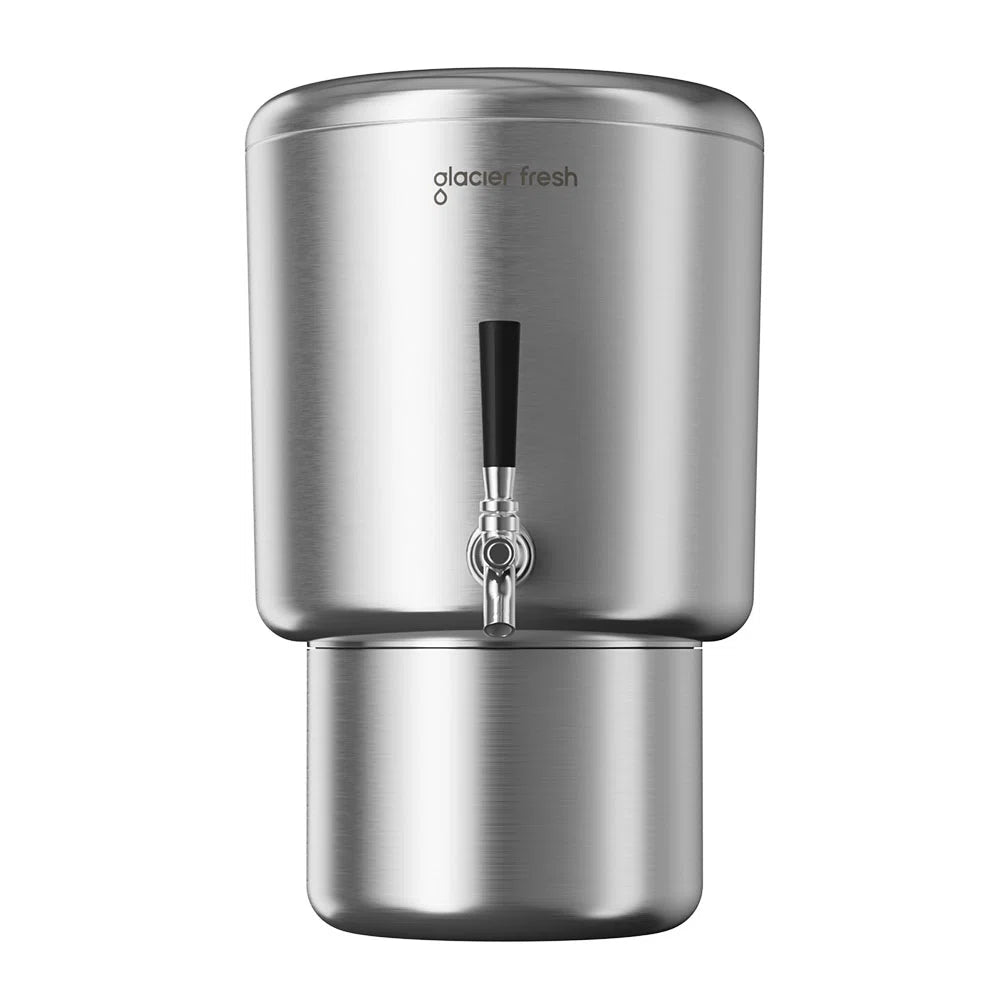
Capacity: larger countertop storage. Price range: mid-range to premium. Best for: households that want purified water without plumbing changes. Key characteristics: larger water volume, easier serving, potential chilling function, and lower bottled-water dependence.
Glass Water Filter Pitcher Reviews: What to Pay Attention To
When reading glass water filter pitcher reviews, focus on repeatable experiences rather than star ratings alone. The most useful best pitcher water filters reviews mention taste improvement, reduced chlorine smell, cleaner aftertaste, handle comfort, lid stability, spout control, glass thickness, and how the pitcher holds up after regular washing.
GlacierFresh glass water filter pitchers tend to receive consistent positive feedback in these areas. Users commonly mention the solid feel of the glass body, steady pouring without spills, and noticeable taste improvement compared with unfiltered tap water. As for flow rate, many users note faster filtration than older-style pitchers.
FAQs
Do glass water filter pitchers remove germs?
Most pitchers focus on taste, sediment, chlorine odor, and certain particles. They are not usually designed to disinfect unsafe water. If your water source may contain harmful germs, follow public health guidance and use a treatment method designed for microbial safety.
Is a non plastic water filter pitcher safer than plastic?
Many people prefer glass because it limits plastic contact with drinking water and helps preserve taste neutrality. Safety still depends on overall tap-water quality, filter performance, cleaning, and timely filter replacement.
What are the best compact water filter pitchers for small kitchens and how do they compare?
The best compact options usually hold 7-10 cups, fit standard refrigerator shelves, and are easier to clean. Compare them by footprint, filled weight, filter lifespan, and whether the reservoir is glass or plastic-lined.
What are the best water filter pitchers for improving tap water quality and how do they compare by price and filter replacement frequency?
For everyday tap water, compare pitchers by contaminant claims, carbon media quality, membrane design, replacement-filter cost, and lifespan. Lower-cost pitchers may have cheaper upfront pricing, while better filtration systems can cost more but offer stronger taste improvement or longer-lasting components.
What are the best water filter pitchers to buy in the US right now?
For US households, the best choice is usually a glass pitcher with clear filtration claims, available replacement filters, a capacity that fits your refrigerator, and strong user feedback on taste and durability. Choose compact models for small kitchens and larger glass pitchers for families.
Conclusion
Glass water filter pitchers fit well into households that care about taste, material choices, and reducing plastic use. By looking past marketing terms and focusing on filtration design, glass-contact surfaces, capacity, filter replacement, and maintenance, you can choose a pitcher that fits your water habits and values.
Related Internal Reading
-
Glacier Fresh U06 Under Sink Ultra Filtration Water Filter System
-
Water Filters for Apartments & Renters: No Installation Required