


Table of Contents:
What Is PFAS and Why Is It Regulated?
Why Regulations Are Changing Nationwide
What Are the Legal PFAS Limits in US Drinking Water?
Differences Between EPA and State PFAS Regulations
PFAS Regulations by State Explained
PFAS Drinking Water Standards by State 2026
Which US States Have the Strictest PFAS Regulations?
How to Check PFAS Levels in Your Local Water Supply
What Homeowners Can Do About PFAS in Drinking Water
FAQs
Conclusion
Across the United States, utilities are testing for PFAS. These synthetic chemicals are now under tighter federal and state oversight, and you’re likely hearing about them more often than you did a few years ago.
If you care about your family’s health and the quality of your water, understanding PFAS regulations isn’t just policy talk anymore. With 2026 compliance deadlines approaching, it’s becoming part of everyday household decisions.
What Is PFAS and Why Is It Regulated?

PFAS or per- and polyfluoroalkyl substances are synthetic chemicals used in nonstick cookware, food packaging, water-resistant fabrics, and firefighting foams.
Often called “forever chemicals,” PFAS persist in water and the human body. Long-term exposure has been linked to immune, developmental, thyroid, and certain cancer risks.
Federal estimates suggest about 165 million Americans may be exposed through drinking water, prompting stronger oversight nationwide.
Why Regulations Are Changing Nationwide
Regulatory change is being driven by enforceable federal limits, expanding state legislation, and widespread detection.
A U.S. Geological Survey (USGS) study found PFAS in roughly 45% of tap water samples nationwide. In response, the Environmental Protection Agency (EPA) finalized national drinking water limits and required utilities to monitor and treat when levels exceed legal thresholds.
At the same time, more than 30 states are considering additional PFAS-related policies. Together, these developments make PFAS 2026 a significant compliance milestone.
What Are the Legal PFAS Limits in US Drinking Water?

Federal drinking water standards are called Maximum Contaminant Levels, or MCLs. An MCL is the legal limit for how much of a contaminant can be present in public drinking water.
In 2024, the EPA finalized national PFAS limits under the Safe Drinking Water Act. The rule sets enforceable limits of 4 parts per trillion (ppt) for PFOA and 4 ppt for PFOS. It also sets 10 ppt limits for PFNA, PFHxS, and HFPO-DA (GenX chemicals).
When certain PFAS appear together, the EPA uses a Hazard Index approach to evaluate their combined effect instead of assigning a single number to each one.
An MCL is legally binding, meaning public water systems must comply. Health advisories, by contrast, are guidance levels and do not automatically require treatment.
Different PFAS have different limits because their health risks and exposure data are not the same.
Differences Between EPA and State PFAS Regulations
Federal standards set a national baseline, but states have the authority to adopt stricter requirements.
Some states established their own PFAS MCLs years before federal rules were finalized. In certain cases, those state limits are lower than the current federal threshold. States may also regulate a broader list of PFAS compounds.
For homeowners, this means that PFAS regulations can vary significantly depending on location, even though federal rules apply nationwide.
PFAS Regulations by State Explained
States use different legal tools to address PFAS. Some have adopted enforceable state MCLs, while others rely on notification, guidance, or action levels.
| Category | States |
|---|---|
| States Enforcing MCLs | Massachusetts; Michigan; New Hampshire; New Jersey; New York; Pennsylvania; Vermont; Wisconsin |
| State Advisory or Notification Levels (Non-MCL) | Alaska; California; Colorado; Connecticut; Hawaii; Illinois; Maine; Maryland; Minnesota; Nevada; North Carolina; Ohio; Rhode Island; Washington; New Mexico |
| MCLs in Progress | Delaware |
| No Separate State Regulations | Alabama; Arizona; Arkansas; Florida; Georgia; Idaho; Indiana; Iowa; Kansas; Kentucky; Louisiana; Mississippi; Missouri; Montana; Nebraska; North Dakota; Oklahoma; Oregon; South Carolina; South Dakota; Tennessee; Texas; Utah; Virginia; West Virginia; Wyoming |
Some states rely entirely on EPA’s national limits of 4 ppt for PFOA and PFOS. Others use lower notification or guidance levels that can still trigger public communication or response actions.
PFAS Drinking Water Standards by State 2026
By 2026, all public water systems must comply with federal MCLs. However, several states maintain additional oversight tools.
States With Strict PFAS Limits
Some states stand out for low trigger levels or broad chemical coverage.
-
California has set notification levels as low as 3 ppt for PFHxS and 4 ppt for both PFOA and PFOS.
-
Minnesota is notable for extremely low health-based guidance values, including 0.0079 ppt for PFOA and 2.3 ppt for PFOS.
-
Hawaii applies Environmental Action Levels of 4 ppt for PFOA and PFOS and extends guidance to 24 additional PFAS compounds.
-
Connecticut and Illinois also use notification or health-based levels to guide monitoring and response, even without formal MCLs.
Together, these examples show that strictness can come from either very low numeric thresholds or from regulating a broad group of PFAS compounds, even when the mechanism is not a formal drinking water MCL.
States Following Federal PFAS Standards
Many states, including Texas, Florida, and Ohio, have aligned directly with EPA’s enforceable MCLs of 4 ppt for PFOA and 4 ppt for PFOS.
In these states, public water systems are required to complete monitoring, notify customers if levels exceed federal limits, and implement treatment as required under national timelines.
States With Emerging or Developing PFAS Regulations
Some states continue to refine their approach. Pennsylvania, for example, has proposed limits and issued guidance while coordinating with federal compliance schedules.
Other states are conducting additional sampling to determine whether to regulate more PFAS compounds beyond those covered by federal standards.
Which US States Have the Strictest PFAS Regulations?
Strictness can mean setting very low thresholds, regulating more compounds, or requiring early public disclosure.
California and Minnesota are often cited for low numeric trigger levels. Hawaii stands out for regulating a broad list of PFAS beyond just PFOA and PFOS.
Even without state MCLs, these frameworks can significantly influence how utilities monitor and respond to contamination.
How to Check PFAS Levels in Your Local Water Supply

Every public water system in the US must publish an annual Consumer Confidence Report. This report lists detected contaminants and whether they exceed legal limits.
You can usually find the report on your utility’s website. State environmental agency websites often maintain searchable PFAS databases as well.
For households using private wells, independent laboratory testing may be necessary. Certified labs can test for specific PFAS compounds at low concentrations.
What Homeowners Can Do About PFAS in Drinking Water
Point-of-use filtration can provide added protection. EPA research indicates reverse osmosis systems are highly effective at reducing PFAS. Activated carbon filters may also help, depending on design and maintenance.
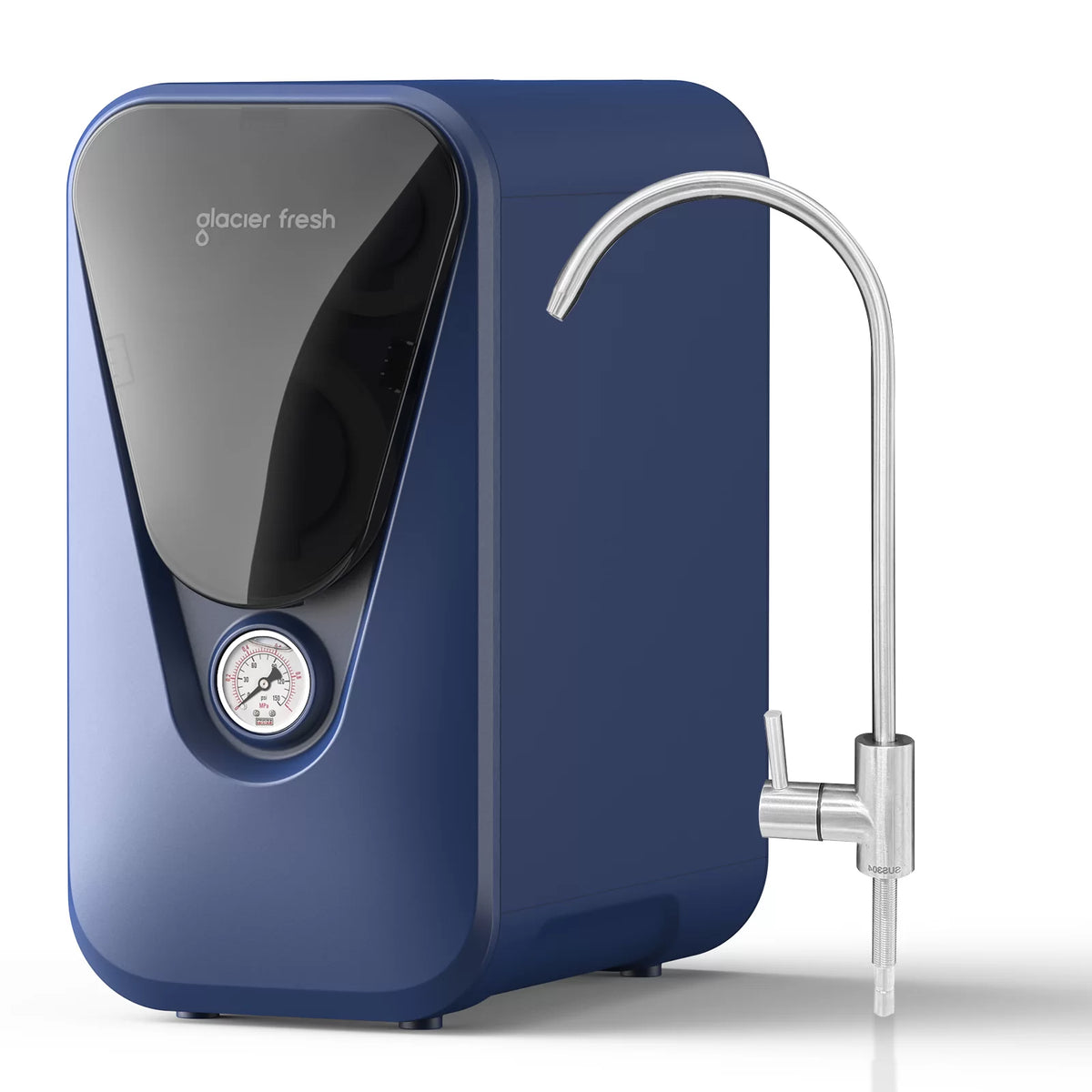
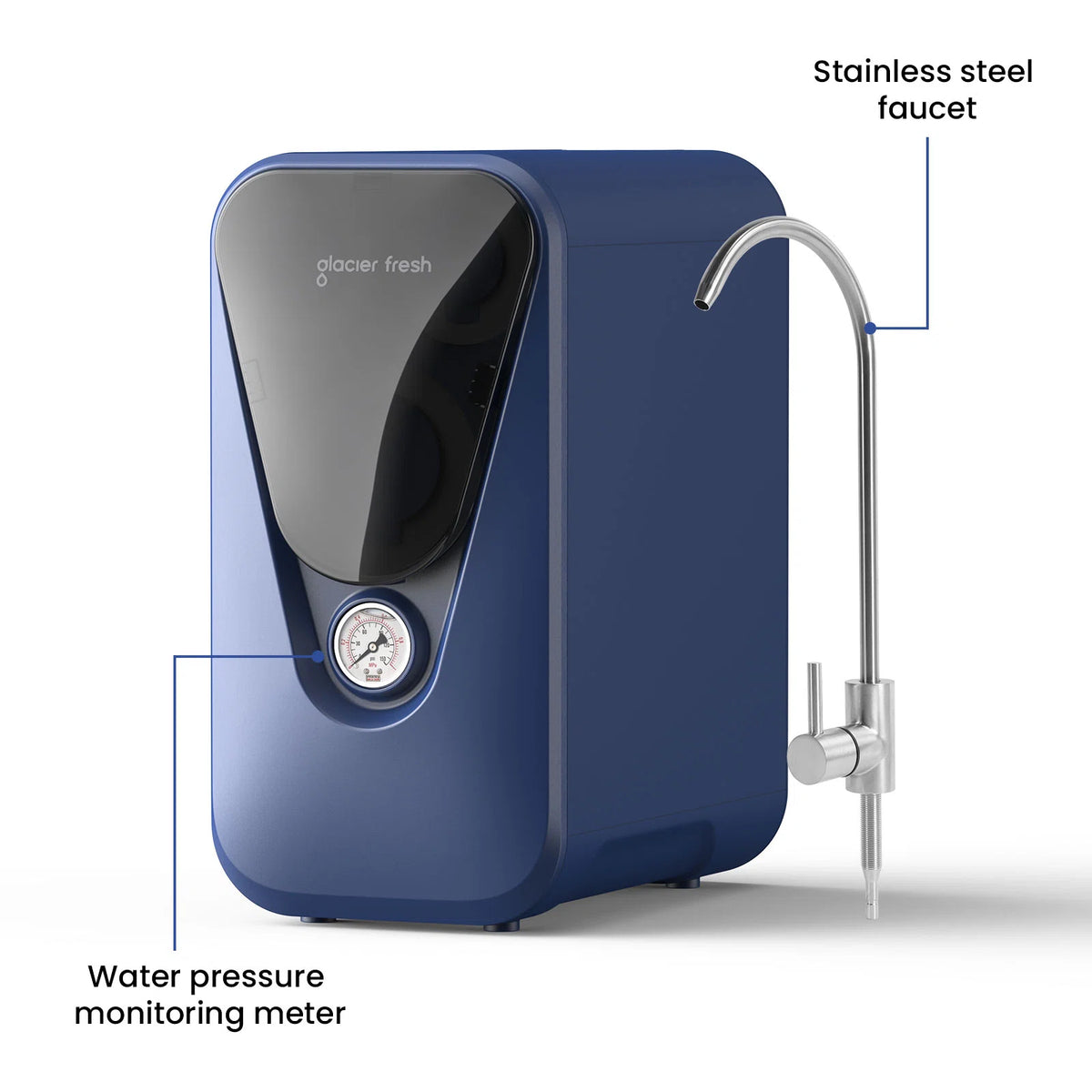
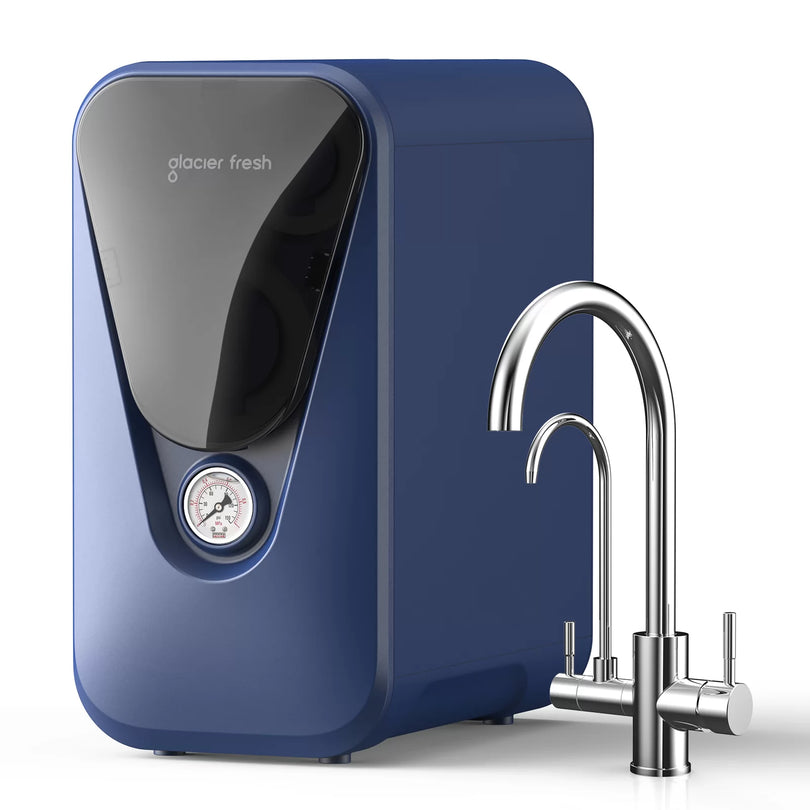
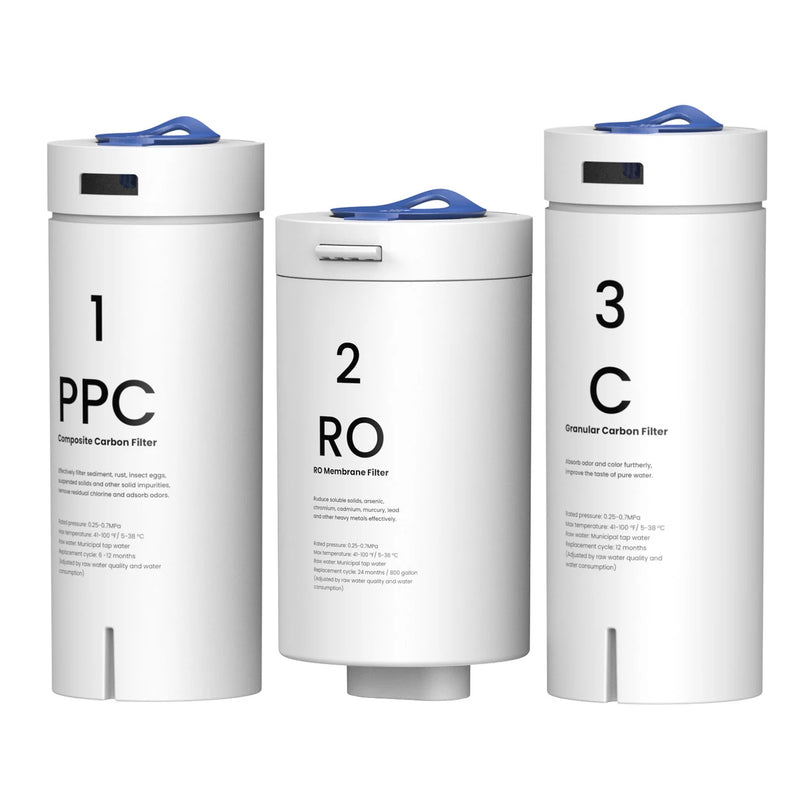
GlacierFresh 800GPD Undersink Reverse Osmosis System U03
The GlacierFresh U03 is a tankless reverse osmosis system certified to NSF ANSI 58 and tested to SGS standards.
Its 0.0001 micron RO membrane is designed to reduce PFAS and heavy metals, and it operates without electricity for quiet, under-sink use.
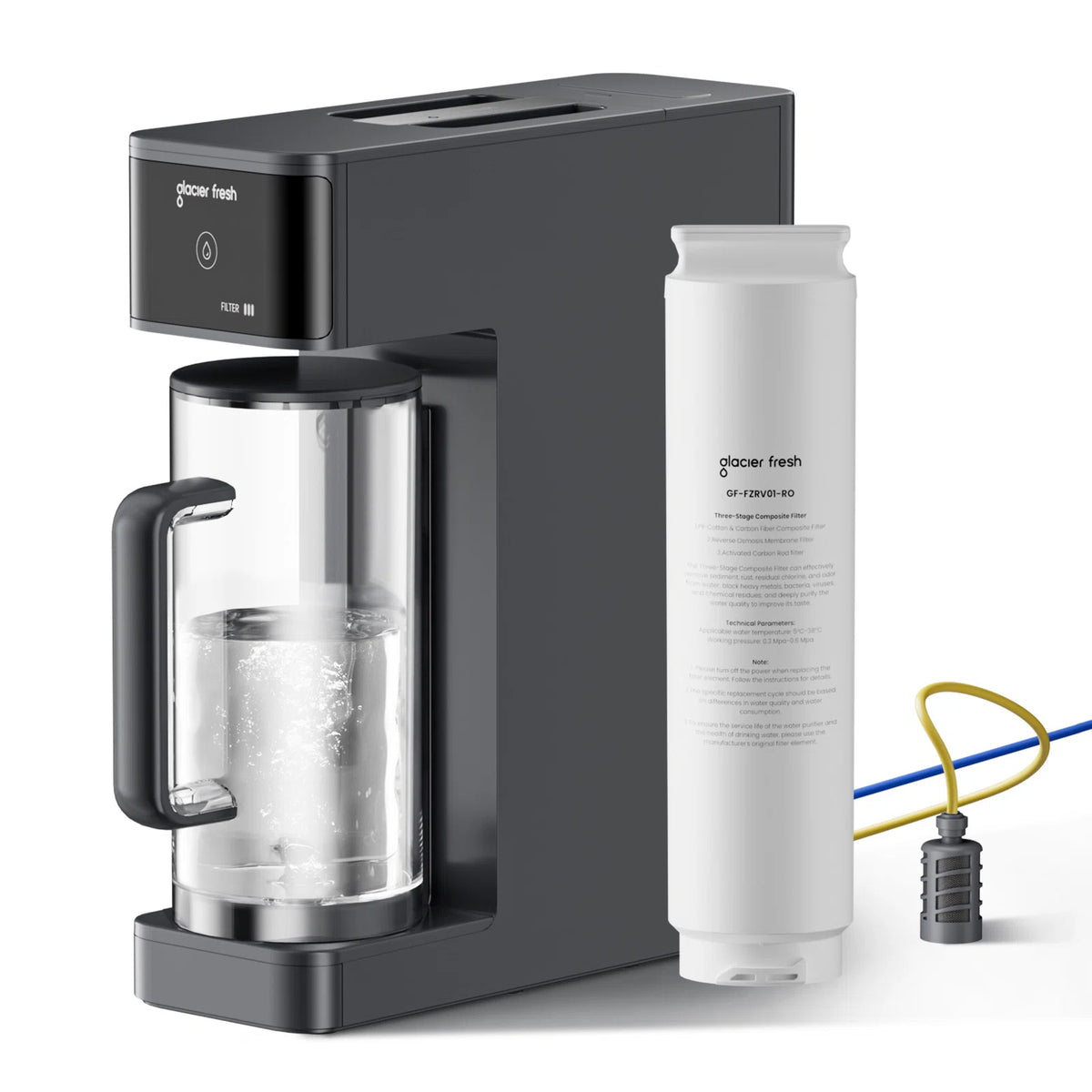
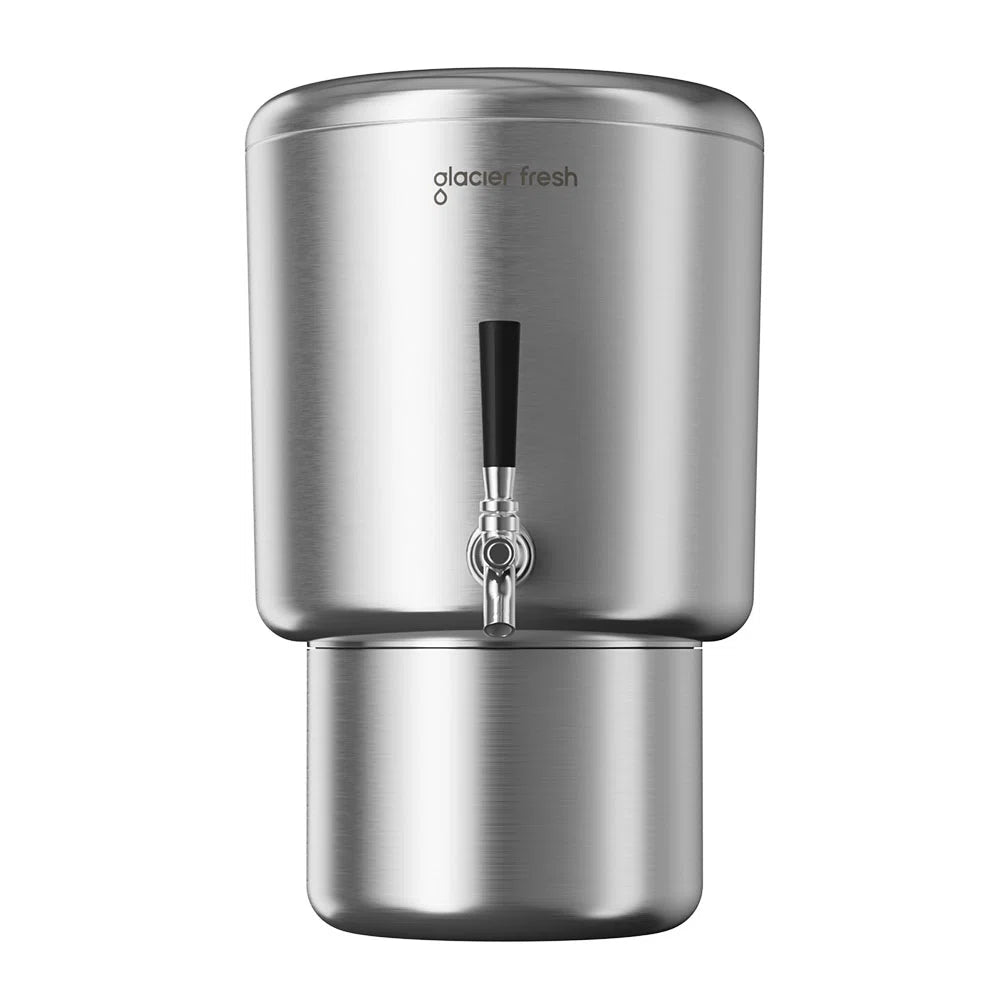
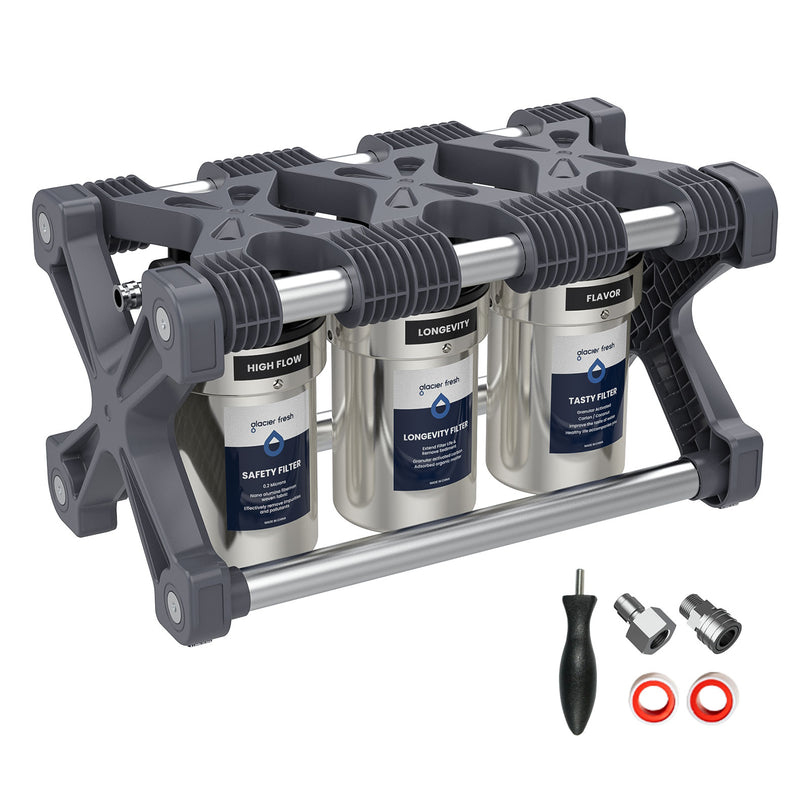
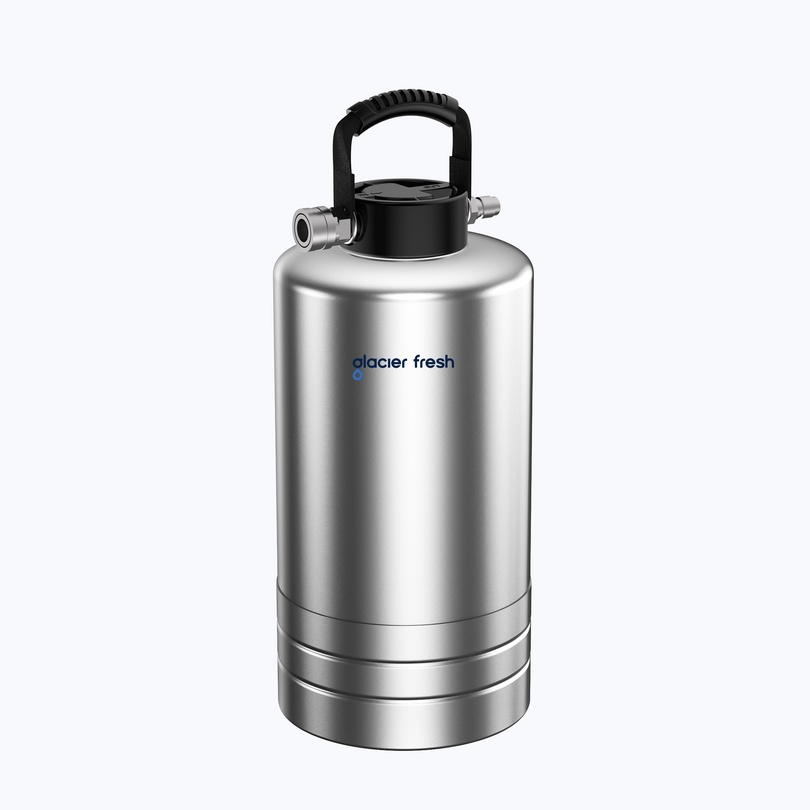
GlacierFresh 2.25 Gallon Countertop Water Filter
This gravity-fed stainless steel system requires no plumbing or electricity. Independent lab testing shows reductions of lead, chlorine, BPA, and combined PFOS and PFOA under controlled conditions.
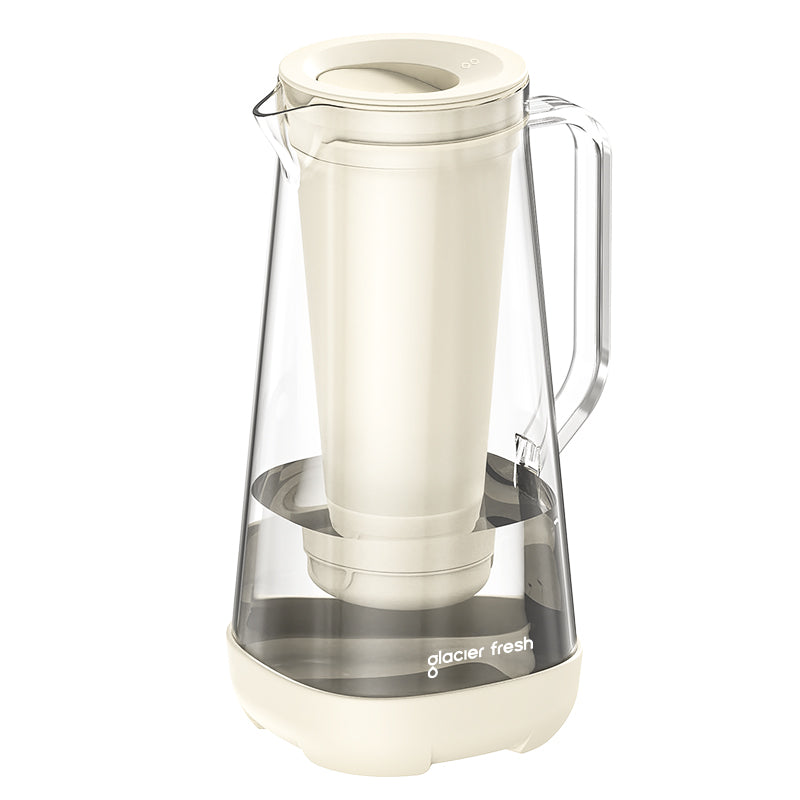
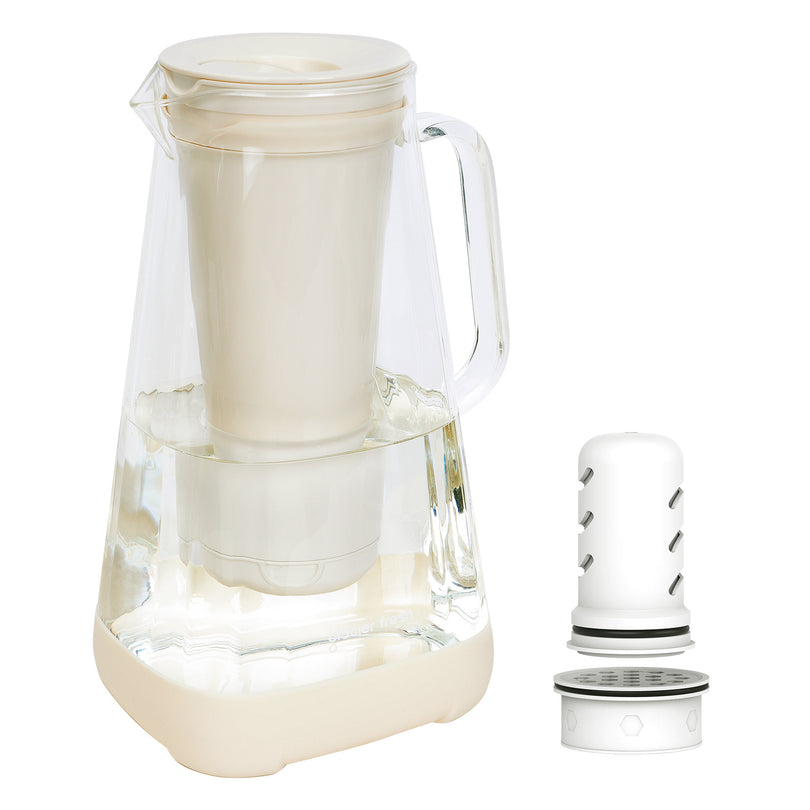
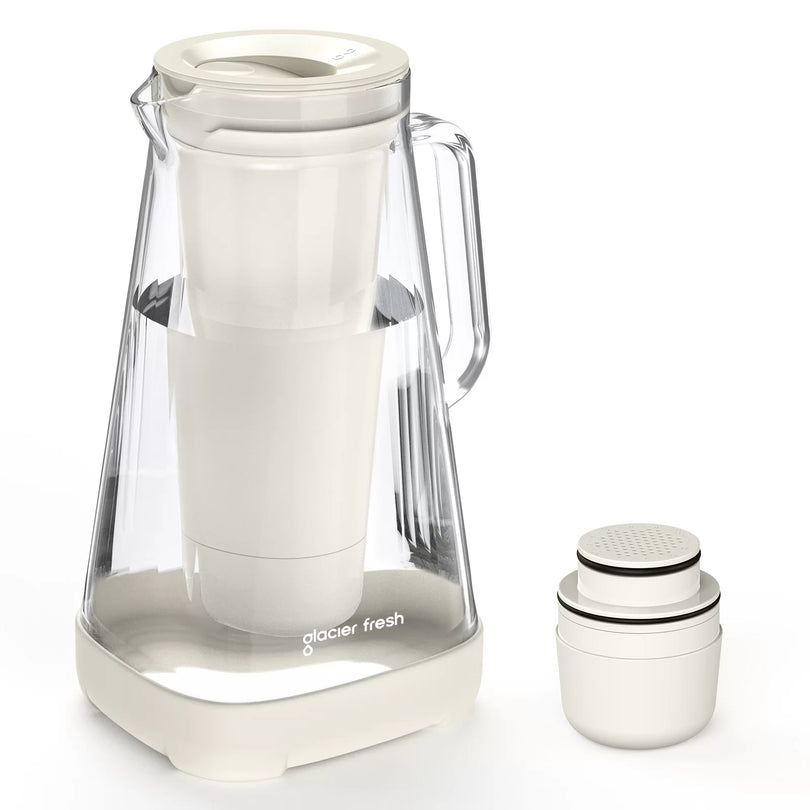
Purela P01 7 Cup Glass Water Pitcher
The Purela P01 uses a dual-stage membrane and carbon filtration in a compact glass design. It is certified to NSF 42 for chlorine reduction and is designed to reduce chlorine, sediment, certain heavy metals, and PFAS.
FAQs
1. Which states have the highest levels of PFAS?
PFAS contamination varies more by local source than by state borders. Areas near military bases, airports where firefighting foam was used, industrial facilities, or manufacturing plants often report higher concentrations.
2. Can boiling water remove PFAS?
No, boiling does not remove PFAS. In fact, as water evaporates during boiling, the PFAS remain behind, which can slightly increase their concentration in the remaining water. Effective removal requires filtration technologies such as reverse osmosis or certain activated carbon systems.
3. Do refrigerator filters remove PFAS from water?
Some refrigerator filters use activated carbon, which may reduce certain PFAS compounds, but performance depends on the specific filter design and certification. Not all refrigerator filters are tested for PFAS reduction. Always review manufacturer specifications.
4. Can you remove PFAS from drinking water?
Yes, PFAS can be reduced at the household level using appropriate filtration systems. Reverse osmosis units are widely recognized as highly effective for PFAS removal. Certain activated carbon filters may also lower concentrations when properly maintained.
5. What water filters actually remove PFAS?
Systems certified for PFAS reduction, including many reverse osmosis units and specific carbon based filters tested under NSF or independent laboratory standards, are generally the most reliable options.
Conclusion
Regulatory oversight of PFAS is entering a new phase as 2026 compliance deadlines approach. Federal MCLs now establish a clear baseline, while several states maintain stricter requirements.
For households, understanding PFAS regulations, reviewing local water reports, and considering point-of-use filtration are practical steps toward safer drinking water. Treatment technology is available now, even as public infrastructure continues to adapt.