
Table of Contents:
Is Tap Water Safe to Drink for Babies?
Is Drinking Water From the Faucet Safe for Infant Formula?
State-by-State Tap Water Safety for Babies
Common Contaminants Parents Should Watch For
TDS of Tap Water
How to Test Tap Water Before Using It for Babies
What Is the Most Effective Water Filtration System for Infant Safety?
Best Home Water Filtration Systems Available Today
FAQs
Conclusion
Many parents worry if tap water is safe to drink for babies. Infants are vulnerable, and unsafe water can pose health risks during their early development stages.
The US is regulated by the Environmental Protection Agency (EPA), but water quality still varies per state, infrastructure age, and contaminant exposure risks. In this guide, we’ll help ease your worries and provide more information about US tap water quality.
Is Tap Water Safe to Drink for Babies?

In the US, tap water is regulated under the Safe Drinking Water Act which provides safe drinking water standards and regulations to protect public health. However, for infants, standards are different, since they’re more prone to absorb contaminants more readily, like lead, nitrates, and PFAS (per- and polyfluoroalkyl substances). These substances can potentially lead to immediate and long-term health effects for babies.
While tap water in the US is generally safe, additional precautions such as testing or filtration is still recommended for infant use.
Is Drinking Water From the Faucet Safe for Infant Formula?
Using tap water for formula preparation is fine if you trust the water source and if it has no contamination issues. According to the Centers for Disease Control and Prevention (CDC), for infants who are under 2 months, premature, or those who are immunocompromised, it is advisable to boil the water to kill germs.
Risks can come from aging pipes, which leach contaminants, and even from treatment failures in municipal water. In some instances, more filtering or testing may be recommended.
State-by-State Tap Water Safety for Babies
States With Stronger Infrastructure Monitoring
States with low violations of drinking water standards include:
-
Hawaii
-
Delaware
-
Utah
-
Maryland
-
Kentucky
-
Nebraska
-
Minnesota
-
South Carolina
-
South Dakota
-
Rhode Island
These suggest their drinking water is more reliable based on state water reports.
States with Higher Historical Contaminant Exposure
Some states have higher levels of violations and concerns about lead or PFAS contaminants like Pennsylvania, New Jersey, Louisiana, and New York. Aside from documented contamination issues, these have concerns with infrastructure and pollution.
States Relying Heavily on Groundwater or Well Water
Rural areas like Iowa and other states in the Midwest depend on groundwater, and they might not be regulated compared to public systems. Therefore, they may be more vulnerable to other contaminants and pollutants due to a lack of testing.
It’s important to note that water quality can still vary depending on the community, utility size, and other local factors. Check your state’s health department data to determine specific risks.
Common Contaminants Parents Should Watch For

Lead Exposure Risks
Lead contamination in drinking water happens when lead leaches into tap water due to corroded plumbing fixtures. When tap water is contaminated with lead, it could impair infants’ brain development, hearing, and learning ability, even at low levels.
To remove lead from water, get a lead-removal filter, replace your service lines, or flush stagnant water from pipes before use.
PFAS and ‘Forever Chemicals’
These are called forever chemicals because PFAS don’t break down, resisting standard treatment. PFAS are linked to serious health issues in an infant’s immune system, so get advanced filtering systems like activated carbon or an undersink reverse osmosis system, certified to reduce PFAS levels.
Nitrates and Agricultural Contaminants
These mostly come from fertilizer runoff, septic tanks, or agricultural resources, especially in rural areas where the use of well water is more rampant. When a water has high nitrate levels, this can pose risks and interfere with transporting oxygen to the infants’ blood causing methemoglobinemia.
TDS of Tap Water
Total Dissolved Solids (TDS) are the combined amount of dissolved substances affecting the taste, odor, and water hardness. However, taste does not always translate to water quality. Some water tastes like chlorine, magnesium, or sulfur compounds, which can alter the flavor of water, but these are generally safe under drinking water standards.
Meanwhile, contamination risk involves substances like nitrate, lead, PFAS, or arsenic, which, although odorless or tasteless, are more harmful for infants.
TDS alone cannot determine water safety for infants, so proper contaminant testing and review of water quality are needed to assess the risks.
How to Test Tap Water Before Using It for Babies
-
Review local Consumer Confidence Report (CCR). This is the water quality report provided by utilities listing detected contaminants and compliance to EPA standards.
-
Use home water testing kits or send it to a certified laboratory for testing. Test water quality instantly and identify if this passes WHO standards. If you prefer to send a sample to a lab, contact your local health department to get a sampling kit.
-
Provide sampling tips for plumbing-related contaminants. Collect the sample and follow lab instructions carefully.
Water testing is important, especially for old homes, homes with private wells, and for those in areas with contamination history. Testing will give you peace of mind, so you can take the necessary steps in providing safe drinking water for infants.
What Is the Most Effective Water Filtration System for Infant Safety?
These are some of the major filtration technologies available in the US:
-
Reverse osmosis (RO): If contaminated with nitrate, PFAS, or lead, the Reverse Osmosis system is recommended. This undersink reverse osmosis system uses a semi-permeable membrane to remove water impurities.
-
Activated carbon: Used for reducing chlorine, organic chemicals, and some PFAS. It uses processed carbon to remove foul taste and bad odor from drinking water.
-
Countertop systems: More ideal for apartment renters or small households who want filtered water. However, effectiveness varies on certifications.
-
Whole-house system: This filtration system treats water at the entry point, though they don’t entirely remove contaminants. They can protect plumbing and reduce sediments in your homes.
It’s crucial to remove contaminants associated with pediatric risks such as lead, nitrates, PFAS, and bacteria. No filter system fits every household, so you need to learn all the factors to decide on the best one for you.
Best Home Water Filtration Systems Available Today

It’s advisable to choose a filtration system for an added layer of protection for your home. To help you choose, here are some filtration systems available in the market:
Water Filter to Remove PFAS: Under Sink Water Purifier Systems
PFAS is known to be persistent, not easy to break down using basic filtration. It requires advanced filtration technologies such as an undersink reverse osmosis system and high-grade activated carbon. RO systems are commonly chosen by families because these deliver filtered water straight from the kitchen tap, providing consistent filtration without the need to refill.
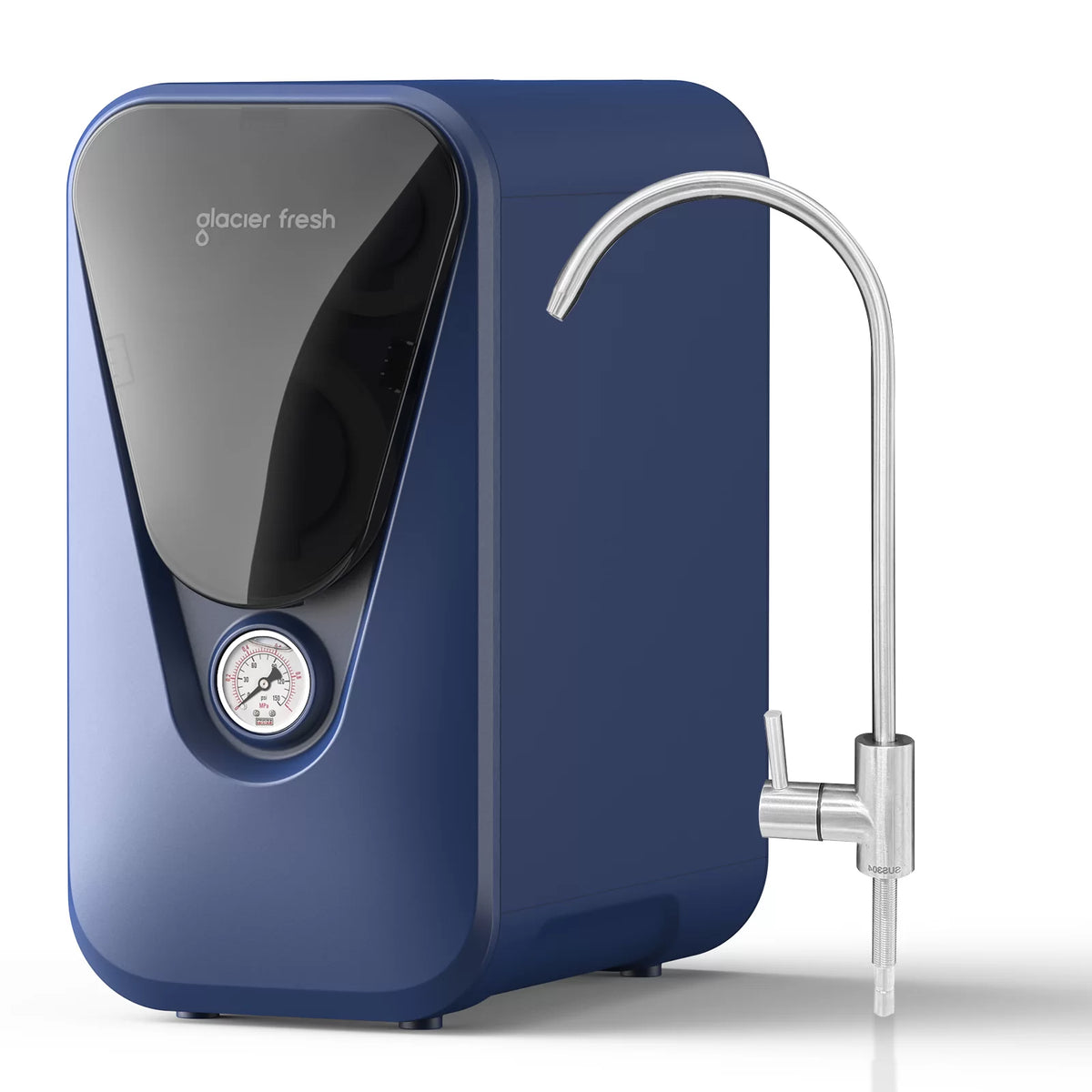
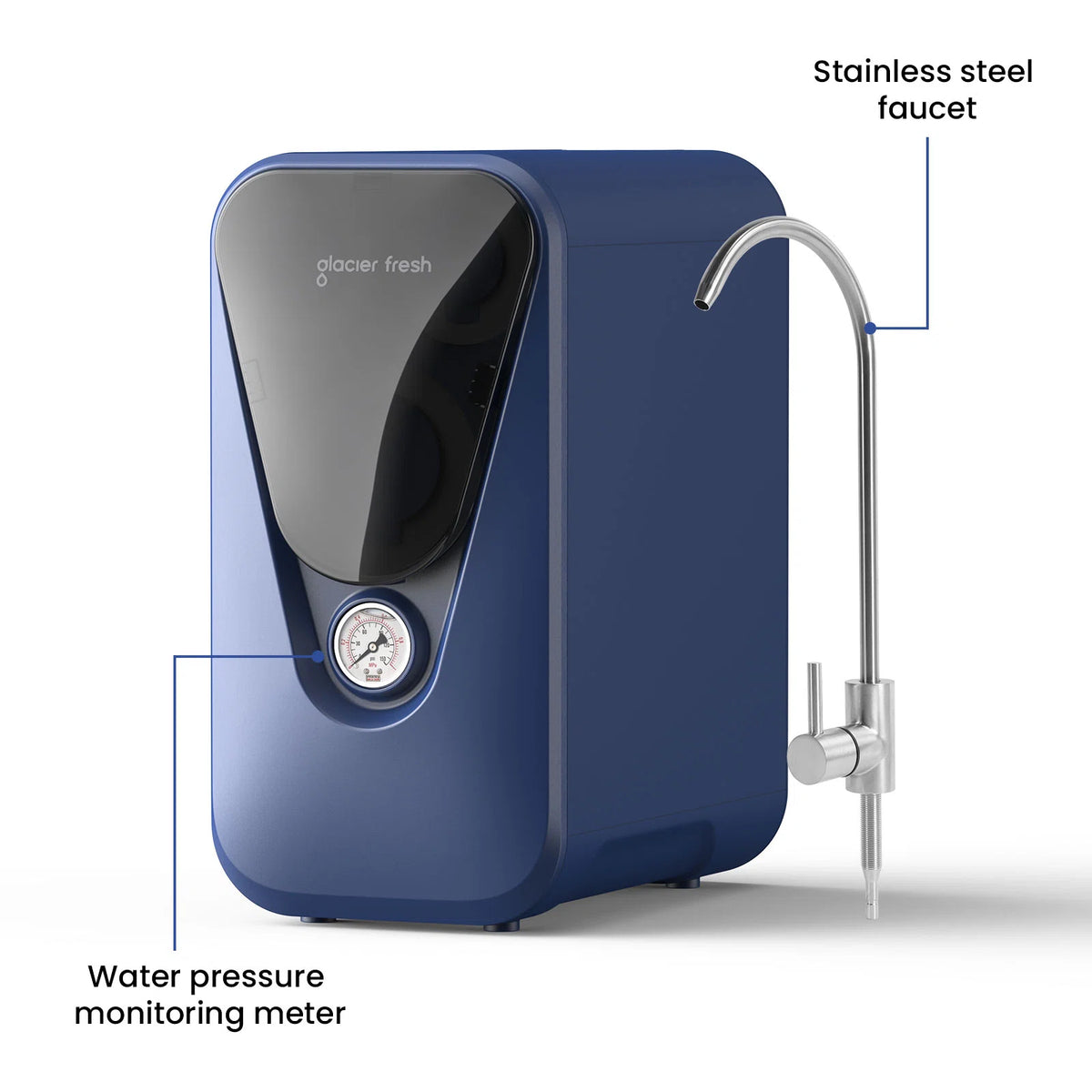
RO systems like the GlacierFresh U03 make home installation easy and can operate without electricity, making it essential in areas with frequent power outages.
Best Reverse Osmosis Water Filter System for Families With Babies
For families with babies, watch out for heavy metals, PFAS, nitrates, and microplastics. GlacierFresh’s 800 GPD undersink water filtration system is an ideal choice with its compact size and high-speed output. It’s a multi-stage filtration system, designed for municipal water households, especially those that need water to prepare infant formula daily.
Best Water Purifier System for Home Use to Remove Lead From Water
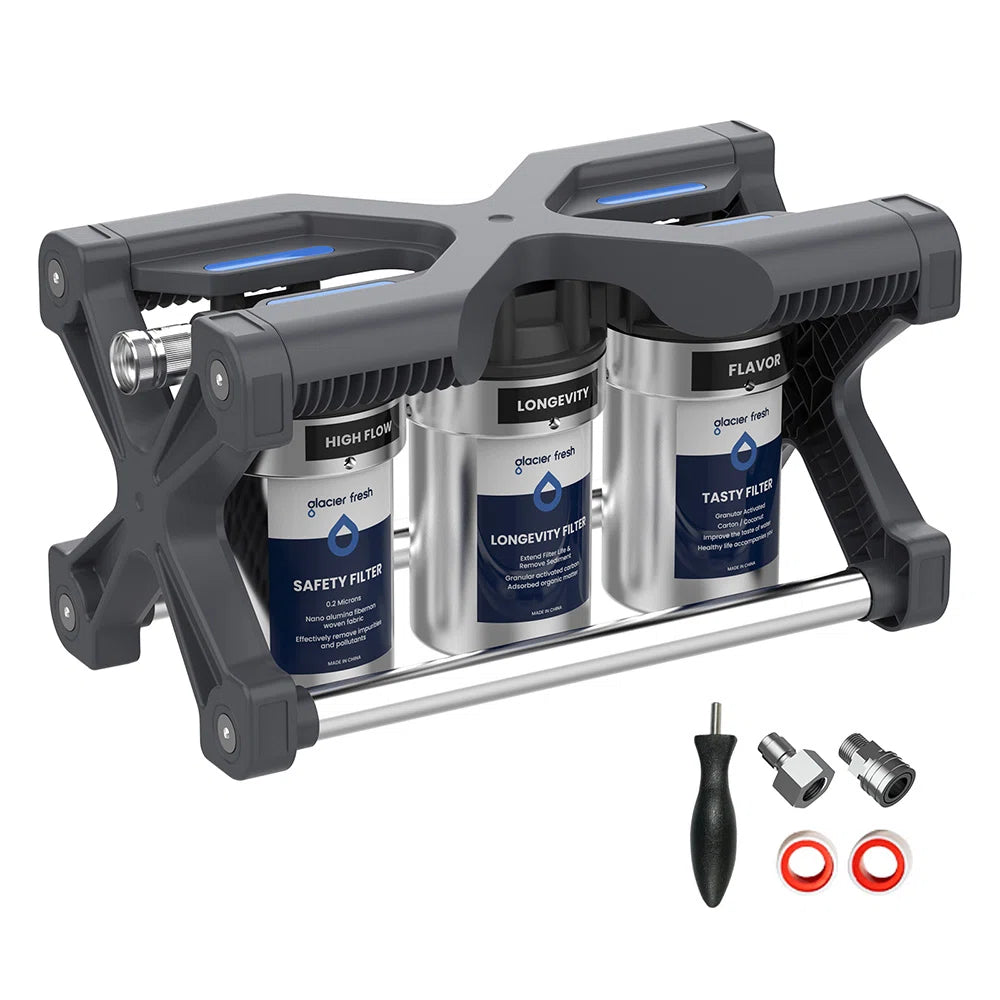
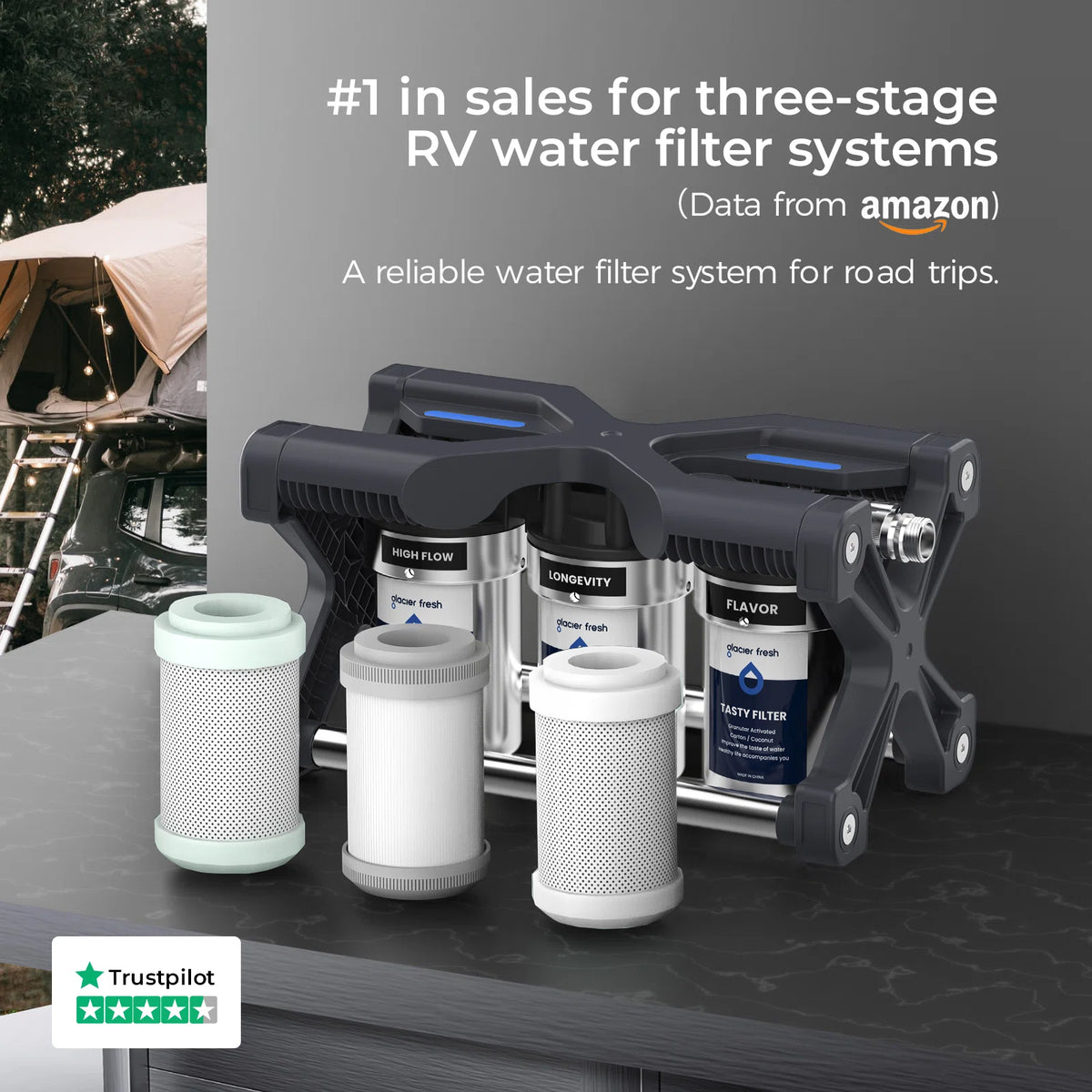
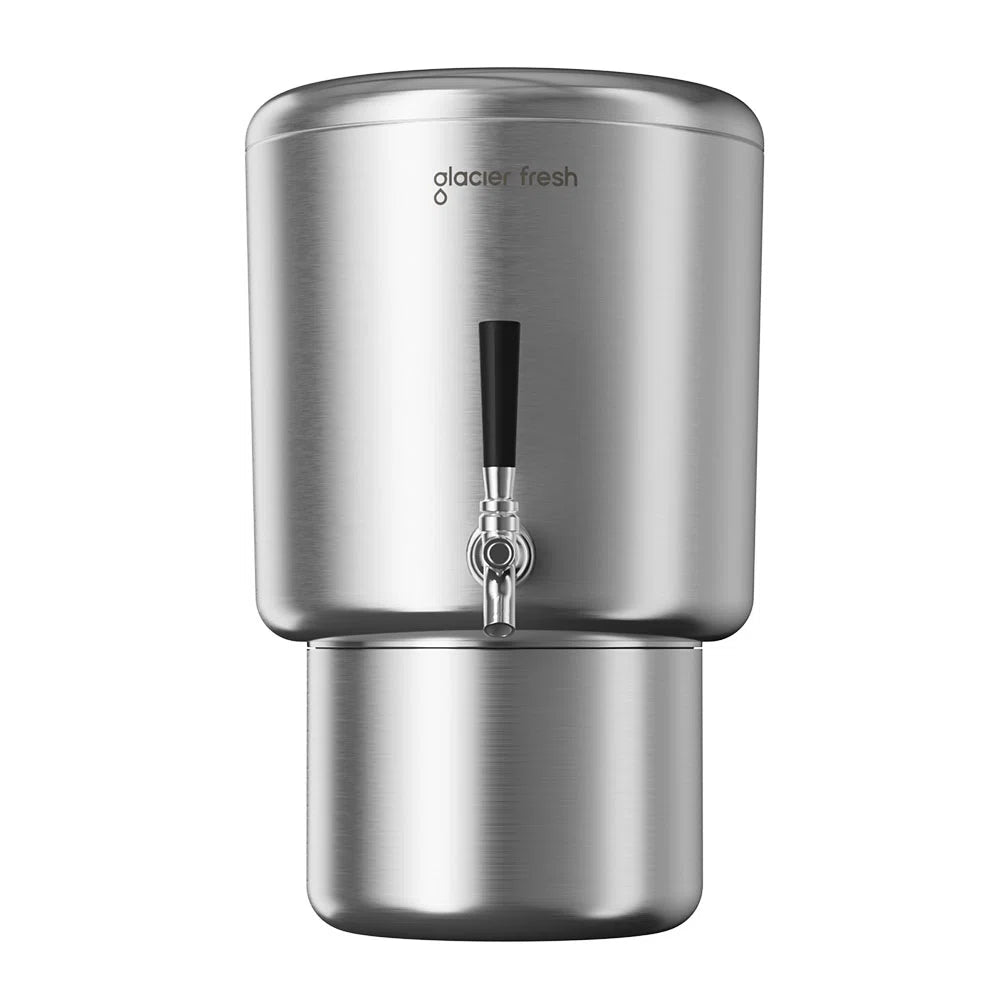
For those living in old buildings, lead is the usual contaminant. Get one that removes lead from water, like the GlacierFresh Countertop Water Filter System, a countertop lead-reduction solution.
It uses an Elarisey™ nanofiber filtration that reduces heavy metals, PFAS, chlorine, and chemical residues. Independent SGS testing shows lead reduction at 99.87%, as well as PFOS, POFA at 99.62%, chlorine at 99.47%, and BPA by around 99.4%.
FAQs
1. What is the best whole house filter for well water?
Look for filtration systems that remove sediments, rust, dirt, bacteria, and other chemicals and organic contaminants. Choose undersink reverse osmosis units which offer whole-house pre-filtration systems that can remove large particles.
2. Which type of water filter is best for home?
The best type of water filter depends on your home needs, location, and actual water concern. Check your local health department for a Consumer Confidence Report so you can narrow down your choices in choosing the water filter for your home.
3. Which water filter removes the most toxins?
Reverse osmosis systems are known to remove the most toxins on water such as dissolved metals, nitrates, PFAS, and lead. GlacierFresh’s multi-stage RO filters are recommended if you want broad protection and safe drinking water.
4. Is reverse osmosis water safe for babies?
Yes, water treated by a reverse osmosis filtration system is safe for babies. These products are designed to remove contaminants that are linked to pediatric risks. These water filter systems help provide safe water for infant formula preparation.
5. Can we drink RO water daily?
Definitely, since it helps remove unwanted contaminants and toxins that harm the body. Drinking water that is filtered using multi-stage filtration systems is safe to drink every day, both for infants and adults alike.
Conclusion
Most of the tap water in the US is regulated, but households with infants need extra caution especially for drinking water. Testing your water, being locally aware, and choosing the right filtration solution will greatly help in providing safe drinking water for your babies and the whole family.