


Table of Contents:
Why is hydration important for overall health?
Does dehydration affect mood?
How does water improve mental health?
How does hydration support cognitive function and emotional resilience?
What mood and cognitive symptoms can dehydration cause?
What are the benefits of staying hydrated for emotional well-being?
What are the best hydration options besides water?
FAQs
Conclusion
Why is hydration important for overall health?

Hydration is the foundation of everyday physical and mental performance because water supports circulation, nutrient transport, temperature regulation, digestion, and waste removal. When fluid balance is stable, the body can maintain energy and the brain can function with better clarity, which is why daily hydration habits are closely connected to maintaining optimal overall health and well-being. For emotional well-being, the goal is not simply to drink more at random, but to create a consistent pattern of water intake that matches activity level, climate, diet, and personal health needs.
Staying adequately hydrated can reduce common discomforts that often influence mood, such as fatigue, headaches, dry mouth, and low energy. When people wait until they feel very thirsty, mild dehydration may already be affecting attention and patience. A practical approach is to drink water regularly across the day, pair meals with water, and notice body signals such as urine color, dry lips, or sudden dips in focus.
Does dehydration affect mood?

Yes. Dehydration can affect mood because fluid loss changes how the body handles stress, energy, and cognitive workload. When dehydrated, the body's hormone levels can affect your mood, and many people notice irritability, reduced motivation, or a lower tolerance for stress before they feel severely thirsty. These effects do not mean water is a stand-alone treatment for anxiety or depression, but hydration is a useful daily support habit for emotional stability.
Hormonal and neurological processes are connected to hydration status. Dehydration can raise physical stress signals, and it may make everyday tasks feel more demanding. In practical terms, a person who is mildly dehydrated may feel more impatient during work, more mentally tired during conversations, or less resilient when handling routine pressure.
How does water improve mental health?
Water supports mental health indirectly by helping the brain maintain circulation, temperature balance, and efficient neurotransmitter activity. Serotonin, a neurotransmitter involved in emotional regulation, is influenced by overall body function and hydration balance. Good hydration cannot replace professional mental health care, but it can remove one avoidable source of fatigue, brain fog, and stress amplification.
Consistent water intake also supports daily habits that protect mood: better sleep routines, fewer dehydration-related headaches, steadier energy, and more comfortable digestion. These benefits are especially relevant for people with busy workdays, active lifestyles, or climates where sweating increases fluid needs.
How does hydration support cognitive function and emotional resilience?

Hydration supports cognitive function by helping the brain process information, maintain focus, and manage short-term memory demands. Research shows a direct correlation between hydration levels and cognitive performance, which explains why even mild dehydration can make decision-making and concentration feel harder. Emotional resilience improves when the body is not fighting basic fluid imbalance in the background.
When water intake is adequate, people often feel more prepared to handle stress because they have fewer physical distractions such as thirst, dry mouth, headaches, and fatigue. The effect is subtle but practical: better hydration can make the same workload feel more manageable.
What mood and cognitive symptoms can dehydration cause?

Dehydration symptoms often appear on a spectrum.
|
Dehydration level |
Common mood or cognitive signs |
Practical response |
|
Mild fluid loss |
Thirst, lower focus, mild headache, impatience, dry mouth |
Drink water slowly, add water-rich foods, and recheck symptoms after rest |
|
Moderate fluid loss |
Fatigue, irritability, slower reaction time, difficulty concentrating |
Use water plus electrolytes when sweating, exercising, or recovering from heat exposure |
|
Higher-risk signs |
Confusion, dizziness, very dark urine, rapid heartbeat, persistent weakness |
Seek medical advice promptly, especially for children, older adults, or people with chronic conditions |
What are the benefits of staying hydrated for emotional well-being?
The main emotional benefits of good hydration are steadier energy, better concentration, improved stress tolerance, and fewer physical discomforts that can make mood feel worse. These benefits are not instant cures for mental health concerns, but they can support a more stable daily baseline when combined with sleep, movement, balanced meals, and appropriate care.
Adequate hydration can help sustain energy levels throughout the day, especially during exercise or warm weather. Physical activity stimulates endorphins, while fluid intake replaces water lost through sweating. This is why active people, outdoor workers, and students after sports practice may need a more deliberate hydration plan than simply drinking when thirsty.
What are the best hydration options besides water?

|
Hydration choice |
Best use case |
Notes for mood and energy |
|
Filtered water |
Everyday drinking, meals, work, and study |
Low cost, no sugar, easy to drink consistently; useful as the default option |
|
Low-sugar electrolyte mix |
Exercise, hot weather, or heavy sweating |
Compare sodium, potassium, sugar, and stomach tolerance before choosing |
|
Milk or fortified dairy alternative |
Post-workout recovery or kids after sports |
Provides fluid plus nutrients; choose unsweetened options when possible |
|
Herbal tea or infused water |
People who dislike plain water |
Adds flavor without heavy sugar; useful for building a sustainable habit |
|
Coconut water alternative |
Light electrolyte support |
Compare potassium, sugar, price, and serving size before relying on it daily |
A practical answer to what can you drink besides water to stay hydrated is to choose low-sugar fluids that you can tolerate and drink consistently. The best drink to stay hydrated for most people remains clean water, while electrolytes are most useful after sweating, intense exercise, illness, or long exposure to heat.
For improving emotional well-being, consider incorporating simple yet effective strategies to increase your daily water intake. Use a bottle with measurement marks, drink a glass with each meal, and add fruit or herbs when flavor helps you keep the habit. Vulnerable groups, including the elderly and athletes, may need extra attention because thirst signals, sweating, and fluid losses can vary widely.
FAQs
Can dehydration lead to specific mood disorders or mental health conditions?
Dehydration can worsen mood, focus, stress response, and fatigue, but it should not be described as a direct cause of a diagnosed mood disorder.
Are there specific populations that may be more at risk for dehydration, impacting emotional well-being?
Yes. Older adults, athletes, children after sports practice, people working outdoors, and anyone in hot or dry climates may be more vulnerable to dehydration.
What should I drink if plain water feels boring?
Starting with filtered water, then adding unsweetened herbal tea, infused water, diluted electrolyte drinks, milk, or low-sugar hydration mixes if they fit your diet. For sensitive stomachs, avoid high-acid or heavily sweetened options and compare ingredient lists carefully.
Are hydration recovery products useful for kids after sports practice?
Sometimes. For short, light activity, water and a balanced snack are usually enough. After long practices, heavy sweating, or hot weather, a low-sugar electrolyte drink may help replace sodium and fluids.
What is the easiest hydrating choice during a busy workday?
It is usually the plain filtered water because it is affordable, sugar-free, and easy to keep nearby. If you dislike plain water, try infused water, chilled filtered water, or unsweetened herbal tea.
Conclusion
Hydration and mood are connected through energy balance, brain function, stress response, and everyday comfort. Drinking enough water will not solve every emotional or cognitive challenge, but it can remove a common source of irritability, fatigue, and poor concentration. Build hydration into daily routines, use water-rich foods, and consider electrolytes when heat or exercise increases fluid loss. A realistic hydration plan is one of the simplest ways to support a calmer, more focused, and more resilient day.
Recommended Related Reading
To help readers continue exploring hydration, filtered water, and practical drinking habits, add these internal links naturally after the conclusion:
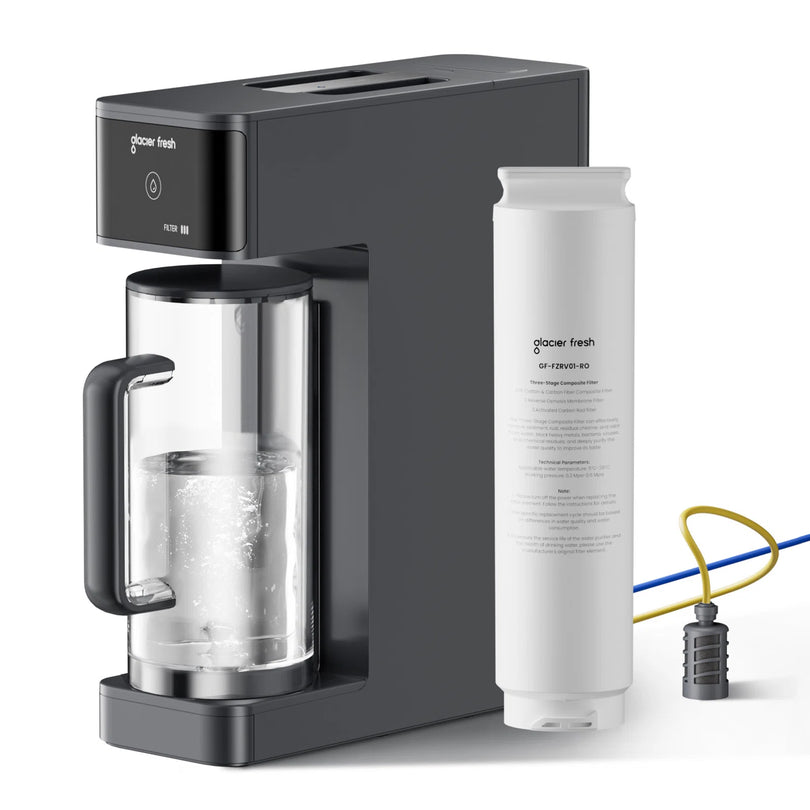
- For chilled filtered water at home or in an office, explore the GlacierFresh Coolon Countertop Cold Water Dispenser.
- For a hydration-focused companion article, read about the health benefits of drinking chilled filtered water.
- For simple filtration options in small spaces, see water filters for apartments and renters.