
Table of Contents:
Why water quality is vital for Athletes?
Benefits of better water filtration for Athletes
Types of water filters right for Athletes
Things to consider when choosing water filters for Athletes
FAQs
Conclusion
Are you an athlete looking to improve your performance? Choosing the right water filter is crucial for your health and success. This guide explains how to evaluate filtration type, contaminant reduction, portability, mineral balance, and maintenance so you can build a hydration routine that supports training, competition, travel, and recovery.
Why water quality is vital for Athletes

For athletes, water quality is not only about taste. It affects hydration reliability, gastrointestinal comfort, immune resilience, and how confidently you can drink from different water sources before, during, and after exercise. Clean water helps the body regulate temperature, move nutrients to working muscles, support blood volume, and recover from sweat losses.
Contaminated water can contribute to stomach upset, fatigue, and dehydration, all of which may disrupt training quality and recovery time. A well-chosen filter reduces avoidable risk by targeting bacteria, protozoa, sediment, chlorine taste, and selected heavy metals, depending on the filtration technology and certification.
Benefits of better water filtration for Athletes

Better filtration gives athletes a more consistent hydration base. Instead of relying on bottled water, uncertain locker-room taps, or untreated outdoor sources, the right system makes clean water easier to access at home, at the gym, and on the road.
- Improved performance: clean, better-tasting water makes it easier to drink enough before and during sessions.
- Faster recovery: fewer impurities and better hydration habits can support post-workout recovery routines.
- Enhanced endurance: convenient filtered water helps athletes maintain fluid intake during long workouts or hot-weather training.
- Lower plastic waste: reusable filter bottles and countertop systems reduce dependence on single-use bottled water.
- Better consistency: athletes can control water quality across training days, travel days, and outdoor activities.
Types of water filters right for Athletes
The best filter type depends on where the athlete drinks most often. A runner may prioritize a bottle filter, a team may need a high-capacity gravity system, and an outdoor athlete may want a lightweight straw filter as backup. Match filtration format to water source, training duration, and carrying capacity.
Water bottle filter
A water bottle filter is a strong everyday choice because it combines storage, portability, and filtration in one device. It is especially useful for gym sessions, commutes, short runs, team practice, and travel days when tap water taste or quality may vary.
- Portable options: water bottle filters are lightweight and easy to carry in a gym bag, bike cage, or backpack.
- Filter performance: quality bottle filters can reduce common taste, odor, and particulate concerns, depending on the cartridge design.
- Durability factors: athlete-friendly bottles should withstand drops, vibration, and frequent washing.
-
Ease of use: fill the bottle, secure the filter, and drink without adding extra setup time.
Gravity filter

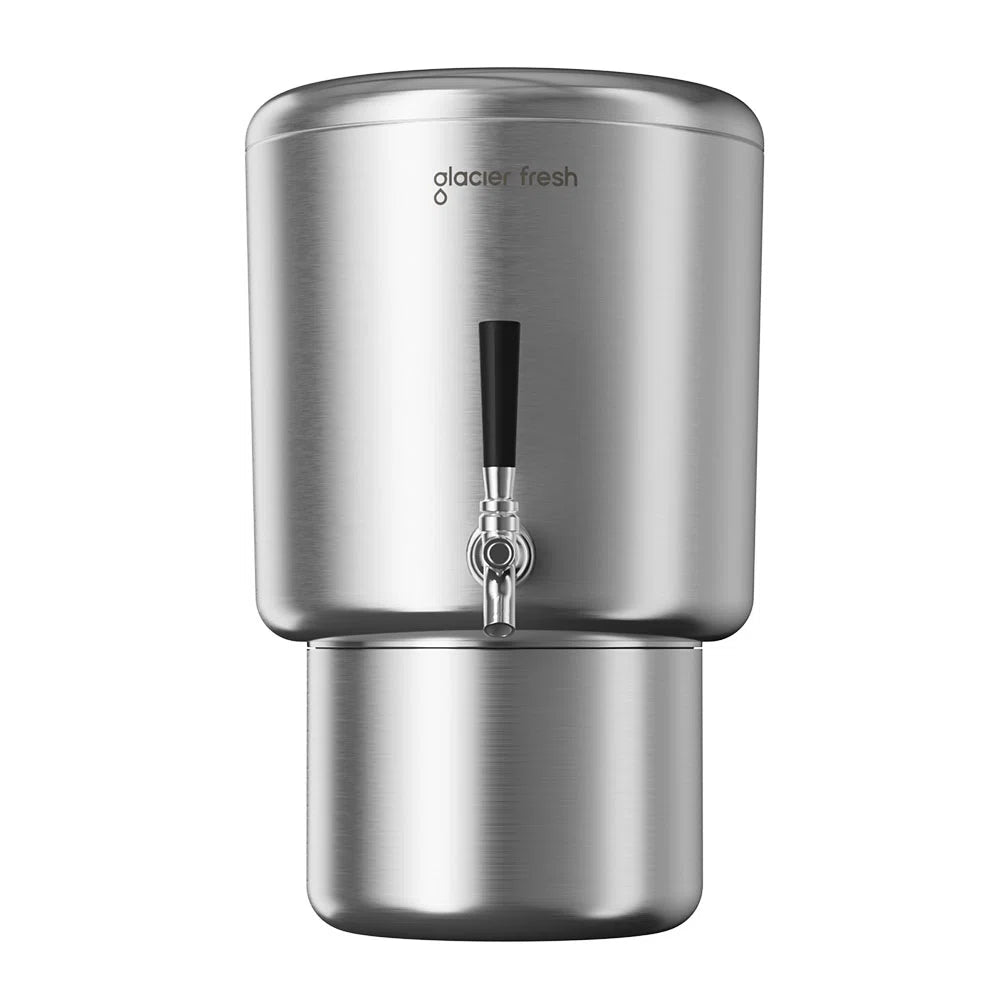
A gravity water filter is useful when athletes need more water volume with minimal manual effort. It is a practical option for home kitchens, recovery areas, team facilities, weekend tournaments, camping setups, and base-camp hydration stations.
Gravity filters are easy to maintain, usually require no electricity, and can serve multiple people. They are less ideal for carrying during a race, but they work well when filtered water can be prepared ahead of time and poured into bottles or hydration packs.
Straw filters
Straw filters are compact backup tools for outdoor athletes, hikers, trail runners, and adventure racers. They are designed for low weight and fast access when a larger bottle or gravity system is not practical.
- Portable and lightweight: straw filters fit easily into a small pack or emergency kit.
- Efficient filtration: many straw filters are designed to reduce bacteria and protozoa from untreated water sources.
- Low maintenance: some models can filter large volumes before replacement, but flushing and storage instructions still matter.
- Cost-effective: straw filters are often affordable, making them useful as a secondary filter rather than a primary daily system.
Athlete water filter comparison guide
Use this quick comparison when deciding which filter format best fits your sport, water source, and training environment.
|
Filter type |
Best for |
Strengths |
Limitations |
Athlete fit |
|
Water bottle filter |
Gym, commuting, short runs, travel |
Portable, easy to refill, good daily habit builder |
Limited capacity; cartridge must be replaced |
Best all-around personal option |
|
Gravity filter |
Teams, home recovery, camping base camps |
High capacity, low effort, good for groups |
Less portable during activity |
Best for shared hydration stations |
|
Straw filter |
Trail, hiking, emergency backup |
Very light, compact, affordable |
Not convenient for filling multiple bottles |
Best as outdoor backup |
|
Under-sink or countertop filtration |
Home training base |
Consistent filtered water for meal prep and bottles |
Not portable |
Best for pre-filling bottles before workouts |
Things to consider when choosing water filters for Athletes
Choosing a filter for athletic use requires more than checking the price. Athletes should evaluate filtration claims, water source risk, flow rate, capacity, portability, taste, mineral impact, and replacement cost. The goal is to choose a system that makes safe hydration easier without creating friction during training or travel.
Specific hydration needs

Athletes lose water and electrolytes through sweat, especially during long sessions, high-intensity intervals, heat exposure, and endurance events. Filtered water is the base; electrolytes and carbohydrates may still need to be added separately depending on sweat rate, exercise duration, and personal tolerance.
- Specific hydration techniques: choose a filter that fits your bottle, hydration vest, team cooler, or home refill routine.
- Best water sources: tap water may be suitable with the right filter, while rivers, lakes, or campground water require stronger microbial protection.
- Importance of electrolytes: sodium, potassium, magnesium, and chloride help maintain fluid balance and muscle function. A common athlete question is: does filtered water have electrolytes? The answer depends on the filter. Many carbon and ultrafiltration systems leave some minerals in water, while reverse osmosis removes many dissolved ions and may require remineralization or electrolyte supplementation.
- Hydration strategies: pre-hydrate before training, sip during activity, and rehydrate after exercise with both fluids and electrolytes when sweat loss is high.
Filtered water, purified water, and electrolytes
When comparing filtered water with purified water, athletes should separate water safety from electrolyte replacement. Filtered water usually means water has passed through media such as activated carbon, ultrafiltration, or multi-stage filtration to reduce targeted contaminants. Purified water may refer to reverse osmosis, distillation, or deionization, which can remove a broader range of dissolved substances.
So, does purified water have electrolytes? Usually, purified water has fewer minerals than untreated tap water, especially when produced by reverse osmosis or distillation. That is not automatically bad: low-mineral water can be clean and useful, but athletes doing long runs, hot-weather workouts, or heavy sweat sessions should consider electrolyte tablets, powders, or sports drinks when needed.
Hydration add-ins: sports drinks, electrolyte tablets, and zero-sugar options
Water filters improve the quality of the water you drink, but they do not replace a nutrition plan. For long workouts, athletes may compare sports drinks, electrolyte tablets, and zero-sugar powders based on sodium content, carbohydrates, caffeine, taste, stomach tolerance, and cost per serving.
| Hydration option | Typical use case | Electrolyte focus | Budget note | Best fit |
| Sports drink | Long runs, races, team sports | Sodium plus carbohydrates | Often higher cost per serving than tablets | Athletes needing fuel and fluids together |
| Electrolyte tablet | Travel, gym, budget hydration | Sodium and selected minerals | Many options are under $20 per tube or pack | Athletes who want portable, low-calorie support |
| Electrolyte powder | Endurance training, hot weather | Customizable sodium and flavor strength | Can be economical in bulk packs | Athletes who want flexible dosing |
| Zero-sugar hydration mix | Low-carb training, daily workouts | Electrolytes without sugar | Compare sodium per serving, not just price | Athletes avoiding sugar or calories |
Filter portability and convenience
Portability matters because athletes rarely drink in only one place. The best filter is the one that fits the rhythm of training: easy to fill, fast enough to use, simple to clean, and durable enough for repeated handling.
- Filter durability: choose tough bottles, reinforced housings, and cartridges designed for frequent transport.
- Filter performance: look for clearly stated contaminant-reduction claims and third-party testing when available.
- Filter capacity: match cartridge life and container size to training frequency and the number of users.
- Filter technology: carbon, ultrafiltration, nanofiber, and reverse osmosis systems solve different water-quality problems, so avoid choosing by appearance alone.
Harmful contaminants removal

When choosing water filters for athletes, prioritize contaminant reduction based on the water source. Ensuring water purity helps protect athlete safety, comfort, and performance. Tap water may require chlorine, sediment, lead, or PFAS reduction, while outdoor water may require microbial protection.
Look for filters that target bacteria, protozoa, sediment, chemicals, and heavy metals where relevant. If you are training in different cities, using campground water, or filling from old plumbing, choose a system with stronger contaminant-reduction claims and replace cartridges on schedule.
Cost efficiency and maintenance
Cost efficiency should include the purchase price, replacement cartridges, expected filter life, cleaning steps, and the cost of buying bottled water as an alternative. A cheaper filter is not always better if it clogs quickly, has slow flow, or requires frequent replacement.
For athletes, maintenance also affects consistency. A filter that is difficult to clean or easy to forget may reduce hydration compliance. Choose a system with simple cartridge changes, clear replacement reminders, and enough capacity for your weekly training volume.
FAQs
Are there any specific contaminants in water that can negatively impact an Athlete's performance?
Yes. Bacteria, viruses, protozoa, heavy metals, chlorine byproducts, sediment, and selected chemicals may affect health, comfort, or taste. Gastrointestinal upset, poor taste, and uncertainty about water safety can all reduce an athlete’s willingness to hydrate consistently.
Can a water filter improve an Athlete's recovery time after intense training or competitions?
A water filter does not directly repair muscle tissue, but it can support recovery by making safe, clean water easier to drink. Better hydration habits help restore fluid balance, support circulation, and make it easier to combine water with post-workout electrolytes and nutrition.
Are there any water filters designed explicitly for Athletes who travel frequently?
Yes. Travel-friendly options include filtered bottles, compact straw filters, and portable gravity systems. Filtered bottles are best for airports, hotels, gyms, and daily carry, while straw filters and portable systems are better for camping, trail, and emergency hydration scenarios.
What are the top sports drinks for hydration during long runs in the US and how do they compare in price per serving?
For long runs, athletes commonly compare products such as Gatorade, Powerade, Skratch Labs, Tailwind, and Liquid I.V. The best choice depends on sodium level, carbohydrate needs, flavor tolerance, and cost per serving. Ready-to-drink bottles are convenient but usually cost more per serving, while powders are often more economical for frequent runners.
Which electrolyte tablets or powders are best for athletes on a budget under $20 and how do they stack up?
Budget-minded athletes should compare electrolyte tablets and powders by sodium per serving, servings per package, sugar content, and stomach tolerance. Options under $20 often include tablet tubes or smaller powder packs. Choose the product that meets sweat-loss needs rather than the one with the lowest shelf price.
What are the best zero-sugar hydration options for athletes and how do their electrolyte contents compare?
Zero-sugar hydration options are useful for short workouts, low-carb training, or athletes who want electrolytes without added calories. Compare sodium first, then potassium and magnesium. Zero-sugar mixes can support hydration, but endurance sessions longer than about 60-90 minutes may still require carbohydrates from gels, food, or a sports drink.
Does filtered or purified water naturally provide enough electrolytes for athletes?
In most cases, water alone is not a full electrolyte strategy for hard training. does filtered water have electrolytes depends on the filtration method and the source water, while does purified water have electrolytes is usually answered differently for reverse osmosis or distilled water because those processes remove many dissolved minerals. For long runs, heat, or heavy sweat, add electrolytes based on duration and sweat loss.
Conclusion
Athletes should prioritize water quality as part of a complete hydration strategy. Look for a gravity water filter system or another filter type that fits your sport, water source, and routine. Consider filtration technology, contaminant reduction, capacity, cartridge life, ease of use, and whether your training requires added electrolytes. The right setup will not only improve water taste and safety but also make consistent hydration easier every day.
Recommended related reading and products
For athletes who want a complete hydration setup, these related Glacier Fresh resources can support home, travel, and outdoor water-quality planning:
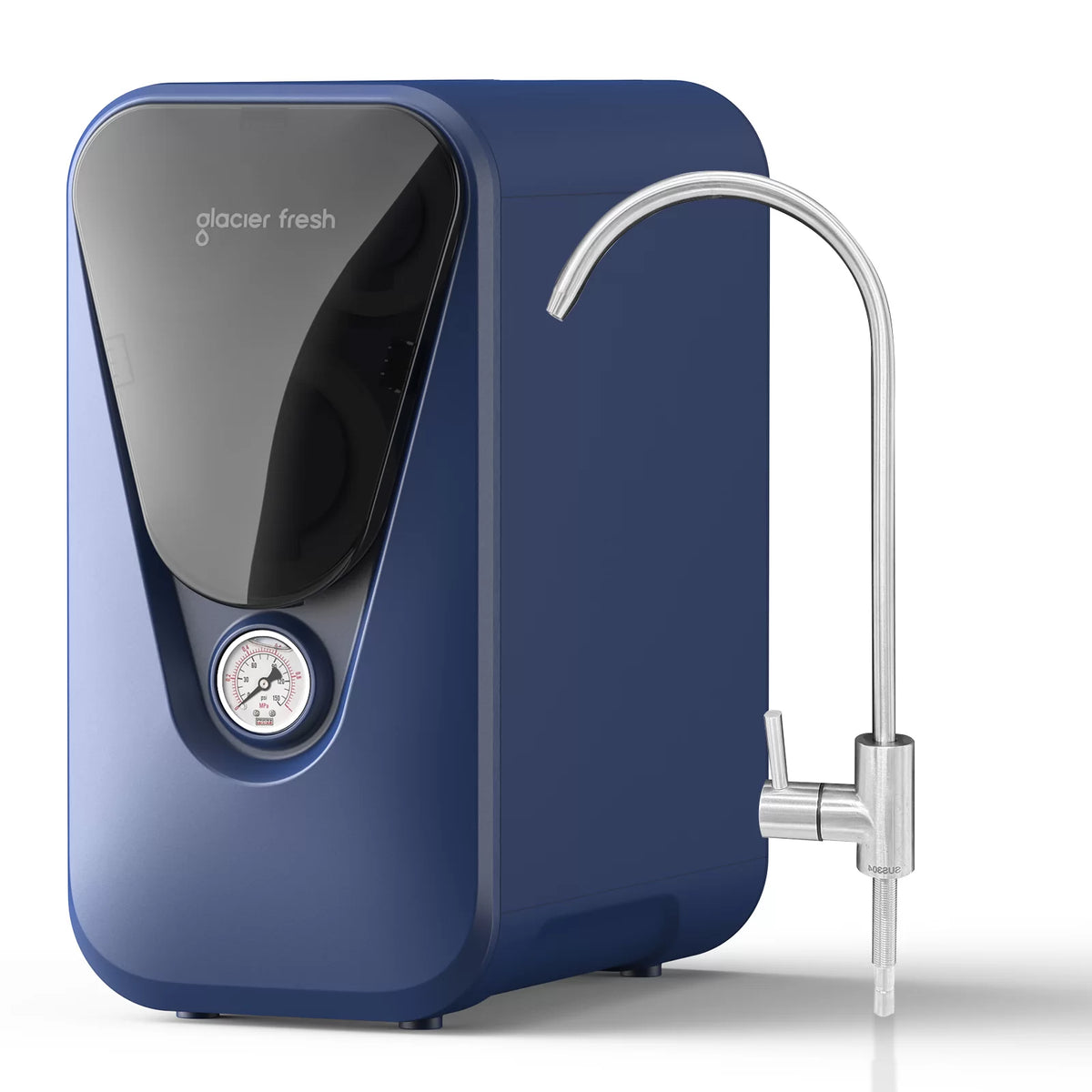
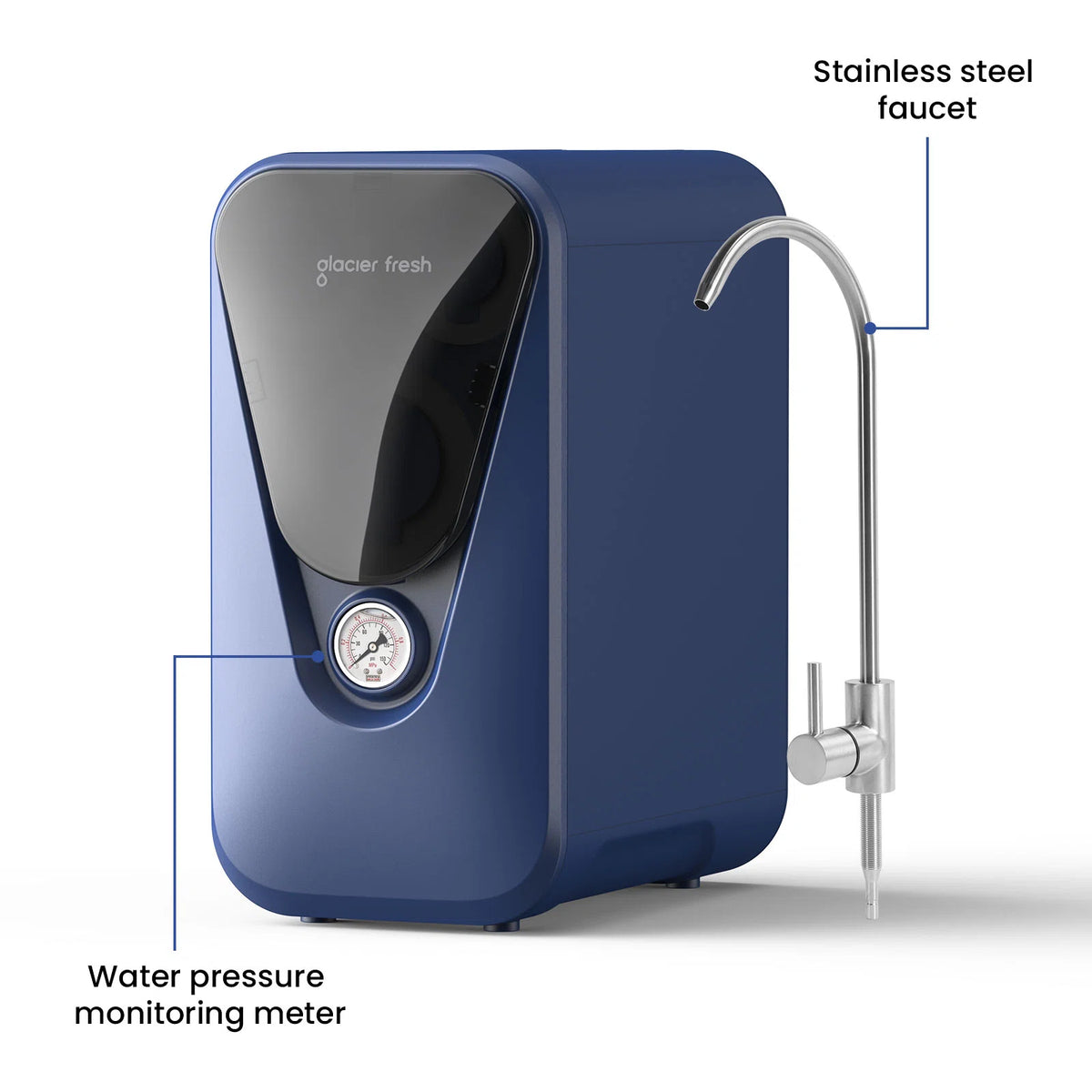
- For home bottle refills and kitchen use, consider the Glacier Fresh U06 Under Sink Ultra Filtration Water Filter System.
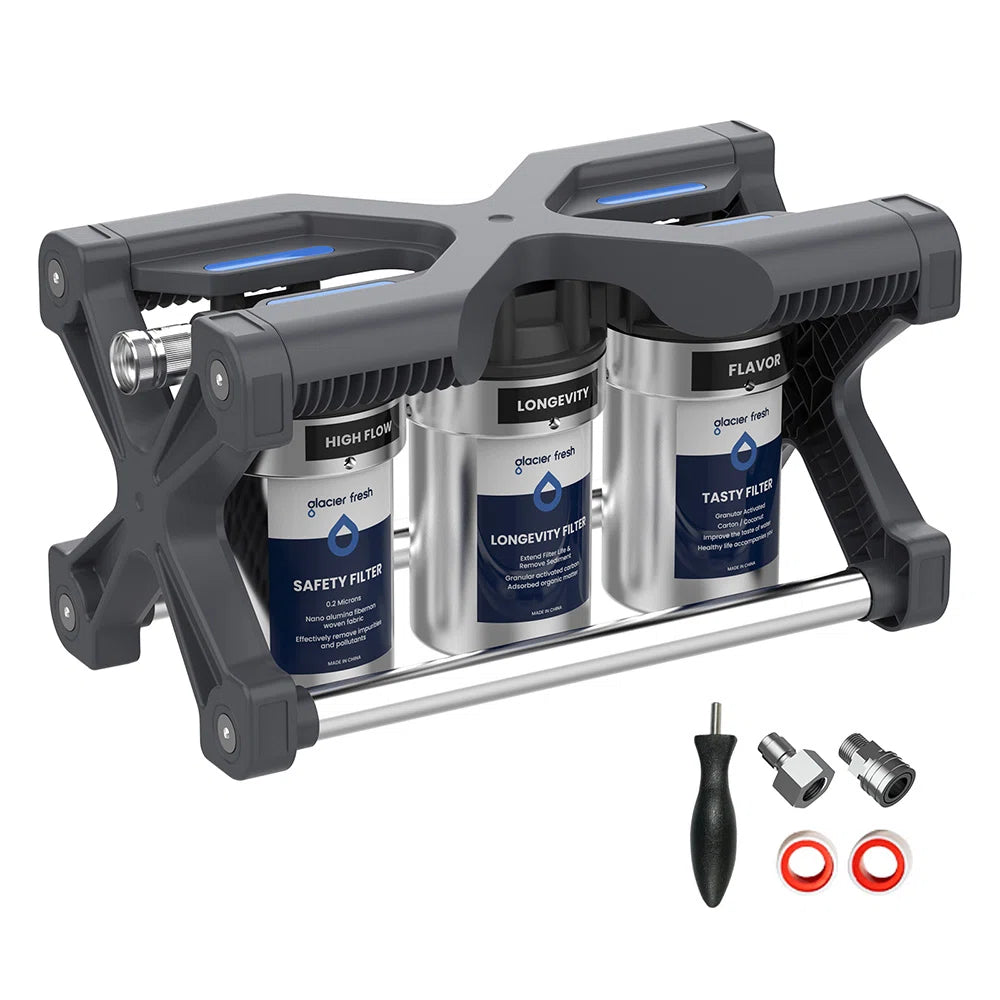
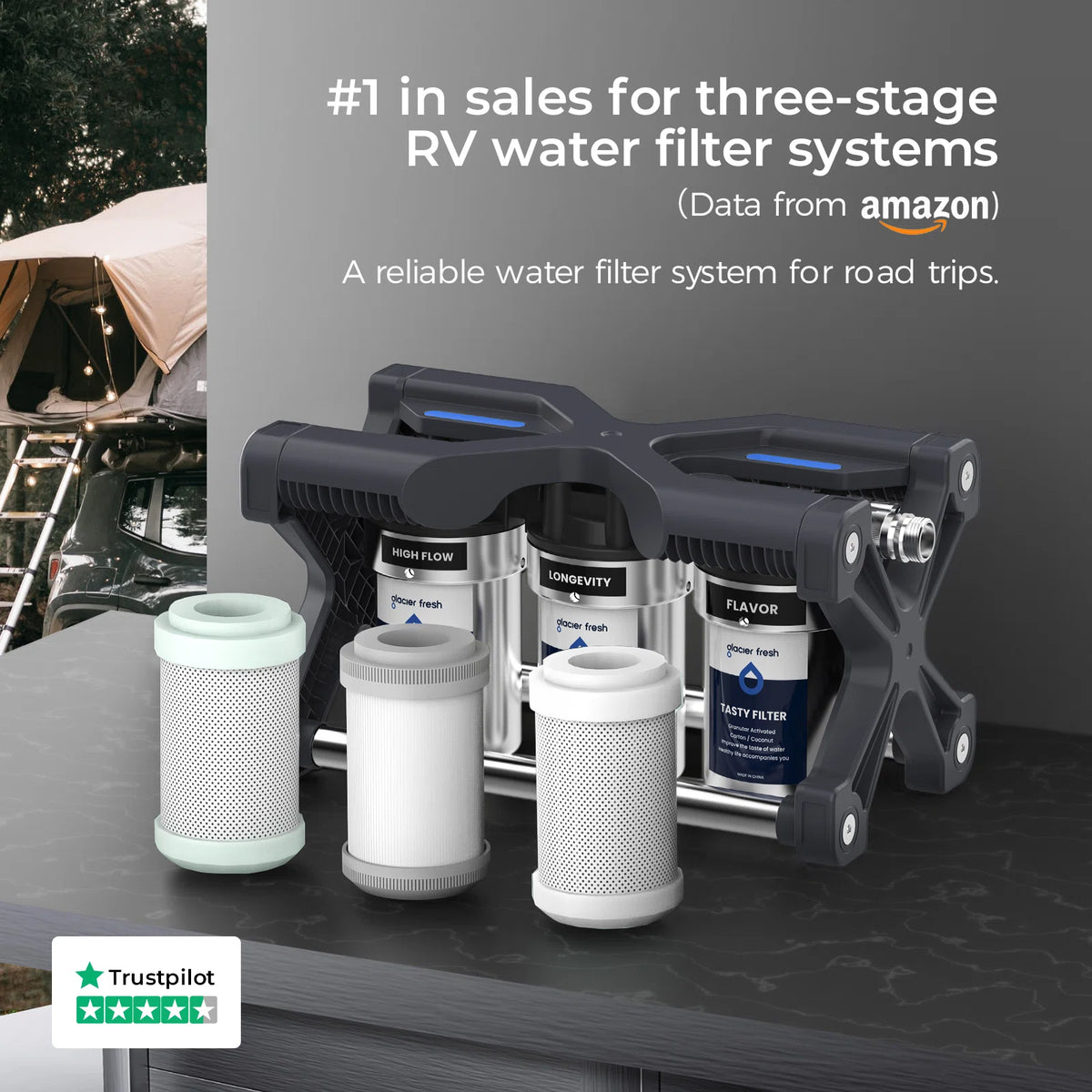
- For camping, race weekends, and mobile setups, review water filters for RV camping and portable multi-stage filtration systems.
- To compare filtration technologies before choosing a system, read Reverse Osmosis, Nanofiber, and Ultrafiltration: Which One Is Right for You?