


Table of Contents:
What Does Water Do for the Body?
How Long Can You Go Without Drinking Water?
What Happens If You Don't Get Enough Water?
How Much Water Do You Need a Day?
Rehydration Options: What to Choose in Specific Scenarios
How to Ensure Safe Drinking Water?
FAQs
Conclusion
What Does Water Do for the Body?

Water makes up a major share of the human body and supports nearly every biological process, from heat regulation to blood volume and cellular metabolism.
| Body temperature | Joints and tissues | Waste removal |
|---|---|---|
| Supports sweating and respiration so the body can release heat and maintain a safer internal temperature. | Helps keep joints, connective tissues, and mucous membranes lubricated, reducing dryness and stiffness. | Helps kidneys and sweat glands remove metabolic waste and supports normal urine output. |
How Long Can You Go Without Drinking Water?
The human body can normally endure a maximum of about three days without drinking water under mild conditions. In practical terms, a healthy adult may reach roughly 72 hours, but this estimate is highly variable and should never be treated as a safe target.
Heat, humidity, fever, diarrhea, vomiting, alcohol intake, intense exercise, high altitude, and lack of shade can speed up fluid loss. In hot or humid climates, dehydration may become life-threatening in as little as 24 hours. If the search intent is how long can humans survive without water, the responsible answer is: often around 2 to 3 days, but severe dehydration can become dangerous much earlier.
What Happens If You Don't Get Enough Water?

Dehydration affects the body in stages. Even a small fluid loss may reduce concentration and physical performance, while moderate or severe dehydration can affect circulation, urine output, and organ function.
| Dehydration level | Common symptoms | Risk level |
|---|---|---|
| Mild: 1-2% body water loss | Thirst, dry mouth, fatigue, headache, reduced concentration. | Early warning - drink water and rest. |
| Moderate: 3-5% body water loss | Dizziness, faster heart rate, dark yellow urine, weakness. | Concerning - replace fluids and monitor symptoms. |
| Severe: 6-10% or more | Low blood pressure, confusion, very low urine output, possible organ strain. | Dangerous - seek medical help, especially above 10% body weight loss. |
Severe dehydration should be treated as a medical emergency. If someone is confused, fainting, unable to keep fluids down, or showing signs of heat illness, professional care is needed rather than relying on home hydration alone.
How Much Water Do You Need a Day?
A practical guideline suggests about 2 to 3 liters of water daily for many adults, or roughly 8 to 12 cups. Actual needs vary by body size, diet, climate, exercise, pregnancy, breastfeeding, fever, and medication use.
Listening to your body is important, but thirst is not always enough during heat, travel, illness, or outdoor activity. Aim for pale yellow urine, regular fluid intake, and ready access to clean drinking water throughout the day. For people asking how many days a human live without water, the more useful habit is preventing dehydration before survival becomes the question.
Rehydration Options: What to Choose in Specific Scenarios
Hydration recommendations should distinguish everyday drinking water from medical or travel-focused rehydration. Product choices depend on sodium tolerance, age, packaging needs, and whether symptoms are mild or require professional support.
- Low-sodium diet: choose plain filtered water first, and use electrolyte drinks only if they fit your clinician-approved sodium target. Compare labels for sodium per serving, sugar level, and potassium content.
- Children on the go: prioritize pediatric oral rehydration solutions or kid-friendly electrolyte options with sealed packaging, mild flavors, and clear serving instructions. Avoid high-caffeine or high-sugar sports drinks for routine hydration.
- IV-style mobile services: these may be considered for convenience in some US cities, but they vary widely by price, licensed staff availability, and coverage area. Severe dehydration, confusion, heat stroke symptoms, or persistent vomiting should be handled through urgent care or emergency services.
How to Ensure Safe Drinking Water?
Clean drinking water is essential for prevention-focused hydration. A reliable filtration system can reduce unpleasant taste, sediment, and certain contaminants, making daily water intake easier and safer for home, apartment, travel, and RV use.
Understanding common water contaminants
Tap water may contain chlorine or chloramine from disinfection, sediment from aging pipes, heavy metals from plumbing, or industrial and agricultural residues depending on the local source. Microorganisms such as bacteria and viruses can also be a concern in untreated or emergency water sources. Safe hydration is not only about drinking enough water, but also about reducing avoidable contaminants before they reach your glass.
Choosing the right water filter for your needs
Reverse osmosis (RO) water is widely regarded as safe and healthy to drink because it can remove many contaminants and provide purified water for drinking and cooking. Some of the best suggested Glacierfresh water filters are here for both indoor and outdoor use.
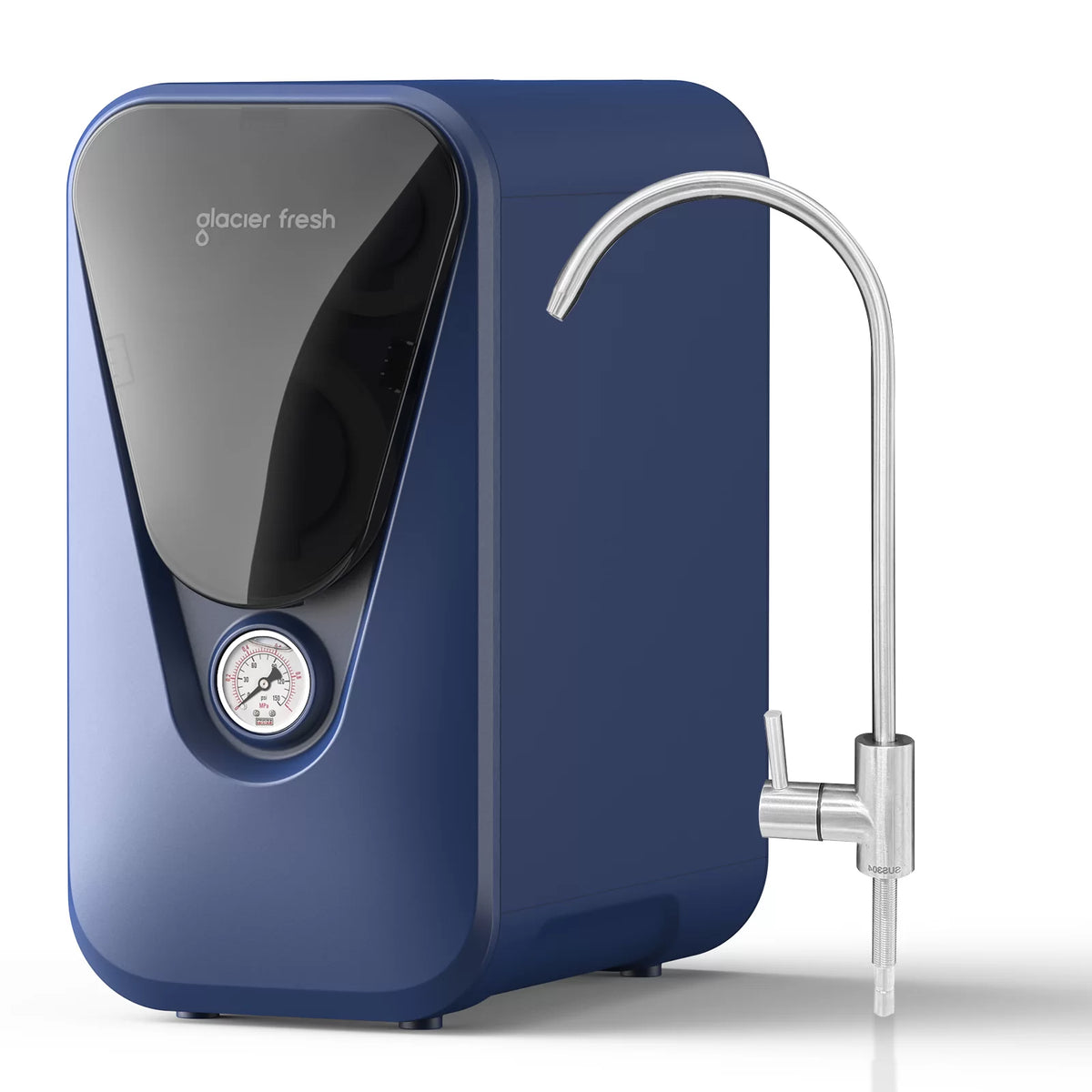
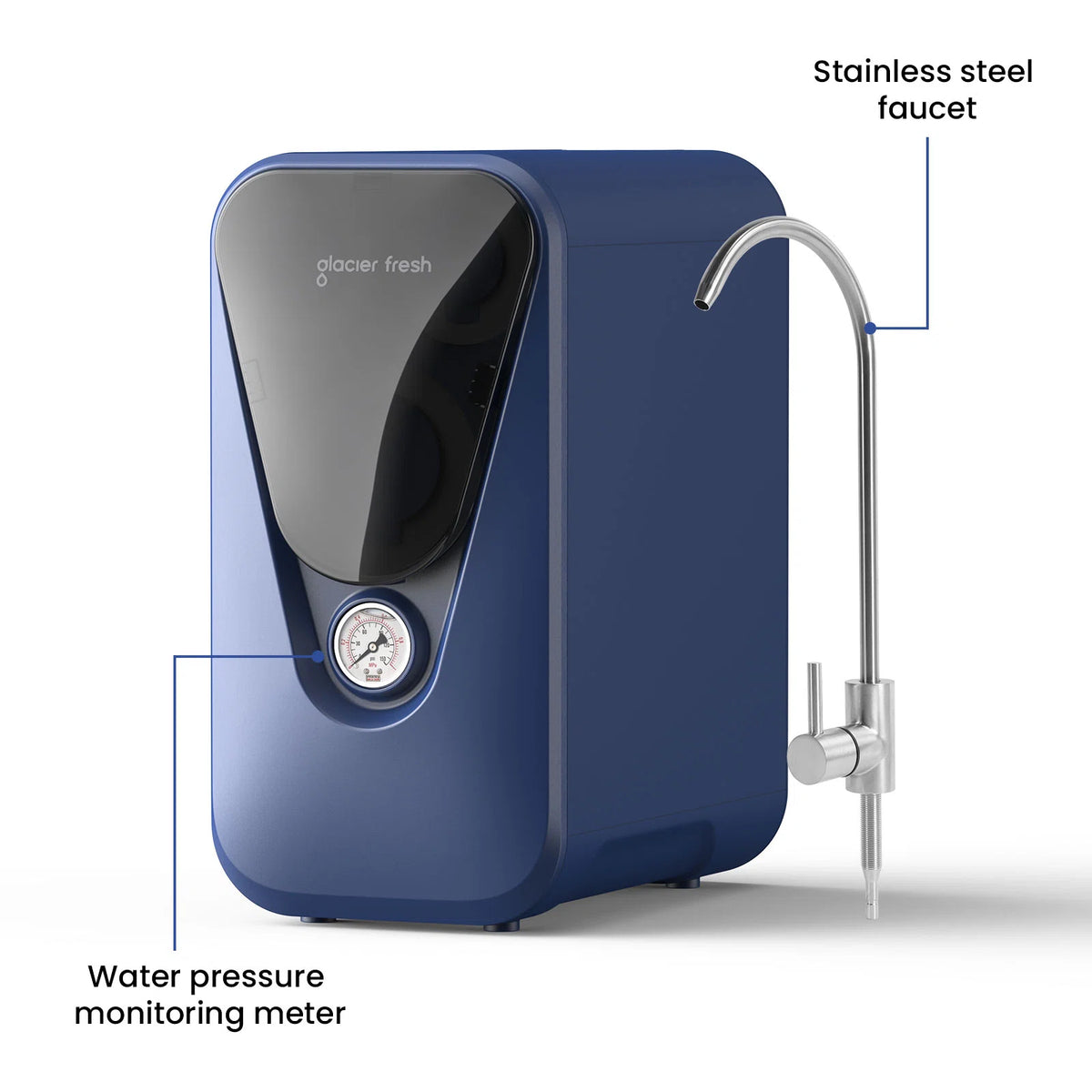
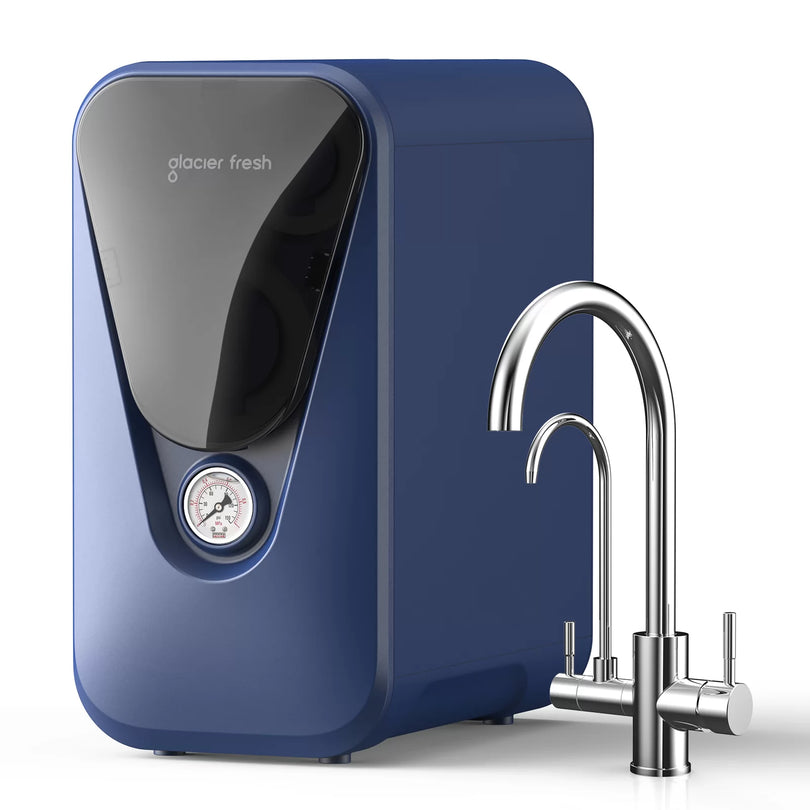
Indoor: 800GPD reverse osmosis system

It is a high-tech under-sink reverse osmosis system that provides clean water for drinking and cooking. Its 800 gallons-per-day filtration capacity is designed for a family or small office that needs fast access to purified water.
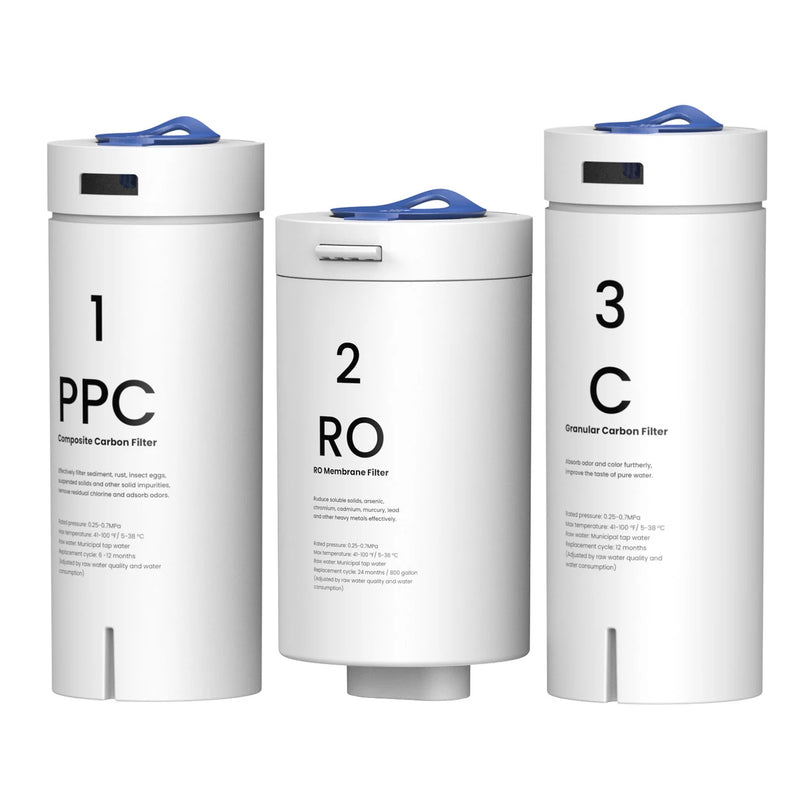
- Multi-stage filtration helps reduce a broad range of contaminants.
- Fast flow supports daily hydration, cooking, and filling bottles.
- Space-saving design can fit under the sink.
- Smart filter-change reminders support maintenance consistency.
- Clean-tasting water can make it easier to drink enough each day.
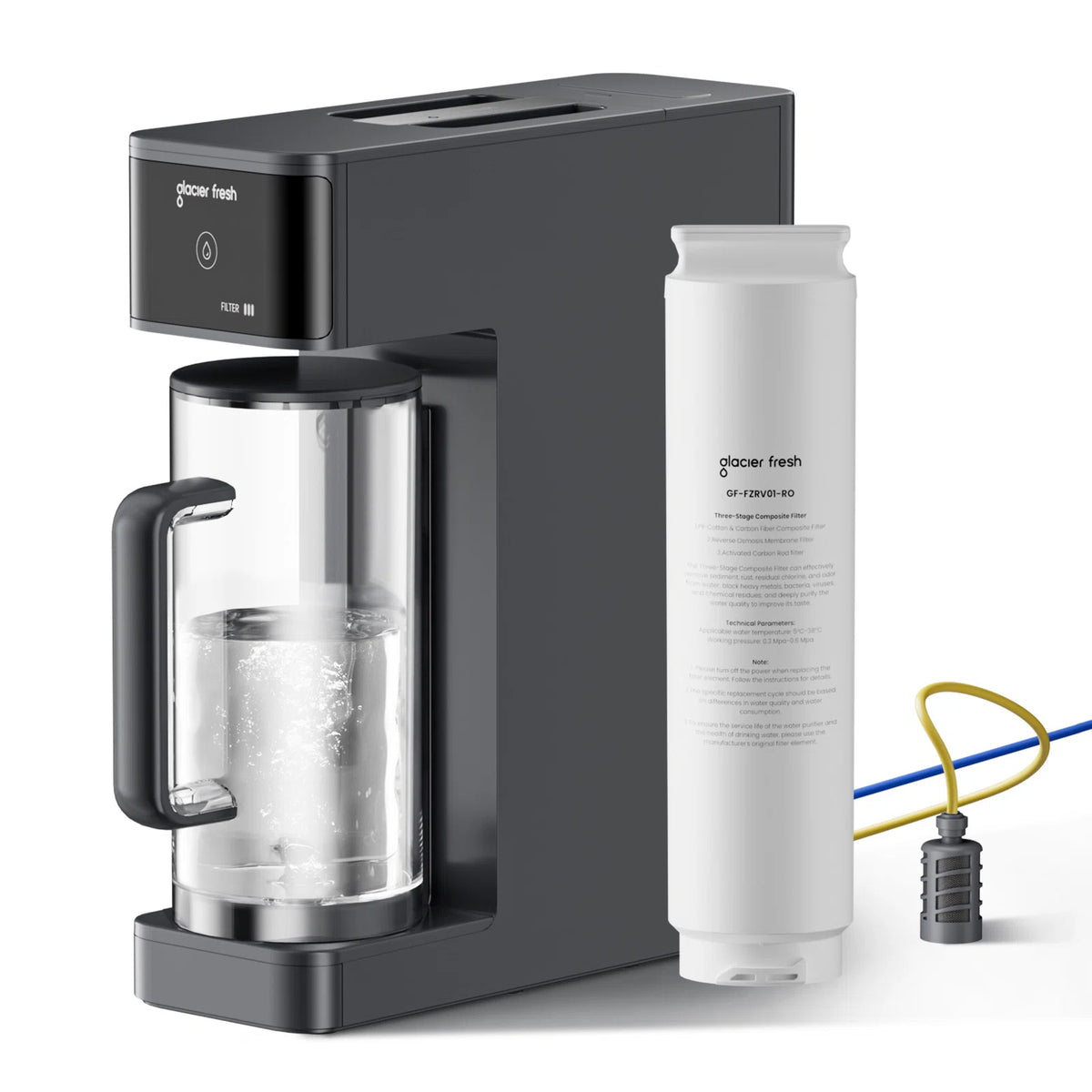
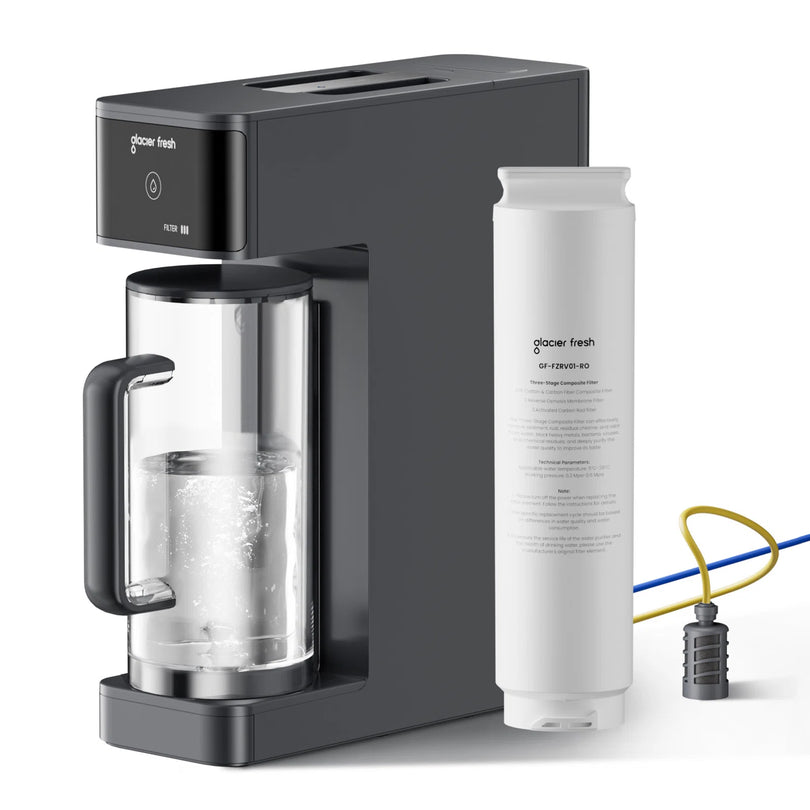
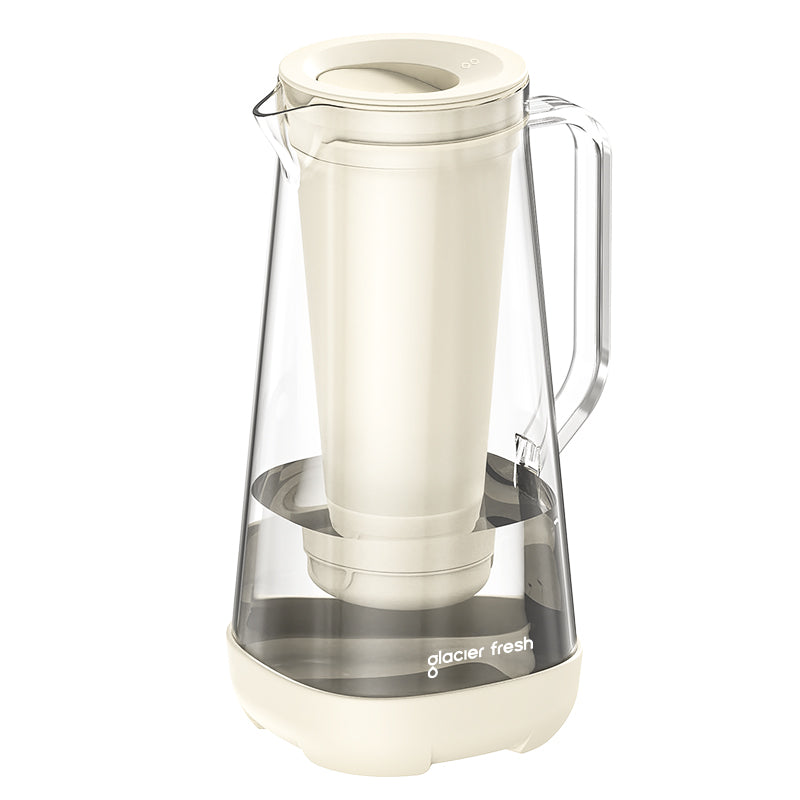
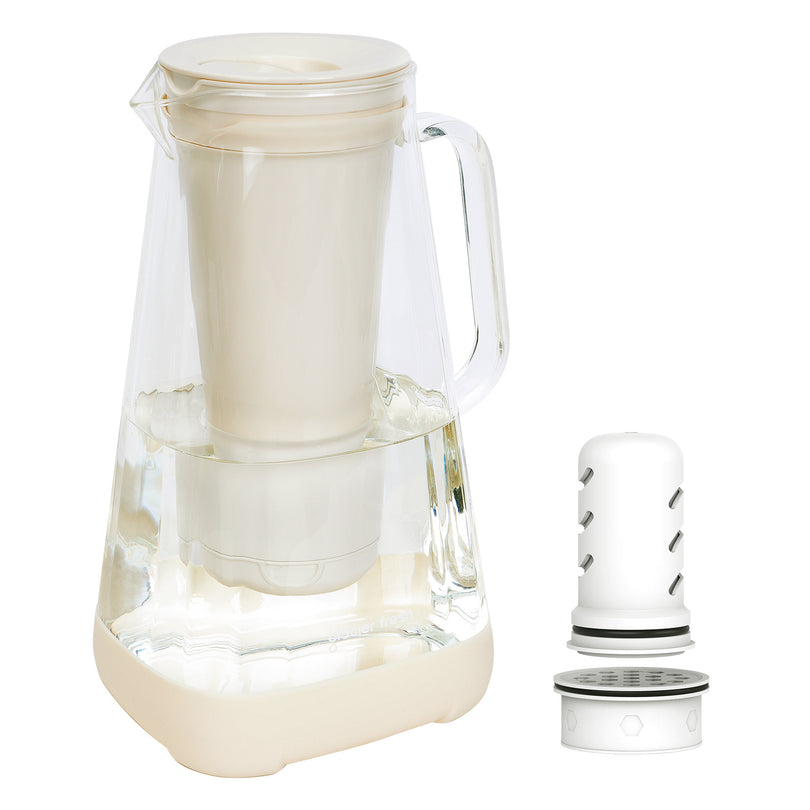
Indoor: Glacier Fresh 3G countertop water filter system

The Glacier Fresh 3G Countertop Water Filter System is a practical choice for apartments, dormitories, small kitchens, and renters who want accessible filtered water without changing plumbing.
- High-efficiency carbon block filtration can improve taste.
- Helps reduce sediment and unpleasant odors.
- Quick setup with no tools required.
- Durable cartridges support everyday use.
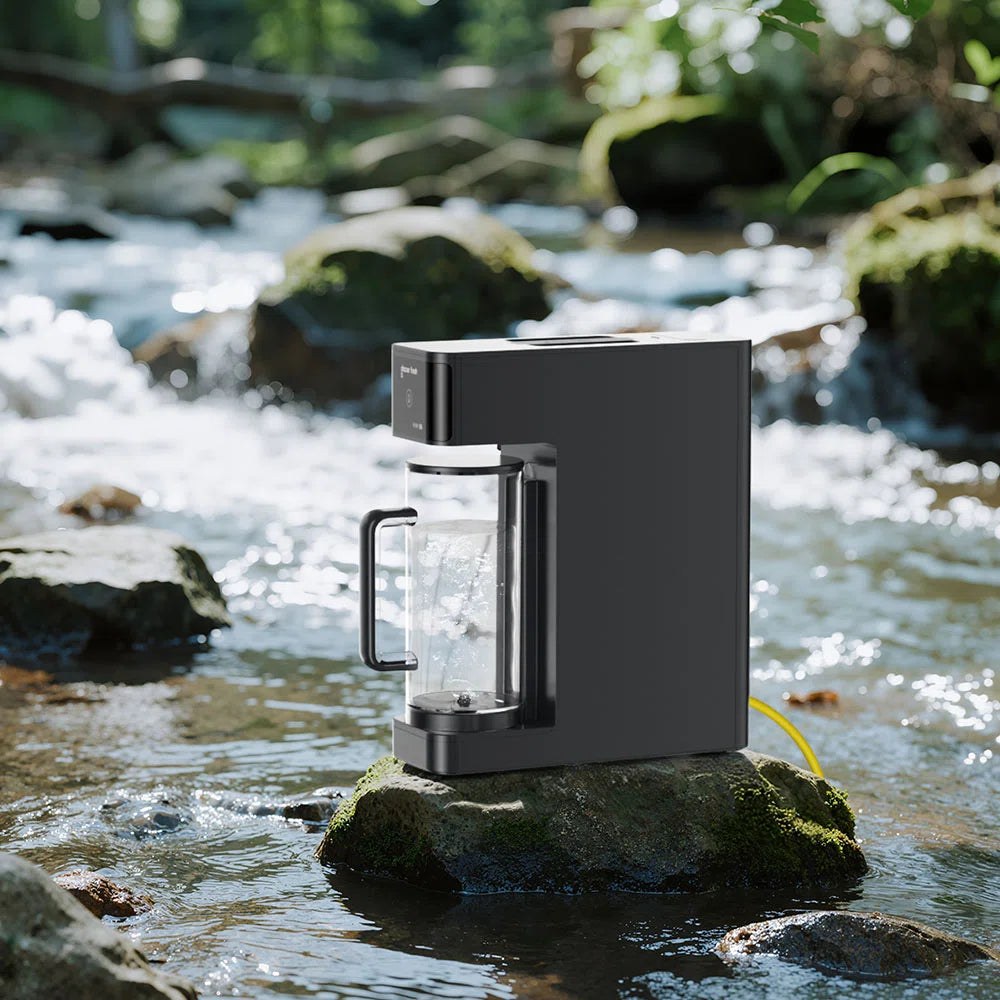
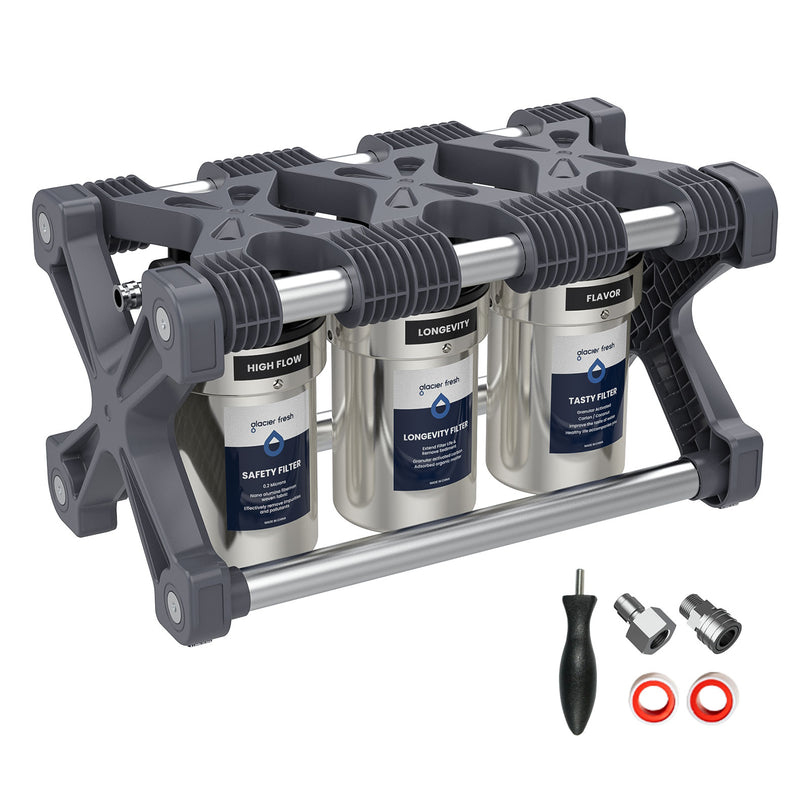
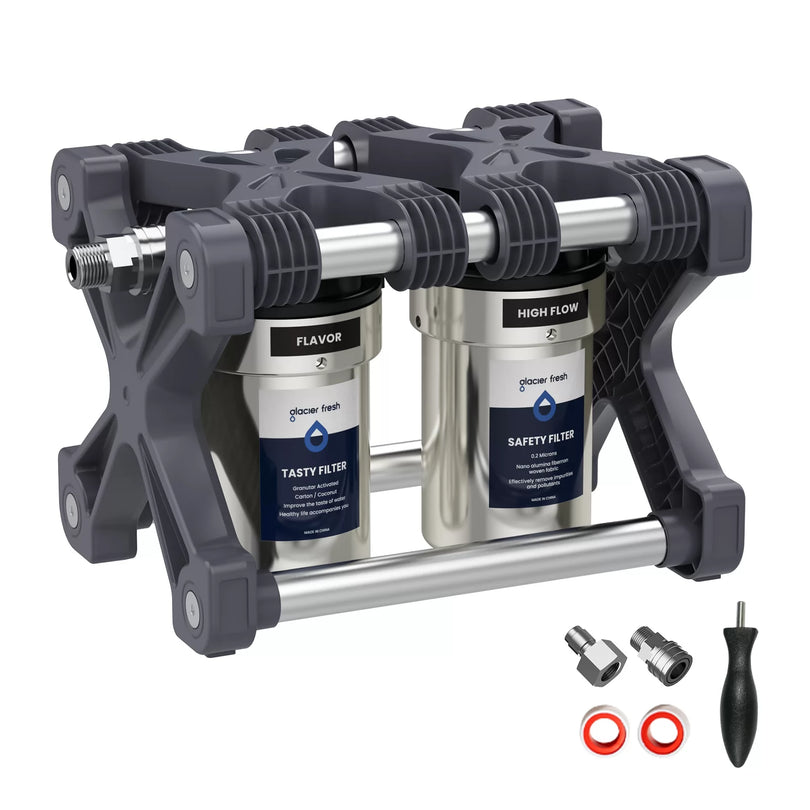
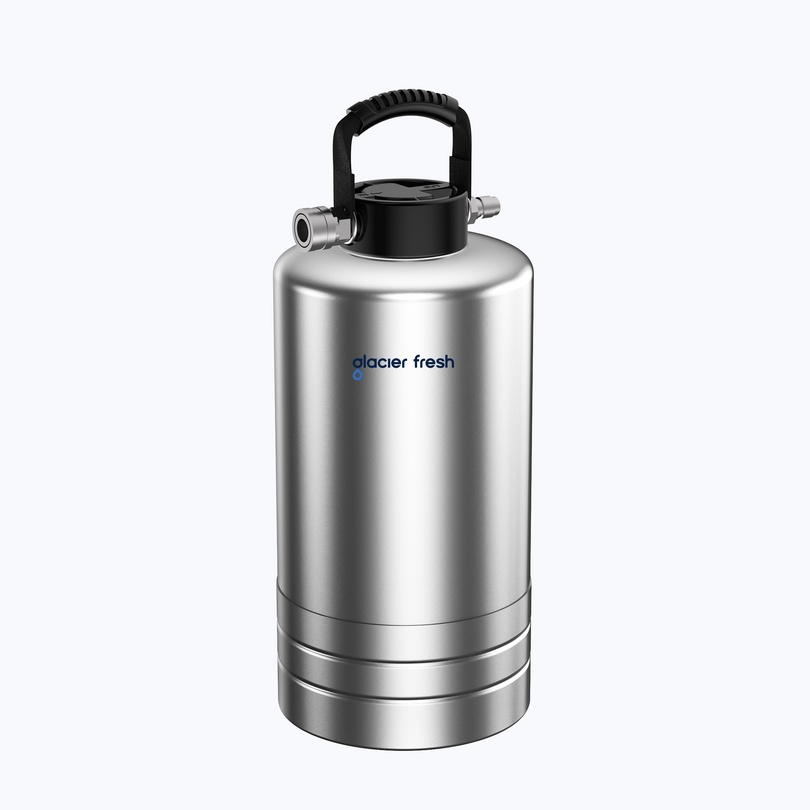
Outdoor: Glacier Fresh RV reverse osmosis system

The Glacier Fresh RV Reverse Osmosis System is designed for travelers and outdoor enthusiasts who need cleaner water while camping, staying in a motorhome, or using unfamiliar water supplies on the road.
- Four-stage filtration helps provide ultra-pure water outdoors.
- Designed to reduce harmful substances from travel water sources.
- Compact and lightweight enough for RV or campsite use.
- Quick-fit fittings make setup easier.
- Useful for safer hydration when local water quality is uncertain.
These Glacierfresh systems help protect against contamination and support clean drinking water at home and outdoors. It is important to consider these factors and choose a system that fits your household or travel needs.
Emergency methods for purifying water
If you are stuck somewhere without clean water, short-term emergency methods can make water safer to drink until a better source or filtration system is available.
- Boiling: boil water for at least one minute to kill many microorganisms.
- Disinfection tablets: use iodine or chlorine tablets according to product instructions.
- Solar purification: transparent bottles may help reduce bacteria after about six hours in direct sun, but this is a limited emergency method.
- Cloth pre-filtering: use a clean cloth to remove larger particles before boiling or disinfecting.
These measures are temporary. For daily hydration, a long-term filtration system is safer, more consistent, and more convenient than relying on emergency methods.
FAQs
How long can you go without water?
Most healthy adults may survive about 2 to 3 days without drinking water in mild conditions, but dehydration can become dangerous much earlier in heat, illness, or heavy activity.
Can humans survive without water for a week?
Usually no. The phrase can humans survive without water is often searched for survival guidance, but a full week without water is extremely dangerous and unlikely without unusual circumstances.
What are the top-rated rehydration drinks for people on a low-sodium diet and how do they compare?
People on low-sodium diets should compare sodium per serving first. Plain filtered water is often the default option, while electrolyte drinks should be selected only when the sodium level fits medical advice.
What are the best rehydration products recommended for children on the go and how do they compare by packaging and flavor options?
For children, pediatric oral rehydration solutions, ready-to-drink pouches, or small sealed bottles are often easier to carry. Mild flavors and clear dosing instructions are more important than sports-drink branding.
Which portable IV-style rehydration services or mobile clinics are worth considering in the US and how do they compare on price and coverage areas?
Mobile IV services vary by city, staff credentials, and price, and they are not a substitute for emergency care. Compare licensed medical oversight, service area, transparent pricing, and whether symptoms require urgent care instead.
Conclusion
How long can you live without water? In most cases, the answer is roughly two or three days, but the real safety message is much simpler: dehydration can become serious well before that point. Clean, available drinking water supports body temperature, energy, cognition, kidney function, and long-term health. If you are wondering about survival without drinking water, the best response is to plan ahead, drink consistently, and make sure your water source is safe.
Recommended Related Links
- For daily home hydration, consider the Glacier Fresh U06 Under Sink Ultra Filtration Water Filter System if you want an under-sink filtration option for everyday drinking water.
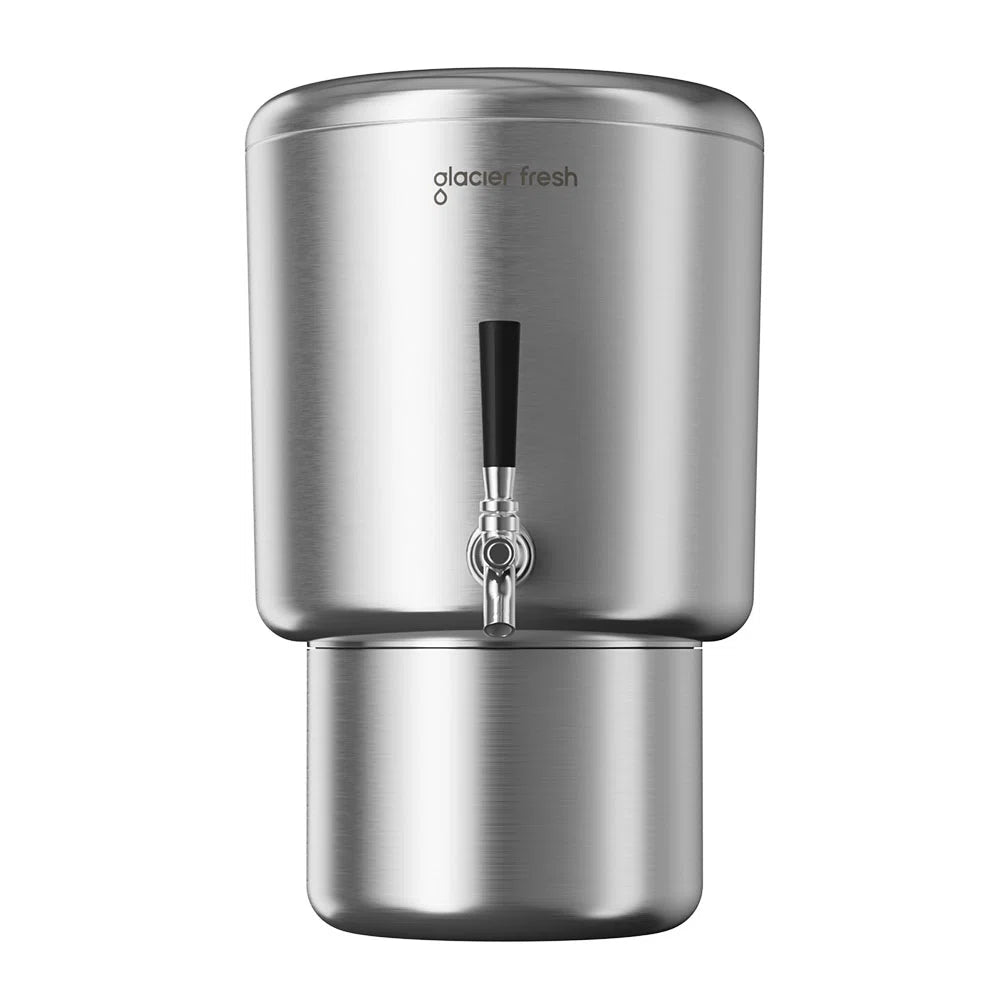
- For chilled filtered water at home or in a small kitchen, the GlacierFresh Coolon Cold Water Dispenser is also relevant to hydration-focused readers.
- For outdoor hydration and travel scenarios, the RV Reverse Osmosis System connects naturally with the article’s emergency and camping water safety guidance.