
Table of Contents:
What is hard water?
What is soft water?
Effects of hard water on health
Effects of hard water on home appliances
Comparison of hard water and soft water
Should you install a water softener? A practical decision framework
Effective methods of water softening
Regional and environmental considerations
FAQs
Conclusion
You may have noticed spots on glassware, dry skin after showering, or scale around faucets, but the real soft and hard water difference is about mineral concentration and how those minerals behave in your home. Understanding hard water and soft water examples can help you decide whether you need routine descaling, a dedicated softening system, or broader filtration for drinking water quality.
What is hard water?

Hard water contains elevated levels of calcium and magnesium, which water picks up as it moves through limestone, soil, and mineral-rich rock. These dissolved minerals can form scale in pipes, leave spots on dishes, and make soap harder to rinse away from skin, hair, and bathroom surfaces.
A simple hard and soft water definition is this: hard water has enough calcium and magnesium to create scale and reduce soap performance, while soft water has much lower levels of those hardness minerals. Local geology matters, so homes using groundwater or wells in mineral-rich regions often see stronger hard-water symptoms than homes supplied by naturally softer surface water.
Many homeowners use water softeners to reduce hardness. Traditional softeners exchange calcium and magnesium ions for sodium or potassium ions, which helps limit mineral buildup and makes cleaning easier. For drinking water, a softener may solve scale but does not automatically remove all contaminants, so some homes pair softening with filtration when taste, lead, chlorine, PFAS, or sediment are also concerns.
What is soft water?

Soft water contains lower levels of calcium and magnesium, giving it a smoother feel and reducing the mineral residue that can build up on fixtures, fabrics, and appliances. The advantages of soft water usually appear in daily routines: soap lathers more easily, laundry feels cleaner, and scale-prone appliances need less maintenance.
Soft water can feel slippery at first because soap rinses differently without hardness minerals binding to it. That sensation does not mean soap is still on your skin; it often means fewer mineral deposits are left behind. If you follow a sodium-restricted diet, ask your clinician about softened drinking water or consider using potassium chloride softening or a separate drinking-water filter.
Effects of hard water on health
Hard water is generally considered more of a comfort and maintenance issue than a direct health hazard. However, the residue it leaves on skin and hair can aggravate dryness for some people, especially those with sensitive skin, eczema-prone skin, or frequent hot showers.
| Effects of Hard Water on Health | Examples |
| Skin irritation | Itchy skin and dryness |
| Hair damage | Frizziness and dullness |
| Mineral deposits | Buildup on skin and hair |
| Soap scum | Residue left on skin after washing |
| Potential health risks | Allergies or sensitivity issues may feel worse for some users |
Effects of hard water on home appliances
Hard water affects appliances because heat accelerates scale formation. Water heaters, dishwashers, washing machines, kettles, showerheads, and coffee makers are most vulnerable because they repeatedly heat, spray, or evaporate mineral-rich water.

Scale buildup in plumbing and appliances
- Preventing scale buildup: Regularly descale appliances and plumbing fixtures using vinegar or citric acid solutions when manufacturer instructions allow it.
- Reference point: use safe, manufacturer-approved methods to descale equipment, and avoid harsh chemicals on surfaces that contact drinking water.
- Water pressure and flow rate: Scale narrows openings in showerheads, valves, and appliance lines, reducing flow and forcing systems to work harder.
- Cost-effective solutions: For mild hardness, routine cleaning may be enough. For recurring scale, a softener, anti-scale system, or targeted filtration is usually more practical.
The impact of hard water on water heaters
Scale on heating elements acts like insulation, so the heater uses more energy to transfer heat into the water. Flush the tank according to the manufacturer schedule, inspect for popping noises or slow recovery, and address hardness before sediment shortens the unit's service life.
Energy costs and efficiency of appliances
Hard water can increase operating costs by raising detergent use, slowing heat transfer, and adding repair risk. A simple savings estimate is: annual savings = reduced detergent cost + avoided descaling products + estimated energy savings + deferred repair or replacement cost. If recurring appliance service exceeds the annual cost of treatment, a softener or scale-control system becomes easier to justify.
Appliance maintenance checklist for hard water homes
- Monthly: Check faucets, showerheads, kettle interiors, and coffee makers for white scale or slow flow.
- Every 1-3 months: Clean showerheads and aerators with vinegar or citric acid if flow drops.
- Every 3-6 months: Run dishwasher and washing-machine cleaning cycles if spotting, odor, or residue appears.
- Annually: Review your water heater manual for flushing guidance and inspect supply lines for mineral buildup.
- When symptoms return quickly: Test hardness and compare treatment options rather than repeatedly cleaning the same deposits.
Comparison of hard water and soft water

Comparing hard water and soft water helps homeowners separate taste, comfort, cleaning performance, and appliance protection. The main differences between hard and soft water are mineral level, soap behavior, residue, and scale risk; the best choice depends on whether your priority is drinking taste, bathing comfort, appliance lifespan, or all of the above.
- Health and comfort: Soft water is often gentler on skin and hair because it leaves less residue, while hard water may feel drying for some people.
- Taste and mineral content: Hard water may taste more mineral-rich; soft water can taste flatter or slightly different depending on the softening method.
- Household economics: Soft water can reduce detergent use and scale-related maintenance, while untreated hard water can increase cleaning effort and appliance wear.
Should you install a water softener? A practical decision framework
Use this quick framework before buying a system. It keeps the decision grounded in measured hardness, household symptoms, appliance age, local water rules, and personal preferences rather than relying only on taste or sales claims.
- Test first: If hardness is below about 3 grains per gallon, routine cleaning may be enough. From 3-7 GPG, consider softening if symptoms are noticeable. Above 7 GPG, a softener or scale-control system is often worth evaluating.
- Look at symptoms: Frequent spots, soap scum, stiff laundry, dry-feeling skin, clogged showerheads, or noisy water heaters all strengthen the case for treatment.
- Consider appliances: Older water heaters, dishwashers, and coffee makers are more likely to benefit from reduced scale.
- Check lifestyle needs: Sensitive skin, heavy laundry use, or large households can make soft water more valuable day to day.
- Review restrictions: Some regions limit salt-based softener discharge, so salt-free conditioning or point-of-use filtration may be a better fit.
Effective methods of water softening
 When considering methods for water softening, compare what each option actually does. Some systems remove hardness minerals, while others only reduce scale behavior. That distinction matters for skin feel, soap performance, plumbing protection, and drinking-water taste.
Salt-free softening and ion exchange are common approaches. Ion-exchange softeners replace calcium and magnesium with sodium or potassium. Salt-free conditioners typically change how minerals behave so they are less likely to stick to surfaces, but they do not truly remove hardness minerals.
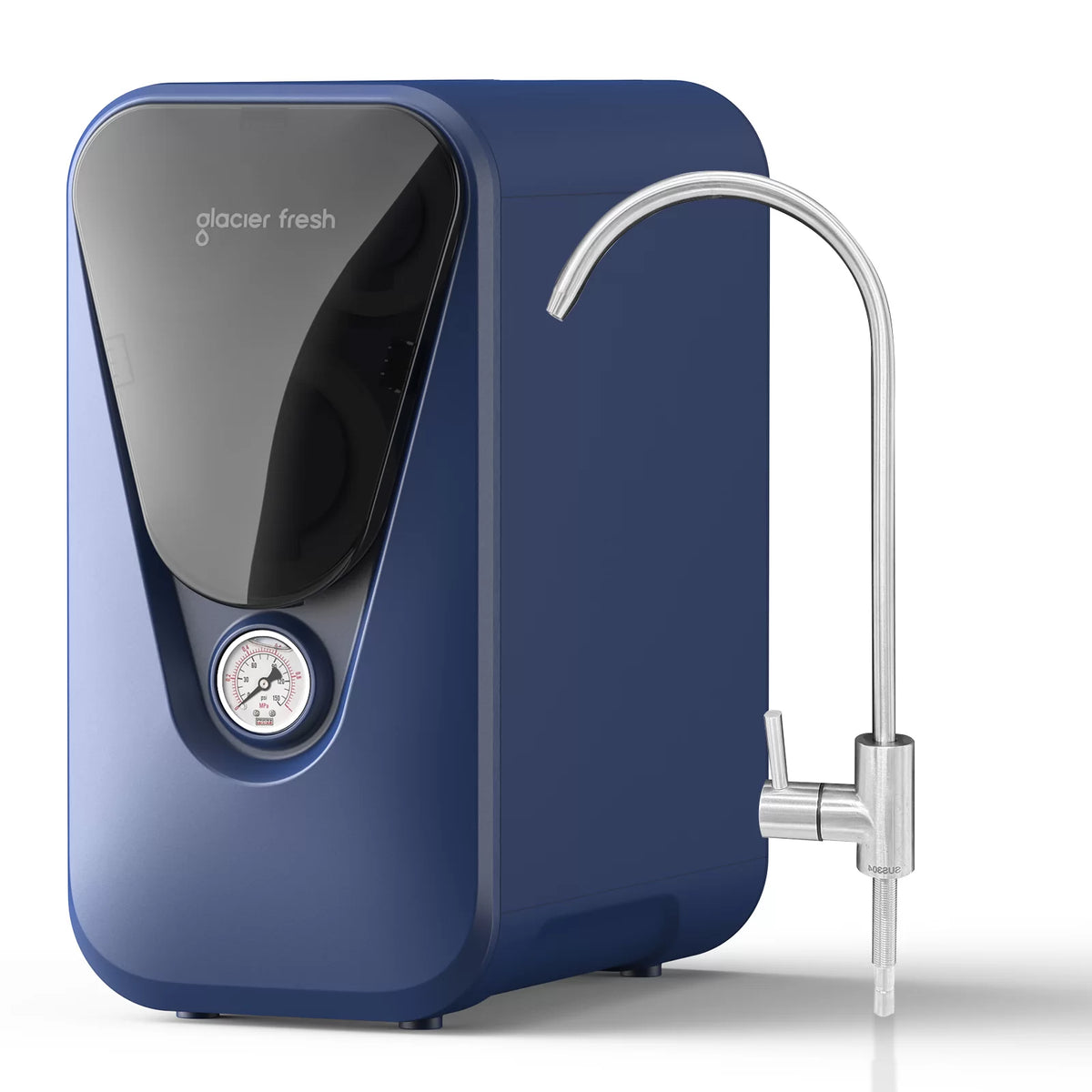
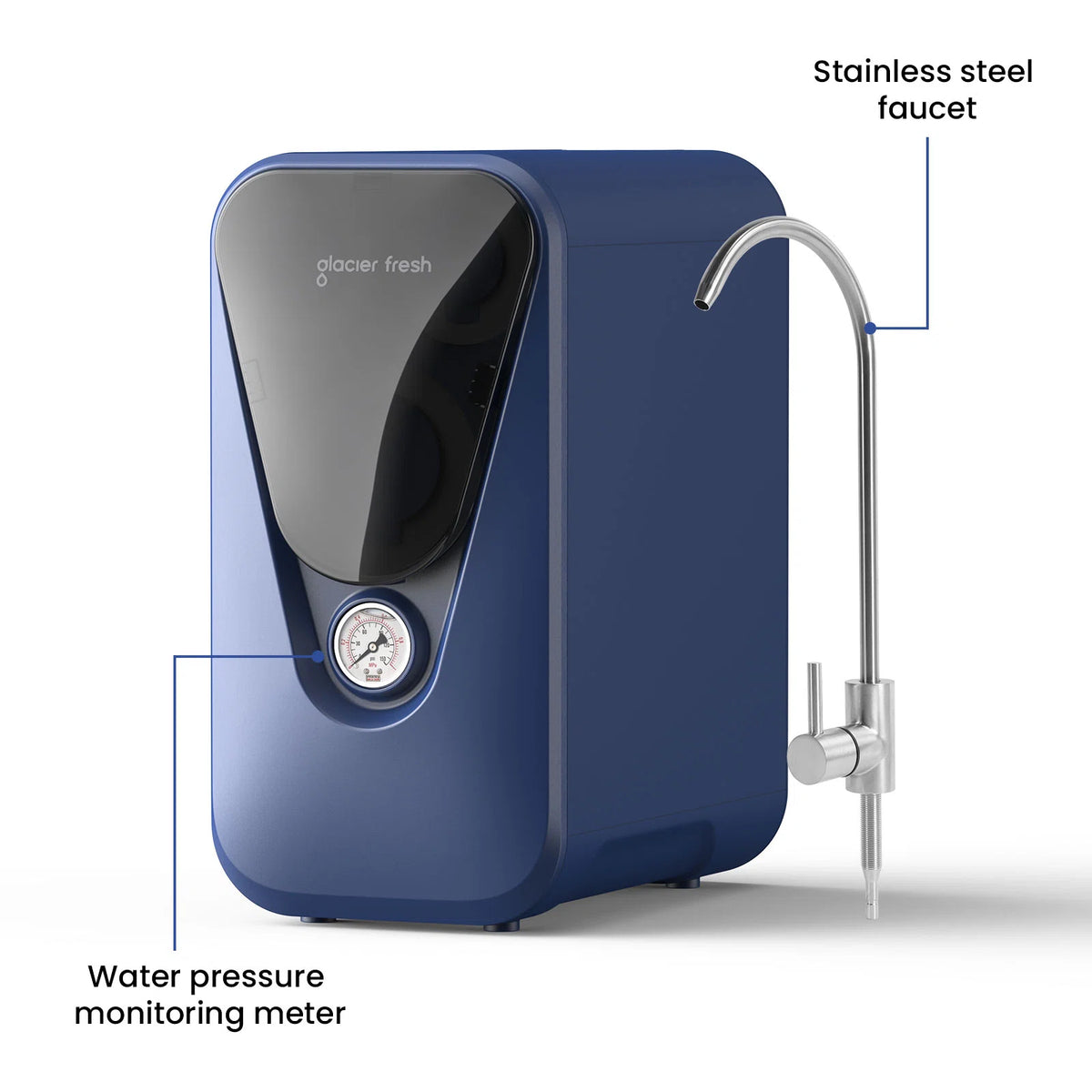
Magnetic and electronic descaling devices are often marketed as low-maintenance alternatives, but results vary by water chemistry and plumbing layout. For drinking water, reverse osmosis can reduce many dissolved solids at a specific faucet, though it is not usually designed to soften water for the whole house.
Reverse osmosis systems are best considered when the goal is cleaner-tasting drinking water with broader contaminant reduction, not simply whole-home scale control.
| Technology | Best Fit | Pros | Watch-outs |
| Salt-based ion exchange | Whole-home hardness reduction |
Strong scale control Improves soap lather Protects appliances |
Requires salt and regeneration Needs drainage/discharge May add sodium to softened water |
| Salt-free conditioner | Homes with discharge limits or low-maintenance needs |
No salt required Lower maintenance Helps reduce scale buildup |
Does not remove hardness minerals Benefits may be less noticeable than softeners |
| Magnetic / electronic descaler | Low-cost scale-control trial |
Easy installation No salt or drain line required |
Performance varies by water chemistry Evidence of effectiveness is inconsistent |
| Reverse osmosis | Drinking and cooking water |
Reduces dissolved solids Removes many contaminants at point-of-use |
Slower flow rate Requires filter maintenance Not a whole-home solution for hardness |
Regional and environmental considerations
Water hardness varies widely by geology. Many Midwest, Southwest, and groundwater-dependent communities experience harder water, while some coastal or surface-water systems may be naturally softer. Municipal reports and local water utility data can help you confirm hardness, pH, TDS, and any treatment already applied before you install equipment.
Salt-based softeners can increase chloride in wastewater, which is why some localities encourage high-efficiency softeners, demand-initiated regeneration, potassium chloride, or salt-free alternatives. For outdoor irrigation, softened water is not ideal for many plants because sodium can build up in soil; use unsoftened bypass water when possible.
FAQs
What are the main differences between hard and soft water?
Hard water contains more calcium and magnesium, which causes scale, soap scum, spotting, and reduced appliance efficiency. Soft water has fewer hardness minerals, so it lathers better and leaves less residue.
Is hard water harmful to health or household appliances?
Hard water is not usually considered dangerous to drink, but it can irritate dry or sensitive skin for some people and can damage appliances through scale buildup over time.
What are the health benefits of soft water compared to hard water?
Soft water may feel gentler on skin and hair because it leaves less mineral residue. It can also make bathing and laundry easier, though it should not be treated as a medical solution for skin disease.
Does softened water feel different from hard water when washing?
Yes. Softened water often feels smoother or slightly slippery because soap rinses without binding to calcium and magnesium. That feeling is a normal part of the soft water experience.
Can soft water increase sodium intake concerns for people on salt-restricted diets?
Ion-exchange softeners can add some sodium to water, depending on hardness and system settings. People on strict sodium limits can use potassium chloride, bypass softened water for drinking, or add a drinking-water filtration system.
Conclusion
Understanding hard water and soft water examples makes it easier to choose the right next step. If your main problem is scale, soap scum, and appliance wear, a softener or scale-control system may help. If your priority is drinking taste or broader contaminant reduction, pair hardness management with a drinking-water filter. The best setup is the one that matches your water test results, local water conditions, household habits, and maintenance budget.
Related Reading
- Reverse Osmosis, Nanofiber, Ultrafiltration: Which One Is Right for You
- Multi-Stage Water Filters
- Is It Safe to Drink High PPM Water?