
Table of Contents:
What Contaminants Are Found in Tap Water?
What Contaminants Can Water Filters Remove?
Can Water Filter Pitchers Remove PFAS and Heavy Metals?
Fluoride Water Filter: Can Pitchers Remove Fluoride?
How Does Water Filtration Remove Lead from Water?
What Are the Limits of Water Filter Pitchers in Contaminant Removal?
How Do Pitcher Filters Compare to Full Filtration Systems?
Which Water Filter Is Best for Removing Contaminants?
FAQs
Conclusion
Tap water in many U.S. homes looks clean, but it often carries a mix of water contaminants that aren’t visible. If you’ve been considering a fluoride water filter, you’re likely trying to understand what your current filter actually removes.
Most households rely on simple solutions like pitchers, but not all filtration works the same. Some reduce certain chemicals well, others barely touch them, and a few require more advanced systems to handle properly.
What Contaminants Are Found in Tap Water?

Tap water in the United States comes from surface water and groundwater sources, and both can carry a range of contaminants in water depending on location and infrastructure. According to the EPA, groundwater can pick up arsenic, heavy metals, and even radionuclides as it moves through soil and rock.
Common contaminants you may find
-
PFAS (PFOA, PFOS): Often called “forever chemicals,” found in at least 45% of U.S. tap water
-
Lead: Typically from aging pipes and plumbing systems
-
Fluoride: Added by many municipalities for dental health
-
Chlorine and byproducts: Used in disinfection, can affect taste and form compounds like THMs
-
Microplastics and pesticides: Enter water through environmental pollution and runoff
PFAS exposure is more widespread than many people assume. The EPA estimates that 165 million Americans may be exposed through drinking water.
Even bottled water isn’t always a clean alternative. One study found people who rely only on bottled water may ingest up to 90,000 microplastic particles per year, compared to about 4,000 from tap water.
What Contaminants Can Water Filters Remove?
Different filters use different technologies, and each one targets specific types of water contaminants.
Activated carbon
This is the most common filtration method in pitchers. It helps reduce chlorine, improve taste, and can lower some organic chemicals. It may also reduce certain PFAS compounds, depending on the design.
Ion exchange
This method is commonly used for heavy metals. It swaps harmful ions like lead or copper with safer ones such as sodium or hydrogen, making it effective in a lead water filter system.
Membrane filtration
Membranes, including nanofiltration or reverse osmosis, can filter much smaller particles. These systems are more effective for reducing microplastics, some PFAS, and dissolved solids.
Performance depends heavily on certification. The EPA recommends choosing filters tested under NSF/ANSI standards to verify contaminant reduction claims.
Can Water Filter Pitchers Remove PFAS and Heavy Metals?

Water filter pitchers can reduce certain contaminants, but their effectiveness varies widely depending on design and filtration media.
PFAS removal
Some pitchers can reduce PFAS levels, especially those using advanced activated carbon or membrane technology. However, not all pitcher filters are designed for this purpose, and reduction levels can vary significantly.
More advanced systems that combine carbon with membrane filtration tend to perform better. For example, pitcher-style filters like the GlacierFresh Purela 01 with dual-stage filtration can reduce chlorine, some PFAS compounds, and other emerging contaminants under lab conditions.
Heavy metals
Heavy metals like lead and copper are more consistently reduced by pitchers, especially those combining activated carbon and ion exchange materials. This is why many pitcher filters are marketed as a basic lead water filter system.
It’s important to understand that most pitchers are designed to reduce contaminants, not eliminate them completely. Actual results depend on water quality, filter age, and usage patterns.
Fluoride Water Filter: Can Pitchers Remove Fluoride?
Fluoride behaves differently from many other contaminants in water, and it’s harder to remove using standard filtration.
Most pitcher filters are not designed to fully remove fluoride. Technologies like reverse osmosis or specialized adsorption media are typically required for significant reduction. Research shows that reverse osmosis systems can remove nearly all fluoride from drinking water.
That said, advanced pitcher filters can still improve overall water quality:
-
Reduce chlorine and chemical taste
-
Lower some inorganic compounds
-
Improve odor and clarity
Glass pitcher systems like the Purela P04 with dual-stage filtration and using membrane plus carbon layers can help reduce trace levels of fluoride while retaining beneficial minerals such as magnesium and potassium. It’s not full removal, but it’s a practical upgrade for daily use.
How Does Water Filtration Remove Lead from Water?
Lead contamination often comes from household plumbing, especially in older homes. Even low exposure levels can have serious health effects, particularly for children.
Filtration systems remove lead through two main mechanisms:
-
Ion exchange replaces lead ions with safer ions
-
Activated carbon adsorbs lead particles onto its surface
Filters certified under NSF/ANSI 53 are specifically tested for lead reduction, which makes certification an important factor when choosing a lead water filter system.
Filter maintenance also plays a role. Filters must be replaced regularly to maintain performance and avoid reduced effectiveness.
What Are the Limits of Water Filter Pitchers in Contaminant Removal?
Water filter pitchers are convenient, but they come with practical limitations.
-
Limited contact time between water and filter media
-
Lower pressure compared to under-sink systems
-
Reduced effectiveness for high PFAS concentrations
-
Not suitable for full fluoride removal
-
Limited protection against bacteria and viruses
Most home filters, especially carbon-based ones, are not designed to remove germs, according to the CDC.
Performance also drops if filters are not replaced on time. A clogged or expired filter may still improve taste, but it won’t reliably reduce water contaminants.
How Do Pitcher Filters Compare to Full Filtration Systems?
Different filtration systems serve different needs. The table below compares common options.
|
Pitcher Filters |
Under-Sink RO Systems |
Whole-House Systems |
|
|
Filtration Capability |
Moderate |
High |
Moderate to high |
|
Technology |
Carbon, ion exchange |
Multi-stage + membrane |
Carbon, sediment, specialty |
|
Contaminant Range |
Chlorine, some metals |
PFAS, fluoride, heavy metals |
Sediment, chlorine, some chemicals |
|
Water Coverage |
Drinking water only |
Drinking and cooking |
Entire home |
|
Installation |
None |
Moderate |
Professional |
|
Cost |
Low |
Medium |
High |
|
Best For |
Convenience, taste |
Maximum contaminant removal |
Whole-home protection |
Reverse osmosis systems stand out for contaminant removal. The CDC confirms they can reduce chemicals like lead, copper, and even some fluoride and arsenic.
Which Water Filter Is Best for Removing Contaminants?
Choosing the right filter depends on what’s in your water and what you want to improve.
For everyday use, a pitcher filter works well if your goal is to improve taste and reduce chlorine. If you’re concerned about heavy metals, look for a certified lead water filter system with ion exchange or multi-stage filtration.
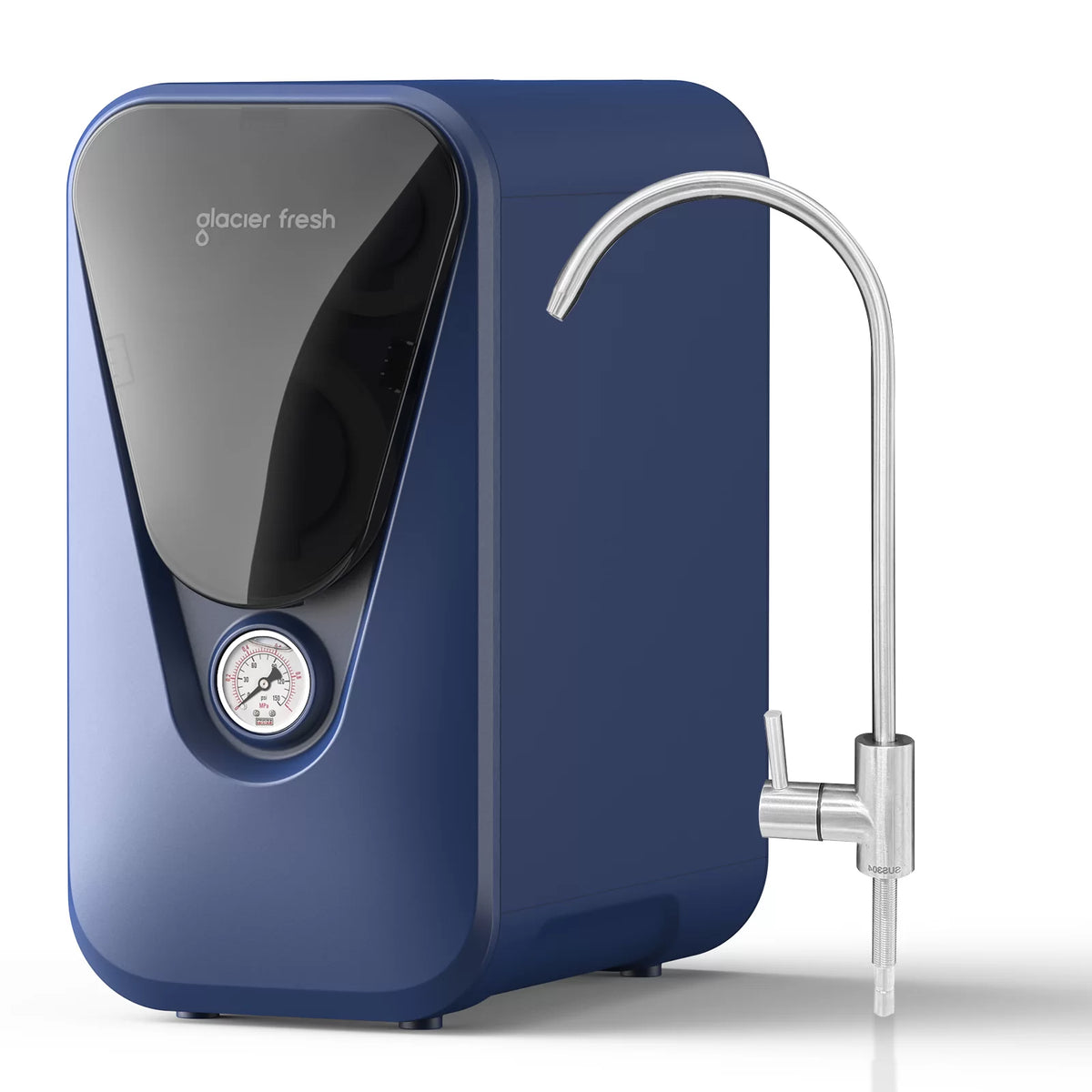
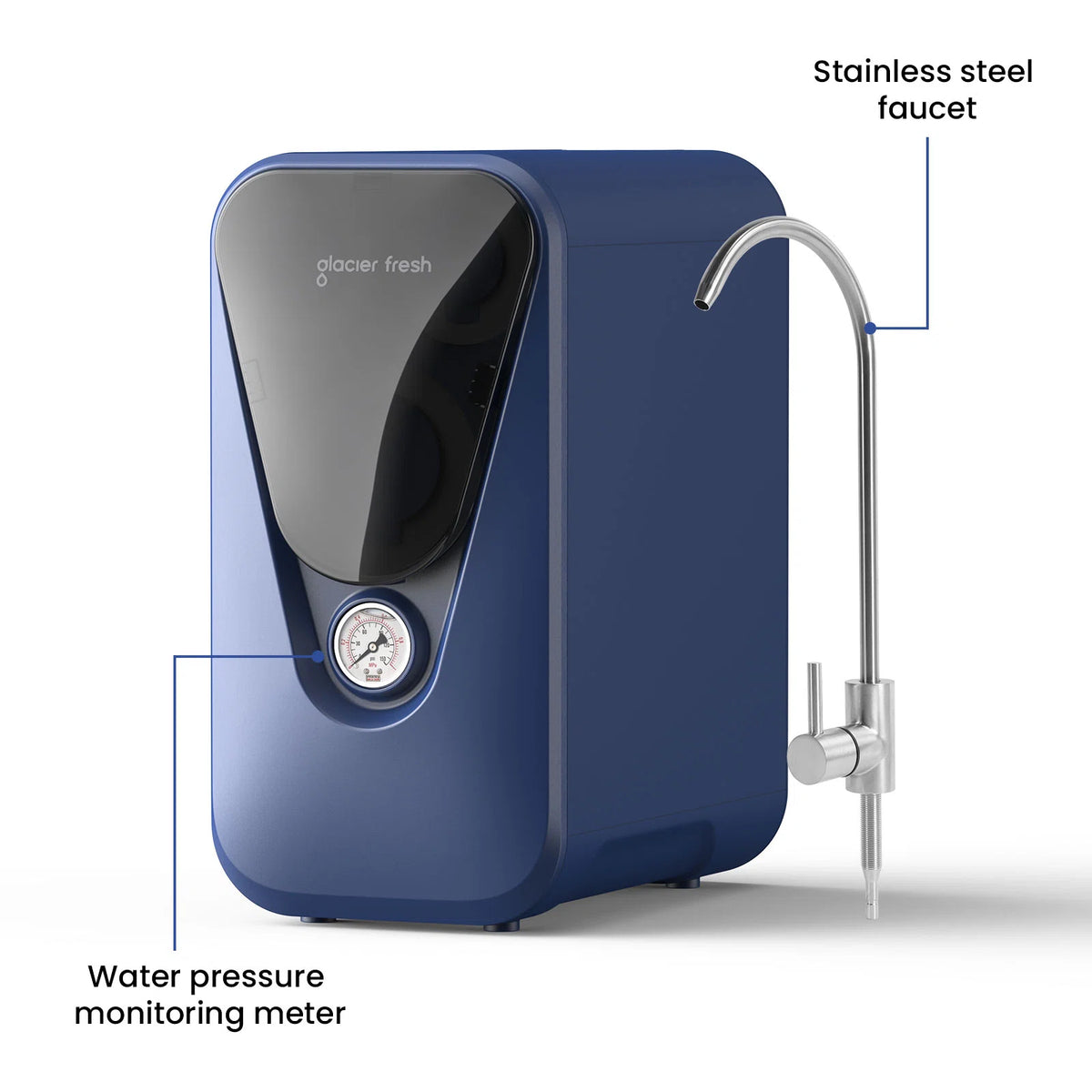
For PFAS or more complex water contaminants, systems with advanced carbon or reverse osmosis are more effective. RO systems are also the most reliable option if you need a true fluoride water filter.
Local water reports can help guide your decision. The EPA’s Consumer Confidence Reports provide details about contaminants in your area, which makes it easier to match the right filtration method.
FAQs
Can water filtration systems remove contaminants from tap water?
Yes, but the level of removal depends on the filtration technology. Basic filters improve taste and reduce some chemicals, while advanced systems like reverse osmosis remove a broader range of water contaminants.
Do all water filters remove PFAS?
No. Only certain filters with advanced carbon or membrane technology are designed to reduce PFAS. Certification is key when selecting a filter.
Is boiled water safer than filtered water?
Boiling can kill bacteria but does not remove chemical contaminants like lead, PFAS, or fluoride.
How often should I replace my water filter?
Most filters need replacement every 2–6 months, depending on usage and water quality. Delayed replacement reduces effectiveness.
Are pitcher filters enough for safe drinking water?
They are sufficient for improving taste and reducing some contaminants, but not ideal for removing all types of contaminants in water, especially fluoride or high PFAS levels.
Conclusion
Water filter pitchers offer a practical starting point for improving tap water quality, especially for taste and basic contaminant reduction. They’re easy to use, don’t require installation, and fit into everyday routines without much effort.
But they’re not a complete solution for every type of contaminants in water. For PFAS, fluoride, or higher contamination levels, more advanced systems may be necessary. Choosing the right filtration system comes down to understanding your water and matching it with the right technology.
References
-
United States Environmental Protection Agency. Drinking Water. https://www.epa.gov/report-environment/drinking-water
-
United States Geological Survey. Tap Water Study Detects PFAS ‘Forever Chemicals’ Across the US. https://www.usgs.gov/news/national-news-release/tap-water-study-detects-pfas-forever-chemicals-across-us
-
Environmental Working Group. New EPA Data Shows 165M People Exposed to Forever Chemicals in US. https://www.ewg.org/news-insights/news-release/2025/06/new-epa-data-shows-165m-people-exposed-forever-chemicals-us
-
The Washington Post. Plastic Water Bottles and Microplastics. https://www.washingtonpost.com/wellness/2026/01/26/plastic-water-bottles-microplastics/
-
United States Environmental Protection Agency. Identifying Drinking Water Filters Certified to Reduce PFAS. https://www.epa.gov/water-research/identifying-drinking-water-filters-certified-reduce-pfas
-
ANSI Blog. NSF/ANSI Drinking Water Treatment Standards. https://blog.ansi.org/ansi/nsf-ansi-drinking-water-treatment-standards/
-
National Academies of Sciences, Engineering, and Medicine. Drinking Water Distribution Systems: Assessing and Reducing Risks. https://www.nationalacademies.org/read/11571/chapter/4
-
Centers for Disease Control and Prevention. About Choosing Home Water Filters. https://www.cdc.gov/drinking-water/prevention/about-choosing-home-water-filters.html