
Table of Contents:
Best Water Quality in the US: 2026 US Water Quality Map Explained
Worst States for Tap Water Quality in the US 2026
Best States for Drinking Water Quality in the US 2026
Is Tap Water Safe in Different US States?
Why Water Quality Varies by State in the US
Urban vs Rural Water Quality in the US
How to Check Water Quality in My Area
What to Do If Your State or City Scores Poorly
FAQs
Conclusion
Public drinking water in the United States is regulated under federal law, yet quality still varies by state and even by community. When you review a US water quality map, you see a mix of violations, contaminant detections, and infrastructure conditions rather than a single simple score.
If you are making decisions for your household, those differences are practical. They shape what flows from your tap each day and whether additional filtration is worth considering.
Best Water Quality in the US: 2026 US Water Quality Map Explained
A water quality map combines several measurable indicators into one reference point. Most include:
-
Safe Drinking Water Act (SDWA) violations
-
Detected contaminants
-
Infrastructure or treatment system risks
-
Monitoring and reporting performance
Most public drinking water systems draw from rivers, lakes, or underground aquifers. As groundwater moves through soil and rock, it can pick up arsenic, trace metals, or other naturally occurring elements. These regional differences help explain why states rank differently on a US water quality map.
The underlying data typically comes from utility-issued Consumer Confidence Reports and federal compliance databases. You can check research-driven maps that focus on specific contaminants, such as:
-
Water Quality Indicators Map by the Environmental Protection Agency (EPA)
-
PFAS (per- and polyfluoroalkyl substances) contamination map by the Environmental Working Group (EWG)
Worst States for Tap Water Quality in the US 2026

Higher violation totals usually reflect system-level strain, oversight challenges, or source water pressures. Recent EPA data reported nationally show the following states with the highest Safe Drinking Water Act violations:
-
Pennsylvania: Had over 24,000 violations. The state operates more than 8,000 public water systems, nearly half of which had at least one violation. Many were related to monitoring and reporting, but Pennsylvania also manages legacy industrial contamination and naturally occurring arsenic in certain aquifers.
-
Texas: Its size and rapid growth create oversight challenges across urban, suburban, and rural systems. Agricultural regions face nitrate concerns, while expanding infrastructure can strain compliance resources.
-
West Virginia: Many residents rely on small or rural systems in mountainous areas, where aging infrastructure and limited funding can delay upgrades.
-
New York: Large metropolitan systems are tightly regulated, yet the state also includes numerous small municipal systems and older distribution networks, particularly outside major cities.
-
Oklahoma: A high number of small community systems and agricultural activity in parts of the state contribute to monitoring demands and compliance complexity.
SDWA violations generally fall into three categories:
-
Health-based violations, such as failure to remove harmful chemicals or pathogens.
-
Monitoring and reporting failures.
-
Other compliance issues, including public notification gaps.
Best States for Drinking Water Quality in the US 2026

Lower violation totals often reflect manageable system size, steady oversight, and relatively protected source water.
-
Hawaii: Reported just two violations in 2023. Its island geography limits upstream industrial discharge, and many systems rely on well-protected aquifers, though volcanic geology can influence mineral levels.
-
Delaware: As a smaller state with centralized oversight, it manages fewer systems, which can simplify compliance tracking.
-
Kentucky: Strong participation in regional water associations and consistent fluoridation practices may support stable treatment performance.
-
Nebraska: Much of its supply comes from groundwater in the High Plains aquifer system. Agricultural runoff is monitored in some areas, but overall compliance numbers remain comparatively low.
-
North Dakota: Its smaller population and structured rural water systems contribute to lower total counts, although seasonal weather still affects source water in certain communities.
Even in these states, private wells are not regulated under the SDWA. If your home relies on one, testing is your responsibility.
Is Tap Water Safe in Different US States?
By federal standards, most public tap water in the United States is considered safe. The Safe Drinking Water Act sets enforceable limits for dozens of contaminants.
Legal limits are not identical to health-based goals. Some thresholds reflect treatment feasibility and cost, and long-term low-level exposure can raise different concerns than short-term events.
When evaluating water quality in your area, review whether your system meets standards and which contaminants are detected. That helps you decide what is acceptable for your household.
Why Water Quality Varies by State in the US
Several factors drive state-level differences:
-
Water source: Surface water systems manage runoff and discharge, while groundwater systems address minerals and naturally occurring contaminants.
-
Treatment capacity and funding: Larger utilities often have advanced processes, while smaller systems may upgrade more slowly.
-
Industrial and agricultural history: Legacy manufacturing and farming can affect contaminant profiles.
-
Climate pressures: Drought, floods, and wildfires influence source water quality.
-
Infrastructure age: Older pipes, including lead service lines, can introduce contamination after treatment.
Urban vs Rural Water Quality in the US
Urban households are usually served by regulated utilities that publish annual Consumer Confidence Reports. Risks often relate to aging distribution systems and disinfection byproducts.
Rural or small community systems may operate with fewer financial resources, and some households rely on private wells. If you search for “water quality in my area” outside a major metro, include well testing data and local geology in your review.
As a practical check:
-
Urban residents should review annual reports and confirm whether their home has lead service lines.
-
Rural residents should schedule periodic well testing for bacteria and nitrates.
-
All households should monitor boil water notices and compliance updates.
How to Check Water Quality in My Area

To assess your local water quality:
-
Locate your utility’s annual Consumer Confidence Report.
-
Cross-check with EPA compliance records or US Geological Survey (USGS) monitoring tools.
-
Review your home’s plumbing history, especially if it was built before modern lead restrictions.
-
Consider certified home testing if you want confirmation at the tap level.
From there, determine whether point-of-use filtration is appropriate based on detected contaminants.
What to Do If Your State or City Scores Poorly
First, confirm the details in your local report and identify the contaminant involved. Lead, PFAS, nitrates, and microbial contamination require different responses.
Second, match filtration to the issue:
-
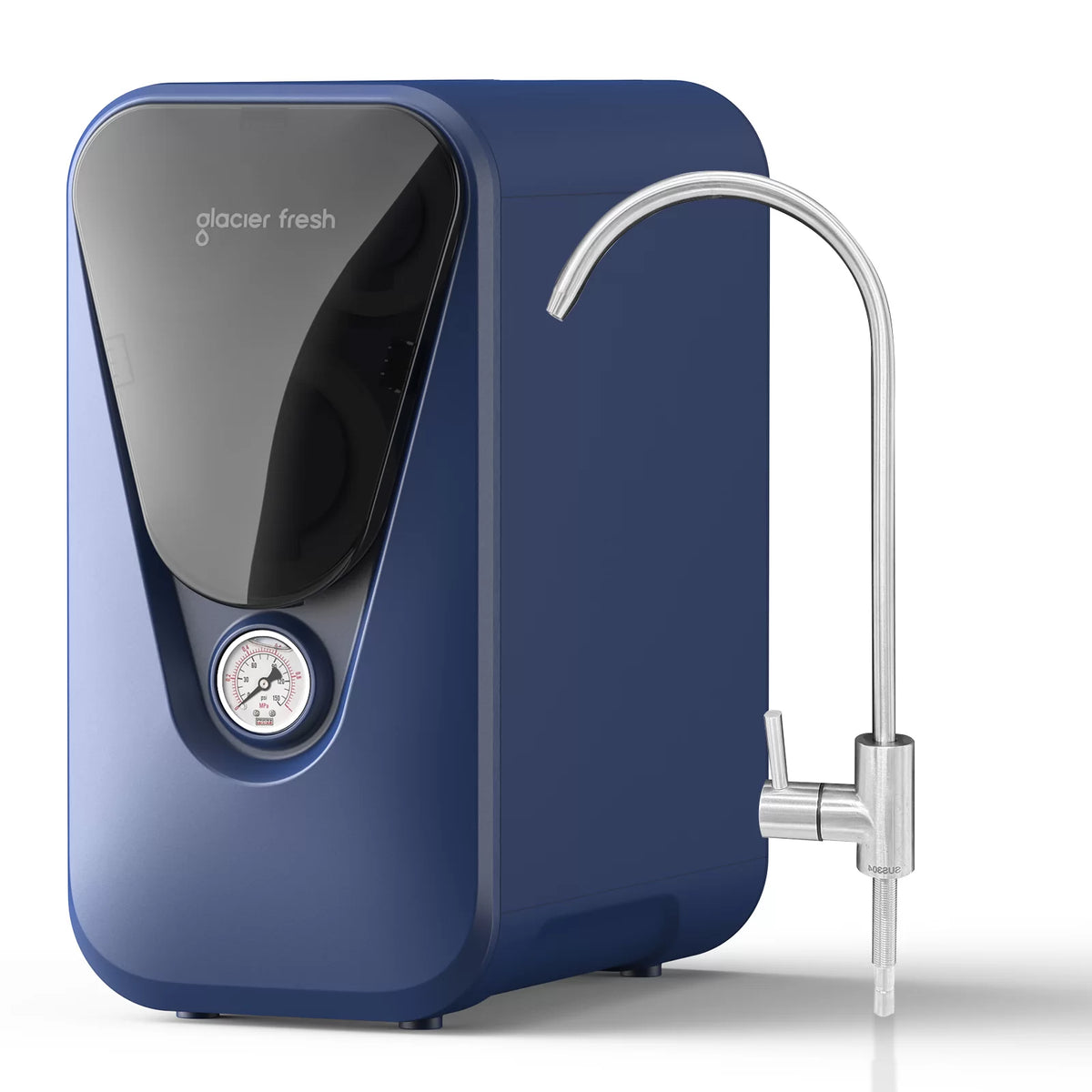
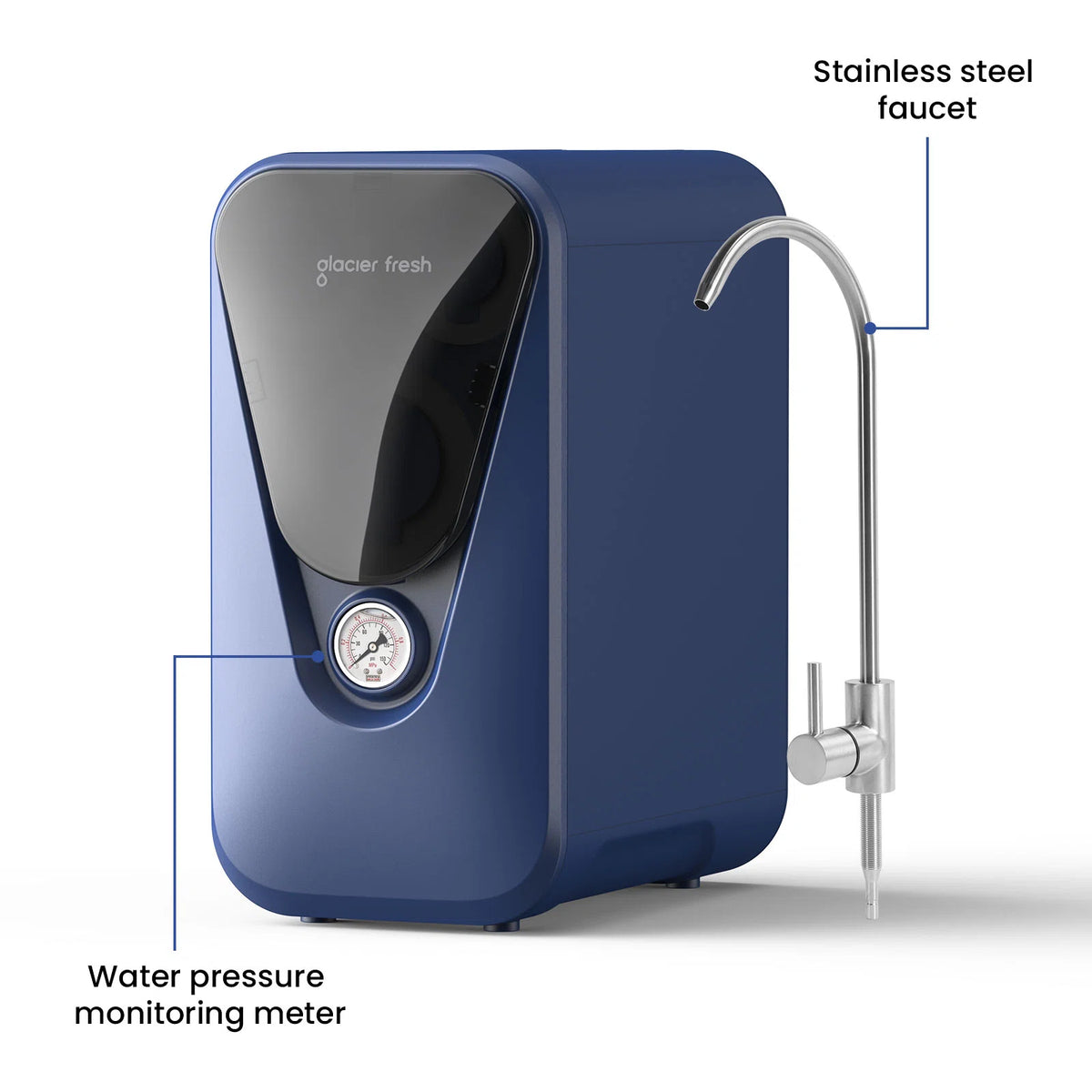
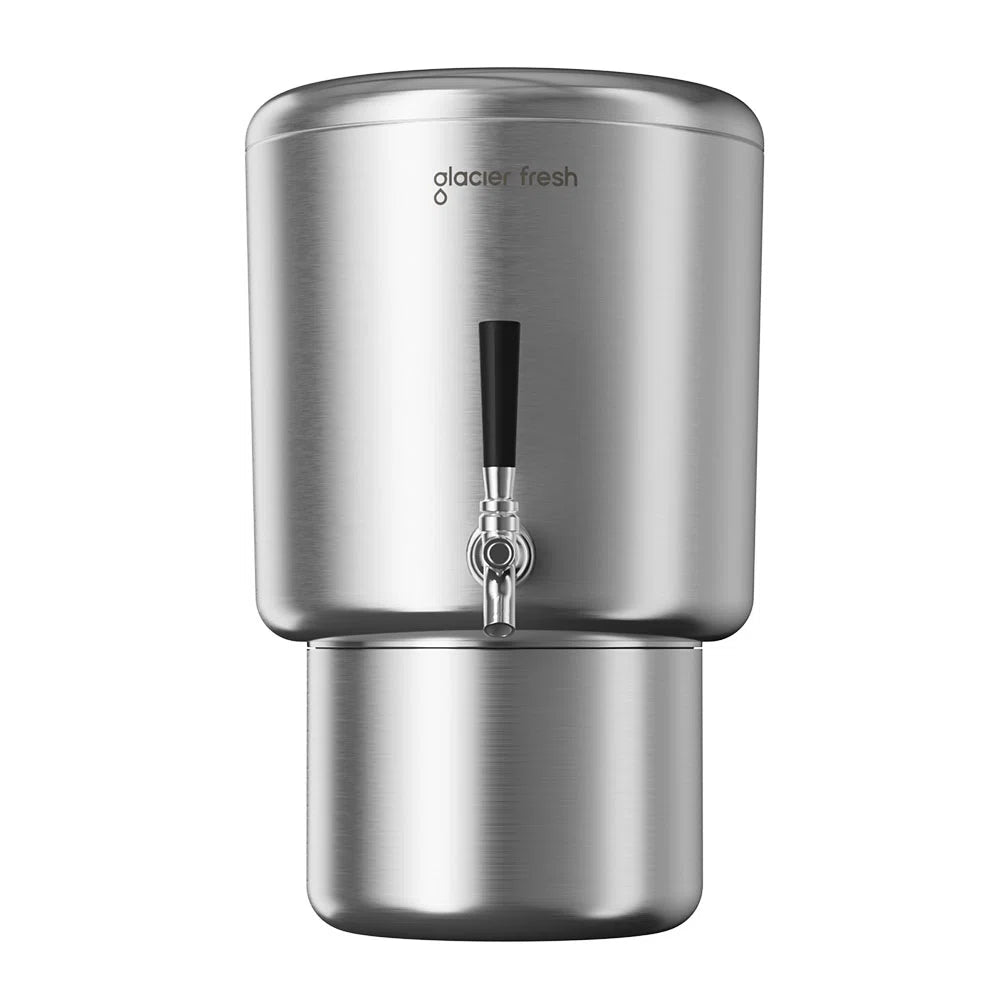
Reverse osmosis systems such as the GlacierFresh U03 are commonly used to reduce PFAS and certain heavy metals in households.
-
Activated carbon filters in water filter pitchers can address taste, odor, and some organic compounds.
-
Certified lead-reducing filters are designed for point-of-use applications.
Third, retest periodically to confirm performance.
If you rely heavily on bottled water, consider the tradeoffs. Research indicates that bottled water drinkers can consume 90,000 more microplastic particles each year than those who primarily drink tap water. In-home filtration can reduce both plastic waste and certain contaminant exposure.
FAQs
1. Is tap water healthy in the USA?
In most cases, yes. Public water systems must meet federal standards under the Safe Drinking Water Act, which sets enforceable limits for dozens of contaminants. However, health-based preferences and contaminant sensitivities differ, so some households choose additional filtration.
2. What is the main cause of US water quality problems?
Common causes include aging infrastructure, industrial and agricultural pollution, naturally occurring contaminants in groundwater, and inconsistent monitoring in smaller systems. Understanding which factor applies locally gives you a clearer sense of actual risk.
3. Why does water taste different in different states?
Taste is influenced by mineral content, disinfectants used in treatment, and source water type. Groundwater often contains more dissolved minerals, while surface water systems may use different disinfection processes.
4. Is bottled water safer than tap?
Not necessarily. Bottled water is regulated differently and may still contain contaminants. It also introduces higher levels of microplastic exposure compared to tap water. For many households, properly maintained home filtration offers a more consistent and environmentally responsible option.
5. Does boiling tap water make it safer?
Boiling can kill bacteria and certain pathogens. It does not remove heavy metals, PFAS, or other chemical contaminants. If your concern involves chemicals rather than microbes, certified filtration or source-level treatment is required instead of heat alone.
Conclusion
By reviewing a US water quality map, checking your local report, and assessing your own plumbing, you can better understand the water quality in your area and whether additional filtration aligns with your health and sustainability priorities.
GlacierFresh offers point-of-use filtration systems designed to address common concerns such as PFAS, heavy metals, and sediment. Used alongside publicly available water data, these systems allow you to respond directly to conditions in your home.