
Table of Contents:
Is US Tap Water Safe in 2026?
Is Drinking Water Safe in My State?
State Spotlight: What the Data Shows in 2026
Which US States Have Unsafe Drinking Water?
Which States Have the Safest Drinking Water in the US?
Regional Water Contaminants: What’s in Your Water Based on Where You Live
Well Water vs City Water: Which Is Healthier?
What You Can Do If Your Tap Water Isn’t as Safe as You Thought
FAQs
Conclusion
You expect the water from your tap to be safe. But depending on where you live, you might be asking very specific questions, like: Is tap water in California safe to drink? How safe is tap water to drink in Florida? How about Texas?
In many areas, the answer is yes. Still, in 2026, water quality depends on your state, your city, and sometimes the pipes under your street. Federal rules set minimum standards, but what reaches your glass can vary more than you’d think.
Is US Tap Water Safe in 2026?

Public water systems operate under the Safe Drinking Water Act. The Environmental Protection Agency (EPA) sets maximum contaminant levels for lead, arsenic, nitrates, and other chemicals.
Those limits are legal thresholds, not always ideal health targets. Some independent health guidelines recommend lower exposure levels. That means a system can be compliant and still contain small amounts of contaminants you may prefer to limit long-term.
Enforcement also differs by state. Some test more often and invest heavily in upgrades. Others manage older infrastructure with tighter budgets. So while US tap water is regulated, risk levels aren’t identical everywhere.
Is Drinking Water Safe in My State?
Water quality usually comes down to three variables:
-
Water source: Rivers and reservoirs are exposed to farm runoff, wildfire debris, and industrial discharge. Groundwater can contain naturally occurring arsenic or nitrates.
-
Treatment capacity: Larger utilities often remove a broader range of contaminants. Smaller systems may rely on older equipment.
-
Distribution pipes: Water can pick up metals or corrosion byproducts as it moves through aging pipes before reaching your faucet.
Because of this, state averages don’t tell the whole story. You need local data to understand what you’re actually drinking.
State Spotlight: What the Data Shows in 2026
State-level data shows patterns, but conditions still vary by city and utility.
Is Tap Water in California Safe to Drink?
For those asking if tap water in California is safe to drink, the answer depends on location and source.
California faces several recurring issues, including:
-
PFAS (per- and polyfluoroalkyl substances) near industrial and military sites
-
Nitrates in agricultural regions such as the Central Valley
-
Chromium-6 in certain groundwater supplies
Urban systems in cities like Los Angeles and San Francisco generally have advanced treatment and consistent monitoring. Rural communities often face higher nitrate levels and fewer resources. Ongoing drought can also concentrate contaminants. That’s one reason point-of-use filtration is common in California homes.
Is the Tap Water in Texas Safe to Drink?
Texas has experienced rapid growth and extreme weather events that strain infrastructure. Winter freezes and hurricanes have led to boil-water notices in recent years.
PFAS has also been detected near certain military and industrial areas. Smaller municipal systems sometimes struggle during heavy flooding.
Major metropolitan systems typically meet federal standards. Still, temporary disruptions and infrastructure stress mean some households choose added filtration as a backup layer.
How Safe Is Tap Water to Drink in Florida?
Florida relies heavily on groundwater, which can be influenced by agricultural runoff. Nitrates and other chemicals may enter aquifers in certain regions.
Because of the warm climate, utilities use disinfectants to control microbial growth. That can lead to higher levels of disinfection byproducts. These are regulated, but some residents prefer to reduce them further at home.
Older coastal cities may also deal with pipe corrosion that affects taste. It’s not uncommon for homeowners to install filtration for both safety and flavor.
How to Check Your State’s Drinking Water Quality in 2026
Start with your local Consumer Confidence Report, which your water provider publishes annually.
For deeper comparisons, you can search your ZIP code in the Environmental Working Group (EWG) Tap Water Database or review the EPA’s water quality map.
Looking at both gives you context. You’ll see reported violations, contaminant averages, and how your utility compares with health-based guidelines.
Which US States Have Unsafe Drinking Water?
Lists of the “worst” states usually rely on violation data under the Safe Drinking Water Act.
According to the latest EPA data, the highest numbers of reported violations were:
-
Pennsylvania: 24,525
-
Texas: 15,340
-
West Virginia: 7,473
-
New York: 6,743
-
Oklahoma: 5,188
A violation does not always mean water is immediately dangerous. It can involve reporting gaps or testing failures. Still, high counts often point to infrastructure challenges or compliance weaknesses.
If you live in one of these states, it’s worth checking your specific utility rather than assuming the average applies to you.
Which States Have the Safest Drinking Water in the US?
States with lower violation counts often share certain traits: newer systems, protected water sources, and consistent funding.
Based on the same EPA dataset, states with relatively low violation numbers in 2023 included:
-
Hawaii: Only 2
-
Delaware: 117
-
Kentucky: 139
-
Nebraska: 190
-
North Dakota: 233
Lower violations suggest stronger compliance. They do not guarantee the absence of emerging contaminants such as PFAS, which are still under regulatory review.
Regional Water Contaminants: What’s in Your Water Based on Where You Live
Some contaminants show up more often in certain regions.
| Region | Common Contaminants | Typical Sources | Suggested Filtration Type |
|---|---|---|---|
| West Coast | PFAS, wildfire runoff, heavy metals | Industrial sites, wildfire ash, aging pipes | Reverse osmosis or certified PFAS reduction systems |
| Midwest | Nitrates, agricultural chemicals | Farm runoff, fertilizer use | Reverse osmosis or nitrate-certified filters |
| South | Disinfection byproducts, industrial runoff | Chlorination, petrochemical activity | Activated carbon + RO combinations |
| Northeast | Lead from older pipes | Legacy lead service lines | Lead-certified carbon filters or RO systems |
Well Water vs City Water: Which Is Healthier?
City water is regulated and routinely tested. But it can still pick up contaminants from aging plumbing.
Private well water has no federal oversight. Testing and treatment fall entirely on you. Some well owners delay testing longer than they should.
In both cases, point-of-use filtration addresses contaminants at the tap, where it matters most.
What You Can Do If Your Tap Water Isn’t as Safe as You Thought

If your local data shows elevated contaminants, there are practical steps you can take.
Start with the basics:
-
Review your annual water report: Check contaminant levels, not just whether your system met minimum standards.
-
Consider independent lab testing: Especially if you live in an older home or use a private well.
-
Limit reliance on bottled water: It adds plastic waste and ongoing cost, and it isn’t always tested more rigorously than municipal supplies.
If filtration makes sense, match the system to your situation:
-
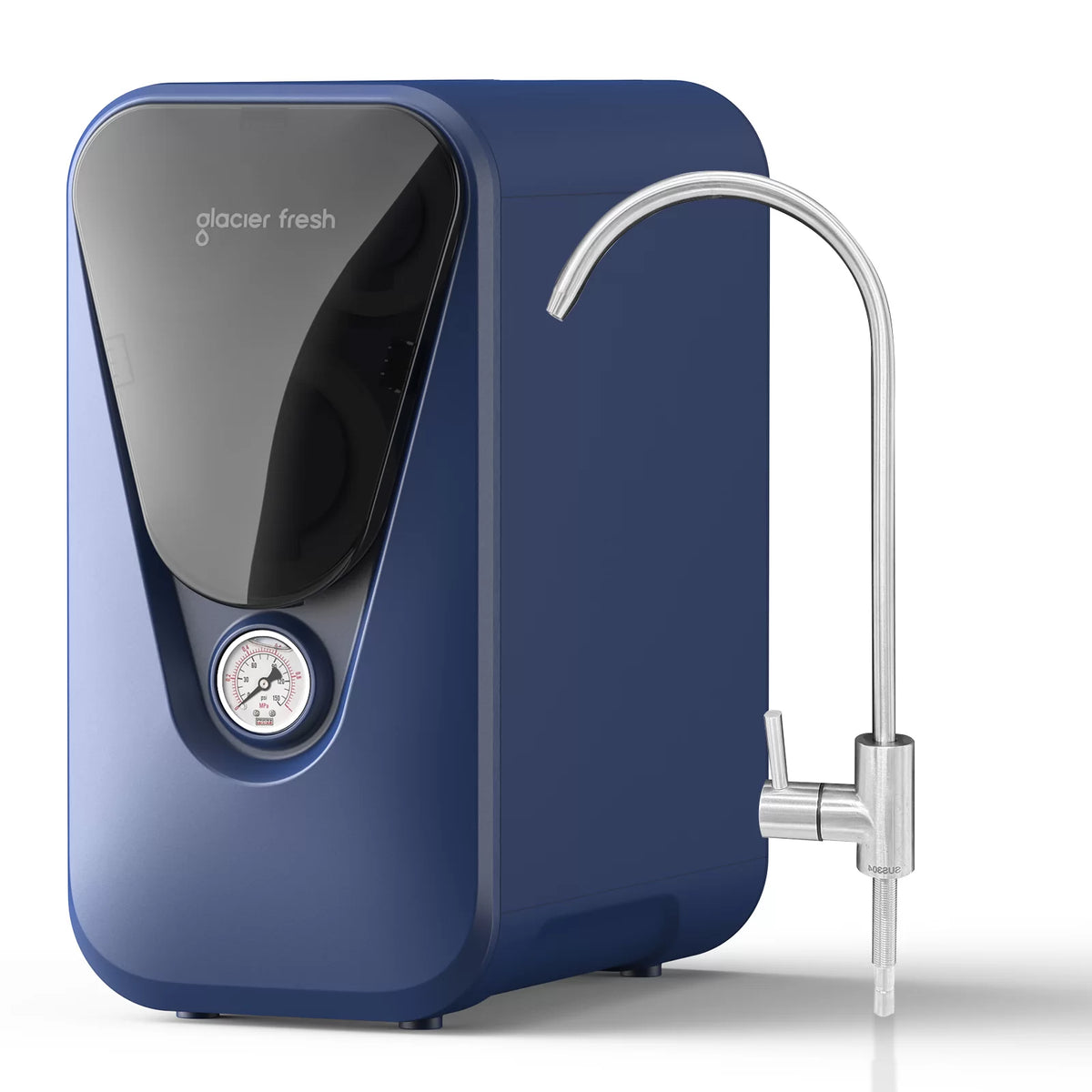
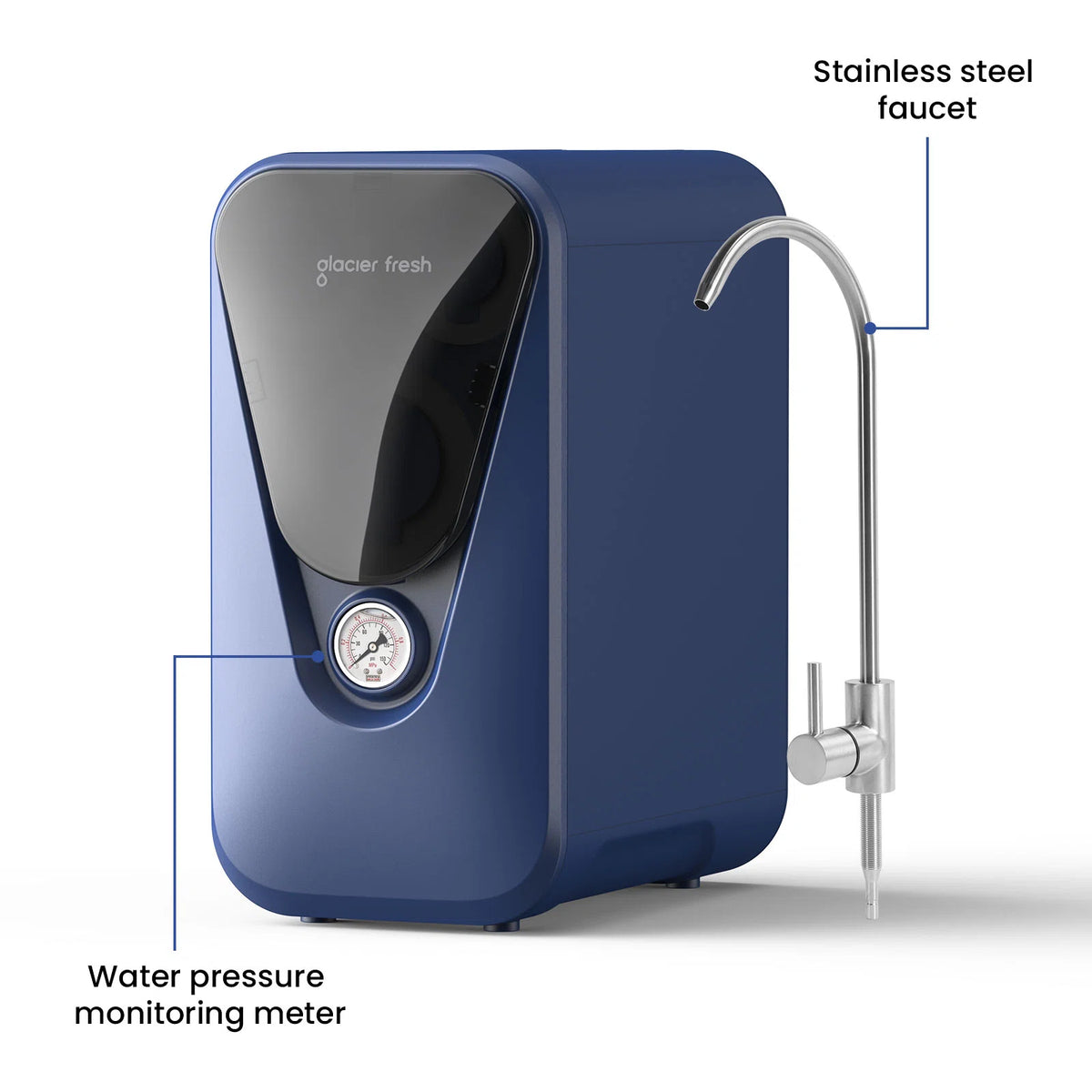
Municipal supply homes: The GlacierFresh U03 Undersink Reverse Osmosis System uses 0.0001-micron filtration designed to remove up to 99.99% of many contaminants, including PFAS and heavy metals. It operates without electricity, features a 3:1 purified-to-drain ratio, and delivers about 0.6 GPM flow.
-
Renters or countertop users: The GlacierFresh Coolon Cold Water Dispenser provides compact filtration with rapid cooling to roughly 7 to 10°C and simple physical controls.
-
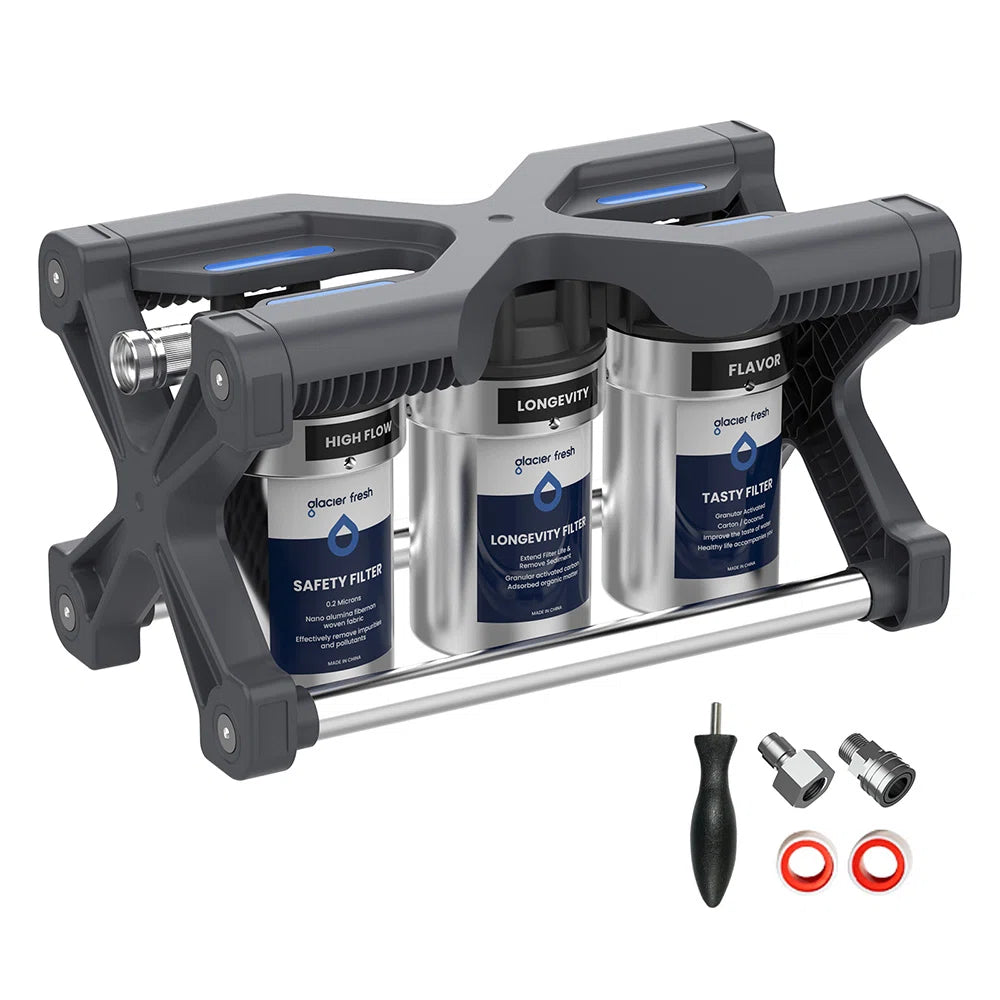
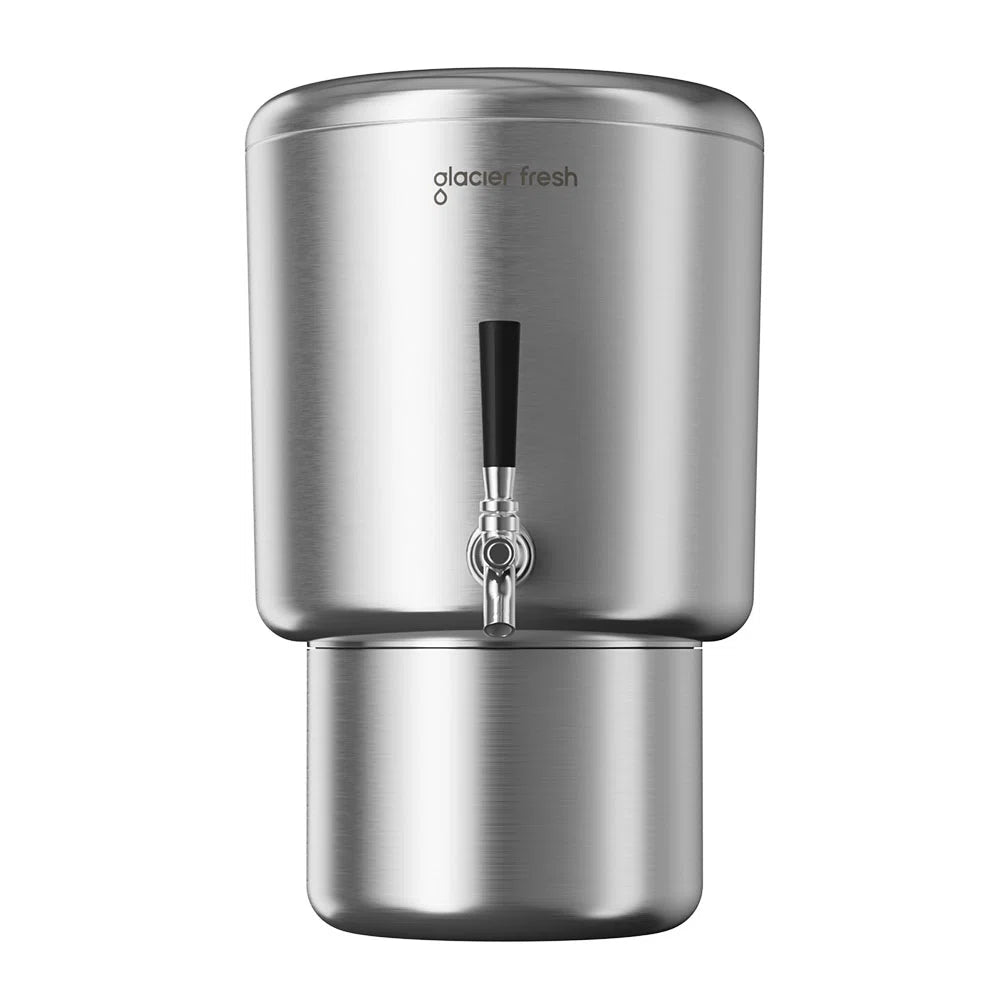
Backup or no-plumbing situations: The GlacierFresh PC04 Countertop Gravity Water Filter System uses gravity-driven Elarisey filtration in a stainless steel unit. Independent SGS lab tests show substantial reductions in lead, chlorine, BPA, and PFAS under lab conditions.
The goal is simple. Reduce what reaches your glass while larger infrastructure upgrades move forward.
FAQs
1. Which state has the cleanest tap water?
States with very low Safe Drinking Water Act violation counts, such as Hawaii and Delaware, in recent EPA data tend to rank highly. Local utility performance still matters more than the state average.
2. Which state in the U.S. has the worst tap water?
States reporting the highest numbers of SDWA violations in recent data include Pennsylvania and Texas. High violation counts often reflect infrastructure and compliance issues rather than one specific contaminant.
3. What is the healthiest water to drink in the USA?
Water that meets federal standards and shows low contaminant levels in both regulatory and health-based comparisons is generally considered healthiest. Many families prefer filtered tap water to reduce additional exposure.
4. Can you drink tap water in all states?
Most public water systems meet federal safety requirements most of the time. That said, boil notices, infrastructure failures, and localized contamination events do occur. Safety can vary not just by state, but by city or even neighborhood. It’s wise to review the local Consumer Confidence Report.
5. Does boiling tap water make it safer?
Boiling can kill bacteria and some pathogens. It does not remove heavy metals, PFAS, nitrates, or many chemical contaminants. If your concern involves metals or industrial chemicals, you’ll need a certified filtration system rather than heat treatment alone.
Conclusion
Drinking water in 2026 is regulated, but it isn’t identical everywhere. Source water, treatment capacity, and pipe age all influence what comes out of your tap.
If you want more control, check your local data and consider point-of-use filtration that fits your home. GlacierFresh systems are built for different living situations, so you can choose the level of protection that aligns with your household.