


Table of Contents:
What Is a Countertop Water Filtration System?
Why Homeowners Are Switching to Countertop Water Purifier Systems
Can Countertop Water Filters Effectively Remove Contaminants from Tap Water?
How Do Countertop Water Filters Compare to Under-Sink Filtration Systems?
Are Countertop Water Dispensers More Cost-Effective Than Under-Sink Filters?
Practical Use Cases: Who Benefits Most from Countertop Systems?
FAQs
Verdict: Is It Worth the Cost in 2026?
You probably already rely on filtered water in some form, maybe a fridge filter or a pitcher sitting in the corner of your kitchen. What’s changed is how quickly you expect that water to be ready, because even a short wait can feel annoying during a busy morning.
A countertop water filtration system fits the move toward instant, no-install home appliances, but convenience has a real cost, so it’s worth looking at what you actually get in 2026.
What Is a Countertop Water Filtration System?

A countertop water filtration system is a compact unit that sits on your kitchen counter and filters tap water right where you use it. You don’t need permanent installation, which makes it practical whether you rent or own.
How It Works
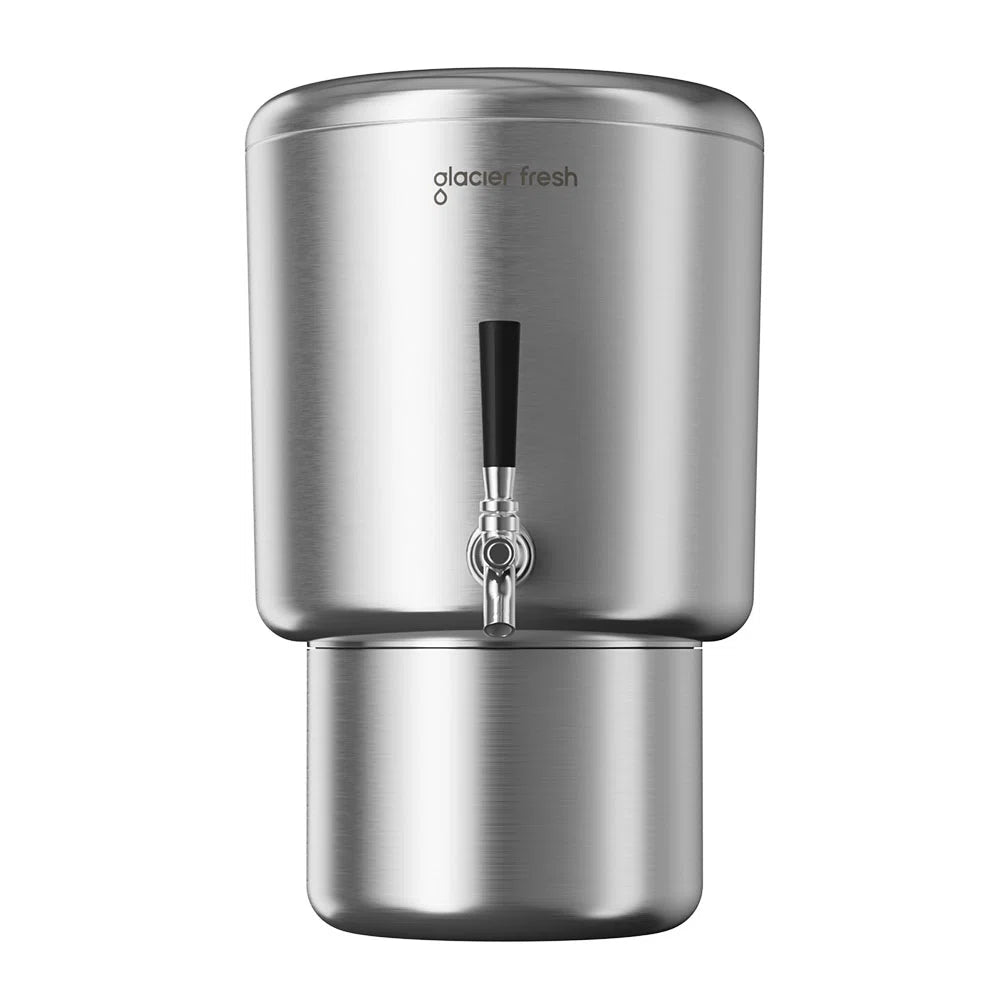
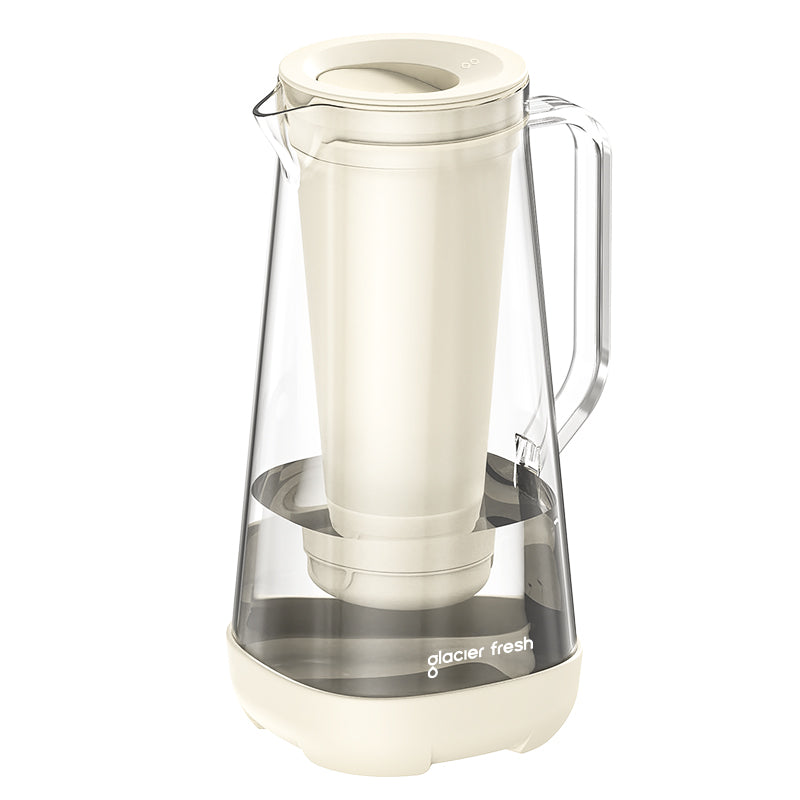
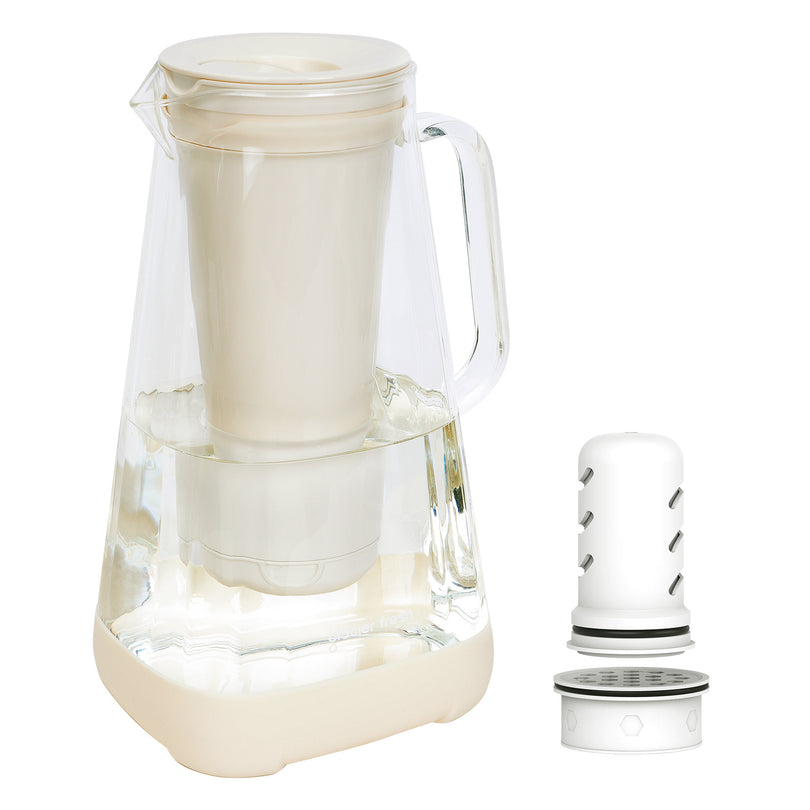
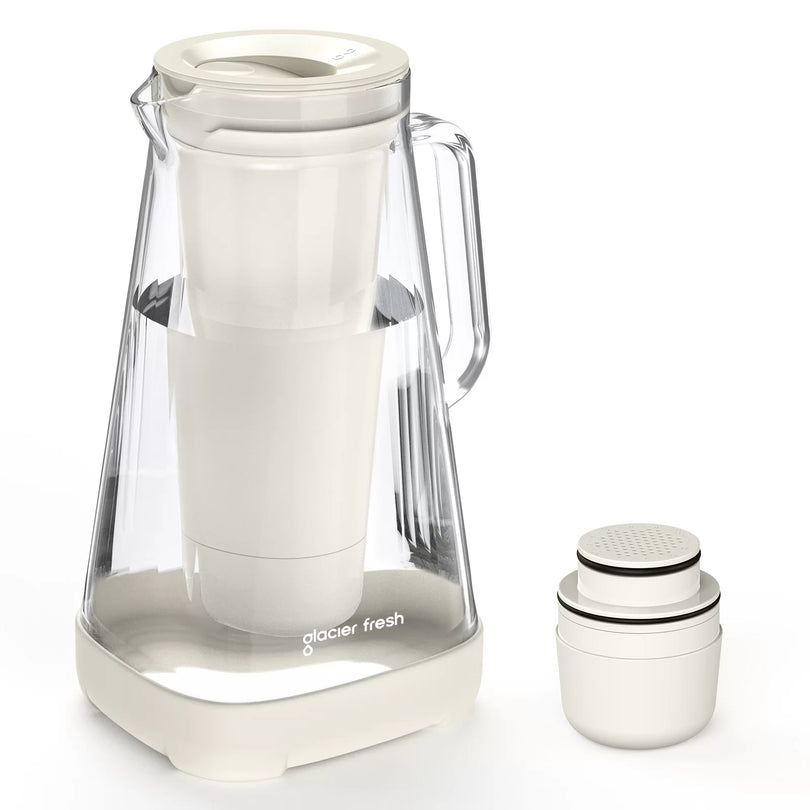
These systems usually rely on either a direct faucet connection or gravity-based filtration. In a faucet-connected setup, water flows through a filter cartridge as you run the tap. In a gravity-fed system, you pour water into an upper chamber and let it move through filters into a lower reservoir.
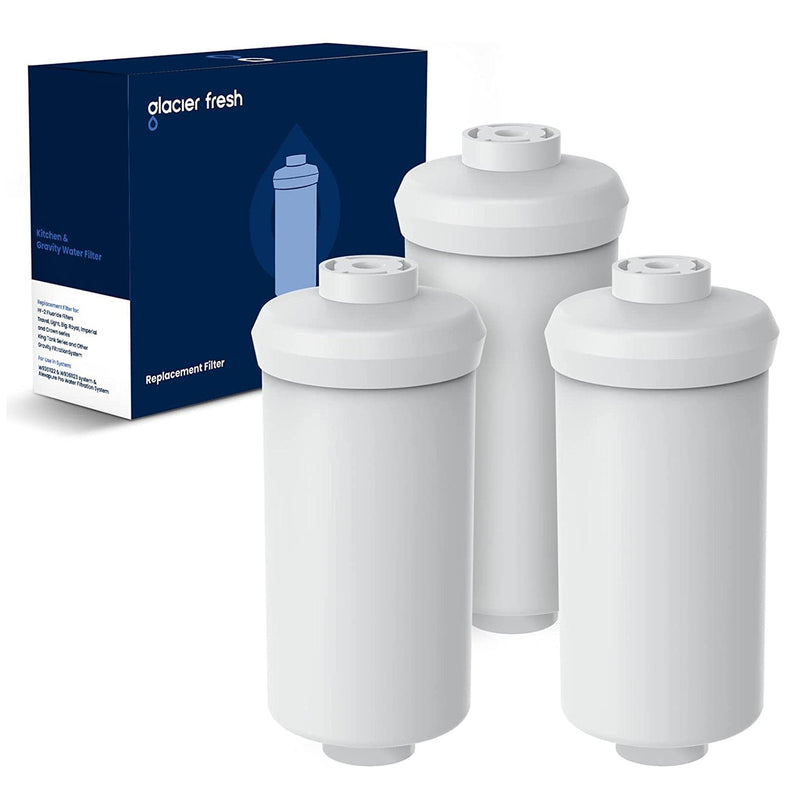
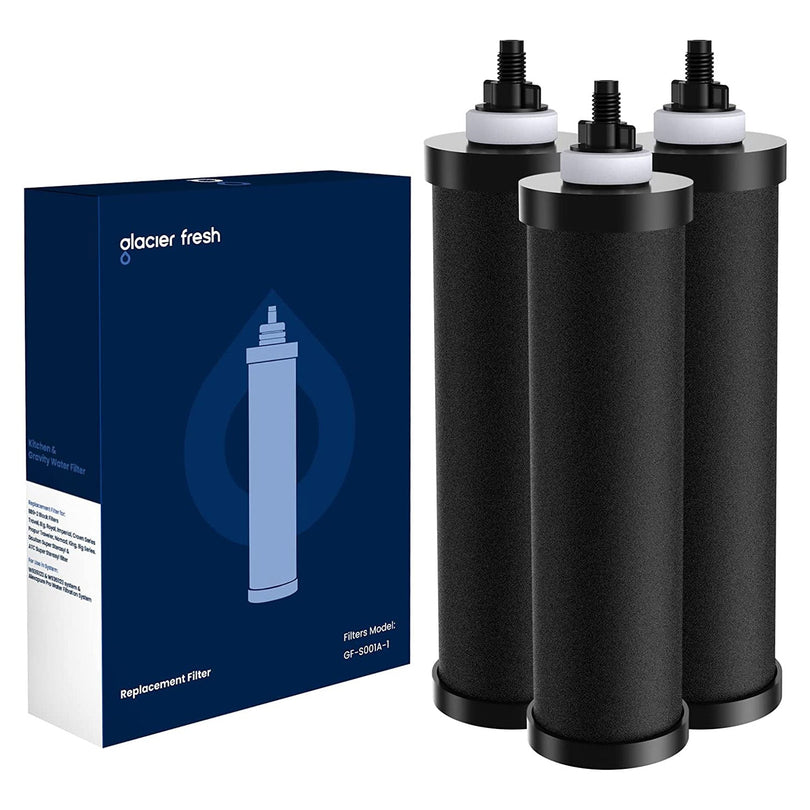
Gravity systems don’t need electricity or plumbing. They rely on physical filtration and adsorption, often using carbon and membrane technology to remove contaminants. It’s simple, but it works.
More advanced models combine filtration with cooling or heating. That’s where a water purifier for countertop overlaps with small appliances. Some units can chill water instantly, so you don’t have to rely on your fridge anymore.
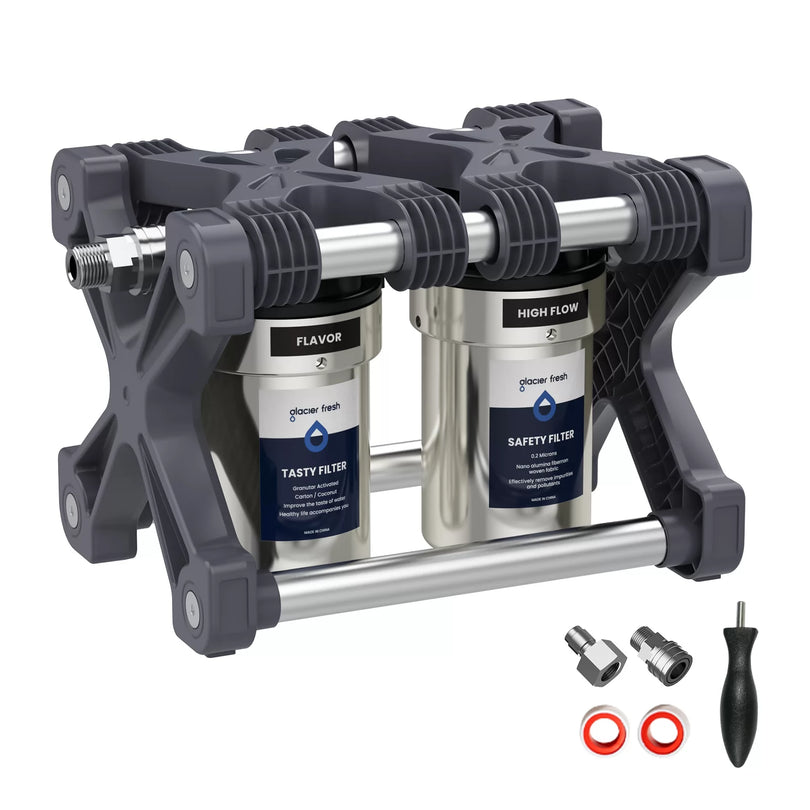
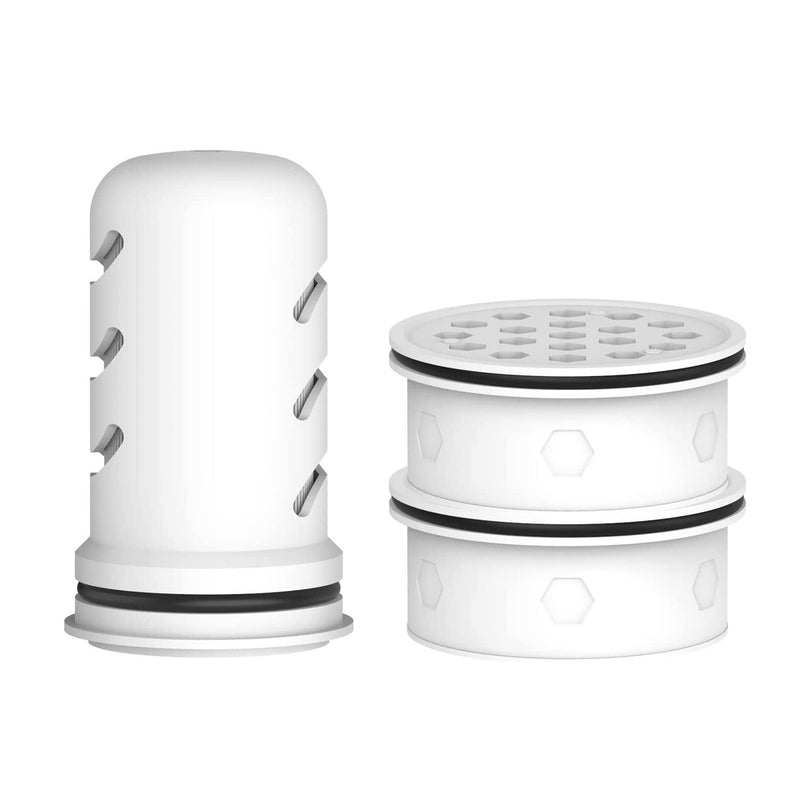
Basic filters usually focus on taste and odor. More advanced dispensers add multi-stage filtration, better contaminant reduction, and higher flow rates.
Types of Countertop Systems Available in 2026
There are three main types you’ll see in today’s market:
-
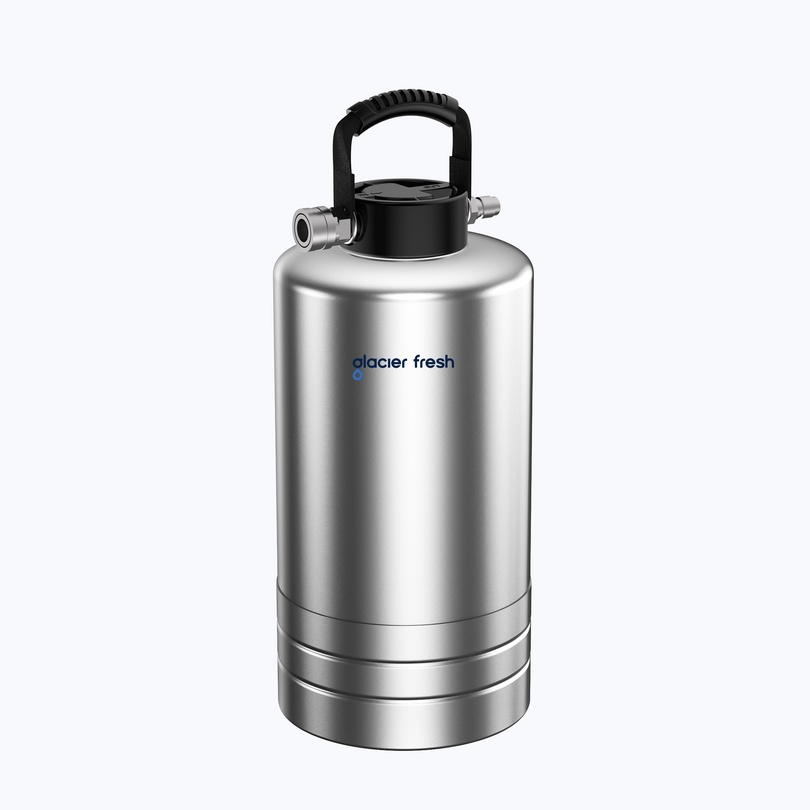
Gravity-fed stainless steel systems that operate without electricity
-
Electric countertop dispensers that provide hot or cold water
-
Compact faucet-connected filters for minimal setups
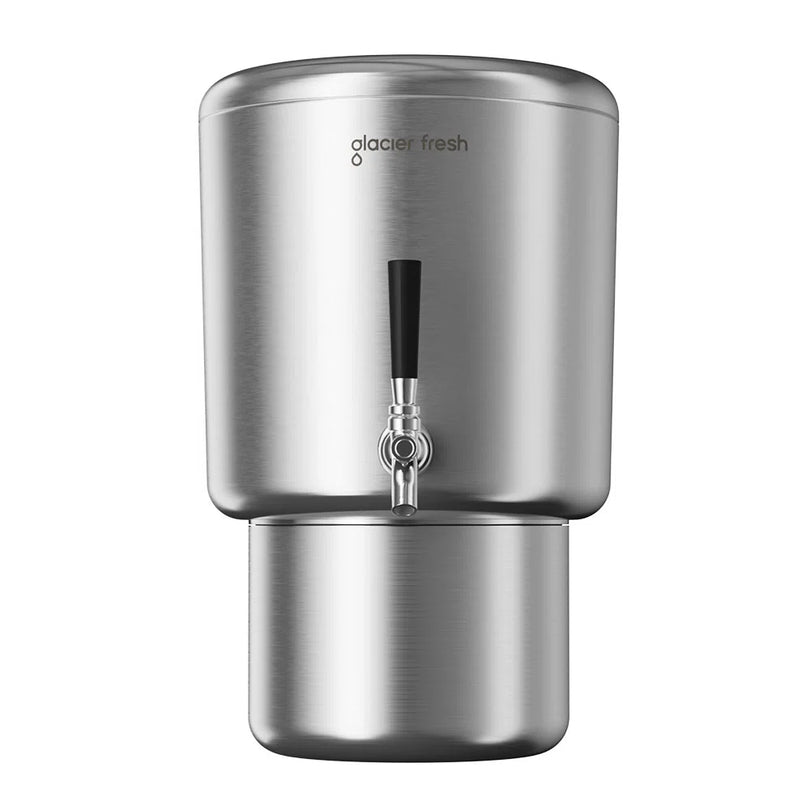
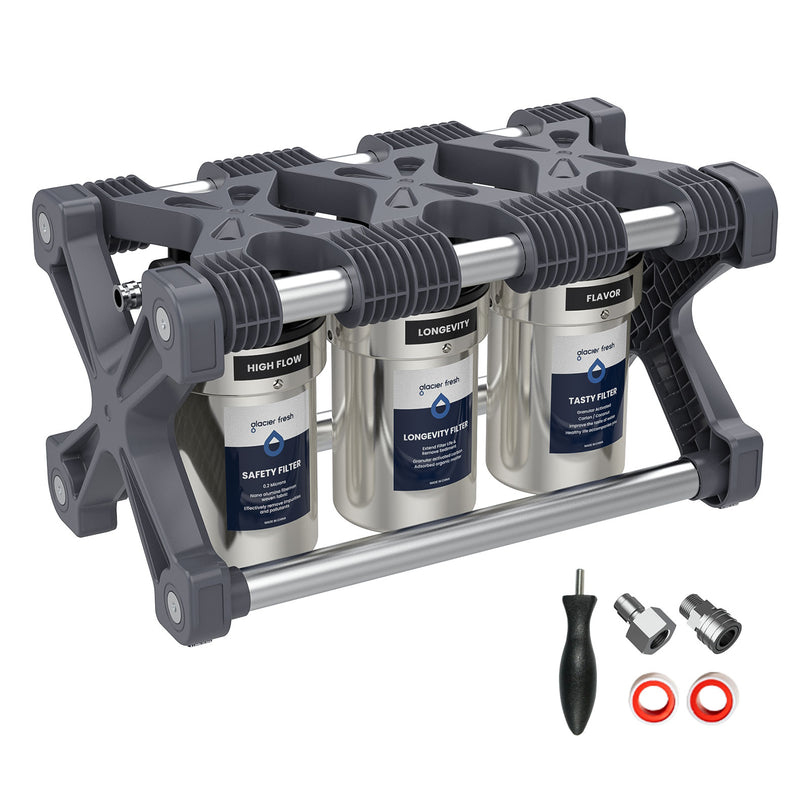
The GlacierFresh 2.25-gallon gravity system is one example of a non-electric design. It uses a stainless steel body and nanofiber membrane filtration to reduce contaminants like lead, chlorine, and PFAS while keeping the setup fairly straightforward. Since it doesn’t need power, it’s also useful during outages, in an RV, or in a cabin where outlets aren’t always convenient.
Why Homeowners Are Switching to Countertop Water Purifier Systems
More households are choosing a water purifier in countertop setup because it removes a lot of small friction from daily use.
Instant Access to Cold, Filtered Water
Refrigerator filters and pitchers take time. You either wait for the water to chill or refill them multiple times a day. Countertop dispensers solve that by giving you filtered water right away, often at a set temperature.
This matters more than it sounds. The average American drinks 1 to 2 liters of water per day, so small delays add up over time.
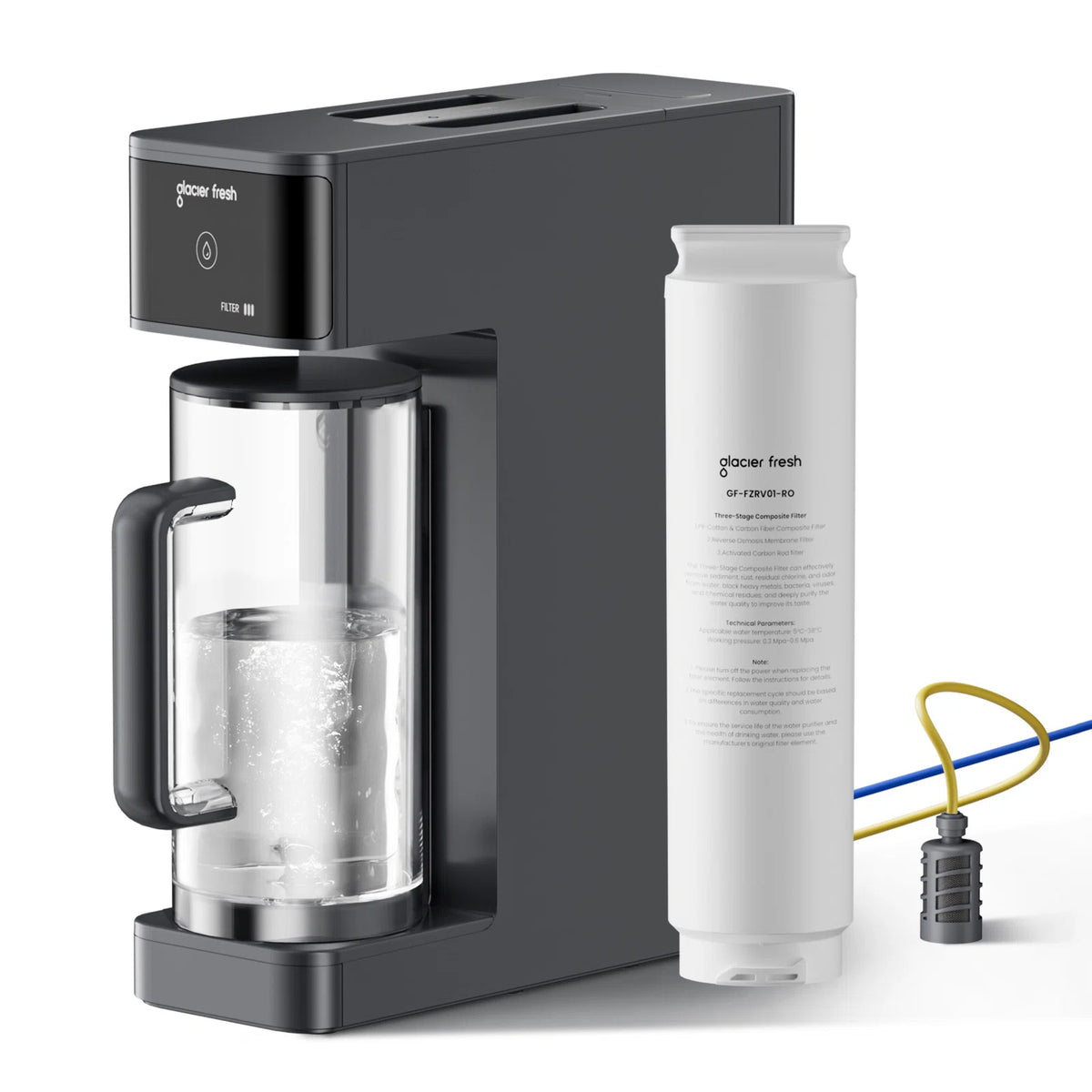
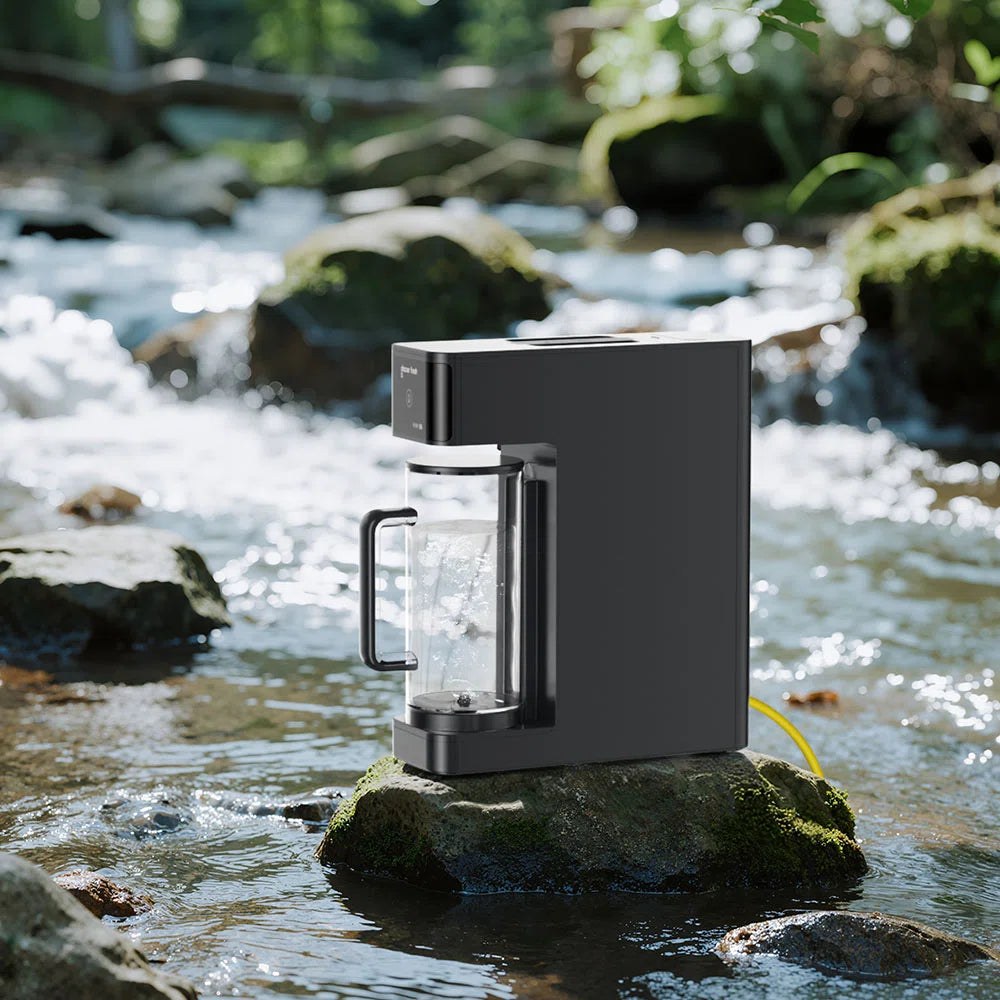
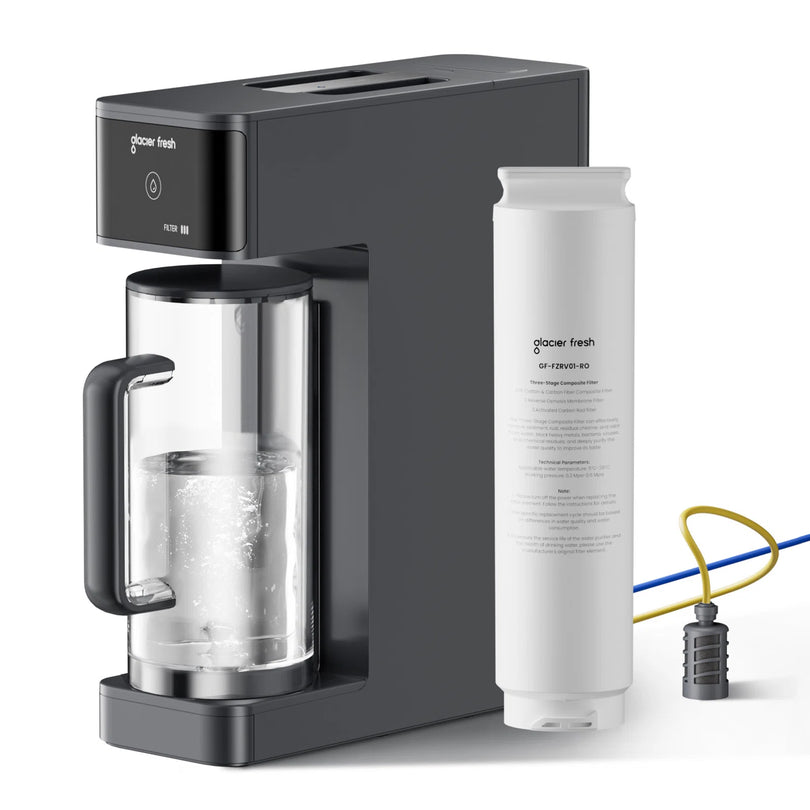
Electric models like GlacierFresh Coolon combine filtration with rapid cooling. You can get cold water in seconds instead of planning ahead. In a busy household, that difference actually shows up more than you’d expect.
No Installation Required
A major reason people switch is the lack of installation. Under-sink systems often require tools, plumbing knowledge, or professional help.
With countertop units, you place the system, fill it or plug it in, and start using it. No tools, no setup headaches. That’s why they’re especially practical if you rent or move often.
Space-Saving and Portable
Most countertop systems are about the size of a coffee maker. They don’t take up much room, and you can move them around pretty easily.
That flexibility works well for:
-
Small apartments with limited kitchen space
-
RVs or travel setups
-
Office kitchens or shared environments
The ability to relocate the system without reinstalling anything is one of the main reasons people choose this category.
Can Countertop Water Filters Effectively Remove Contaminants from Tap Water?

Effectiveness depends on the filtration technology used, so it helps to understand what these systems can and can’t do.
What Contaminants They Typically Remove
Most countertop filters are designed to reduce common tap water contaminants like:
-
Chlorine and taste-related compounds
-
Sediment, like rust or sand
-
Heavy metals, including lead and mercury
-
Some volatile organic compounds (VOCs)
This matters because exposure is more common than most people think. Over 97 million U.S. residents have been exposed to unregulated contaminants in drinking water.
Filtration Technologies Explained
Different systems use different methods, and it can feel a bit technical at first:
-
Activated carbon improves taste and reduces chlorine through adsorption.
-
Ceramic filters block larger particles and some bacteria.
-
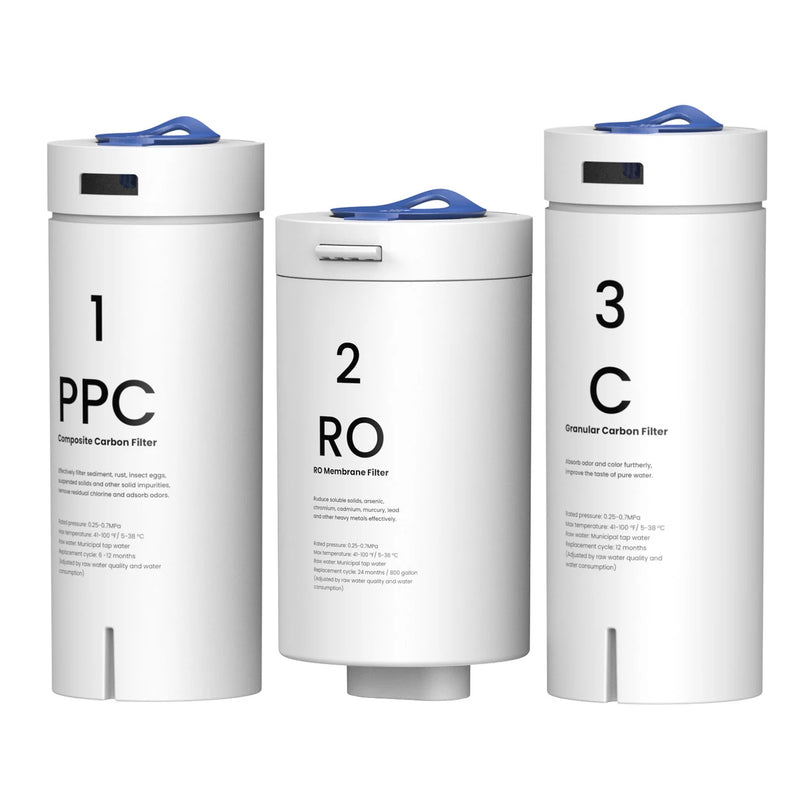
Multi-stage systems combine several methods, often adding membrane filtration for better performance.
-
Nanofiber membranes, used in some modern systems, can capture smaller particles, including microplastics and certain chemical residues.
What They May Not Remove
Most countertop systems are not designed to remove dissolved salts or all microorganisms. That’s just a limitation of this category.
According to the CDC, many home filters focus on taste and some contaminants, but do not eliminate germs completely.
There are also limitations with PFAS removal. About 45% of U.S. tap water contains detectable PFAS compounds, so checking certifications matters.
Look for certifications such as NSF 42, NSF 53, and NSF 401 to verify performance claims.
How Do Countertop Water Filters Compare to Under-Sink Filtration Systems?
Both options solve similar problems but in different ways.
| Countertop Systems | Under-Sink Systems | |
|---|---|---|
| Installation | No tools required | Requires plumbing installation |
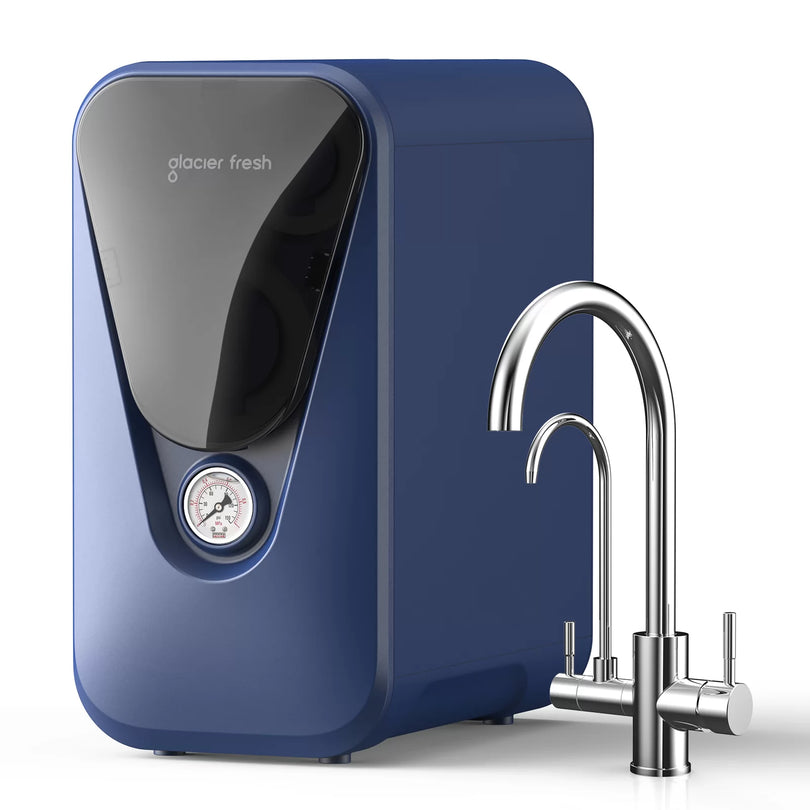
| Filtration power | Moderate to high | High (especially RO systems) |
| Maintenance | Easy filter replacement | More complex maintenance |
| Mobility | Portable | Fixed installation |
| Upfront cost | Lower | Higher |
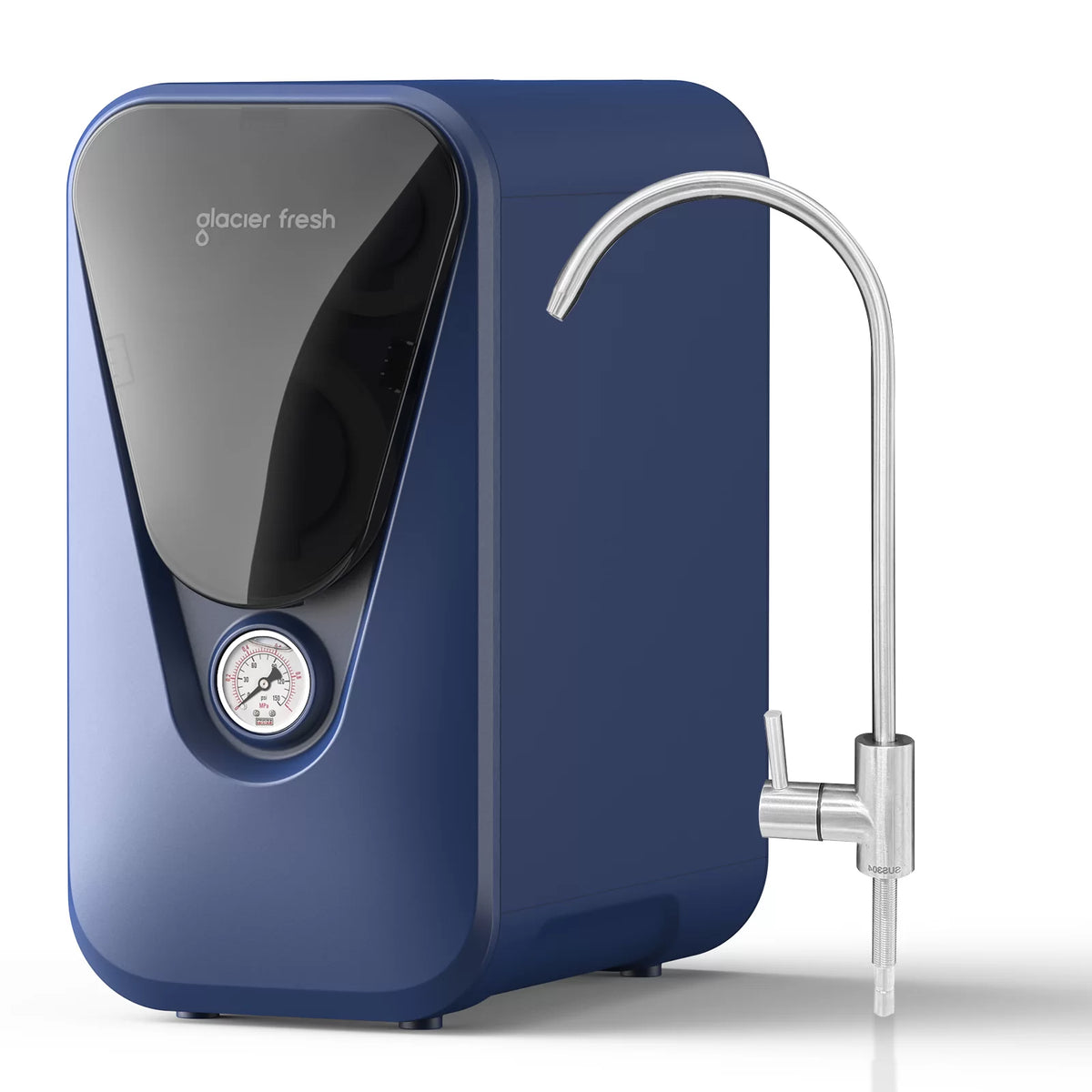
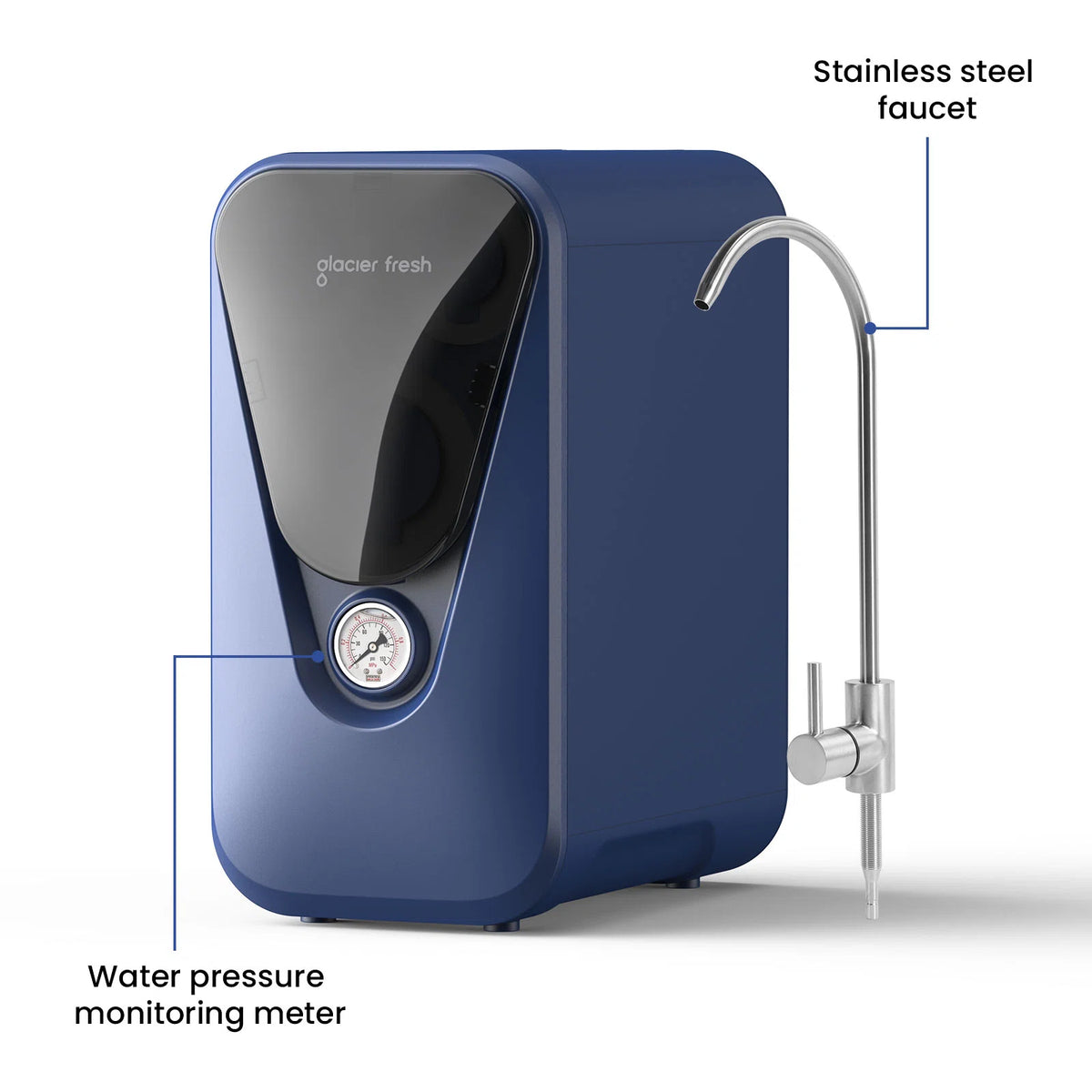
| Example | GlacierFresh PC04 | GlacierFresh U03 |
Countertop systems are easier to adopt and maintain. Under-sink systems provide stronger filtration, especially when reverse osmosis is involved. It really comes down to what you need day to day.
Are Countertop Water Dispensers More Cost-Effective Than Under-Sink Filters?

Cost is one of the main decision points, and it’s not just about the initial price.
Upfront vs Long-Term Costs
A typical countertop water filtration system ranges from about $50 to $300. Under-sink systems often start around $150 and can go well past $600 depending on features.
Filter replacements also vary. Gravity systems may require replacements every few months, while RO systems have multiple filters with different lifespans.
Electric countertop units add a small energy cost, though it’s usually pretty minimal.
Hidden Costs to Consider
There are a few indirect costs that are easy to overlook:
-
Installation fees for under-sink systems
-
Electricity usage for powered dispensers
-
Replacement frequency, depending on water quality
For many households, countertop systems offer a lower barrier to entry. You can try one without committing to permanent changes.
They also help reduce reliance on bottled water. That’s relevant when you consider that people who rely only on bottled water may ingest up to 90,000 microplastic particles per year.
Practical Use Cases: Who Benefits Most from Countertop Systems?
These systems work best when flexibility and convenience matter more than maximum filtration power.
-
Apartment dwellers benefit from the no-installation design. You don’t need landlord approval or tools.
-
Families with kids often find it easier to keep everyone hydrated when clean water is immediately available.
-
Offices and shared spaces can use a single unit without modifying plumbing.
-
Travelers and RV owners appreciate systems that work without electricity or fixed connections. Gravity-fed models are especially useful in these settings.
FAQs
Do countertop water filters remove bacteria and viruses?
Most do not remove all microorganisms. Systems with advanced membranes or reverse osmosis are more effective for that purpose.
How often do I need to replace the filter?
It depends on the model and water quality, but many systems require replacement every 3 to 6 months.
Is a countertop system better than a pitcher filter?
Yes in terms of capacity and speed. Countertop systems usually provide faster flow and higher filtration performance.
Can I use a countertop filter with well water?
Some systems can handle well water, especially gravity-fed models, but performance depends on contamination levels.
Are countertop water filters environmentally friendly?
Yes, countertop water filters are environmentally friendly. They reduce the need for bottled water, which helps lower plastic waste and microplastic exposure over time.
Verdict: Is It Worth the Cost in 2026?
A water purifier for countertop is worth it when convenience is your priority and your water quality concerns are moderate.
It makes sense if you want quick access to filtered water, don’t want installation, and value portability. It’s also a practical choice if you’re trying to reduce bottled water use while keeping costs manageable.
It may not be the best option if you need the highest level of purification. Reverse osmosis systems are better suited for removing dissolved solids and certain contaminants at a deeper level.
For many households, though, the balance between ease of use and performance is enough. You get cleaner water without changing your kitchen setup, and that’s usually what you’re after anyway.
References
-
Minnesota Department of Health. Water Treatment Using Carbon Filters: GAC Filter Information.
https://www.health.state.mn.us/communities/environment/hazardous/topics/gac.html -
United States Environmental Protection Agency. Drinking Water.
https://www.epa.gov/report-environment/drinking-water -
Silent Spring Institute. Over 97 Million US Residents Exposed to Unregulated Contaminants in Their Drinking Water.
https://silentspring.org/news/over-97-million-us-residents-exposed-unregulated-contaminants-their-drinking-water -
Centers for Disease Control and Prevention. About Choosing Home Water Filters.
https://www.cdc.gov/drinking-water/prevention/about-choosing-home-water-filters.html -
United States Geological Survey. Tap Water Study Detects PFAS ‘Forever Chemicals’ Across the US.
https://www.usgs.gov/news/national-news-release/tap-water-study-detects-pfas-forever-chemicals-across-us -
NSF. NSF/ANSI 42, 53 and 401 Filtration Systems Standards.
https://www.nsf.org/knowledge-library/nsf-ansi-42-53-and-401-filtration-systems-standards -
The Washington Post. Plastic Water Bottles and Microplastics.
https://www.washingtonpost.com/wellness/2026/01/26/plastic-water-bottles-microplastics/