


Table of Contents:
What is hard water
Causes and signs of hard water
Health effects of hard water
Hard water VS soft water
How to choose a hard water treatment option
Solutions to improve hard water
Regional water hardness considerations
Practical interim steps before installing a system
FAQs
Conclusion
What is hard water?
Hard water is water that carries elevated dissolved minerals, especially calcium and magnesium. In practical terms, water hardness affects taste, cleaning performance, plumbing scale, and the feel of water on skin and hair. It is common in groundwater-fed areas and homes supplied by wells, limestone aquifers, or mineral-rich municipal sources.
A simple example of hard water is tap water that leaves cloudy spots on a glass after drying or creates a chalky ring around faucets. This type of mineral-rich water is sometimes described as calcareous water, especially when calcium carbonate is the main contributor.
Causes and signs of hard water
 The main cause of hardness of water is contact with rock and soil that release calcium, magnesium, iron, or other dissolved minerals. Typical sources of hard water include wells, rivers, lakes, and aquifers in limestone or chalk regions. These minerals are included in broader water-quality measures such as total dissolved solids (TDS), but a hardness test is more specific when the problem is scale.
Common signs include white deposits on fixtures, reduced soap lather, stiff laundry, spotted glassware, dry skin, itchy scalp, dull hair, and water heaters that lose efficiency faster than expected. In much of the Midwest and Southwest, mineral-heavy groundwater makes hard water more likely, while many coastal and mountain areas vary widely depending on the local source and treatment plant. If your home uses a private well, professional testing is especially useful because hardness can appear alongside iron, manganese, sulfur odor, or low pH.
Health effects of hard water

Hard water is not usually considered a major health risk by itself, but it can affect daily comfort. People with eczema, sensitive skin, curly hair, color-treated hair, or a dry scalp may notice more irritation because soap and shampoo rinse less cleanly in mineral-rich water. For bathing, use gentle fragrance-free cleansers, moisturizing shampoos, and occasional chelating or clarifying products; for drinking, choose filtration based on the full contaminant profile rather than hardness alone.
Hard water VS soft water

Mineral content
Hard water contains more calcium and magnesium. Soft water has had much of that hardness removed or reduced. Hard water may contribute small amounts of minerals, but it can also form scale on sinks, kettles, showerheads, dishwashers, washing machines, and water heaters. Soft water is easier for cleaning and helps appliances run with less mineral stress, but sodium-based softening may not suit every household.
Taste and cleaning performance
Hard water can taste metallic, chalky, or flat depending on the mineral mix. It also interferes with soap and detergent performance, creating scum instead of stable lather. For laundry or dishwashing, look for labels that mention hard-water performance, water-softening agents, citric acid, sodium citrate, washing soda, or chelating agents such as EDTA. For a low-cost boost, use the product dose recommended for hard water and avoid overdosing, which can leave residue.
How to choose a hard water treatment option
Choose the system by matching the tested hardness level, home size, budget, plumbing condition, and main use case. A whole-house solution is best when scale affects every fixture; point-of-use filtration is often enough when the main concern is drinking, cooking, or shower comfort.
| Situation | Best-fit option | Why it works | Watch-outs |
| Moderate to very hard water, scale throughout the house | Ion-exchange softener | Reduces calcium and magnesium before water reaches fixtures and appliances | Needs salt or potassium, periodic resin care, and bypass planning for drinking water if sodium is a concern |
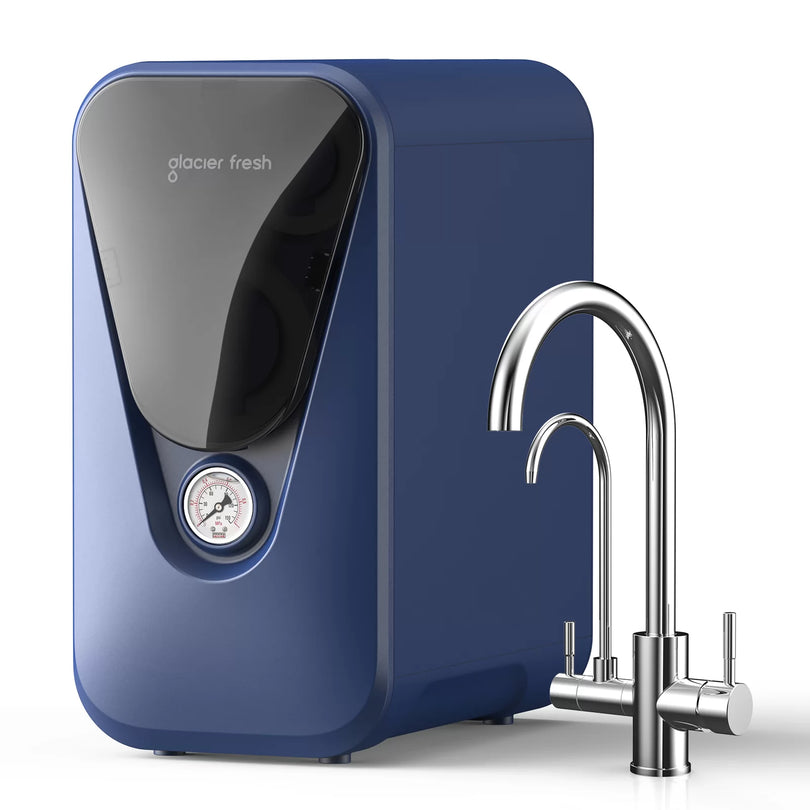
| Hard water plus taste, odor, TDS, or cooking-water concerns | RO drinking-water system | Targets dissolved solids and many contaminants at a single tap | Does not soften the whole home unless paired with other treatment |
| Dry skin, itchy scalp, or hair dullness mainly after bathing | Shower filter or point-of-use filter | Improves shower experience with lower cost and simple installation | Limited effect on whole-home plumbing scale |
| Low-pH or corrosive water with mineral issues | Acid neutralizer | Raises pH and helps protect pipes from corrosion | May add hardness and needs media refills |
| Renters, apartments, or short-term use | Countertop, under-sink, or faucet filtration | Lower installation burden and easier removal | Capacity and flow rate must match daily use |
Solutions to improve hard water
Installing a water softener

A water softener uses ion exchange to reduce hardness minerals before they create deposits. It is most useful when scale appears across the home, not just at one sink. Homeowners should size the unit by hardness level, household water use, and flow demand. If anyone in the home follows a sodium-restricted diet, ask a water professional about potassium chloride, a bypass drinking tap, or pairing the softener with a separate drinking-water system.
Using special soaps and detergents

Hard-water detergents work by binding minerals before they block cleaning ingredients. For laundry, look for formulas labeled for hard water or add washing soda/borax according to product directions. For dishes, citric-acid boosters can reduce spotting. For skin and hair, choose mild, low-residue products and rinse thoroughly; a weekly clarifying shampoo may help when minerals leave hair heavy or dull.
Adding a water filtration system
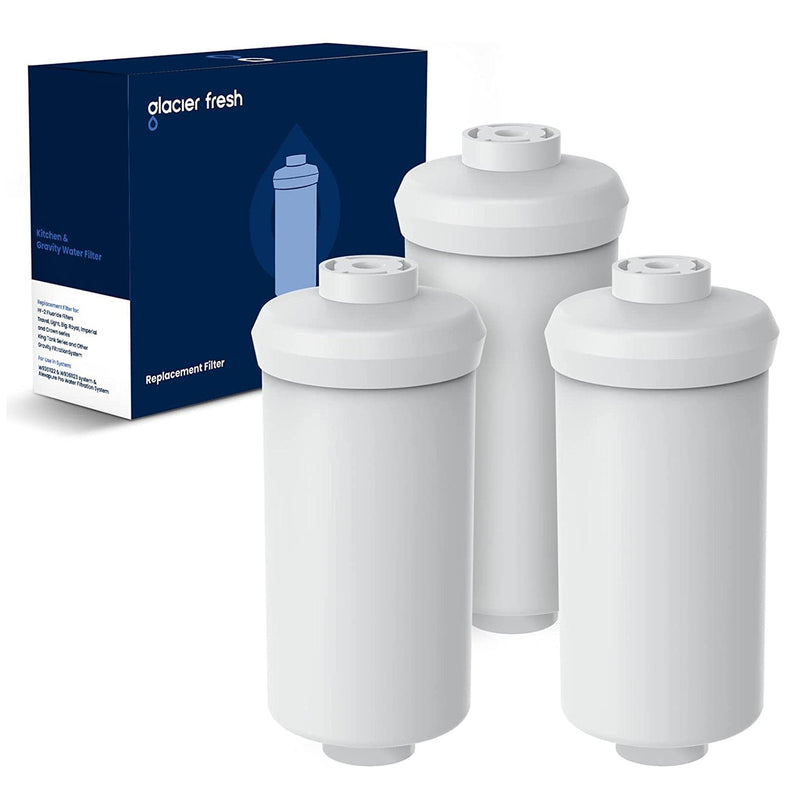
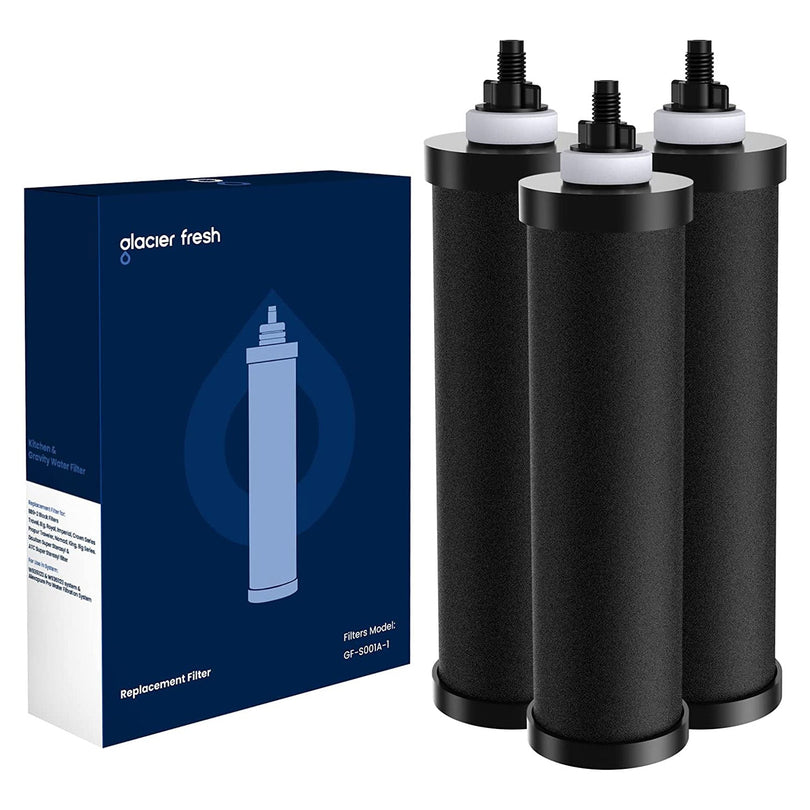
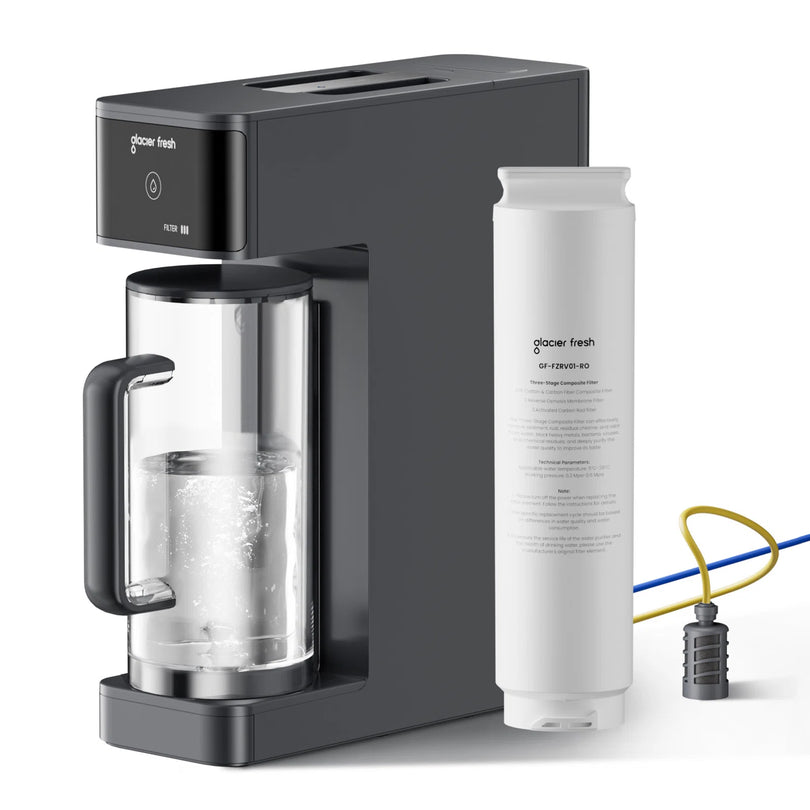
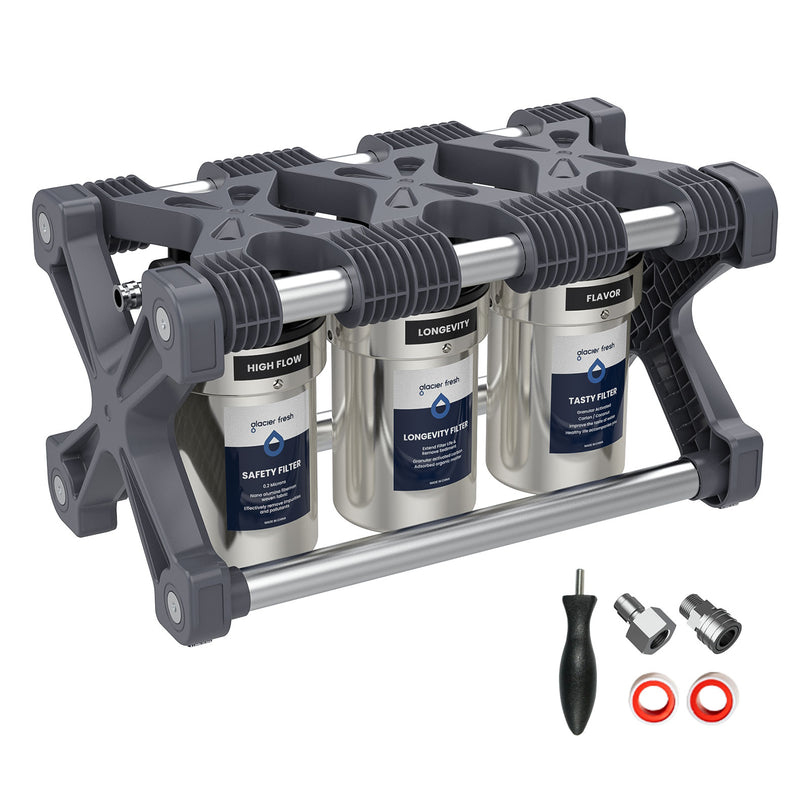
A filtration system can improve taste, odor, sediment, and specific contaminants. Reverse osmosis is best for drinking and cooking water when dissolved solids or certain impurities are a concern. Activated carbon filters can improve chlorine taste and odor, while ceramic or sediment filters focus more on particles. When choosing an H2O water filter, compare tested contaminants, flow rate, replacement cost, installation type, and whether the system is designed for your actual water report.
 Acid neutralizing systems
Acid neutralizers are often misunderstood. They are more appropriate for low-pH, corrosive water than for straightforward hardness reduction. Calcite or Corosex media can raise pH and reduce pipe corrosion risk, but they may increase mineral content. Test pH, hardness, iron, and alkalinity before choosing this route.
Regular maintenance and cleaning
Maintenance keeps treatment systems from becoming expensive problems. Scale, clogged cartridges, exhausted resin, salt bridges, and neglected membranes can reduce flow, leave residue, and shorten appliance life.
| System or task | Recommended frequency | What to do | Warning signs / estimated upkeep |
| Water softener salt tank | Monthly check | Confirm salt level, break salt bridges, clean brine tank when needed | Hard-water spots return; salt $5-$20/month depending on use |
| Softener resin and valve | Yearly inspection | Check regeneration settings and clean resin if iron or fouling is present | Low flow or persistent hardness; service often $100-$250 |
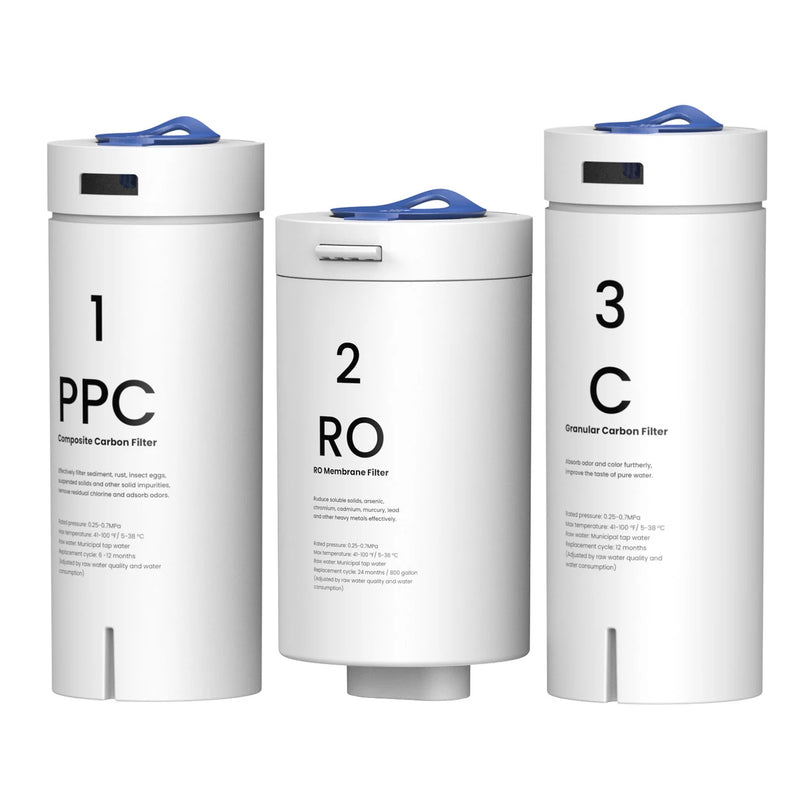
| RO prefilters and carbon filters | Every 6-12 months | Replace filters on schedule and sanitize housings if recommended | Bad taste or slow flow; cartridges often $30-$120/set |
| RO membrane | Every 2-3 years or by test result | Check TDS reduction and replace when performance drops | Rising TDS; membrane often $50-$150 |
| Water heater and fixtures | Yearly | Flush sediment, descale showerheads and faucet aerators with citric acid or vinegar | Noise, weak flow, white crust, higher energy bills |
Regional water hardness considerations
In the U.S., hardness patterns often follow geology. Groundwater from limestone, chalk, or mineral-rich aquifers is more likely to be hard; rain-fed surface water may be softer but can still vary after treatment and distribution. Midwest, Great Plains, Mountain West, and Southwest households often need stronger scale control, while homes in areas with mixed reservoirs, private wells, or older plumbing should confirm results with a local test. Climate also matters: hot, dry regions concentrate minerals through evaporation, so fixtures and cooling appliances may scale faster.
Practical interim steps before installing a system
Before buying a whole-house unit, test hardness at the tap, clean aerators and showerheads, descale kettles and coffee makers, lower water-heater temperature where appropriate, and use hard-water-compatible detergents. Boiling water may reduce temporary carbonate hardness slightly, but it does not remove most dissolved minerals and can concentrate them as water evaporates. For renters, eco-friendly water taps or countertop systems can reduce installation burden, but always verify filter claims and replacement costs.
FAQs
What are the long-term plumbing risks of ignoring hard water?
Scale can narrow pipes, reduce water-heater efficiency, clog valves, shorten appliance life, and increase cleaning and repair costs. The risk grows when hardness is high and hot-water use is heavy.
Can hard water impact appliance warranties or lifespan?
It can shorten lifespan by forcing heaters, dishwashers, coffee makers, and washing machines to work through mineral deposits. Some warranties may exclude damage from scale or poor maintenance, so keep test results and service records.
Are there natural or no-cost interim solutions before installing softeners?
Yes. Descale fixtures with vinegar or citric acid, clean faucet aerators, use the right detergent dose, dry wet surfaces after use, and test water before investing. These steps do not remove hardness from the supply, but they reduce visible damage.
How can I test hard water levels accurately at home vs professionally?
Home test strips or drop kits are quick for screening hardness in grains per gallon or ppm. A certified lab is better when you also need iron, manganese, lead, pH, bacteria, nitrates, or a full treatment plan.
Does boiling water reduce hardness?
Boiling can reduce some temporary carbonate hardness by forming scale in the kettle, but it does not solve permanent hardness. For drinking quality or whole-home scale control, filtration or softening is more reliable.
Conclusion
Hard water is manageable once you know the mineral level and the main pain point. Whole-house softeners are the strongest choice for scale, RO works well for drinking and cooking water, shower filters can improve bathing comfort, and acid neutralizers belong in low-pH situations. Reviews or rankings of different waters on social media and review sites can be useful for user experience, but treatment decisions should be based on a real water test, replacement costs, and verified contaminant-reduction claims.
Related Reading
- Reverse Osmosis, Nanofiber, Ultrafiltration: Which One Is Right for You?
- Multi-Stage Water Filters
- What Is Ultra Filtration and How It Works in the Glacier Fresh U06 System