


Table of Contents:
What Is a Countertop Water Filter System?
Types of Countertop Water Filter Systems
What Are the Main Differences Between Various Countertop Reverse Osmosis Systems?
What Contaminants Can Countertop Water Filters Remove?
Countertop Water Filter Systems vs Under-Sink Filters
How to Choose the Best Countertop Water Filter System for Your Home
FAQs
Conclusion
If you live in a city, chances are you’ve wondered what’s really coming out of your tap. Chlorine taste, aging pipes, and local water notices can make everyday drinking water feel uncertain.
At the same time, not everyone wants permanent installation or another bulky appliance under the sink. A countertop water filter system sits in between. It gives you more control over your water without committing to major changes.
What Is a Countertop Water Filter System?

A countertop water filter system is a point-of-use filter designed to sit directly on your kitchen counter. Depending on the design, you either pour water into it manually or connect it temporarily to your faucet.
Compared with pitchers, countertop systems usually hold more water and don’t need constant refilling. Unlike undersink filters, they don’t require drilling or plumbing work. That’s why you’ll often see them in apartments, rentals, smaller kitchens, or homes where flexibility matters.
Types of Countertop Water Filter Systems
Not all countertop water filter systems work the same way. The type you choose affects how fast water flows, what gets reduced, and how much effort upkeep takes.
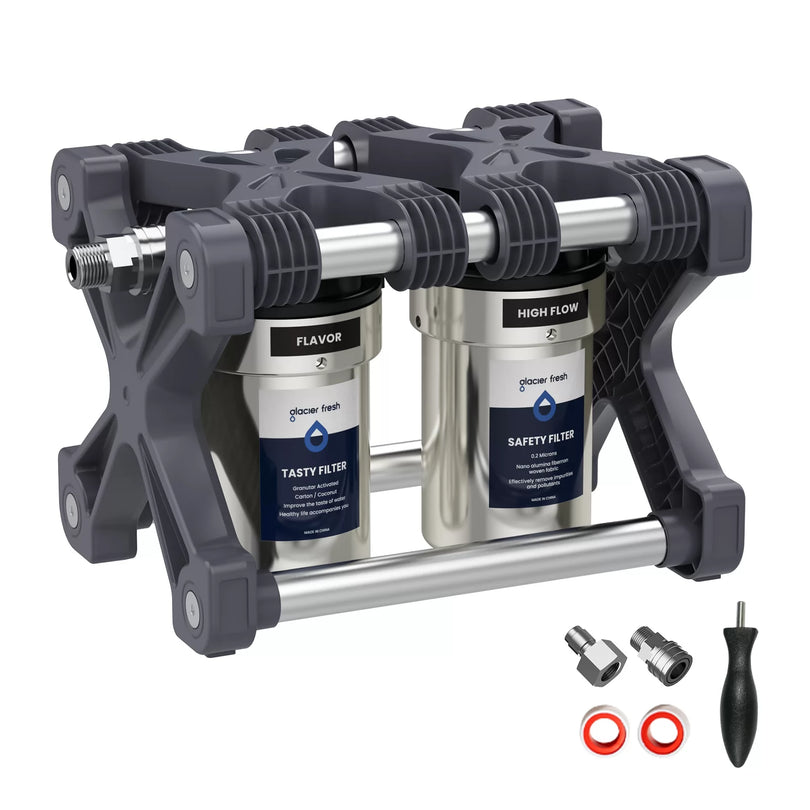
Nano Fiber and Multi-Stage Countertop Filters

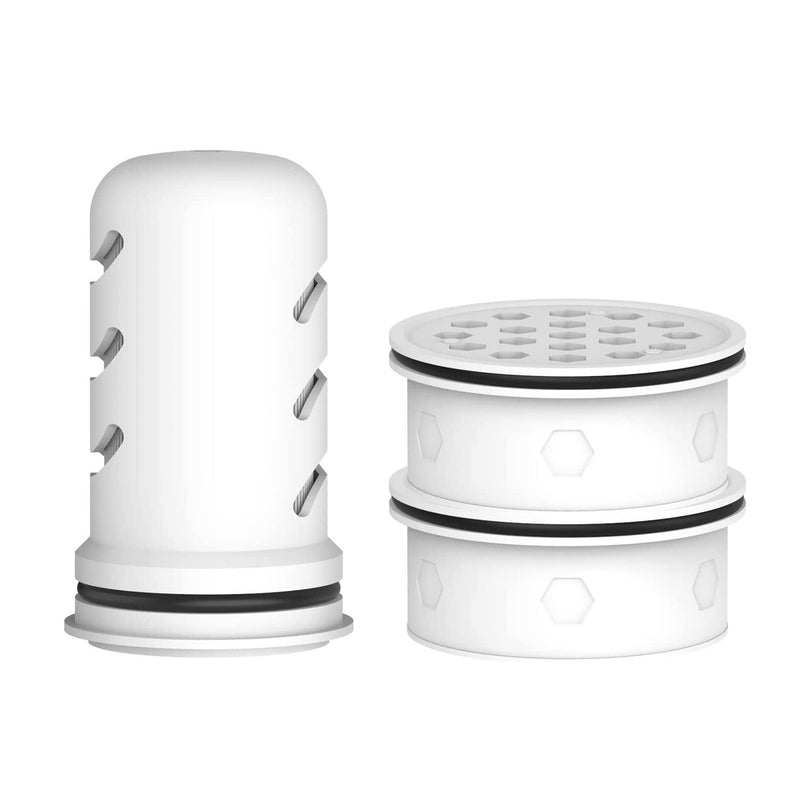
Nano fiber filters use extremely fine fibers with an electrical charge. As water passes through, those fibers attract and trap particles rather than relying only on chemical absorption.
These systems are commonly used to reduce:
-
Chlorine and chemical taste
-
Sediment and pipe residue
-
Certain heavy metals
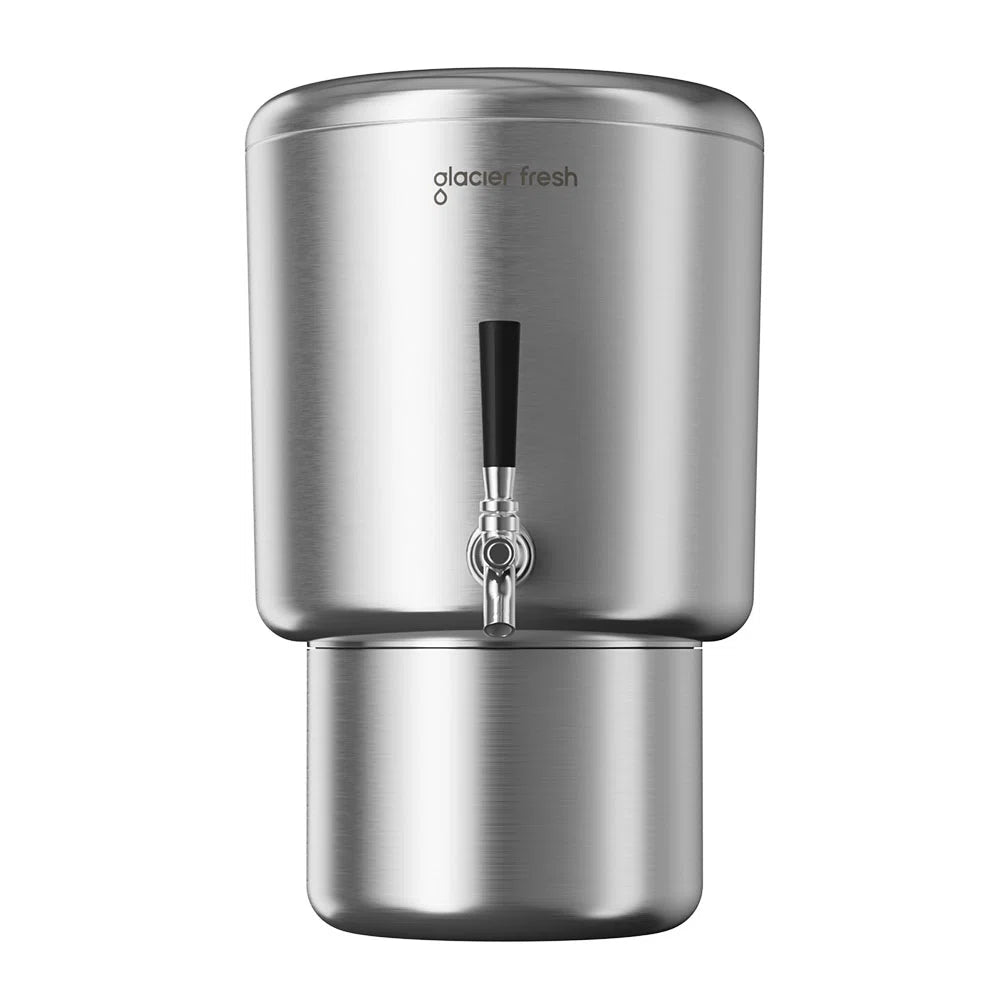
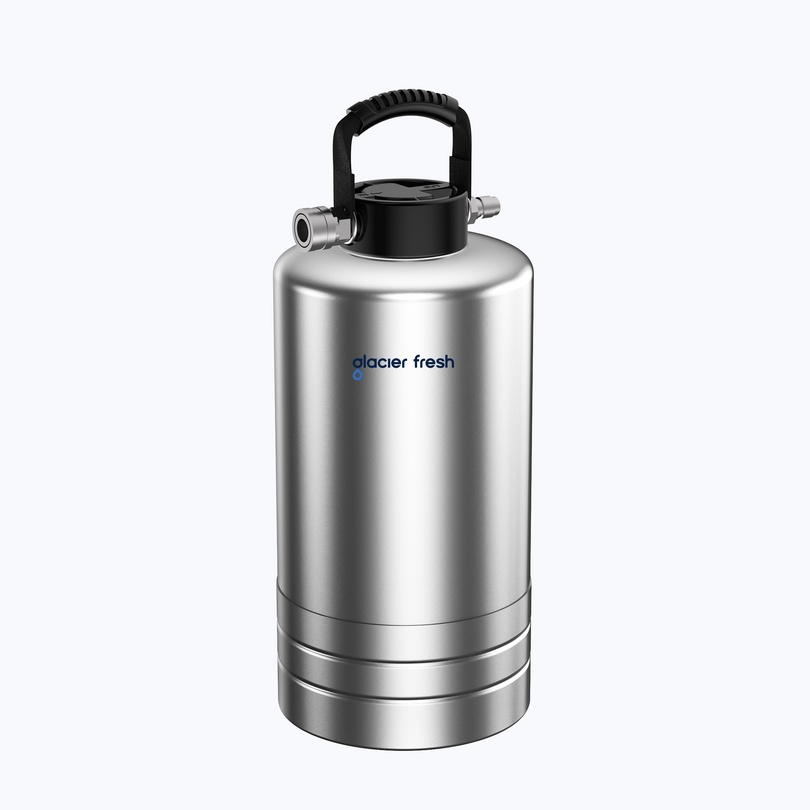
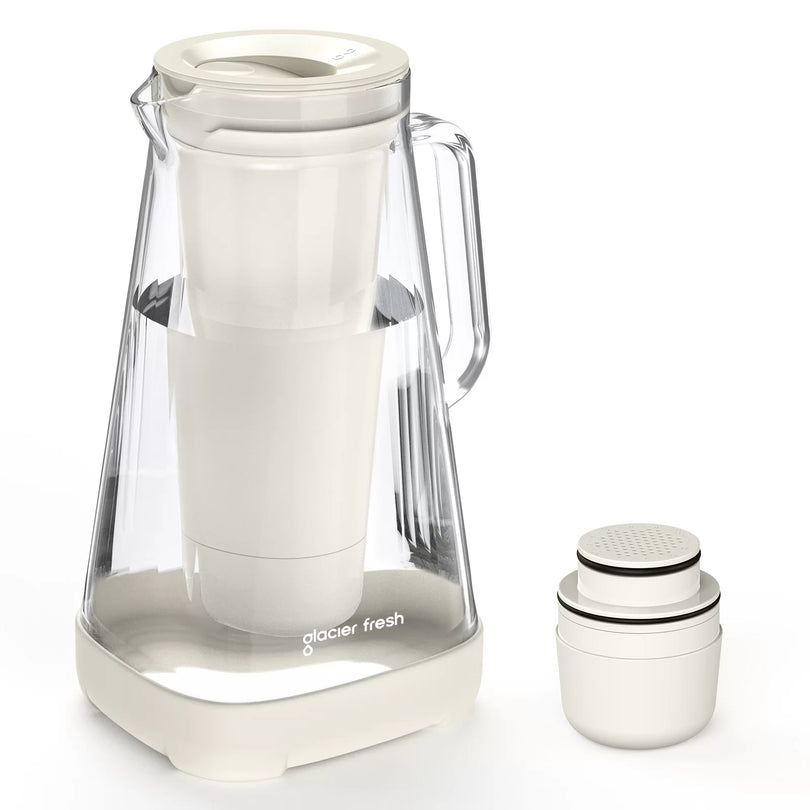
For many households, this type focuses on everyday drinking water and cooking rather than deep purification. One example is the GlacierFresh 2.25 Gallon Countertop Water Filter, a gravity-fed stainless-steel system that uses a positively charged nanofiber membrane (Elarisey™ filtration) and reports third-party lab reductions for chlorine, lead, and PFAS.
Gravity-Fed Countertop Water Filters

Gravity-fed systems work without plumbing or electricity. You pour water into the top chamber, and gravity pulls it through the filters into a lower reservoir.
They’re simple to operate and usually hold more water than faucet-connected models. The tradeoff is time. Filtration happens gradually, so you won’t get instant flow.
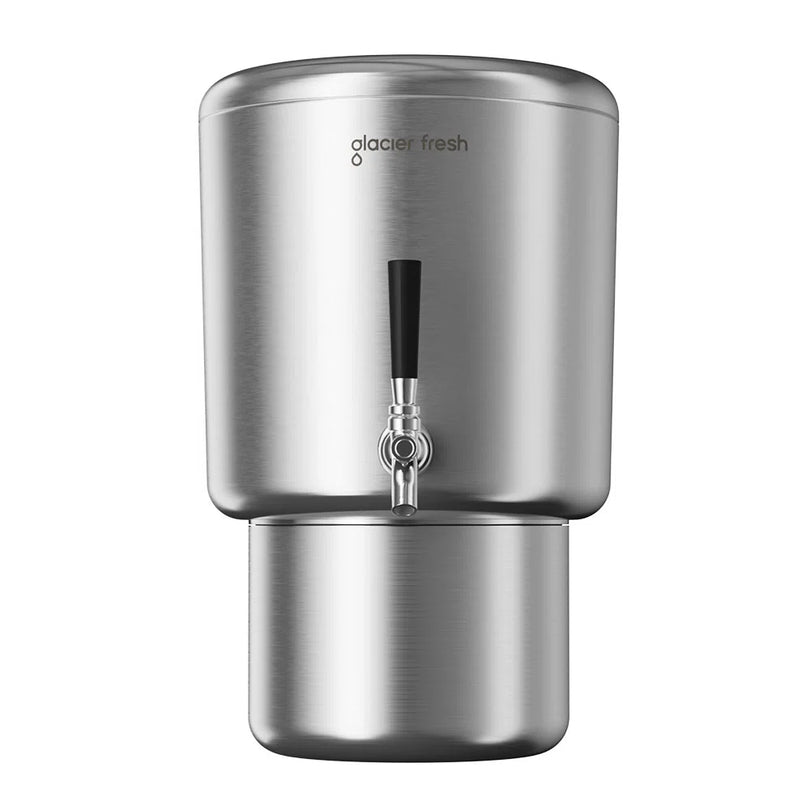
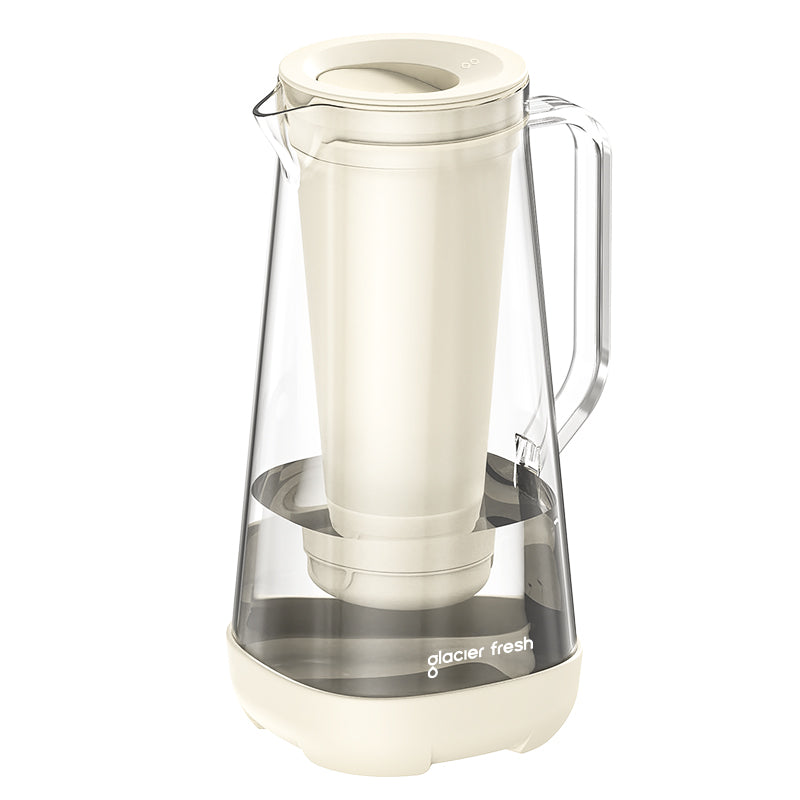
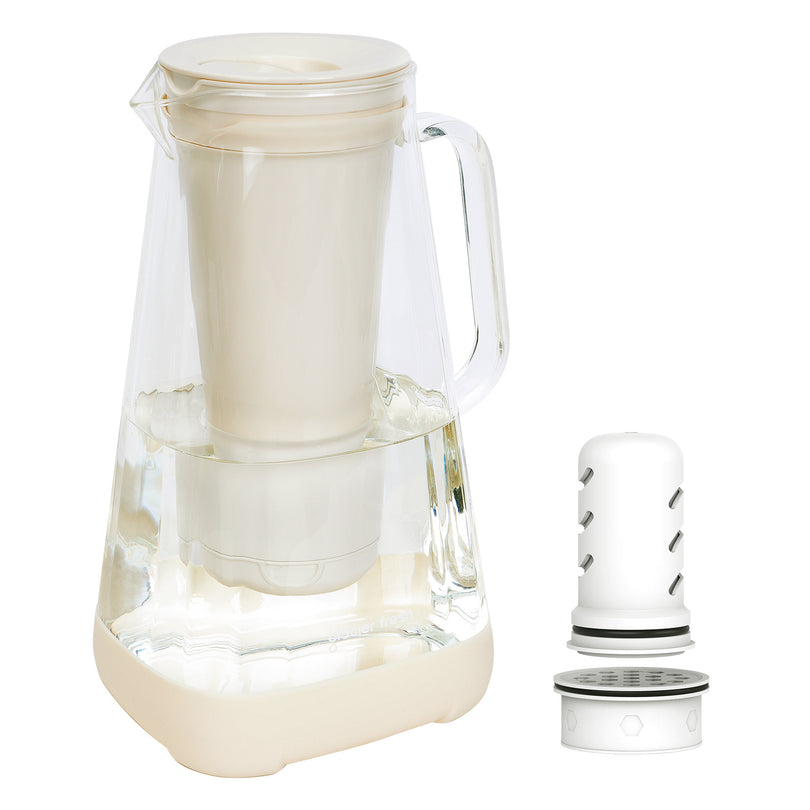
Larger gravity systems such as the GlacierFresh Gravity Fed Water Filter System with a 3-gallon capacity are often chosen by families or shared households that want fewer refills and backup water during outages.
Countertop Reverse Osmosis Systems
Some countertop systems use reverse osmosis (RO), though they’re less common. These units rely on pressure and membranes to remove a wider range of dissolved substances.
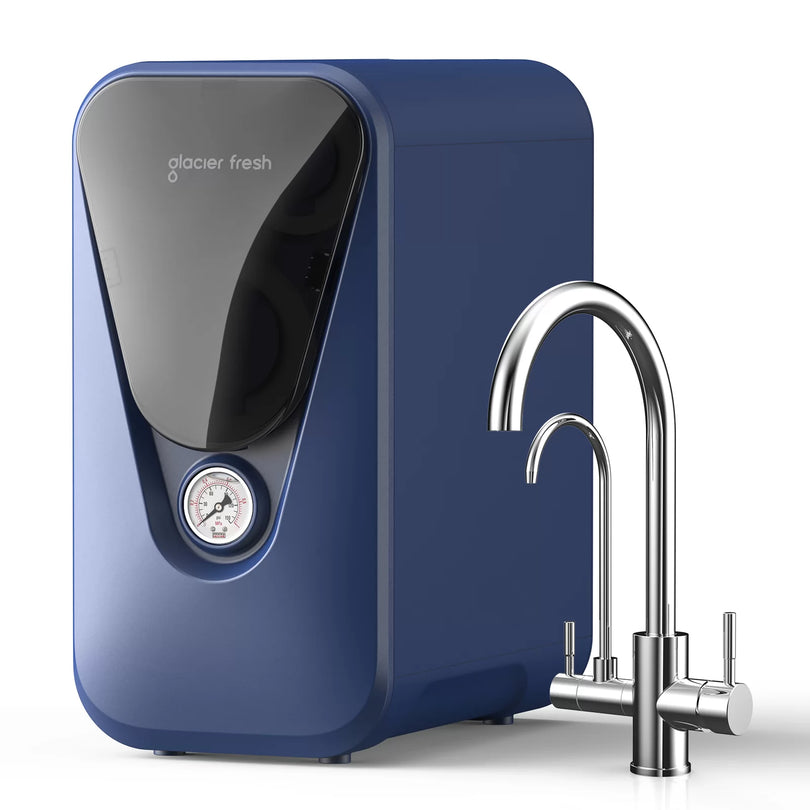
They tend to be larger, need power, and produce wastewater. It also helps to separate countertop RO units from under-sink RO systems, which are typically more efficient but permanently installed.
What Are the Main Differences Between Various Countertop Reverse Osmosis Systems?
Not all reverse osmosis countertop units are built the same. Some focus on compact size, while others prioritize stronger filtration.
Differences often show up in:
-
Filtration strength versus system complexity
-
Power use and wastewater production
-
Filter replacement schedules and cost
If your main concern is taste or basic contaminant reduction, a non-RO countertop water filter may meet your needs with less upkeep.
What Contaminants Can Countertop Water Filters Remove?
Most countertop systems are designed to improve water quality rather than deliver lab-grade purification.
Common reductions include:
-
Chlorine and disinfection byproducts
-
Sediment and fine particles
-
Selected heavy metals
This is where certifications come in. Independent testing helps confirm what a filter actually reduces. The US Environmental Protection Agency (EPA) also explains how point-of-use filters fit into overall drinking water safety.
Can Countertop Water Filters Effectively Remove All Contaminants from Tap Water?
No countertop filter removes everything. These systems address specific issues but don’t replace municipal treatment.
If your water report shows high levels of dissolved solids or industrial contamination, reverse osmosis or under-sink filtration may be a better fit. Countertop systems work best as targeted, everyday protection.
Countertop Water Filter Systems vs Under-Sink Filters
Deciding between a countertop water filter system and an under-sink filter often comes down to how much flexibility you want.
Installation and Space Requirements
Countertop systems are easy to set up. Most don’t need tools and can be moved or stored when you’re not using them.
Under-sink systems require permanent installation and cabinet space. Once they’re in, they stay put.
Filtration Performance and Water Output
Under-sink reverse osmosis systems usually deliver higher filtration depth and steady output.
Countertop systems focus more on convenience. They’re designed for drinking, cooking, and daily use rather than whole household demand.
Are Countertop Water Dispensers More Cost-Effective Than Under-Sink Filters?
Countertop filters usually cost less upfront and avoid installation fees. Filter changes are straightforward and predictable.
Under-sink systems can be cheaper per gallon over time, but only if you stay in the same home long enough to balance out installation and maintenance.
How to Choose the Best Countertop Water Filter System for Your Home
Choosing the right countertop water filter system starts with how you actually use water at home.
Your Water Quality and Filtration Needs
If taste and odor are your main issues, carbon-based or nano-fiber systems often do the job. If your local water report lists metals or chemical contaminants, look for filters with clear third-party test results.
Kitchen Space and Daily Water Usage
Smaller households may be fine with compact units. Families often find that larger gravity-fed systems cut down on refilling.
Maintenance, Filter Replacement, and Ease of Use
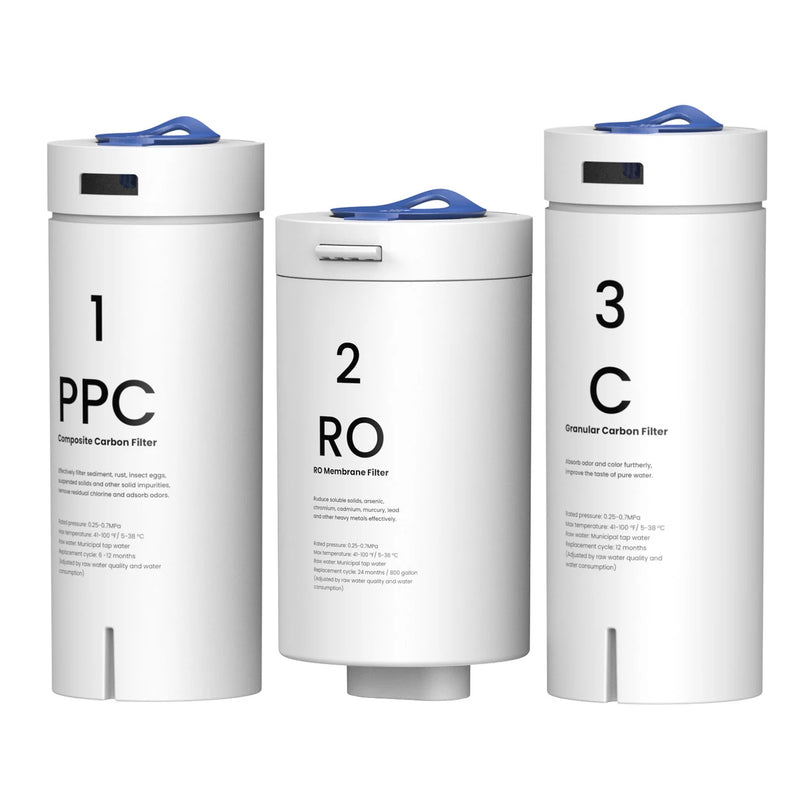
Upkeep matters more than people expect. Filters with clear replacement timelines and simple indicators help you stay on schedule.
Certifications and Safety Standards
Third-party testing adds accountability. For water filters, this often means certification to standards such as NSF/ANSI 42 for chlorine taste and odor reduction, NSF/ANSI 53 for health-related contaminants like lead, or NSF/ANSI 401 for emerging compounds.
Public health bodies such as the World Health Organization also set drinking water guidelines that testing programs reference when evaluating filtration claims.
FAQs
Are countertop water filters worth it?
For many households, yes. They improve taste and reduce common contaminants without installation, which works well for renters and apartment living.
What is the best countertop water filtration system?
There isn’t a single best option. The right system depends on your water quality, daily use, and whether you prefer gravity-fed, nano fiber, or RO filtration.
How long does a countertop water filter last?
Filter lifespan varies by system and water quality. Most cartridges last two to six months based on gallon ratings and usage.
Do countertop water filters really work?
They work within their limits. Certified systems reduce specific contaminants and improve taste, but they don’t replace full purification.
How do I know what water filter my house needs?
Start with your local water report and your household priorities. Then match those needs with filters that have verified testing for those contaminants.
Conclusion
The right countertop water filter system fits your water quality, space, and routine. If you want flexibility without permanent installation, countertop filtration remains a practical choice.
Glacier Fresh offers a range of countertop and home filtration options designed for different living situations and water concerns.