
Table of Contents:
Why is well water testing is critical for rural homes?
Nitrates: the silent threat from agriculture
Arsenic: naturally occurring but dangerous
Coliform bacteria: a warning sign many ignore
How to protect your well water long-term
FAQs
Conclusion
For millions of rural homeowners, well water represents independence, self-sufficiency, and a connection to the land. Unlike municipal water users, private well owners aren’t reliant on city treatment plants or public infrastructure. But that freedom comes with responsibility—especially when it comes to water safety.
One of the most common and dangerous misconceptions about well water is this: if it looks clear and tastes fine, it must be safe. Unfortunately, some of the most harmful contaminants in well water are completely invisible, odorless, and tasteless. They can go unnoticed for years while quietly affecting your family’s health.
In this article, we’ll explore three well water contaminants rural homeowners often overlook, why they’re so easy to miss, and what you can do to protect your household long-term.
Why is well water testing is critical for rural homes?

Private wells are unregulated by federal law
If your home uses a private well, your water is not regulated by the U.S. Environmental Protection Agency (EPA). EPA standards apply only to public water systems serving 25 or more people. This means there’s no legal requirement for routine testing, treatment, or disclosure of contaminants in private wells.
In short, your well water safety is entirely your responsibility.
Many rural homeowners inherit wells when purchasing property and assume the system is safe because it has “always worked.” But groundwater conditions can change over time due to environmental factors, land use, and aging infrastructure.
Environmental risks unique to rural areas
Rural locations face a different set of contamination risks than urban environments, including:
- Agricultural fertilizer and pesticide runoff.
- Livestock waste and manure storage.
- Septic system leakage.
- Naturally occurring minerals in bedrock.
- Flooding and surface water intrusion.
Even wells that were once safe can become contaminated by nearby farming, construction, or extreme weather events.
Long-term health risks are often overlooked
Some well water contaminants cause immediate symptoms, such as stomach upset or diarrhea. Others cause slow, cumulative health damage that may take years to become noticeable.
Children, pregnant women, older adults, and people with compromised immune systems are especially vulnerable. That’s why understanding what’s in your well water—not just how it looks—is so important.
Nitrates: the silent threat from agriculture
What are nitrates, and where do they come from?
Nitrates are nitrogen-based compounds commonly found in:
- Agricultural fertilizers.
- Animal manure.
- Septic system effluent.
- Decomposing organic matter.
In rural areas, nitrates easily seep into groundwater through soil, especially after heavy rainfall or snowmelt. Shallow wells are particularly vulnerable.
Why nitrates are often overlooked?
Nitrates are among the most dangerous well water contaminants precisely because they are undetectable to the human senses. Water contaminated with high nitrate levels typically:
- Looks clear.
- Smells normal.
- Tastes fine.
Many homeowners assume nitrates are only a concern for large farms, but even small gardens, hobby farms, or neighboring properties can contribute to contamination.
Health risks of nitrate contamination
High nitrate levels are especially dangerous for infants. When consumed, nitrates can interfere with the blood’s ability to carry oxygen, leading to a condition known as methemoglobinemia, or Blue Baby Syndrome.
Other potential health concerns include:
- Increased risk of thyroid disorders.
- Complications during pregnancy.
- Possible links to certain cancers with long-term exposure.
Because symptoms may not appear immediately, nitrate exposure often goes unnoticed without proper testing.
How to detect and reduce nitrates
- Test annually, especially if you live near farmland or use fertilizers.
- Test more frequently if pregnant women or infants are in the home.
Boiling water does not remove nitrates—in fact, it can concentrate them.
Effective treatment options include:
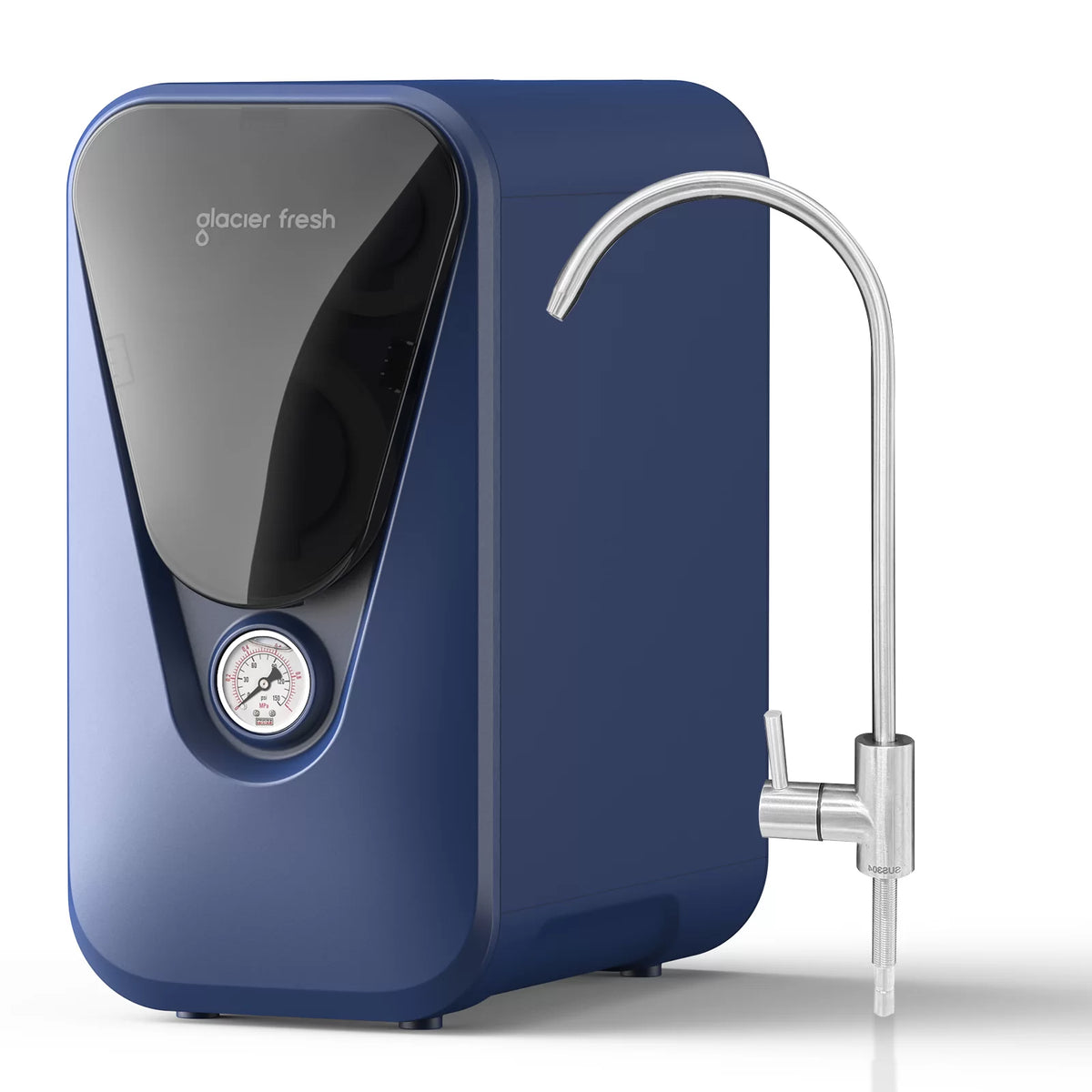
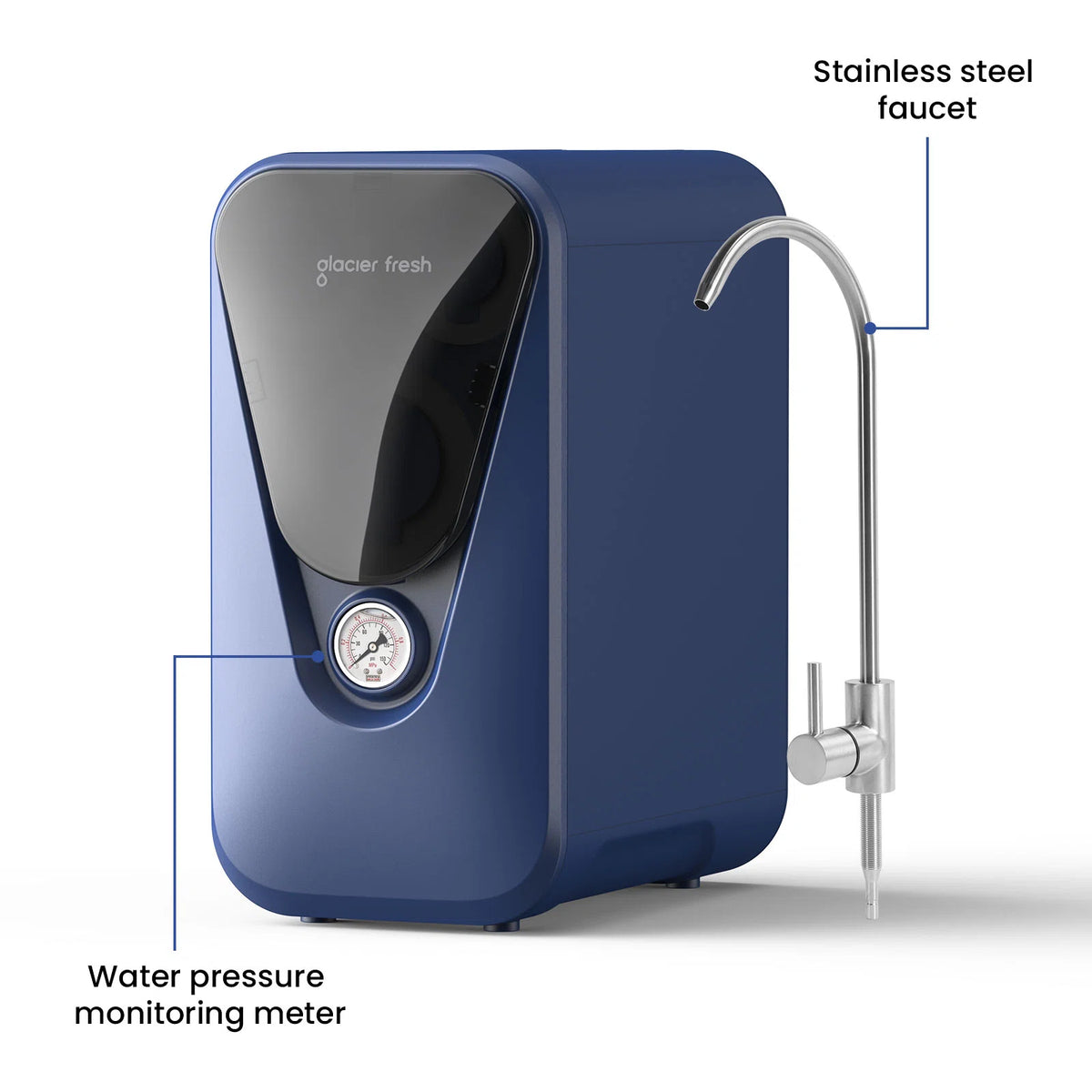
- Under sink reverse osmosis systems.
- Ion exchange systems.
- Distillation units.
Point-of-use filtration at the kitchen sink is often recommended for drinking and cooking water.
Arsenic: naturally occurring but dangerous

How arsenic gets into well water
Unlike nitrates, arsenic doesn’t usually come from human activity. It is a naturally occurring element found in certain rock formations and soils.
As groundwater moves through arsenic-rich bedrock, the element dissolves into the water supply. This makes arsenic contamination highly dependent on geographic location—but it can occur anywhere.
Why arsenic is frequently missed
Arsenic is:
- Colorless.
- Tasteless.
- Odorless.
Basic water tests often don’t include arsenic unless specifically requested. As a result, many homeowners falsely assume their water has been “cleared” when it was never tested for arsenic.
Health effects of long-term arsenic exposure
According to the research of the World Health Organization, Chronic exposure to arsenic—even at low levels—has been linked to serious health problems, including:
- Skin discoloration and thickening.
- Cardiovascular disease.
- Neurological issues.
- Increased risk of bladder, lung, and skin cancers.
Because symptoms develop slowly, arsenic exposure can go undetected for decades without testing.
Testing and treatment options for arsenic
- Use certified laboratory testing, not just DIY kits.
- Test at least once every 3–5 years, or more often in high-risk regions.
Effective treatment methods include:
- Reverse osmosis systems.
- Adsorptive media filters.
- Whole-house treatment systems for high concentrations.
The right solution depends on arsenic levels and household water usage.
Coliform bacteria: a warning sign many ignore
What are coliform bacteria?
Coliform bacteria are a group of microorganisms commonly found in soil, vegetation, and the intestines of warm-blooded animals.
While most coliform bacteria are harmless, their presence in well water is a red flag. They indicate that surface water—or worse, fecal contamination—may be entering your well.
A subset called E. coli poses immediate health risks.
Common Sources of Bacterial Contamination
Coliform bacteria often enter wells through:
- Cracked or aging well casings.
- Improperly sealed well caps.
- Flooding or heavy rainfall.
- Nearby septic system failures.
Even a well that tested clean in the past can become contaminated after storms or structural damage.
Health risks associated with bacterial contamination
Exposure to contaminated well water can cause:
- Diarrhea and stomach cramps.
- Nausea and vomiting.
- Fever.
Infants, older adults, and immunocompromised individuals face higher risks of severe illness.
Prevention and treatment options
- Test for bacteria at least once per year.
- Test immediately after flooding, plumbing work, or unexplained illness.
Treatment options may include:
- Shock chlorination.
- Ultraviolet (UV) purification systems.
- Proper well repairs and sealing.
Bacterial issues often signal broader well maintenance problems that shouldn’t be ignored.
How to protect your well water long-term

Follow a consistent testing schedule
At a minimum, well owners should test annually for:
- Coliform bacteria.
- Nitrates.
- pH and total dissolved solids.
Additional testing is recommended for arsenic, lead, and other regional contaminants.
Choose filtration based on test results
There is no one-size-fits-all solution for well water treatment. The best filtration system depends on:
- Specific contaminants present.
- Concentration levels.
- Household water usage.
Whole-house systems and point-of-use systems target different situations. The former treats all water entering the home, while the latter targets drinking and cooking water.
Maintain your well system
Good maintenance reduces contamination risk:
- Inspect well caps and casings regularly.
- Keep hazardous chemicals at least 100 feet from the wellhead.
- Maintain septic systems properly.
- Replace filters according to manufacturer guidelines.
Documenting test results over time helps identify trends before problems become serious.
FAQs
Is bottled water safer than filtered well water?
Not necessarily. Properly filtered well water can be just as safe—and more sustainable.
How often should rural homeowners test well water?
At least once per year, with additional tests after floods or plumbing changes.
Conclusion
Well water can be a safe, reliable, and healthy water source—but only if it’s properly monitored and treated. Nitrates, arsenic, and coliform bacteria are three contaminants rural homeowners often overlook because they’re invisible and easy to miss.
Regular testing, informed treatment choices, and proactive maintenance can protect your family’s health for years to come. Clean water isn’t just about clarity—it’s about confidence in every glass you pour.