
Table of Contents:
Why Hydration Is Essential During Pregnancy
How Much Water Should You Drink During Pregnancy?
Pregnancy Hydration Adjustment Guide
What Type of Water Is Recommended During Pregnancy
Filtered Water Options for Pregnant Women
Tap Water Safety, Local Testing, and Pregnancy
Tips to Stay Hydrated During Pregnancy
FAQs
Conclusion
Why Hydration Is Essential During Pregnancy

Professional guidance for pregnancy fluids should focus on both fluid quantity and water quality. Water helps the body move nutrients, maintain circulation, regulate temperature, and support the fluid environment around the baby.
- Normalizes amniotic fluid level: Adequate fluid intake supports the protective fluid surrounding the baby.
- Supports blood flow: Pregnancy increases blood volume, and water helps circulation work efficiently.
- Aids digestion: Fluids help move nutrients and may reduce constipation, a common pregnancy complaint.
- Helps reduce UTI risk: Regular fluid intake supports normal urination and flushing of the urinary tract.
- Maintains body temperature: Water is especially important during warm weather or after light exercise.
Without enough fluid, headaches, dizziness, fatigue, dark urine, or dry mouth can appear. Severe dehydration may contribute to contractions or other pregnancy concerns, so symptoms that persist should be discussed with a healthcare professional.
How Much Water Should You Drink During Pregnancy?
A practical starting point is 8-12 cups of total fluids per day, including water, milk, soups, herbal teas approved by your clinician, and water-rich foods. The right water intake for pregnant women is not identical for everyone, so adjust based on trimester and daily conditions.
- First trimester: About 8 cups daily may be enough for many women, unless nausea, vomiting, heat, or activity increases losses.
- Second trimester: Around 9-10 cups can be useful as blood volume increases.
- Third trimester: Up to 10-12 cups may be needed, especially in hot weather, with swelling, or after regular movement.
A simple check is urine color: pale yellow usually suggests a reasonable balance, while dark yellow or amber often means you need more fluids. Very clear urine all day, frequent nausea, headache, confusion, or swelling that feels sudden may also be a reason to ask your doctor whether you are drinking too much or need electrolyte guidance.
Pregnancy Hydration Adjustment Guide
Use this quick framework as a daily estimate, not a medical prescription. It is designed to help you adjust your baseline intake without turning hydration into a complicated calculation.
| Situation | Suggested Adjustment | What to Watch | Next Step |
|---|---|---|---|
| Hot climate or heavy sweating | Add 1–2 cups across the day | Thirst, headache, dark urine | Sip gradually; avoid chugging |
| Exercise or long walks | Add 1 cup before/after activity | Dizziness or cramps | Rest and cool down if symptoms appear |
| Morning sickness or vomiting | Small sips every 10–15 minutes | Unable to keep fluids down | Call your clinician if persistent |
| High water intake already | Do not force extra fluids | Nausea, confusion, very clear urine all day | Ask about electrolyte balance |
What Type of Water Is Recommended During Pregnancy

Water quality matters as much as quantity during pregnancy. The safest choice is water that is clean, palatable, and appropriate for your local supply, especially if your home has older plumbing, private well water, or past water quality notices.
- Tap water: Convenient and affordable, but quality varies by location. Test or review your local water report if you have concerns about lead, chlorine byproducts, PFAS, nitrates, or bacteria.
- Bottled water: Portable, but more expensive and may raise plastic waste and microplastic concerns. Choose reputable brands and avoid leaving bottles in heat.
- Distilled water: Highly purified, but it lacks minerals such as calcium and magnesium, so it is not ideal as the only long-term choice unless recommended by a clinician.
- Filtered water: Often the best everyday option because it can improve taste and reduce selected contaminants when the filter is matched to the water source and maintained properly.
It is also wise to maintain your filtration system carefully. If water taste changes, flow slows, or the housing looks dirty, learn how to identify problems with your water filter before they affect household drinking water.
Comparison Between Various Types of Water
| Types of Water | Pros | Cons | Best for Pregnancy? |
| Tap Water | Easy Access Inexpensive |
May contain chlorine, lead, and bacteria | Usually Safe if Local Water Quality Meets Standards |
| Bottled Water | Portable Often Filtered |
Expensive, possible microplastic contamination | Generally safe |
| Distilled Water | Free from bacteria and chemicals | Lacks essential minerals such as calcium and magnesium | Not ideal for long-term use |
| Filtered Water | Removes harmful contaminants Improves taste Retains beneficial minerals |
Requires regular filter maintenance | Best Option |
Filtered Water Options for Pregnant Women
The right filter should match your water source, kitchen setup, and main concern. Carbon filters are useful for taste and chlorine; ultrafiltration can reduce fine particles and certain microorganisms; reverse osmosis is stronger for dissolved contaminants such as lead, PFAS, and many heavy metals, but may require more maintenance.
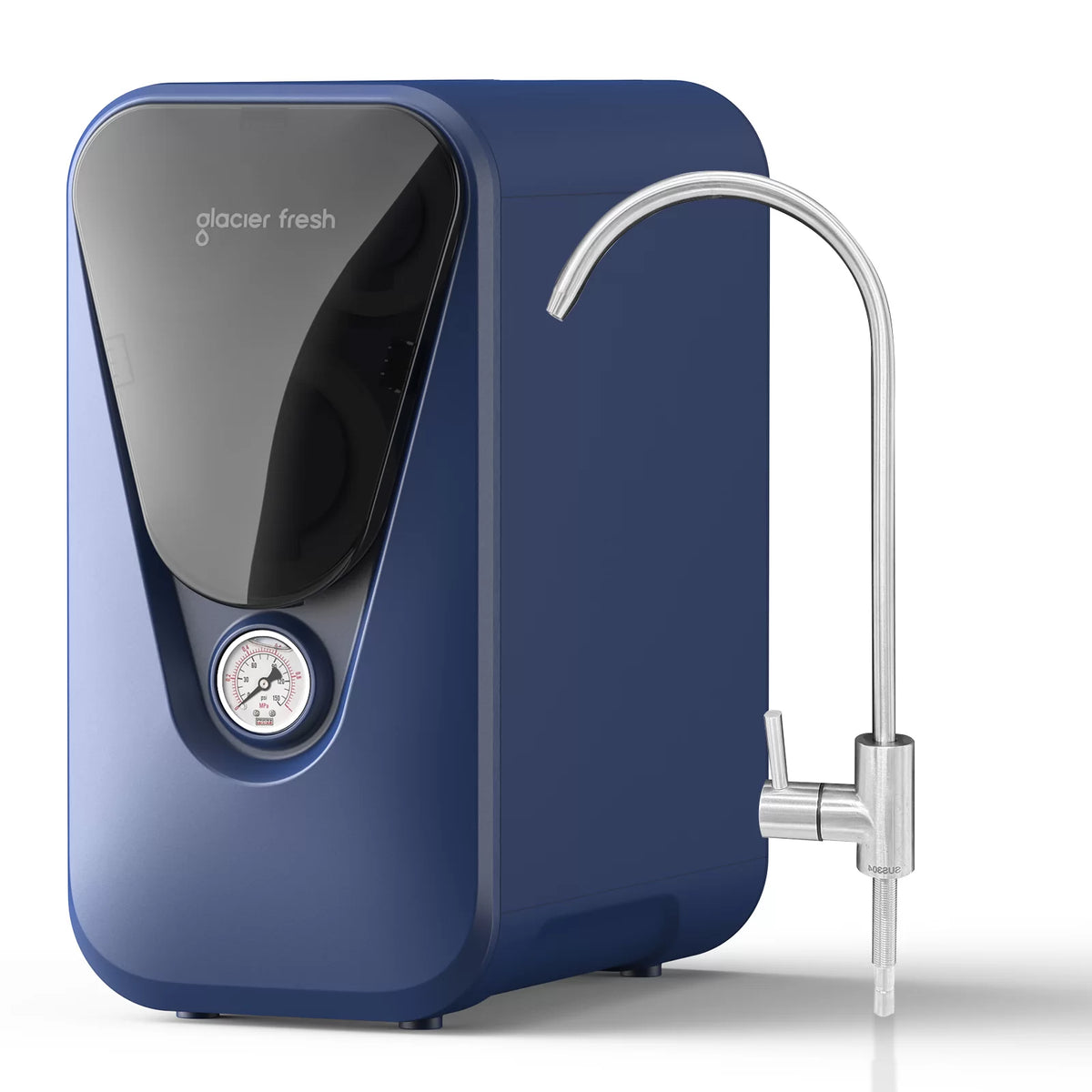
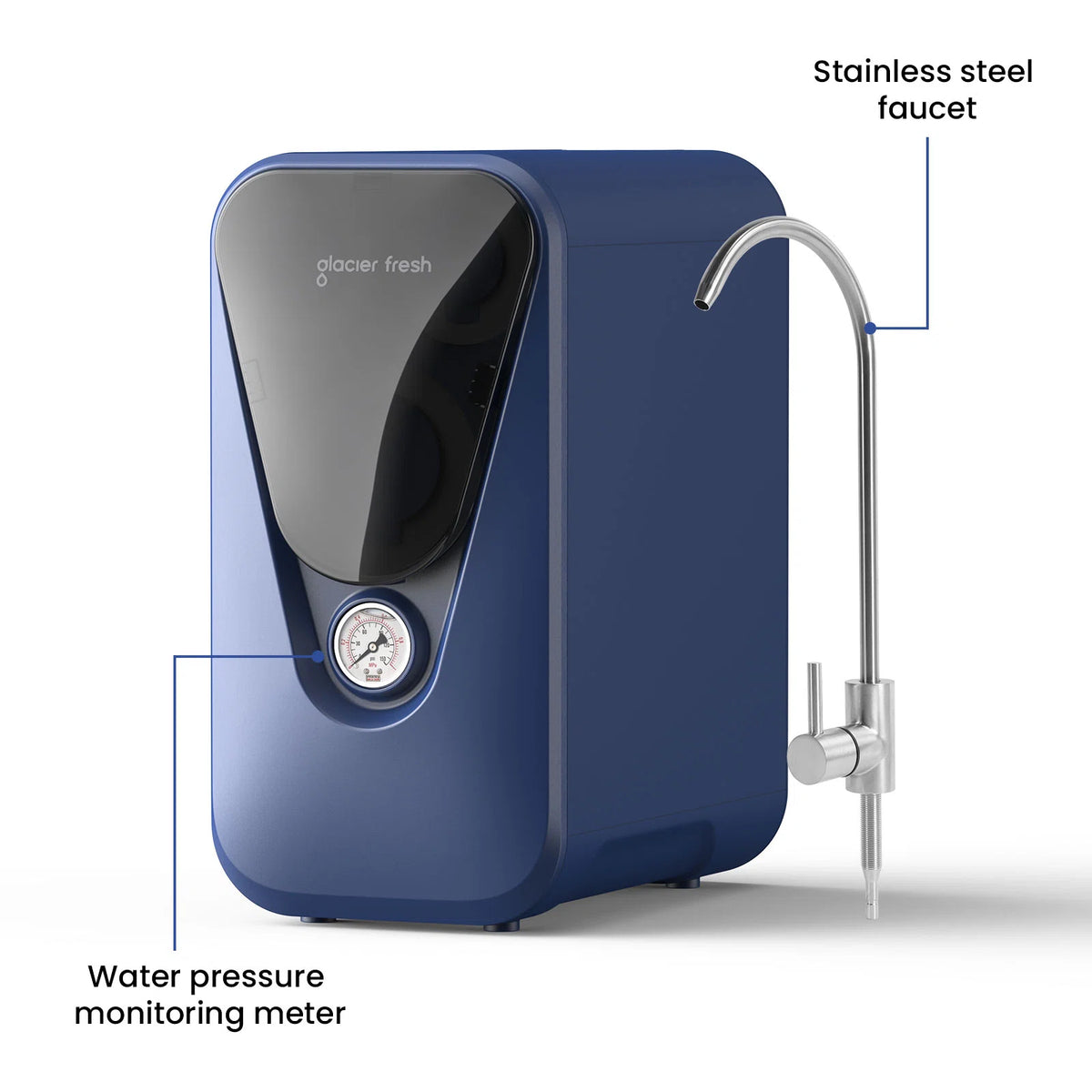
 A higher-capacity system such as the Glacierfresh Undersink RO System may suit households that want a dedicated drinking-water solution for daily cooking and hydration.
Reverse osmosis systems are widely used for contaminant reduction, and many families ask if reverse osmosis water is safe and healthy to drink. In general, RO can be a strong option during pregnancy when the system is correctly installed, the filters are replaced on schedule, and mineral intake comes from a balanced diet.
For maintenance planning, an under-sink RO system often needs pre-filter or post-filter replacement every 6-12 months, while the RO membrane may last longer depending on water quality and usage.

Purela P01 Pitcher is a portable option for daily use, especially for renters, small kitchens, or anyone who wants filtered water without installation. Pitchers are convenient, but replacement schedules still matter because saturated filters can reduce flow and performance.
Tap Water Safety, Local Testing, and Pregnancy
Is tap water safe for pregnant women? Often it is, but the risk profile changes by home and region. Older homes may have lead service lines or plumbing; rural wells may face nitrates, bacteria, or agricultural runoff; some communities have PFAS or industrial contamination concerns.
- Municipal water: Review the annual Consumer Confidence Report and test at the tap if your home has old plumbing or a lead concern.
- Private well water: Test at least annually for bacteria and nitrates, and consider lead, arsenic, PFAS, or pesticides based on local risk.
- Pregnancy-specific concern: If a test shows lead, nitrates, bacteria, or PFAS above recommended levels, use an appropriate certified filter or an alternative water source while you confirm results.
A home test can screen basic issues such as hardness, pH, chlorine, or some metals, but a certified lab is better for bacteria, lead at low levels, PFAS, arsenic, and nitrates when pregnancy makes risk tolerance lower.
Tips to Stay Hydrated During Pregnancy
The best routine is one you can follow every day. The best way to stay hydrated while pregnant is to keep water visible, pair it with meals, and use food and flavor strategies when plain water feels unappealing.
- Keep a refillable bottle nearby at home, beside your bed, and during errands.
- Drink slowly through the day instead of forcing large amounts at once. drinking a lot of water while pregnant in a short period can feel uncomfortable and may not be necessary.
- Add lemon, cucumber, mint, or berries to filtered water if taste is a barrier.
- Choose water-rich foods such as watermelon, oranges, cucumbers, lettuce, zucchini, soups, and smoothies.
- Use reminders if you tend to forget, especially during busy workdays or travel.
- Call a healthcare professional if you have persistent dizziness, fainting, reduced urination, severe vomiting, contractions, or signs that dehydration is not improving.
Hydrating Foods That Support Daily Fluid Intake
Hydrating foods can make daily intake easier while adding nutrients. For example, one cup of watermelon or cucumber slices can add water and gentle minerals; oranges add fluid and vitamin C; soups add both fluid and sodium, which may be useful when approved by your clinician after vomiting or sweating. These foods should support water intake, not replace it entirely.
FAQs
How much water should a pregnant woman drink daily?
Most pregnant women can start with 8-12 cups of total fluids per day, then adjust for trimester, heat, activity, vomiting, and medical advice. This range is a practical baseline for water intake for pregnant women, not a strict rule for every pregnancy.
What are the signs of dehydration during pregnancy?
Common signs include dark urine, dry mouth, headache, dizziness, fatigue, thirst, and reduced urination. Seek medical advice promptly if symptoms are severe, persistent, or accompanied by contractions, fainting, fever, or ongoing vomiting.
Is tap water safe for pregnant women?
Tap water may be safe if it meets local standards and the home plumbing is in good condition. During pregnancy, it is reasonable to review your local water report and test for lead, nitrates, bacteria, PFAS, or other local contaminants if you have concerns.
How can dehydration be prevented to avoid pregnancy complications?
Sip fluids regularly, drink with meals, increase intake in heat or after activity, use hydrating foods, and contact your clinician if vomiting prevents you from keeping fluids down. Consistent hydration during pregnancy is safer than trying to catch up all at once.
What is the best way to stay hydrated while pregnant if plain water tastes bad?
Try chilled filtered water, lemon, cucumber, mint, berries, water-rich foods, or a safe herbal tea approved by your healthcare provider. The best way to stay hydrated while pregnant is to make water easy to drink and keep it available throughout the day.
Conclusion
So, how much water during pregnancy should you drink? For many women, 8-12 cups of total fluids per day is a sensible range, but individual needs change with trimester, climate, activity, diet, and health conditions. The safest plan is to drink consistently, monitor urine color and symptoms, and ask your healthcare provider for personalized guidance if you have nausea, swelling, kidney concerns, high blood pressure, or any pregnancy complication.
Water quality should not be an afterthought. Clean filtered water can make daily hydration easier, improve taste, and help reduce selected contaminants when the filter is matched to your water source and replaced on schedule.
Related Reading
- Glacier Fresh U06 Under Sink Ultra Filtration Water Filter System
- The Truth About PFAS in Your Tap Water: How to Remove It
- Reverse Osmosis, Nanofiber, Ultrafiltration: Which One Is Right for You?