


Table of Contents:
Quick answer — water weight at a glance
Why does water weigh what it weighs? (simple science explained)
How much does water weigh in different units? (gallon, liter, cup & more)
Water weight conversion chart (easy reference)
Does water weight change? (key factors explained)
Water vs. ice vs. steam – what’s the difference?
Real-life applications of water weight
FAQs
Final thoughts
Water is part of nearly everything we do—from staying hydrated to cooking, cleaning, and even maintaining home systems. But when it comes to practical planning, one simple question matters more than you might expect: How much does water actually weigh?
Whether you're tracking daily water intake, preparing for emergencies, or choosing a water filtration system, understanding water weight can help you make smarter, more informed decisions.
Quick answer — water weight at a glance
 If you’re looking for a fast, reliable answer:
A US gallon of water weighs approximately 8.34 pounds (3.78 kg) at room temperature (~62°F).
A liter of water weighs 1 kilogram (2.2 pounds) due to its natural density.
Here are the most common conversions:
- 1 gallon (US) = 8.34 lbs
- 1 liter = 1 kg (2.2 lbs)
- 1 cup = 0.52 lbs (236.6 g)
These values are accurate for most everyday uses, from cooking to hydration tracking.
Why does water weigh what it weighs? (simple science explained)
Water’s weight comes down to one key concept: density.
- Water has a density of approximately 1 gram per milliliter (g/mL) at standard conditions.
- This means 1 liter (1,000 mL) = 1,000 grams = 1 kilogram.
The core formula
At its core: weight = volume × density
Because water’s density is so stable, it’s one of the easiest substances to convert between volume and weight.
Why this matters
- Simplifies cooking and measurement.
- Enables precise scientific calculations.
- Makes hydration tracking easier.
How much does water weigh in different units? (gallon, liter, cup & more)

Water weighs approximately 8.34 pounds per gallon, 1 kilogram per liter, and 0.52 pounds per cup, making it one of the easiest substances to convert across units.
How much does a gallon of water weigh?
A US gallon of water weighs 8.34 pounds, while an Imperial (UK) gallon weighs about 10.02 pounds.
- US gallon = 3.785 liters
- UK gallon = 4.546 liters
👉 Real-life use:
A standard 5-gallon water jug weighs over 41 pounds, which is important for lifting, transport, and storage.
How much does a liter of water weigh?
A liter of water weighs exactly 1 kilogram (2.2 pounds) under standard conditions.
👉 Why it’s useful:
This makes hydration tracking incredibly simple—if you drink 2 liters of water, that’s 2 kilograms.
How much does a cup of water weigh?
A US cup of water weighs about 0.52 pounds (236.6 grams).
👉 Real-life use:
This is especially important in cooking and baking, where precise measurements affect results.
How much does a cubic foot or cubic meter of water weigh?
For larger-scale measurements:
- 1 cubic foot of water ≈ 62.4 pounds
- 1 cubic meter of water = 1,000 kilograms (2,204.6 lbs)
👉 Where this applies:
- Pools and aquariums
- Construction and engineering
- Large-scale water storage systems
Water weight conversion chart (easy reference)
| Volume | Weight (Pounds) | Weight (Kilograms) |
|---|---|---|
| 1 gallon (US) | 8.34 lbs | 3.78 kg |
| 5 gallons | 41.7 lbs | 18.9 kg |
| 1 liter | 2.2 lbs | 1 kg |
| 2 liters | 4.4 lbs | 2 kg |
| 1 cup | 0.52 lbs | 0.24 kg |
Does water weight change? (key factors explained)
While water weight is generally consistent, a few factors can cause slight variations.
1. Temperature
Water is densest at 4°C (39.2°F).
- Cold water → slightly denser
- Hot water → slightly less dense
The difference is small but scientifically important.
2. Impurities & minerals
- Tap water contains dissolved minerals
- Distilled water is pure
Although weight differences are minimal, water quality varies significantly, affecting taste and safety.
3. Pressure & altitude
Changes in pressure can slightly affect water density, but the impact is negligible in everyday situations.
Water vs. ice vs. steam – what’s the difference?

Water behaves differently depending on its state:
- Liquid water: standard density
- Ice: less dense (floats)
- Steam: much lighter
Why ice floats
When water freezes, it expands, reducing density—this is why ice floats and why frozen pipes can burst.
Real-life applications of water weight

Hydration & health
Tracking water intake becomes easier when you understand weight-to-volume relationships.
Home & emergency preparedness
A common recommendation is 1 gallon per person per day—that’s over 8 pounds of water per person, per day.
Water filtration systems
Understanding water weight helps you estimate actual usage:
- A household using 8–10 gallons daily processes 65–83 pounds of water.
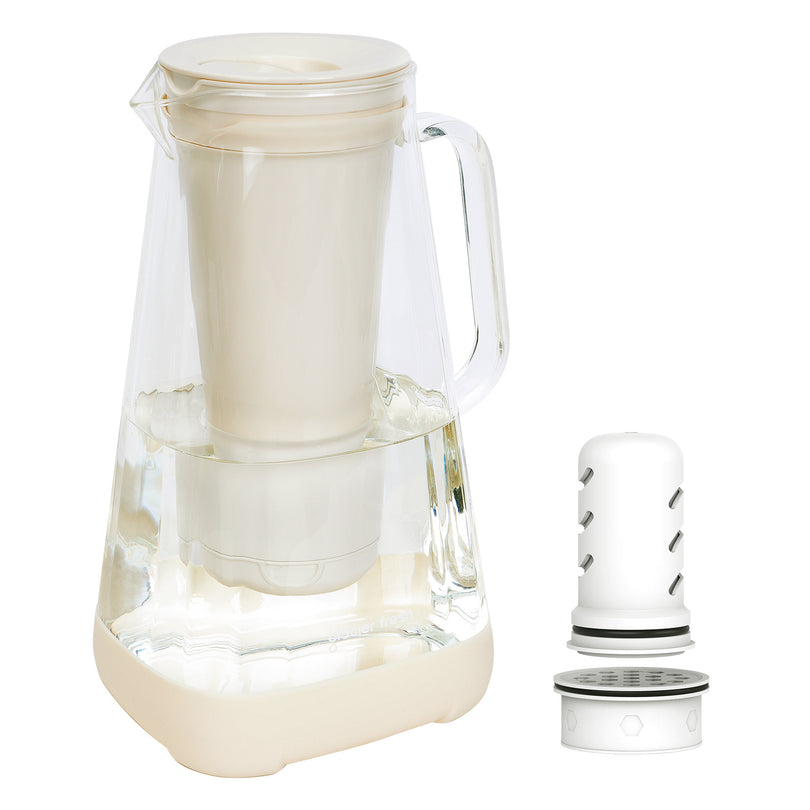
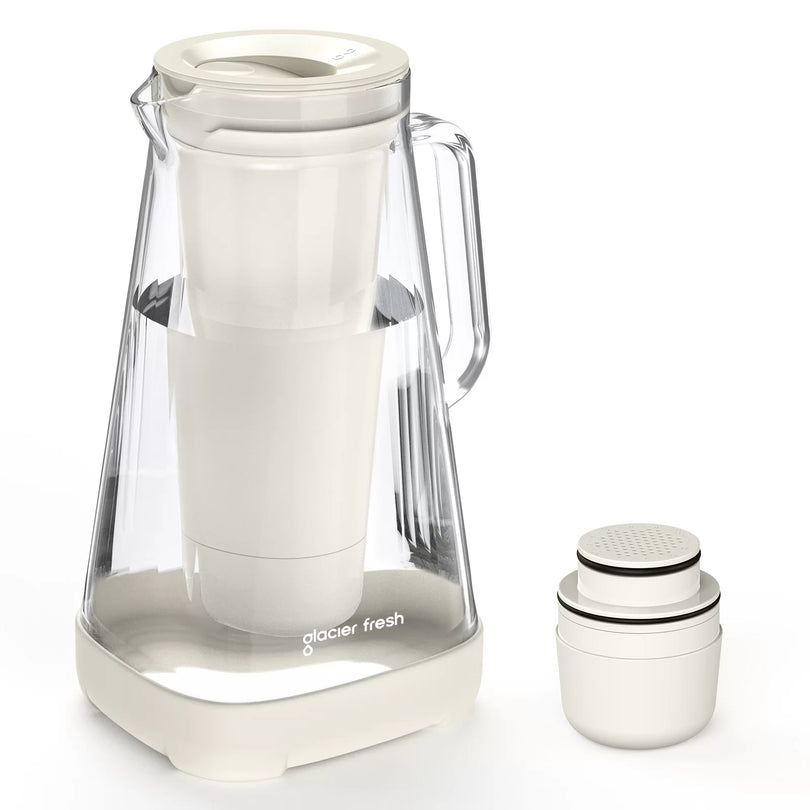
While filtration systems like countertop water filter system doesn’t change water weight, it ensures:
- Cleaner taste
- Safer drinking water
- Reduced contaminants
FAQs
How much does 5 gallons of water weigh?
About 41.7 pounds (18.9kg).
How much does a water bottle weigh?
A 16.9 oz bottle weighs about 1.1 pounds when full.
Is ice heavier than water?
No—ice is less dense and floats.
Why is water weight important?
It helps with cooking, hydration, storage planning, and equipment sizing.
Final thoughts
Water may seem simple, but understanding its weight gives you a practical advantage in everything from cooking and fitness to home planning and emergency preparedness.
And while the weight of water remains consistent, the quality of the water you use every day can vary significantly. Choosing clean, filtered water ensures that every gallon, liter, or cup you rely on is not only measurable—but also safe, fresh, and reliable.