
Table of Contents:
The importance of water filtration for homebrewing
Common impurities you may find in brewing water
Factors affecting water quality for brewing
Different filtration methods for homebrewers
Homebrewing water filtration guide: choosing the right setup
Mineral profiles for beer, coffee, and other brews
Cold filtering beer and post-brew clarity
Tips for maintaining water quality in brewing process
Replacement filter maintenance for reliable brewing
Filtered water for hydration during colds, fever, and brewing days
FAQs
Conclusion
The importance of water filtration for homebrewing

Professional-quality brewing starts with predictable water chemistry. Effective filtration reduces unwanted contaminants first, then allows the brewer to fine-tune minerals, pH, and alkalinity for a target beverage style rather than letting tap-water variation control the final flavor.
The benefits of filtered water in homebrewing are significant. First, filtration helps reduce impurities such as chlorine and heavy metals that can produce medicinal, metallic, or harsh notes in finished beer. By filtering your water before brewing, you can protect malt character, hop aroma, and yeast expression.
When selecting a water source, evaluate its quality and mineral profile. Different regions have different water characteristics, which can strongly affect beer flavor. Some sources contain high hardness or alkalinity that can make pale beer taste dull, while other sources may lack enough mineral structure for hop-forward styles. A controlled homebrew filtration setup makes it easier to adapt water to the recipe instead of adapting the recipe to uncertain water.
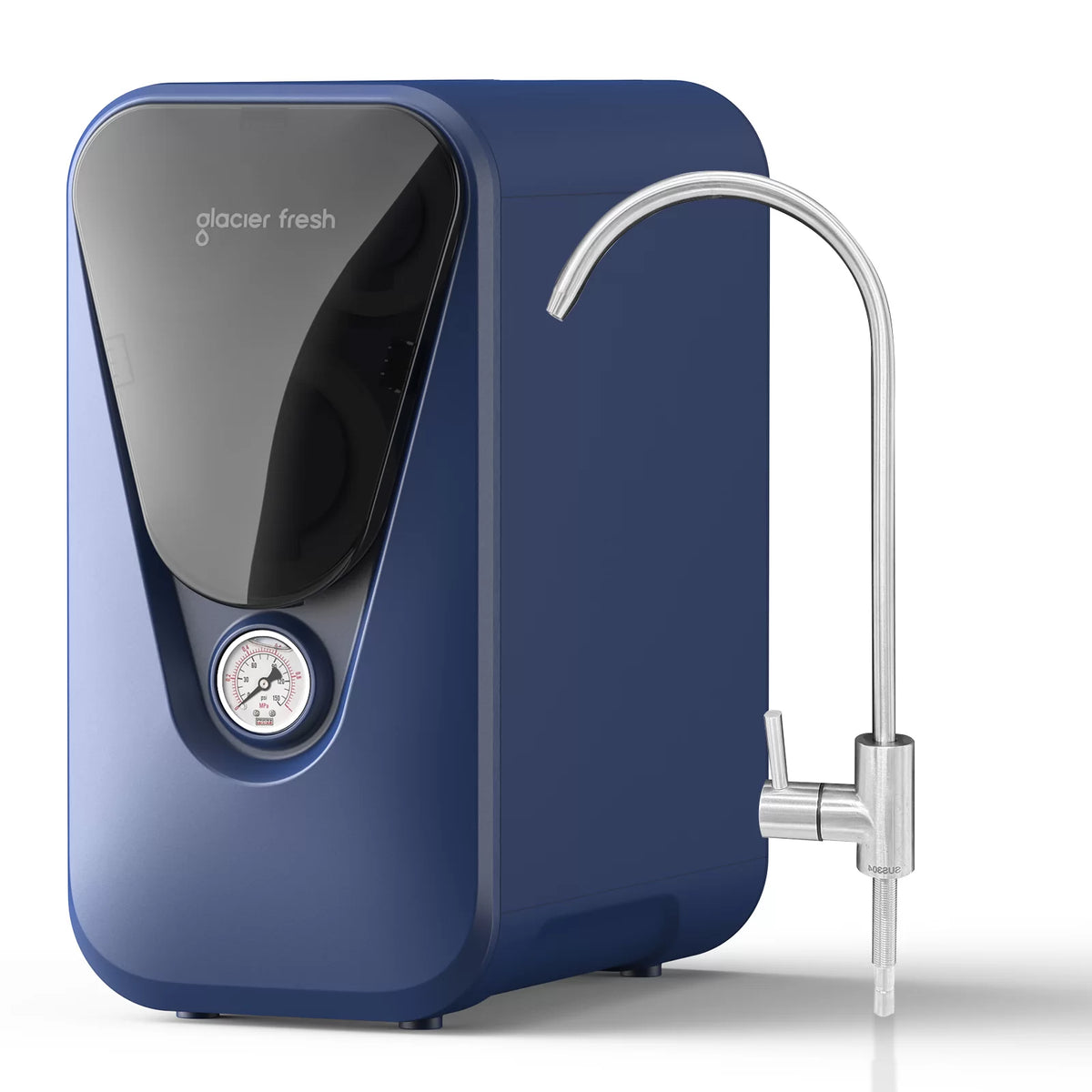
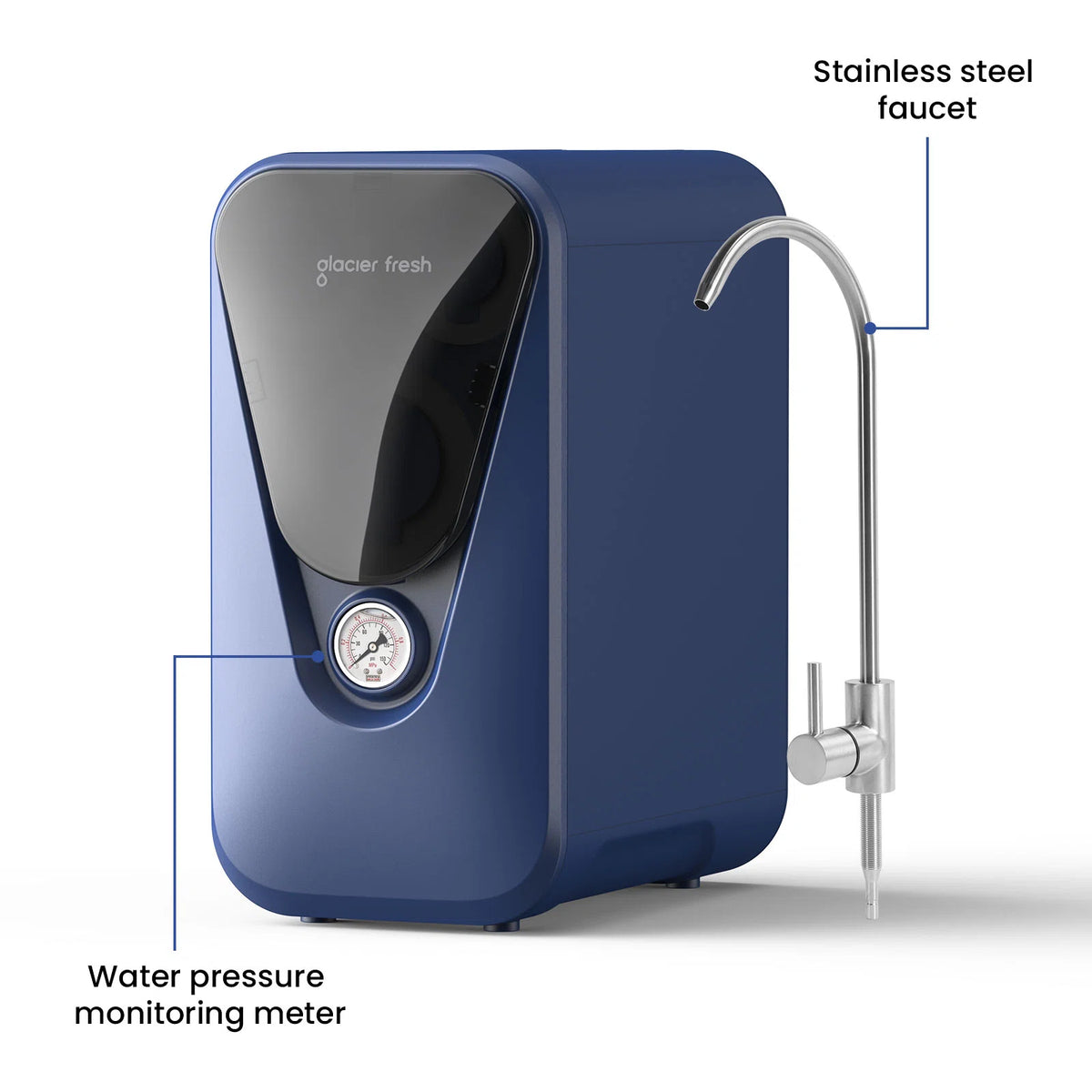
For homebrewers on a budget, practical options range from carbon pitchers and faucet filters to under-sink systems, multi-stage filtration, and reverse osmosis. The right choice depends on local water quality, batch size, available space, and how much mineral adjustment you want after filtration.
pH balance also plays a critical role in brewing. Mash pH influences enzyme activity, extraction, yeast health, and perceived balance. Filtering water and then adjusting pH when needed helps create a cleaner, more harmonious brew.
Common impurities you may find in brewing water
Brewing water can contain disinfectants, dissolved minerals, metals, sediment, and organic compounds. Identifying these inputs is essential because each impurity affects the brewing process differently, and each requires a different filtration or treatment strategy.
- Chlorine and chloramine: These disinfectants are common in municipal water and can contribute plastic-like, medicinal, or chemical off-flavors. Activated carbon filtration is a common first step for reducing these taste and odor issues.
- Hard water minerals: These minerals, such as calcium and magnesium, are common in many water sources. These minerals are not automatically bad for brewing, but excessive hardness or alkalinity can alter mash pH and flavor balance. Brewers can soften water, dilute with purified water, or rebuild the mineral profile with brewing salts.
- Metals: Metals such as iron and copper can create metallic flavors, discoloration, haze, and oxidative instability. If metals are present, consider a specialized reduction filter or reverse osmosis before rebuilding the water profile.
- Sediment and rust: Visible particles can clog equipment, affect appearance, and shorten filter life. A sediment pre-filter is useful when water comes from older pipes, wells, or RV campground hookups.
- Organic compounds: Pesticides, herbicides, and other organic contaminants can affect taste and safety. Regular testing and multi-stage filtration help reduce risk before brewing.
Factors affecting water quality for brewing

Water quality for brewing depends on both source conditions and process controls. A useful evaluation looks at the water source, test results, treatment method, mineral impact, and pH management together rather than treating filtration as a single isolated step.
|
Factor affecting water quality for brewing |
Impact on brewing water |
|
Water source selection |
Municipal, well, bottled, RV, and filtered household water can have different mineral content, disinfectants, sediment, and taste. Match the source to the brew style and test when possible. |
|
Water testing |
Testing for disinfectants, hardness, alkalinity, pH, TDS, and metals gives you a factual baseline before choosing a filtration method. |
|
Water treatment options |
Common treatment options include carbon filtration, sediment filtration, reverse osmosis, ultrafiltration, water softening, and targeted mineral additions. |
|
Impact on beer flavor |
Calcium, magnesium, sulfate, chloride, sodium, and alkalinity can enhance or flatten malt, hops, mouthfeel, bitterness, and finish. |
|
Importance of pH balance |
Mash pH affects enzyme activity, extraction, clarity, yeast performance, and final drinkability, so test and adjust according to recipe needs. |
Different filtration methods for homebrewers
Choosing a filtration method should start with the problem you need to solve. Taste and odor issues, sediment, bacteria risk, high hardness, and the need for a blank mineral slate all point to different filter technologies and maintenance requirements.
|
Filtration option |
Best fit for brewing |
Key limitation or maintenance note |
|
Carbon filtration |
Reducing disinfectant taste, odor, and some organic compounds before beer, coffee, tea, and kombucha brewing. |
Carbon must be replaced on schedule; exhausted carbon can lose effectiveness and may harbor biofilm. |
|
Sediment filtration |
Protecting brewing gear, pumps, RV systems, and downstream filters from sand, rust, and visible particles. |
Does not remove dissolved minerals, disinfectants, or most chemicals by itself. |
|
Reverse osmosis |
Creating a low-TDS blank slate for precise mineral rebuilding and consistent batches across locations. |
RO water often needs remineralization for flavor and mash performance. |
|
Ultrafiltration or multi-stage filtration |
Balancing everyday drinking-water quality with brewing convenience when you want good flow and less water waste. |
Performance depends on membrane rating and filter stages; verify what contaminants the system is designed to reduce. |
For brewers who want a simple entry point, home brew filtration can begin with a carbon filter and a basic water test. For more advanced recipe control, reverse osmosis plus brewing salts offers the most repeatable path. A beer filter homebrew setup should be chosen based on water chemistry goals rather than marketing claims alone.
Homebrewing water filtration guide: choosing the right setup
A dedicated homebrewing water filtration guide should connect water chemistry targets with practical equipment choices. The best system is the one that consistently removes the contaminants you actually have while preserving enough flexibility to build the mineral profile your recipe requires.
- Urban tap water: Start with carbon filtration for disinfectant taste and odor, then test hardness and alkalinity. Use reverse osmosis if your source water varies widely or if you brew many styles.
- Well water: Test for bacteria, iron, manganese, hardness, nitrates, and pH before brewing. Use sediment filtration, targeted iron reduction, UV or disinfection when needed, and reverse osmosis for precise recipe control.
- Apartment or small-space brewing: Consider a countertop or under-sink filter when plumbing access is limited. The goal is stable taste, lower odor, and enough flow for brew-day volume.
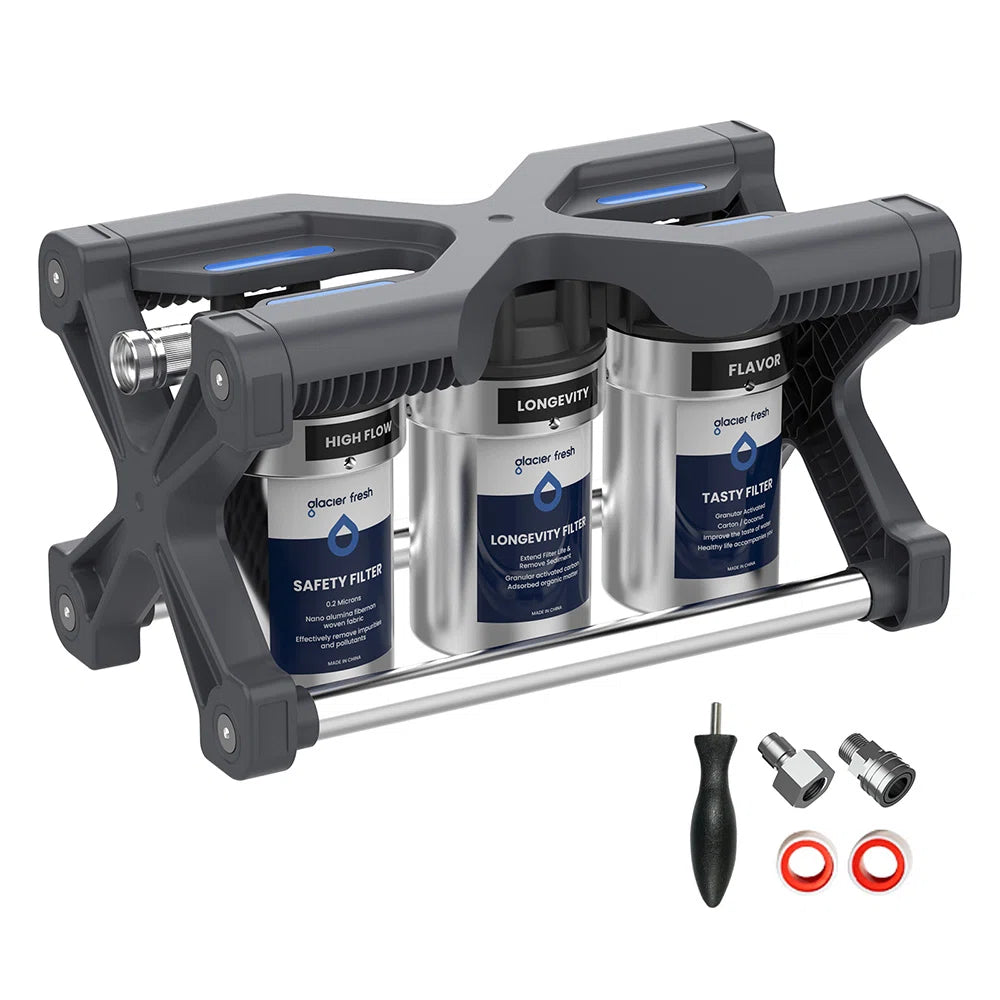
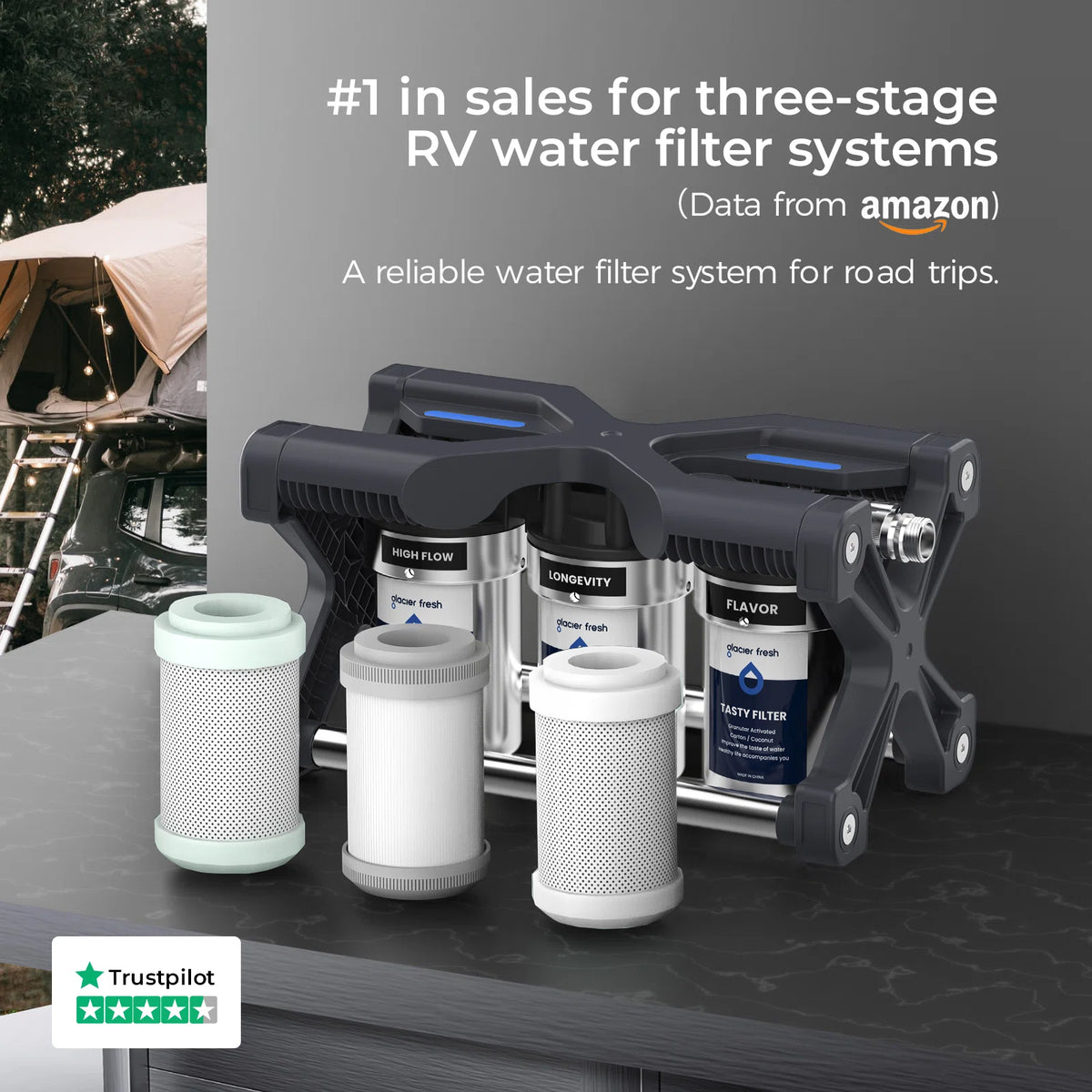
- RV and outdoor brewing: Use a sediment pre-filter and a portable multi-stage or RO system when campground water quality is uncertain. This approach supports consistent brewing and safer drinking water during travel.
For everyday batches, filtering home brew beer water before the mash is usually more important than trying to fix flavor after fermentation. Post-fermentation beer filtration can clarify beer, but it cannot remove water-derived off-flavors that were created earlier in the process.
Mineral profiles for beer, coffee, and other brews
The right mineral profile depends on the beverage. Beer recipes often focus on calcium, sulfate, chloride, alkalinity, and mash pH; coffee brewing focuses more on balanced hardness, alkalinity, and taste extraction; tea and kombucha require clean, low-odor water that does not dominate delicate flavors.
- Pale ales and IPAs: Moderate calcium with a higher sulfate-to-chloride balance can sharpen hop bitterness and dryness.
- Malt-forward ales and lagers: Moderate calcium with more chloride can support body, roundness, and malt sweetness.
- Coffee brewing: Many brewers prefer moderate hardness and controlled alkalinity rather than completely flat distilled water. RO water can be remineralized to match a target coffee profile.
- Tea and kombucha: Low odor, low sediment, and balanced minerals help protect aroma and fermentation consistency without making the drink taste harsh.
If you rely on bottled water for brewing, look for low-odor spring or purified water with a published mineral analysis. Affordable bottled waters under $2 per liter in the US are often gallon-size purified or spring-water options, but prices and mineral consistency vary by region, so compare labels and calculate cost per batch before relying on them long-term.
Cold filtering beer and post-brew clarity
Post-brew filtration is different from source-water filtration. Cold-side techniques are used after fermentation to improve clarity, reduce haze, and polish appearance, while source-water filtration is used before brewing to control taste and chemistry.
Cold filtering beer can help remove suspended yeast and fine particles, but it should be done carefully to avoid oxygen pickup, flavor stripping, and sanitation issues. Many homebrewers use cold crashing, fining agents, careful transfers, or fine filtration only when the beer style benefits from extra clarity. In most cases, better source-water control, good fermentation practice, and clean equipment reduce the need for aggressive post-brew filtration.
Tips for maintaining water quality in brewing process
Maintaining brewing water quality requires routine testing, sanitation, filter replacement, and source tracking. A filter that worked well last season may underperform if cartridges are exhausted, membranes are fouled, or source water changes.
- Monitor pH levels: Use pH strips or a calibrated meter, and check mash pH after dough-in rather than relying only on source-water pH.
- Use water testing kits: Test for hardness, alkalinity, chlorine, TDS, and metals when you change water sources or notice flavor changes.
- Remove disinfectants before brewing: Letting water sit may reduce free chlorine, but carbon filtration is more reliable for many brewing situations. Chloramine usually requires specific carbon contact time or treatment.
- Choose a consistent source: Use filtered tap water, tested well water, bottled water, or RO water consistently so recipe adjustments remain predictable.
- Maintain filtration systems: Clean housings, sanitize lines, and replace cartridges as recommended. A glass water filter pitcher may be convenient for small batches, but larger batches usually need higher capacity and faster flow.
Replacement filter maintenance for reliable brewing
Replacement timing is a brewing-quality issue, not just a household maintenance issue. Old cartridges can cause low flow, poor contaminant reduction, stale taste, microbial growth, and inconsistent water chemistry from one batch to the next.
- Carbon cartridges: Replace according to rated gallon capacity, taste changes, disinfectant breakthrough, or manufacturer schedule.
- Sediment filters: Replace when pressure drops, flow slows, or visible particles appear downstream.
- RO membranes: Track TDS reduction; a rising product-water TDS can signal membrane aging or fouling.
- Storage tanks and lines: Sanitize periodically, especially if filtered water sits before brew day.
- Travel filters and RV systems: Flush before use, protect from freezing, and replace after uncertain campground or well-water exposure.
For brewers who make small batches, maintenance is easy to postpone. However, consistent homebrew filtration results depend on replacing filters before taste problems appear, not after a batch is already compromised.
Filtered water for hydration during colds, fever, and brewing days
Clean-tasting filtered water supports hydration during long brew days and during everyday wellness routines. It does not treat, prevent, or cure fever, colds, flu, or infections, but better-tasting water can make it easier for people to drink enough fluids when they are tired, congested, or recovering.
For households that brew and also use the same system for drinking water, prioritize taste, odor reduction, maintenance, and verified contaminant reduction. This gives the system value beyond beer by supporting coffee, tea, cooking, RV travel, and daily hydration.
FAQs
Can I use tap water for homebrewing without filtration?
You can use tap water for homebrewing without filtration, but it may affect the quality and flavor of your beer. If the water contains disinfectant taste, high hardness, metals, or sediment, filtration and testing are recommended before brew day.
Can water filtration improve the clarity and appearance of the final beer or other brews?
Water filtration can improve brewing consistency and reduce haze-related inputs such as sediment and metals. However, final clarity also depends on grain bill, boil quality, yeast performance, fermentation temperature, fining, cold crashing, and packaging technique.
What are the top mineral profiles recommended for brewing coffee and which products match them?
For coffee, many brewers prefer moderate hardness with controlled alkalinity so extraction tastes sweet, balanced, and not chalky. RO water plus remineralization offers the most control, while an under-sink ultrafiltration or multi-stage system can be a practical option when source water already has a pleasant mineral profile.
Which affordable bottled waters are good for brewing and cost under $2 per liter in the US?
Look for gallon-size purified water, distilled water for mineral rebuilding, or spring water with a consistent label analysis. Prices vary by store and region, so compare cost per liter, sodium, calcium, magnesium, bicarbonate, and taste before using bottled water for repeat recipes.
What are the top-rated reverse osmosis systems for brewing water in the US and their typical costs?
For brewing, a strong RO system should deliver stable TDS reduction, enough daily output for batch size, accessible replacement filters, and clear maintenance guidance. Portable RV RO systems, countertop systems, and under-sink RO systems can all work; typical costs vary widely by capacity, filtration stages, installation needs, and replacement filter schedule.
Conclusion
As a homebrewer, prioritizing water filtration is one of the most practical ways to improve beer and other brews. Understanding your water source, testing for key impurities, choosing the right filtration method, and maintaining replacement filters all support better flavor, clearer appearance, and more repeatable results. With the right setup, you can treat water as a controllable brewing ingredient and create cleaner, better-tasting beverages batch after batch.
Recommended related reading and products
- For a compact under-sink option, review the Glacier Fresh U06 Under Sink Ultra Filtration Water Filter System.
- If you are comparing technologies for brewing and drinking water, read Reverse Osmosis, Nanofiber, Ultrafiltration: Which One Is Right for You?.
- For brewing, camping, or travel scenarios, see Water Filters for RV & Camping: Portable Multi-Stage Filtration Systems.