
Table of Contents:
Understanding the Sleep Cycle: stages of sleep and their importance
The role of hydration in maintaining a balanced sleep cycle
How does water intake affect sleep quality?
The impacts of dehydration on sleep patterns
Hydration strategies and tips for a better night`s sleep
Filtered water, minerals, and nighttime comfort
FAQs
Conclusion
Understanding the Sleep Cycle: stages of sleep and their importance

A good night's rest depends on cycling through lighter sleep, deeper sleep, and dreaming sleep several times. Each stage plays a different role in memory, physical repair, immune activity, and emotional balance, so hydration habits should support the whole night rather than only the moment you lie down.
REM sleep, or rapid eye movement sleep, is the stage linked with vivid dreams, learning, and emotional regulation. Deep sleep is when the body focuses on tissue repair, immune support, and physical recovery. If dehydration causes discomfort, dry mouth, or cramps, it can make it harder to move smoothly through these sleep stages.
The role of hydration in maintaining a balanced sleep cycle

Ensuring proper daily hydration is essential for maintaining a balanced sleep cycle. Water supports cognitive function, steady energy, and mood during the day, which also affects how easily the body winds down at night. Even mild dehydration may make people feel more tired, irritable, or unfocused, while steady fluid intake can help the evening feel calmer and more predictable.
Nighttime comfort also depends on replacing normal water loss during sleep. Breathing, sweating, and a warm bedroom can all reduce fluid levels overnight. A balanced routine means drinking enough earlier in the day, choosing water-rich foods at dinner, and keeping a small glass nearby only for real thirst rather than heavy pre-bed drinking.
How does water intake affect sleep quality?

Water intake affects sleep quality through comfort, temperature regulation, muscle function, and nighttime wake-ups. Drinking enough during the day can reduce dry mouth, headaches, and cramps that may disturb sleep. The benefits of water before bed are most noticeable when the amount is modest and timed well, rather than taken as a large drink immediately before lying down.
When the body is adequately hydrated, it can regulate temperature more smoothly and support the natural evening rhythm. Water also works alongside sleep-related signals such as melatonin, which helps the body prepare for sleep. However, hydration is not a cure for insomnia; persistent sleep problems, excessive thirst, or frequent nighttime urination should be discussed with a healthcare professional.
Hydration timing guide for better sleep
Use the table below as a simple decision guide. It keeps the advice practical while answering common questions such as how much water should you drink before bed and how long before bed should you stop drinking water.
|
Timing |
What to do |
Why it helps |
Watch out for |
| Morning to afternoon | Drink most daily fluids gradually. | Supports energy, focus, and steady fluid balance. | Do not wait until evening to catch up. |
| Dinner time | Pair water with water-rich foods such as soup, fruit, or vegetables. | Improves hydration without a large late-night drink. | Limit salty meals that increase thirst. |
| 1–2 hours before bed | Sip only if thirsty; taper fluids as bedtime approaches. | Helps reduce nighttime bathroom trips for sensitive sleepers. | Adjust earlier if bathroom trips are frequent. |
| Right before bed | Take a few small sips if your mouth feels dry. | May reduce dryness without overfilling the bladder. | Avoid large glasses of water. |
The impacts of dehydration on sleep patterns

Dehydration can disrupt sleep by increasing discomfort and making the body work harder to maintain normal temperature. Common signs include thirst, dry lips, darker urine, headache, or muscle tightness. These symptoms may lead to more tossing, lighter sleep, or waking earlier than planned.
Dehydration may also make it harder to settle down because the body is trying to protect fluid balance. If you often wake up thirsty, review daytime water intake, evening caffeine or alcohol, bedroom temperature, and whether heavy exercise or salty foods are increasing fluid needs. Severe dehydration, confusion, dizziness, or very dark urine needs prompt medical attention.
Hydration strategies and tips for a better night`s sleep

Optimal water intake for better sleep
Maintaining proper hydration levels throughout the day can positively affect sleep. A simple starting point is to divide your body weight in pounds by two to estimate daily ounces of fluid, then adjust for exercise, heat, illness, pregnancy, or medical guidance. Many adults do well with regular sips from morning through dinner rather than a large amount late at night. A glass water filter pitcher can also make water taste cleaner, which may help people drink more consistently.
Hydrating foods and beverages for sleep
Water is usually the best everyday choice, but water-rich foods can help too. Cucumbers, watermelon, oranges, strawberries, yogurt, broth-based soups, and herbal teas can support hydration without relying only on plain water. Chamomile or peppermint tea may feel calming for some people, while caffeinated drinks and alcohol are best limited later in the day because they can disturb sleep or increase urination.
Best times to hydrate for improved sleep
Start the day with water, continue with meals, and add extra fluid after exercise or time outdoors. In the evening, taper gradually. For many people, stopping large drinks about one to two hours before bed is enough; those who wake often to urinate may need a longer gap. People taking diuretics or managing kidney, heart, or bladder conditions should follow medical guidance.
Hydration mistakes to avoid for a restful night
The main disadvantages of drinking water before sleeping come from timing and quantity. Too much fluid close to bedtime can cause repeated bathroom trips, lighter sleep, and morning fatigue. Another mistake is using soda, coffee, or alcohol as hydration substitutes. These drinks may feel refreshing but can work against steady overnight comfort.
Filtered water, minerals, and nighttime comfort
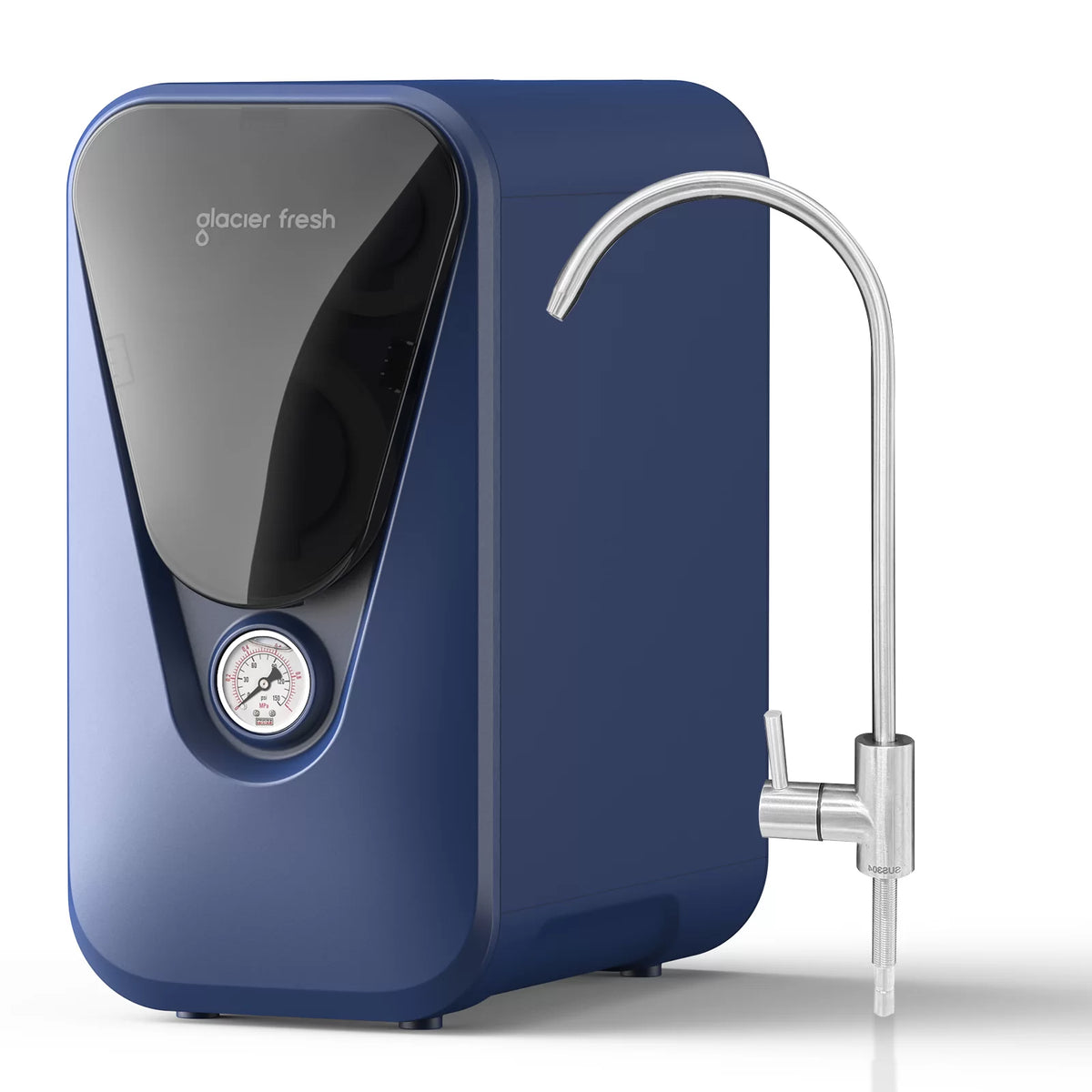
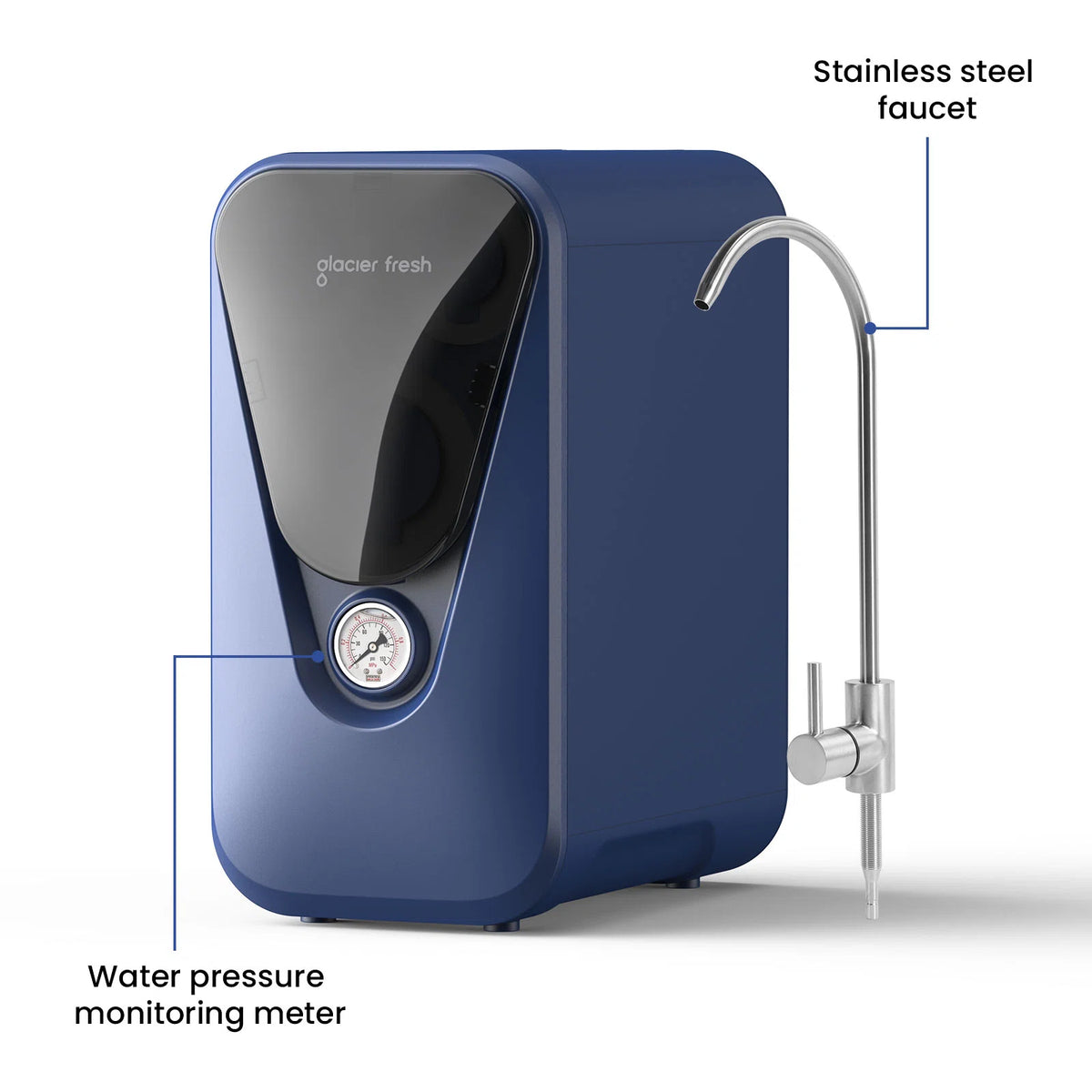
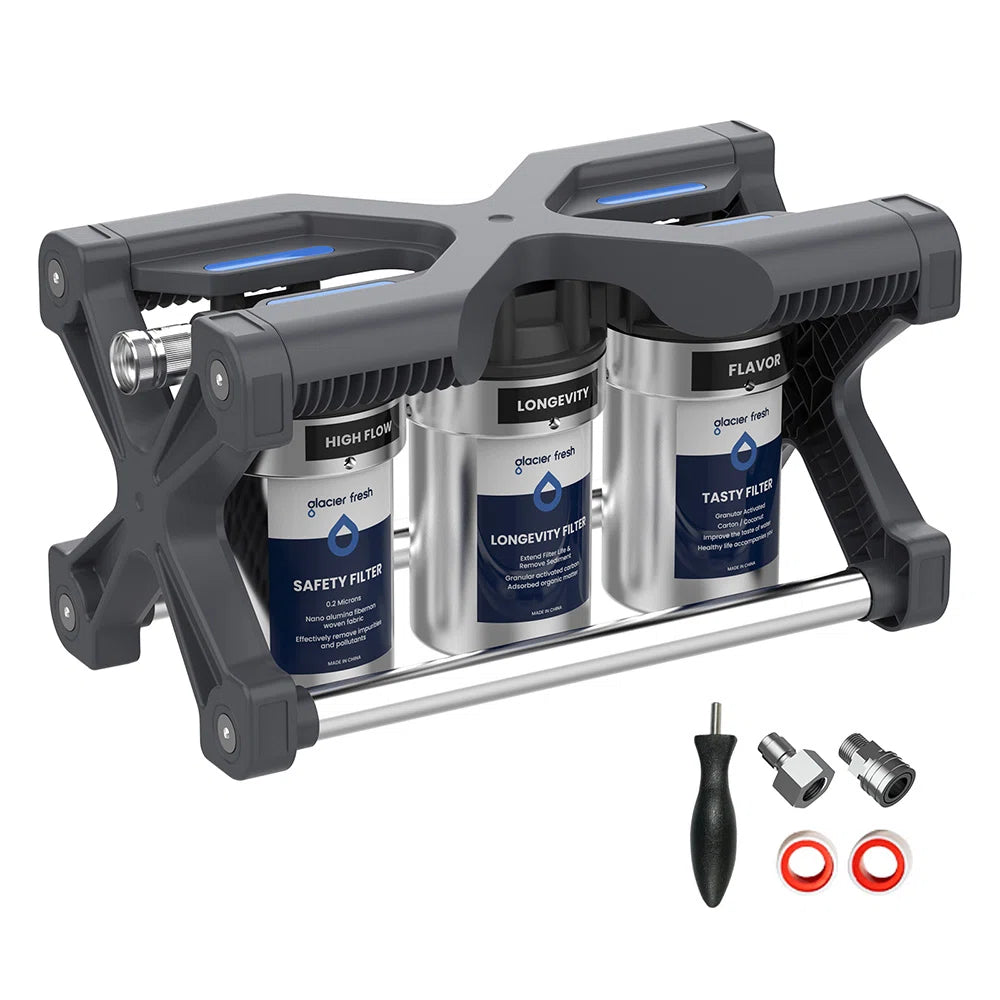
Water quality can influence whether people drink enough. Chlorine taste, strong odors, sediment, or mineral-heavy water may make plain water less appealing, which can indirectly reduce daily intake. In hard-water areas, minerals are not usually a sleep problem for healthy adults, but the taste or mouthfeel may discourage drinking. A simple carbon filter can improve taste and odor, while ultrafiltration or reverse osmosis may be useful when sediment, certain dissolved solids, or broader contaminant reduction are priorities.
For a sleep-focused routine, choose the simplest system that solves the actual problem: taste and odor for city water, sediment prefiltration for visible particles, or advanced filtration when local water reports show specific concerns. Replace filters on schedule, flush new filters before use, and clean pitchers or dispensers regularly so the water routine remains convenient and safe.
FAQs
How does drinking water before bed impact sleep quality?
Small sips may ease dry mouth and thirst, but a large drink right before bed can interrupt sleep with bathroom trips. For most people, steady daytime hydration is more helpful than heavy bedtime drinking.
How much water should you drink before bed?
There is no single perfect amount. If you are thirsty, a few small sips of Glacier Fresh filtered water are reasonable. If you already drank enough during the day, avoid forcing extra water at bedtime.
How does dehydration affect sleep quality?
Dehydration can contribute to dry mouth, headache, muscle cramps, warmer body temperature, and restlessness. These discomforts can make sleep lighter or more fragmented.
Can dehydration cause insomnia or sleeplessness?
Dehydration can make it harder to feel comfortable, but it is only one possible factor. Stress, caffeine, sleep apnea, medication, pain, and medical conditions can also affect insomnia or sleeplessness.
How long before bed should you stop drinking water?
For many people, the practical answer is one to two hours before bedtime. If you wake often to urinate, move the cutoff earlier and drink more Glacier Fresh filtered water during the morning and afternoon instead.
Conclusion
Hydration can support better sleep, but timing matters. Drink steadily during the day, use water-rich foods and soothing caffeine-free beverages when helpful, and taper fluids in the evening. Clean-tasting filtered water can make the routine easier to follow, while too much water close to bedtime may work against rest. The goal is simple: arrive at bedtime comfortably hydrated, not overly full.
Related Reading
- The Health Benefits of Drinking Chilled Filtered Water
- GlacierFresh Coolon Cold Water Dispenser
- Reverse Osmosis, Nanofiber, Ultrafiltration: Which One Is Right for You?