
Table of Contents:
What is filtered water?
What is bottled water?
Filtered water vs bottled water: a comprehensive comparison
Is filtered water better than bottled water for families?
What type of water filter is best for home use?
FAQs
Conclusion
Choosing the right drinking water for your home often comes down to one common question: Is filtered water better than bottled water? Both filtered water and bottled water can provide safe drinking water, but they are different in several important ways, including:
- water quality control
- filtration process
- cost
- convenience
- environmental impact
Bottled water offers portability and convenience, while filtered water gives households more control over the quality of their everyday drinking water. This guide will dive into a comprehensive comparison between filtered water and bottled water and help you make the right choice.
What is filtered water?
 Filtered water is water that has passed through a filtration system designed to reduce unwanted substances and improve water quality.
In most homes, filtered water starts as tap water and goes through one or more filtration processes before it is consumed. Common filtration technologies include:
| Filtration Technology | How It Works | Common Uses |
| Activated carbon filtration | Uses carbon media to trap certain chemicals | Chlorine, odor, taste improvement |
| Reverse osmosis (RO) | Uses a semi-permeable membrane | PFAS, dissolved solids, heavy metals |
| Ultrafiltration (UF) | Uses fine membrane filtration | Sediment and larger particles |
What is bottled water?
Bottled water is packaged drinking water sold for convenience. It may come from different sources, including:
- Spring water
- Mineral water
- Purified water
The U.S. Food and Drug Administration (FDA) regulates bottled water as a packaged food product and establishes standards for safety and labeling.
Common types of bottled water:
| Type | Description |
| Spring water | Comes from a natural underground source |
| Mineral water | Contains naturally occurring minerals |
| Purified bottled water | Treated to remove impurities |
Filtered water vs bottled water: a comprehensive comparison

The biggest differences between filtered water and bottled water are not simply where the water comes from — they are how the water is treated, controlled, and delivered.
1: Filtered water vs bottled water: which is safer?
Water safety depends on:
- water source
- treatment method
- contaminant control
It does not automatically depend on whether water comes from a bottle or a home filtration system.
| Factor | Filtered Water | Bottled Water |
| Source control | Depends on home water supply | Depends on bottled source |
| Filtration control | Household chooses technology | Brand determines treatment |
| Customization | High | Limited |
| Quality consistency | Depends on filter maintenance | Depends on manufacturer |
According to the EPA, regulated drinking water systems must meet safety standards for many contaminants, but water quality can still vary due to:
- aging infrastructure
- household plumbing
- local water conditions
This is why some households choose additional filtration.
2: Filtered water vs bottled water: which tastes better?
Taste is one of the main reasons people choose bottled water or install a home filtration system. However, the taste difference usually comes from water treatment, mineral content, and storage conditions, rather than whether water is simply bottled or filtered.
| Factor | Filtered Water | Bottled Water |
|---|---|---|
| Main source | Usually tap water | Spring, purified, or mineral sources |
| Taste improvement | Depends on filtration technology | Depends on brand and source |
| Chlorine taste | Carbon filters can reduce chlorine taste | Usually removed during commercial treatment |
| Mineral taste | Can be customized depending on system | Depends on natural mineral content |
| Taste consistency | More controllable at home | May vary by brand |
Generally, filtered water provides more control over taste, while bottled water provides source-specific taste characteristics.
3: Filtered water vs bottled water: which is better for the environment?
Besides water quality and cost, environmental impact is another major reason many households compare filtered water and bottled water.
The main difference comes from:
- plastic consumption
- packaging waste
- transportation footprint
| Factor | Filtered Water | Bottled Water |
|---|---|---|
| Plastic waste | Minimal | Higher due to single-use bottles |
| Packaging | Reusable filter systems | Individual plastic containers |
| Transportation | Usually produced at home | Requires manufacturing and distribution |
| Long-term sustainability | More sustainable for daily use | Higher resource consumption |
According to the U.S. Environmental Protection Agency (EPA), reducing waste and increasing reuse are important parts of improving environmental sustainability.
For households that drink water every day, switching from single-use bottled water to home filtration can reduce dependence on disposable plastic bottles.
4: Filtered water vs bottled water: which costs less?
For families who drink water every day, cost is one of the biggest differences between filtered water and bottled water. Bottled water offers convenience, but filtered water generally provides better long-term value for households that drink water regularly.
| Cost Factor | Filtered Water | Bottled Water |
|---|---|---|
| Initial investment | Higher (filter system purchase) | Lower (buy bottles individually) |
| Daily drinking cost | Lower after installation | Higher ongoing cost |
| Long-term expense | Replacement filters only | Continuous purchases |
| Cost control | High | Low |
According to cost comparisons of bottled and tap water, one gallon of bottled water can cost around $9.47, while tap water costs roughly $0.005 per gallon in the U.S.. This means bottled water can become one of the most expensive ways to buy drinking water for daily household use.
5: Filtered water vs bottled water: which is more convenient?
Convenience is one area where bottled water has an advantage. Bottled water is useful for:
- travel
- outdoor activities
- emergencies
However, for daily home drinking, filtered water offers easier long-term access.
| Situation | Better Choice | Reason |
|---|---|---|
| Daily drinking at home | Filtered water | Continuous access |
| Family kitchen use | Filtered water | Lower long-term cost |
| Travel and outdoor activities | Bottled water | Portable |
| Emergency storage | Bottled water | Easy storage |
| Reducing plastic use | Filtered water | Less packaging waste |
Is filtered water better than bottled water for families?
There is no single water choice that is perfect for every household. The better option depends on:
- local water quality
- household needs
- budget
- environmental priorities
Choose filtered water if you:
✔ Drink water regularly at home
✔ Want more control over water quality
✔ Want to reduce plastic waste
✔ Prefer a long-term drinking water solution
Choose bottled water if you:
✔ Need portable drinking water
✔ Travel frequently
✔ Need temporary water storage
✔ Want a convenient short-term option
For many families, filtered water provides a more practical long-term solution because it combines convenience, customization, and cost efficiency.
What type of water filter is best for home use?
 Choosing a home water filter should be based on your water quality concerns, not just whether you prefer filtered water over bottled water. Different filtration technologies solve different problems.
Choose a filter based on your water needs
| Water Concern | Recommended Solution | Why |
|---|---|---|
| Chlorine taste and odor | Activated carbon filter | Improves taste |
| PFAS concerns | Reverse osmosis system | Advanced contaminant reduction |
| Heavy metals | Reverse osmosis system | Targets dissolved contaminants |
| Well water issues | Multi-stage filtration | Addresses sediment and impurities |
| Hard water | Water softener + filtration | Reduces mineral buildup |
| Convenience | Countertop water filter system | Easy daily access |
Reverse osmosis: a common choice for drinking water
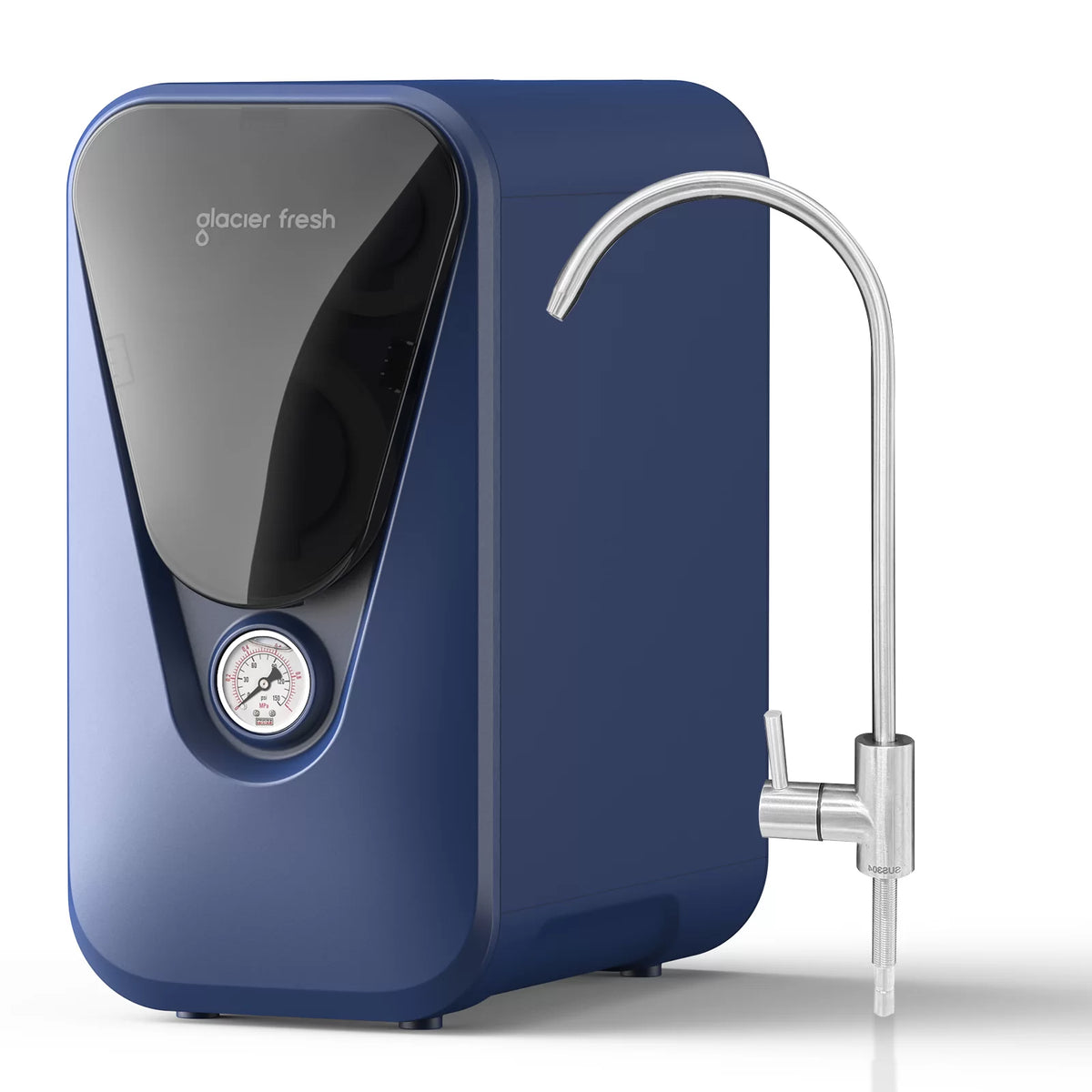
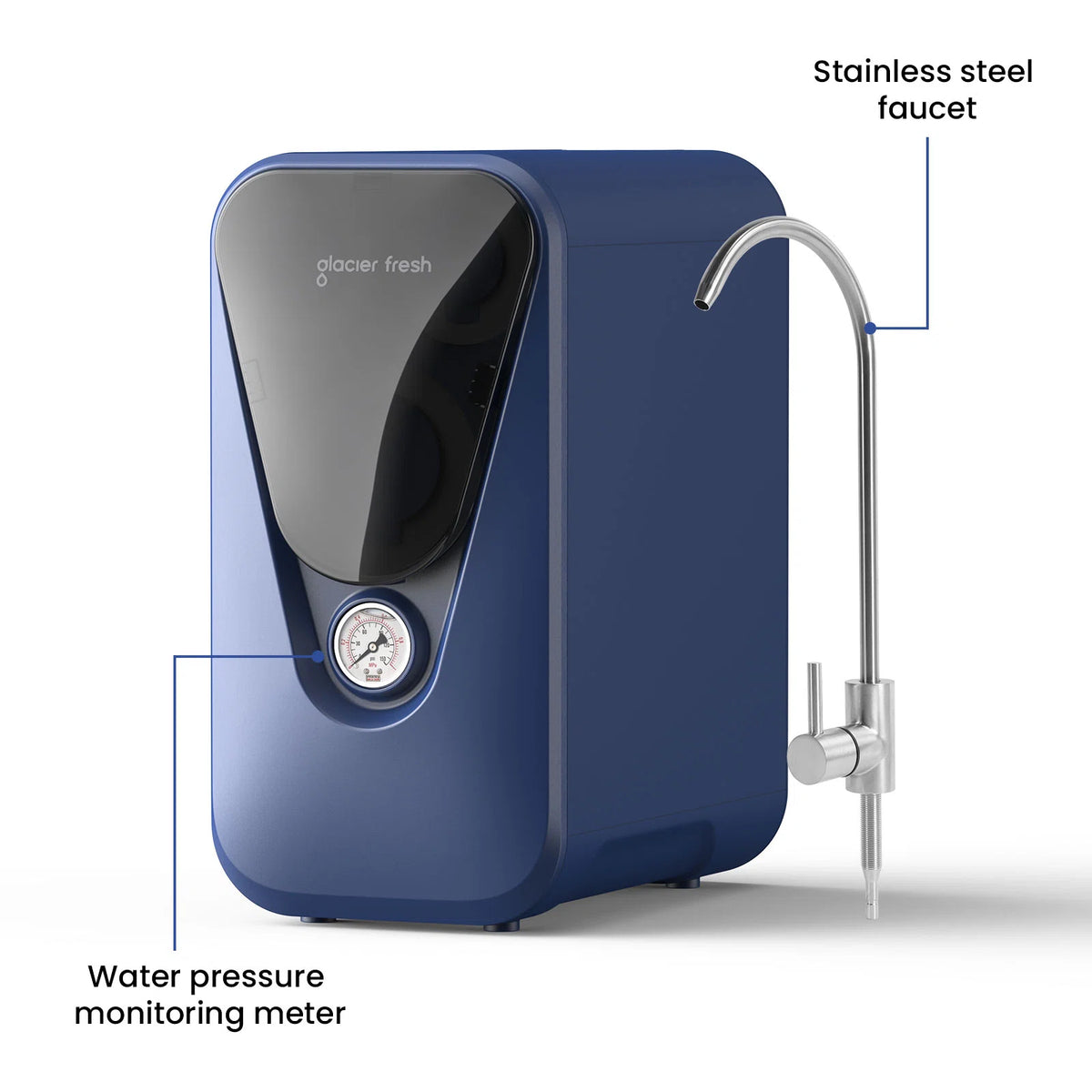
Reverse osmosis systems under sink are widely used for drinking water purification because they use a membrane filtration process designed to reduce many dissolved substances.
According to the National Sanitation Foundation (NSF), filtration systems should be evaluated based on their certified performance claims and the contaminants they are designed to reduce.
FAQs
Is filtered water better than bottled water?
Filtered water can be a better option for many households because it provides more control over water quality, reduces plastic waste, and can be more cost-effective for everyday drinking. However, the best choice depends on the filtration technology used and your household water conditions.
Is bottled water safer than filtered water?
Not necessarily. Both bottled water and filtered water can be safe when properly treated. Safety depends on:
- water source
- treatment process
- quality control
A properly selected home filtration system can address specific water concerns based on household needs.
Can a water filter remove PFAS from drinking water?
Some filtration technologies can reduce PFAS. Reverse osmosis systems and certain activated carbon filters are commonly used for PFAS reduction. The effectiveness depends on:
- filter design
- certification
- maintenance
- contaminant level
Is a home water filter worth it?
For many households, a home water filter can be worth it because it provides:
- convenient access to drinking water
- reduced bottled water dependence
- customized filtration options
- potential long-term savings
The value depends on your water quality concerns and daily usage.
What is the best water filter for drinking water at home?
The best water filter depends on your water needs.
| Need | Recommended Filter |
|---|---|
| Better taste | Carbon filter |
| Advanced purification | Reverse osmosis |
| Well water | Multi-stage filtration |
| Countertop convenience | Countertop filtration system |
Conclusion
Filtered water and bottled water can both provide drinking water, but they serve different purposes.
Bottled water offers convenience and portability, while filtered water provides greater control over daily drinking water quality, cost, and sustainability.
For households looking for a long-term drinking water solution, choosing the right filtration system based on water conditions can be a more practical approach than relying on bottled water alone.
The best choice is not simply about choosing between a bottle and a filter — it is about choosing a water solution that fits your family’s needs.
References
- U.S. Environmental Protection Agency (EPA) — Drinking Water Quality Standards and Regulations https://www.epa.gov/wqs-tech
- U.S. Food and Drug Administration (FDA) — Bottled Water Regulations and Safety Information https://www.fda.gov/food/buy-store-serve-safe-food/fda-regulates-safety-bottled-water-beverages-including-flavored-water-and-nutrient-added-water
- Centers for Disease Control and Prevention (CDC) — Drinking Water and Household Water Treatment https://www.cdc.gov/global-water-sanitation-hygiene/about/about-household-water-treatment.html
- World Health Organization (WHO) — Guidelines for Drinking-water Quality https://www.who.int/teams/environment-climate-change-and-health/water-sanitation-and-health/water-safety-and-quality/drinking-water-quality-guidelines
- National Sanitation Foundation (NSF) — Drinking Water Treatment Standards https://www.nsf.org/consumer-resources/articles/standards-water-treatment-systems