
Table of Contents:
How drinking water types are classified?
The main types of water you should know
How water types affect water quality?
Which type of water is best for daily drinking?
How to choose the right water filter based on water type?
FAQs
Conclusion
There are many different types of drinking water available today, including tap water, filtered water, spring water, mineral water, distilled water, alkaline water, and more.
But what actually makes these water types different? These water types are not only defined by their names — they differ based on:
- Water source
- Treatment or filtration process
- Mineral content and composition
According to the U.S. Environmental Protection Agency (EPA), public drinking water systems in the U.S. are regulated to meet safety standards, but water quality can still vary depending on local infrastructure and household conditions.
In this guide, we will explain the main types of water, how they compare, and how to choose the best drinking water for your home.
How drinking water types are classified?
 Drinking water can generally be classified into three categories:
| Category | Examples | Main Difference |
|---|---|---|
| Natural water | Spring water, mineral water, well water | Comes from natural sources |
| Treated water | Filtered water, purified water, distilled water | Processed to improve water quality |
| Municipal water | Tap water, treated tap water | Water commonly used at home |
In general, drinking water is classified based on either its source or its treatment process.
Natural water is defined mainly by its source, while treated water is defined by the purification process used. Importantly, natural does not always mean safer, and treated does not mean unhealthy. Water quality depends on the source, treatment method, and potential contaminants.
The main types of water you should know
1: Tap water
 Tap water is the most common type of drinking water for households. It usually comes from:
- Surface water (such as rivers, lakes, and reservoirs)
- Groundwater sources
After collection, municipal water systems typically treat water through processes such as filtration and disinfection before delivering it to homes. Common treatment steps include:
| Treatment Method | Purpose |
|---|---|
| Filtration | Removes particles and sediments |
| Disinfection | Controls bacteria and microorganisms |
| Chlorination or chloramination | Helps maintain safety during distribution |
Although tap water is regulated, many homeowners still have concerns about:
- Chlorine taste and odor
- Aging pipes and lead exposure
- PFAS (“forever chemicals”)
- Microplastics
- Hard water minerals
For households that want to improve taste or reduce certain impurities, additional home filtration can provide an extra layer of treatment.
2: Filtered water
Filtered water is water that has passed through a filtration system designed to reduce unwanted substances and improve water quality. In many homes, filtered water starts as tap water and is treated through technologies such as:
- Activated carbon filtration
- Reverse osmosis (RO)
- Ultrafiltration (UF)
Here are common types of water filtration:
| Filtration Type | How It Works | Commonly Used For |
|---|---|---|
| Activated carbon filtration | Uses carbon media to trap certain chemicals and improve taste | Chlorine, odor, taste improvement |
| Reverse osmosis filtration | Uses a semi-permeable membrane to remove dissolved substances | Dissolved solids, many contaminants |
| Ultrafiltration | Uses a fine membrane to block larger particles | Sediment and microorganisms |
For families looking for daily drinking water at home, filtered water is often considered a practical balance among convenience, cost, and water quality.
3: Purified water
 Purified water refers to water that has been treated to remove impurities and meet a high level of purity. Unlike spring water or mineral water, which are mainly defined by their natural source, purified water is defined by its treatment process. Common purification methods include:
| Method | Description |
|---|---|
| Reverse osmosis | Removes many dissolved substances through membrane filtration |
| Distillation | Removes impurities through evaporation and condensation |
| Deionization | Removes dissolved mineral ions |
A key point: Purified water is a category based on treatment, not a specific water source. For example, water can start as tap water and become purified water after advanced treatment.
4: Spring water
Spring water comes from underground sources where water naturally flows to the surface. Because it comes from natural sources, spring water may contain naturally occurring minerals. Typical characteristics:
- Natural origin
- Minimal processing
- Variable mineral content
5: Mineral water
 Mineral water is natural water that contains minerals and trace elements from its source. Common minerals include:
| Mineral | Potential Role |
|---|---|
| Calcium | Important dietary mineral |
| Magnesium | Supports normal body functions |
| Potassium | Essential electrolyte |
The mineral profile varies depending on where the water comes from.
6: Distilled water
Distilled water is produced through a purification process called distillation, where water is:
- Heated into steam
- Condensed back into liquid form
- Collected while leaving most impurities behind
Key characteristics of distilled water
| Feature | Description |
|---|---|
| Mineral content | Very low to nearly zero |
| Purity level | High in terms of dissolved solids removal |
| Taste | Often described as “flat” |
According to the World Health Organization (WHO), demineralized or low-mineral water is not considered harmful for short-term consumption, but long-term intake may not provide beneficial minerals typically found in drinking water.
For most households, distilled water is used more for technical or appliance purposes rather than daily hydration.
7: Alkaline water
 Alkaline water is water that has a higher pH level than regular drinking water, typically above pH 7. It can be produced through:
- Natural mineral sources
- Artificial mineral addition
- Electrolysis (ionization process)
Key characteristics of alkaline water
| Feature | Description |
|---|---|
| pH level | Higher than neutral water |
| Mineral content | Often contains calcium, magnesium, potassium |
| Common claims | “Balancing body acidity” |
The U.S. National Institutes of Health (NIH) and other health authorities like Mayo clinic and Harvard Health note that while alkaline water may have some effects on stomach acid, there is limited evidence supporting broad health claims such as disease prevention or systemic pH changes in the body.
In general:
- The human body tightly regulates blood pH
- Dietary water has a limited impact on systemic pH
8: Sparkling water
Sparkling water is water that contains dissolved carbon dioxide gas, which creates bubbles. It can be:
- Naturally carbonated from mineral springs
- Artificially carbonated during processing
Sparkling water vs still water:
| Sparkling Water | Still Water | |
|---|---|---|
| Carbonation | Yes | No |
| Taste | Fizzy, acidic sensation | Neutral |
| Usage | Beverage alternative | Daily hydration |
According to general guidance from public health institutions such as the Centers for Disease Control and Prevention (CDC), sparkling water can be part of a healthy hydration routine as long as it does not contain added sugars or excessive additives.
9: Well water
Well water comes from underground aquifers and is typically accessed through private wells rather than municipal systems. It is commonly used in rural areas or homes outside city water infrastructure.
Unlike municipal tap water, private well water is not always regulated by federal standards, so regular testing is recommended.
How water types affect water quality?
Different types of water not only differ in name — they differ in what they remove or retain.
And instead of focusing only on categories, it is more important to understand how each water type impacts water quality.
| Water Type | Source | Treatment Level | Contaminant Reduction | Key Water Quality Characteristics |
|---|---|---|---|---|
| Tap water | Municipal / groundwater | Basic disinfection | Low–moderate | May contain chlorine, trace contaminants |
| Filtered water (carbon) | Tap water | Basic filtration | Moderate | Improves taste, reduces chlorine & odor |
| Reverse osmosis (RO) water | Tap water | Advanced membrane filtration | High | Removes PFAS, heavy metals, dissolved solids |
| Purified water | Various sources | Multi-stage treatment | High | Broad impurity removal, consistent quality |
| Spring water | Natural underground | Minimal treatment | Low | Natural minerals, variable quality |
| Mineral water | Natural underground | Minimal treatment | Low | Stable mineral composition |
| Distilled water | Any source | Distillation | Very high | Nearly zero dissolved minerals |
| Alkaline water | Various | Mineral adjustment / ionization | Low–moderate | Higher pH, added minerals |
| Well water | Groundwater | Variable (often none) | Variable | Depends heavily on local geology |
| Sparkling water | Natural / treated | Carbonation | Low | CO₂ added, acidic taste profile |
According to the Centers for Disease Control and Prevention (CDC), drinking water quality depends not only on its source but also on the effectiveness of treatment processes used to remove contaminants.
Which type of water is best for daily drinking?
There is no universal “best” water type. Instead of choosing water by type, it is more practical to choose water based on your household needs and water quality concerns.
| Scenario / Need | Best Water Type | Why It Works |
|---|---|---|
| Better taste & odor | Carbon filtered water | Reduces chlorine and improves flavor |
| Reduce contaminants (PFAS, heavy metals) | Reverse osmosis (RO) water | Removes dissolved solids and contaminants |
| Babies / children | Filtered or RO water | More controlled water quality |
| Well water households | Multi-stage filtered water | Handles bacteria, iron, and sediment |
| Hard water areas | Softened water | Reduces scaling and improves appliances |
| General convenience | Tap water | Readily available and regulated |
| Travel / RV use | Portable filtered water | Ensures water safety on the go |
| Mineral preference | Spring / mineral water | Natural mineral content |
How to choose the right water filter based on water type?
 Choosing a water filter is not only about water type — it is about solving specific water quality problems in your home.
✔ Step 1: Identify your water source & main concern
| Water Situation | Common Problem | What You Need |
|---|---|---|
| Tap water | Chlorine, taste issues | Carbon filtration |
| Tap water + contamination concern | PFAS, heavy metals | Reverse osmosis system |
| Well water | Bacteria, iron, sediment | Multi-stage + UV system |
| Hard water | Scale buildup | Water softener + filtration |
| RV / travel water | Unstable water source | Portable filtration |
✔ Step 2: Match filtration technology
1. Carbon filtration systems
Best for:
- Improving taste
- Removing chlorine
Typical use:
- Municipal tap water
2. Reverse osmosis (RO) systems
Best for:
- PFAS reduction
- Heavy metals
- Dissolved solids
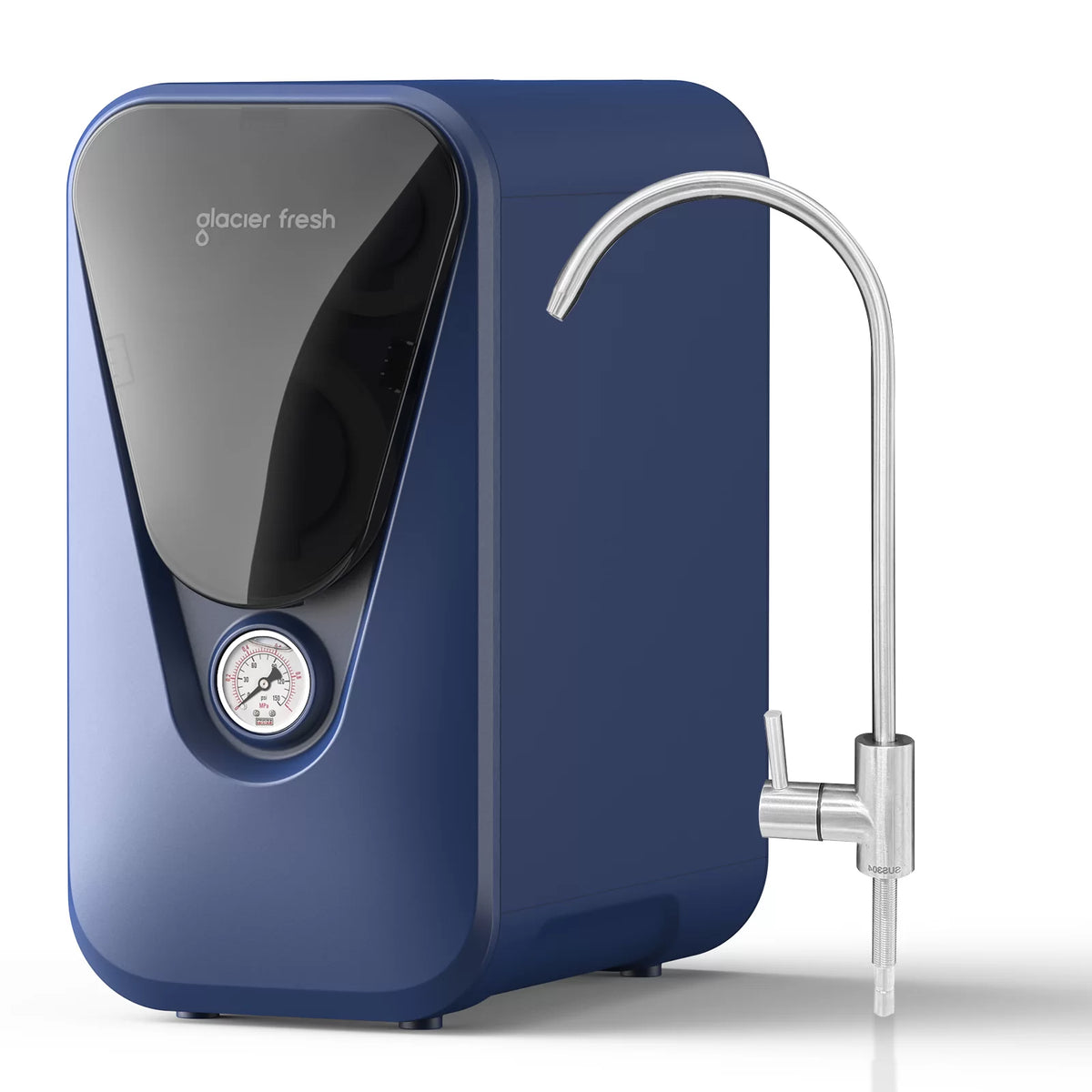
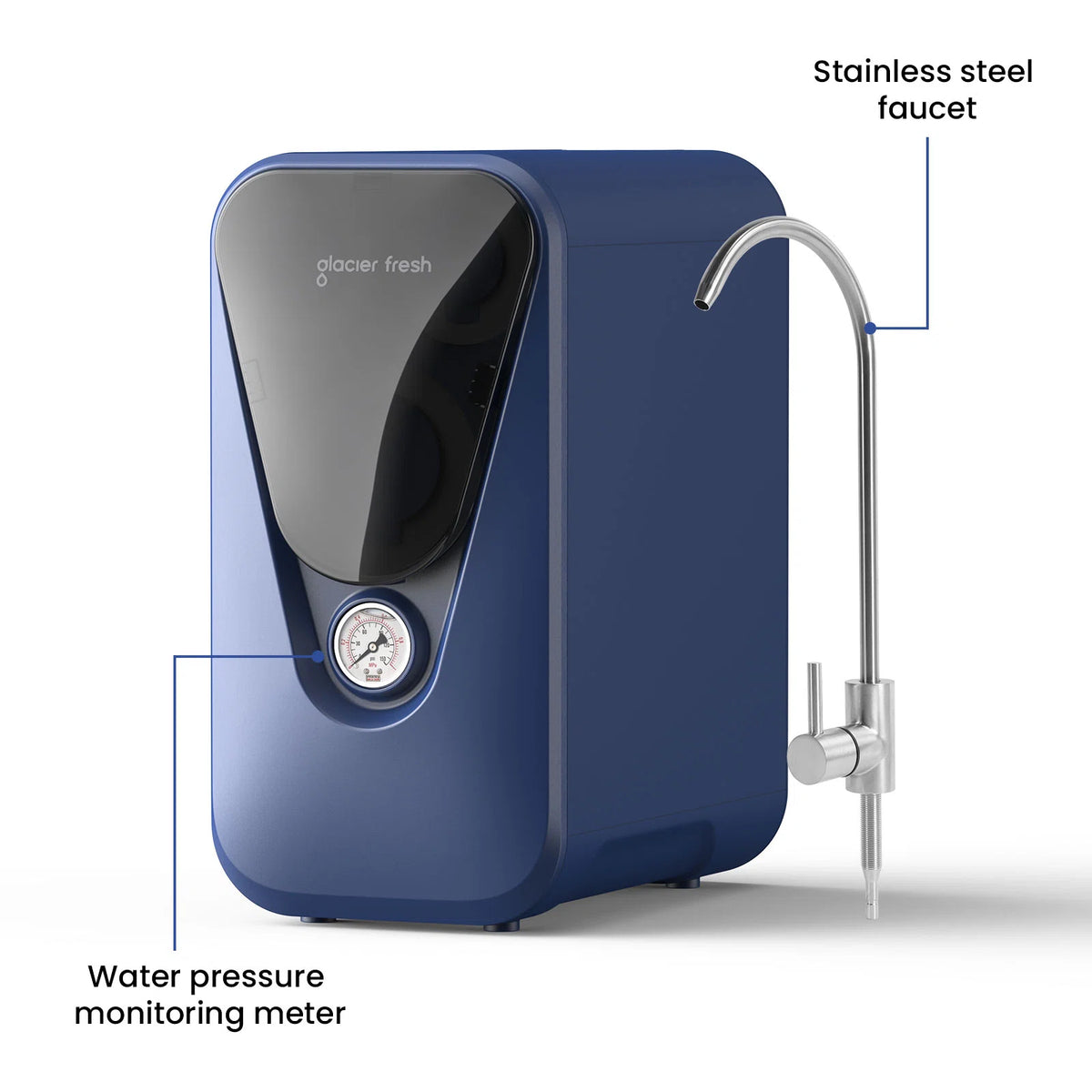
👉 Reverse osmosis system under sink is the most comprehensive drinking water solution for households
3. Multi-stage filtration systems
Best for:
- Well water
- Complex contamination
Includes:
- sediment filter
- carbon filter
- UV disinfection
4. Water softeners + filtration
Best for:
- Hard water areas
Benefits:
- reduces scale buildup
- improves appliance lifespan
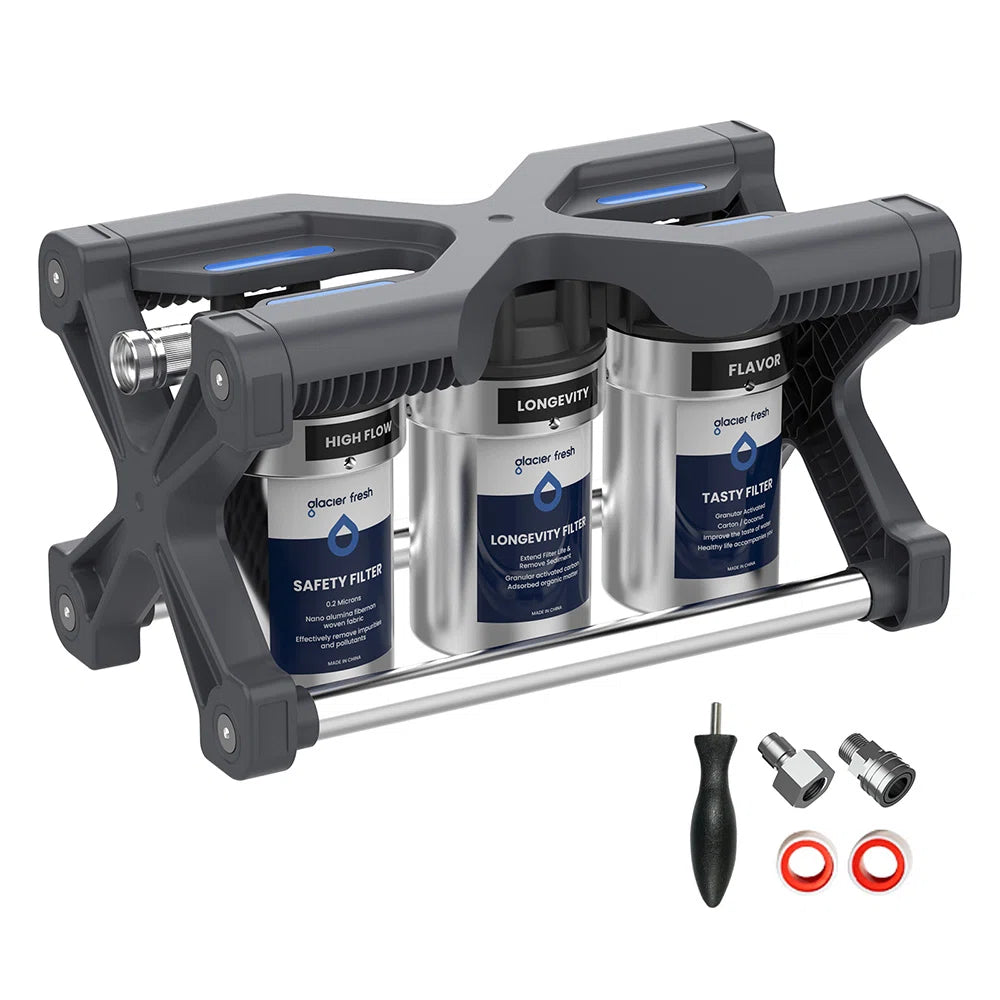
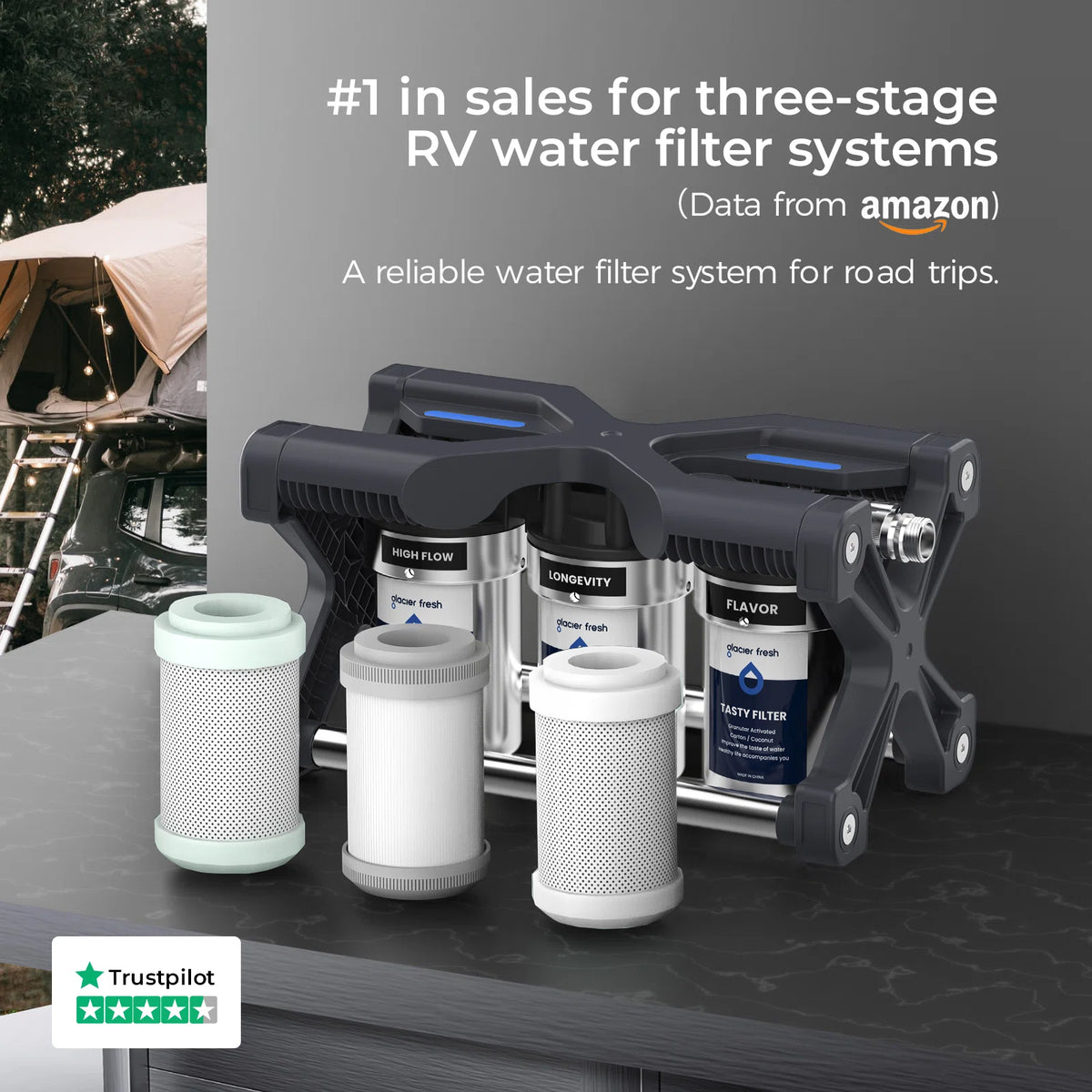
5. Portable / RV filtration systems
Best for:
- Travel
- Outdoor use
- RV water systems
✔ Step 3: Choose based on household use case
| Household Type | Recommended System |
|---|---|
| Urban apartment | Carbon or RO system |
| Family home | RO system (best balance) |
| Well water home | Multi-stage system |
| RV / travel | Portable filter |
| Hard water area | Softener + RO combo |
Water filtration is most effective when chosen based on water quality problems rather than water type labels, since the same water type can have different contamination risks depending on location.
FAQs
What are the healthiest types of water?
There is no single “healthiest” type. It depends on source quality, treatment, and individual needs.
Is filtered water better than bottled water?
Filtered water often provides better long-term cost efficiency and customization, while bottled water offers portability.
Is reverse osmosis water safe to drink?
Yes. RO water is widely considered safe and is used globally for drinking water purification.
What type of water removes PFAS?
Reverse osmosis and activated carbon filtration are commonly used to reduce PFAS levels, depending on system design.
What type of water is best for families?
Many families prefer filtered water due to its balance of safety, taste, and cost efficiency.
What is the difference between purified water and filtered water?
Filtered water is a broad term for water passed through a filter. Purified water refers to water treated to remove most impurities using advanced processes such as RO or distillation.
Conclusion
Understanding different types of water is not just about memorizing categories — it is about understanding how water is sourced, treated, and how it fits into your daily life.
Whether it is tap water, filtered water, spring water, or purified water, each type serves a different purpose. For many households, the most practical solution is not choosing a “perfect” water type, but selecting a system that ensures consistent water quality at home.
References
- U.S. Environmental Protection Agency (EPA) – Drinking Water Standards & Regulations https://www.health.harvard.edu/healthy-aging-and-longevity/is-alkaline-water-better
- World Health Organization (WHO) – Guidelines for Drinking-water Quality https://www.who.int/teams/environment-climate-change-and-health/water-sanitation-and-health/water-safety-and-quality/drinking-water-quality-guidelines
- Centers for Disease Control and Prevention (CDC) – Drinking Water Information https://www.cdc.gov/drinking-water/
- U.S. National Institutes of Health (NIH) – Water and health-related research summaries https://pmc.ncbi.nlm.nih.gov/articles/PMC2908954/
- Mayo Clinic – Alkaline water: Better than plain water? https://www.mayoclinic.org/healthy-lifestyle/nutrition-and-healthy-eating/expert-answers/alkaline-water/faq-20058029
- Harvard Health Publishing – Is alkaline water better?? https://www.health.harvard.edu/healthy-aging-and-longevity/is-alkaline-water-better