
Table of Contents:
What happens when you wash a car with hard water?
How hard water slowly damages your vehicle`s finish?
Why professional detailers prefer soft water?
How a soft water car system solves the problem?
Choosing the right soft water system for home car washing
Is a soft water car wash system worth it?
FAQs
Conclusion
You spend an hour washing your car. The paint looks glossy, the windows sparkle, and the vehicle appears showroom-ready. But by the time it dries, white spots begin to appear across the hood, streaks cover the windows, and the finish no longer looks as impressive as it did minutes earlier. If this sounds familiar, the problem may not be your car shampoo, wash technique, or drying towel. The real culprit could be the water itself.
Across many parts of the United States and Europe, hard water contains high concentrations of minerals such as calcium and magnesium. While these minerals are harmless for most household uses, they can be surprisingly damaging to vehicle finishes over time. Repeated exposure to hard water can leave mineral deposits, create stubborn water spots on car surfaces, and even contribute to permanent clear coat damage.
This is why professional detailers, car enthusiasts, and increasingly homeowners are turning to soft water car wash systems to achieve cleaner results and better paint protection.
In this guide, we'll explain how hard water affects your vehicle, why it can damage paint over time, and how a modern soft water car wash system can help solve the problem.
What happens when you wash a car with hard water?

Hard water is water that contains elevated levels of dissolved minerals, primarily calcium and magnesium. These minerals naturally enter groundwater as it passes through rock formations and soil.
According to the United States Geological Survey, hard water is common throughout large portions of North America. States such as Arizona, Texas, California, Nevada, and Florida often have moderate to very hard water. Similar conditions exist in parts of the United Kingdom, Germany, Spain, and other European countries.
Water hardness is typically measured in parts per million (ppm):
|
Water Type |
Hardness Level |
|---|---|
| Soft Water | 0–60 ppm |
| Moderately Hard Water | 61–120 ppm |
| Hard Water | 121–180 ppm |
| Very Hard Water | 180+ ppm |
In many hard water regions, residential tap water can exceed 200 ppm. During a typical hard water car wash, water evaporates after rinsing, but the minerals remain behind. These mineral residues settle on paint, glass, trim, and wheels. As the water dries, visible spotting begins to appear. Initially, these spots may seem like a minor cosmetic annoyance. However, repeated exposure can gradually lead to more serious issues.
How hard water slowly damages your vehicle`s finish?
Many drivers assume water spots are temporary and harmless. In reality, hard water can create a chain reaction that affects your vehicle's appearance and paint condition over time.
Water spots begin to form
The first sign of trouble is usually visible spotting. When hard water evaporates, dissolved minerals remain on the surface. These deposits create the white or cloudy marks commonly known as water spots on car paint. Dark-colored vehicles often reveal these spots most clearly because the contrast makes mineral residue easier to see.
Minerals deposits build up
One wash may leave only minor spotting, but repeated washing with hard water can cause mineral accumulation. Over weeks and months, calcium and magnesium deposits become increasingly difficult to remove. These deposits bond to paint surfaces, glass, chrome trim, and wheels.
This is when hard water stains on car paint begin to develop. Unlike ordinary dirt, mineral deposits cannot always be removed with standard washing. They often require specialized cleaners, clay bars, or polishing treatments.
Clear coat etching begins
The real concern starts when minerals remain on the vehicle for extended periods. Heat from sunlight accelerates evaporation and can effectively "bake" minerals into the clear coat. Over time, these deposits may begin to etch microscopic imperfections into the paint's protective layer. Once etching occurs, simple washing is no longer enough to restore the finish.
Long-term paint damage
Left untreated, hard water exposure may contribute to:
- Dull paint appearance
- Reduced gloss and shine
- Increased oxidation
- Premature clear coat wear
- More frequent polishing and paint correction
For owners of luxury vehicles, ceramic-coated cars, and dark-colored paint finishes, these effects can become especially noticeable. What begins as a few harmless-looking spots can eventually become a costly maintenance issue.
Why professional detailers prefer soft water?
 Professional detailers understand that water quality plays a major role in achieving high-quality results. In fact, many detailing shops invest heavily in filtration equipment because they know even the best products cannot overcome poor water quality. One of the primary reasons professionals use soft water for car detailing is consistency.
Compare to the effects of hard water, here are several advantages of soft water:
- Reduced water spotting
- Cleaner rinsing
- Less mineral residue
- Improved drying performance
- Better visibility on glass surfaces
- Reduced need for corrective polishing
When detailers perform paint correction, ceramic coating installation, or premium maintenance washes, they aim to eliminate variables that can affect the final result.
Hard water is one of those variables. This is also why many professional detailing facilities strive to create a spot free car wash environment using softened or purified water systems. For businesses, fewer water spots mean:
- Less rework
- Faster service times
- Higher customer satisfaction
For vehicle owners, it means better-looking paint and reduced maintenance costs.
How a soft water car system solves the problem?
The most effective way to reduce hard water-related paint issues is to address the water itself before it reaches the vehicle. A soft water car wash system is specifically designed to reduce hardness minerals that cause spotting and residue.
How softening technology works
Most systems use ion exchange technology. As water passes through a specialized car wash resin filter, calcium and magnesium ions are exchanged for sodium ions. This process significantly reduces water hardness and lowers the concentration of minerals that cause spotting. The result is softer water that rinses cleaner and leaves fewer deposits behind.
Why resin filtration matters
The heart of many softening systems is the car wash resin filter. High-quality resin media can dramatically reduce hardness levels, helping transform water from 150–300 ppm into significantly softer water that is more suitable for vehicle washing. This reduction in mineral content helps:
- Minimize spotting
- Reduce residue buildup
- Protect clear coats
- Improve drying performance
- Enhance detailing results
The role of a car wash water filter
Many people assume all filtration systems are the same, but there is a significant difference between basic hose filters and dedicated softening systems. A standard car wash water filter may remove:
- Sediment
- Rust particles
- Chlorine
However, many basic filters do little to reduce hardness minerals. A dedicated soft water car wash system combines filtration with hardness reduction technology, making it far more effective for preventing mineral-related paint issues.
Achieving a spot-free finish
Because softened water contains fewer minerals, it leaves behind significantly less residue during drying. This helps vehicle owners achieve the cleaner appearance associated with a professional spot free car wash.
While no system can guarantee perfection under every condition, soft water greatly reduces one of the primary causes of water spotting.
Choosing the right soft water system for home car washing
 As awareness of hard water issues grows, more consumers are investing in their own home car wash system. The right solution depends on how and where you wash your vehicle.
Portable soft water systems
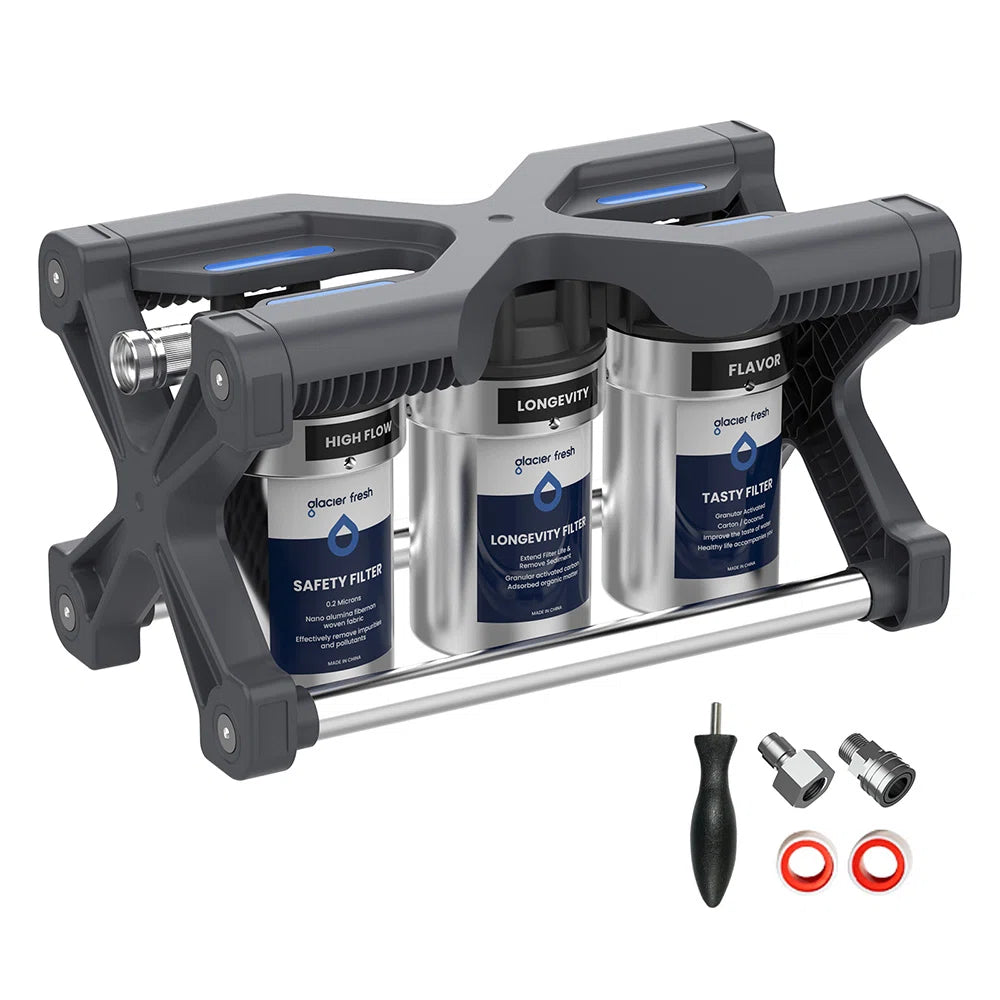
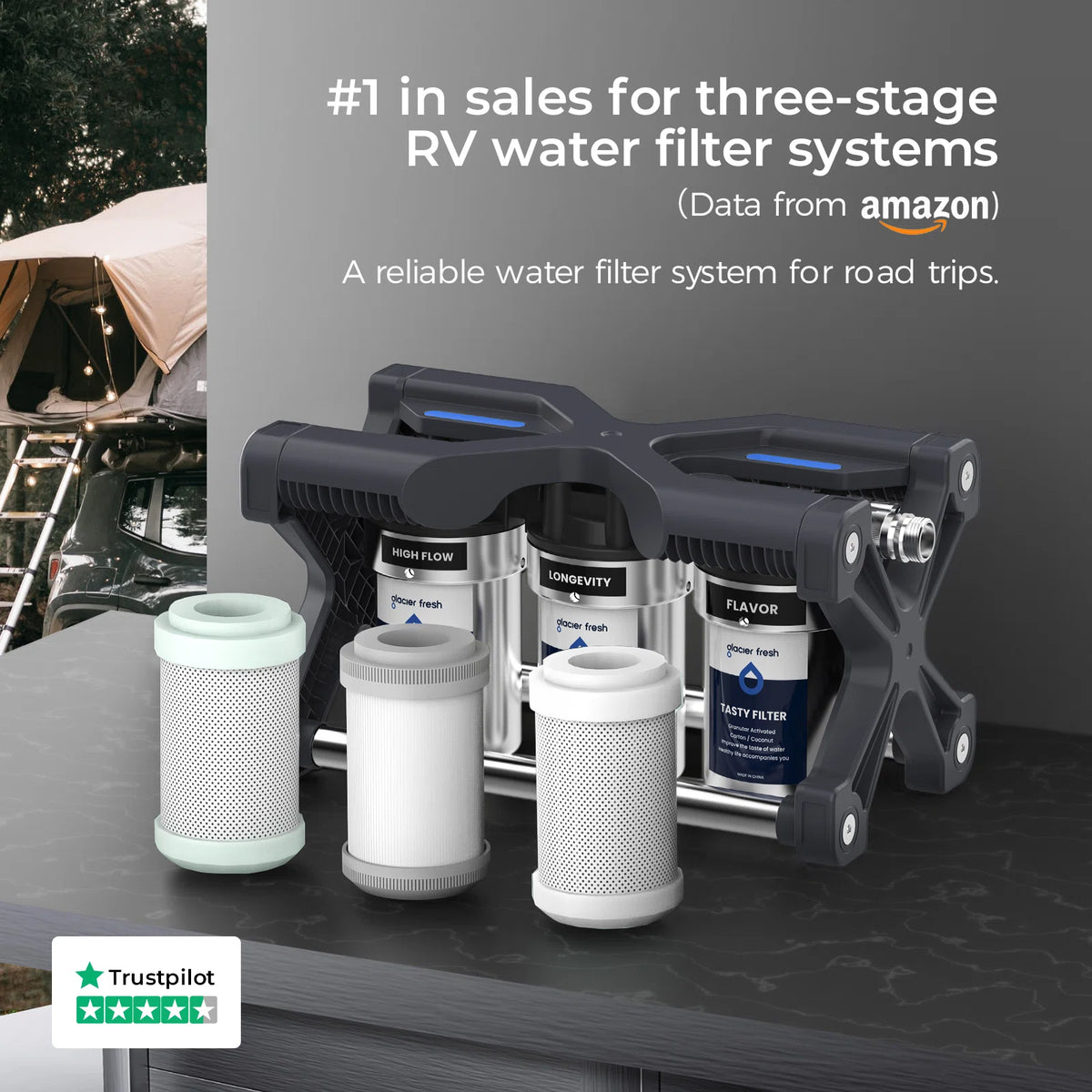
A portable car wash softener is one of the most versatile options available. These systems are particularly useful for:
- Driveway washing
- Mobile detailing
- RV cleaning
- Boat washing
- Outdoor equipment cleaning
Portable units are designed for easy transport while still providing meaningful hardness reduction. For enthusiasts who regularly wash vehicles at home, a portable system can offer a convenient balance between performance and flexibility.
Home car wash systems
A dedicated home car wash system can provide long-term benefits for households located in hard water regions. When evaluating options, consider:
- Resin capacity: Higher-capacity resin systems generally process more water before regeneration or replacement is needed.
- Flow rate: Adequate flow ensures efficient rinsing without slowing down the washing process.
- Monitoring features: Advanced systems may include TDS displays, hardness monitoring, digital performance indicators and smart connectivity.
- Water efficiency: Efficient systems reduce waste while maintaining strong washing performance.
- Portability: If you plan to wash multiple vehicles or use the system in different locations, a portable car wash softener may be the better choice.
For many homeowners, the ideal solution combines portability, effective mineral reduction, and easy maintenance.
Is a soft water car wash system worth it?
For drivers living in hard water areas, the answer is often yes. Consider the long-term costs associated with hard water exposure:
|
Hard Water Washing |
Soft Water Washing |
|---|---|
| Frequent water spots | Reduced spotting |
| Mineral buildup | Cleaner surfaces |
| More polishing | Less correction needed |
| Higher maintenance costs | Lower maintenance costs |
| Increased paint wear | Better paint protection |
A quality soft water car wash system can help reduce many of these issues while improving the overall washing experience. The benefits are especially valuable for:
- Luxury vehicle owners
- Ceramic-coated vehicles
- Mobile detailers
- RV owners
- Automotive enthusiasts
- Homeowners in hard water regions
As vehicle finishes become more advanced and detailing costs continue to rise, protecting paint during routine washing is becoming increasingly important.
FAQs
Can hard water permanently damage car paint?
Yes. Over time, mineral deposits can etch into a vehicle's clear coat, creating damage that may require polishing or paint correction to remove.
Why do water spots appear after washing my car?
Water spots occur when water evaporates and leaves minerals behind. Hard water contains higher concentrations of calcium and magnesium, making spotting more likely.
What hardness level is ideal for a spot-free car wash?
Many detailing professionals aim for water hardness levels below 30 ppm to minimize mineral spotting and improve drying performance.
Can a car wash water filter remove hard water?
Some filters remove sediment and chlorine but do not reduce hardness. A dedicated soft water car wash system is generally more effective for hardness reduction.
Are portable car wash softeners worth it?
For users living in hard water regions, a portable car wash softener can significantly improve washing results and reduce water spotting.
Conclusion
Many vehicle owners focus on soaps, waxes, and drying tools when trying to improve their washing results. Yet one of the most important factors is often overlooked: water quality.
A hard water car wash can leave behind mineral deposits that create water spots on car surfaces, contribute to hard water stains on car paint, and gradually reduce the appearance of your vehicle over time.
Professional detailers have long understood that controlling water quality is essential for achieving superior results. That's why many rely on soft water for car detailing and advanced filtration technologies to minimize spotting and protect paint finishes.
Whether you're maintaining a daily driver, a ceramic-coated vehicle, an RV, or a show car, investing in a reliable soft water car wash system can help preserve your vehicle's appearance, reduce maintenance effort, and bring you one step closer to the clean, polished finish associated with a professional spot free car wash.
References
-
United States Geological Survey — Water Hardness and Mineral Content in U.S. Water Supplies.
https://www.usgs.gov/water-science-school/science/hardness-water -
NSF — NSF/ANSI 44 Standards for Residential Water Softeners.
https://www.nsf.org/knowledge-library/nsf-ansi-44-technical-requirements -
International Carwash Association — Best Practices for Professional Car Washing and Water Quality Management.
Microsoft Word - 1Water Effluent Report 2002 Cover.doc -
Environmental Protection Agency — Drinking Water Quality and Water Treatment Resources.
https://www.epa.gov/ground-water-and-drinking-water/drinking-water-technologies