
Table of Contents:
Why Do People Think Energy Drinks Cause Dehydration?
What Does Science Say about Caffeine and Hydration?
When Do Energy Drinks Actually Increase Dehydration Risk?
Can Celsius, Red Bull and Monster Cause Dehydration?
Energy Drinks Vs. Water: Which Is Better for Hydration?
How Better-Tasting Water Helps Break Energy Drink Dependency
How to Tell If You're Dehydrated
How to Stay Fully Hydrated If You Drink Energy Drinks Daily
Final Verdict
FAQs
Many people assume that energy drinks automatically cause dehydration. After all, they contain caffeine, and caffeine is often described as a diuretic. But is that actually true?
In this guide, we'll examine what science says about energy drinks and dehydration, when dehydration risks may increase, and how to stay properly hydrated if you consume caffeinated beverages.
Why Do People Think Energy Drinks Cause Dehydration?
 The belief that energy drinks cause dehydration largely comes from caffeine's reputation as a diuretic.
A diuretic is a substance that increases urine production. Because caffeine can stimulate the kidneys and slightly increase urination, many people assume that caffeinated beverages automatically dehydrate the body.
However, hydration is more complex than simply measuring how often you urinate. When you drink an energy drink, you're also consuming a significant amount of fluid. In many cases, the fluid provided by the beverage offsets the mild increase in urine production caused by caffeine.
This misunderstanding has led to one of the most persistent myths surrounding energy drinks and hydration.
What Does Science Say about Caffeine and Hydration?
Research reviewed through the National Institutes of Health (NIH) has found that regular caffeine consumers develop a tolerance to caffeine's mild diuretic effects. As a result, moderate caffeine intake generally does not negatively affect overall hydration status.
The U.S. Food and Drug Administration (FDA) also notes that up to 400 milligrams of caffeine per day is generally considered safe for most healthy adults.
According to clinical studies evaluating the Beverage Hydration Index (BHI), energy drinks retain slightly less fluid in the body than water or electrolyte solutions, but they still act as net positive fluid contributors under ordinary conditions.
Measures how much fluid a drink retains in the body relative to still water (Baseline = 1.0):
- Water: 1.0
- Oral Rehydration: 1.3 - 1.5
- Coffee / Tea: 0.95 - 0.98
- Energy Drinks: 0.90 - 0.95
When Do Energy Drinks Actually Increase Dehydration Risk?

While energy drinks like Celsius do not automatically cause dehydration, there are situations where they may contribute to fluid loss or make hydration more challenging.
1. During intense exercise
Physical activity increases sweat production, which leads to fluid loss. If you're relying on energy drinks while exercising but not drinking enough water, dehydration may occur—especially during prolonged workouts.
2. In hot weather
High temperatures increase sweat loss and raise your body's hydration requirements. Consuming energy drinks without increasing water intake may make it harder to maintain proper hydration during hot summer months.
3. When consuming multiple energy drinks
The risk increases when people consume several energy drinks in a short period. Higher caffeine intake can lead to increased urination, elevated heart rate, or greater fluid needs. This is particularly relevant for beverages containing 150–300 mg of caffeine per serving.
4. When mixed with alcohol
Combining alcohol and energy drinks creates a different situation. Alcohol is a stronger diuretic than caffeine and is well known for increasing dehydration risk. Mixing alcohol with energy drinks may mask feelings of fatigue while increasing overall fluid loss.
Can Celsius, Red Bull and Monster Cause Dehydration?
Different energy drinks contain different amounts of caffeine, which can influence hydration concerns.
Energy drink comparison
|
Energy Drink |
Typical Caffeine Content |
Dehydration Risk* |
|---|---|---|
| Celsius (12 oz) | 200 mg | Low to Moderate |
| Monster Original (16 oz) | 160 mg | Low to Moderate |
| Red Bull Original (8.4 oz) | 80 mg | Low |
| Coffee (8 oz) | 95 mg | Low |
*When consumed in moderation by healthy adults.
It's important to understand that the brands like Celsius and Red Bull are not the main factor. Hydration status depends more on:
- Total caffeine intake
- Water consumption
- Physical activity level
- Environmental conditions
- Individual caffeine tolerance
For example, a person who drinks a can of Celsius and several bottles of water may be better hydrated than someone who drinks only water but loses significant fluids through intense exercise.
Energy Drinks Vs. Water: Which Is Better for Hydration?
 If hydration is your primary goal, water remains the clear winner.
Hydration comparison
|
Beverage |
Hydration Effectiveness |
Primary Purpose |
|---|---|---|
| Water | Excellent | Hydration |
| Electrolyte Drinks | Very Good | Fluid and electrolyte replacement |
| Energy Drinks | Moderate | Energy and alertness |
| Coffee | Moderate | Stimulation |
| Soft Drinks | Moderate | Refreshment |
Water has several advantages:
- No calories
- No caffeine
- No added sugar
- Supports normal body functions
Energy drinks can contribute to fluid intake, but they were designed to increase alertness and energy—not to optimize hydration. For athletes, outdoor workers, and physically active individuals, water should remain the primary hydration source throughout the day.
How Better-Tasting Water Helps Break Energy Drink Dependency
Most people reach for energy drinks not just for caffeine, but because plain tap water tastes flat, metallic, or chemically treated with chlorine.
If you don't like drinking water because it tastes bad, improving the water quality at home might help you break your reliance on energy drinks and make you enjoy drinking water. Here are 2 ways to upgrade the quality and taste of the water in your home:
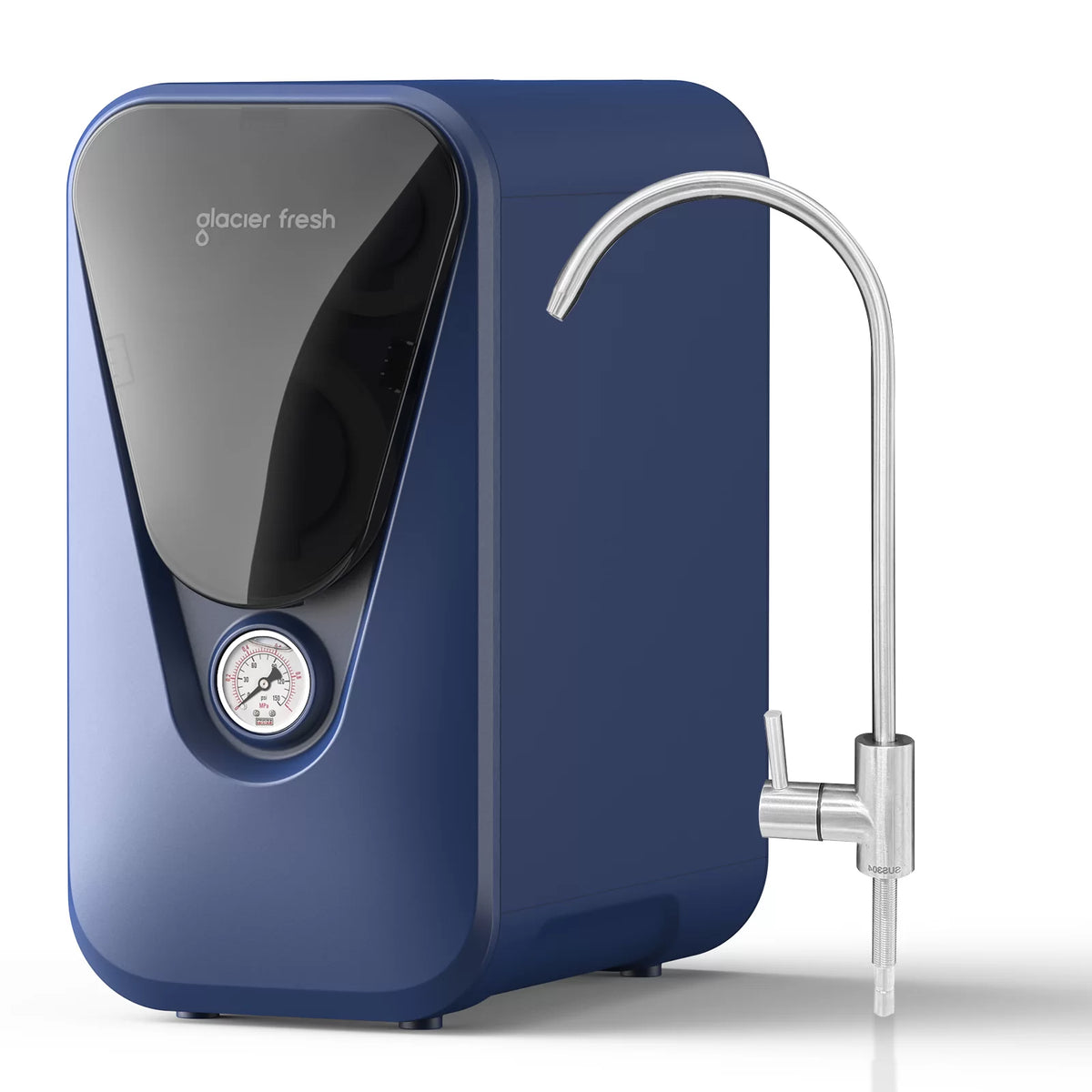
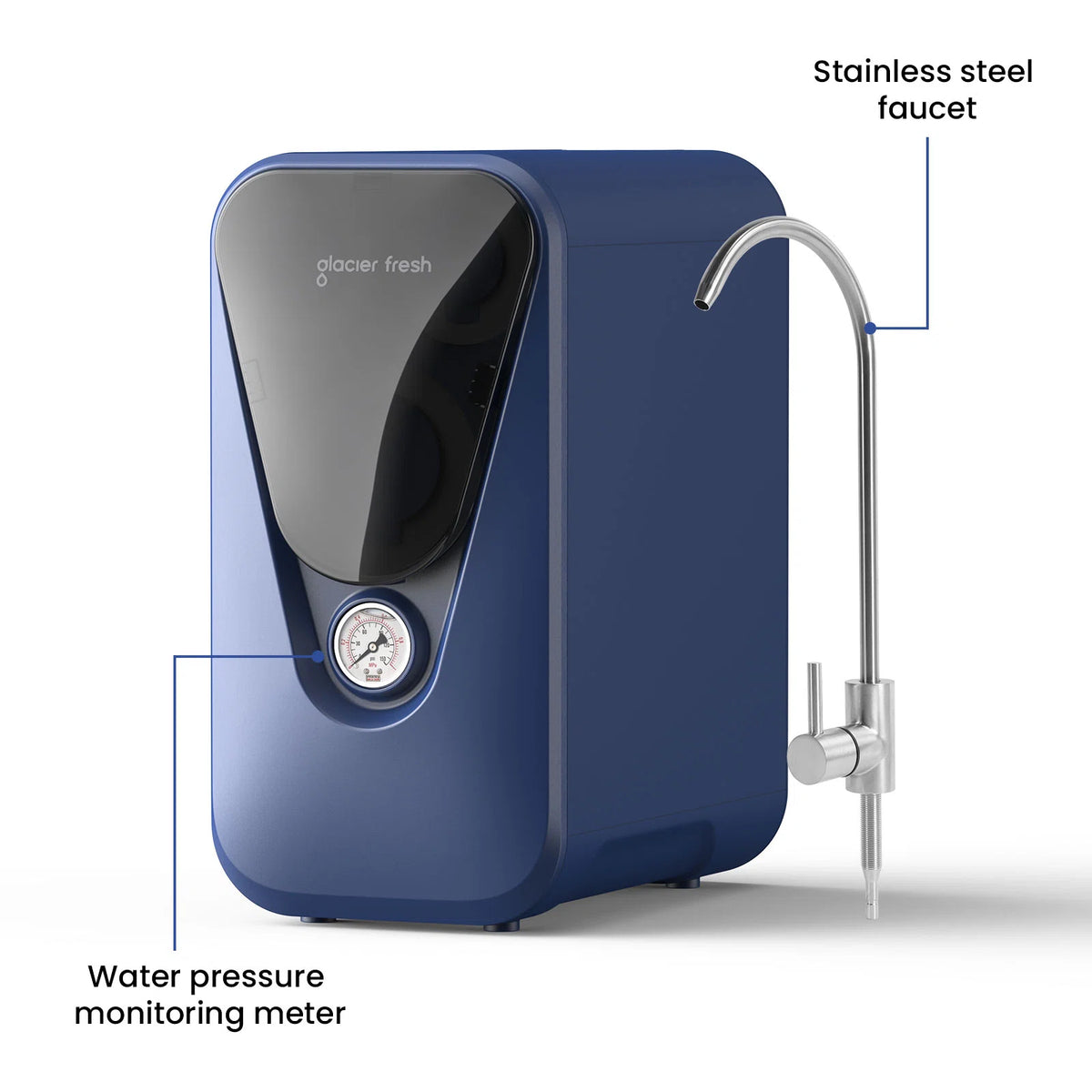
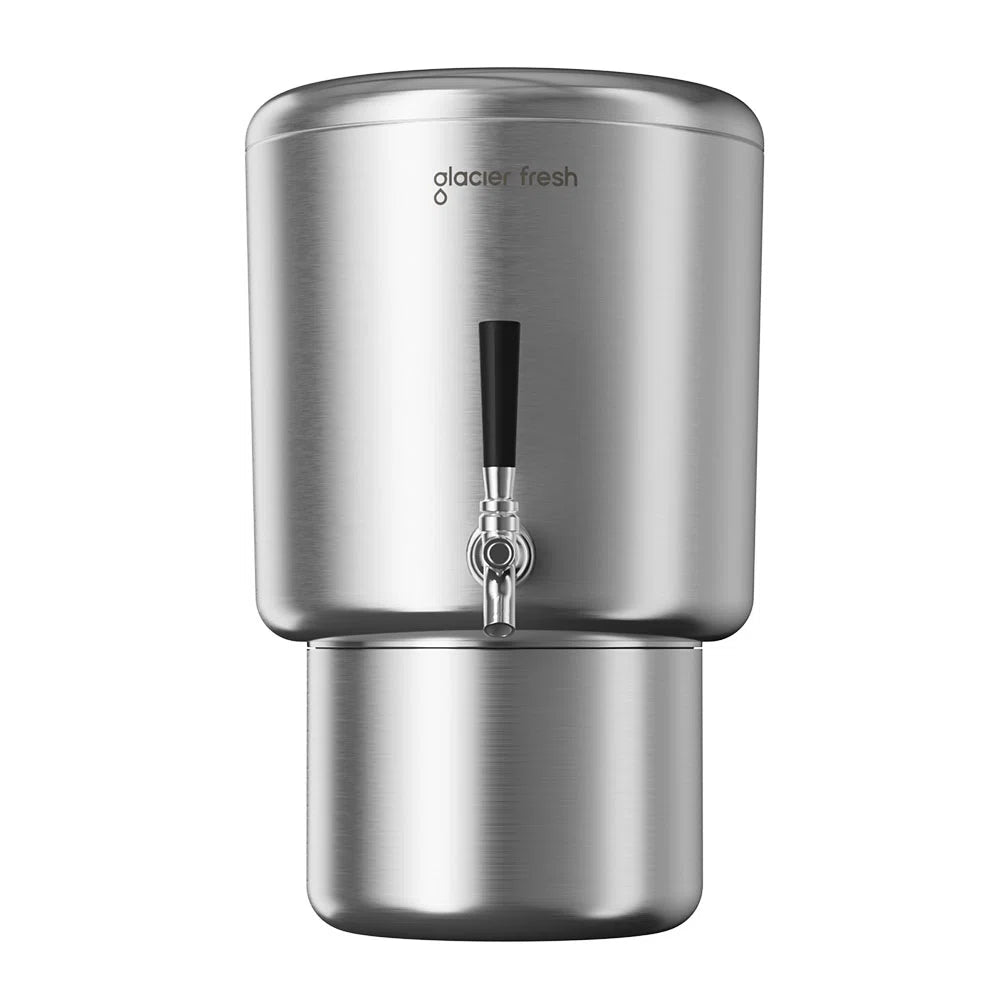
- Eliminate Chemical Taste: Utilizing advanced filtration—such as a Glacier Fresh U03 RO System—removes up to 99% of chlorine, microplastics, and heavy metals, transforming standard tap water into crisp, refreshing hydration.
- DIY Healthy Energy Water: Replace canned energy drinks by infusing cold, filtered water with fresh lemon, mint, or a splash of coconut water for natural electrolytes without the heavy caffeine crash or high sugar content.
How to Tell If You're Dehydrated
Regardless of whether you consume energy drinks, recognizing dehydration symptoms is important.
Common signs of dehydration
|
Symptom |
What It May Indicate |
|---|---|
| Thirst | Early dehydration |
| Dry mouth | Reduced fluid levels |
| Dark yellow urine | Concentrated urine |
| Headache | Possible dehydration |
| Fatigue | Reduced fluid balance |
| Dizziness | Moderate dehydration |
| Reduced athletic performance | Fluid loss |
If symptoms become severe or persistent, medical attention may be necessary. And here are some common situations that you may feel at risk:
|
Situation |
Dehydration Risk |
|---|---|
| One energy drink with normal water intake | Low |
| Multiple energy drinks per day | Moderate |
| Energy drinks during intense exercise | Moderate |
| Energy drinks in extreme heat | Moderate to High |
| Energy drinks mixed with alcohol | High |
How to Stay Fully Hydrated If You Drink Energy Drinks Daily
 Enjoying an occasional energy drink does not mean you need to worry about dehydration. The key is maintaining healthy hydration habits.
- Drink water throughout the day: Water should remain your primary beverage, regardless of caffeine intake.
- Avoid relying on energy drinks for hydration: Energy drinks can support alertness, but they are not a substitute for water.
- Monitor total caffeine intake: According to the FDA, most healthy adults should aim to stay below approximately 400 mg of caffeine per day. Remember that caffeine may also come from coffee, tea, soft drinks, pre-workout supplements, and energy drinks.
- Increase fluid intake during exercise: If you're sweating heavily or spending time outdoors, your hydration needs increase significantly. Water and electrolyte-containing beverages may be more appropriate than energy drinks for replacing lost fluids.
Final Verdict
No, energy drinks are unlikely to cause significant dehydration in most healthy adults when consumed in moderation. While caffeine has a mild diuretic effect, current scientific evidence suggests that moderate caffeine intake does not result in fluid losses large enough to outweigh the fluids provided by the beverage itself.
FAQs
Can energy drinks make you pee more?
Yes. Caffeine can slightly increase urine production, but this effect is usually mild in regular caffeine consumers.
Q2: Do energy drinks count toward my daily fluid intake?
Yes. Caffeinated beverages do contribute to your total daily liquid intake, but they should not serve as your primary hydration source due to their caffeine and additive levels.
Why do I feel extra thirsty after drinking an energy drink?
This feeling is usually caused by high sugar content or artificial sweeteners. High sugar draws moisture from your mouth tissues and bloodstream, creating a sensation of dryness even if your body isn't severely dehydrated yet.
References
- U.S. Food & Drug Administration (FDA) – Spilling the Beans: How Much Caffeine is Too Much
https://www.fda.gov/consumers/consumer-updates/spilling-beans-how-much-caffeine-too-much - American Heart Association (AHA) – Added Sugars Recommendations
https://www.heart.org/en/healthy-living/healthy-eating/eat-smart/sugar/added-sugars - Mayo Clinic – Energy Drinks: Are They Safe?
https://newsnetwork.mayoclinic.org/discussion/mayo-clinic-q-and-a-are-energy-drinks-bad-for-your-health/ - National Library of Medicine (NIH) – Caffeine Intake and Dehydration
https://pmc.ncbi.nlm.nih.gov/articles/PMC3886980/ - Harvard T.H. Chan School of Public Health – Healthy Drinks and Hydration
https://hsph.harvard.edu/news/healthy-hydration-beverage-choices-and-cancer-risk/