
Table of Contents:
How Seasonal Camping Changes Your RV Water Quality
Common Contaminants Found in RV and Outdoor Water Sources
Backpacking Water Filtration vs RV Water Filtration
Reverse Osmosis Water Purifiers for RV and Home Use
Best Water Filtration Strategies for Different Camping Seasons
Simple Maintenance Habits That Improve RV Water Safety
Frequently Asked Qustions(FAQs)
Seasonal camping changes water conditions faster than most RV owners expect, especially during extreme heat, freezing nights, and muddy shoulder seasons. Backpacking water filtration systems and RV filtration setups both help reduce contamination risks when you can’t fully trust campground water quality.
How Seasonal Camping Changes Your RV Water Quality

Summer Heat Accelerates Bacteria and Biofilm Growth
Summer heat creates tough conditions for RV water storage. Your tanks may sit in direct sunlight for hours, and warm water encourages bacterial growth and biofilm buildup inside hoses and plumbing lines.
Standing water becomes another problem during longer trips. Chlorine residuals weaken over time, especially if your RV stays parked for several days. Once chlorine drops, bacteria and organic growth spread more easily inside the system.
Campground hoses can also introduce sediment and odors during hot weather. A lot of RV owners notice odd taste changes before they notice visible contamination.
The CDC reports millions of illnesses every year from germs in drinking water.
Cold Weather Can Damage RV Plumbing and Filters
Winter camping creates a completely different set of problems. Frozen water can crack pipes, filter housings, and membrane systems before you even realize it happened.
Low temperatures may also reduce filtration efficiency because water moves more slowly through filters during freezing conditions. After pipes thaw, sediment and mineral scale often break loose inside plumbing lines.
That’s one reason many winter travelers carry a secondary backpacking water purifier during off-grid trips. Portable systems give you backup access to safer water if campground hookups freeze or stop working.
Spring and Fall Bring Unpredictable Water Sources
Spring and fall campground water quality can change quickly.
Seasonal campground openings sometimes release stagnant water, sediment, or rust from inactive plumbing systems. Heavy rain and snowmelt also affect rural wells and freshwater refill stations.
These conditions increase reliance on portable backpacking filter systems during hiking, camping, and off-grid travel.
Common Contaminants Found in RV and Outdoor Water Sources
Sediment, Rust, and Heavy Metals
Many campground systems rely on older infrastructure. Rust particles, mineral sediment, and sand commonly enter RV plumbing through aging pipes and hydrants.
Lead contamination remains a concern in older plumbing systems across North America. RV tanks also collect buildup over time as sediment settles after repeated refills.
Carbon filters improve taste and odor, but they may not fully reduce dissolved contaminants or bacteria. This is why many RV owners combine sediment filtration with reverse osmosis systems.
PFAS and Chemical Contaminants
PFAS contamination awareness has increased significantly across North America. A USGS study found at least 45% of tap water samples contained one or more PFAS compounds.
Travelers cannot always verify how local campground water is treated. Smaller rural systems may use different treatment standards, especially in seasonal camping areas.
Reverse osmosis systems are commonly recommended for PFAS reduction because RO membranes remove a wider range of dissolved contaminants than standard carbon filters.
Bacteria and Parasites During Outdoor Adventures
Streams, lakes, and untreated campground supplies can contain bacteria, parasites, and protozoa.
This is where proper water purification for backpacking becomes important. Basic taste filters mainly reduce chlorine and sediment, while purification systems use finer membranes or chemical treatment to reduce microorganisms.
Many campers assume all portable filters work the same way. They don’t. Lightweight carbon filters that improve taste may not protect against bacteria in untreated freshwater.
Backpacking Water Filtration vs RV Water Filtration

What a Backpacking Filter Is Designed to Handle
A portable backpacking filter focuses on mobility and emergency access to cleaner water.
These systems are commonly used for:
-
Lightweight hiking and camping
-
Filtering river and lake water
-
Emergency preparedness
-
Quick filtration during outdoor travel
Portable filters prioritize compact size and fast filtration speed.
What RV Water Systems Need to Handle
RV filtration systems operate under heavier daily demand.
Unlike hiking filters, RV systems must handle larger water volumes, storage tanks, plumbing protection, and seasonal temperature stress. Sediment and hard water buildup can also damage water heaters and fixtures over time.
When Travelers Need Both Systems
Boondocking, national park travel, and extended off-grid camping often require both portable purification and RV filtration.
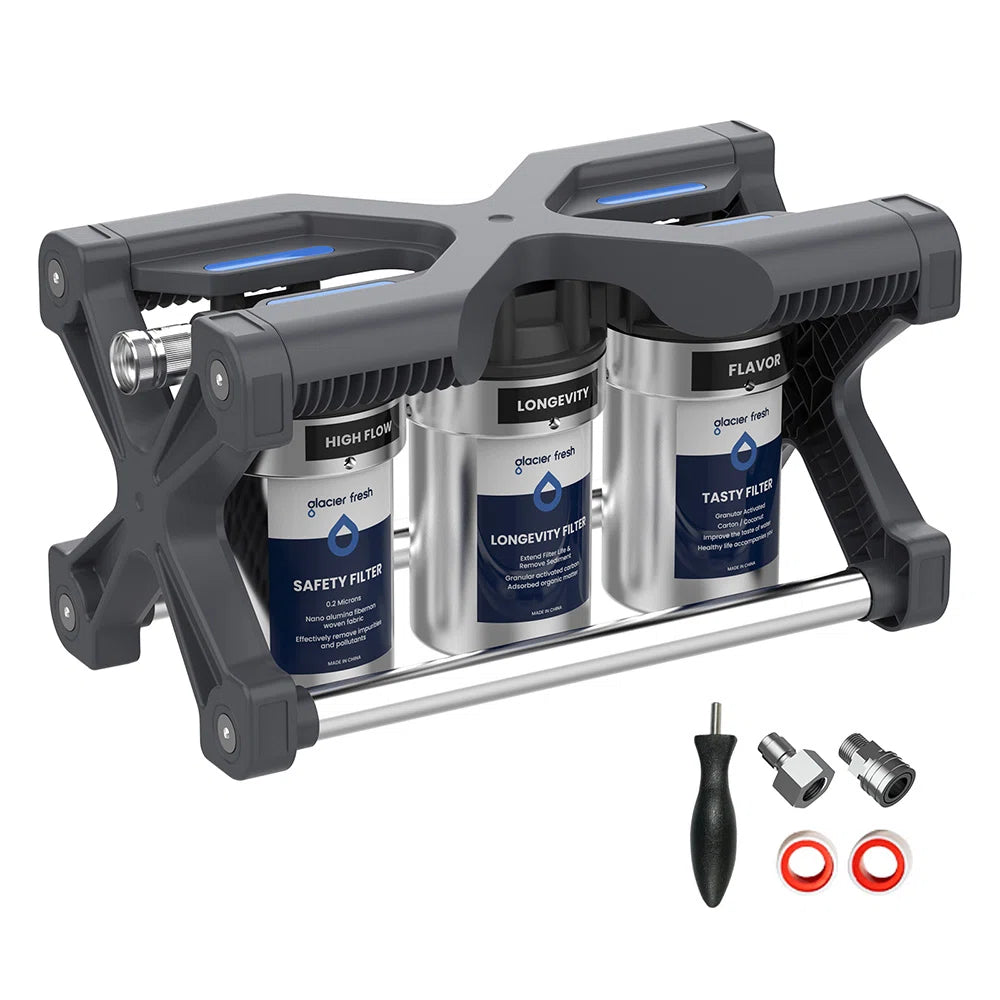
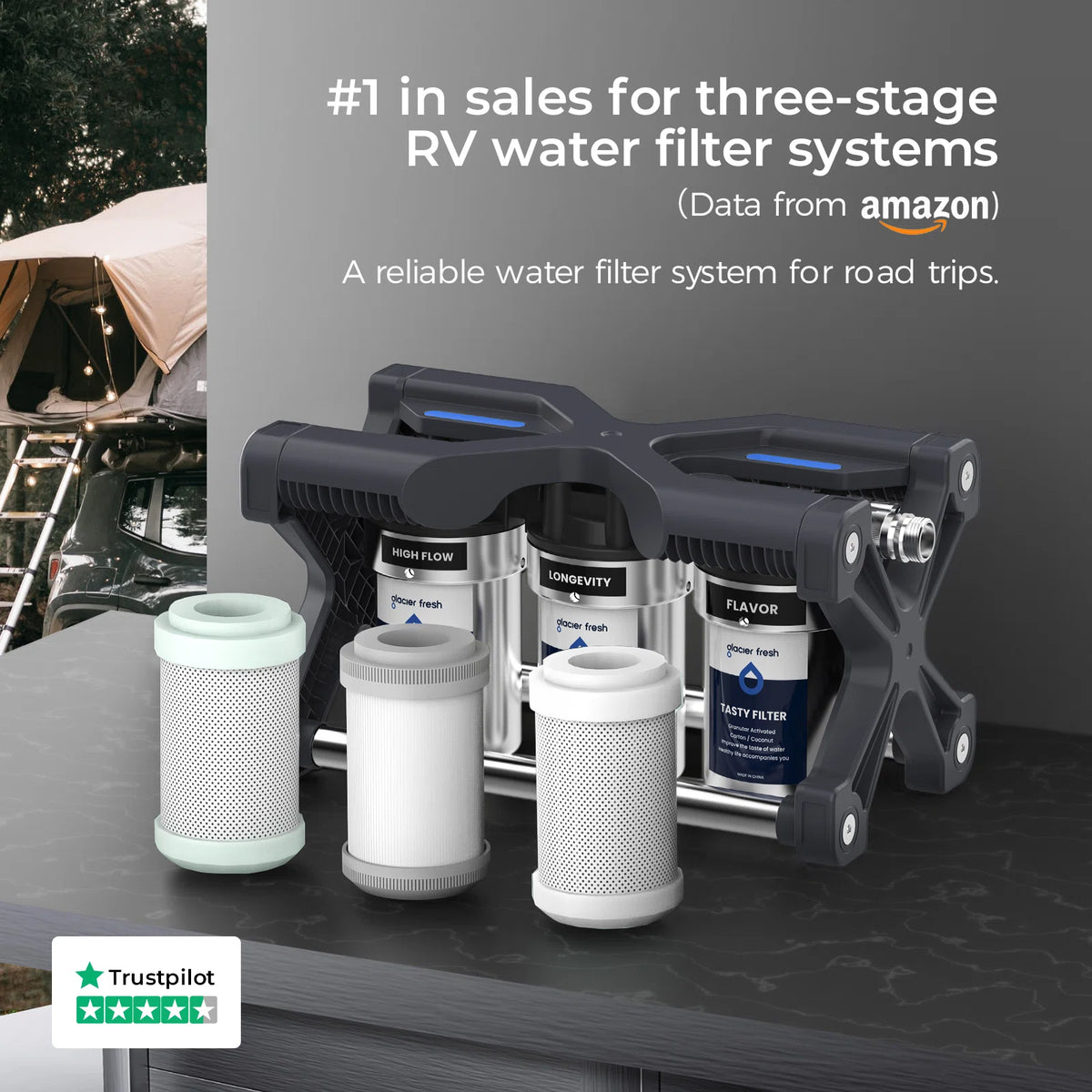
The GlacierFresh RV Reverse Osmosis System works well for RV owners who want portable RO-level filtration during extended travel. Its compact design and simple setup support off-grid use while helping reduce PFAS, chlorine, heavy metals, bacteria, and sediment.
Reverse Osmosis Water Purifiers for RV and Home Use
Reverse osmosis systems vary depending on installation style, flow rate, and intended use.
What Are the Main Differences Between Various Reverse Osmosis Systems?
Tankless RO systems save space and reduce stagnant water storage, while traditional systems use storage tanks.
Electric systems usually provide faster flow rates. Non-electric systems continue operating during outages as long as water pressure remains available.
|
Tankless RO |
Traditional RO |
|
|
Space usage |
Compact |
Larger footprint |
|
Water storage |
On-demand |
Storage tank |
|
Maintenance |
Fewer stagnant water concerns |
More components |
|
Electricity |
Sometimes required |
Often optional |
How Do I Choose the Best Reverse Osmosis Water Filter for My Home?
The best system depends on your water quality goals, household size, and installation space.
Families concerned about lead, PFAS, or aging plumbing usually prioritize stronger contaminant reduction. Compact kitchens and RV setups often benefit from tankless systems.
NSF/ANSI certifications also help verify filtration performance and safety standards.
Can You Recommend the Best Reverse Osmosis System for Under Sink Installation?
Several systems stand out for different reasons.
|
System |
Best For |
Key Advantage |
|
APEC ROES-50 |
Budget-conscious families |
Reliable traditional RO |
|
Waterdrop G3P800 |
High flow performance |
Tankless fast filtration |
|
GlacierFresh U03 |
Compact non-electric use |
Easy DIY installation |
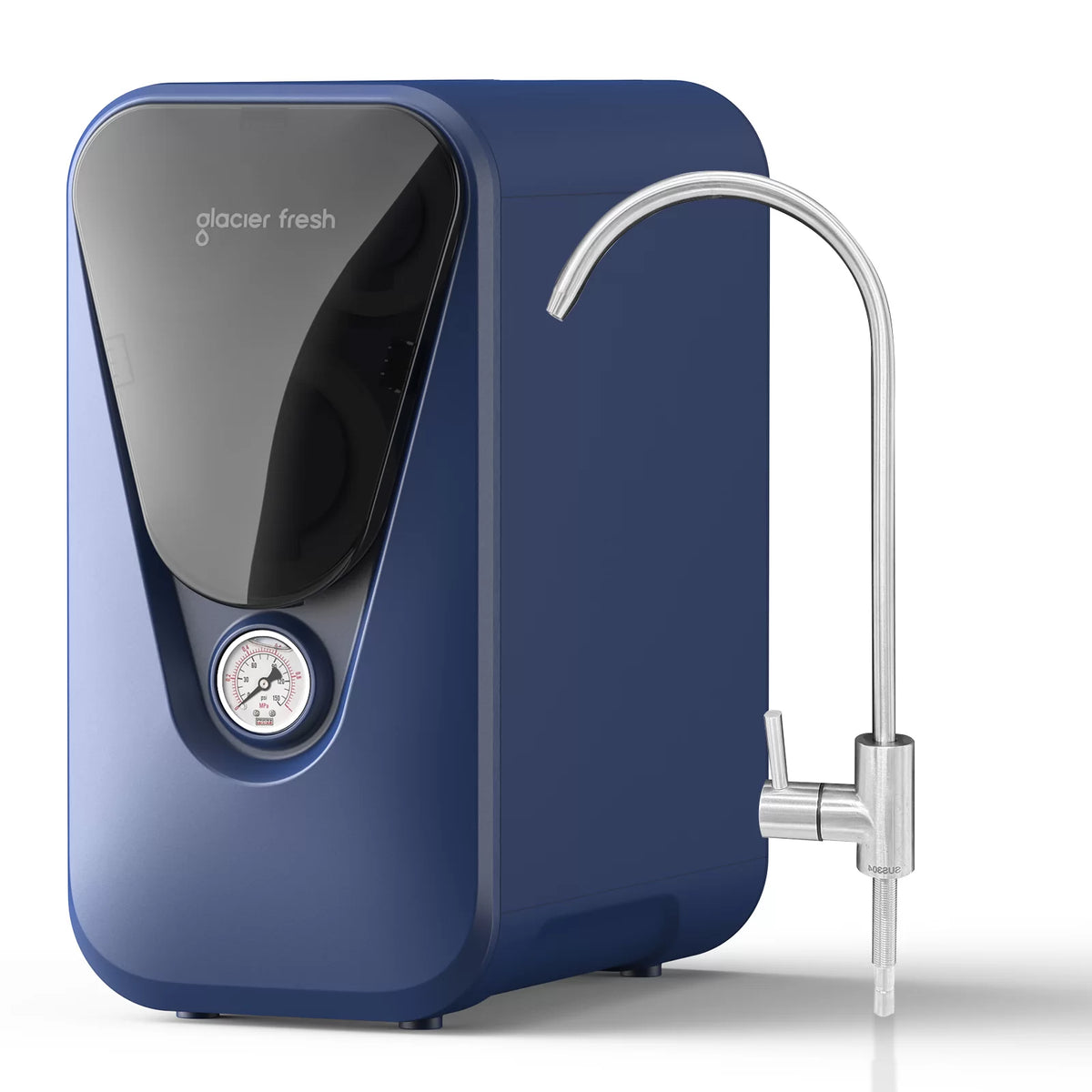
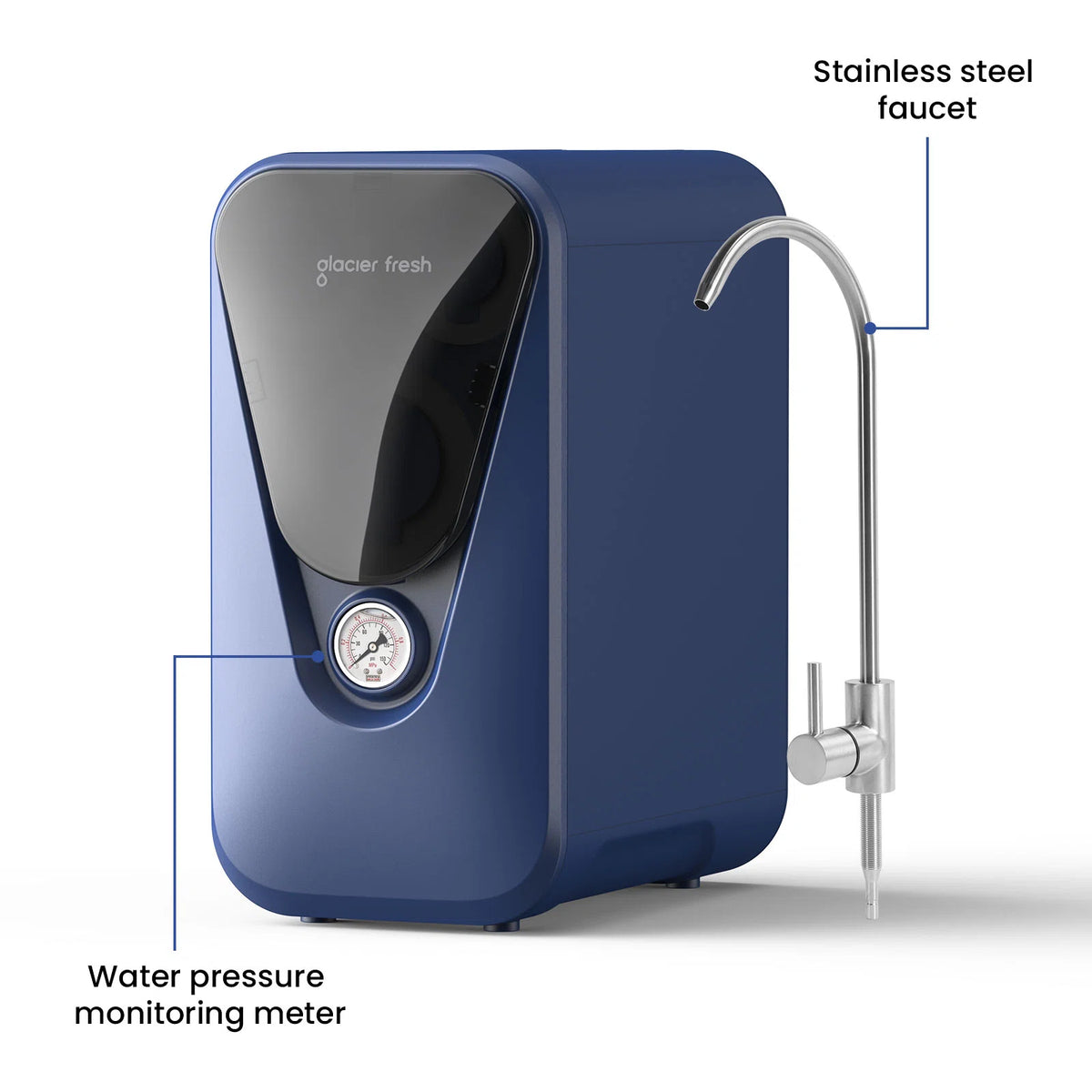
The GlacierFresh U03 Reverse Osmosis System fits well for homeowners who want non-electric operation, easier installation, and compact filtration. It helps reduce lead, chlorine, PFAS, heavy metals, and microplastics while remaining suitable for apartments and smaller kitchens.
Best Water Filtration Strategies for Different Camping Seasons
Seasonal conditions change how often filtration systems require maintenance.
Summer RV Trips
Summer travel increases bacterial growth and chlorine loss inside tanks and hoses.
Filters may clog faster during peak campground season because higher sediment loads move through shared hookups. Replacing filters slightly earlier during summer often improves performance.
Winter Camping and Freezing Conditions
Winter RV travelers should store spare filters indoors whenever possible.
Frozen housings crack easily during freeze-thaw cycles. Insulated hoses help reduce freezing risks, and RO membranes require protection from ice expansion.
Shoulder Season Camping
Spring and fall camping often involve muddy runoff and inconsistent campground maintenance.
Layered filtration works best during these periods. Many travelers combine sediment filters with carbon filtration and portable backpacking water purifier systems.
Simple Maintenance Habits That Improve RV Water Safety

Consistent maintenance prevents many common RV water quality problems.
Several habits make a noticeable difference:
-
Sanitize RV tanks seasonally
-
Replace filters on schedule
-
Flush hoses before campground hookup
-
Avoid storing water too long in hot weather
-
Monitor changes in taste and odor
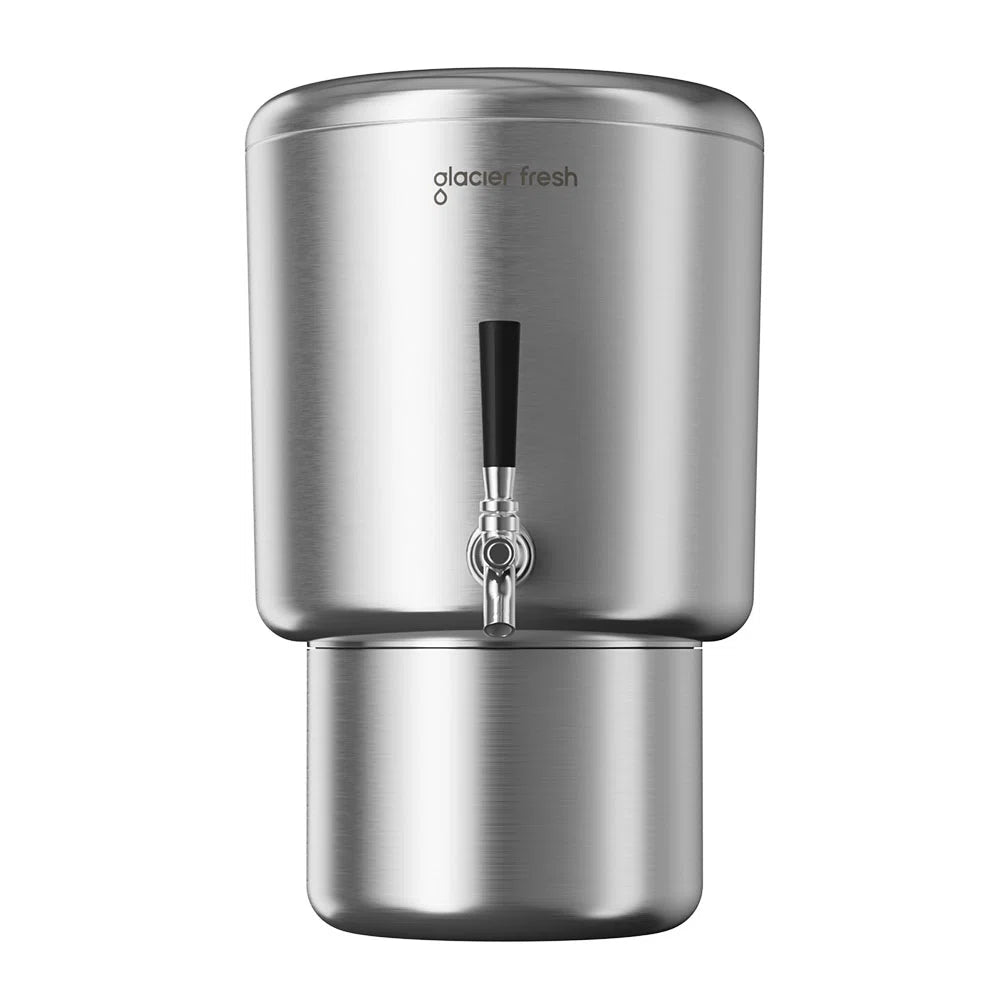
For temporary setups, outages, or campground stays, the GlacierFresh 2.25G Countertop Water Filter System works well because it requires no plumbing or electricity. Its gravity-fed stainless steel design makes it practical for RV travel and emergency use.
Explore more water filtration solutions for RV travel, camping, and home use at GlacierFresh.
Frequently Asked Questions (FAQs)
Is RV water safe to drink directly from campground hookups?
Sometimes, but water quality varies significantly between campgrounds. Older infrastructure, sediment, bacteria, and chemical contaminants can affect safety and taste.
Does a backpacking filter remove bacteria?
Some do, but not all. Basic carbon filters mainly improve taste and reduce sediment. A true backpacking water purifier uses finer filtration or purification technology to reduce microorganisms.
Can reverse osmosis systems reduce PFAS?
Yes. The EPA states that certified reverse osmosis systems can significantly reduce PFAS contamination in drinking water.
How often should RV water filters be replaced?
Replacement schedules vary by filter type and water quality, but many RV filters require replacement every 3 to 6 months during active travel seasons.
What is the difference between filtration and purification?
Filtration usually targets sediment, chlorine, and taste issues. Purification systems are designed to reduce microorganisms like bacteria, viruses, and parasites in addition to physical contaminants.
References
-
Centers for Disease Control and Prevention (CDC). Drinking Water Facts and Statistics. https://www.cdc.gov/drinking-water/data-research/facts-stats/index.html
-
U.S. Geological Survey (USGS). Tap Water Study Detects PFAS “Forever Chemicals” Across U.S. https://www.usgs.gov/news/national-news-release/tap-water-study-detects-pfas-forever-chemicals-across-us
-
Environmental Protection Agency (EPA). Identifying Drinking Water Filters Certified to Reduce PFAS. https://www.epa.gov/water-research/identifying-drinking-water-filters-certified-reduce-pfas
-
ANSI Blog. NSF/ANSI Drinking Water Treatment Standards. https://blog.ansi.org/ansi/nsf-ansi-drinking-water-treatment-standards/