


Table of Contents:
What Is a Reverse Osmosis Water Filter System?
Reverse Osmosis Water Filters vs Other Filtration Methods
Reverse Osmosis Water Filtration Systems: How They Work
Reverse Osmosis Water and RO Systems: What’s Available in 2026
Best Reverse Osmosis Water Filter Systems in 2026
Best Reverse Osmosis Water Filter System Buying Criteria
Why Reverse Osmosis Filter Under Sink Is the Most Popular Choice
Reverse Osmosis 1000 GPD and High-Capacity Systems: Who Needs Them?
RO Water Filters and Purification Systems: Maintenance and Lifespan
FAQs
Conclusion
If you turn on your kitchen tap, you want the water to be safe. Most of the time, municipal treatment does a solid job. Still, federal testing updates continue to show that contaminants like PFAS (per- and polyfluoroalkyl substances), heavy metals, and even microbes can make it through distribution systems and into household plumbing.
That’s why many families are installing a reverse osmosis (RO) water filter system at the point where water is actually used. In 2026, these systems are faster, more compact, and more efficient than they were just a few years ago, especially under the sink where space matters.
What Is a Reverse Osmosis Water Filter System?

A reverse osmosis water filter system uses layered filtration and a semi-permeable membrane with microscopic pores. Water passes through. Many dissolved contaminants do not.
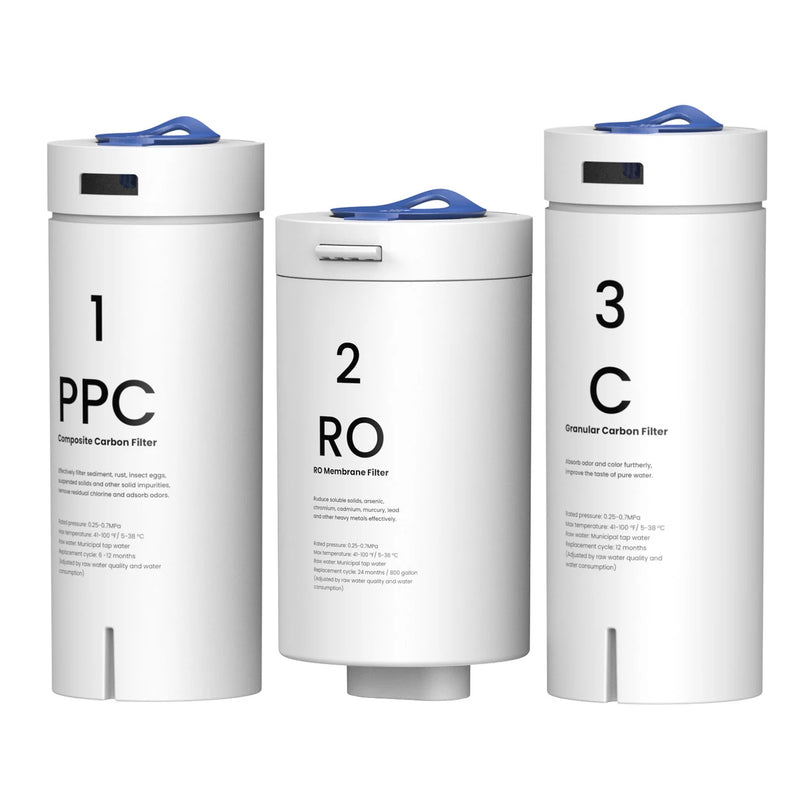
Most residential systems include:
-
Sediment filtration for rust and debris
-
Carbon filtration for chlorine and certain metals
-
An RO membrane for microscopic contaminants
-
Post-filtration for taste
Modern RO membranes filter down to about 0.0001 microns. At that scale, they can block dissolved solids, microplastics, and heavy metals that basic carbon filters may miss.
The Centers for Disease Control and Prevention (CDC) lists reverse osmosis among technologies capable of removing bacteria such as E. coli and viruses like norovirus and Hepatitis A due to its fine pore size. Research summarized by the National Academies also notes that RO or distillation can remove nearly all fluoride.
Reverse Osmosis Water Filters vs Other Filtration Methods
| Filtration Type | Strengths | Limitations |
|---|---|---|
| Carbon filters | Improve taste and odor, reduce chlorine and some lead | Most do not remove bacteria or viruses |
| UV purification | Inactivates bacteria and viruses | Does not remove PFAS, heavy metals, or dissolved solids |
| Pitcher filters | Affordable, simple setup | Limited contaminant range, low daily capacity |
| Whole house systems | Treat water at entry point | Often lack RO-level membrane filtration |
Most home filters are carbon-based and mainly improve taste and odor. If your concern includes microbial contaminants or dissolved chemicals such as PFAS, carbon alone may not address it.
The Environmental Protection Agency (EPA) confirms that point-of-use RO systems can significantly reduce PFAS, a concern affecting an estimated 165 million Americans. That scope alone has pushed many households to look more closely at membrane filtration.
Reverse Osmosis Water Filtration Systems: How They Work
A typical reverse osmosis water filter system operates in clearly defined stages.
Sediment filtration captures larger particles first. Carbon filtration reduces chlorine and chemicals that could damage the membrane.
Water is then forced through the RO membrane. Contaminants larger than 0.0001 microns are separated and flushed away. Bacteria and viruses are larger than this threshold, which explains why federal agencies recognize RO as effective for microbial reduction.
A final carbon stage improves taste before the water reaches your faucet.
RO also removes many dissolved minerals. Some systems include remineralization filters to add small amounts of calcium or magnesium back. Others leave the water low in total dissolved solids. It comes down to preference and source water quality.
Reverse Osmosis Water and RO Systems: What’s Available in 2026
You can choose from several installation formats depending on space and daily demand.
Under Sink Reverse Osmosis System
An under sink reverse osmosis system is the most common residential option.
Installed beneath your sink, it connects to the cold-water line and dispenses filtered water through a dedicated faucet. You get consistent access without refilling pitchers or buying bottled water. Tankless models reduce storage space and limit water sitting in a tank.
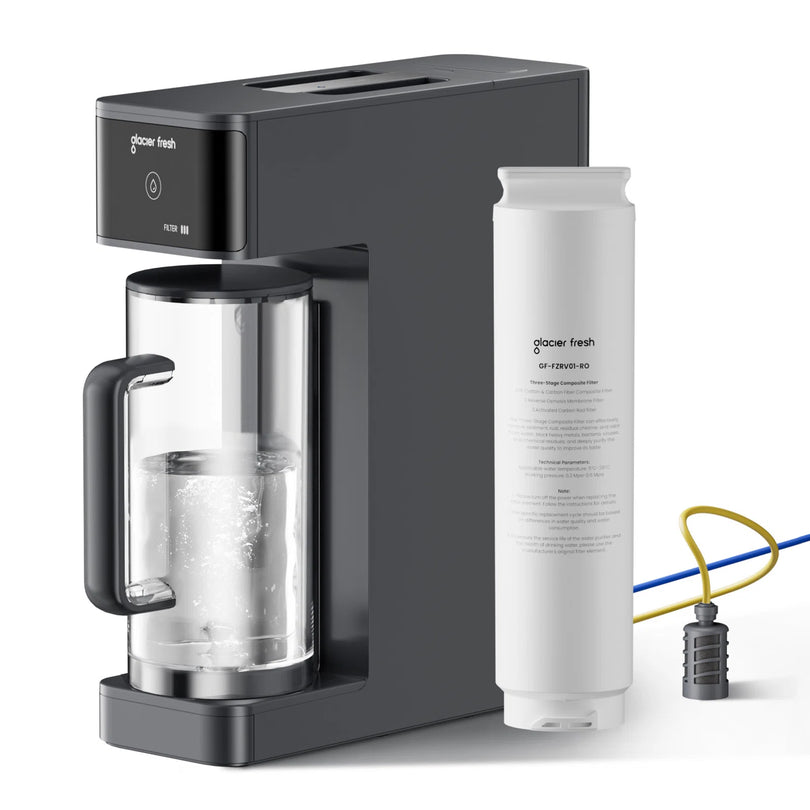
Countertop RO Water Purifier Systems
Countertop systems are popular with renters and small households.
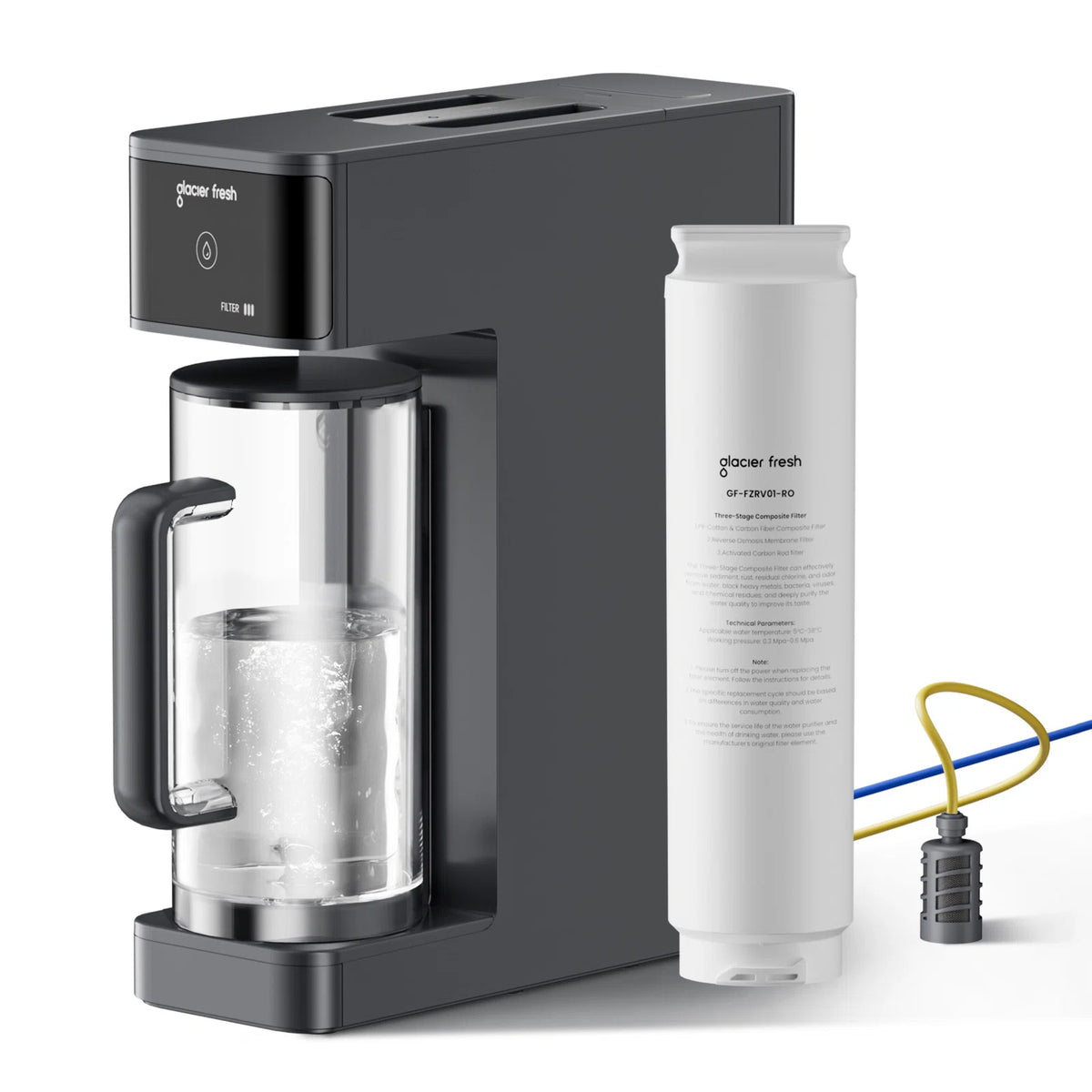
They connect temporarily to a faucet or operate as plug-in refill units. While capacity is lower than full under sink systems, many still use true RO membranes capable of reducing PFAS, heavy metals, and microbes.
Whole-House RO Systems
Whole-house RO systems treat water at the main entry point. They supply filtered water to every tap and appliance. Installation costs are higher, and a professional setup is usually required. Maintenance is also more involved, and water pressure should be evaluated before installation.
Best Reverse Osmosis Water Filter Systems in 2026
If you’re comparing the best reverse osmosis water filter systems this year, focus on membrane quality, output capacity, and practical installation.
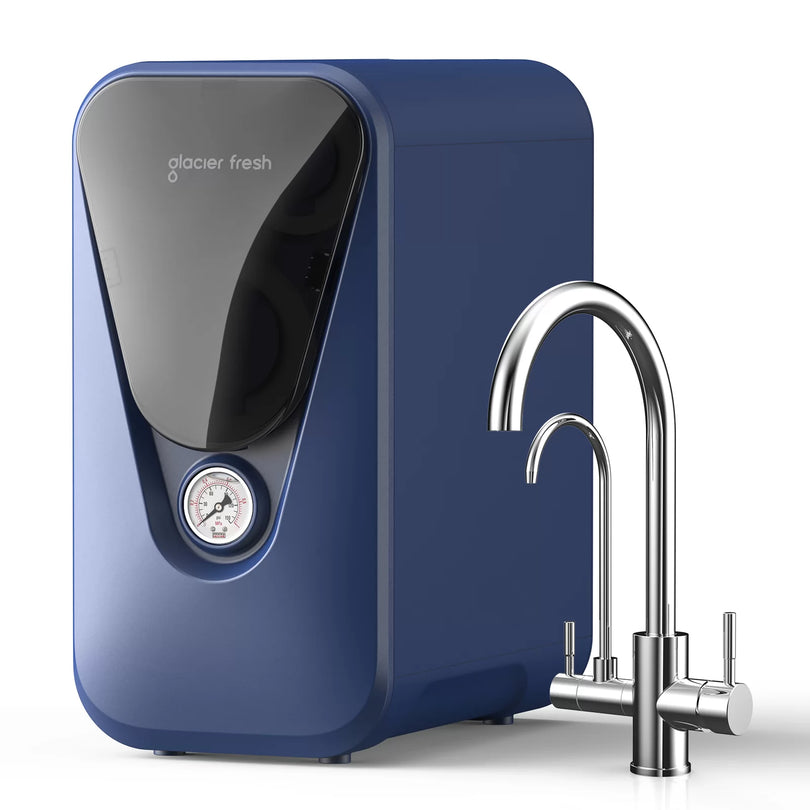
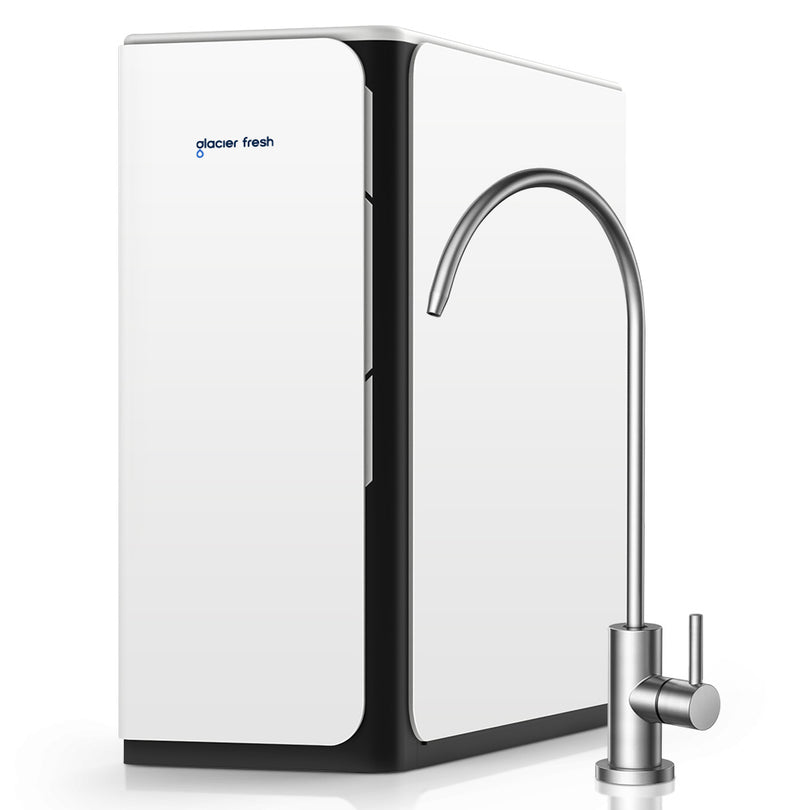
GlacierFresh U03: High-Speed Tankless RO Powerhouse for Modern Kitchens

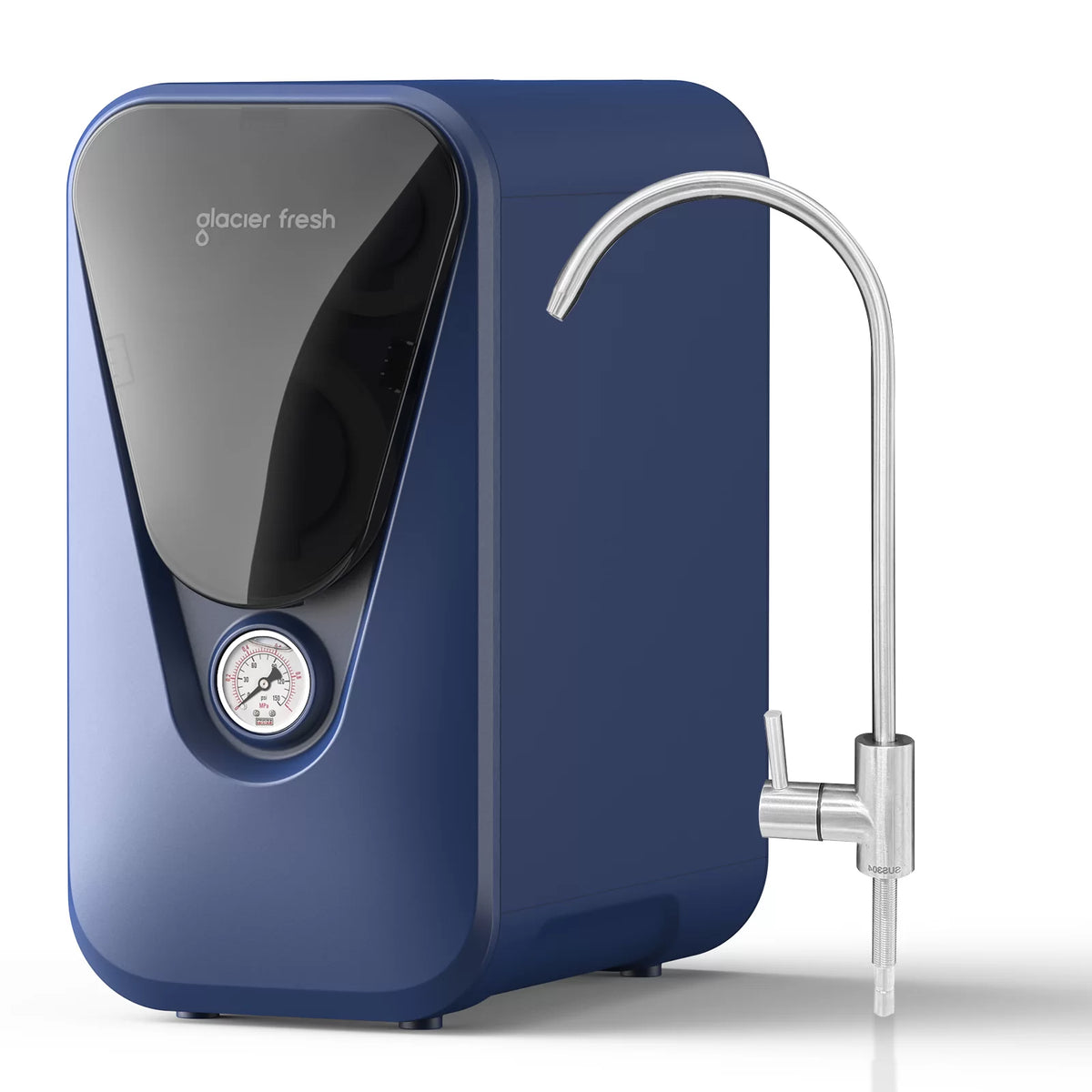
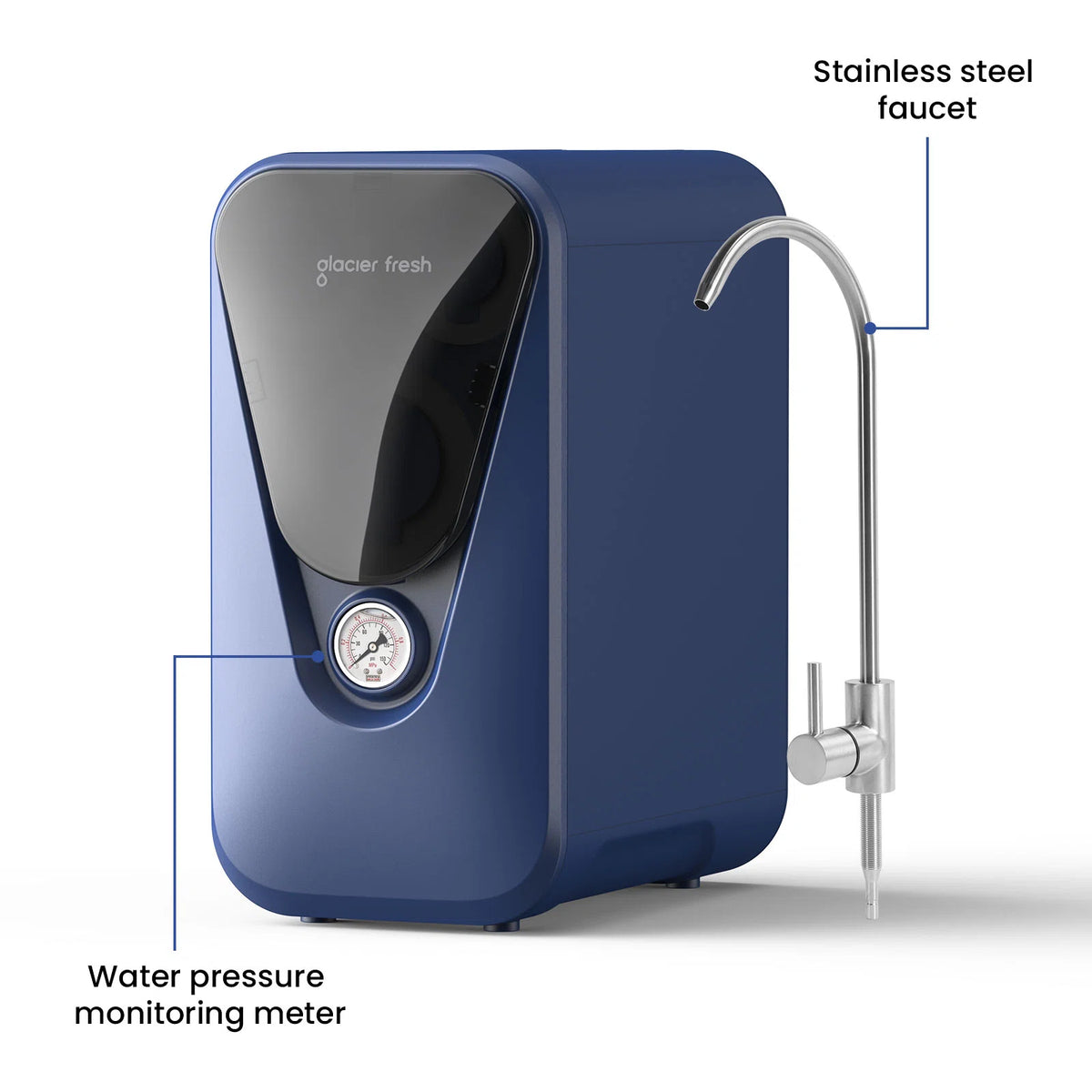
The GlacierFresh U03 is a high-capacity under sink reverse osmosis system designed for municipal water.
Its five-stage filtration includes a 0.0001 micron RO membrane targeting PFAS, heavy metals, chlorine, and microplastics. With an 800-gallon-per-day rating, it supports larger households and high daily usage.
The tankless design saves cabinet space and operates without electricity. Installation is manageable for most homeowners, and faucet options include Classic and Elite configurations.
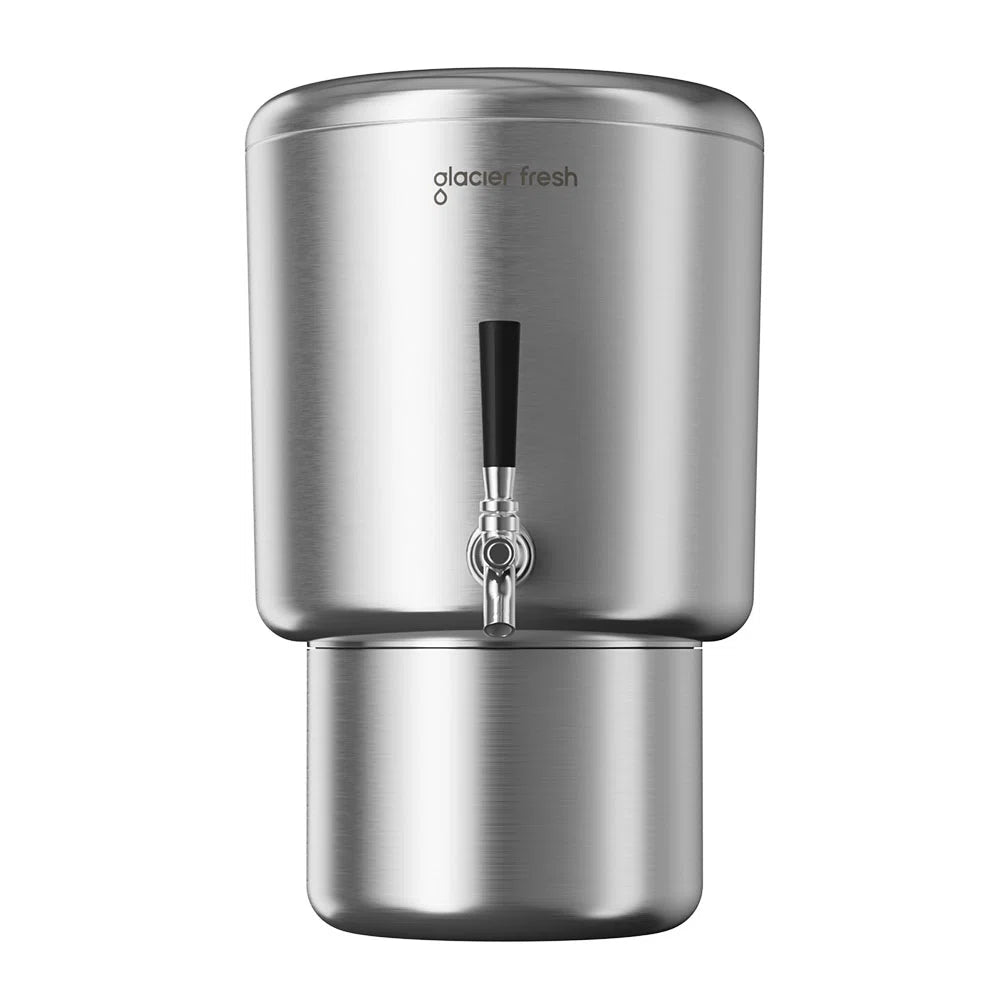
GlacierFresh RVRO01: Portable RO Purifier Built for Travel and Off-Grid Living

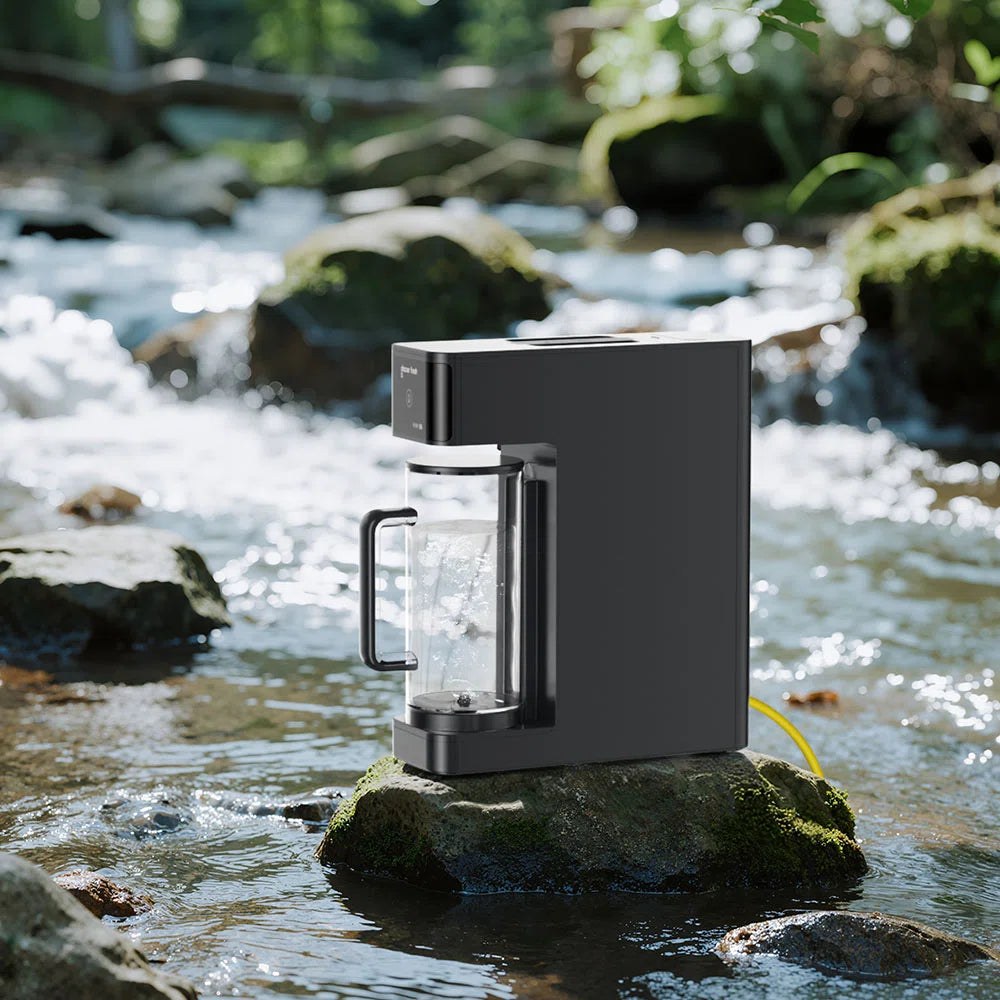
The GlacierFresh RVRO01 is a portable RO purifier for RVs, boats, cabins, and remote locations.
Its four-stage system targets bacteria, parasites, heavy metals, PFAS, and chlorine. For travelers drawing from variable water sources, membrane-level filtration provides broader contaminant reduction than basic carbon systems.
The plug-and-play setup simplifies installation, and the unit is designed for long filtration life during travel.
Best Reverse Osmosis Water Filter System Buying Criteria
Selecting the best reverse osmosis water filter system requires attention to measurable specifications.
-
Verified contaminant reduction data
-
Gallons per day production rating
-
Installation space requirements
-
Tank versus tankless design
-
Water efficiency ratio
Why Reverse Osmosis Filter Under Sink Is the Most Popular Choice
A reverse osmosis filter under sink configuration balances filtration depth and practicality.
It saves counter space and delivers filtered water on demand. Over time, the cost per gallon is often lower than that of bottled water for households that consume several gallons weekly. Many users also report noticeable taste improvement due to reduced chlorine and dissolved solids.
Reverse Osmosis 1000 GPD and High-Capacity Systems: Who Needs Them?
GPD stands for gallons per day and reflects how much filtered water a system can produce in 24 hours.
Higher capacity systems are generally suited for:
-
Large families
-
Homes with heavy cooking routines
-
Frequent entertaining
A 400 GPD unit fits smaller households. An 800 GPD system supports stronger flow with less wait time. A 1000 GPD configuration, meanwhile, is intended for very high-demand homes.
RO Water Filters and Purification Systems: Maintenance and Lifespan
Routine maintenance maintains filtration performance.
Pre-filters and carbon filters typically require replacement every 6 to 12 months. RO membranes often last 2 to 3 years, depending on source water quality.
Reduced flow rate or taste changes are common indicators that filters need replacement. While upfront costs exceed those of pitcher filters, long-term costs are predictable and often lower than purchasing bottled water regularly.
FAQs
1. Can we drink RO water daily?
Yes. RO-treated water is widely consumed every day in homes around the world. Reverse osmosis removes many dissolved contaminants, including certain heavy metals and synthetic chemicals, while also reducing microbial risks when properly maintained.
2. Is RO water better than distilled water?
Both remove a high percentage of dissolved contaminants. Distillation relies on heat and condensation. RO uses pressure and a membrane. For most households, RO systems are easier to use and more energy efficient.
3. What cannot be removed by reverse osmosis?
Reverse osmosis is highly effective for many dissolved solids, metals, and certain microbes, but it does not remove every possible substance. Some dissolved gases and very small volatile compounds may pass through the membrane.
4. Is boiling water the same as reverse osmosis?
No. Boiling kills many microorganisms, but it does not remove PFAS, heavy metals, or dissolved solids. Reverse osmosis physically separates many of these substances from the water, which makes it a broader filtration method for chemical and particulate reduction.
5. Are under sink reverse osmosis systems worth it?
If you’re concerned about PFAS, heavy metals, microbial contaminants, and the ongoing cost of bottled water, an under sink reverse osmosis system can offer consistent filtration performance and daily convenience.
Conclusion
Municipal treatment reduces many contaminants before water reaches your home, but not all. Federal data on PFAS exposure and agency guidance on microbial reduction have increased interest in membrane-based point-of-use systems.
For households seeking reliable contaminant reduction in a compact format, GlacierFresh RO systems offer practical configurations designed for modern kitchens and mobile living.