
Table of Contents:
Understanding point-of-use water filters
Understanding whole-house water filters
Whole-house vs. point-of-use: comprehensive comparison
Decision framework: which system fits your home?
Regional and water-source needs
Real-world scenarios: which system makes more sense?
Which option saves more money long-term?
FAQs
Conclusion
Understanding point-of-use water filters
 Point-of-use filters are installed where water is used, such as under a kitchen sink, on a faucet, inside a refrigerator, or on a showerhead. They are designed for targeted filtration, which makes them practical when the main goal is better drinking, cooking, or bathing water without filtering every gallon entering the home.
Common types include:
- Faucet filters
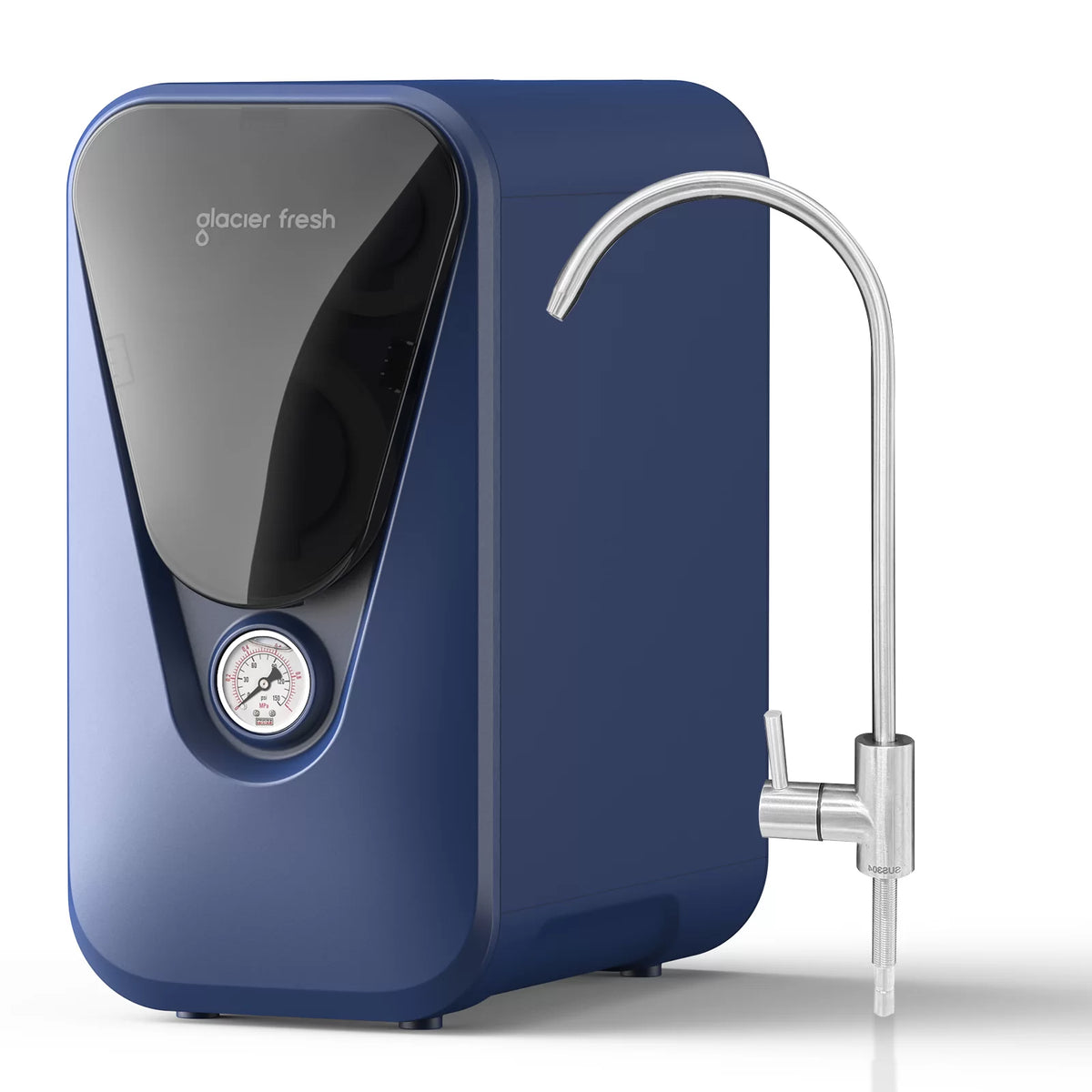
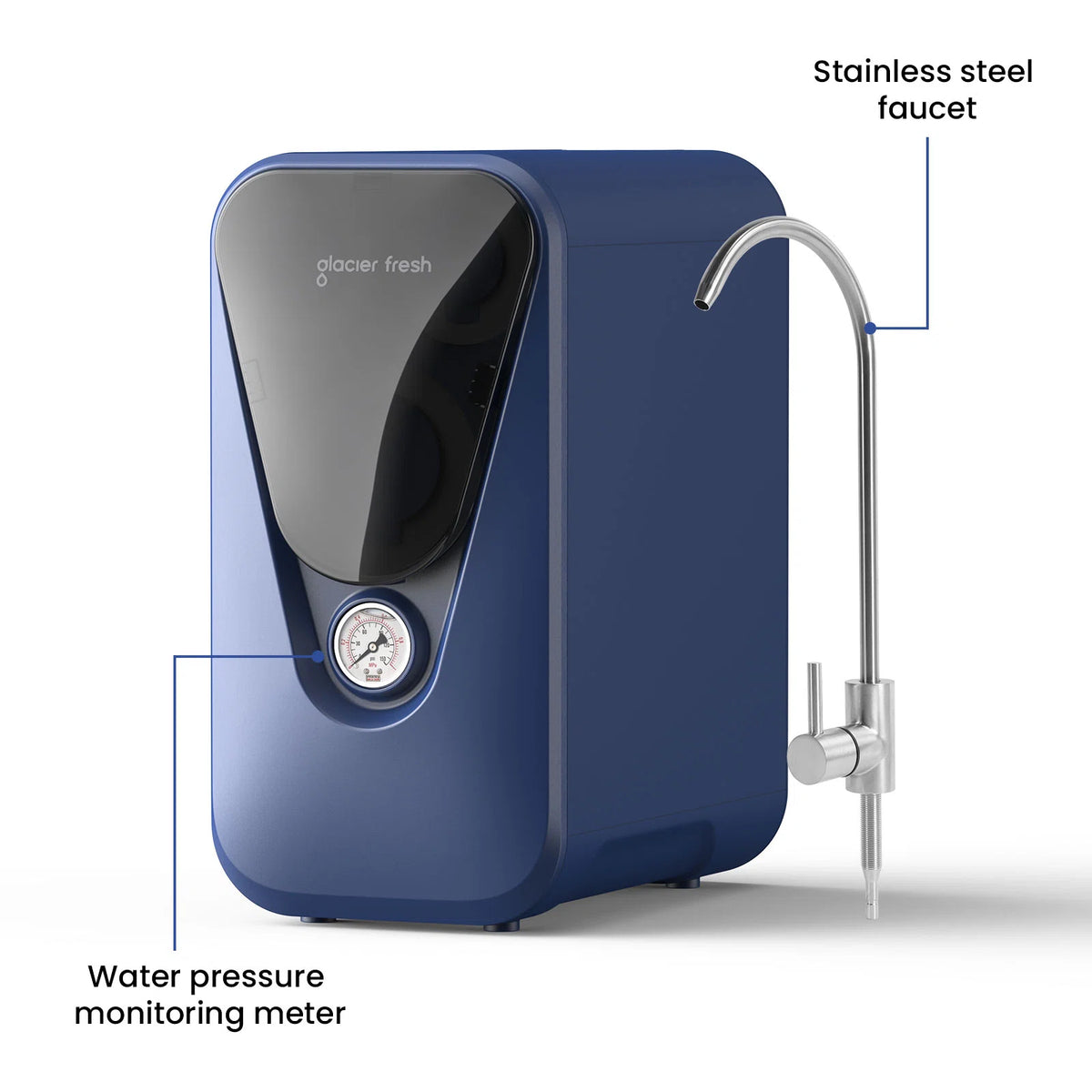
- Under-sink reverse osmosis systems
- Refrigerator filters
- Shower filters
Average upfront cost per unit: $40 to $300
Maintenance: Filter replacements every 2–6 months, depending on type, usage and water quality.
POU systems offer flexibility and affordability, but covering the entire home usually requires multiple filters. They are often the better fit for apartments, renters, small households, or anyone who mainly wants cleaner drinking and cooking water.
Understanding whole-house water filters
A whole-house water filtration system, also called a point-of-entry filter, is installed at the main water line and treats water before it reaches faucets, showers, laundry equipment, water heaters, and other appliances. These systems typically target sediment, chlorine, iron, odor, and other common contaminants that can affect water quality and appliance performance.
Average upfront cost: $800 to $3,000, including equipment and installation
Maintenance: Replace filters every 6-12 months; many systems last 10-20 years with proper care
Whole-house systems are ideal for homeowners who want full-home protection with fewer maintenance points. One of the benefits of water filtration system planning at the main line is that it can support skin, hair, laundry, plumbing, and appliances, not just drinking water.
Whole-house vs. point-of-use: comprehensive comparison

Initial cost comparison
Regarding upfront costs, POU filters appear cheaper at first glance. However, the long-term cost picture changes when multiple taps, showers, and appliances need coverage.
| System Type | Equipment Cost | Installation | Typical Upfront Total | Best Fit |
| Whole-house filter | $600-$2,000 | $200-$1,000 | $800-$3,000 | Owners who want full-home protection and plan to stay long-term |
| POU filters (4 units) | $40-$300 each | Mostly DIY | $160-$1,200 | Renters, small households, or drinking/cooking-only needs |
While point-of-use systems require less initial investment, the cost starts to climb when you factor in multiple units and more frequent replacements. That is why the effectiveness of water filters should be judged by both contaminant reduction and total ownership cost, not by purchase price alone.
Maintenance & replacement costs over time
Whole-house systems require fewer touchpoints for maintenance. Filters are often replaced once or twice a year; some systems may also include larger-capacity cartridges or self-cleaning features. POU filters usually need more frequent replacement because each unit handles a specific location.
- Refrigerator filters: about every 6 months
- Faucet filters: about every 2-3 months
- Shower filters: about every 6 months
- RO systems: filters and membranes typically every 6-12 months, depending on design and water quality
Over five years, these replacement costs can add up, especially for large families. A simple way to estimate ownership cost is: equipment + installation + five years of replacement filters + any service visits - estimated savings from fewer bottled-water purchases or reduced appliance issues.
Water usage & efficiency
Whole-house filters treat all water entering your home, including water used for laundry, toilet flushing, showers, and outdoor use. While that can seem excessive, it helps keep contaminants like chlorine or hard minerals from affecting plumbing, fixtures, skin, and appliances.
POU filters target only the water you choose to filter. This can make them more efficient for drinking and cooking, especially when your main concern is taste, odor, or a specific drinking-water contaminant. One of the advantages of water filters at the point of use is that you can match the technology to the exact need, such as reverse osmosis for drinking water or a shower filter for bathing comfort.
Decision framework: which system fits your home?
How do point of use filters compare to point of entry systems? Point-of-use filters are more targeted and easier to install, while point-of-entry systems provide broader home protection from a single installation point. Use water testing first, then match the system to your actual contaminants, household size, and budget.
| Household factor | Choose POU filters when... | Choose a whole-house system when... |
| Water source | City water mainly needs taste, odor, or drinking-water polishing | Well water, sediment, iron, sulfur smell, or whole-home chlorine reduction is a concern |
| Household size | 1-2 people or limited filtered-water demand | Family uses multiple taps, showers, and appliances daily |
| Budget | Lower upfront cost is the priority | Higher upfront cost is acceptable for fewer maintenance points |
| Health/comfort needs | Main focus is drinking and cooking water | Skin, hair, respiratory comfort, or sensitive household members are a priority |
| Appliances | Few appliances need protection | Water heater, dishwasher, washer, and fixtures need sediment/scale protection |
Are whole house water filters worth the investment? They often are for larger homes, well water users, or households dealing with sediment, odor, chlorine, or hard-water side effects. For renters or small spaces, POU filtration may deliver enough value without permanent installation.
Regional and water-source needs
Municipal water is commonly treated for safety, but taste, odor, chlorine, chloramine, and aging pipes can still influence filtration needs. Well water is different: homeowners may need testing for bacteria, iron, manganese, hardness, nitrates, sulfur odor, or sediment before choosing equipment. A whole-house sediment or carbon system can handle broad entry-point issues, while a kitchen POU system can add more precise drinking-water protection.
Before purchase, use a certified laboratory test or a reliable home screening kit for hardness, TDS, chlorine, lead, iron, pH, and bacteria where relevant. Test results help connect the contaminant to the right technology and improve the effectiveness of water filters over time.
Real-world scenarios: which system makes more sense?
- Small apartment or budget-conscious homeowner: POU filters are budget-friendly and ideal for renters or smaller spaces. A basic under-sink filter and showerhead unit can cost under $150.
- Large family home with well water: A whole-house system is better suited for homes that need to address multiple contaminants throughout the property, especially when water testing shows sediment, hardness, iron, or odor issues.
- Health-focused household: For families with infants, elderly members, or people sensitive to odor, taste, or skin irritation, whole-house filtration can provide more consistent water quality at every tap.
- Kitchen-first upgrade: If the biggest concern is drinking-water taste, cooking quality, or reducing specific contaminants at one sink, a high-quality POU system may be the most cost-effective starting point.
Which option saves more money long-term?
It depends. Point-of-use filters have lower startup costs, but they can become more expensive when several units are installed and replaced on different schedules. Whole-house systems cost more upfront, but they may provide better long-term value through fewer maintenance points, full-home convenience, and appliance protection.
Choose a Whole-House System If:
- You want low-maintenance, full-home protection
- You are dealing with hard water, sediment, chlorine odor, or multiple contaminants
- You own the home and plan to stay long-term
- You want to protect water heaters, dishwashers, washing machines, and fixtures
Choose Point-of-Use Filters If:
You are on a tight budget or renting
- You mainly care about drinking and cooking water
- You do not mind maintaining multiple units
- You want to test filtration needs gradually before investing in a larger system
How do different water systems compare in terms of efficiency and cost? POU filters are usually more efficient for targeted drinking water because they filter only selected water. Whole-house systems can cost more upfront, but they may be more efficient from a maintenance and convenience perspective when the entire household needs filtered water.
FAQs
Q1: How do point of use filters compare to point of entry systems?
A: Point-of-use filters treat water at one location, such as a kitchen sink or refrigerator. Point-of-entry systems treat water as it enters the home, so every tap and appliance receives filtered water. POU systems are cheaper and easier to install, while whole-house systems provide broader coverage.
Q2: Are whole house water filters worth the investment?
A: Yes, for many homeowners. They are especially worthwhile for larger households, well water, hard water, chlorine odor, sediment issues, or appliance protection. For renters or drinking-water-only needs, POU systems may be enough.
Q3: How much does it typically cost to install a whole house water filtration system?
A: A typical installed cost ranges from about $800 to $3,000, depending on equipment size, filtration stages, plumbing complexity, and local labor rates. More specialized systems for well water or heavy contaminant loads can cost more.
Q4: What maintenance is required for home water filtration systems?
A: Whole-house filters usually need cartridge replacement every 6-12 months, plus periodic checks for pressure loss or leaks. POU filters often need replacement every 2-6 months, while RO systems may also require membrane changes and occasional sanitizing.
Q5: Can I combine both systems?
A: Absolutely. Many households use a whole-house filter for general sediment, chlorine, or scale reduction and a POU filter, such as reverse osmosis or ultrafiltration, at the kitchen sink for drinking water. This combined setup can balance coverage, cost, and contaminant targeting.
Conclusion
Water filtration is an investment in your health, home, comfort, and budget. POU filters can meet basic needs with a lower upfront cost, while whole-house systems often provide stronger long-term value for larger homes or households with broader water-quality concerns.
Before you decide, test your water, estimate five-year ownership costs, and consider how much of your home truly needs filtration. A clear picture of your needs will help you make a confident, cost-effective choice. Follow Glacier Fresh to find more water filtration solutions and compare the advantages of water filters by household use case.
Related Reading
- Glacier Fresh U06 Under Sink Ultra Filtration Water Filter System
- Reverse Osmosis, Nanofiber & Ultrafiltration: Which One Is Right for You?
- Water Filters for Apartments & Renters: No Installation Required